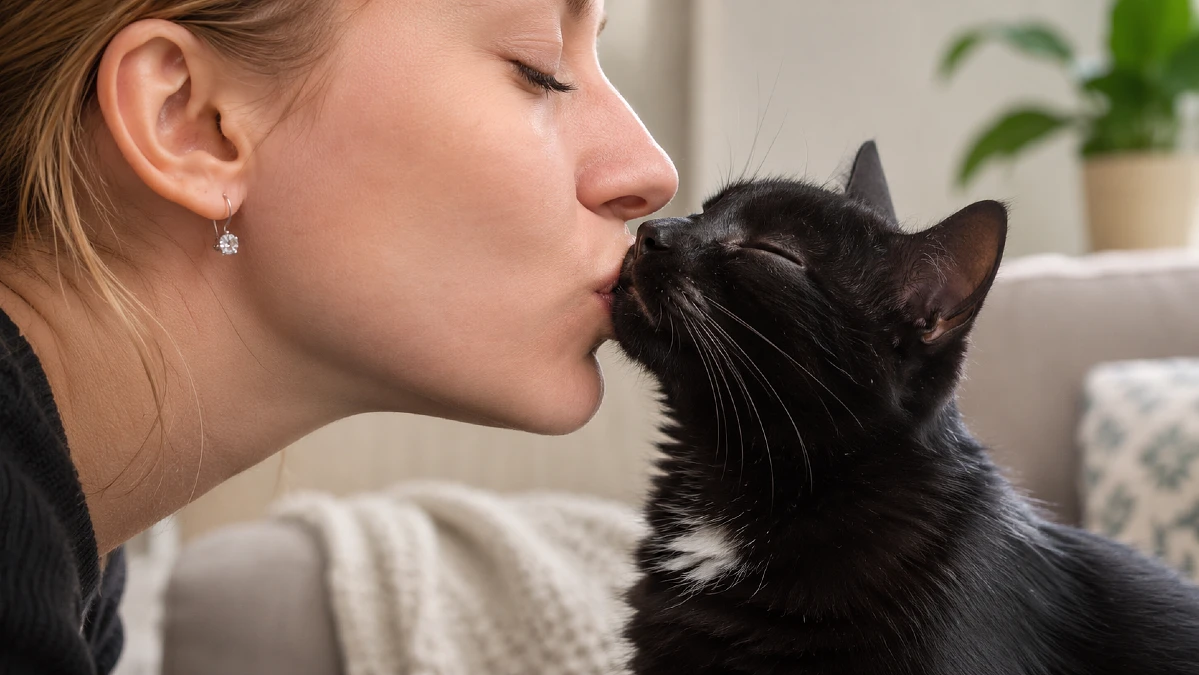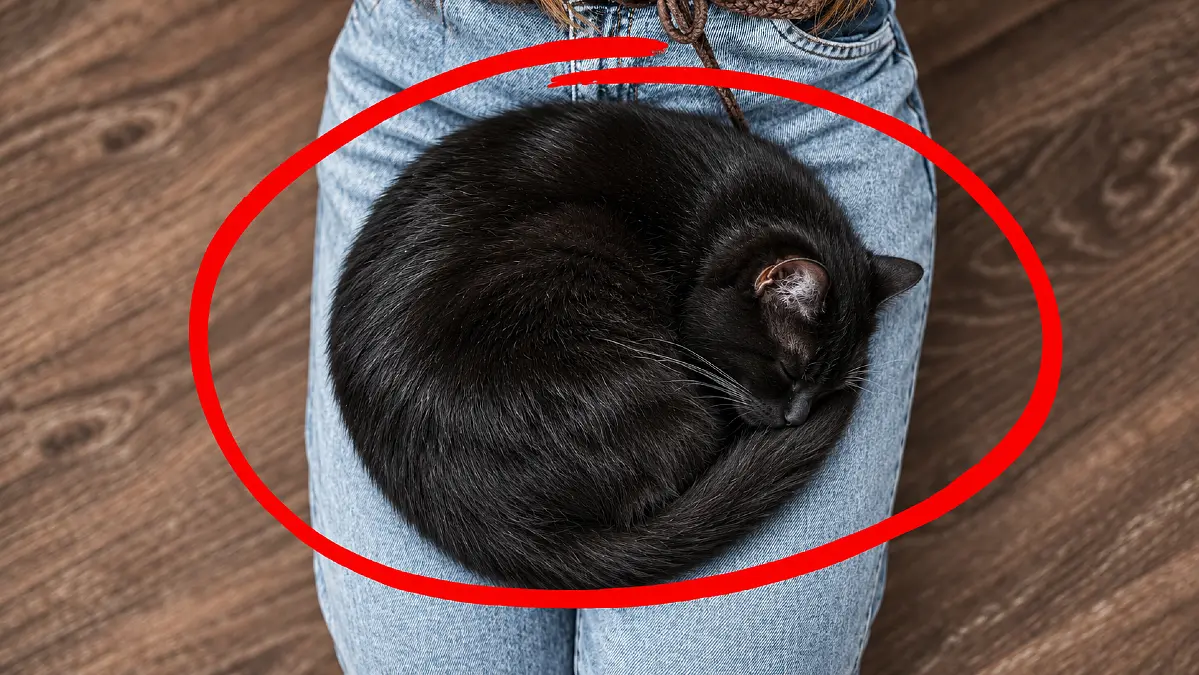
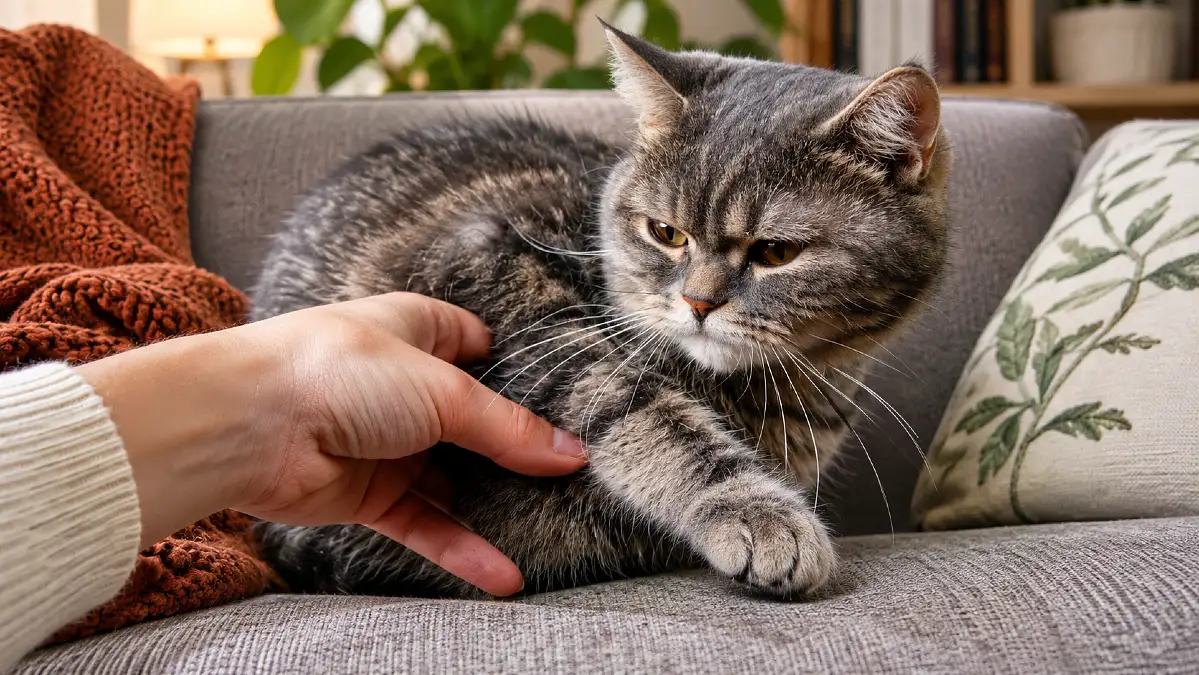
Your cat follows you around the house, waits outside the bathroom and sleeps beside you at night. Yet the moment you try to cuddle, they twist out of your arms and walk away. It can leave you wondering whether your cat actually loves you.
You might even feel a little jealous when you see other people holding their cats without a struggle. You give your cat delicious food, comfortable beds and plenty of attention, but physical affection still seems to be off the table.
Here’s what might surprise you. Your cat may love you deeply but dislike the way you express your affection. What feels comforting to you might feel restrictive or overwhelming to your furry companion.
Other factors, including early kitten experiences, changes at home and hidden physical pain, can also affect how much your cat enjoys being touched.
Your Cat May Hate the Way You Cuddle
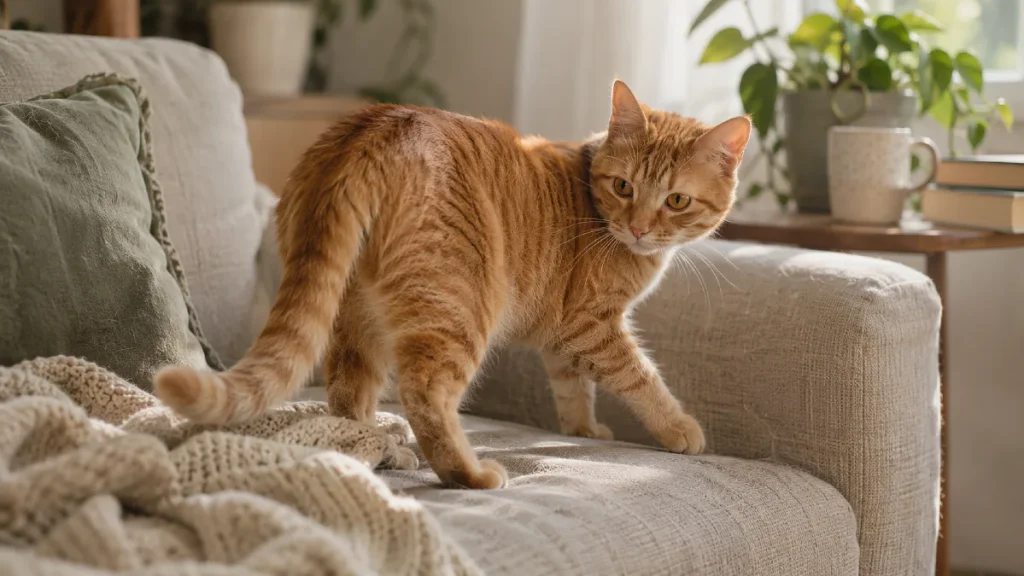
Think about what happens when you pick up your cat. Do you wrap both arms around their body, hold them against your chest or cradle them on their back like a baby?
These gestures feel natural to humans because hugs are a familiar way to express love. However, your cat may experience that same hug as a restriction on their ability to move.
Cats often feel more comfortable when they can leave an interaction whenever they choose. When you hold them tightly, you take away that option, even though your intentions are loving.
Cradling your cat on their back can create a similar problem. It exposes their belly and may make it harder for them to return to a normal standing position.
Some cats enjoy being carried this way, but others find it frightening. Their reaction depends on their personality, past experiences and comfort with being handled.
Common Cuddling Mistakes to Avoid
Pay attention to what you do just before your cat starts struggling. Small changes in how you approach and hold them can make physical contact feel much less threatening.
| Cuddling mistake | Why cats may dislike it | Better approach |
|---|---|---|
| Wrapping both arms around them | Restricts movement | Let them sit beside you |
| Cradling like a baby | Exposes their belly | Keep their body upright |
| Picking them up unexpectedly | Can cause fear | Allow them to approach |
| Blocking their escape | Creates a trapped feeling | Keep an open path |
| Holding them for too long | Can become overwhelming | Keep contact brief |
Nottingham Trent University published research in 2021 showing that giving cats more choice over human interactions increased friendly behavior and reduced signs of conflict. The findings support a simple idea: cats tend to have better experiences when they have greater control over physical contact.
The Feline Veterinary Medical Association reinforced the importance of respectful handling in its 2026 position statement. Instead of treating physical restraint as a normal part of affection, it encourages interactions that protect a cat’s physical and emotional comfort.
If your cat regularly walks away after a hug, stop initiating hugs for a while. Give them the chance to discover that sitting beside you does not automatically mean being picked up.
Your Cat’s Kitten Years May Explain Its Behavior
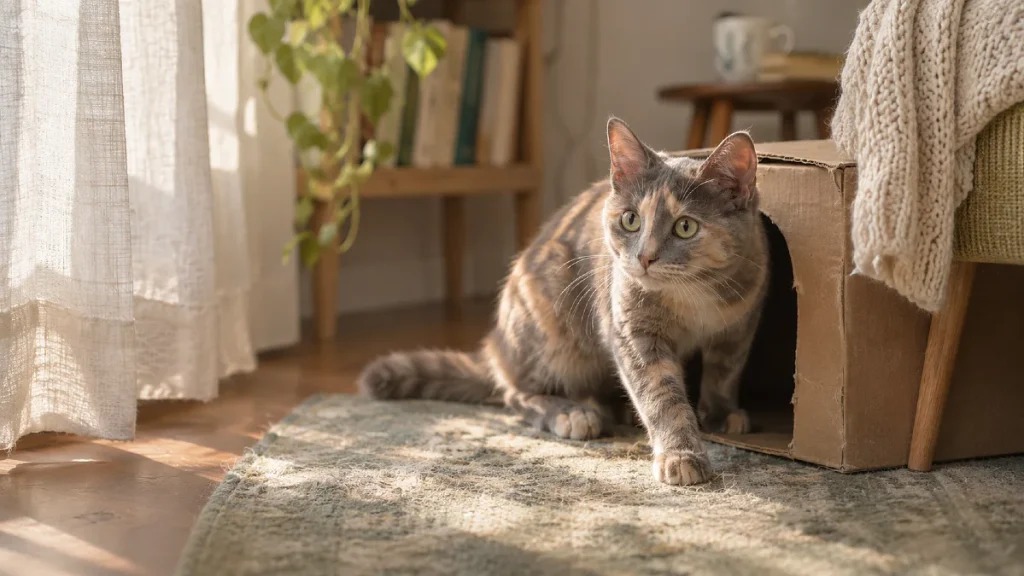
Your cat’s relationship with human touch may have started long before you brought them home. Early experiences can influence how comfortable a cat feels around people throughout adulthood.
According to the AAFP and ISFM Feline Environmental Needs Guidelines, an important socialization period occurs between two and seven weeks of age. Gentle, positive human contact during this period can help kittens become more comfortable around people.
A kitten that regularly experiences safe handling and friendly interaction may become familiar with human touch. A kitten that has little contact with people may need more time to develop that same confidence.
This can be particularly relevant if you adopted a rescue cat with an unknown background. Your cat might have spent their early weeks outdoors, in an overcrowded environment or around people who handled them roughly.
A Difficult Start Does Not Mean Your Cat Cannot Change
Kittens can also be influenced by their mother’s behavior and individual temperament. If their mother was fearful around people, those early experiences may contribute to their own caution.
However, you should not assume that every cat born outdoors will dislike human affection. Cats have individual personalities, and even kittens raised in loving homes can grow into adults who prefer their own space.
The Merck Veterinary Manual emphasizes positive experiences and reward based training when helping cats become comfortable with people. Adult cats can learn new associations, although progress may be gradual.
If your rescue cat hides when you enter the room, start by sitting quietly at a comfortable distance. Read a book or watch television without expecting them to come closer.
Over time, your presence can become something familiar rather than something they need to avoid. Every voluntary approach gives you an opportunity to strengthen that sense of safety.
You Might Be Choosing the Wrong Time to Cuddle
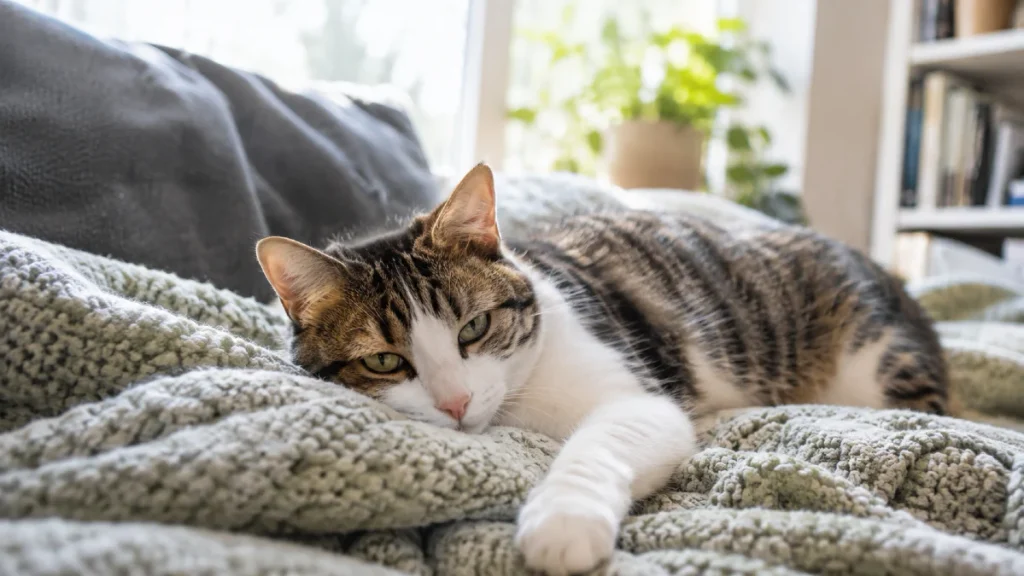
Your cat could enjoy affection but dislike receiving it at certain times. Much like people, cats have moments when they would rather be left alone.
You might see your cat sleeping peacefully on the couch and decide it is the perfect time for a hug. From your cat’s perspective, however, you have just interrupted a comfortable nap.
The same problem can occur when your cat is eating, grooming, exploring or watching birds through a window. These activities deserve their attention, and interrupting them may make your cat less receptive to being touched.
How you approach matters too. Standing directly over your cat and suddenly reaching down can feel intimidating, particularly if your cat is already nervous.
Try sitting on the floor or lowering yourself to their level. Give them enough space to notice you before reaching out.
How to Tell If Your Cat Wants Affection
Your cat communicates through their ears, eyes, tail and body position. Learning to recognize these signals can help you avoid unwanted contact before your cat feels the need to hiss or scratch.
| Body language | Possible meaning | Your response |
|---|---|---|
| Rubbing their head against you | Seeking contact | Offer gentle petting |
| Loose, relaxed body | Feeling comfortable | Allow them to approach |
| Repeated tail flicking | Growing irritation | Stop petting |
| Flattened ears | Fear or discomfort | Give them space |
| Suddenly becoming stiff | Tension or uncertainty | Remove your hand |
| Turning or walking away | Wants distance | Let them leave |
Cats Protection recommends paying attention to even subtle changes in feline body language. Your cat may communicate discomfort well before they use more obvious defensive behavior.
Remember that freezing does not necessarily mean your cat is enjoying being held. A tense cat that remains still may actually be waiting for an opportunity to escape.
When you notice an early warning sign, stop the interaction immediately. Responding to those small signals can help prevent your cat from needing to communicate more forcefully.
Small Changes at Home Can Make Your Cat Pull Away
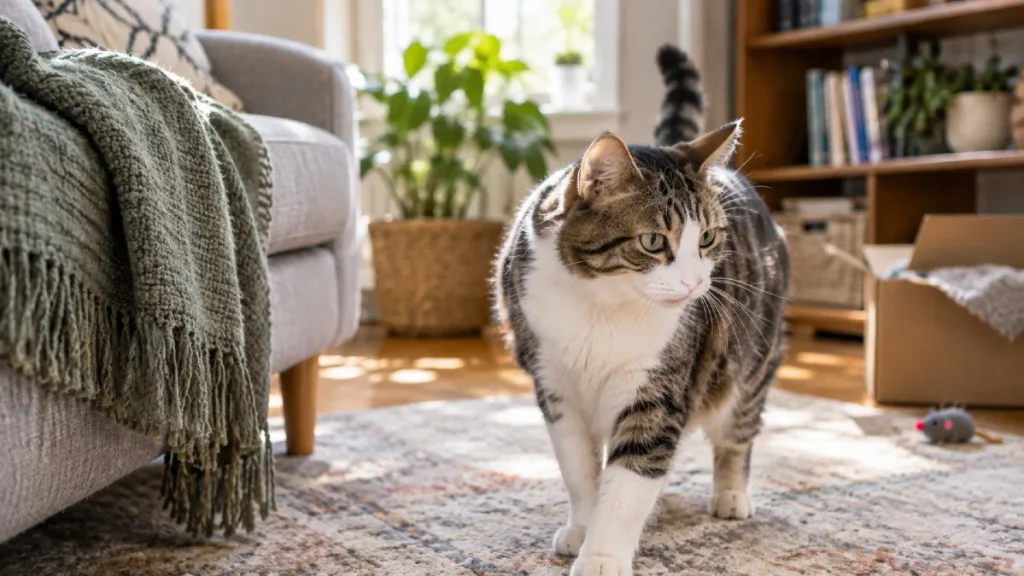
Was your cat affectionate last month but strangely distant today? Before assuming their personality has changed, think about what has recently happened inside your home.
Cats often benefit from familiar surroundings and predictable routines. A change that seems minor to you may make your cat feel less comfortable in their usual environment.
Moving the sofa, welcoming a new pet or having unfamiliar visitors can affect how secure your cat feels. Even changes to your work schedule may disrupt their usual pattern of meals, play and rest.
Other possible sources of stress include:
- Loud television or music.
- Building work inside the home.
- Frequent household visitors.
- Unfamiliar animals outside the windows.
- Changes to feeding times.
- Competition with another household pet.
- Moving food bowls or litter boxes.
- Losing access to a favorite sleeping spot.
International Cat Care emphasizes the importance of a predictable environment that meets a cat’s physical and emotional needs. Providing secure places to rest and retreat can help reduce unnecessary stress.
Give Your Cat Somewhere Safe to Relax
Create a quiet resting area away from busy hallways and noisy household activities. A covered cat bed, an accessible cat tree or a simple cardboard box with a familiar blanket can provide a comfortable retreat.
Make sure everyone in your household respects that space. When your cat goes there, avoid reaching inside to pull them out or attempting to start a cuddle session.
Try to maintain familiar feeding and play schedules during stressful periods. If you need to introduce new furniture or rearrange a room, preserve some familiar resting places where possible.
Your cat may become more willing to spend time with you once they feel secure again. However, do not automatically blame stress for a sudden behavioral change, because physical illness can cause similar signs.
A Sudden Dislike of Cuddling Could Mean Your Cat Is in Pain
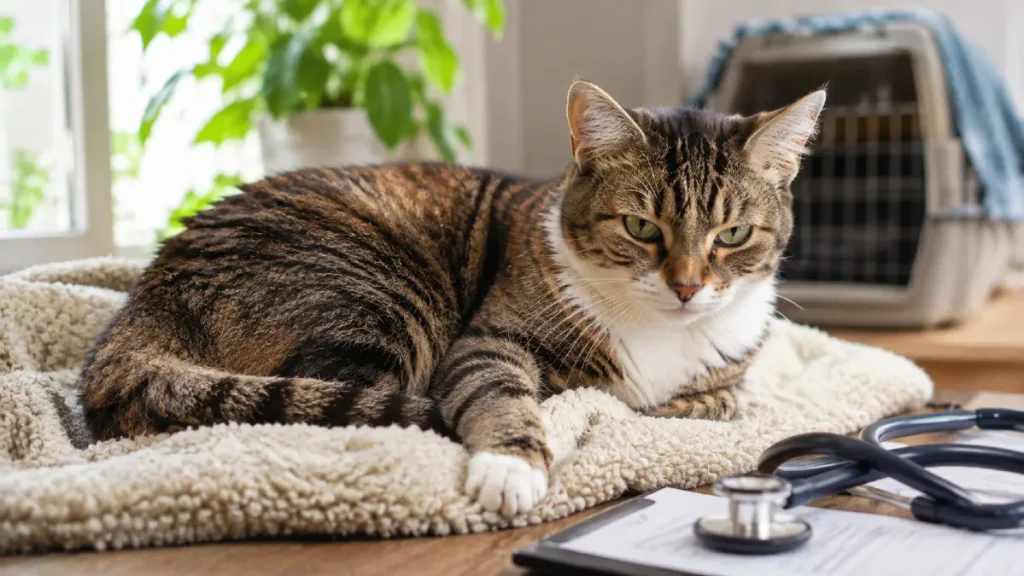
One of the most important things to consider when your cat won’t cuddle is whether something hurts. This is especially important if your cat previously enjoyed being picked up or stroked.
Cats can be difficult to read when they are experiencing physical discomfort. Rather than crying or limping, they may become quieter, hide more often or avoid activities they once enjoyed.
A cat with painful joints may find being lifted uncomfortable. Another cat might react defensively when your hand touches an injured area or irritated patch of skin.
Cornell University’s Feline Health Center explains that aggression during physical contact can sometimes have a medical cause. Conditions that cause pain or reduce mobility may make cats less tolerant of handling.
Older Cats May Need a Different Kind of Affection
If your cat is getting older, watch for changes in the way they move around your home. They might hesitate before jumping onto the sofa, avoid climbing stairs or struggle to groom certain parts of their body.
Cornell University identifies reduced activity, stiffness and difficulty grooming as potential signs of joint disease in cats. Arthritis can make ordinary activities uncomfortable, including movements involved in climbing onto your lap.
Do not dismiss these changes as a normal part of getting older. A veterinarian can assess your cat and recommend suitable treatment or changes to their daily environment.
When You Should Contact a Veterinarian
Cuddle avoidance alone does not tell you what is wrong with your cat. Look for additional changes that could indicate a health problem requiring professional attention.
| Warning sign | Possible concern | What to do |
|---|---|---|
| Difficulty jumping | Joint pain or injury | Schedule a vet visit |
| Pain when touched | Injury or another painful condition | Contact your vet promptly |
| Unusual drooling | Dental or mouth problems | Arrange an examination |
| Reduced appetite | Illness or discomfort | Contact your vet promptly |
| Straining with little or no urine | Possible urinary blockage | Seek emergency care |
| Difficulty breathing | Serious medical problem | Seek emergency care |
If your cat suddenly hisses, bites or cries when touched, do not repeatedly press the area to test their reaction. Doing so could worsen their discomfort and increase their fear of being handled.
Never give your cat human pain medication without veterinary instructions. Some common human medications are extremely dangerous to cats, and appropriate treatment depends on identifying the cause of their pain.
Once medical concerns have been addressed, you can focus on helping your cat become more comfortable with physical affection again. Their health should always come before your desire for cuddles.
How to Get Your Cat to Cuddle Without Forcing It
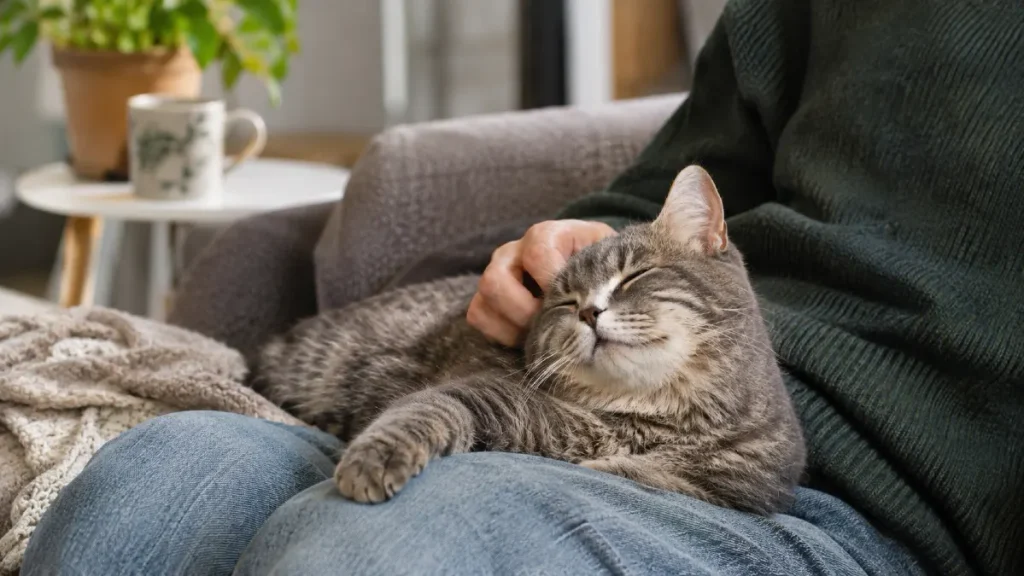
Some cats naturally enjoy more physical contact than others. However, there are several ways you can make spending time together more comfortable and rewarding.
The goal is to help your cat associate your presence with safety, comfort and positive experiences. You should never try to make them tolerate affection by preventing them from leaving.
Let Your Cat Make the First Move
One of the simplest changes you can make is to stop approaching your cat every time you want affection. Instead, give them opportunities to approach you.
If your cat is resting at the other end of the couch, resist the temptation to move them onto your lap. Continue with whatever you are doing and allow them to decide whether to come closer.
When they eventually approach, avoid immediately wrapping your arms around them. Let them sniff you, settle beside you or investigate your lap without interruption.
This may feel like a small change, but it can make your behavior more predictable. Your cat learns that coming close to you does not mean losing their freedom to leave.
Ask Permission Before Petting Your Cat
You cannot ask your cat a question using words, but you can offer them a choice through your actions. Start by sitting at a comfortable distance and extending a relaxed hand without pushing it into their face.
Allow your cat to investigate your hand if they want to. If they rub their cheek against it or lean closer with a relaxed body, they may be inviting gentle contact.
Battersea’s feline behavior guidance, updated in July 2026, emphasizes watching how cats respond during petting. Instead of continuing until they become irritated, give them regular opportunities to choose whether the contact continues.
Try this simple permission test:
- Offer your relaxed hand.
- Wait for your cat to approach.
- Gently stroke their cheek or chin.
- Stop after a few seconds.
- Wait to see whether they request more contact.
If your cat turns away, ends the interaction or remains tense, give them space. You can offer another opportunity later when they seem relaxed and interested.
Use Slow Blinking to Build Trust
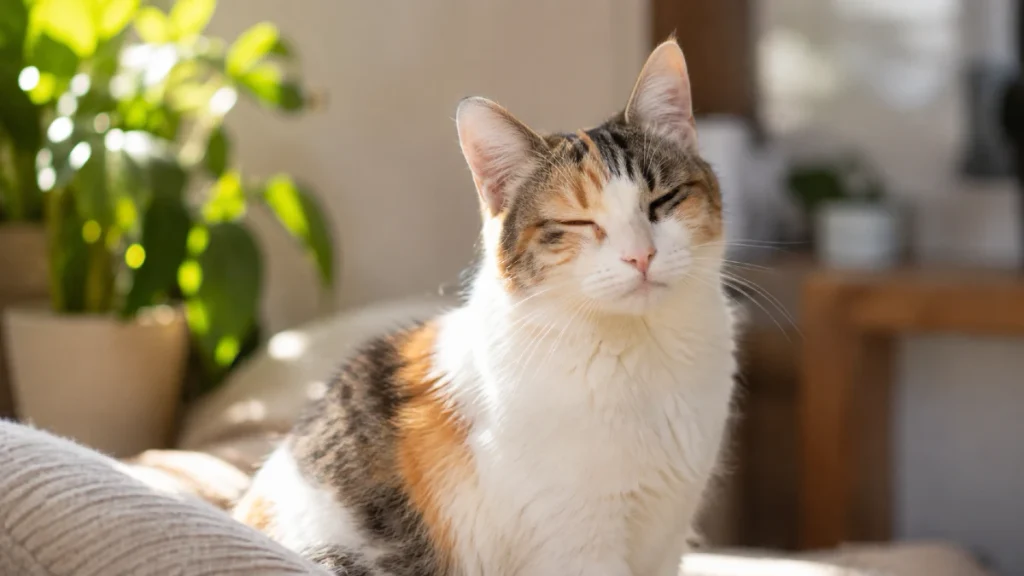
Direct, prolonged staring may make a nervous cat uncomfortable. Softening your gaze and slowly closing your eyes can be a gentler way to communicate.
A 2020 study published in Scientific Reports by researchers from the University of Sussex and the University of Portsmouth examined slow blinking during interactions between cats and people. The cats were more likely to approach an unfamiliar person after a slow blinking interaction than after a neutral interaction.
Try looking softly at your cat, slowly narrowing your eyes and gently reopening them. Then look slightly away rather than maintaining constant eye contact.
Your cat might respond with a slow blink of their own, although not every cat will do so. The important thing is to keep the interaction calm and avoid demanding a response.
Find Your Cat’s Favorite Petting Spots
Where you touch your cat can make a significant difference in how they respond. An area that feels wonderful to one cat may be unpleasant to another.
PetMD’s November 2026 guide to petting cats recommends watching for signs that a cat welcomes contact and using gentle strokes. Begin with commonly preferred areas before exploring other spots.
| Body area | Common preference | Best approach |
|---|---|---|
| Cheeks | Often enjoyed | Gentle strokes |
| Under the chin | Often enjoyed | Light scratches |
| Forehead | Often accepted | Slow, soft strokes |
| Around the ears | Often enjoyed | Gentle rubbing |
| Lower back | Individual preference | Watch their reaction |
| Belly | Often sensitive | Avoid unless clearly welcomed |
| Tail | Often disliked | Avoid grabbing or pulling |
A cat exposing their belly may be showing that they feel relaxed or secure. However, that does not automatically mean they want you to touch their stomach.
Pay attention to your own cat’s preferences rather than assuming every cat enjoys the same type of contact. Once you discover their favorite petting spots, begin each interaction there and stop before they become uncomfortable.
Create a Daily Cuddle Routine
Your cat may become more comfortable with affection when they know what to expect. A regular period of quiet companionship can provide an opportunity for them to approach without pressure.
Choose a time when your home is usually peaceful. This might be after dinner, while you watch television or when you read before bed.
Place a soft fleece blanket beside you on the couch. If your cat likes warm, comfortable surfaces, this may give them another reason to settle nearby.
Keep your attention on your book or television instead of watching your cat’s every movement. Constantly reaching for them may make the experience feel less relaxing.
You can make the space more inviting with:
- A familiar blanket.
- A comfortable couch cushion.
- A quiet room with fewer distractions.
- A nearby covered cat bed.
- Pet stairs if your cat struggles to jump.
- Enough room for your cat to leave freely.
Do not worry if your cat spends the first several sessions sitting at a distance. Quiet companionship is still a valuable form of bonding, even without physical contact.
Reward Voluntary Affection With Small Treats
Food can help your cat develop positive associations with spending time near you. This is a useful option for cats that feel nervous around human hands or physical contact.
When your cat voluntarily approaches, place a small treat nearby. Allow them to eat it without immediately trying to pick them up.
Once your cat becomes comfortable with this routine, you can offer a reward after brief petting that they have willingly accepted. Over time, they may begin associating those gentle interactions with something pleasant.
Keep these rewards small and suitable for your cat’s dietary needs. If your cat has a medical condition or follows a special diet, ask your veterinarian which treats are appropriate.
Avoid using treats to lure your cat onto your lap before trapping them in your arms. That could create the opposite association and make your cat more cautious the next time you offer food.
Signs Your Cat Loves You Even Without Cuddling
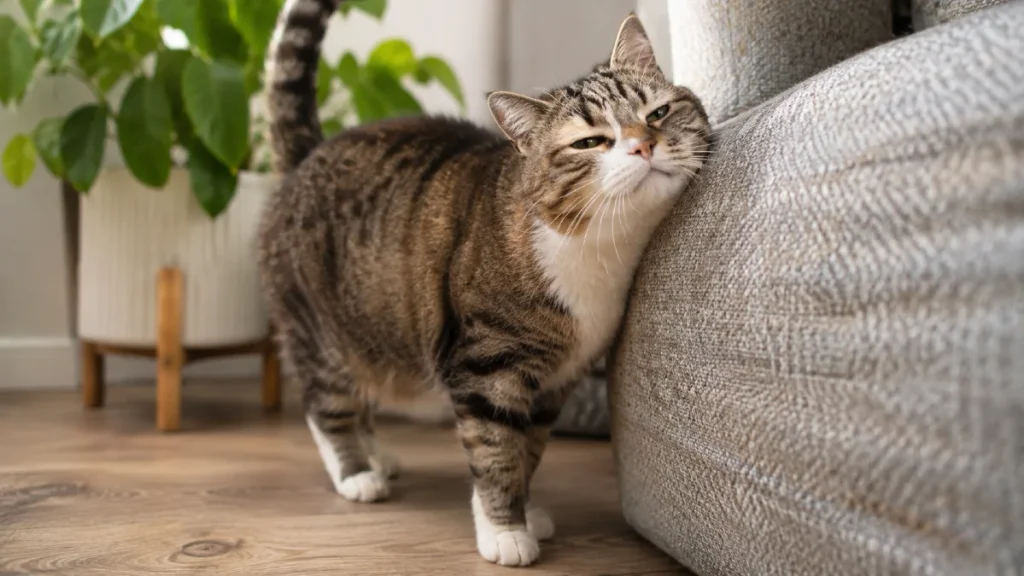
Your cat does not need to sleep on your chest or sit on your lap to have a close bond with you. Some cats express affection through quieter behaviors that are easy to overlook.
Cats Protection describes several signs of feline affection and comfort, including slow blinking, head rubbing and choosing to spend time near familiar people. These behaviors can reveal a strong relationship even when a cat dislikes being held.
Watch for these signs in your own home:
- Your cat follows you from room to room.
- They choose to sleep near you.
- They greet you with a raised tail and relaxed posture.
- They gently rub their cheeks against your legs.
- They slowly blink while looking at you.
- They approach you when they want attention.
- They enjoy playing with you.
- They rest comfortably while you are nearby.
Each behavior needs to be considered alongside your cat’s overall body language. A cat that follows you might want companionship, but they could also be waiting for dinner or playtime.
Look for a consistent pattern rather than relying on a single gesture. A cat that regularly chooses your company and appears relaxed around you is showing that your presence is welcome.
If your cat sleeps at the other end of your bed instead of directly beside you, that still counts as choosing to share your space. Their preferred amount of physical distance does not necessarily reflect the strength of your bond.
What to Do If Your Cat Never Becomes a Lap Cat
You can do everything correctly and still have a cat that prefers sitting beside you rather than on you. That does not mean you have failed to build a loving relationship.
Individual temperament plays an important role in how cats respond to affection. Some enjoy long periods of physical contact, while others prefer brief petting, playful interaction or quiet companionship.
Instead of measuring your success by how long your cat stays on your lap, look for smaller changes. Your cat might begin sitting closer, greeting you more often or relaxing beside you without moving away.
You can also strengthen your relationship through activities that do not require cuddling. Try interactive wand toys, food puzzles or simply spending time together in a familiar room.