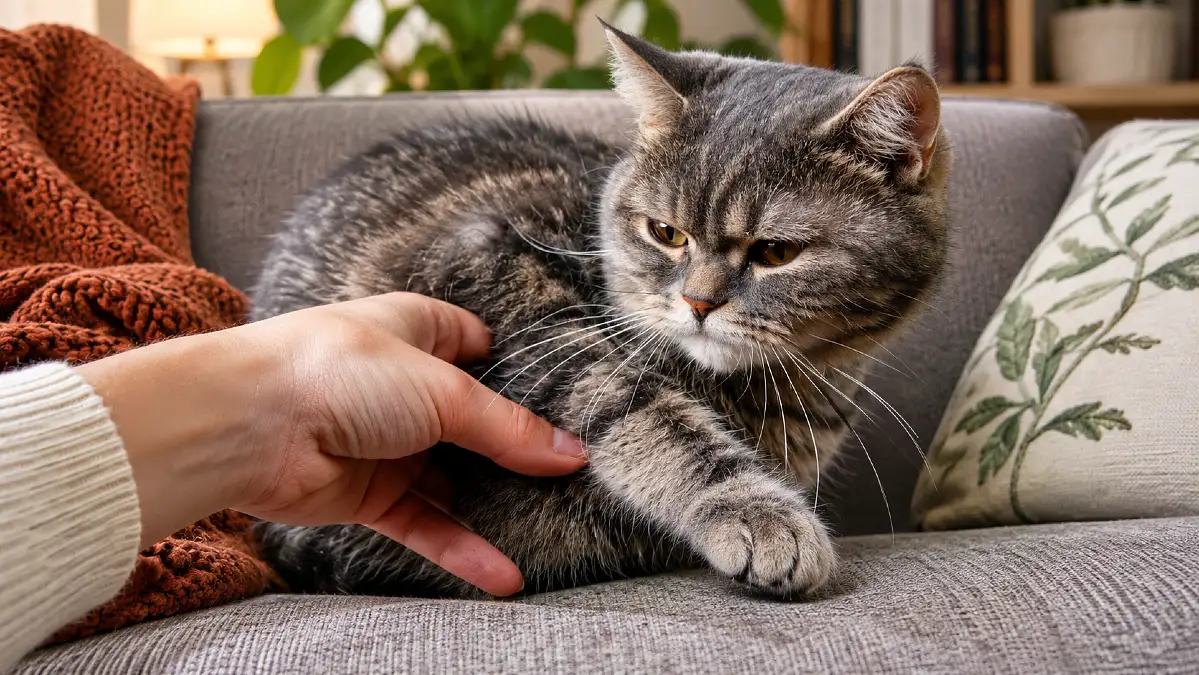
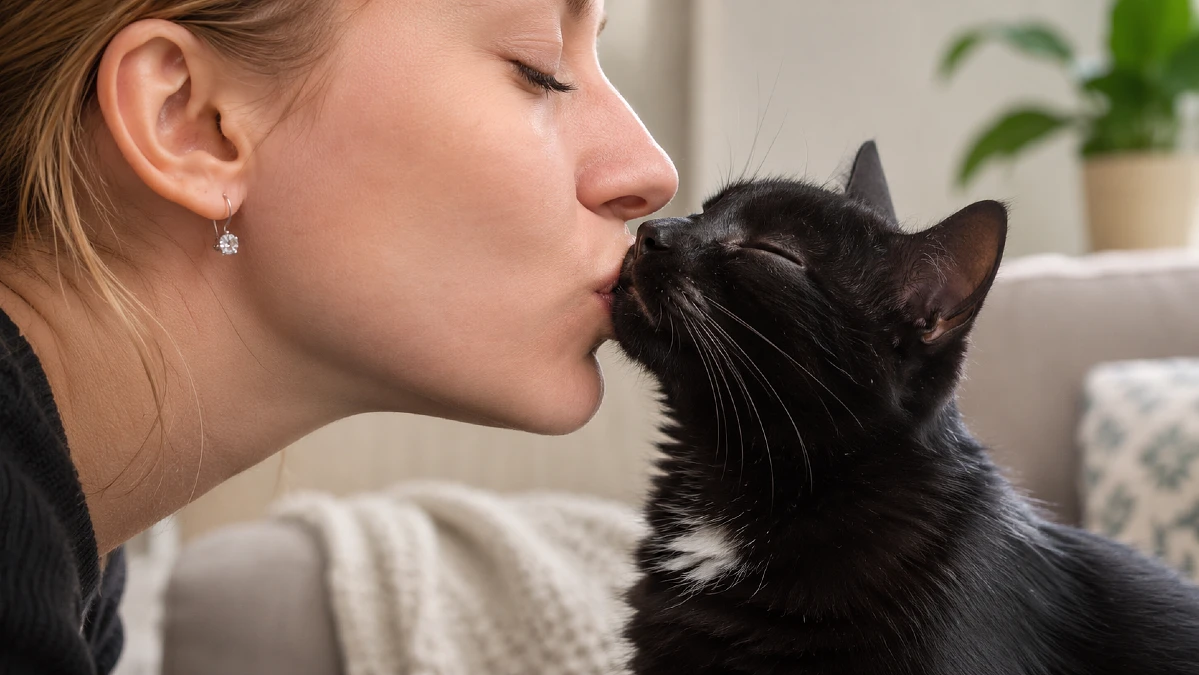
You lean over to kiss your cat on the forehead, expecting a sweet moment together. Instead, your cat turns its head, flicks its tail, or suddenly walks away. You start wondering whether your cat knows you are showing love or simply wishes you would stop.
Humans express affection through kisses, hugs, and loving words. Cats have a different way of communicating their feelings, and what seems comforting to you might feel uncomfortable to them.
That does not mean your cat loves you any less. Some cats learn to associate kisses with affection, while others prefer to keep a little distance, even from their favorite person.
The secret is learning how your cat responds to physical contact. Small changes in its ears, eyes, tail, and posture can tell you whether your affection is welcome.
Do Cats Recognize Kisses as Affection?
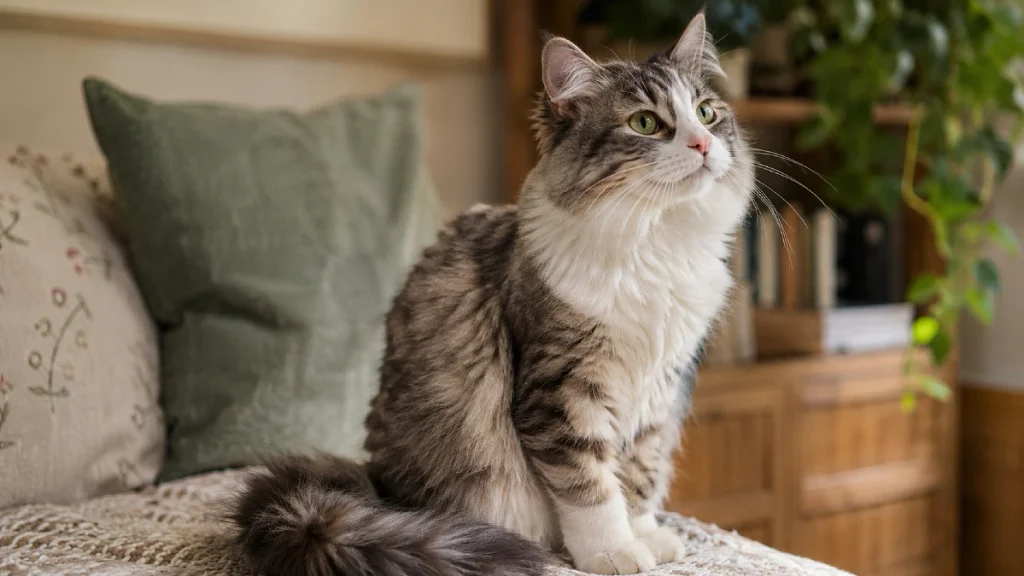
Cats do not naturally kiss each other the way humans do. Pressing your lips against your cat’s forehead is a human gesture that may have no clear meaning to your pet at first.
Instead, cats communicate affection through physical closeness, gentle rubbing, grooming, and other body movements. Two cats that share a close bond may sleep together, lick each other’s fur, or rub their heads against one another.
PetMD explains in its August 2026 guidance that cats may associate human kisses with familiar social behaviors, such as grooming or head rubbing. However, their response depends on their comfort level and relationship with the person.
How Your Cat Learns What Kisses Mean
Cats can learn to connect certain actions with positive experiences. If your cat regularly receives gentle attention from you, it may begin to associate your approach with comfort and safety.
Over time, a familiar kiss may become part of that experience. Your cat might remain relaxed because it recognizes your scent, voice, and movements.
However, staying still does not always mean your cat enjoys being kissed. There is a difference between welcoming physical contact and simply waiting for it to end.
The following table shows how human expressions of love compare with natural feline social behaviors. These behaviors may help explain why your cat prefers certain types of attention.
| Human Gesture | Feline Alternative | Purpose |
|---|---|---|
| Kissing | Gentle head rubbing | Social bonding |
| Hugging | Resting close together | Comfortable companionship |
| Loving words | Soft vocal sounds | Social communication |
| Holding hands | Voluntary body contact | Physical closeness |
| Gentle stroking | Mutual grooming | Care and bonding |
Your cat may express affection without making much physical contact at all. Choosing to sit near you while you work or resting beside you on the sofa can be meaningful social behavior.
Your Cat’s Kitten Years May Explain Its Reaction
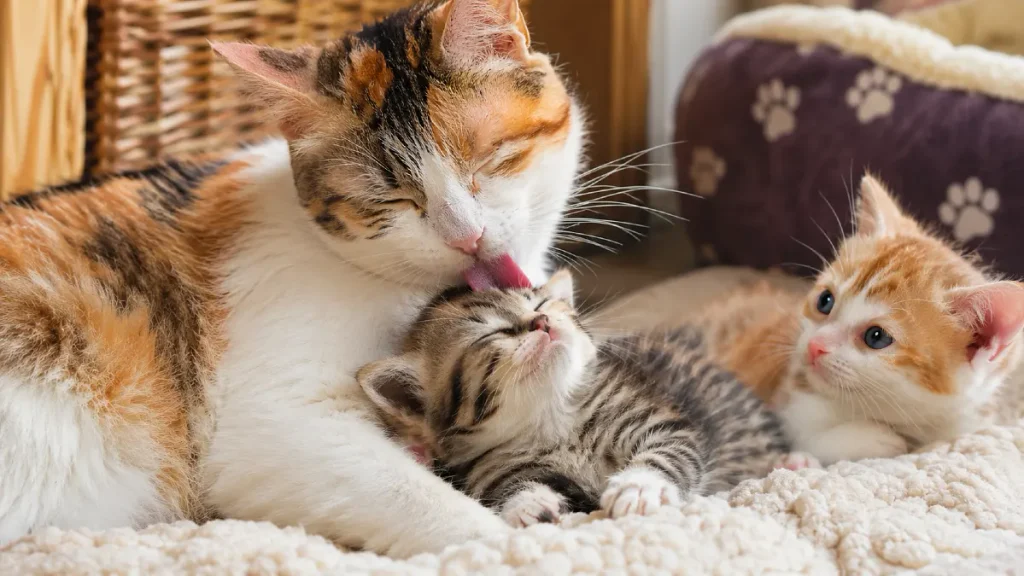
Have you ever noticed that one cat happily accepts kisses while another refuses to let anyone near its face? Their early experiences may help explain these differences.
According to Cats Protection, kittens go through an important socialization period between approximately two and seven weeks of age. Positive experiences with people during this period can influence how comfortable they become around humans.
Kittens that receive gentle handling may grow into adults that feel more relaxed during physical contact. However, early socialization does not guarantee that a cat will enjoy every type of affection.
Why Some Cats Need More Time
An adopted adult cat may have spent its early life with limited human contact. It may also have experienced rough handling or frightening situations that made close contact feel unsafe.
When you bring such a cat home, kissing and hugging it immediately may create stress. Your intentions are loving, but your cat has not yet learned that you are a safe person.
Start by spending quiet time in the same room. Allow your cat to observe you, become familiar with your voice, and approach when it feels ready.
Even a well socialized cat may prefer limited physical contact. Personality, health, past experiences, and current surroundings can all affect how a cat responds to affection.
Your cat does not need to enjoy kisses to have a strong bond with you. Accepting its individual preferences is an important part of building trust.
How to Show Affection Without Making Your Cat Uncomfortable
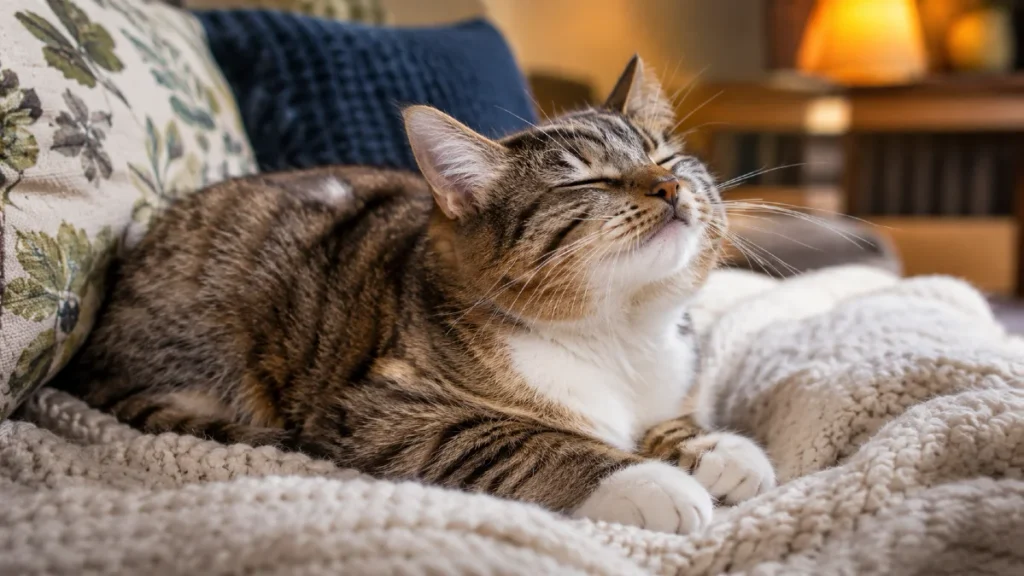
The best physical affection begins with your cat having a choice. Rather than approaching from above or suddenly bringing your face close, allow your cat to decide whether it wants attention.
RSPCA New South Wales recommends allowing cats to control when physical contact begins and ends. Its August 2026 guidance emphasizes that respecting these choices can help cats feel more secure around people.
Sit comfortably near your cat and offer a relaxed hand. If your cat approaches and rubs its cheeks against your fingers, it may be inviting gentle petting.
Try the Petting Consent Test
A simple way to check whether your cat wants more attention is to pause during petting. This gives your cat a chance to communicate its preference without having to escape.
Follow these simple steps:
- Sit near your cat without picking it up.
- Allow your cat to approach your hand.
- Gently stroke its cheeks or chin a few times.
- Stop petting and wait for a response.
- Continue only if your cat clearly seeks more contact.
If your cat pushes its head into your hand, it may be asking you to continue. If it turns away or remains uninterested, give it some space.
You can use this approach whenever you want to show physical affection. Your cat’s preferences may change throughout the day, so yesterday’s response does not guarantee today’s reaction.
Be Careful When Kissing Your Cat
Even when your cat appears comfortable with kisses, bringing your face close to its face carries some risk. A startled cat may scratch or bite, and healthy looking pets can still carry germs.
The CDC advises practicing good hygiene around pets and discourages children from kissing animals. Avoid kissing your cat around its mouth or nose, and do not allow it to lick your mouth.
People with weakened immune systems should be especially careful about close facial contact with pets. Gentle petting and slow blinking offer safer ways to express affection without direct contact between your face and your cat.
You can also reward voluntary social contact with a small cat treat when appropriate. Never use food to lure your cat into physical contact it would otherwise avoid.
How to Tell If Your Cat Does Not Want to Be Kissed
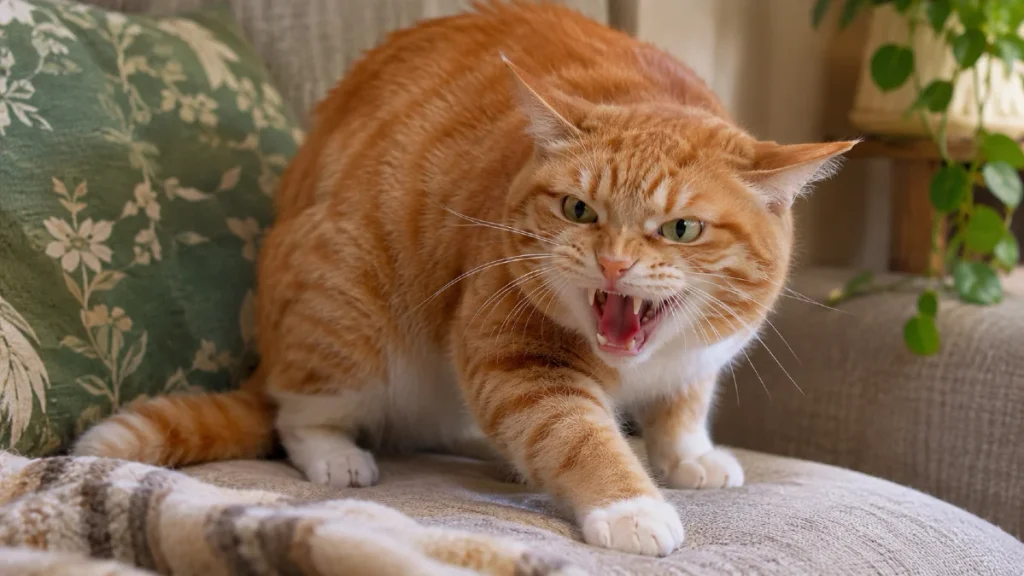
Cats often communicate discomfort before they hiss, scratch, or bite. Learning to recognize these early signals can help you stop an interaction before your cat becomes frightened or frustrated.
The tail is a useful place to start. A cat that repeatedly flicks or thumps its tail during physical contact may be becoming irritated.
Ears provide another important clue. When your cat turns its ears backward or presses them flat against its head, it may be experiencing fear or discomfort.
A cat may also become completely still when it feels threatened. Do not mistake this frozen posture for calm acceptance.
Watch for These Body Language Signals
Cats Protection recommends looking at your cat’s overall posture rather than relying on a single movement. The combination of several signals can provide a clearer picture of how your cat feels.
Use this table to decide when to pause or end physical contact.
| Body Language | Possible Meaning | Your Response |
|---|---|---|
| Tail thumping | Irritation or tension | Stop touching |
| Flattened ears | Fear or discomfort | Give more space |
| Stiff body | Stress or unease | End the interaction |
| Turning its head away | Avoiding contact | Move your face back |
| Hissing or growling | Defensive warning | Leave the cat alone |
| Swatting | Contact is unwelcome | Withdraw calmly |
Never punish your cat for communicating discomfort. A warning gives you valuable information about what your pet needs, and respecting that warning can prevent further conflict.
Purring Does Not Always Mean Your Cat Is Happy
Many cat owners assume that a purring cat welcomes whatever is happening. While cats frequently purr during pleasant experiences, they can also purr when they are stressed, unwell, or in pain.
Look for relaxed muscles, soft eyes, and voluntary contact alongside purring. These additional signals provide a better indication that your cat feels comfortable.
If a cat that previously enjoyed attention suddenly begins avoiding touch, consider scheduling a veterinary appointment. RSPCA New South Wales notes that unexpected changes in handling preferences can be an early sign of pain or illness.
Do Cats Understand Hugs or Feel Trapped?
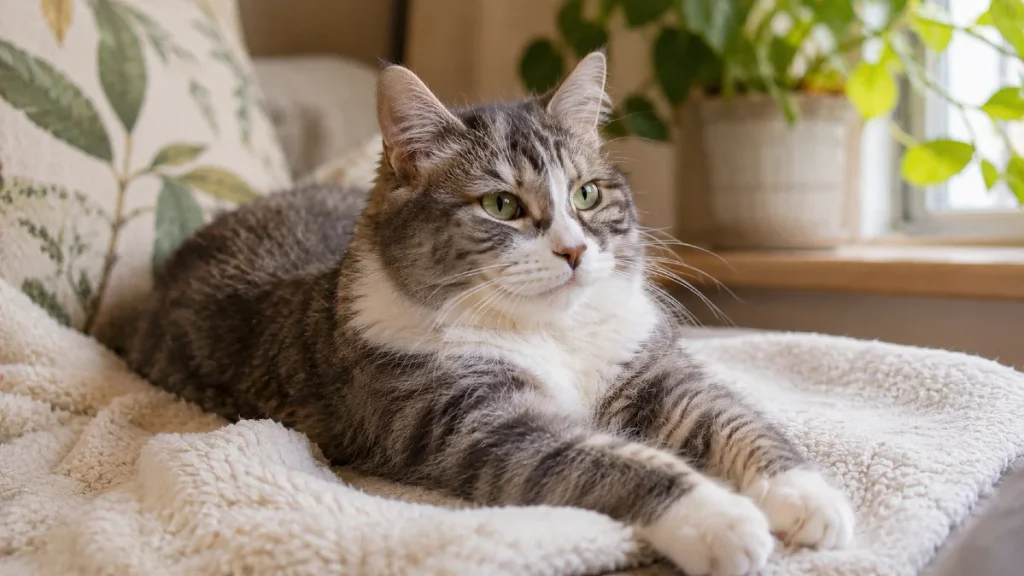
After a stressful day, wrapping your arms around your cat might feel comforting to you. Unfortunately, your cat may experience that same hug as a loss of freedom.
Cats naturally value control over their movements. They may become anxious when they cannot move away from a person, animal, or unfamiliar situation.
The AAFP and ISFM feline interaction guidelines emphasize the importance of choice and gentle handling. Allowing cats to initiate contact can reduce the stress associated with unwanted restraint.
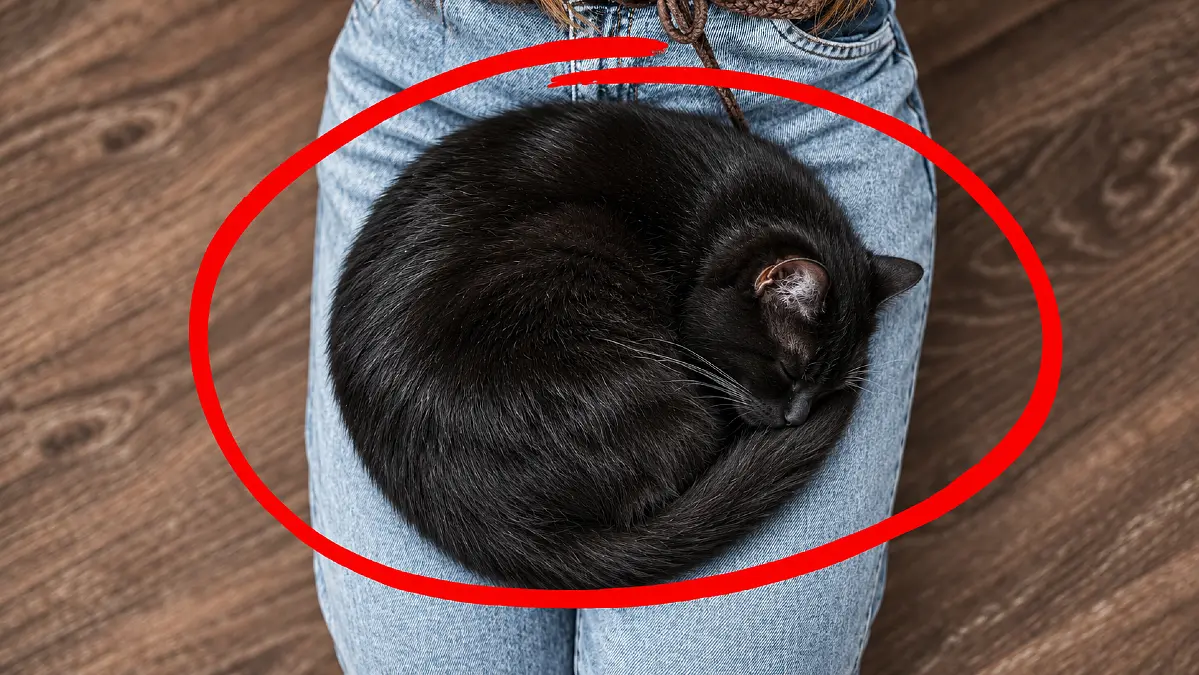
This explains why your cat may willingly sleep against your chest for an hour but struggle when you wrap your arms around it. In the first situation, your cat chooses to stay.
Let Your Cat Choose How Close It Gets
Some cats enjoy being held, while others prefer resting beside their owners. Both preferences are normal, and neither determines how much a cat trusts its person.
Pay attention to whether your cat can easily leave during physical affection. Even a cat that enjoys cuddling may become uncomfortable if it feels trapped.
You can replace restrictive forms of affection with activities that provide closeness while allowing freedom of movement. These small changes can make everyday interactions more comfortable.
| Human Habit | Better Alternative | Benefit |
|---|---|---|
| Tight hugs | Sitting beside your cat | Freedom to move |
| Unwanted lifting | Getting down to its level | Less restraint |
| Holding a sleeping cat | Letting it rest nearby | Uninterrupted sleep |
| Forced lap cuddles | Offering an available lap | Voluntary contact |
Your cat may become more willing to spend time near you when it knows you will not restrict its movement. Sometimes, giving your cat more freedom creates more opportunities for natural affection.
What a Slow Blink Really Means to Your Cat
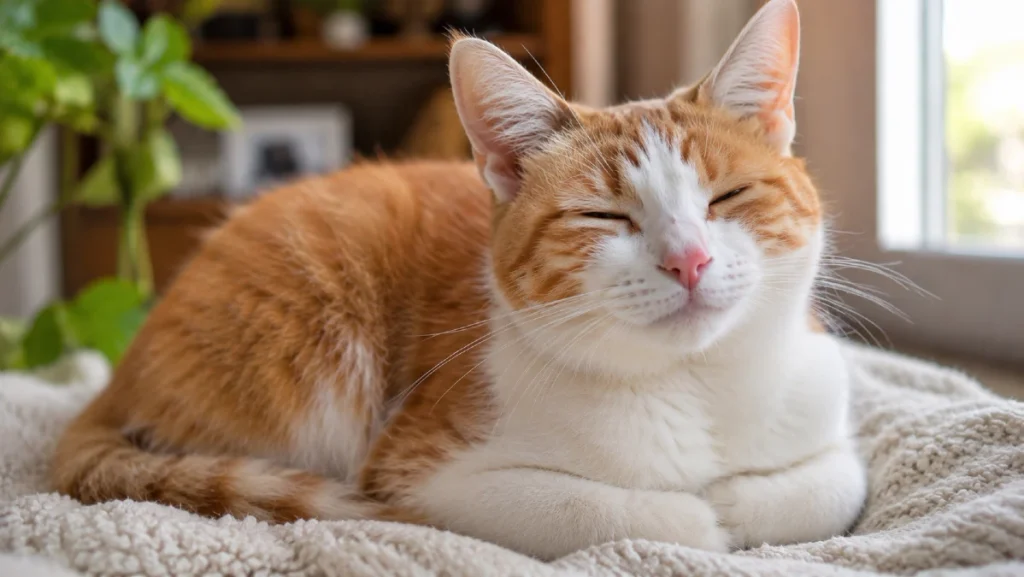
If you want to send your cat a gentle message of affection without touching it, try a slow blink. This behavior is often called a cat kiss because it appears to play a positive role in communication between cats and people.
You may have already noticed your cat looking at you with soft, partly closed eyes. It might gently close its eyes for a moment before opening them again.
Unlike a direct human kiss, this interaction requires no physical contact. Your cat can respond without giving up its personal space.
What Research Says About Slow Blinking
A 2020 study published in Scientific Reports examined slow blinking between cats and humans. Researchers found that cats made more eye narrowing movements in response to people performing slow blinks.
The cats were also more willing to approach an unfamiliar person following a slow blink interaction than after the comparison interaction. These findings suggest that slow blinking can support positive communication between people and cats.
The study does not prove that every slow blink means love. However, it provides scientific support for using this gentle behavior during friendly interactions.
How to Give Your Cat a Slow Blink
Choose a moment when your cat is awake and resting comfortably. Avoid trying to get its attention when it is frightened, playing intensely, or focused on something else.
Relax your face and look gently in your cat’s direction. Slowly narrow your eyes, close them briefly, and open them again without staring.
Give your cat time to respond. It may return the slow blink, remain relaxed, or simply look somewhere else.
If your cat does not respond, do not take it personally. A slow blink is an invitation to communicate, not a test of how much your cat loves you.
How to Show Your Cat Love in Ways They Appreciate
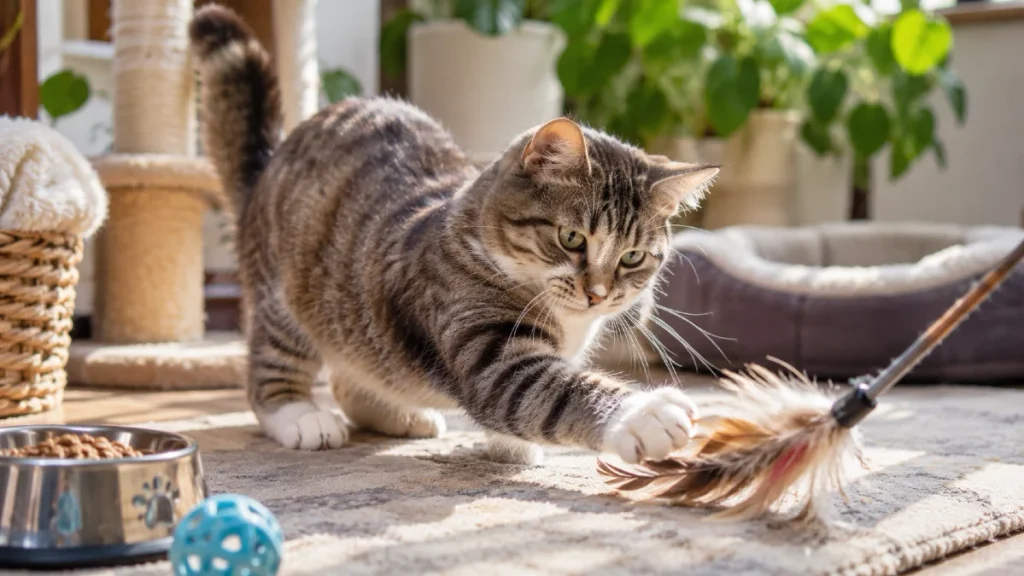
Kisses and hugs are just a small part of the relationship you share with your cat. Everyday actions that provide comfort, safety, and enjoyment may be far more valuable to your pet.
The AAFP and ISFM Feline Environmental Needs Guidelines recommend providing cats with secure resting areas, opportunities for play, suitable resources, and positive social interactions. These basic needs create a strong foundation for feline well-being.
Give Gentle Attention and Speak Calmly
Many cats enjoy gentle strokes around their cheeks, chin, and the base of their ears. These areas contain scent glands that cats use when rubbing against familiar people and objects.
Allow your cat to guide the interaction by moving its head or body. Avoid touching sensitive areas such as the belly unless your cat clearly welcomes that contact.
Speak softly when approaching your pet. Sudden loud sounds and unpredictable movements may frighten a resting cat, while calm behavior can make interactions feel less threatening.
Make Your Home a Comfortable Place
A loving home gives your cat opportunities to explore, play, scratch, hide, and rest. You do not need expensive equipment to meet these needs.
Simple household items, such as sturdy cardboard boxes, can provide useful hiding spaces. A secure cat tree near a window can give your pet an elevated place to observe its surroundings.
Consider which activities your cat enjoys most and introduce suitable options from the table below. These everyday choices support natural feline behaviors.
| Activity | What It Provides | How to Start |
|---|---|---|
| Interactive play | Exercise and hunting behavior | Feather wand toy |
| Elevated resting | Security and observation | Stable cat tree |
| Scratching | Stretching and claw care | Sturdy scratching post |
| Food puzzles | Mental stimulation | Simple puzzle feeder |
| Private hiding | Quiet and security | Cardboard box |
| Litter box care | Comfortable toileting | Scoop daily |
Introduce new objects gradually so your cat can investigate them without pressure. Place resting areas somewhere quiet, and ensure your cat can access essential resources without being disturbed.
Respect Your Cat’s Independence
You do not have to entertain or touch your cat every moment to show that you care. Cats also benefit from periods of uninterrupted rest and opportunities to spend time alone.
If your cat walks away during petting, allow it to leave. When it retreats into its favorite hiding spot, avoid reaching inside to pull it out for attention.
Keep meals, play sessions, and household routines reasonably consistent. Predictable daily experiences can help your cat feel secure in its environment.
Your cat may express affection by following you between rooms, resting nearby, rubbing against your legs, or greeting you when you come home. These small behaviors can reflect a comfortable relationship even when your cat rarely accepts kisses.