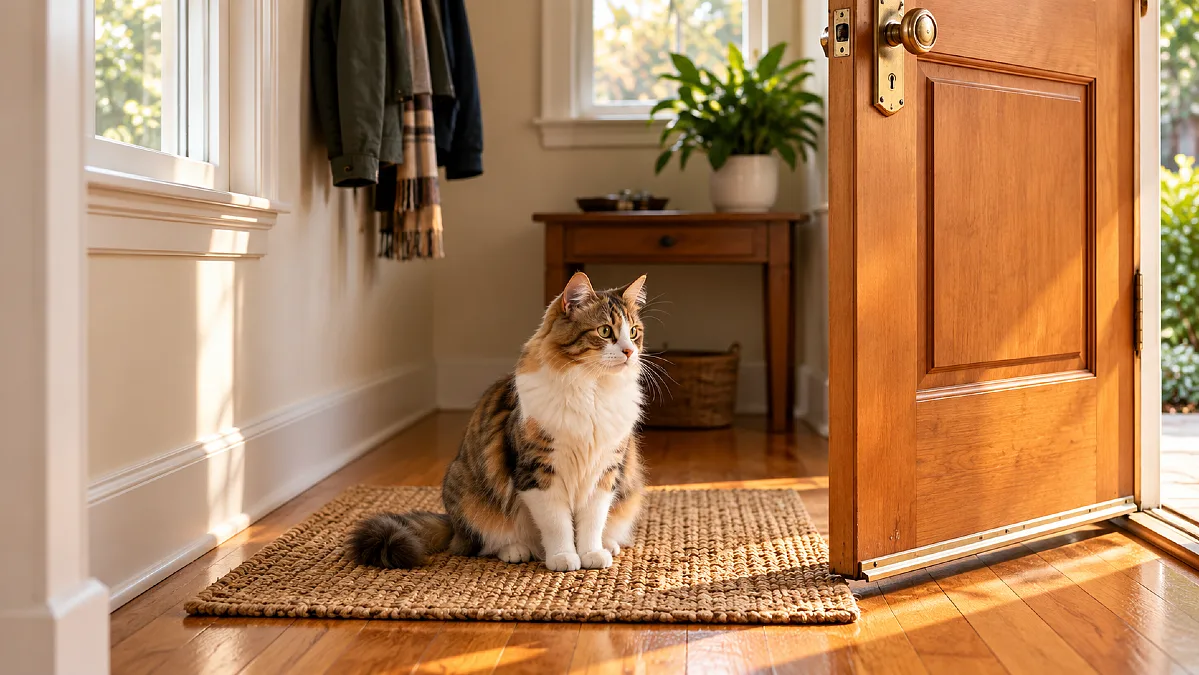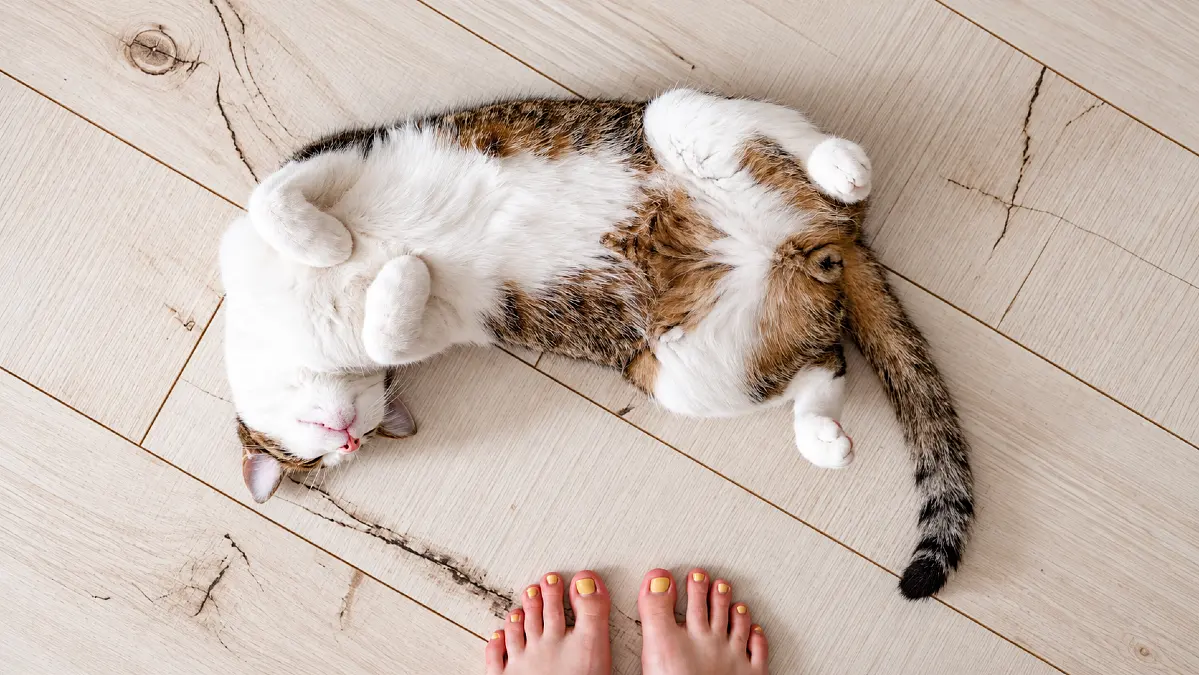
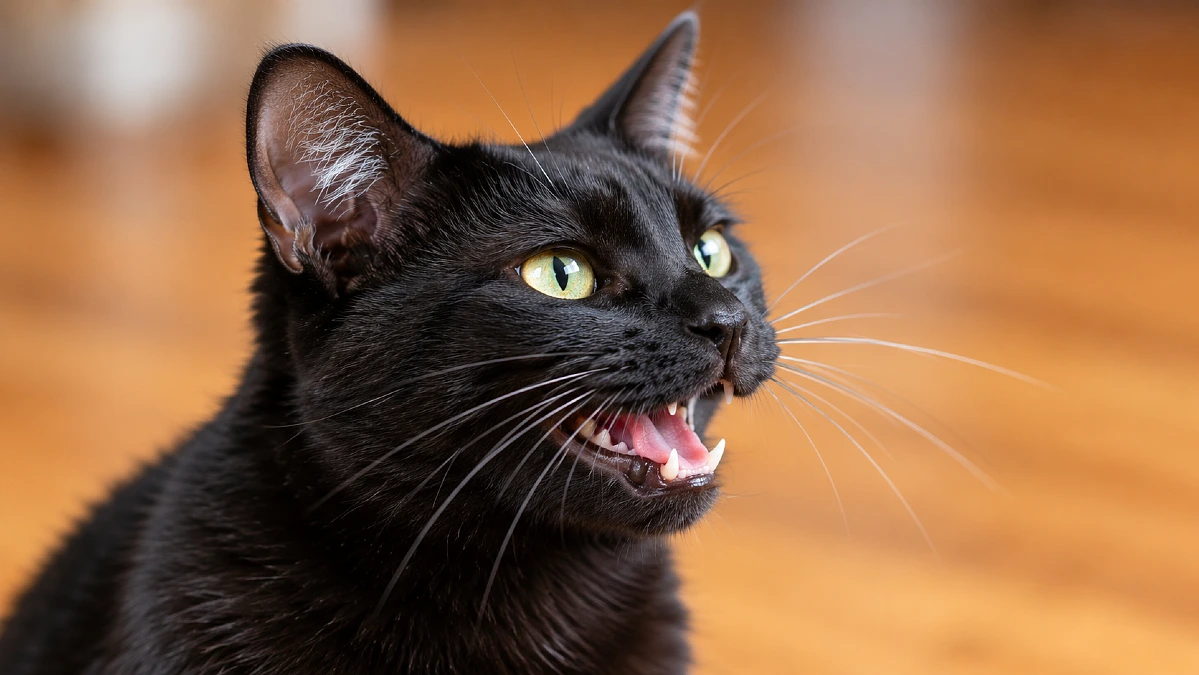
Your cat is sitting by the window, staring at a bird, when suddenly their jaw starts moving rapidly. A strange clicking sound comes out, almost like their teeth are chattering. You wonder whether they’re excited, frustrated, or trying to tell you something.
Then, a few hours later, that same cat curls up beside you and starts purring. But when you reach down to touch them the next morning, they let out a sharp hiss. How can one little animal make so many different sounds?
Cat sounds carry clues about what your pet is feeling, wanting, or experiencing. Some express excitement and affection, while others warn you about fear, discomfort, or possible illness.
The tricky part is that the same sound can mean different things depending on the situation. A purring cat isn’t always happy, and a hissing cat isn’t necessarily aggressive.
How to Read Cat Sounds Without Guessing
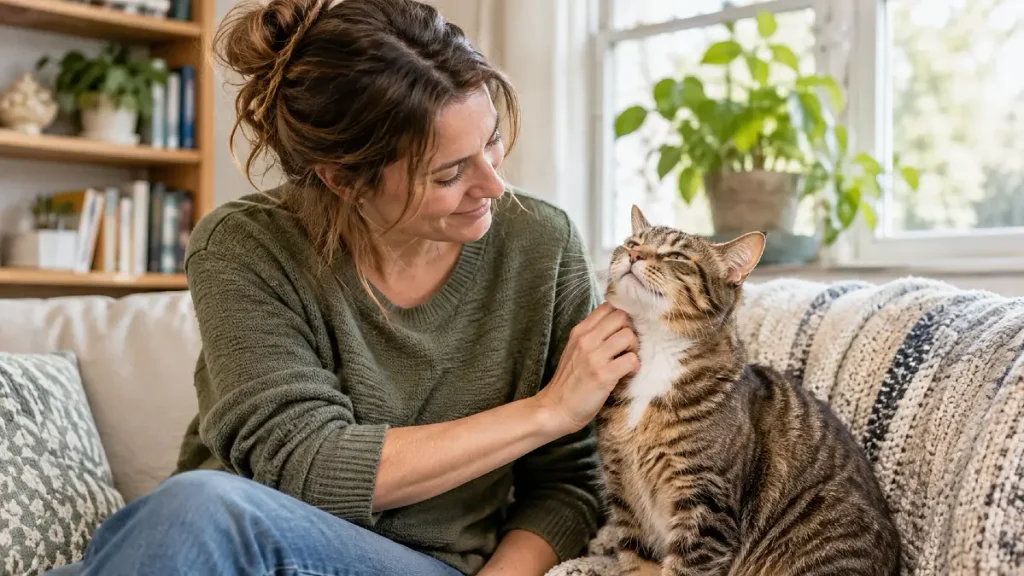
Before trying to figure out what your cat is saying, look at what their body is doing. A sound by itself rarely tells you the whole story.
Cats communicate through their ears, eyes, tails, whiskers, and posture. A soft meow from a relaxed cat near the food bowl is very different from the same meow coming from a cat hiding under the bed.
Cats Protection explains that body language and the situation are important parts of feline communication. You should pay attention to what happened just before the sound and what your cat does afterward.
Quick Guide to Cat Sounds and Meanings
The following guide can help you recognize common noises. These are possible meanings, rather than exact translations that apply to every cat.
| Cat sound | Common context | What to check |
|---|---|---|
| Chattering | Watching prey | Focused eyes and jaw movement |
| Purring | Resting or seeking comfort | Relaxed or tense posture |
| Trilling | Friendly greeting | Approaching or leading you |
| Meowing | Making a request | Food, attention, or access |
| Hissing | Feeling threatened | Ears back and defensive stance |
| Chirping | Excitement or interest | Birds, toys, or social contact |
| Yowling | Distress or communication | Behavior changes |
| Caterwauling | Mating or other strong needs | Reproductive status and health |
The most useful clue is whether the behavior is normal for your cat. If a familiar sound suddenly appears in a new situation, pay closer attention.
You should also remember that cats have individual personalities. Some are naturally vocal, while others communicate mostly through movement and quiet signals.
Why Cats Chatter When They Spot Birds Outside
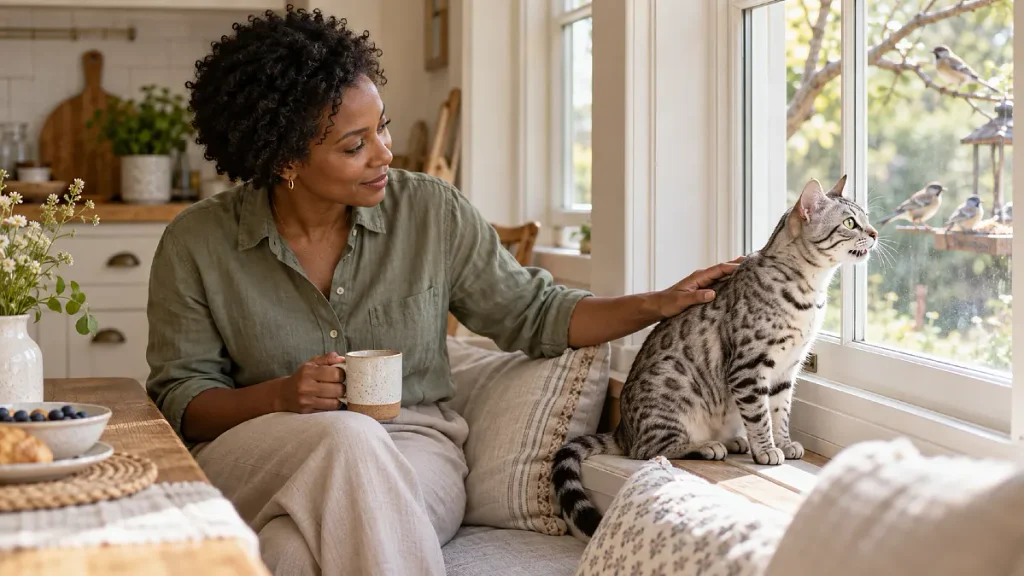
You may have seen your cat sitting perfectly still at the window, watching a bird hop across the garden. Suddenly, their mouth begins making rapid clicking movements, almost as if they’re shivering.
This behavior is called chattering, and it’s closely linked to a cat’s hunting instincts.
Cats often chatter when they see prey they cannot easily reach. Birds, squirrels, and other small animals can trigger this reaction, even in indoor cats that have never hunted outside.
Researchers believe chattering may involve excitement, frustration, or both. Your cat can see something worth chasing, but a window or other barrier prevents them from acting on that urge.
Is Your Cat Practicing a Hunting Bite?
One theory suggests that the rapid jaw movements may be connected to movements cats use when catching prey. It’s an interesting possibility, but scientists have not confirmed that chattering is practice for a killing bite.
Another theory involves imitation. Researchers working with the Wildlife Conservation Society documented a wild margay cat imitating the calls of young monkeys to attract adults.
However, this observation involved a different species. It does not prove that domestic cats chatter to copy birds or lure them closer.
What we can say is that chattering is commonly linked to strong interest in potential prey. It often happens alongside a fixed stare and an alert body.
If your cat frequently chatters at the window, try giving them a safe way to act out their hunting instincts. A wand toy that moves like a bird or mouse can provide a useful outlet.
Finish the play session by letting your cat catch the toy. This helps make the activity feel complete rather than leaving them constantly chasing something they can never reach.
Why Cat Purring Can Mean Comfort or Distress
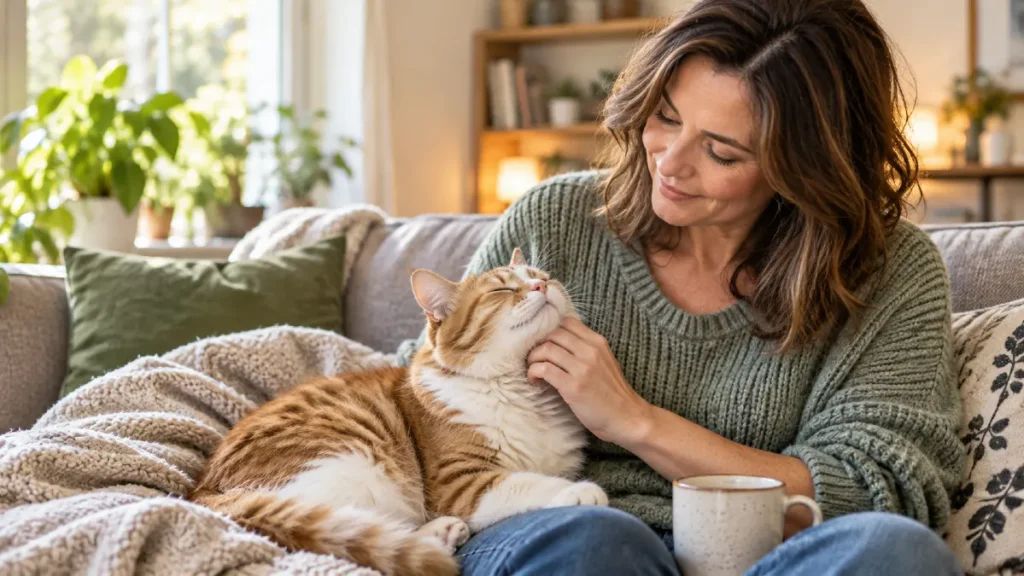
Most cat owners connect purring with happiness. When your cat curls up on your lap, closes their eyes, and begins making that gentle rumbling sound, contentment is a reasonable explanation.
But purring has more than one meaning. Cats may also purr when they feel frightened, uncomfortable, or unwell.
Cats Protection notes that some cats purr during stressful experiences, including veterinary visits. Cats experiencing pain may also purr, which means the sound alone cannot confirm that everything is fine.
How Cats Actually Produce a Purr
Purring comes from vibrations associated with structures in a cat’s voice box. Cats can produce their familiar rumbling sound during both inhaling and exhaling.
Research published in Current Biology in 2023 examined the physical process behind purring. Scientists from the University of Veterinary Medicine Vienna and other institutions found that cat larynges could produce typical purring frequencies of around 25 to 30 Hz without active nerve signals in the laboratory.
You may have heard that purring can heal broken bones or repair muscles. Researchers have explored possible links between vibration frequencies and healing, but there is no solid proof that ordinary cat purring directly heals injuries.
The safer approach is to focus on what purring tells you about your own cat’s condition.
How to Tell Happy Purring From Stress Purring
The position of your cat’s body can offer better clues than the sound itself. Look at their behavior before deciding whether to continue petting them.
| What you notice | Possible meaning | What to do |
|---|---|---|
| Soft eyes and loose body | Relaxation | Continue gentle contact |
| Purring near food | Request for attention or food | Check normal meal routine |
| Wide eyes and tense body | Fear or stress | Give quiet space |
| Purring with hiding or poor appetite | Possible discomfort | Contact your vet |
These signs should be considered together rather than separately. A cat can purr for comfort while still needing medical attention.
If purring comes with unusual hiding, difficulty moving, or reduced appetite, don’t assume your cat is happy just because you hear that familiar rumble.
What Your Cat’s Friendly Trill Is Asking You to Do
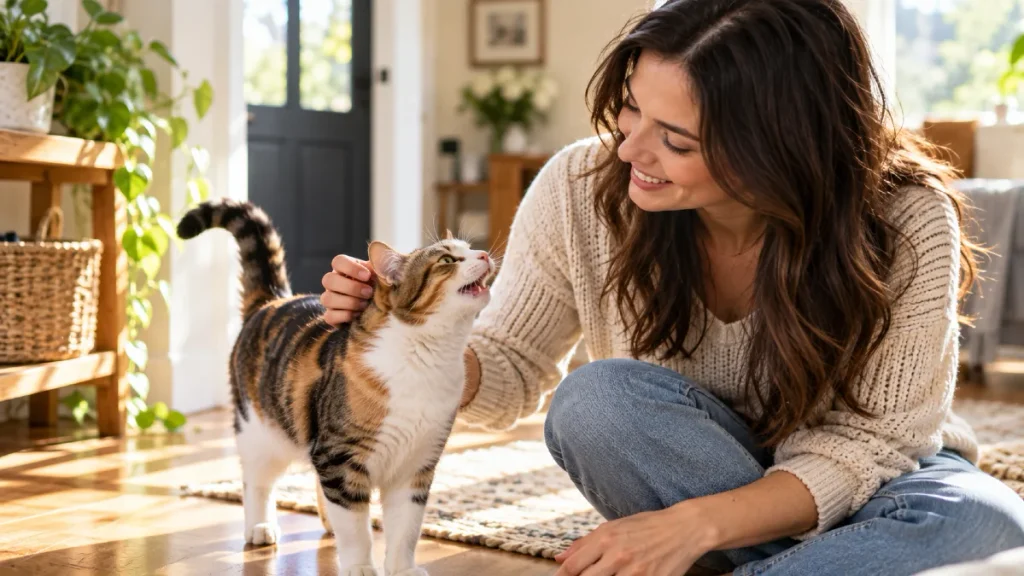
Sometimes your cat walks into the room and makes a sweet rolling sound that falls somewhere between a purr and a meow. It might sound like a little musical chirrup or a gentle vibrating greeting.
That sound is called a trill, and it is often used during friendly social interactions.
Mother cats use trills and similar chirruping sounds to communicate with their kittens. These calls can encourage kittens to pay attention or follow their mother.
Adult cats may use the same general type of sound when greeting people or other familiar cats. It can be a friendly invitation to interact.
You might notice your cat trilling when you arrive home, walk into the kitchen, or wake up in the morning. They may approach with their tail held upright and their body relaxed.
Why Your Cat Trills and Then Walks Away
Here’s something worth watching. Some cats trill, look at their owner, and then begin walking toward another room.
They may be inviting you to follow them. Perhaps they want attention near their favorite resting spot, or they are heading toward the area where they usually eat.
It doesn’t mean your cat has literally decided you’re their kitten. But it does show how a sound used in cat communication can also become part of their relationship with you.
When your cat trills, try responding in a gentle voice. Watch what happens next, because their movement may tell you more than the sound itself.
Why Your Cat Meows at You in So Many Different Ways
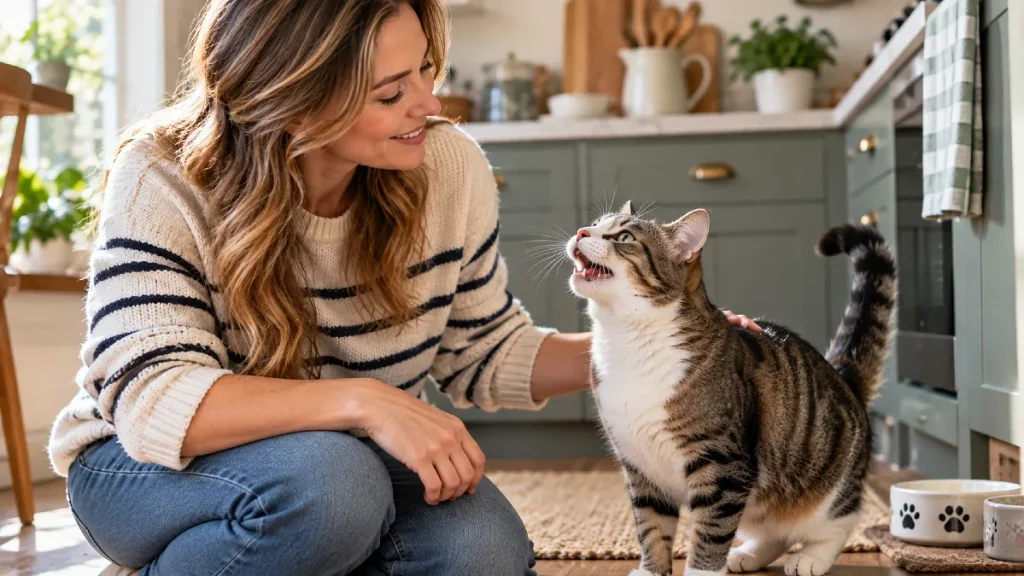
Your cat might greet you with a tiny meow in the morning, make a longer sound near the kitchen, and produce repeated cries when a door is closed. Although these noises sound different, they’re all forms of meowing.
Adult domestic cats use meows frequently when communicating with humans. They rely more on scent, posture, and other signals during many interactions with fellow adult cats.
Kittens meow to communicate needs to their mothers. As cats grow older, their vocal behavior changes, but domestic cats often continue using meows to get human attention.
Cats Protection explains that cats can learn which sounds produce responses from their owners. When a particular meow leads to food, play, or an opened door, your cat may use it again.
What Different Meows Might Mean
There is no universal dictionary for every meow. Still, certain patterns can give you clues when you consider the situation.
- Short, gentle meow: May be a greeting or request for attention.
- Long, drawn out meow: Can suggest a stronger request, frustration, or discomfort.
- Repeated meows: May reflect excitement, urgency, or a learned way to get a response.
- Soft, questioning meow: Sometimes occurs when a cat approaches someone or investigates something.
- Suddenly louder or unusual meows: May signal stress, pain, or another change worth checking.
One cat might meow constantly while waiting for breakfast. Another might barely make a sound but rub against your legs to communicate the same request.
Over time, you may recognize patterns that belong specifically to your cat. The location, timing, and response to your actions help reveal what each meow usually means.
If your cat meows for food long before breakfast, an automatic feeder may help keep meals on a regular schedule. Products such as the PetSafe 5 Meal Pet Feeder can make meal timing more predictable, though they won’t solve every cause of excessive meowing.
What a Hissing Cat Needs From You Right Away
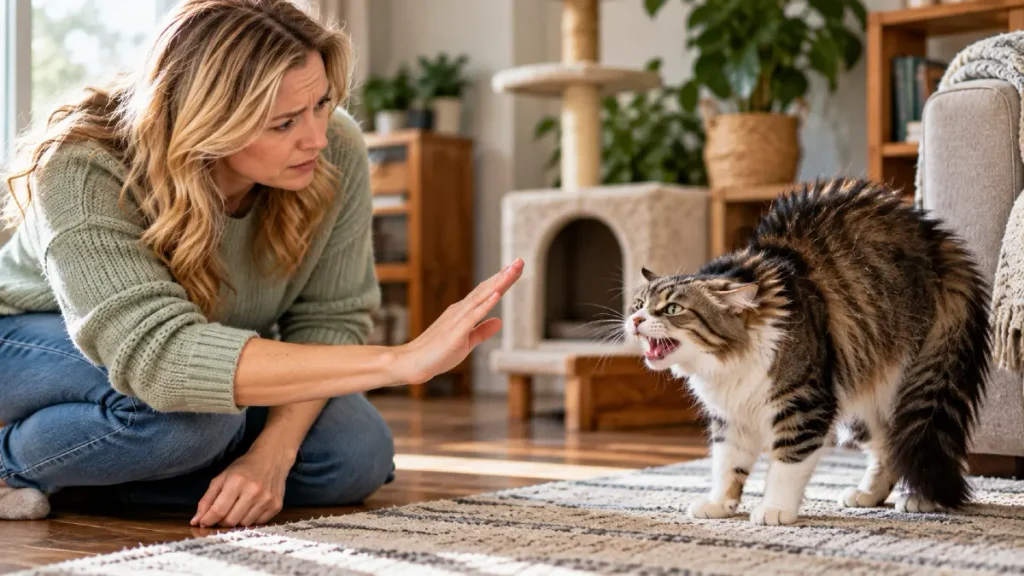
When a cat hisses, the sound can be sharp enough to make you jump. Their mouth opens, air rushes out, and their body may suddenly look much larger.
Many people see hissing as a sign of an aggressive personality. In reality, hissing is usually a defensive warning that your cat feels threatened or uncomfortable.
A frightened cat may hiss when someone approaches too quickly. They may also react this way to an unfamiliar pet, a stressful veterinary examination, or unwanted handling.
You might see flattened ears, raised fur, an arched back, or a tense body. These signals often indicate that the cat wants more distance.
What to Do When Your Cat Hisses
The best response is to stop moving closer. Give your cat room to escape or settle without forcing contact.
If a child is reaching for a hissing cat, calmly guide the child away. If another animal is causing the reaction, separate them safely and allow the cat to relax.
Avoid shouting, spraying water, or punishing the cat. These reactions can make the situation more frightening and may increase the risk of defensive scratching or biting.
A hiss can also happen when a cat is painful. If your normally friendly cat suddenly hisses whenever you touch a certain area, arrange a veterinary examination.
Your cat may be asking for space rather than trying to start a fight. Respecting that warning can help protect both of you.
Why Cats Chirp at Birds and Sometimes at You
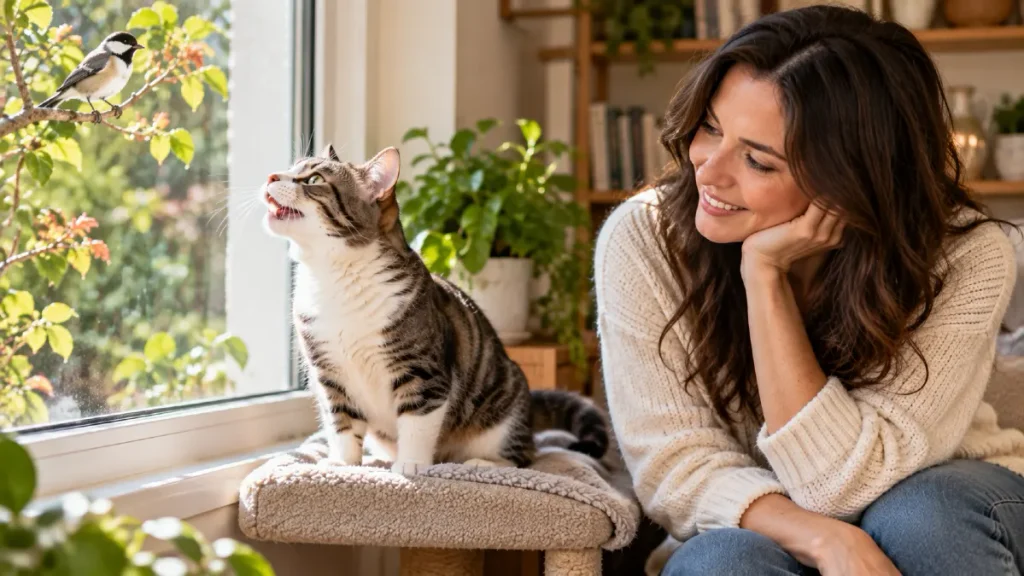
Chirping is one of the more unusual sounds cats make. It often resembles a short, bright birdlike note rather than a full meow.
You may hear your cat chirp while watching a bird outside or following a toy moving across the floor. Some cats also make similar sounds during friendly contact with people.
Although chirping and chattering can happen together, they’re not exactly the same.
Chirping is usually a brief vocal sound, while chattering involves rapid jaw movements and clicking. A cat focused on prey may switch between the two.
What Chirping Reveals About Your Cat’s Attention
When a cat chirps at a bird, the sound is often associated with hunting excitement. Their ears may point forward as they follow every movement outside.
The same kind of sound can sometimes occur during social contact. Cat communication is flexible, so similar noises may serve different purposes depending on the situation.
Mother cats also use short calls to communicate with kittens. Some adult cats use related sounds when trying to get attention from familiar companions.
If your cat chirps while looking at you and then approaches, check whether they want interaction. If they immediately turn back to the window, the real source of interest may still be outside.
For cats that spend long periods watching birds, indoor enrichment can help. A safe window perch, moving toys, or a puzzle feeder such as a Catit interactive feeding toy can offer extra activity throughout the day.
When Cat Yowling Points to Stress or Illness
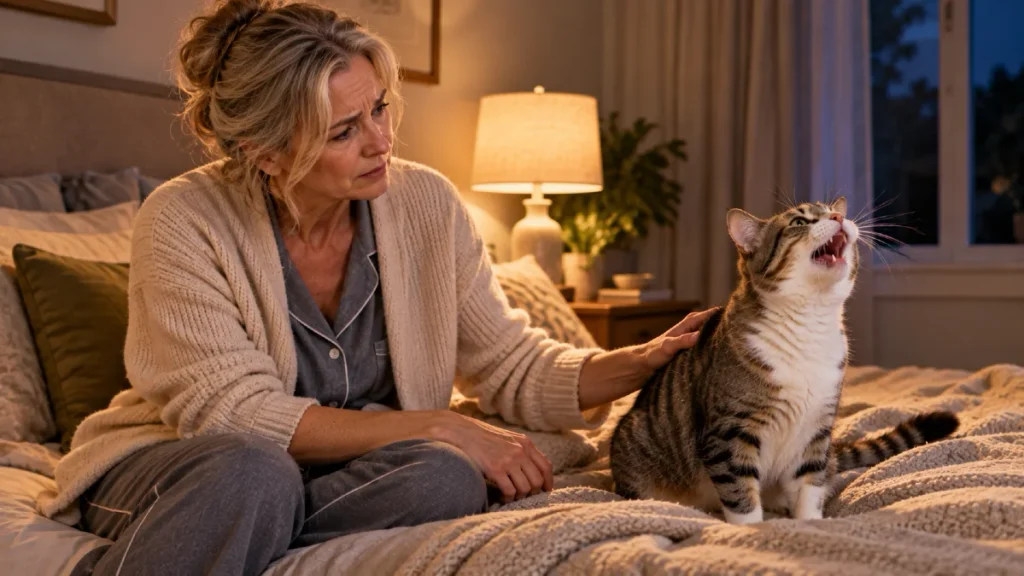
A yowl sounds very different from an ordinary meow. It is usually louder, longer, and more drawn out, sometimes resembling a moan or howl.
Cats can yowl during mating behavior, territorial disputes, or stressful situations. But this sound can also be associated with pain or medical problems.
A cat may yowl when an unfamiliar animal appears outside the window. Another may start crying loudly after becoming separated from their owner or feeling frightened.
The situation matters, especially when the behavior is new.
Why Older Cats Sometimes Yowl at Night
Senior cats may begin making long, loud cries after the household has gone quiet. This can happen even when they were relatively quiet earlier in life.
Cornell Feline Health Center explains that nighttime vocalization can occur in cats with cognitive dysfunction. This condition can affect memory, awareness, sleep patterns, and normal behavior.
However, cognitive decline is far from the only possible explanation. Other conditions, including an overactive thyroid, high blood pressure, hearing loss, vision changes, and painful arthritis, can also contribute to unusual vocalization.
Some cats with hyperthyroidism become restless, lose weight despite eating well, and vocalize more often. VCA Animal Hospitals identifies increased nighttime vocalization as one possible sign of this disease.
What to Do If Your Cat Starts Yowling
First, check whether something obvious has changed. A closed door, unfamiliar animal, household noise, or disrupted routine may explain occasional crying.
If your older cat is yowling repeatedly, especially with pacing or confusion, schedule a veterinary visit. Avoid assuming that the sound is simply part of getting old.
A gentle night light and easier access to familiar resting places may help a cat with reduced vision or mobility. However, these changes should support veterinary care rather than replace it.
Why Cats Caterwaul and How to Find the Cause
Caterwauling is difficult to ignore. It combines a long, loud howl with a drawn out wailing quality that can sound almost like another animal.
One familiar reason for caterwauling is mating behavior. Female cats in heat may call repeatedly to attract males, while unneutered males may respond with loud vocalizations of their own.
These calls can continue over several periods of activity, and they may become especially noticeable at night.
Why Cats Caterwaul Even When They Aren’t in Heat
Caterwauling isn’t limited to mating behavior. VCA Animal Hospitals explains that cats may also make these loud calls because of pain, illness, territorial concerns, or insecurity.
For example, a cat might react loudly when an unfamiliar animal enters the garden. Another might vocalize after changes in the household make them feel unsettled.
Spaying or neutering can greatly reduce vocalizations related to mating. It also prevents unwanted litters and offers other health and population benefits.
However, surgery will not solve caterwauling caused by illness or every learned behavior.
If an already spayed or neutered cat suddenly begins caterwauling, pay attention to other symptoms. Changes in appetite, movement, litter box habits, or nighttime behavior are reasons to speak with your veterinarian.
A cat making these noises is communicating that something matters to them. The goal is to identify the cause rather than simply stop the sound.
What Growling and Spitting Tell You About a Cat’s Limits
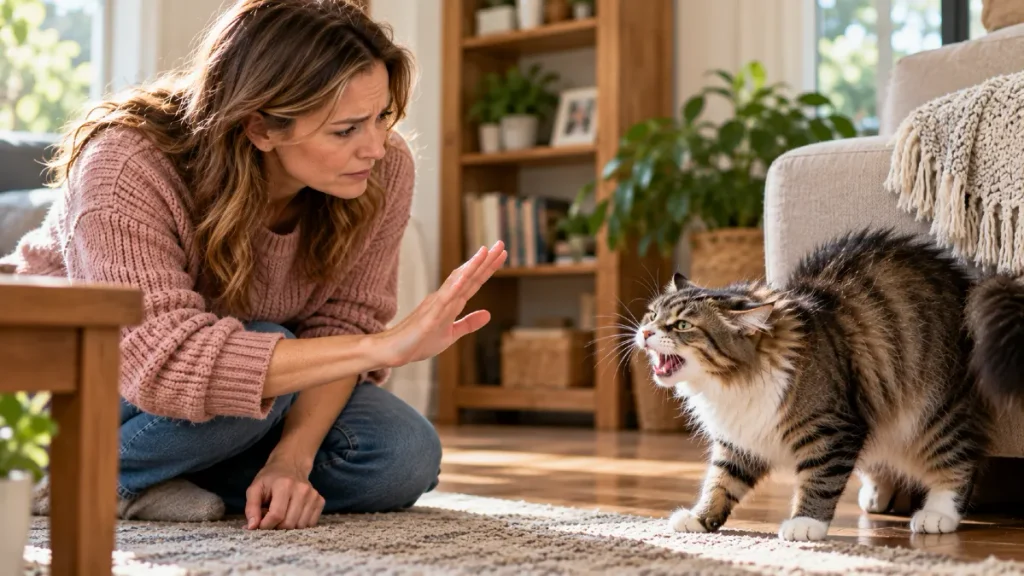
Growling is a low, rough rumbling sound that cats use when they feel threatened, uncomfortable, or defensive. It may occur during a conflict with another animal or when someone handles a cat that wants to be left alone.
Unlike a friendly purr, a growl is usually accompanied by a tense body. Your cat may crouch, pull their ears back, or stare closely at whatever is upsetting them.
Some cats also spit, producing a brief, forceful burst of sound. This can happen when a cat is suddenly frightened or feels that a threat is too close.
Growling, hissing, and spitting all deserve attention, but their sounds and situations may differ.
Cat Warning Sounds Compared
The following comparison helps you decide when to give your cat more space. You should never force contact with a cat that is displaying defensive behavior.
| Sound or behavior | What it may signal | Your response |
|---|---|---|
| Hissing | Fear or discomfort | Move back |
| Growling | Strong defensive warning | Stop approaching |
| Spitting | Sudden intense fear | Allow an escape route |
| Silent crouching with ears flat | Defensive tension | Avoid touching |
These warnings are not a test of who is in charge. Your cat is trying to manage a situation they find uncomfortable or unsafe.
When you give them enough space, you may prevent the interaction from becoming a physical confrontation.
Why a Friendly Cat Might Suddenly Growl
Suppose your cat has always enjoyed being picked up. Then one day, they begin growling whenever you lift them.
That change matters because pain can affect how cats react to normal handling. Arthritis, dental problems, injuries, and other conditions may make familiar contact uncomfortable.
VCA Animal Hospitals identifies new growling or hissing during contact as a possible sign of pain. Cats Protection also notes that some painful cats become less tolerant of handling.
Rather than trying to train away a sudden growl, arrange a veterinary check. If your cat is hurting, treating the cause may improve their comfort and behavior.
What Squeaks, Mews, and Silent Meows May Mean
Not every cat makes the familiar full meow. Some produce tiny squeaks, soft kittenlike sounds, or a mouth movement that seems to make no noise at all.
These quieter sounds can be normal, especially when they have always been part of your cat’s usual communication.
Why Kittens Make Small Mewing Sounds
Young kittens use soft mews and cries to communicate with their mothers. These sounds may occur when they are hungry, cold, separated, or seeking contact.
As they grow, their vocal patterns change. Adult cats may still make high pitched or squeaky meows, particularly when interacting with familiar people.
A soft squeak from a relaxed cat approaching you may simply be that cat’s version of a greeting.
What a Silent Meow Might Tell You
Some cats open their mouths in a meowing motion but produce little audible sound. In certain cats, this is a familiar behavior and may be nothing to worry about.
However, a sudden loss of voice is different from a cat that has always communicated quietly. Changes in vocal quality can sometimes happen with throat irritation, respiratory illness, or other health problems.
If your cat suddenly becomes hoarse, struggles to make sounds, or shows other signs of illness, contact a veterinarian. Difficulty breathing is an emergency and needs immediate care.
The important distinction is whether the sound is part of your cat’s normal behavior or represents a new change.
When a New Cat Sound Calls for a Vet Visit
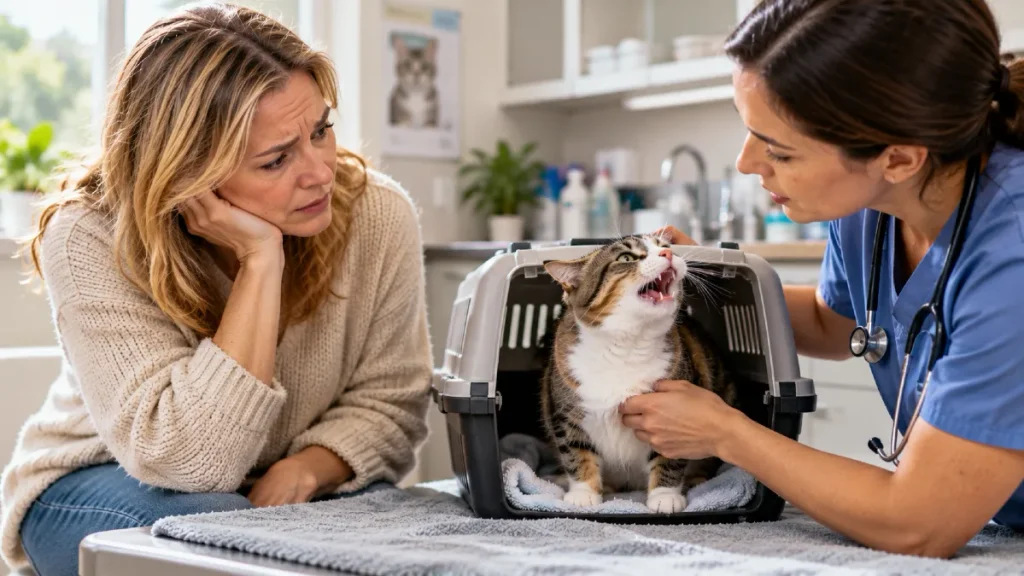
You know your cat’s normal sounds better than anyone else. That’s why a sudden change in how they meow, purr, growl, or yowl deserves attention.
Cats often hide signs of illness until they become difficult to ignore. Sometimes a change in vocal behavior is one of the first noticeable clues.
A cat that suddenly becomes extremely vocal may be dealing with pain, anxiety, or a medical condition. The same is true for a normally talkative cat that abruptly becomes quiet and seems unwell.
Cat Sounds That Should Raise Concern
Not every unusual noise is an emergency, but some combinations of sounds and symptoms require prompt action. This guide can help you decide how quickly to seek veterinary care.
| Warning sign | Possible concern | Next step |
|---|---|---|
| Repeated new yowling | Pain or illness | Arrange a prompt vet visit |
| Growling when touched | Possible painful area | Request an examination |
| Crying while unable to pass urine | Possible urinary blockage | Emergency vet immediately |
| Noisy, difficult breathing | Breathing problem | Emergency vet immediately |
| New nighttime cries in a senior cat | Medical or cognitive changes | Schedule a vet assessment |
The sound alone cannot tell you which condition is present. Your veterinarian may need to examine your cat and recommend tests to find the cause.
Pay special attention to litter box problems. A cat repeatedly straining but producing little or no urine may have a life threatening blockage, especially if the cat is male.
How to Help Your Vet Figure Out the Cause
You can make unusual vocal behavior easier to assess by recording what happens. A short smartphone video showing both the sound and your cat’s body movements may be useful.
Keep a simple behavior diary for several days when the change is not an emergency. Record what you notice without trying to diagnose the problem yourself.
Useful details include:
- When the sound happens and how often you hear it.
- What your cat was doing immediately before the noise.
- Whether eating, drinking, sleeping, or litter box habits have changed.
- Whether the sound appears during touch, movement, or rest.
- Any recent changes involving people, pets, or the home.
These details can help the veterinarian see patterns that may not appear during an office visit. They also give you a clearer picture of whether the behavior is improving or getting worse.
Never delay urgent care just to collect recordings or notes. Severe breathing trouble, collapse, and inability to urinate require immediate veterinary attention.