
Have you ever wondered whether your cat truly sees you as someone special? One minute, they are rubbing their face against your hand, and the next, they are walking away as if you don’t exist. It can leave you wondering whether those little moments of affection mean anything at all.
Cats have their own ways of showing trust, and many of them are easy to miss. Unlike dogs, which often show excitement through obvious greetings, cats rely heavily on scent, body language, and quiet physical contact. Some of their most meaningful gestures look surprisingly ordinary.
The interesting part is that your cat may already be treating you like a trusted companion without you realizing it. From gentle headbutts to sleeping beside you, certain behaviors can offer clues about how comfortable they feel in your presence.
1. Why Your Cat’s Headbutts and Face Rubs Are Special
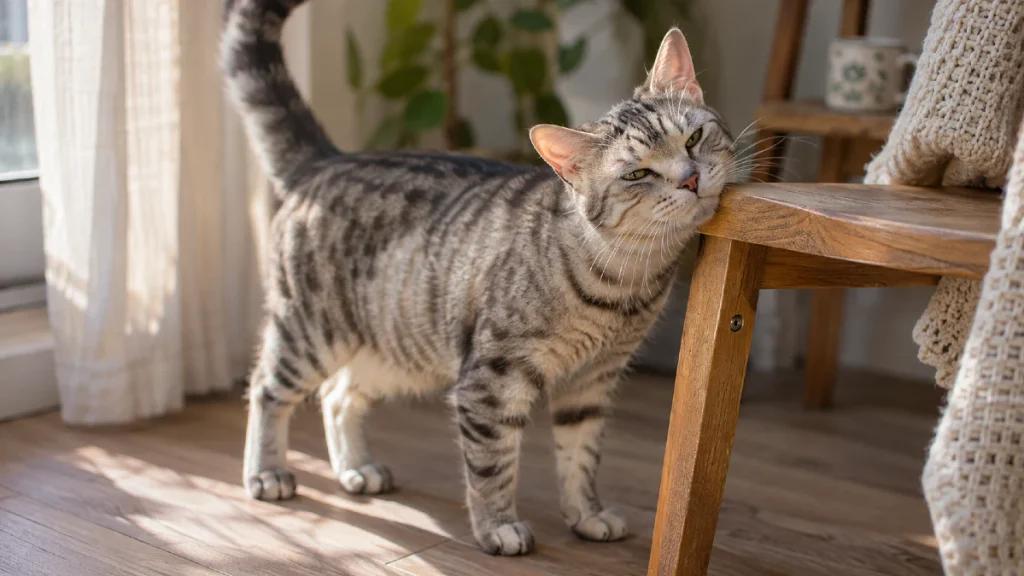
Does your cat suddenly press their forehead against your hand or rub their cheeks across your legs? These little gestures may seem like simple requests for attention, but they are also an important part of feline communication. Cats use physical contact and scent to create familiarity with people and places they know.
This behavior is called head bunting, and it often happens when cats feel relaxed around someone. According to VCA Animal Hospitals, cats have scent glands around their cheeks, forehead, and chin that release chemical signals called pheromones.
When your cat rubs their face against you, they transfer some of these scent signals onto your skin or clothing. This helps create a familiar scent environment and may strengthen the sense of connection between you.
What Different Head Movements Mean
Not every movement involving your cat’s head communicates the same thing. Pay attention to how they behave before and after making contact, because some actions require a very different response.
| Behavior | Possible Meaning | Your Response |
|---|---|---|
| Gentle headbutt | Friendly greeting or bonding | Let them approach |
| Cheek rubbing | Scent marking and familiarity | Offer gentle attention |
| Nose touching | Greeting or investigation | Stay still and relaxed |
| Persistent head pressing against a wall | Possible medical problem | Seek urgent veterinary care |
A gentle forehead bump is very different from a cat repeatedly pressing its head against a wall or another hard surface. The second behavior can signal a serious health problem, especially when paired with confusion or unusual movement.
How to Respond When Your Cat Headbutts You
When your cat approaches for a headbutt, let them control the contact. You can offer your hand and see whether they move closer for a gentle cheek or chin scratch.
Avoid pulling them into a hug or holding their head in place, even if the interaction feels affectionate. Your cat’s choice to approach you is what makes this behavior meaningful, and respecting that choice helps keep the experience positive.
2. What It Means When Your Cat Invites You Into Their Safe Spot
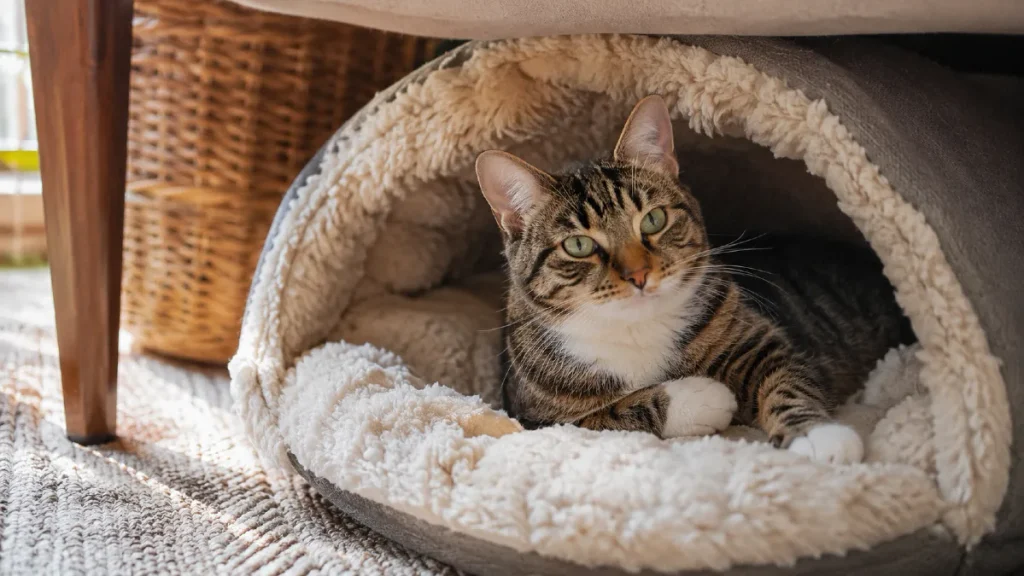
Every cat has a place where they feel especially comfortable. It might be a sunny windowsill, a quiet bedroom corner, or a cardboard box that has somehow become their favorite piece of furniture.
Cats Protection explains that hiding and resting places help cats feel secure. Cats often choose spaces where they can relax without being disturbed and where they have some control over their surroundings.
But sometimes your cat may actively seek your company in one of these favorite places. They might walk into a quiet room, look back at you, and settle onto a blanket once you follow them.
This behavior does not automatically mean they are inviting you into a private space. However, if they repeatedly choose to rest near you while remaining calm, it can suggest that they enjoy your company.
How to Respond to Your Cat’s Safe Spot Behavior
Your cat’s favorite resting area can tell you a great deal about what makes them comfortable. The key is noticing whether they are seeking company or trying to enjoy some privacy.
| Cat’s Behavior | Possible Need | What to Do |
|---|---|---|
| Settles near you | Comfortable company | Sit quietly |
| Approaches you, then returns to bed | Attention or companionship | Observe what they want |
| Hides alone | Privacy and security | Give them space |
| Suddenly hides much more | Stress or possible illness | Contact your veterinarian |
The RSPCA recommends giving cats peaceful resting spaces and easy access to hiding places. A simple cardboard box, covered cat bed, or Cats Protection Hide & Sleep can provide a useful retreat.
The best response is to let your cat decide how close they want you. When they learn that you will respect their space, they have more freedom to approach you comfortably.
3. Why Your Cat Lets You Pick Them Up Without Struggling
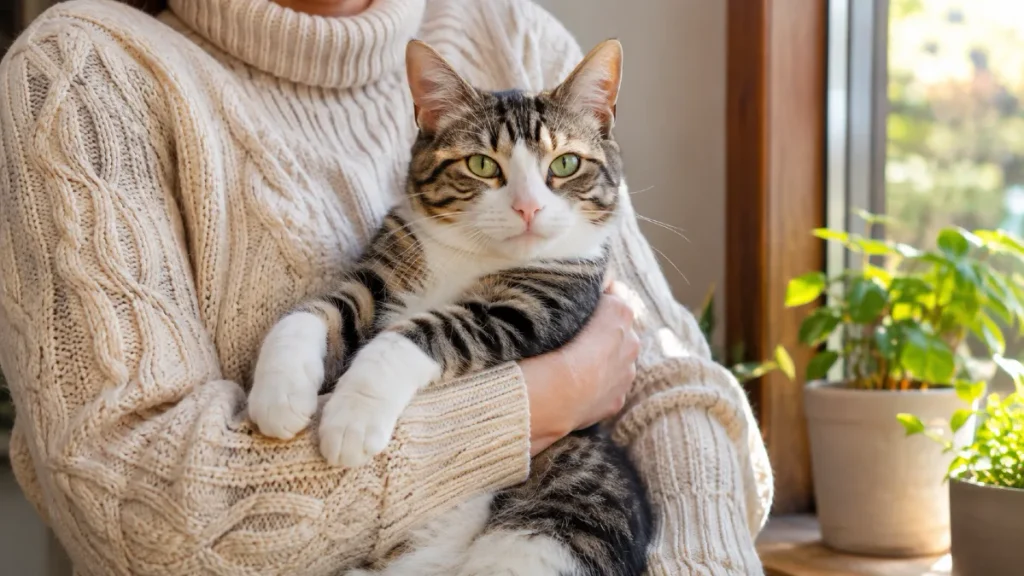
Some cats happily settle into their owner’s arms, while others want all four paws on the ground. If your cat allows you to pick them up and remains relaxed, it may show that they feel comfortable with your handling.
Being lifted takes away some of a cat’s control over its movement. For an animal that likes to choose where it goes and when, that can be an uncomfortable experience.
If your cat stays calm, keeps a loose body, and does not struggle to escape, those are encouraging signs. They may have learned through repeated positive experiences that you will handle them gently and put them down when needed.
However, a cat that dislikes being carried can still love and trust you. Some cats simply prefer affection while sitting beside you or standing on the floor.
How to Hold Your Cat Without Making Them Nervous
Cats Protection recommends lifting cats with proper support beneath both the chest and rear end. Their back legs should never be left dangling, and the cat should be held securely without being squeezed.
Start by approaching calmly and allowing your cat to notice you. If they appear relaxed and accept contact, support their body with both hands before lifting them close to your chest.
Watch for signs that they want to get down, including twisting, struggling, growling, or pushing away. Put them down gently rather than waiting for their discomfort to turn into a defensive reaction.
If your cat suddenly starts resisting handling that they previously enjoyed, consider whether pain or illness could be involved. A veterinary check is sensible when the change is new or happens alongside other unusual behavior.
Your cat does not need to enjoy being carried for your relationship to be strong. What matters is that they can trust you to recognize when they have had enough.
4. Why Your Cat Watches Over You While You Sleep
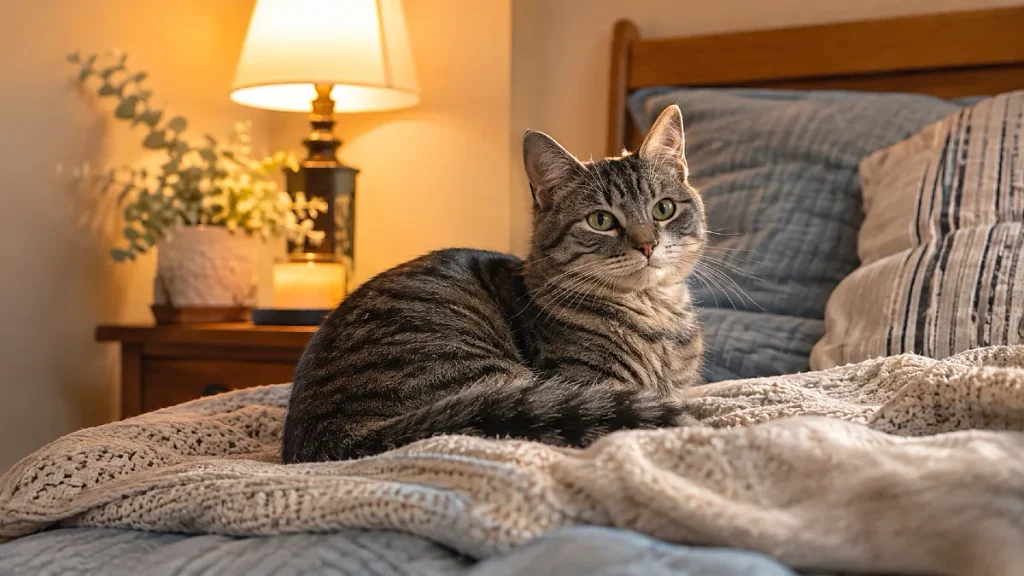
Have you ever woken up and found your cat sitting at the foot of your bed, quietly watching the bedroom door? You might wonder whether your little companion has appointed themselves your personal nighttime guard.
Cats often pay close attention to the sounds and movements around them. Sitting in a position where they can observe a room may help them feel aware of their surroundings.
When your cat chooses to stay close while you sleep, it can be a sign that they are comfortable sharing the same space. But it does not necessarily mean they are deliberately protecting you from danger.
According to PDSA’s guidance on cat body language, a relaxed body, comfortable ear position, and soft eyes are useful clues that a cat feels content. These signals can help you tell the difference between a peaceful companion and a cat that is feeling alert or uneasy.
What Your Cat’s Bedtime Position May Reveal
A cat resting at the foot of the bed may enjoy having room to stretch, move, and leave whenever they choose. They may also prefer that spot because it is comfortable and gives them a view of the room.
If your cat sits facing the doorway, they might simply be watching an area where people often enter. Cats are naturally curious about activity around them, even during quiet hours.
Look for calm behavior rather than assuming your cat is standing guard. A cat that settles comfortably near you and returns night after night is showing that your presence fits into its routine.
If your cat suddenly becomes restless at night, cries frequently, or seems unable to relax, avoid treating those changes as signs of affection. They may need a quieter sleeping environment or a veterinary check.
5. Why Your Cat Chooses to Sleep on You or Beside You
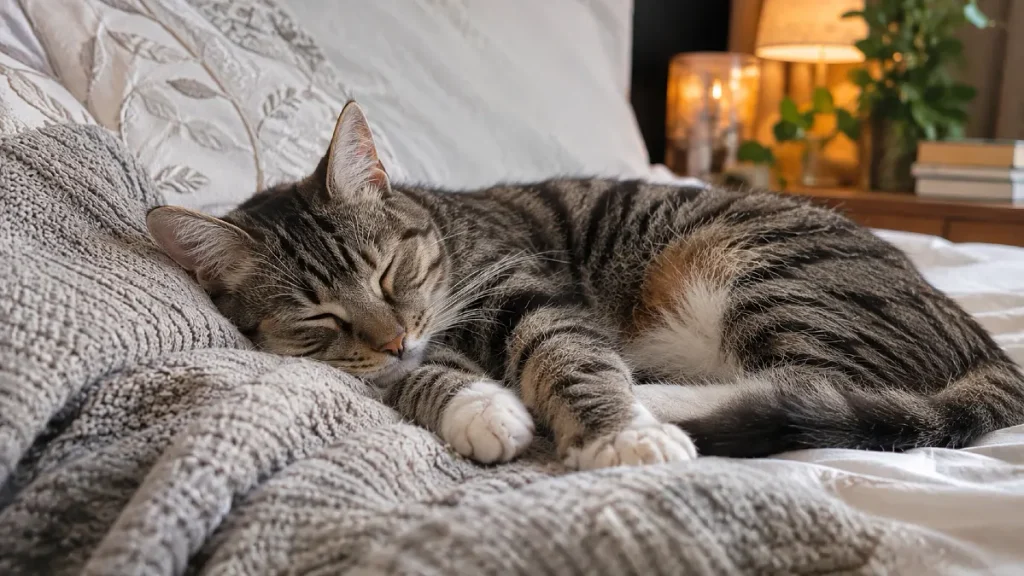
Few things feel sweeter than a cat curling up against your legs or falling asleep on your lap. Whether they choose your chest, shoulder, or the empty pillow beside you, these moments can reveal how comfortable they feel in your company.
Cats spend much of their day resting. PetMD’s March 2026 veterinary guidance explains that cats typically sleep around 12 to 16 hours each day, although individual sleep habits vary with age, health, and activity.
With so much time devoted to rest, cats benefit from having comfortable places where they can settle without interruption. They may choose your lap because it is warm, familiar, and comfortable.
Cats Protection explains that warmth is one reason cats sleep on their owners. But when your cat regularly chooses to settle beside you, that closeness can also fit with a positive social bond.
Why Sleeping Near You Matters
There is a small but meaningful difference between a cat seeking your warmth and a cat repeatedly choosing your company. Both can happen together, and you do not need to separate them to enjoy the connection.
For example, your cat might have several cozy beds available but still curl up beside you when you sit on the couch. They may enjoy your warmth while also feeling comfortable around your movements and familiar scent.
You might also notice your cat changing positions throughout the night. They could begin beside your legs, move to the end of the bed, and return when the room becomes quieter.
That movement does not mean their affection is fading. Cats naturally change resting positions, and many prefer having several sleeping options.
How to Make Sleeping Together More Comfortable
Let your cat choose where they want to rest, and avoid waking them just to receive affection. If they prefer to sleep nearby without being touched, respect that boundary.
You can place a soft washable blanket on the bed or provide a separate resting spot close to your own. A cat that chooses to sleep near you is offering a quiet form of companionship, even when they prefer a little personal space.
6. Why Showing Their Belly Can Be a Sign of Trust
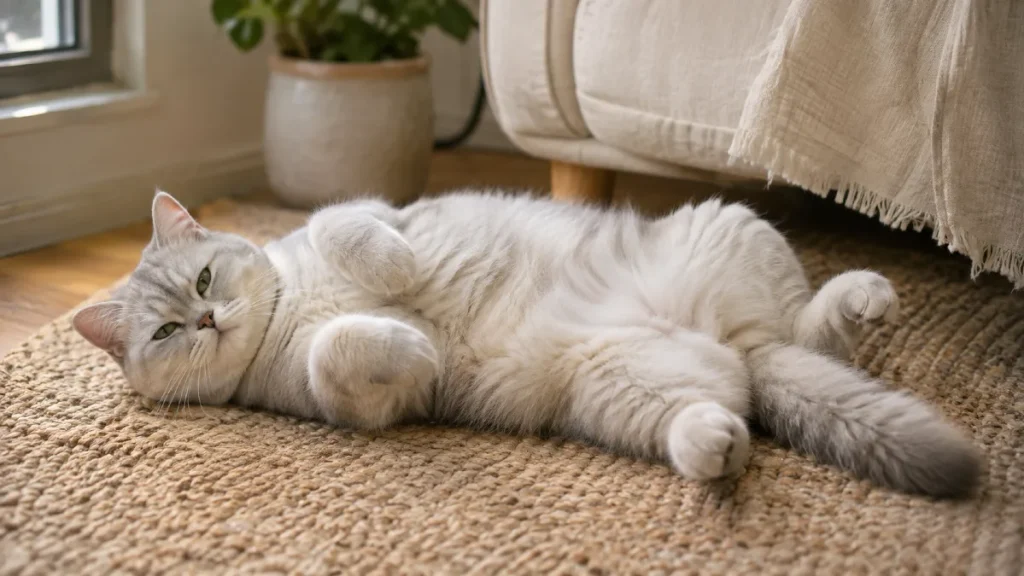
Has your cat ever rolled onto their back, stretched out their paws, and shown you their fluffy belly? It can look like an invitation to give them a good stomach rub, especially when they appear completely relaxed.
But cats do not always want their belly touched, even when they willingly expose it. Their stomach is a sensitive area, and many cats prefer to keep control over how people interact with it.
PDSA explains that rolling onto the back can be a sign of a happy, comfortable cat. However, the organization also warns that this position usually should not be treated as an invitation for belly rubs.
When your cat stretches out with a loose body and calm expression, it may mean they feel safe enough to relax openly around you. That can be encouraging, especially if they usually prefer more guarded resting positions.
What Your Cat’s Belly Position Is Telling You
Before reaching toward your cat’s stomach, pay attention to the rest of their body. A relaxed expression and a tense defensive posture can look similar for a moment, but they often call for different responses.
| Body Language | Possible Meaning | Best Response |
|---|---|---|
| Loose body and soft eyes | Feeling comfortable | Let them relax |
| Belly up with playful paws | May want to play | Offer a toy |
| Tense body and flattened ears | Fear or discomfort | Give them space |
| Grabbing or kicking your hand | Defensive or playful reaction | Stop touching the belly |
The safest choice is usually to enjoy the sight without reaching straight for their stomach. If your cat wants affection, offer gentle strokes around the cheeks or chin instead.
Why Your Cat May Suddenly Grab Your Hand
Some cats roll onto their backs and then grab the hand that tries to pet them. This may be a defensive response, a playful reaction, or a sign that the contact has become uncomfortable.
It does not necessarily mean your cat has stopped trusting you. Instead, it may mean you have touched an area they would rather keep protected.
Showing their belly can mean they feel safe, but it does not mean they want you to touch it. Learning that difference helps you avoid turning a peaceful moment into an uncomfortable one.
7. What Your Cat’s Gentle Nibbles Really Mean
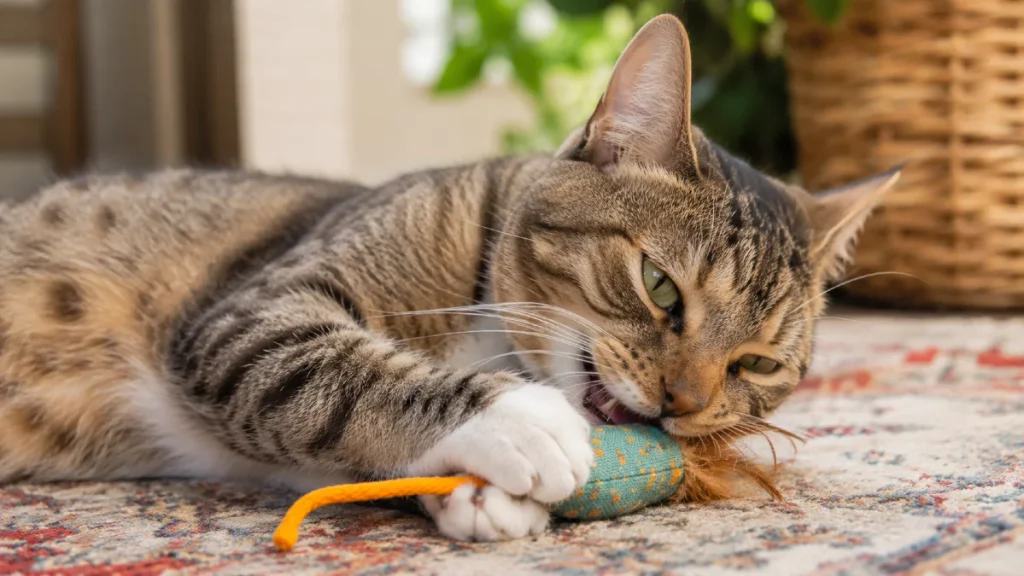
Does your cat sometimes give your fingers a tiny nibble while you are petting them? You might have heard people describe these little bites as love bites, but the real explanation is more complicated.
Cats use their mouths during play, grooming, and social interactions. A gentle nibble may happen during an affectionate moment, but it can also be a request for you to stop touching them.
VCA Animal Hospitals explains that some cats enjoy petting at first but become uncomfortable as the contact continues. When this happens, a bite may be their way of ending an interaction.
That is why a gentle bite should never be treated as automatic proof of love. The surrounding body language matters much more than the bite itself.
Gentle Nibble or Warning Bite?
Your cat’s behavior before and after a bite can help you decide what to do next. Watch for changes in posture, ear position, and tail movement rather than focusing on how hard the bite feels.
| Behavior | Possible Meaning | What You Should Do |
|---|---|---|
| Soft mouthing during play | Playful behavior | Redirect to a toy |
| Quick bite during petting | Wants contact to stop | End the petting |
| Bite with hissing or tense posture | Fear or strong discomfort | Give them space |
| Bite that breaks the skin | Injury with infection risk | Wash and seek medical advice |
Cornell University’s Feline Health Center identifies tail lashing, enlarged pupils, and ears moving backward as possible warning signs before a cat bites during petting. Recognizing these changes early can help you stop before your cat becomes more uncomfortable.
How to Respond to Gentle Biting
If your cat gently mouths your hand during play, calmly redirect their attention toward a suitable toy. A wand toy or small toy they can chase gives them a better outlet than your fingers.
If the nibble happens while you are stroking them, stop petting and let them decide whether to remain nearby. Avoid scolding, hitting, or forcing more contact, because those reactions can increase fear.
Some cats may lick your hand before or after a small bite. Although grooming can be part of social bonding, licking does not prove that a bite was affectionate.
The CDC advises washing cat bite wounds with soap and water. If a bite punctures the skin, particularly on your hand, seek prompt medical advice because cat bites can become infected.
When Gentle Biting Becomes a Concern
If your cat starts biting more frequently or becomes aggressive during contact they previously enjoyed, pain could be involved. Dental disease, soreness, and other health problems can affect how a cat reacts to touch.
A veterinarian can help rule out medical causes before you focus on behavior changes. This is especially useful when the biting begins suddenly or comes with hiding, loss of appetite, or other unusual signs.
A strong bond does not mean accepting painful bites as affection. Respecting your cat’s limits is a better way to build trust than encouraging behaviors that could hurt either of you.