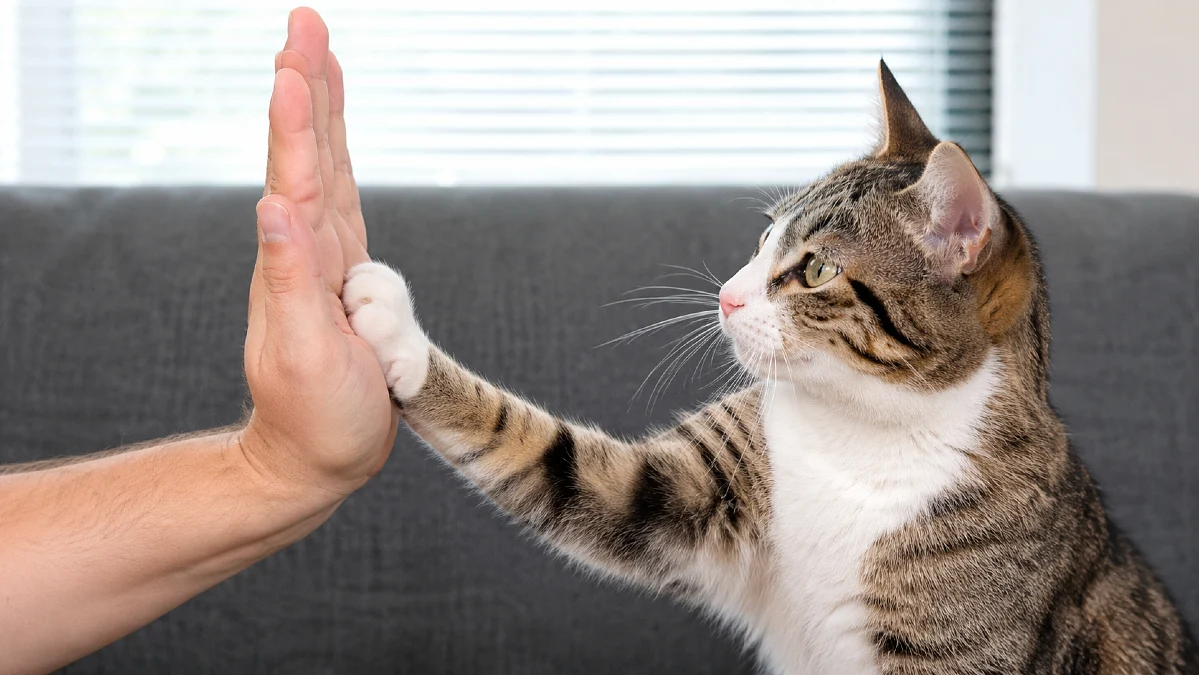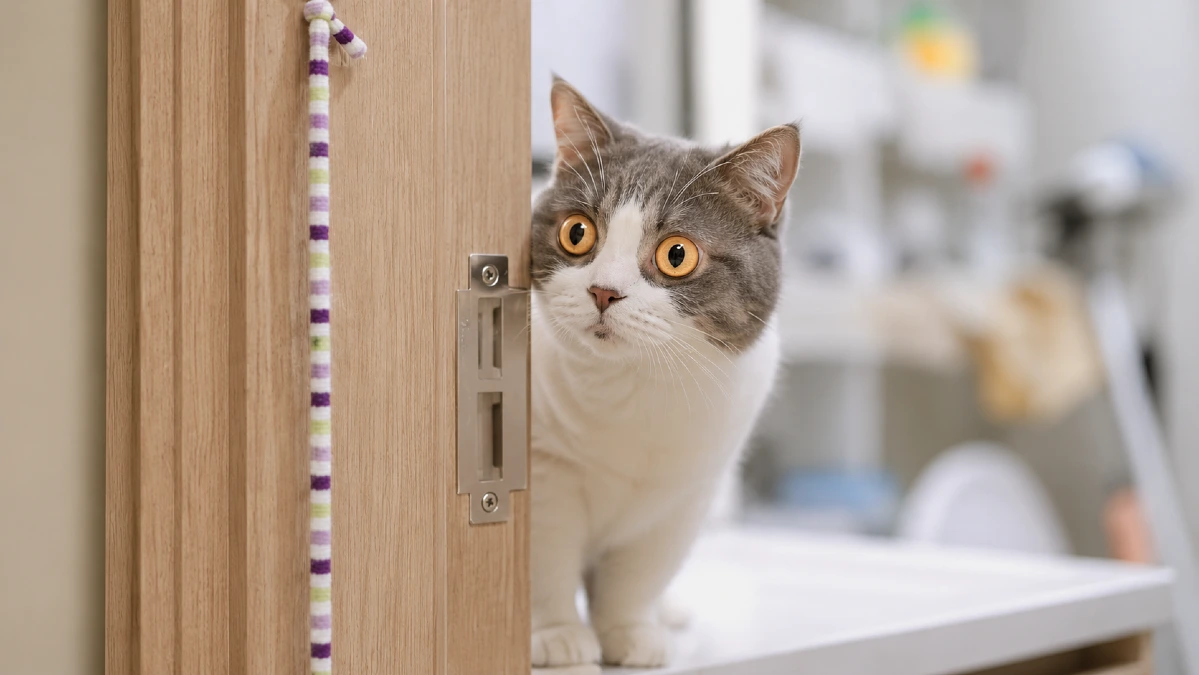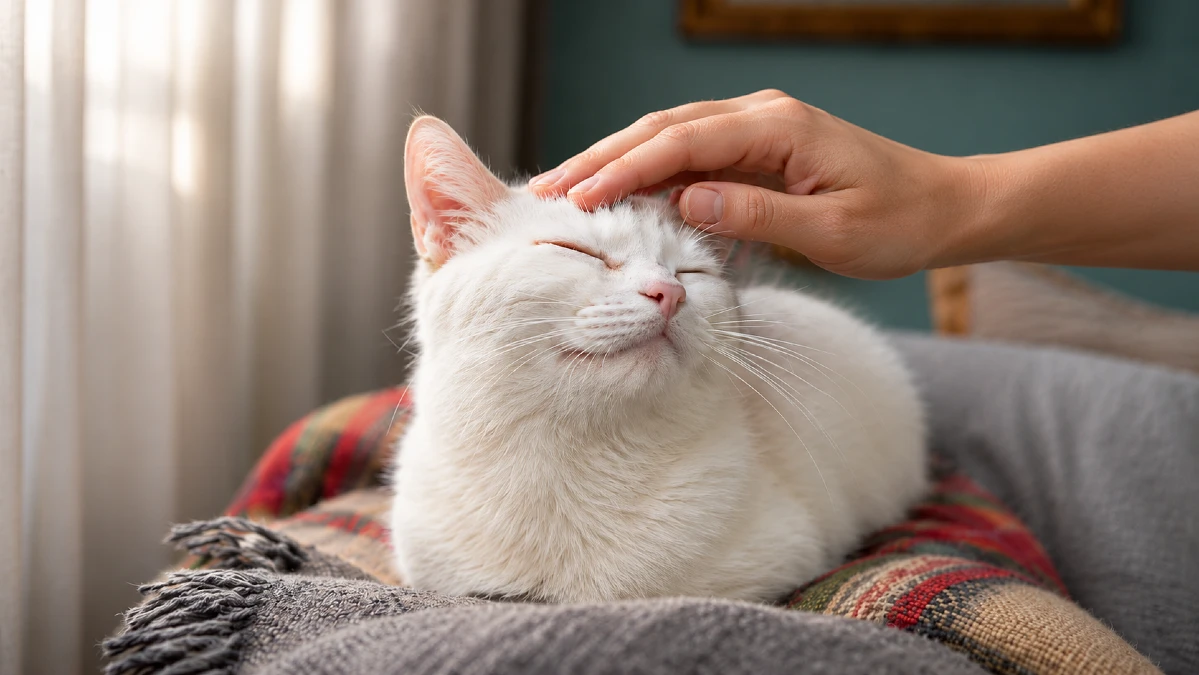
Your cat lets you stroke their head, rub their cheeks, or gently rest your hand beside them. They might even roll onto their back and show you their belly. But does that mean your cat truly trusts you, or are they simply putting up with your attention?
It’s a question many cat owners have. Cats can be affectionate one moment and completely uninterested in being touched the next. Sometimes, a cat will sit quietly during petting and then suddenly turn around and bite.
The difference often comes down to one important detail: whether your cat chooses the contact.
When your cat willingly approaches you, welcomes your touch, and stays relaxed, it can be a meaningful sign of trust. They are choosing to share a close moment with you rather than being forced into one.
Why Your Cat Choosing Your Touch Can Mean Real Trust
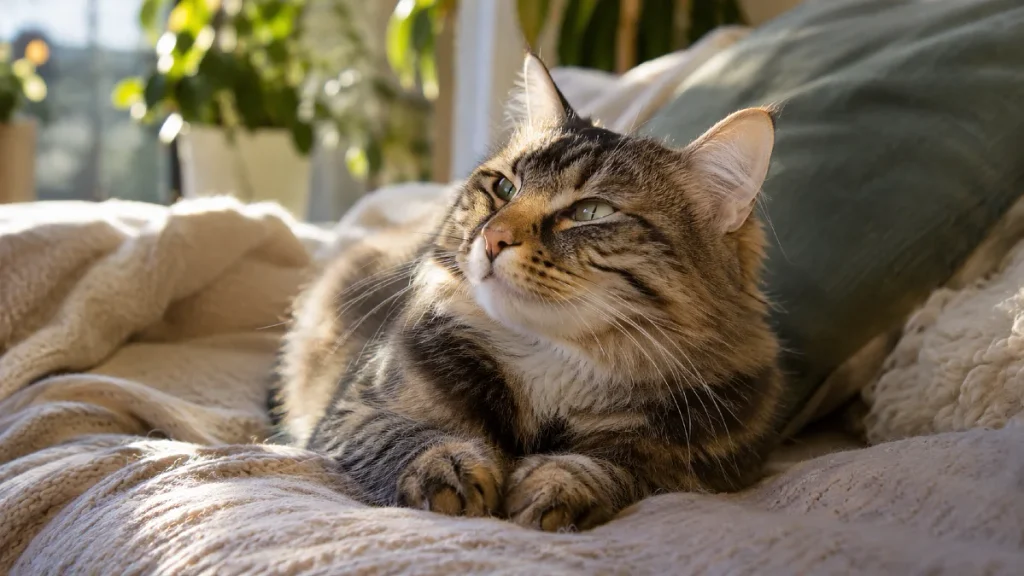
One of the clearest signs your cat trusts you is when they approach you and actively seek your touch. They might push their forehead against your hand, rub their cheeks along your fingers, or settle beside you while you gently stroke their head.
These actions matter because your cat is making the first move. They have the freedom to walk away, yet they choose to stay close and interact with you.
Cats often feel more comfortable when they have control over their surroundings and interactions. International Cat Care and feline behavior guidelines from the AAFP and ISFM emphasize the importance of choice when people interact with cats.
Research supports this approach. A 2021 study published in Frontiers in Veterinary Science examined interactions involving 100 shelter cats and 120 people. The cats showed more friendly behaviors and fewer signs of conflict when people followed guidance that respected their choices and body language.
The study looked at cats interacting with visitors, not the depth of their bonds with owners. Still, it offers useful evidence that respecting a cat’s choices can improve the experience of human contact.
Why Your Cat Coming Back for More Matters
Suppose your cat walks across the sofa, presses their cheek into your hand, and enjoys a gentle scratch. You stop petting, but your cat immediately pushes their head against your fingers again.
That second movement can tell you more than simply sitting still during petting. Your cat is actively asking for another interaction.
Over time, these repeated moments can become part of your relationship. Your cat learns that being close to you can feel pleasant and that you will respect their signals.
The important sign is not how much touching your cat allows. It is whether they willingly seek it and remain comfortable.
How to Tell If Your Cat Wants Petting or Just Tolerates It
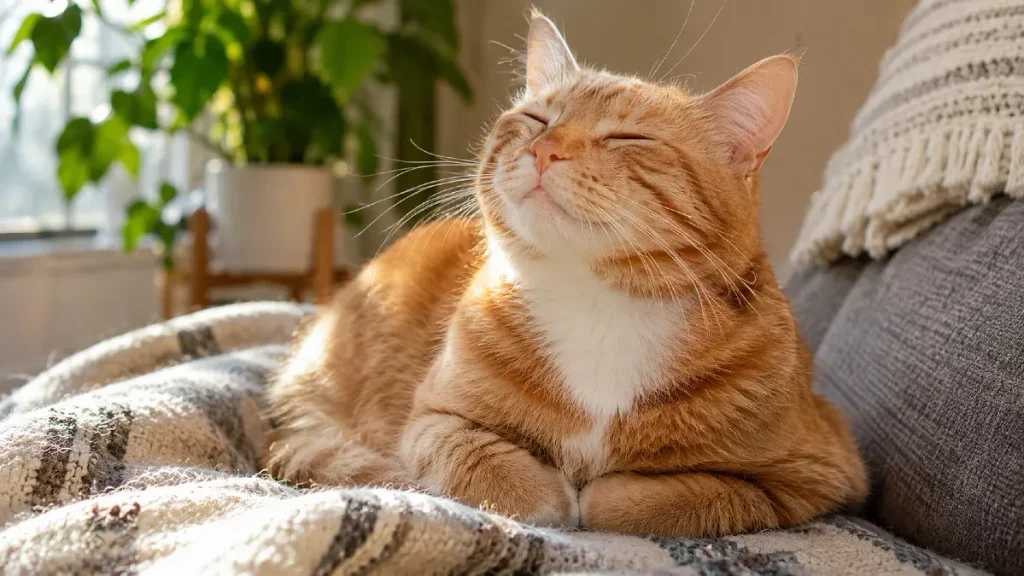
A cat that sits quietly while being petted is not necessarily enjoying the experience. Some cats remain still when they feel unsure, tense, or uncomfortable.
The better approach is to watch their whole body. Their ears, tail, muscles, and movements can reveal whether the interaction feels good or whether they want it to end.
Reading Your Cat’s Petting Signals
The RSPCA NSW and Battersea Dogs & Cats Home recommend paying attention to body language throughout every interaction. These common signs can help you decide what to do next.
| Body language | Possible meaning | What to do |
|---|---|---|
| Rubs their face against you | Welcomes contact | Offer gentle strokes |
| Pushes into your hand | May want more petting | Continue briefly |
| Relaxed body and soft ears | Appears comfortable | Keep watching |
| Becomes very still and tense | May feel uneasy | Stop touching |
| Tail flicks or swishes sharply | May be irritated | Give them space |
| Turns away or walks off | Wants contact to end | Let them leave |
No single movement tells you everything about your cat’s mood. Look for several signals together and consider what was happening just before the behavior.
For example, a relaxed cat might slowly blink while sitting beside you. That can suggest comfort, but it does not automatically mean they want your hand on their body.
Why Remaining Still Can Be Misleading
Sometimes a cat allows petting because they have learned to tolerate it. They may stay in place but hold their body stiffly, turn their ears backward, or watch your hand closely.
Cats Protection explains that a cat can remain near a person while showing signs of stress. In that situation, the cat may be tolerating the touch rather than enjoying it.
Try removing your hand for a moment. If your cat comes forward for more, that is a much clearer sign that they welcome the attention.
And if they simply sit beside you without asking for anything, enjoy their company. Being close to you may be exactly what they want.
Why Your Cat Showing Their Belly Is Not Always an Invitation
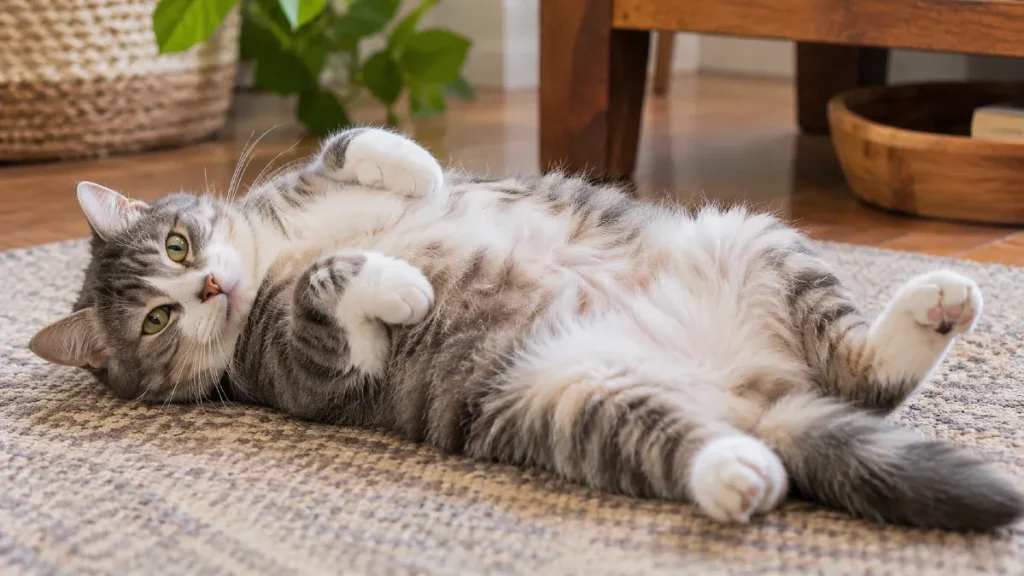
Few things look sweeter than a cat rolling onto their back and showing their soft belly. It can feel like a special invitation, especially when your cat looks relaxed and comfortable.
But there is an important difference between showing the belly and wanting someone to touch it. A cat exposing their belly may be showing trust without asking for a belly rub.
The stomach is a sensitive and vulnerable area. Cats Protection explains that many cats expose their bellies when they feel safe, yet dislike being touched there.
If you immediately reach toward that exposed stomach, your cat may grab your hand, kick with their back legs, or move away. That reaction does not necessarily mean they stopped trusting you.
It may simply mean they did not want their belly touched.
What If Your Cat Actually Enjoys Belly Rubs?
Some cats genuinely enjoy gentle belly rubs. They may remain relaxed, stay close, and show no signs of discomfort while someone touches their stomach.
But even a cat that usually welcomes belly rubs can change their mind. Watch their reaction each time rather than assuming they always want the same thing.
A safer response to a relaxed belly display is to offer a gentle cheek or head scratch if your cat seeks contact. You can also simply admire the moment without touching them.
When your cat trusts you enough to relax in a vulnerable position, there is no need to test that trust. Letting them feel safe can be more valuable than getting another belly rub.
Where to Pet Your Cat So They Feel Safe
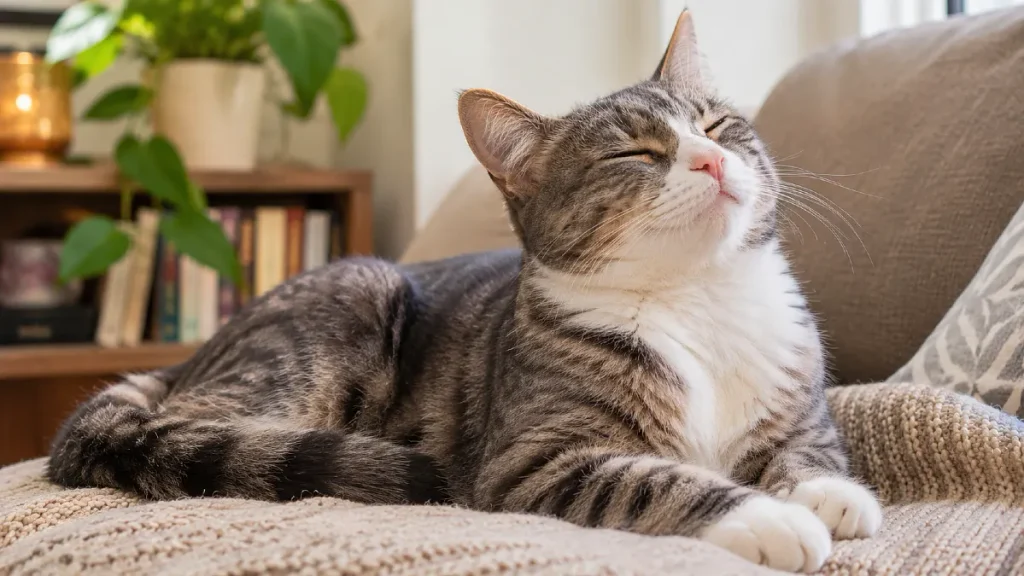
Knowing where your cat enjoys being touched makes affectionate moments easier for both of you. It also reduces the chance that petting will become uncomfortable or stressful.
Many cats prefer gentle attention around their face. These areas are commonly involved in friendly rubbing behavior, and cats often use them when greeting familiar people.
Where Cats Prefer to Be Petted
Cats Protection, RSPCA NSW, and Battersea offer guidance about common petting preferences. These are general patterns rather than rules that apply to every cat.
| Body area | General preference | Best approach |
|---|---|---|
| Cheeks | Often enjoyed | Gentle finger rubs |
| Under the chin | Often enjoyed | Light scratching |
| Top of the head | Often enjoyed | Soft strokes |
| Upper back | Varies by cat | Watch their response |
| Belly | Often disliked | Usually avoid |
| Paws and legs | Often sensitive | Avoid casual handling |
Your cat’s preferences matter more than any general guide. A cat that loves chin scratches might dislike having their forehead touched, while another may enjoy gentle strokes along their back.
Start with an area your cat already welcomes. If they lean into your hand and remain relaxed, you can continue briefly before checking again.
Why Sensitive Areas Need Extra Care
Your cat’s paws, tail, and stomach are not areas you should touch simply to find out how much they trust you. Even a deeply bonded cat may dislike having these areas handled.
Some cats can learn to accept necessary care, such as nail trimming or brushing, through patient practice and positive rewards. But accepting handling for grooming is different from enjoying that touch as affection.
Avoid holding your cat in place to make them accept petting. Give them a clear way to move away whenever they wish.
This helps your cat learn something important about you. When they communicate that they have had enough, you listen.
How to Ask Your Cat If They Want More Attention
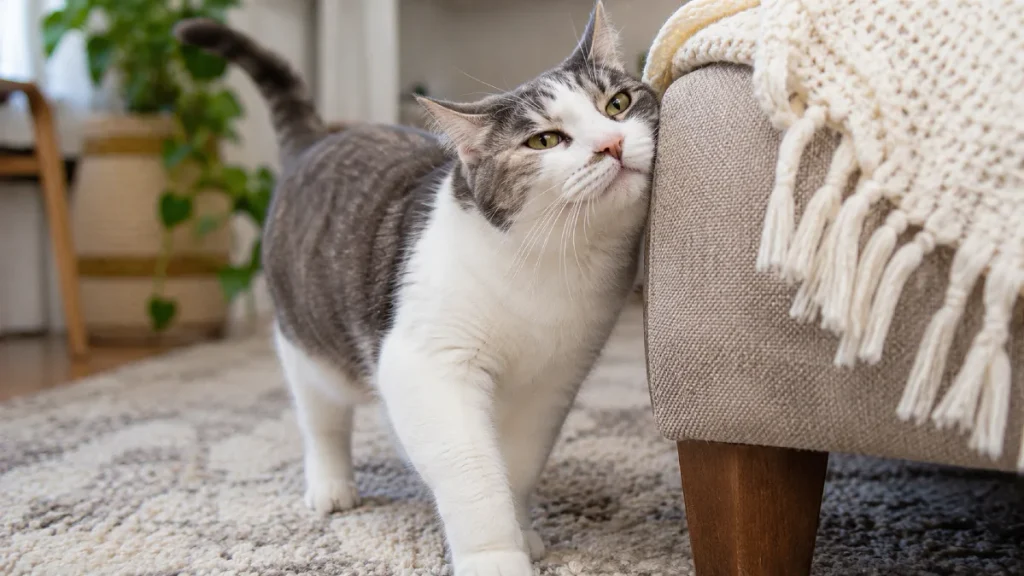
You do not need a complicated method to find out whether your cat wants affection. A simple pause during petting can help you read their response.
Battersea recommends allowing cats to make the first move and using a short pause during physical contact. Its feline behavior guidance describes a simple three second rule for checking whether a cat wants more.
Here is how to use that idea during an ordinary moment at home.
Let Your Cat Make the First Move
Sit somewhere comfortable and give your cat room to approach. You can gently offer a relaxed hand and let them decide whether to come closer.
Your cat may sniff your fingers before doing anything else. RSPCA NSW explains that sniffing alone is not necessarily an invitation to pet them.
Wait for a clearer sign, such as rubbing their face against your hand. If your cat walks away, let them leave without following.
Try the Short Petting Pause
When your cat welcomes contact, gently stroke a favorite area for about three seconds. Then stop and keep your hand still.
Watch what happens next. Does your cat push their head against your fingers, rub their cheek on your hand, or move closer?
Those actions can suggest they want more attention. If they turn away, stop responding, or move off, the petting session should end.
Let Your Cat Decide When to Stop
Your cat may enjoy your touch for a few moments before losing interest. This is normal, even in cats that have very close relationships with their owners.
Do not keep petting simply because your cat has not walked away. Watch for changes in their body language and make sure they always have space to leave.
Over time, you may notice that your cat starts approaching you more often for affection. This can happen as they learn that their preferences will be respected.
The goal is not to make every interaction last longer. It is to make each interaction feel safe and pleasant for your cat.
Why Your Cat May Suddenly Stop Wanting to Be Touched
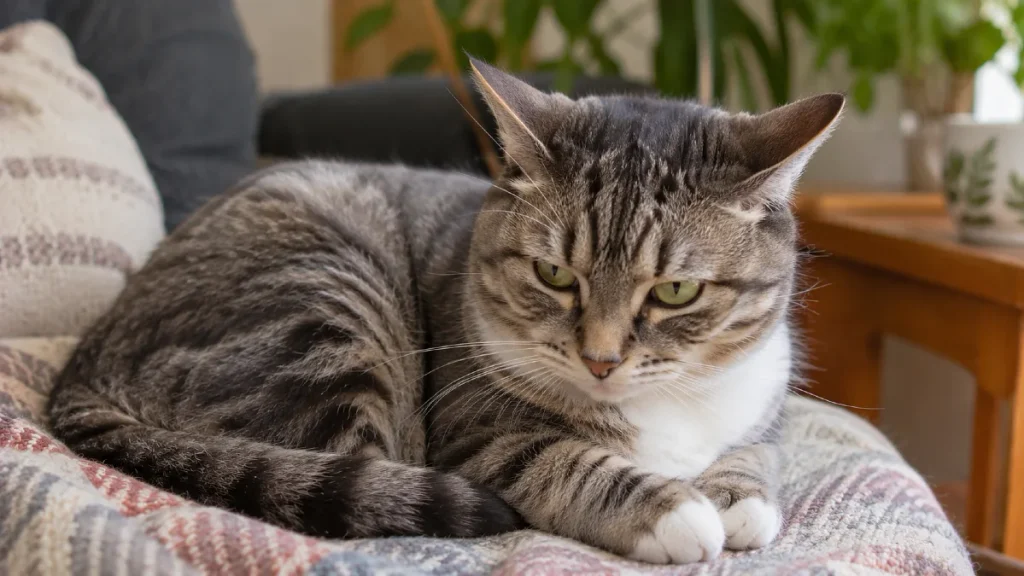
It can feel upsetting when a cat that once loved cuddles suddenly avoids your hand. You might wonder whether something happened to your relationship or whether your cat has stopped trusting you.
But changes in touch preferences do not automatically mean your bond has weakened. Cats may avoid contact because of stress, overstimulation, physical discomfort, or changes in their surroundings.
When Your Cat’s Touch Preferences Change
Cornell Feline Health Center explains that some cats can become aggressive during petting, while pain can also make touch unpleasant. Watching when the behavior occurs can help you decide what to do next.
| Behavior change | Possible reason | Next step |
|---|---|---|
| Avoids touch after a move | Stress or uncertainty | Provide quiet spaces |
| Rejects long petting sessions | Overstimulation | Keep contact brief |
| Flinches at one body area | Possible pain | Arrange a vet exam |
| Resists grooming | Discomfort or fear | Pause and assess |
| Suddenly bites during touch | Stress or possible pain | Stop and contact a vet |
These behaviors can have several causes, so the table cannot tell you exactly what is wrong. A veterinary examination is especially important when the change is sudden, persistent, or accompanied by other signs of illness.
Avoid punishing your cat for growling, swatting, or moving away. These reactions may be their way of communicating discomfort or asking for space.
Why Pain Can Change a Cat’s Behavior
Cats can experience pain without showing obvious outward signs. A cat with sore joints, an injury, or another health problem may become sensitive to handling that previously felt comfortable.
Cornell University College of Veterinary Medicine notes that cats with painful conditions, including osteoarthritis, may react aggressively when sore areas are touched.
Watch for changes beyond petting, such as reduced jumping, difficulty grooming, hiding more often, or changes in appetite. These signs deserve veterinary attention, particularly when they appear together.
What About Cats That Bite During Petting?
A cat that suddenly bites your hand may have become overwhelmed by too much contact. Some cats give subtle warning signs, including tail movements, tense muscles, or ears turning backward.
Try ending petting sessions earlier, before your cat becomes uncomfortable. Give them space afterward rather than immediately reaching out again.
If biting is new, frequent, severe, or hard to predict, speak with your veterinarian. Pain and other medical problems should be considered before treating the issue as purely behavioral.
A cat refusing touch is not rejecting you as a person. They may simply be telling you that something about the interaction needs to change.
How to Deepen Your Bond With a Cat Who Dislikes Petting
Some cats love being held, stroked, and cuddled. Others prefer sitting nearby, sharing a quiet room, or watching you from their favorite perch.
Both kinds of cats can form meaningful relationships with people. Physical affection is one way cats interact with us, but it is not the only way.
If your cat dislikes frequent petting, you can still create positive experiences together. The key is finding activities your cat willingly enjoys.
Make Playtime Part of Your Routine
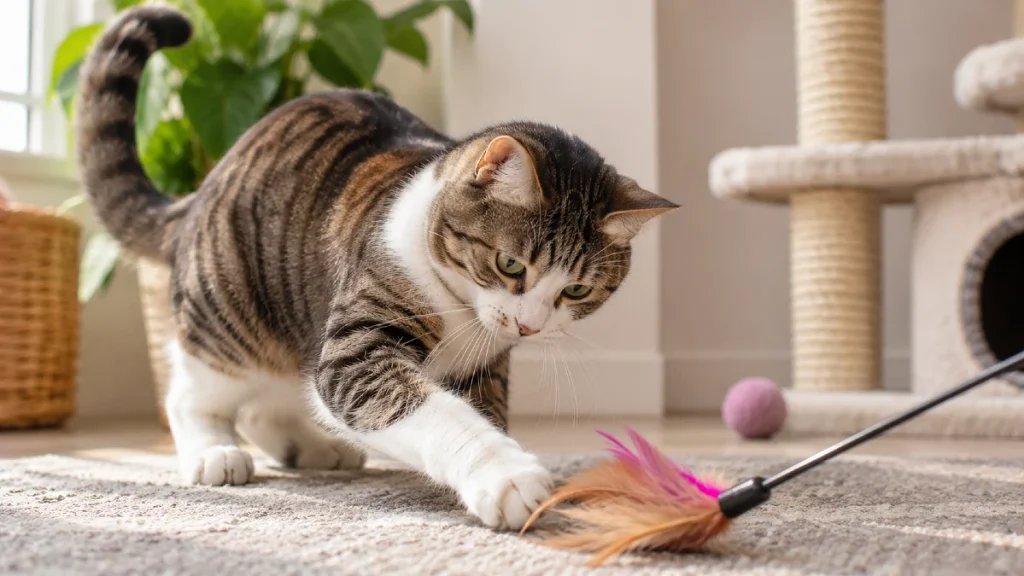
Interactive play gives your cat a chance to engage with you without being handled. A wand toy that moves like prey can encourage natural chasing and pouncing behaviors.
Let your cat follow, stalk, and catch the toy during short play sessions. Adjust the activity to their age, health, and energy level.
Keep fingers and hands out of rough play. Using an appropriate toy creates a safer way for your cat to practice hunting behavior without biting or scratching you.
Some cats may prefer watching a moving toy at first. Give them time and allow them to join when they feel ready.
Create Spaces Where Your Cat Feels Secure
A comfortable cat bed, a scratching post, and access to quiet resting places can help make your home more cat friendly. Cats also benefit from places where they can hide or rest without being disturbed.
Avoid pulling your cat out of a hiding place simply because you want to spend time together. Let them decide when they feel comfortable coming out.
Predictable routines can help your cat know what to expect. Regular feeding, gentle interactions, and chances to play can become familiar parts of their day.
When your cat feels secure at home, they may become more willing to approach you. But affection should remain their choice, rather than something you expect in return.
Appreciate the Quiet Ways Your Cat Shows Affection
Your cat might follow you into another room or curl up on the opposite end of the sofa. They may greet you with a gentle head rub, blink slowly while relaxing nearby, or choose to sleep close to you.
These behaviors can suggest comfort and social interest, particularly when they happen repeatedly. No single behavior proves exactly how your cat feels, so look at the larger pattern.
RSPCA NSW points out that cats can enjoy spending time with people without wanting physical contact. Sitting near someone can be a meaningful form of companionship.
If your cat chooses to share a peaceful moment with you, appreciate it for what it is. You do not need to pick them up or pet them to make that moment count.
Build Trust by Respecting Their Boundaries
One of the simplest ways to strengthen your bond is to stop when your cat asks you to stop. Move your hand away when they turn from you, and allow them to leave without being followed.
You can also reward calm, willing interactions with a small suitable treat if your cat enjoys food rewards. Avoid using treats to pressure a frightened cat into accepting unwanted contact.
Cats Protection recommends letting cats approach people and respecting their individual preferences. This helps make interactions more comfortable for the cat.
The strongest connection is built through repeated positive experiences. When your cat learns that you are gentle, predictable, and respectful, they have more reasons to feel secure around you.