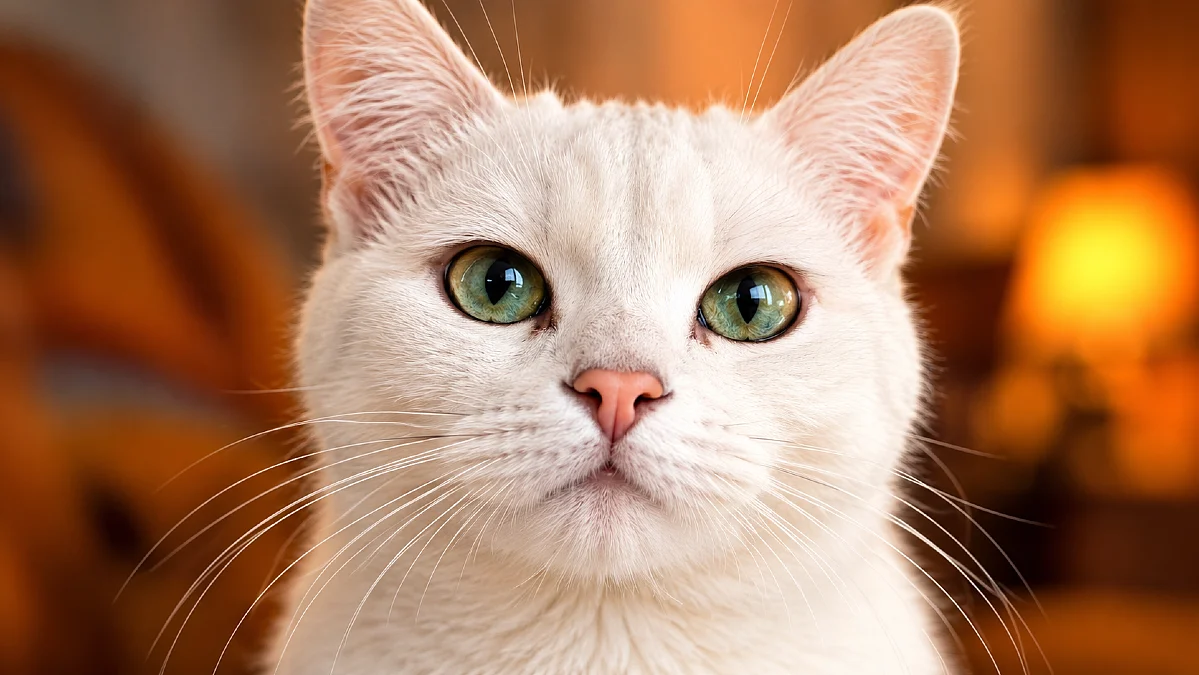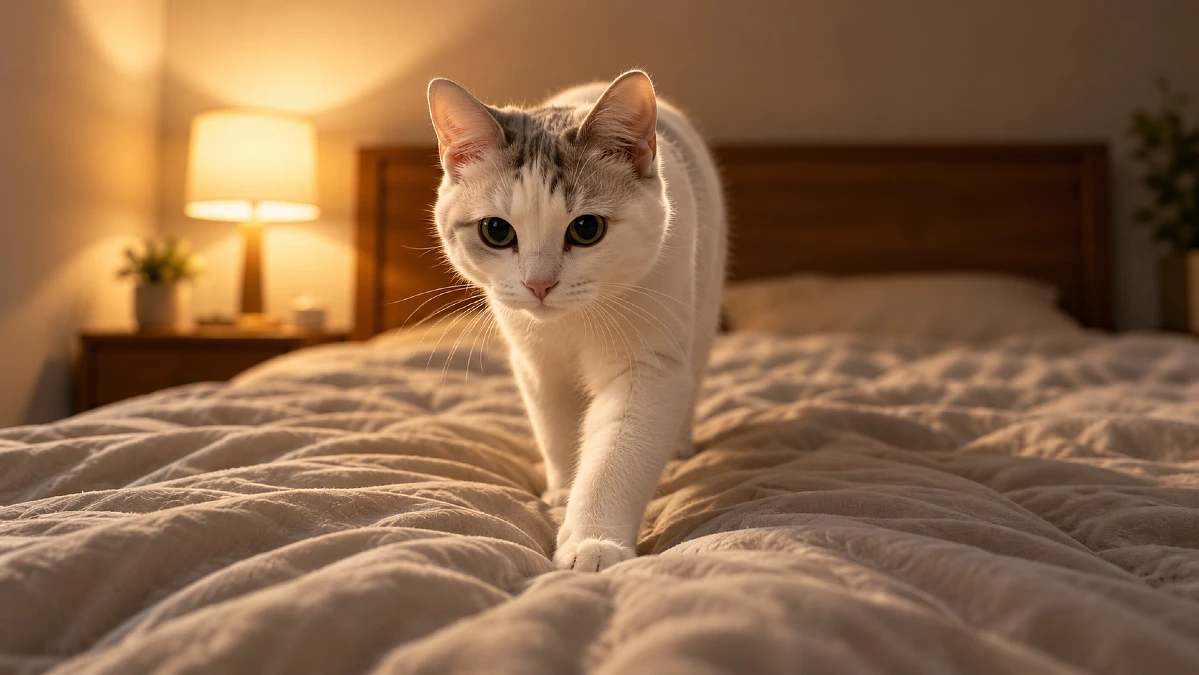
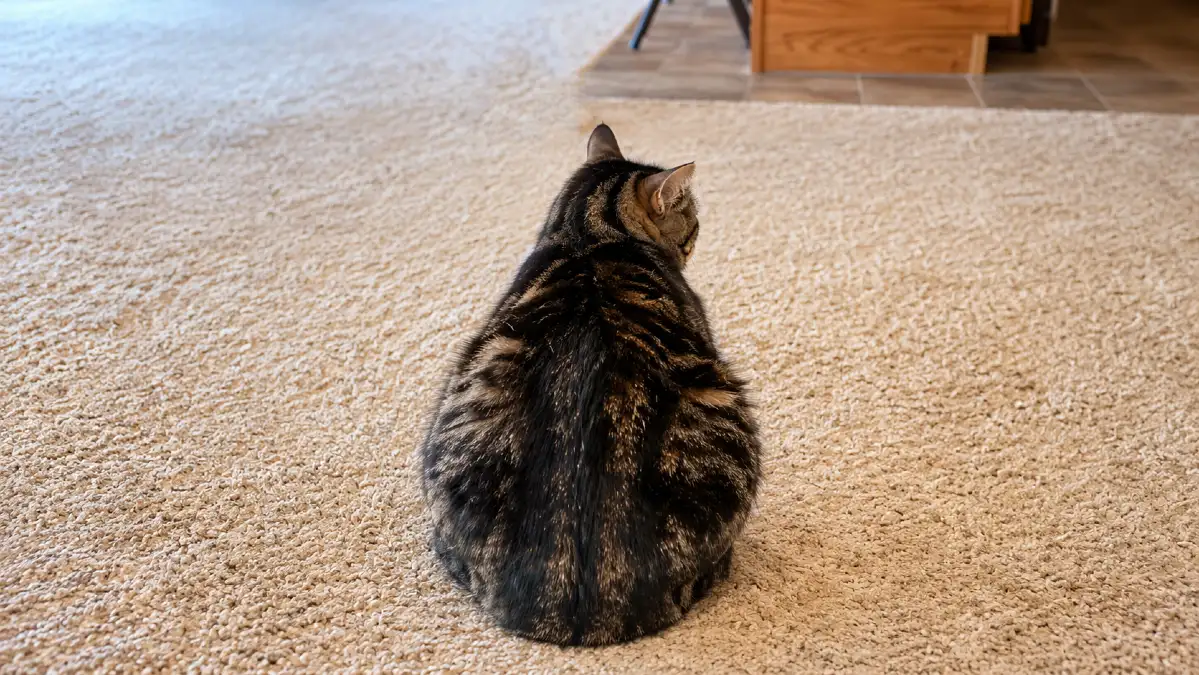
You settle onto the sofa, hoping your cat will come over for a cuddle. A few moments later, your cat jumps up beside you, sits down, and turns its back directly toward your face. You offer a little scratch, but your furry friend seems more interested in staring across the room.
It feels a little rude, doesn’t it? You feed your cat, buy its favorite treats, and make sure it has a comfortable place to sleep. Yet when it finally chooses to sit beside you, it doesn’t even bother to look at you.
But here’s something that might change how you see this behavior. When your cat sits with their back to you, it can actually be a sign that they feel safe in your company. Cats don’t always show affection through cuddles, eye contact, or constant attention.
Why Your Cat Sits With Their Back to You When They Feel Safe
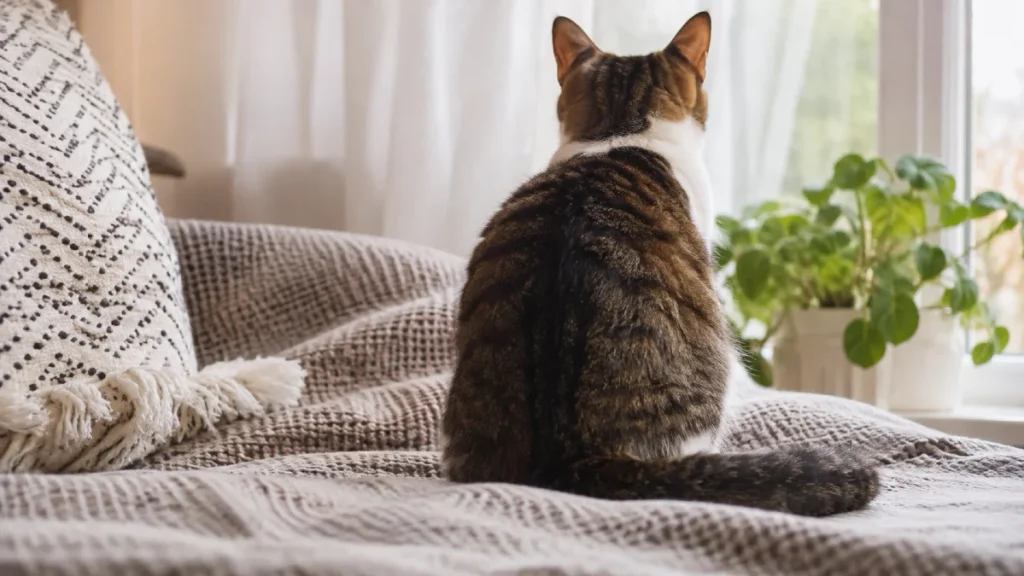
Your cat doesn’t need to stare at you to enjoy being near you. Sometimes, the simple choice to sit beside you tells you more than a long cuddle ever could.
Cats often seek places where they can rest without feeling threatened. If your cat willingly settles beside you with loose muscles and a calm posture, your presence may be helping it feel comfortable.
According to Cats Protection, relaxed posture, soft eyes, and natural ear positions are common signs of a comfortable cat. These details matter because trust is easier to judge from several behaviors than from one sitting position.
Your Cat May Feel Comfortable Enough to Relax
Think about what your cat does before sitting down. Does it walk into the room, choose your side of the sofa, and settle without hesitation?
If so, it has chosen to spend time close to you. That voluntary closeness can be a positive sign, especially when your cat has other comfortable places available.
A nervous cat may prefer to keep its distance, hide, or watch people carefully. A comfortable cat may feel less need to monitor your every movement.
This doesn’t mean your cat has stopped paying attention to you. It simply means your cat may be relaxed enough to focus on something else while enjoying your company.
Why Quiet Company Can Be a Form of Affection
Some cats follow their owners everywhere but rarely sit on their laps. Others prefer sleeping a short distance away, even when they enjoy being petted.
These differences are normal. The AAFP and ISFM feline environmental guidelines explain that cats have different preferences for human contact, and many prefer brief, gentle interactions they can control.
Your cat choosing to sit near you is worth appreciating, even without physical contact. For an independent cat, sharing a quiet space may be one of its favorite ways to spend time with you.
The key is to notice whether your cat seems happy to be there. A relaxed cat facing away is very different from a frightened cat freezing in the same position.
Why Cats Face the Room Instead of Watching You
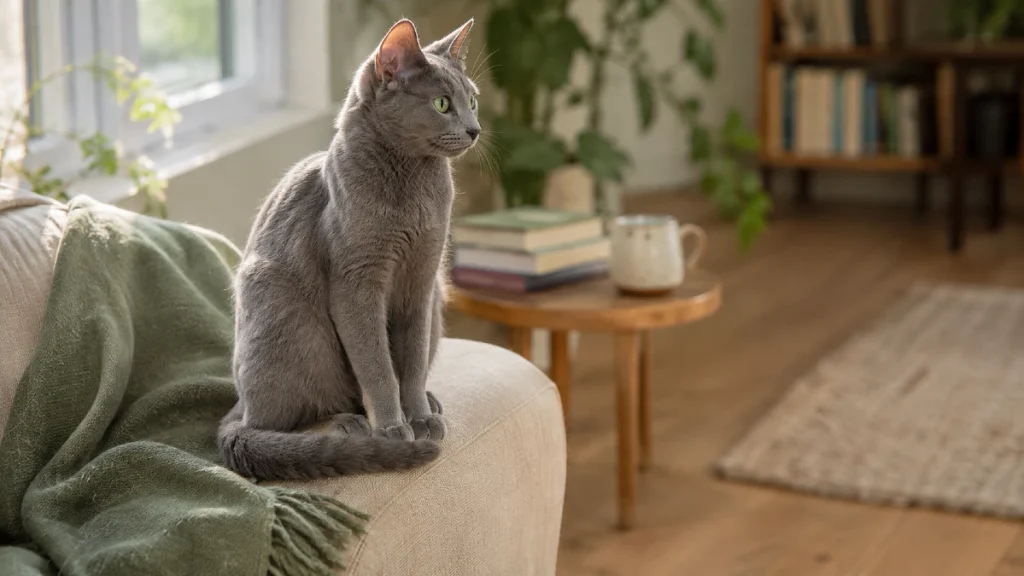
Your cat may be sitting with its back to you for a surprisingly simple reason. Something on the other side of the room is more interesting at that moment.
Perhaps a bird has landed outside the window. Maybe someone is walking down the hallway, or a familiar sound is coming from the kitchen.
Cats pay close attention to their surroundings, even when they appear to be resting. Their ears can move to pick up sounds from different directions without requiring the whole body to turn.
Purina’s October 2026 guide to cat body language explains that ear movement can reflect attention to sounds and activity nearby. A cat facing away from you may simply be watching or listening to something that has caught its interest.
Your Cat Might Be Choosing a Comfortable View
Picture your cat sitting beside you on the sofa while facing the living room doorway. It can watch people entering the room while remaining close to you.
This setup may offer a comfortable place to rest and a useful view. It doesn’t mean your cat has decided to act as your personal guard.
You might notice the same habit when your cat sits near a window or faces a favorite toy. The direction often has more to do with what your cat wants to see than how it feels about you.
A Turning Ear Doesn’t Always Mean Trouble
If your cat’s ears move while it sits facing away, watch how the rest of its body responds. Loose muscles and a calm tail suggest something different from a stiff body and flattened ears.
An interested cat may listen carefully without becoming upset. A frightened cat may crouch, freeze, or prepare to move away.
That’s why it’s better to watch the complete picture. Your cat’s body language matters more than the direction its nose happens to point.
How to Tell Whether Your Cat Is Relaxed or Uncomfortable
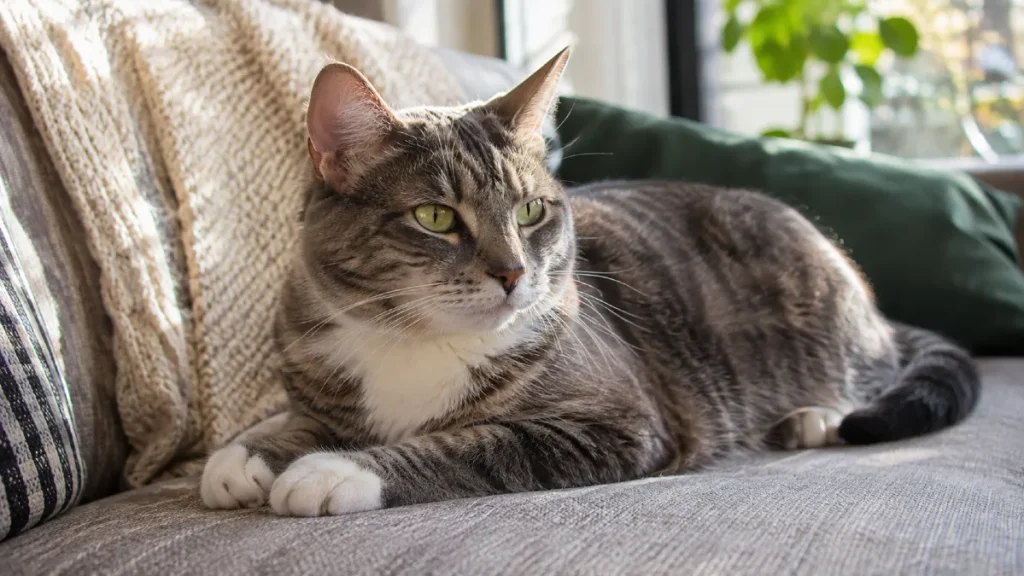
The easiest way to know whether your cat feels safe is to stop focusing on its back. Instead, look at the rest of its body.
A cat’s ears, tail, muscles, and movements can offer useful clues about its mood. These signs become even more helpful when you compare them with what is normal for your own cat.
Battersea Dogs & Cats Home updated its cat body language guidance in July 2026. It explains that cats can express feelings in subtle ways, including changes in posture and movement.
Check for These Signs of a Comfortable Cat
Start with how your cat is sitting. Does its body appear loose and natural, or does it seem tightly held in one position?
A comfortable cat may tuck its paws beneath its chest or stretch along the sofa. Neither position proves happiness on its own, but a relaxed body combined with calm behavior is reassuring.
The tail can also offer clues. A tail resting loosely beside the body often looks different from one that is sharply twitching or tucked tightly underneath.
Relaxed or Uncomfortable? Compare the Signs
The following table brings several common body signals together. Use it to look for patterns rather than treating any single movement as a final answer.
| Body Part | Relaxed Signs | Warning Signs |
|---|---|---|
| Ears | Natural, relaxed position | Flattened or tightly held back |
| Tail | Loose and resting | Rapid lashing or tightly tucked |
| Body | Soft, comfortable posture | Stiff, tense, or low crouch |
| Eyes | Soft or partly closed | Wide eyes with tense posture |
| Movement | Settles or moves freely | Freezes, hides, or pulls away |
These signs are based on guidance from PDSA, Cats Protection, and veterinary behavior resources. Remember that excitement, lighting, and other factors can also change how a cat looks.
Why Being Very Still Isn’t Always Relaxation
There’s another detail many cat owners miss. A cat that sits perfectly still might be comfortable, but it could also be frightened.
Some cats freeze when they feel threatened. You may notice their muscles tighten, their head lower, or their ears move sharply backward.
This is why a cat sitting with its back to you isn’t automatically offering a compliment. If its body looks tense, the best response is to give it room and find out what might be causing discomfort.
What Your Cat’s Favorite Sitting Spot Can Tell You
Where your cat chooses to sit may offer extra clues about what it wants. The same back facing position can have different meanings depending on the location.
For example, a cat resting against your leg may be enjoying your warmth. A cat beside a window may be more interested in watching birds than seeking attention.
How Different Sitting Spots Change the Picture
Look at the setting before deciding what your cat is communicating. This quick comparison can help you spot the most likely reasons for a favorite resting place.
| Where Your Cat Sits | Possible Reason | What to Check |
|---|---|---|
| Against your legs | Warmth or closeness | Does it settle calmly? |
| Beside you on the sofa | Comfortable company | Does it stay by choice? |
| At the foot of your bed | Rest and shared space | Is its body relaxed? |
| On a window perch | Outdoor sights and sounds | Is it watching activity? |
| Near a doorway | Interest in movement | Does it seem alert or worried? |
These are possible explanations, not fixed rules. A sitting spot becomes more meaningful when you notice how your cat behaves there over several days.
Why Your Cat Might Prefer Your Side Over Your Lap
Some cats enjoy being near people without wanting to be held. Sitting beside you gives them the freedom to move whenever they choose.
This can be especially important for cats that dislike being picked up. Respecting that preference may help them feel more comfortable spending time with you.
For example, your cat might avoid your lap but happily sleep against your hip every evening. That pattern can show a preference for closeness with more personal space.
You don’t need to turn every quiet visit into a cuddle. Sometimes, leaving your cat undisturbed is exactly what keeps it coming back.
When Turning Away Means Your Cat Wants Some Space
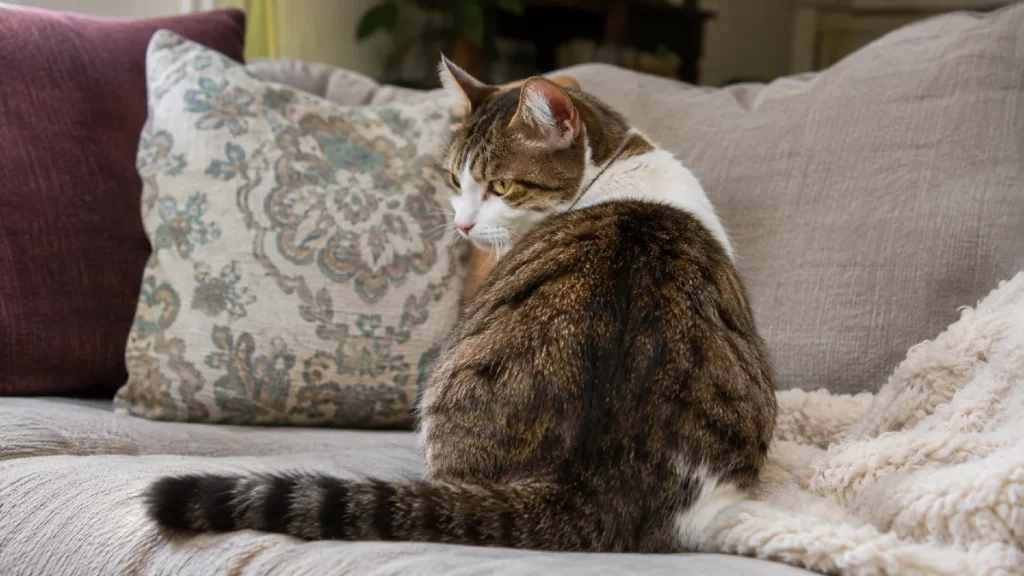
There’s one situation where turning away deserves a different response. If your cat moves its head or body away while you are petting it, it may be asking you to stop.
Cats have individual preferences about being touched. Even a cat that loves affection can become uncomfortable when an interaction lasts too long.
RSPCA NSW explained in its August 2026 cat handling advice that giving cats control over physical contact can help build trust. It also identifies head turning, tail movement, and body tension as possible signs that a cat has had enough.
Learn the Difference Between Resting and Avoiding Touch
Suppose your cat is sitting beside you with its back turned and looks completely relaxed. You reach over to stroke its shoulders, and it quickly turns its head away.
That movement may mean your cat was enjoying the quiet moment but didn’t want to be touched. The best response is to stop and see what your cat chooses to do next.
A cat that wants more attention might lean toward your hand or rub its cheeks against you. One that wants space may stay still, turn away again, or leave.
What to Do When Your Cat Turns Away
Small changes in your response can make interactions more comfortable. The table below shows how to respond without forcing contact.
| Cat’s Response | Best Action | What to Avoid |
|---|---|---|
| Resting calmly | Let it relax | Waking it for attention |
| Rubs against your hand | Offer gentle strokes | Grabbing or holding it |
| Turns away during petting | Stop and observe | Continuing to stroke |
| Tail lashes or body tenses | Give it space | Following or restraining it |
| Walks away | Let it leave | Bringing it straight back |
The main lesson is simple. Let your cat choose when contact starts and when it ends.
Why Respecting Boundaries Builds Trust
You may feel disappointed when your cat walks away from a cuddle. But allowing that choice can make future interactions easier.
The AAFP and ISFM guidelines recommend allowing cats to control human contact. They also encourage gentle handling and avoiding forced interaction.
Your cat doesn’t have to enjoy every touch to have a strong bond with you. A relationship that respects its preferences can be much more comfortable for both of you.
How to Respond When Your Cat Sits With Their Back to You
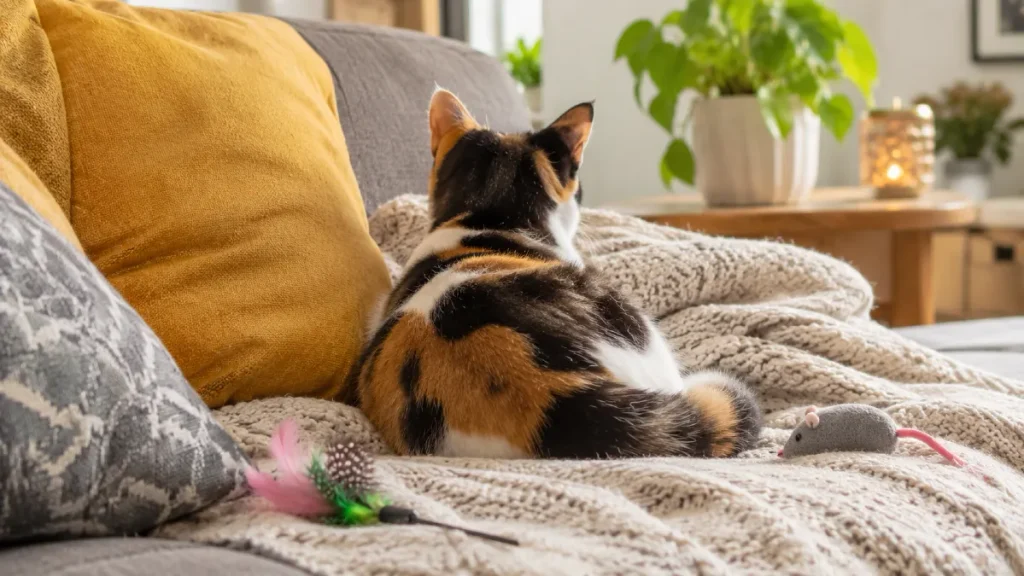
If your cat settles beside you and faces away, you usually don’t need to do anything special. Let it enjoy the moment without turning it into a test of affection.
However, there are simple ways to make your home and interactions more comfortable. These habits may help your cat feel confident about choosing your company again.
Let Your Cat Start the Interaction
Instead of reaching for your cat every time it comes close, allow it to make the first move. You can offer a relaxed hand nearby and see whether it approaches.
If your cat rubs its cheek against your fingers, gentle strokes around the cheeks or head may be welcome. If it stays still without seeking contact, there’s no need to push.
RSPCA NSW recommends paying attention to the areas cats prefer being touched. Many enjoy contact around their cheeks, forehead, and ears, while other parts of the body may be less welcome.
You can also pause during petting to see whether your cat asks for more. This helps prevent a pleasant interaction from becoming uncomfortable.
Try a Slow Blink When Your Cat Looks at You
If your cat eventually turns around and makes calm eye contact, try slowly closing and opening your eyes. Keep your face relaxed and avoid staring.
A 2020 study published in Scientific Reports by University of Sussex researchers examined slow blinking between cats and humans. In the study’s two experiments, cats responded positively to slow blinking and were more willing to approach an unfamiliar person after this type of interaction.
The research suggests that slow blinking may be a useful form of positive communication. It doesn’t mean every cat will respond the same way, and it doesn’t prove that a cat facing away is expressing affection.
Still, it’s a gentle way to interact without demanding physical contact. If your cat looks away or decides to rest, simply leave it alone.
Make Nearby Resting Places More Comfortable
Your cat may spend more time near you when it has comfortable choices. Consider providing a soft bed beside the sofa, a stable perch, or a quiet place away from busy household activity.
The K&H EZ Mount Window Perch is one example of a product designed to provide an elevated resting spot near a window. A stable cat tree or a simple padded chair can also work, depending on your cat’s age and mobility.
For play, a wand toy or a food puzzle can offer useful activity. The Catit Senses 2.0 Food Tree is one example of a feeder that encourages cats to use their paws to retrieve food.
You don’t need expensive products to strengthen your relationship. Regular play, safe resting spots, and respectful contact matter more than buying something new.
Keep Your Daily Routine Predictable
Cats often benefit from a familiar daily pattern. Regular meals, play sessions, and quiet resting periods can help create a comfortable home.
Try offering play when your cat is active instead of waking it during a nap. Give it access to quiet places when visitors arrive or household activity increases.
The AAFP and ISFM guidelines highlight the value of predictable human contact and safe resting places. These habits support a cat’s welfare while giving it more control over its day.
When a Change in Sitting Behavior Needs a Vet Check
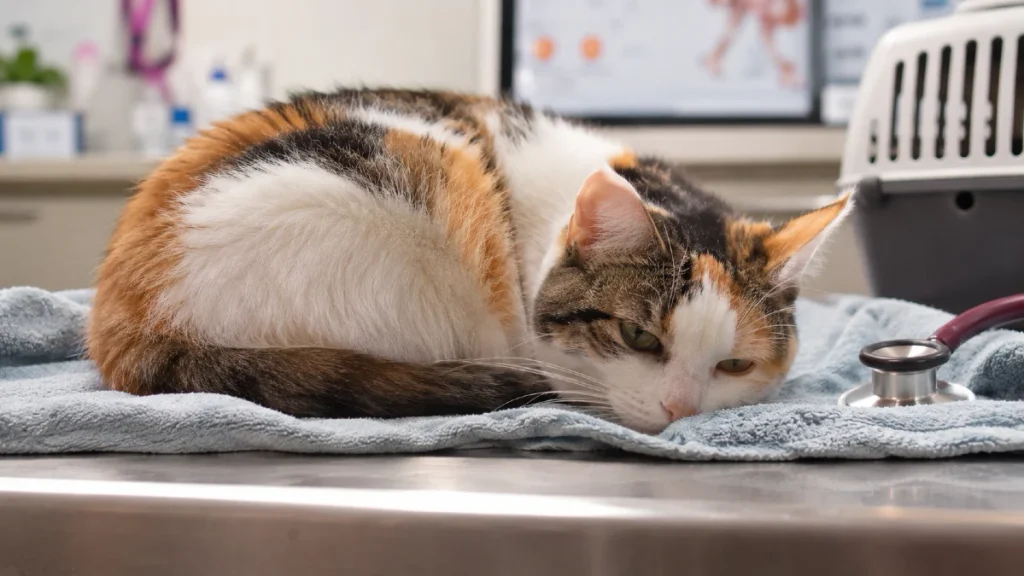
Most cats sitting with their backs to people are simply showing normal behavior. However, a sudden change in how your cat interacts with you deserves attention.
For example, a cat that normally follows you everywhere might suddenly begin hiding or avoiding contact. A once playful cat may also start sitting alone and show little interest in moving.
These changes can have several causes. Stress, discomfort, illness, and changes in the home can all affect a cat’s behavior.
Look for Changes Beyond the Sitting Position
PDSA advises contacting a veterinarian when cats show sudden behavior changes, especially when these appear alongside changes in eating, activity, grooming, or litter box habits.
A cat that is feeling unwell may be less interested in social contact. It may also change its resting position because certain movements or surfaces have become uncomfortable.
The important clue is that the behavior is different from normal. A cat that has always enjoyed sitting quietly with its back to you is not the same as a cat that suddenly avoids everyone.
When to Seek Veterinary Advice
Use this table to decide what deserves closer attention. It focuses on changes that may have medical causes rather than normal sitting preferences.
| Behavior Change | Possible Concern | Next Step |
|---|---|---|
| Suddenly hides often | Stress or illness | Contact your vet |
| Eating much less | Possible medical problem | Seek prompt vet advice |
| Stiffness or trouble jumping | Pain or mobility problem | Arrange a vet check |
| Urinary difficulty | Possible urinary illness | Seek urgent vet care |
| Sudden avoidance of touch | Pain or discomfort | Contact your vet |
Don’t assume a change is just a mood or a sign that your cat no longer likes you. A sudden change in normal behavior deserves more attention than an ordinary resting position.
Keep a Simple Record of What Changes
If your cat starts behaving differently, write down when you first noticed it. Record changes in meals, activity, sleeping places, grooming, and litter box use.
You can also note recent changes at home, such as visitors, new pets, or loud building work. These details may help your veterinarian identify possible causes.
If your cat seems unwell, don’t delay veterinary care while collecting observations. A simple record is useful, but it cannot replace a medical examination.