
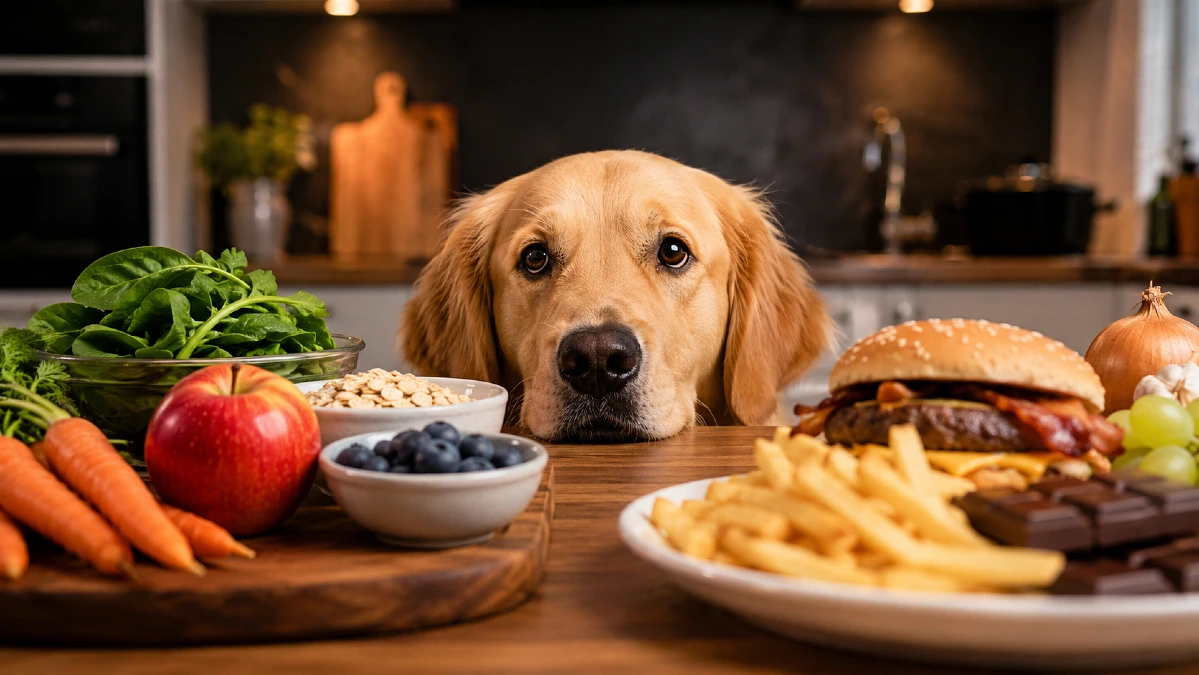
It is the ultimate kitchen dilemma. Those big, pleading eyes stare up at you while you chop ingredients, begging for a single dropped scrap.
But what feels like a harmless treat can quickly trigger a late night veterinary emergency room panic. Knowing exactly which human foods dogs can eat has never been harder due to conflicting online advice.
This expert checklist categorizes 35 everyday items. It relies on current clinical data to show what supports your pet and which toxic foods for dogs belong strictly out of reach.
The Green Light: Safe Fruits for Dogs
Fresh fruits can be excellent treats. They offer healthy hydration and vitamins that heat based processing often removes from standard dry kibble.
| Fruit | Status | Serving Rule |
| Blueberries | Safe | Feed fresh or frozen as a small treat. |
| Apples | Safe | Slice thin and remove every seed. |
| Strawberries | Safe | Chop into small pieces to avoid choking. |
| Watermelon | Safe | Remove all pink flesh from the hard rind. |
| Bananas | Safe | Give a small coin slice as a high sugar reward. |
| Cantaloupe | Safe | Cut into bite sized cubes without the skin. |
1. Blueberries
Blueberries are completely safe for your pet. They are packed with natural compounds called anthocyanins. These nutrients actively support cognitive function in aging pets. A small handful is perfect.
2. Apples
Apples are a safe reward that helps clean teeth. You must slice them and remove the core completely. The seeds contain tiny amounts of cyanide.
3. Strawberries
Strawberries are safe and contain enzymes that help whiten canine teeth. They are high in vitamin C. Mash them or chop them to prevent swallowing issues.
4. Watermelon
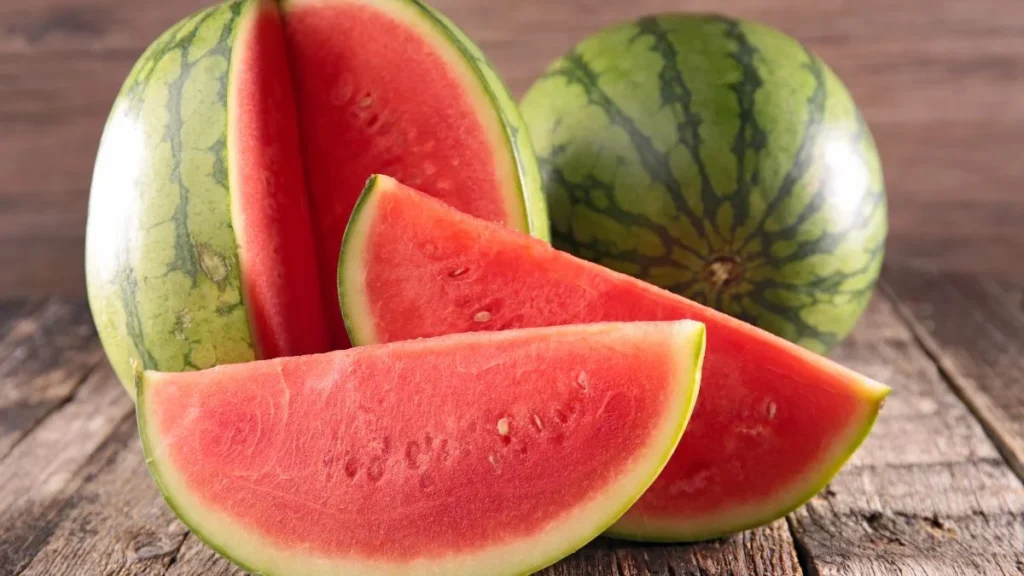
Watermelon is safe and serves as a great hydration tool. It is ninety two percent water. You must remove all seeds and the green rind. The rind causes severe intestinal blockages.
5. Bananas
Bananas are safe but contain high amounts of natural sugar. They are full of potassium and fiber. Feed them only as a rare treat in small coin slices.
6. Cantaloupe
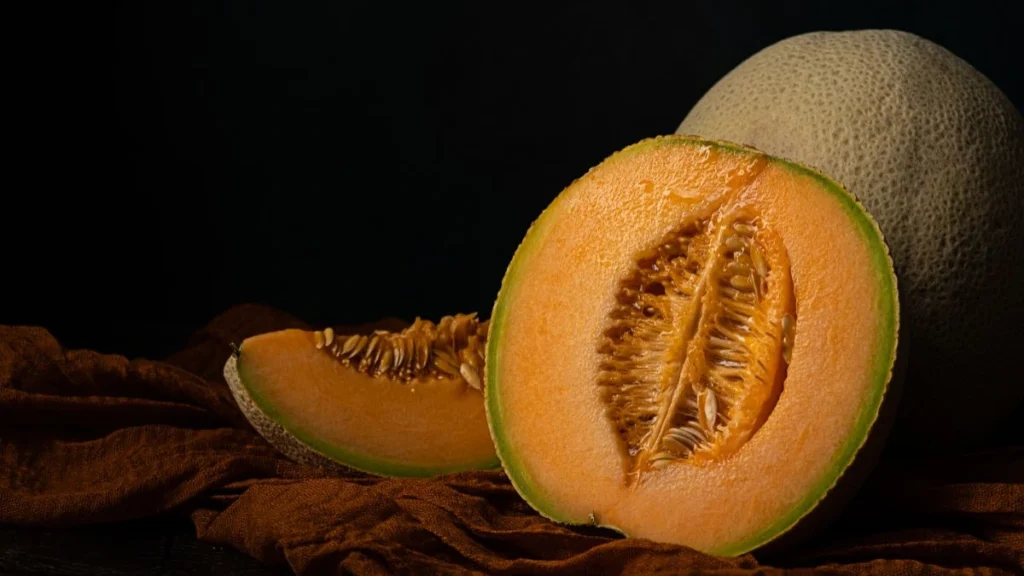
Cantaloupe is safe and provides an excellent dose of vitamin A. The high moisture content is great for hot days. Keep portions small because excess fruit sugar causes loose stools.
The 10% Rule: Treats and fresh food additions should never make up more than ten percent of your dog’s daily calories. This prevents nutrient dilution.
The Red Light: Toxic Fruits to Never Feed
Some fruits are incredibly dangerous for your pet. Their biological systems cannot process the chemicals inside these items.
| Toxic Fruit | Primary Danger | Action Required |
| Grapes & Raisins | Severe kidney failure | Call a veterinarian immediately. |
| Avocados | Choking and stomach upset | Keep out of reach. |
| Cherries | Cyanide poisoning | Seek medical help if seeds are chewed. |
| Citrus Fruits | Severe stomach distress | Avoid feeding entirely. |
7. Grapes and Raisins
Grapes and raisins are highly toxic. Recent clinical data proves that tartaric acid is the exact chemical culprit. This compound causes rapid kidney death in canines.
Even a single grape can be fatal. Sensitivity varies wildly based on the individual animal. If ingestion happens, call an emergency vet right away.
8. Avocados
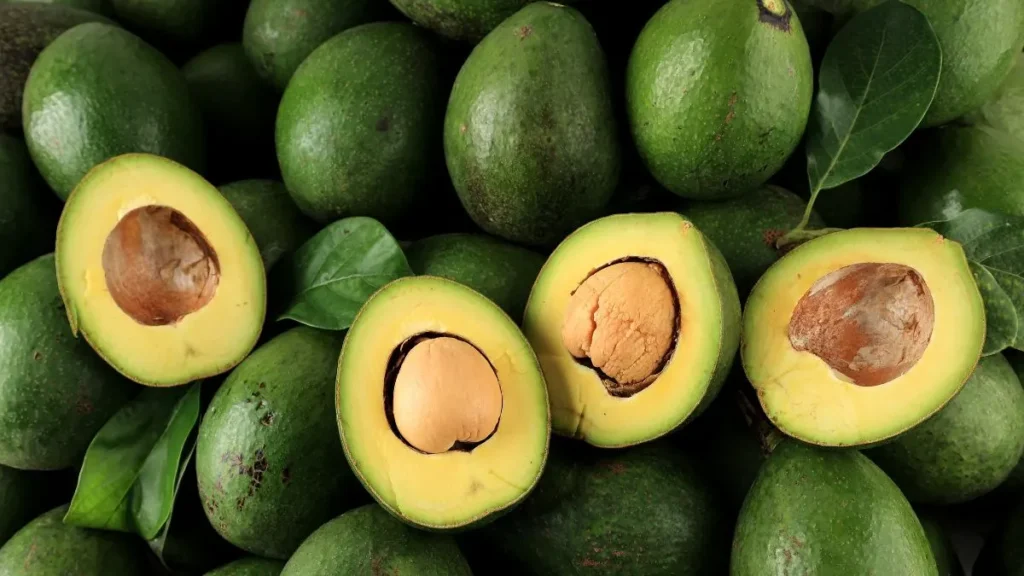
Avocados are unsafe due to structural and chemical dangers. The fruit contains a substance called persin, which causes mild stomach upset.
The biggest threat is the large center pit. It acts as a perfect blockage tool in the throat or digestive tract. The high fat content also strains the pancreas.
9. Cherries
Cherries are unsafe for everyday feeding. The dark red flesh is technically fine, but the pits, stems, and leaves are loaded with cyanide.
Cyanide blocks cellular oxygen transport. This makes cherry pits a genuine medical hazard if chewed and swallowed.
10. Citrus Fruits
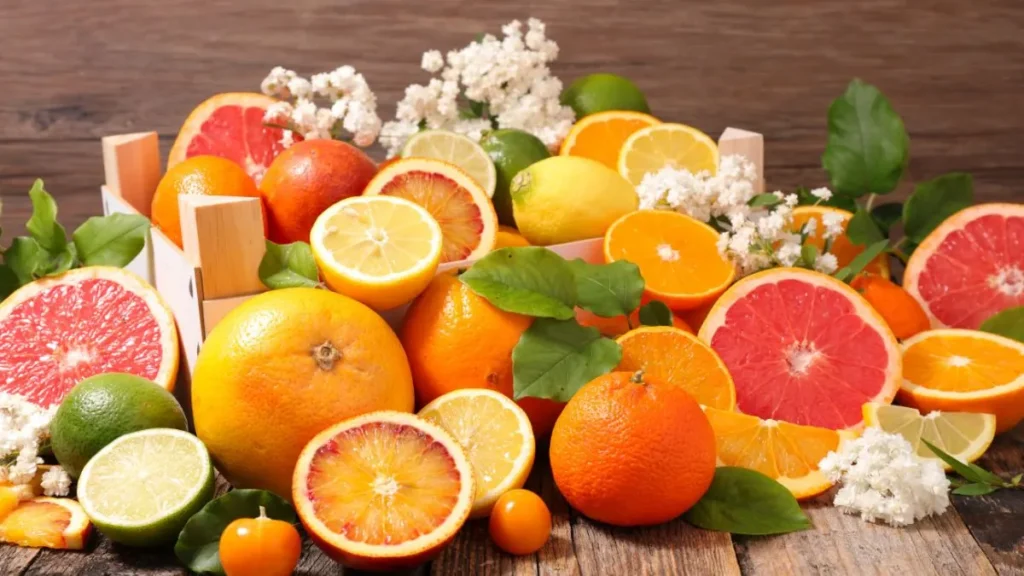
Citrus fruits like lemons, limes, and grapefruits are toxic in large amounts. The essential oils and chemical compounds in the skins cause intense stomach irritation.
The acidic juice leads to vomiting and central nervous system depression. Keep your pet far away from citrus peels.
Crunchy and Clean: Safe Vegetables for Dogs
Vegetables are the ultimate tool for dogs that need weight management. They provide bulk and crunch without heavy calories.
| Vegetable | Status | Primary Benefit |
| Carrots | Safe | Low calorie crunch that cleans teeth. |
| Green Beans | Safe | High fiber filler for overweight dogs. |
| Cucumbers | Safe | Excellent low calorie hydration snack. |
| Celery | Safe | Freshens breath and aids kidney health. |
| Broccoli | Safe | High in vitamin C but feed sparingly. |
| Sweet Potatoes | Safe | Must be fully cooked for easy digestion. |
| Plain Pumpkin | Safe | Regulates both loose stools and constipation. |
11. Carrots
Carrots are safe and make the perfect low glycemic chew. They are packed with beta carotene for eye health. Frozen carrots help soothe teething puppies.
12. Green Beans
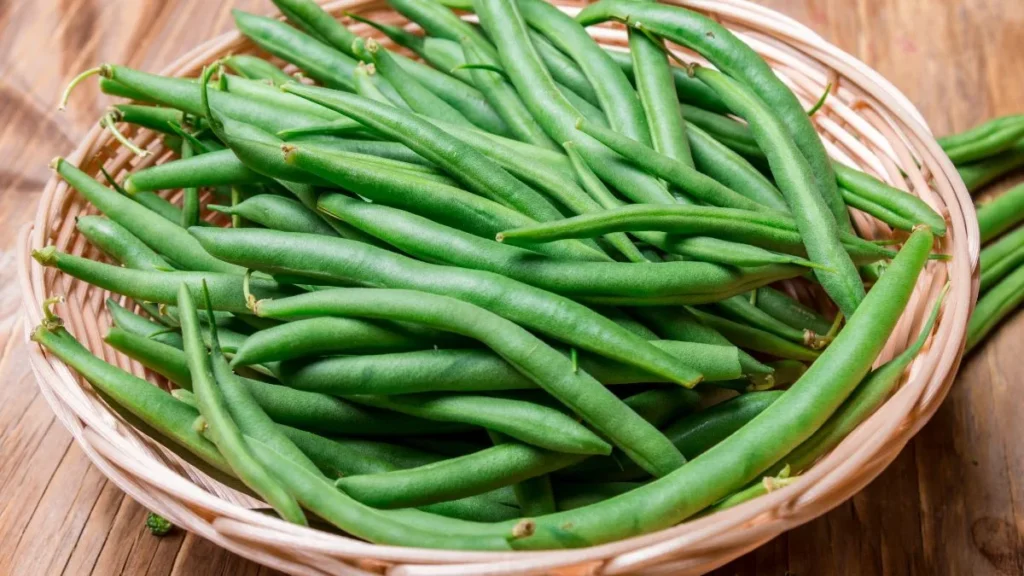
Green Beans are safe and highly recommended by veterinarians. They contain iron and vitamins without adding fat. Many owners use them as a filler for pets on a weight loss plan.
13. Cucumbers
Cucumbers are safe and contain almost zero carbohydrates. They are excellent for diabetic dogs. The high water content provides quick cooling on hot afternoons.
14. Celery
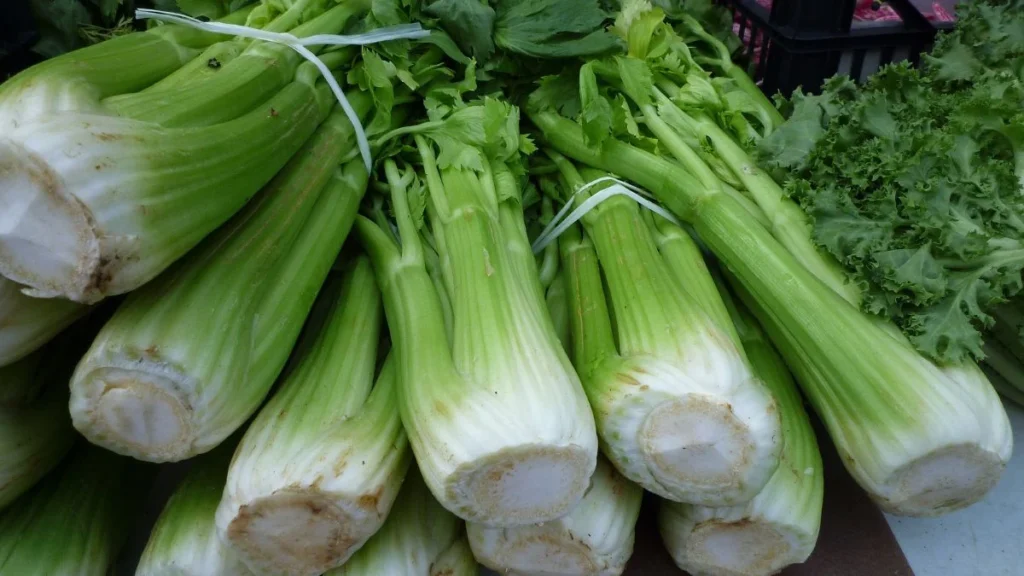
Celery is safe and contains nutrients that support heart health. The crunchy texture physically scrapes plaque off teeth. It also helps freshen bad breath.
15. Broccoli
Broccoli is safe but must be fed in small moderation. The florets contain small particles that can irritate the stomach lining. Keep it under ten percent of their vegetable intake.
16. Sweet Potatoes
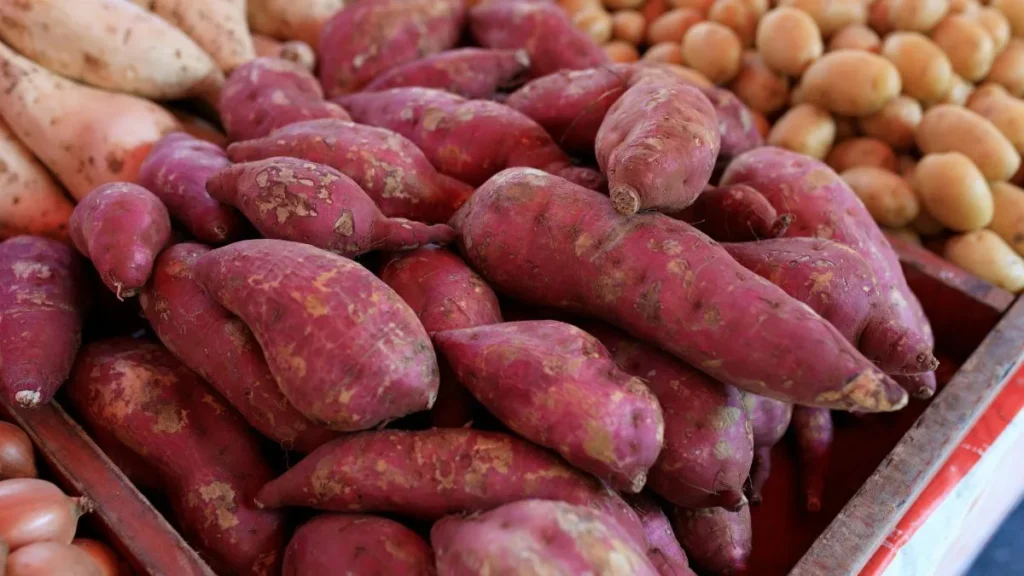
Sweet potatoes are safe only when they are fully cooked. Never feed them raw because raw starches damage the digestive tract. Cooked versions offer great dietary fiber.
17. Plain Pumpkin
Plain canned pumpkin is safe and acts as a magical digestive regulator. The soluble fiber adds bulk to loose stool. It also softens constipation issues. Never use spiced pumpkin pie mix.
The Toxic Garden: Dangerous Vegetables and Alliums
Some garden vegetables contain chemical defenses meant to repel insects. These same defense mechanisms can destroy canine blood cells.
| Dangerous Vegetable | Primary Danger | Effect on Body |
| Onions | Highly Toxic | Destroys red blood cells. |
| Garlic | Highly Toxic | Stronger than onion; causes anemia. |
| Chives | Toxic | Causes intense gut pain and weakness. |
| Wild Mushrooms | Lethal | Multi organ failure within hours. |
18. Onions
Onions are highly toxic to all dogs. They contain a compound called thiosulfate. Canines completely lack the digestive enzymes needed to process this chemical.
Thiosulfate causes oxidative damage to red blood cells. This leads to hemolytic anemia, which is the internal destruction of blood cells. Cooking the onion does not make it safe.
19. Garlic
Garlic is highly toxic and is actually five times more concentrated than onions. It builds up in the body over time.
Symptoms of red blood cell damage often delay presentation by two to five days. Watch out for pale gums and rapid breathing.
20. Chives
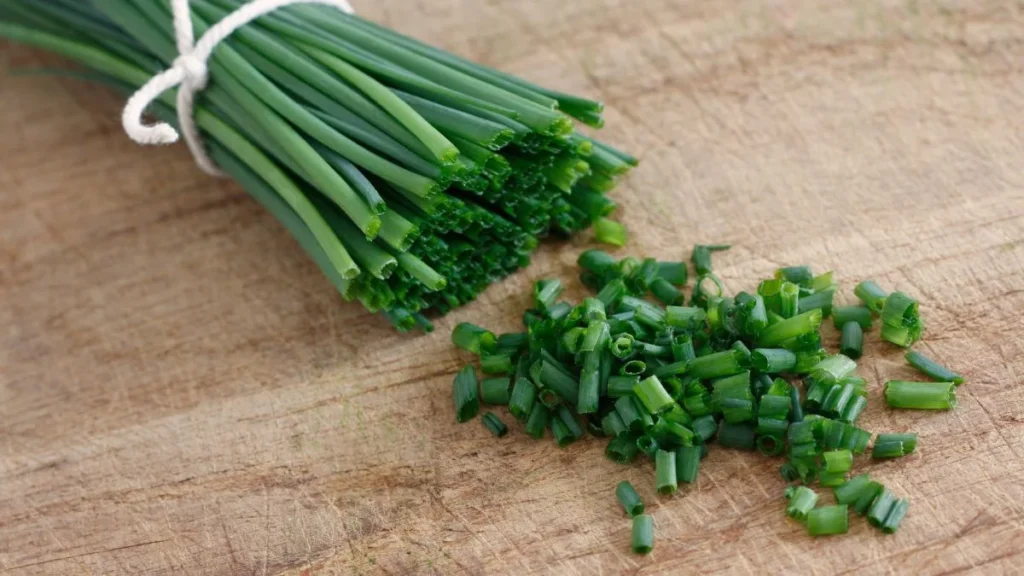
Chives are toxic and belong to the exact same botanical family as onions. Small amounts cause severe gut inflammation.
Keep your dog away from herb gardens. Dried chive powder on human snacks is just as dangerous as the fresh plant.
21. Wild Mushrooms
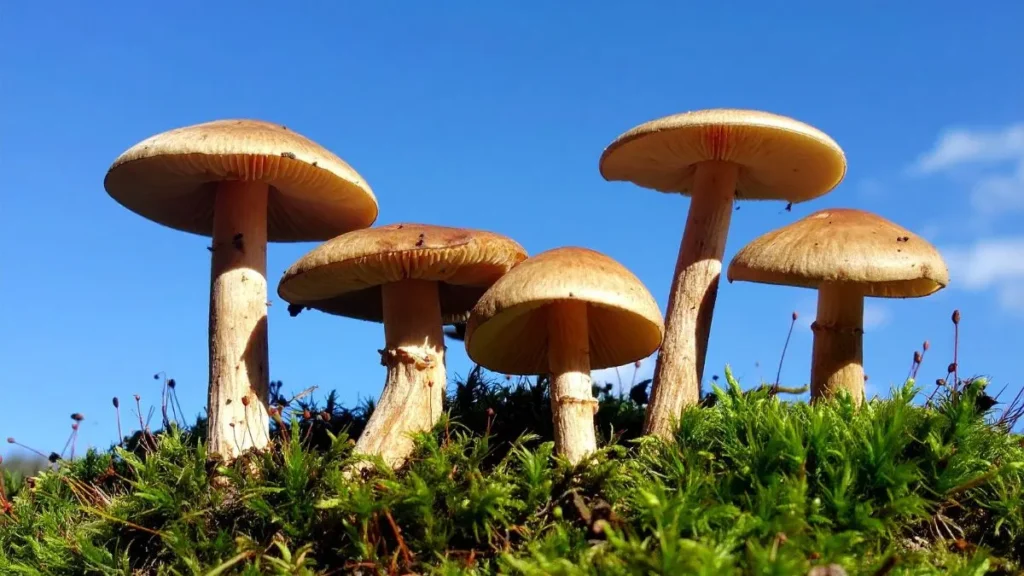
Wild mushrooms are completely toxic and can cause death. While store bought button mushrooms are usually fine, wild lawn varieties are highly unpredictable.
They trigger liver failure and neurological issues within hours. Treat every wild mushroom ingestion as a critical emergency.
Meat, Fish, and Dairy: Proteins Evaluated
Canines need clean, bioavailable protein. However, human cooking habits often introduce toxic seasonings and heavy fats.
| Protein Item | Status | Cooking Rule |
| Chicken Breast | Safe | Must be plain, skinless, and boneless. |
| Cooked Salmon | Safe | Never feed raw; remove all tiny bones. |
| Plain Turkey | Safe | Avoid the skin and fatty juices completely. |
| Lean Beef | Safe | Drain the rendered fat before feeding. |
| Greek Yogurt | Safe | Must be plain and completely sugar free. |
| Cottage Cheese | Safe | Use small spoonfuls as a protein topper. |
| Cooked Eggs | Safe | Serve fully scrambled or boiled without salt. |
| Plain Pork | Safe | Avoid ham or bacon due to high salt. |
22. Plain Chicken Breast
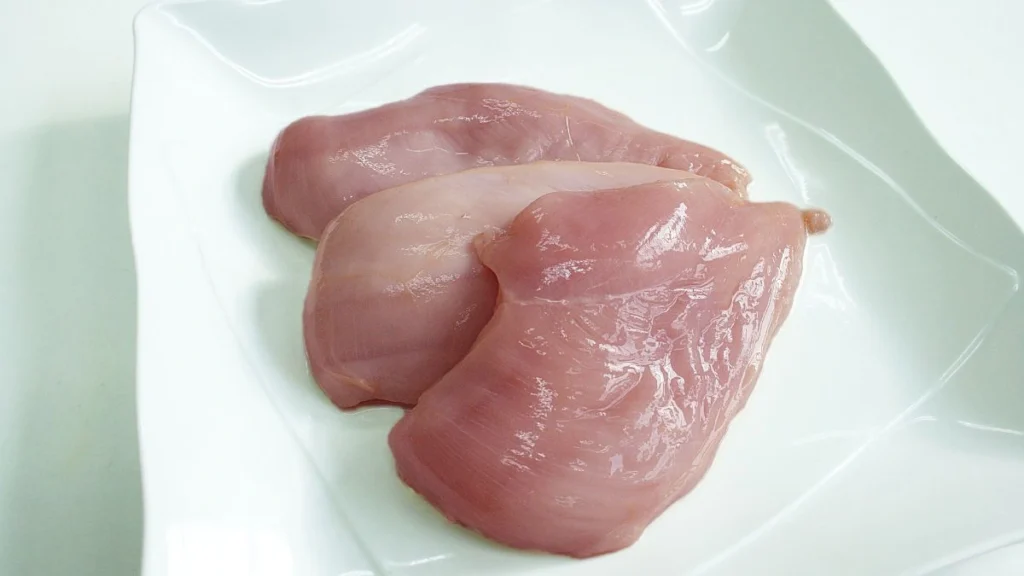
Plain chicken breast is safe and serves as a foundational protein source. It must be boiled or baked without oils or spices. Remove all bones to prevent throat punctures.
23. Salmon
Cooked salmon is safe and loaded with omega three fatty acids. These lipids support joint health and coat quality. Never feed raw salmon due to lethal parasite risks.
24. Turkey
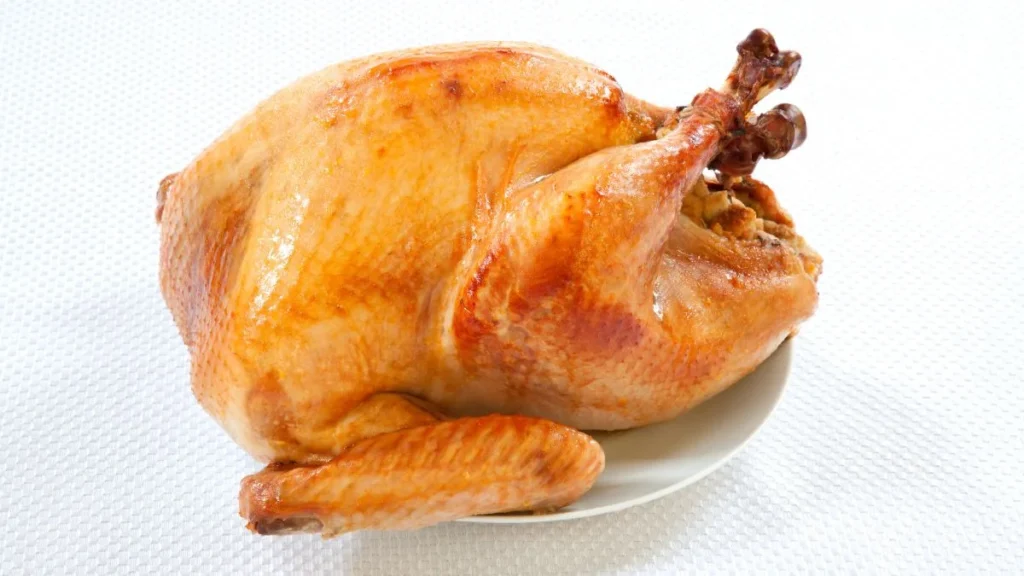
Turkey meat is safe but the preparation method requires strict attention. The white meat is highly nutritious.
However, turkey skin and dark meat carry extreme pancreatitis risks. Pancreatitis is a painful inflammation of the pancreas triggered by heavy fats.
25. Lean Beef
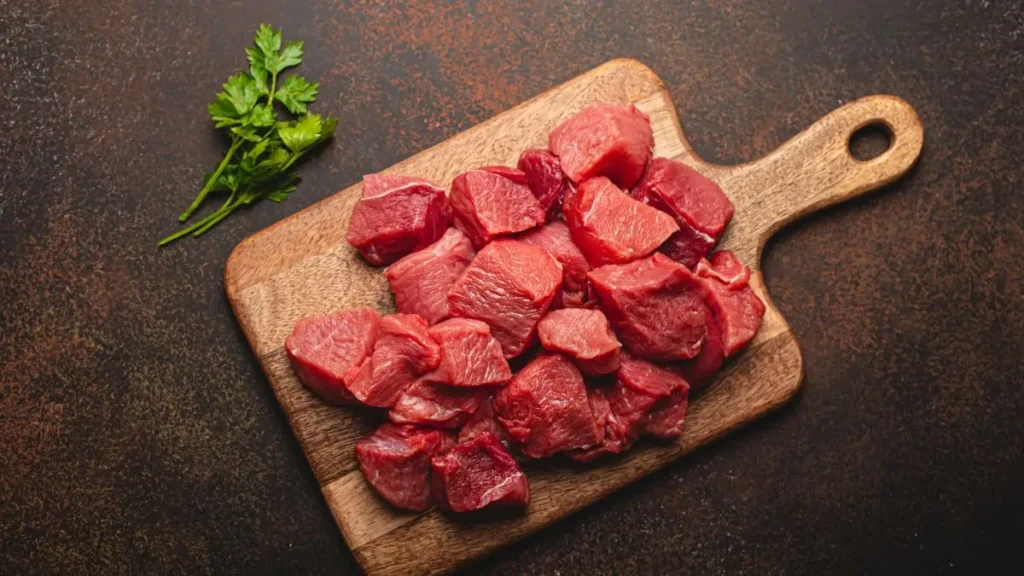
Lean beef is safe and provides essential zinc and iron. Always choose lean cuts and drain the fat after cooking. Avoid pre-made burger patties that contain onion powder.
26. Plain Greek Yogurt
Plain Greek yogurt is safe in small amounts. It provides beneficial live cultures for gut health. Canines have low levels of lactase, so keep dairy portions very small.
27. Cottage Cheese
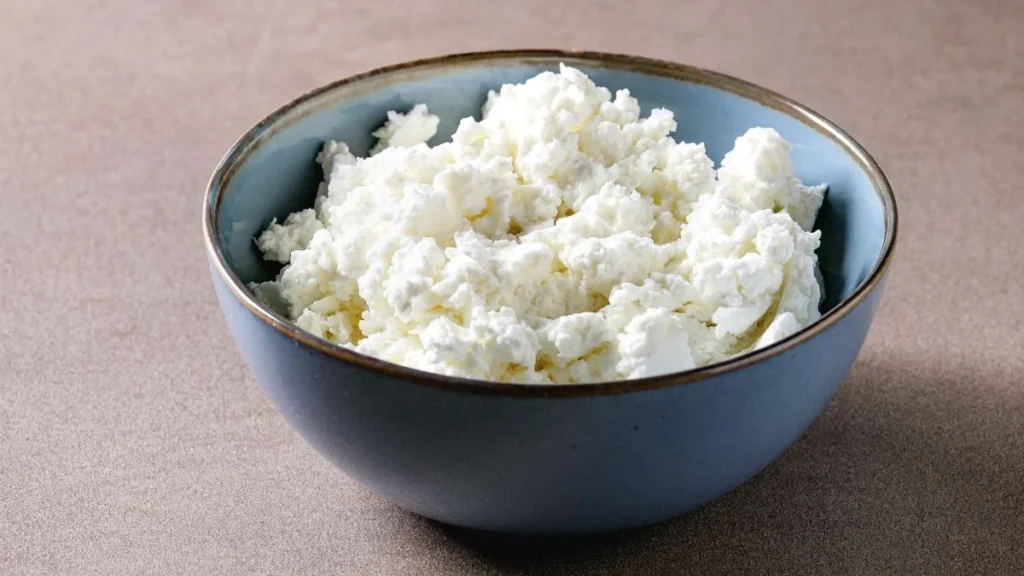
Cottage cheese is safe and low in lactose compared to standard milk. It is an easy protein topper for a bland diet. Use only a single spoonful.
28. Cooked Eggs
Cooked eggs are safe and incredibly bioavailable. They contain a complete amino acid profile. Never feed raw egg whites because they interfere with vitamin absorption.
29. Plain Pork
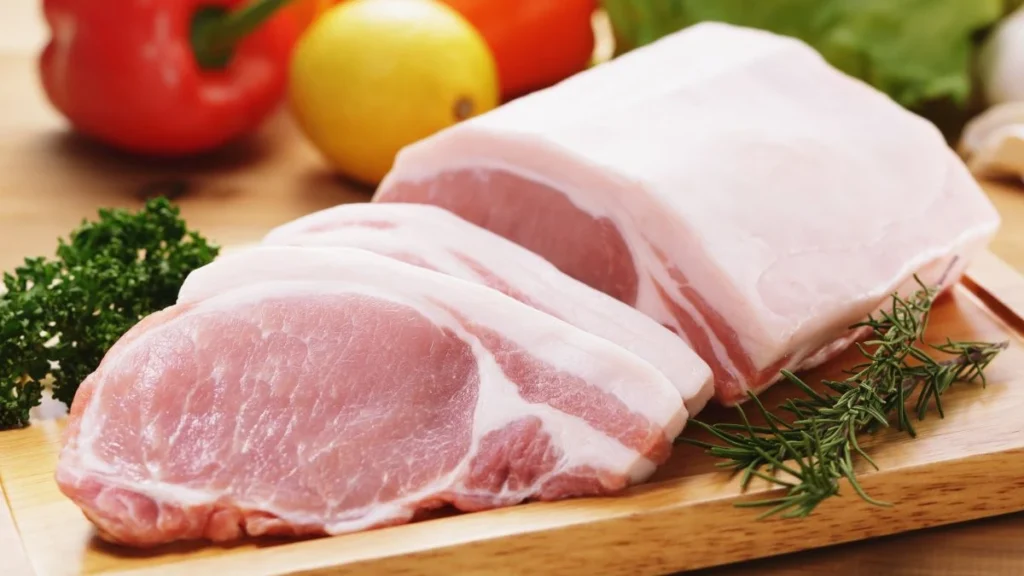
Plain pork is safe when cooked completely unseasoned. Avoid ham and bacon entirely. Those processed meats contain massive salt levels that cause kidney stress.
Pantry Staples and Sweets: The Hidden Killers
The pantry contains concentrated ingredients. Small mistakes here can cause immediate, severe medical reactions.
| Pantry Hazard | Status | Primary Medical Threat |
| Xylitol / Birch Sugar | Extreme Poison | Lethal insulin spike and liver failure. |
| Chocolate | Toxic | Contains theobromine; causes heart issues. |
| Macadamia Nuts | Toxic | Neurological weakness and paralysis. |
| Peanut Butter | Safe | Check label carefully for hidden birch sugar. |
| Yeast Dough | Toxic | Expands inside the hot stomach environment. |
| Plain Oatmeal | Safe | Great fiber source when served plain. |
30. Xylitol / Birch Sugar
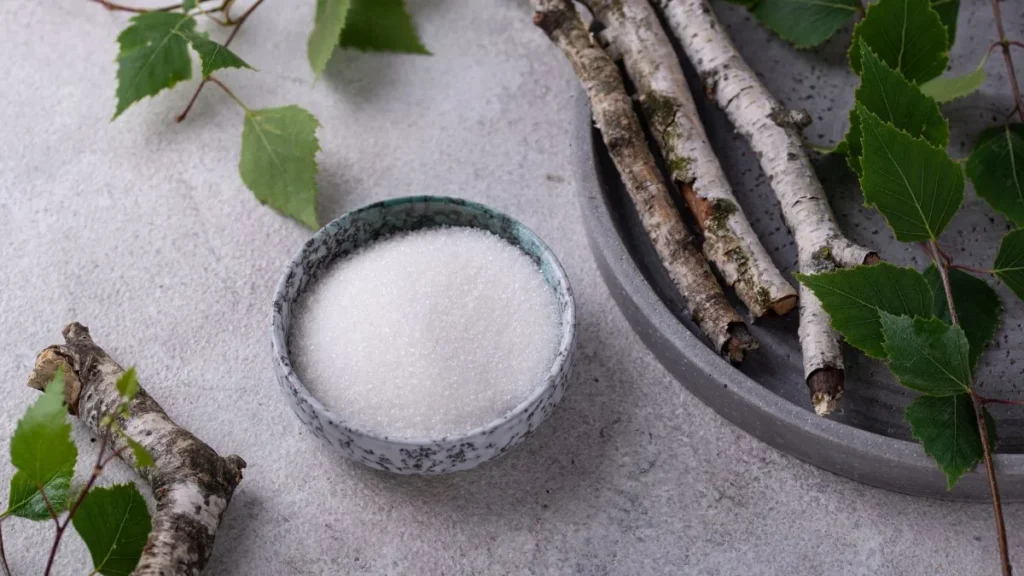
Xylitol is an extreme poison. Manufacturers now frequently rename this chemical as birch sugar, wood sugar, or birch bark extract.
It triggers a massive insulin release within thirty minutes. This causes a life threatening drop in blood sugar and irreversible liver necrosis. Always read label ingredients.
31. Chocolate
Chocolate is toxic due to a chemical compound called theobromine. Dogs cannot metabolize this stimulant efficiently.
Dark baker’s chocolate contains sixteen milligrams of the chemical per gram. That makes it ten times more dangerous than standard milk chocolate. It causes severe heart tremors.
32. Macadamia Nuts
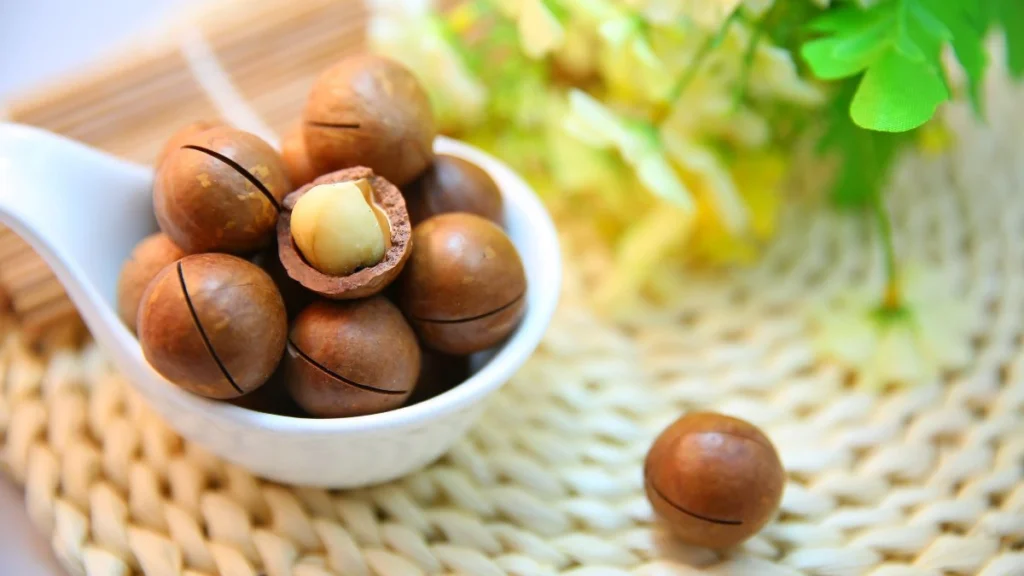
Macadamia nuts are toxic and affect the canine nervous system. The exact chemical mechanism is still being studied by veterinary toxicologists.
Ingestion causes severe back leg weakness, muscle tremors, and continuous vomiting. Keep these nuts completely out of reach.
33. Peanut Butter
Peanut butter is safe as long as it contains zero artificial sweeteners. It is an excellent tool for hiding medication pills.
Check the jar carefully to ensure birch sugar is not listed. Pure peanuts and salt should be the only ingredients.
34. Bread Dough

Raw yeast dough is highly toxic. The warm, moist environment of a dog’s stomach causes the yeast to expand rapidly.
This causes painful gastric distension. As the yeast ferments, it also releases alcohol directly into the bloodstream, causing alcohol poisoning.
35. Plain Oatmeal
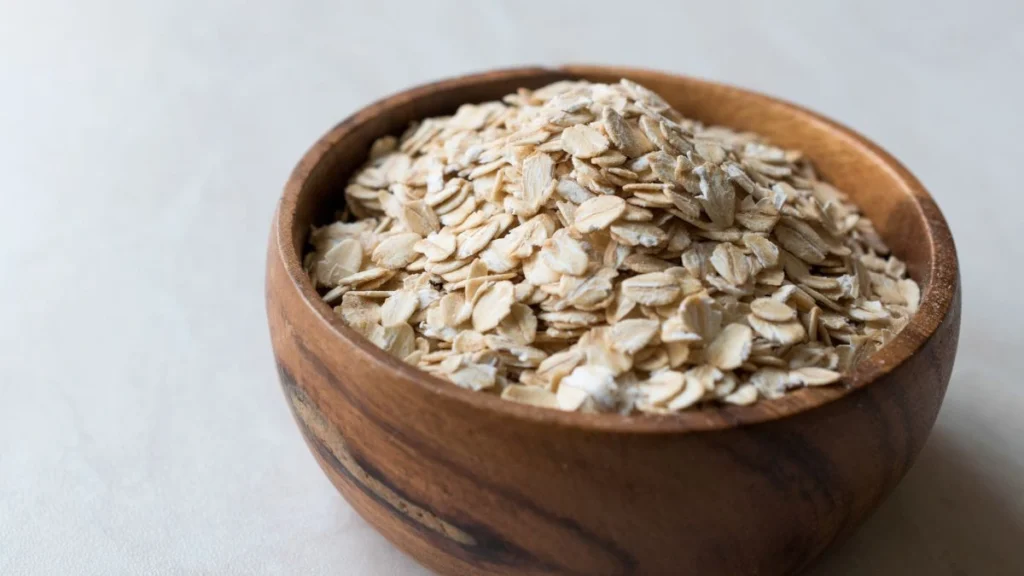
Plain cooked oatmeal is safe and serves as an excellent soluble fiber alternative. It is great for older dogs with bowel irregularities. Serve it completely plain without milk or brown sugar.
Keep Your Dog Safe
Sharing whole foods can be an incredible way to bond with your dog and boost their health. You just need to respect their unique metabolic boundaries.
Before dropping any item into the bowl, run through the ten percent rule. Always verify the ingredient labels for hidden sweeteners. When in doubt, leave it out.