
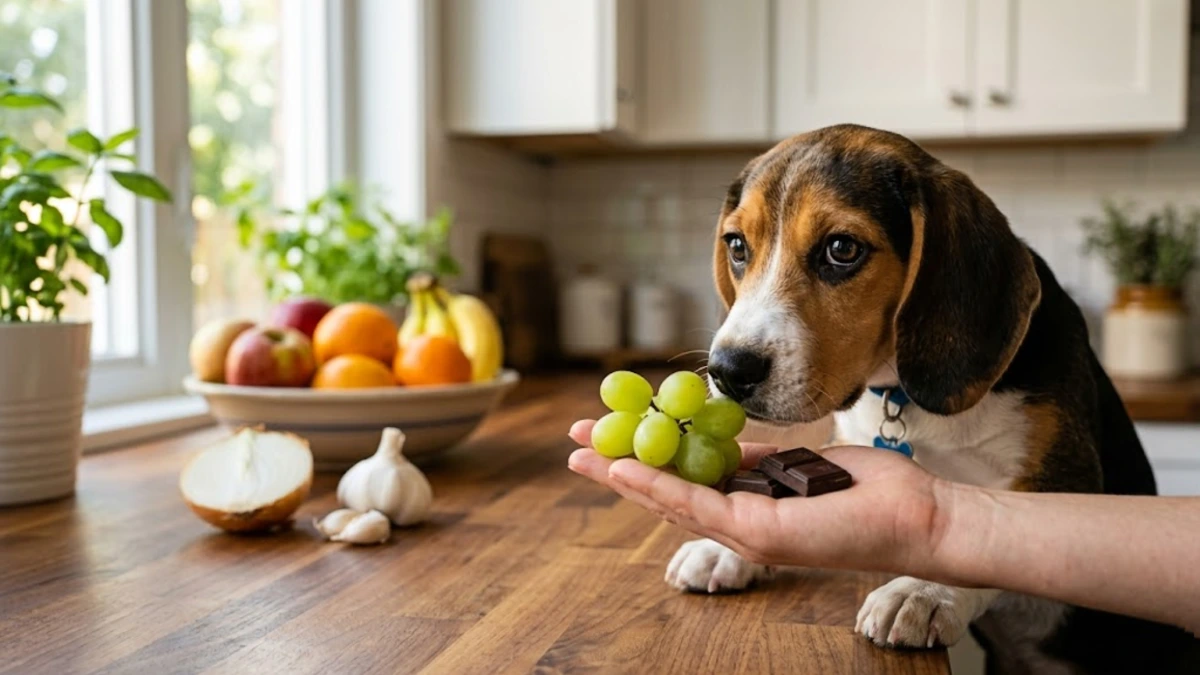
A clean kitchen counter feels safe. But a spilled trail of groceries can turn into an emergency room visit in less than sixty seconds. Pet parents want to share treats or cook fresh meals. Sadly, conflicting internet advice obscures which human foods genuinely threaten canine biology. You need to know the clear facts to protect your pet.
You will learn the exact science behind 27 poisonous foods for dogs. We will look at hidden ingredients to screen on packaging labels. Finally, you will get a definitive emergency protocol to use if your dog eats toxic foods for dogs.
The Top 8 Critical Kitchen Toxins With High Risk
These eight everyday ingredients represent the highest volume of emergency veterinary visits due to their rapid onset and high potential for long-term organ damage. They cross paths with our pets during routine snack times or holiday baking sessions.
1. Grapes
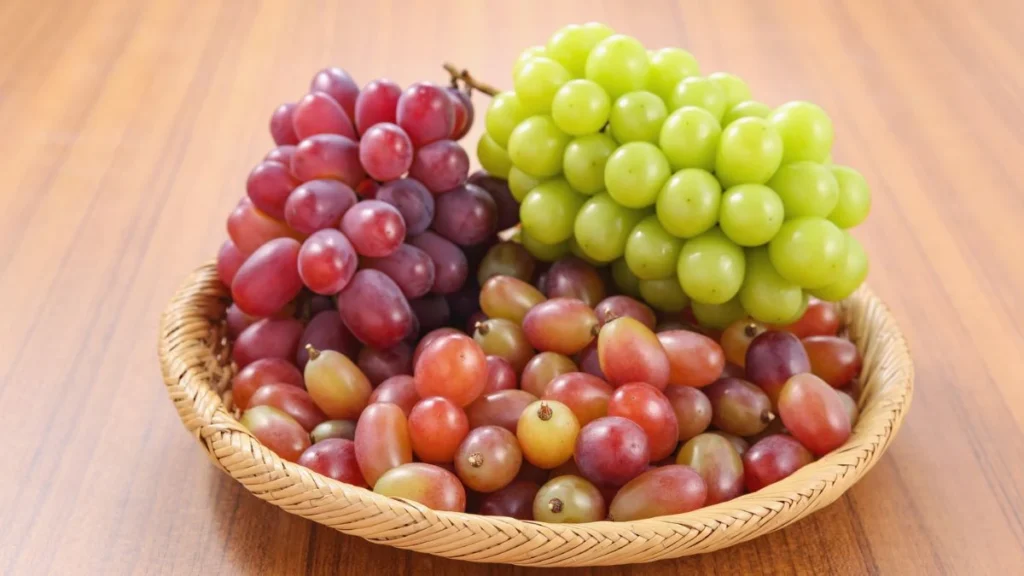
Many owners wonder can dogs eat grapes. The answer is always no. Medical data from recent years confirms that tartaric acid is the exact compound in grapes that causes acute kidney injury.
Symptoms include:
- Vomiting within a few hours
- Severe lethargy
- Increased thirst
- Total loss of appetite
2. Raisins

Raisins are dried grapes, which means the toxins are highly concentrated. They cause the same dangerous kidney failure as fresh grapes. Always check ingredients in oatmeal cookies and trail mixes.
Symptoms include:
- Severe dehydration
- Abdominal pain
- Diarrhea
- Decreased urine production
3. Sultanas and Currants

Sultanas and currants belong to the same fruit family. They contain the same high levels of tartaric acid. Keep all holiday cakes and dried fruit boxes far out of reach.
Symptoms include:
- Lethargy
- Vomiting
- Weakness
- Kidney shutdown
4. Cocoa Powder
Chocolate poisoning drives a huge number of emergency calls. Cocoa powder contains exceptionally high levels of theobromine and caffeine. These chemicals overload the central nervous system and cardiac muscle.
Symptoms include:
- Hyperactivity
- Rapid heart rate
- Muscle tremors
- Seizures
5. Baking Chocolate
Baking chocolate is unsweetened and highly concentrated. A small amount of dark baking chocolate can be fatal to a large dog. It contains much more theobromine than standard candy bars.
Symptoms include:
- Heavy panting
- Extreme restlessness
- Vomiting
- Abnormal heart rhythms
6. Dark Chocolate
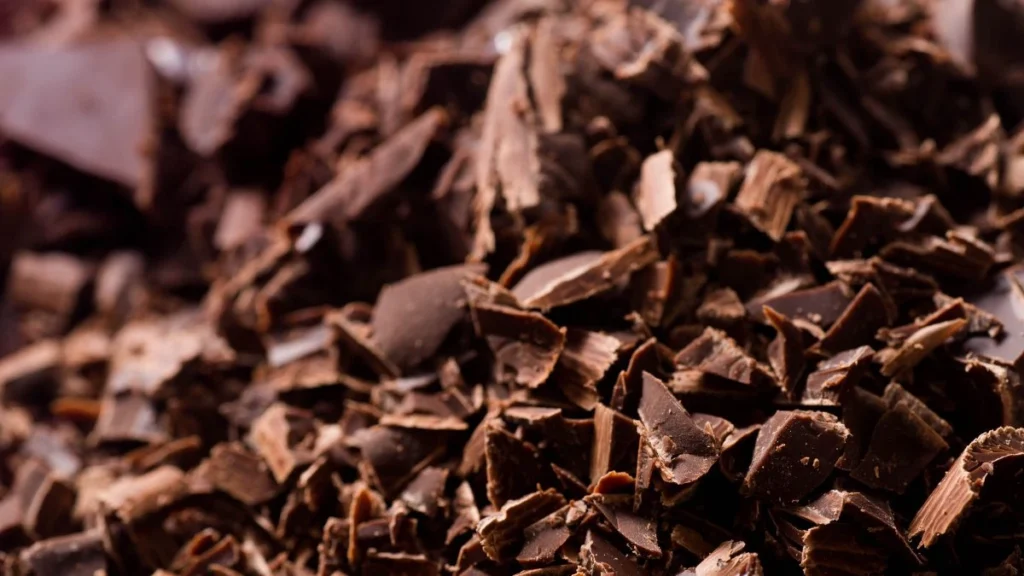
Dark chocolate has a high percentage of cacao. According to ASPCA reports, food exposures make up about 16 percent of all emergency pet calls. Chocolate alone drives over 13 percent of those emergency situations.
Symptoms include:
- Diarrhea
- Increased urination
- High blood pressure
- Collapse
7. Milk Chocolate
Milk chocolate has lower toxic amounts than dark chocolate, but it is still dangerous. Large dogs eating a whole bag of milk chocolate coins will quickly reach toxic levels. The added sugars and fats also cause severe stomach distress.
Symptoms include:
- Mild vomiting
- Soft stools
- Increased heart rate
- Bloating
8. Xylitol (Birch Sugar or Wood Sugar)

Xylitol is a sweetener found in sugar free gums, mints, and peanut butter brands. Brands sometimes hide it on labels under the names birch sugar or wood sugar. Xylitol causes an immediate, severe insulin spike in canines.
This spike triggers life threatening hypoglycemia, which means low blood sugar, and acute liver necrosis. You must check for xylitol dog poisoning symptoms immediately if your dog licks sugar free products.
Symptoms include:
- Sudden weakness
- Loss of coordination
- Yellowish gums from liver damage
- Seizures and coma
If any of these eight items are consumed, bypass home remedies and call a veterinary professional immediately.
Hidden Baking and Pantry Hazards
The baking cabinet contains raw elements that pose far higher toxic loads than their finished, baked counterparts. Leaving ingredients out on the counter during meal prep exposes your pet to concentrated chemicals.
9. White and Red Onions
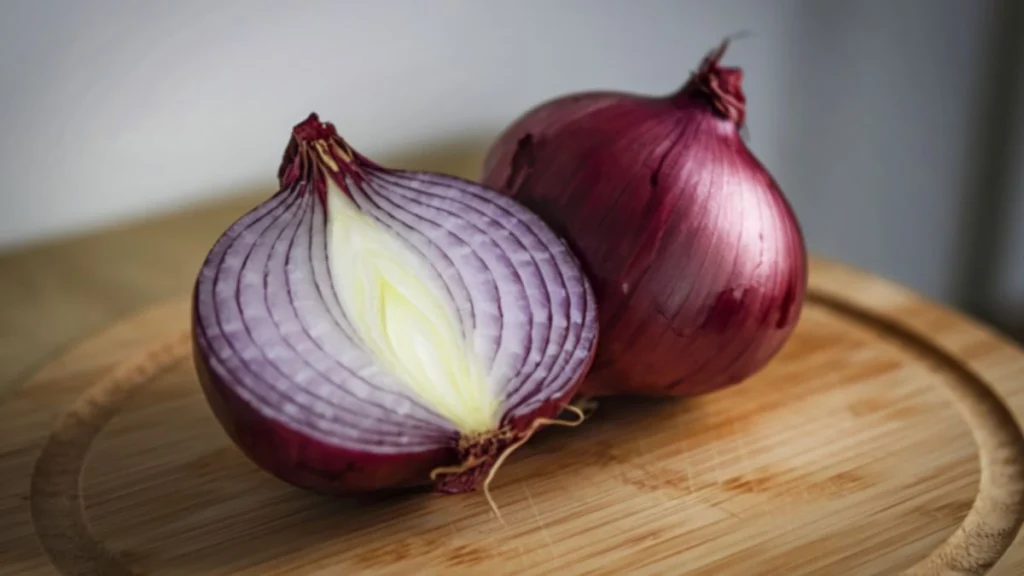
Onions belong to the allium family. They contain organosulfoxides, which are toxic chemical compounds. These compounds cause oxidative damage to red blood cells. The cells pop and break down, which leads to hemolytic anemia.
Symptoms include:
- Pale mucous membranes
- Dark orange or red urine
- Rapid breathing
- Exercise intolerance
10. Onion Powder
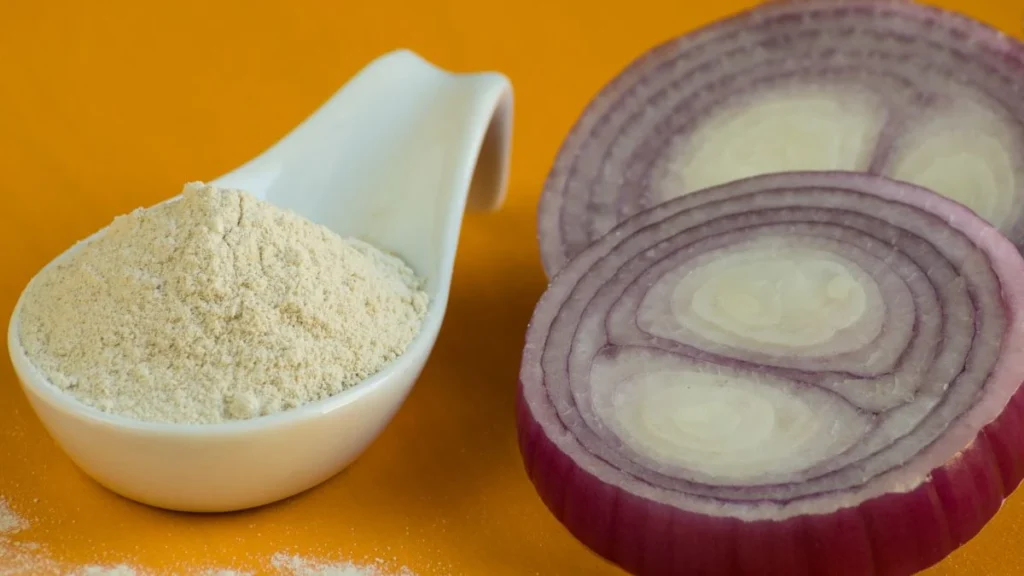
Onion powder is dried and concentrated. This makes it much more dangerous than fresh onions. A single teaspoon of onion powder can cause severe red blood cell destruction.
Symptoms include:
- Extreme weakness
- Lethargy
- Elevated heart rate
- Fainting spells
11. Garlic Cloves
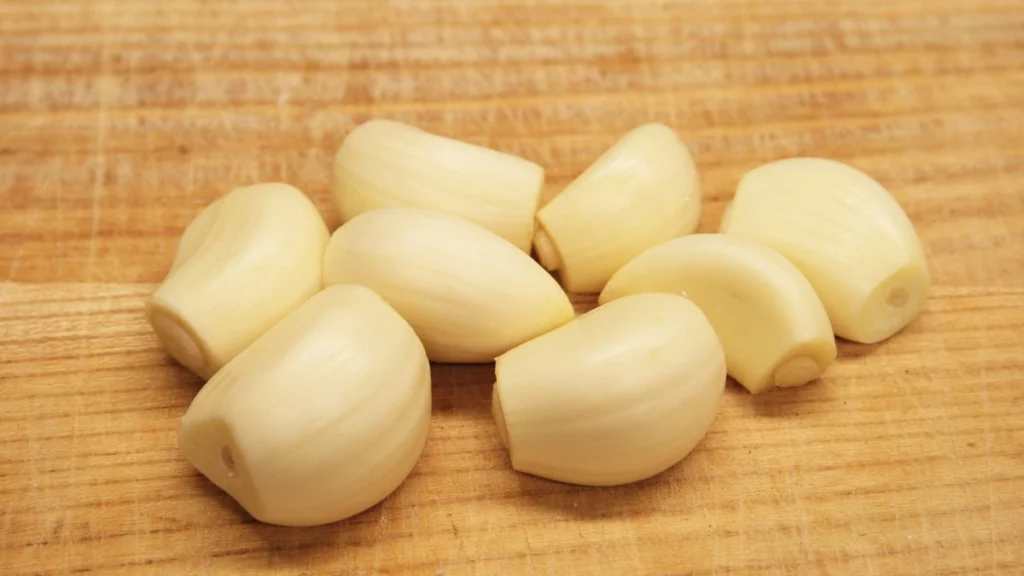
Garlic is also an allium. It is up to five times more toxic than onions. Just a few raw cloves can destroy your dog’s blood cells over a few days.
Symptoms include:
- Vomiting
- Abdominal discomfort
- Dull behavior
- Rapid panting
12. Garlic Powder
Garlic powder hides in many savory human foods like potato chips and store bought soups. It carries a massive toxic load for your pet. Never feed your dog seasoned table scraps.
Symptoms include:
- Severe lethargy
- Yellowish skin or eyes
- Loss of appetite
- Sudden collapse
13. Chives
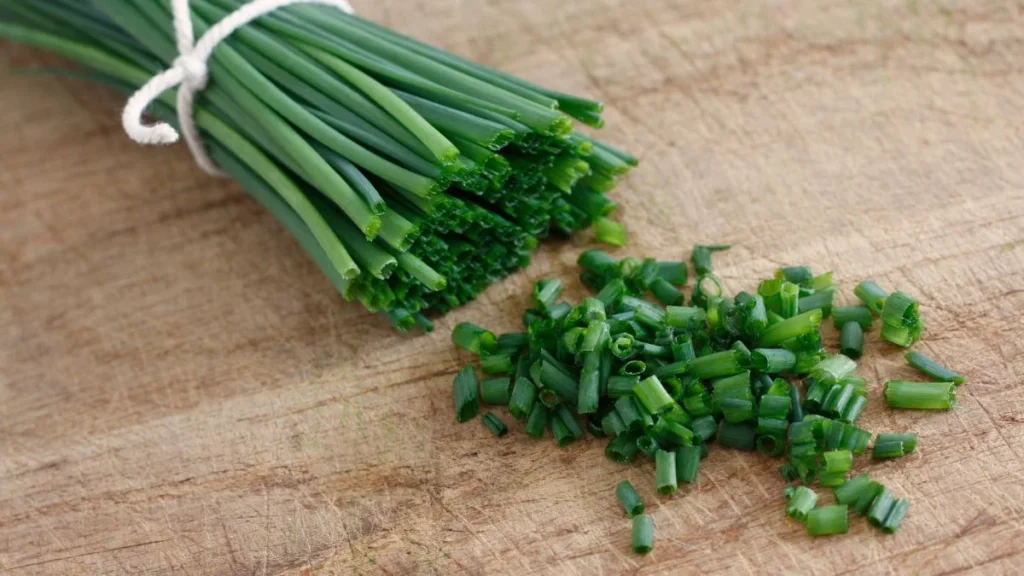
Chives are another hidden member of the allium family. They are often used as a garnish on baked potatoes or in cream cheese dips. They cause the same internal blood damage as onions.
Symptoms include:
- Excessive drooling
- Nausea
- Gastrointestinal irritation
- Weakness
14. Leeks
Leeks are frequently used in winter soups and broths. They contain the same organosulfoxides that ruin canine red blood cells. Broths made with leeks remain highly toxic even after cooking.
Symptoms include:
- Diarrhea
- Pale gums
- Increased respiratory rate
- Sluggishness
15. Macadamia Nuts
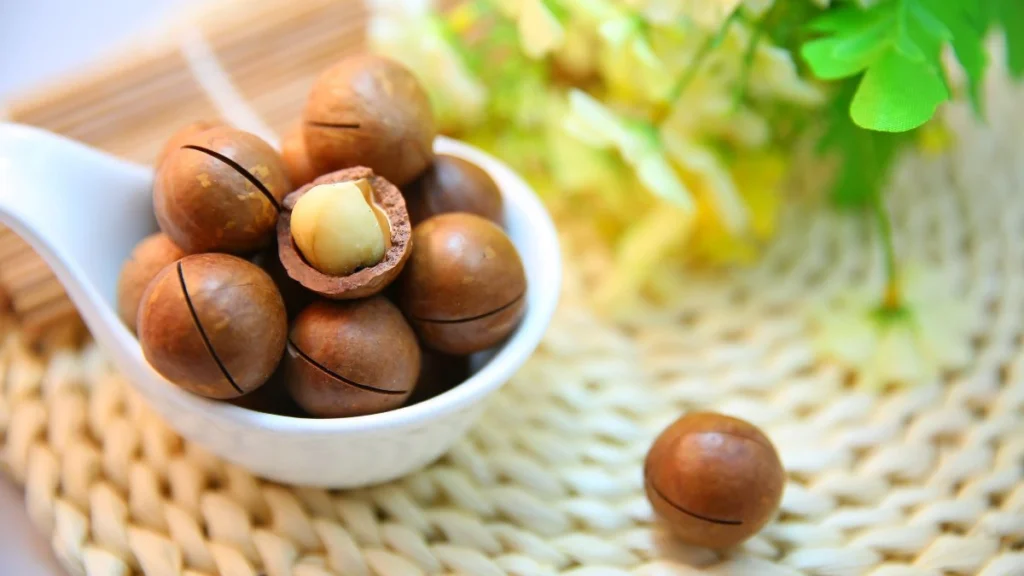
Macadamia nuts have a specific toxin that is still not fully understood by science. This unknown mechanism affects your dog’s nervous and muscular systems. It causes temporary hind limb weakness and severe shivering.
Symptoms include:
- Inability to stand on back legs
- High body temperature
- Vomiting
- Lameness
16. Black Walnuts
Older black walnuts are dangerous because they can harbor toxic molds. These molds produce chemicals called tremorgenic mycotoxins. These toxins attack the neurological pathways of your pet. High fat in nuts also risks pancreatitis in dogs symptoms.
Symptoms include:
- Severe muscle tremors
- Loss of balance
- Vomiting
- High fever
17. Raw Yeast Dough

When a dog eats raw bread dough, the stomach acts as an incubator. The warm environment causes the yeast to ferment. This fermentation produces ethanol, which causes alcohol poisoning. At the same time, the expanding gas causes bloat, which is a life threatening twisting of the stomach.
Symptoms include:
- Distended or hard abdomen
- Unproductive retching
- Severe pain
- Weak pulse
18. Nutmeg
Nutmeg contains a natural compound called myristicin. In high doses, myristicin is a strong toxin to the canine nervous system. It induces hallucinations, rapid heart rate, and neurological damage.
Symptoms include:
- Extreme disorientation
- High blood pressure
- Muscle tremors
- Seizures
Treat the baking pantry like a medicine cabinet, keeping it securely latched above counter level.
Fruits and Vegetables With Toxic Components
While whole foods are vital to human health, specific parts of common fruits and vegetables contain natural chemical defenses that are toxic to canines. Many pet parents assume green items are always healthy, but biological defenses tell a different story.
19. Apple Seeds
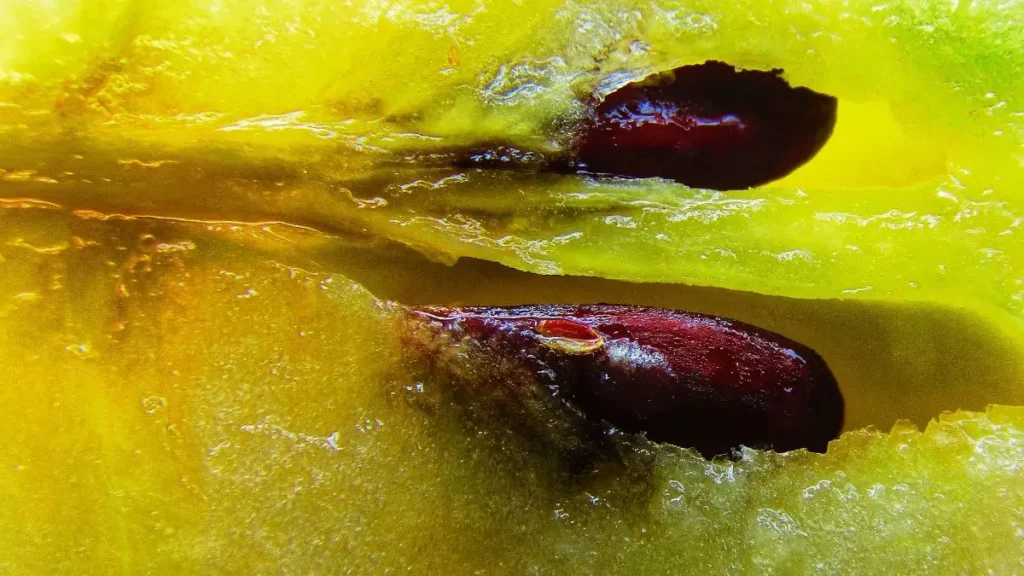
Many owners wonder can dogs eat apple seeds. The answer is a strict no. Apple seeds contain a chemical compound called amygdalin. When chewed and crushed, amygdalin releases deadly cyanide into the bloodstream.
Symptoms include:
- Bright red gums
- Dilated pupils
- Difficulty breathing
- Shock
20. Cherry Pits
Cherry pits also contain amygdalin and release cyanide when crushed. The hard pits can also create a physical blockage in the digestive tract of small dogs.
Symptoms include:
- Heavy panting
- Reddened mucous membranes
- Sudden collapse
- Convulsions
21. Peach and Plum Pits

Large pits from peaches and plums contain high amounts of cyanide compounds. They are also a catastrophic foreign body obstruction risk. A swallowed pit can completely block the intestines, requiring emergency surgery.
Symptoms include:
- Persistent vomiting
- Refusal to eat
- Abdominal tenderness
- Dehydration
22. Concentrated Table Salt
Too much salt triggers a condition called hypernatremia, which is salt poisoning. This occurs when a dog eats a large amount of table salt or salty homemade playdough. The condition causes water to leave the body cells, leading to brain swelling and seizures.
Symptoms include:
- Extreme thirst
- Swelling or fluid retention
- Vomiting
- Seizures
23. Green or Raw Potatoes
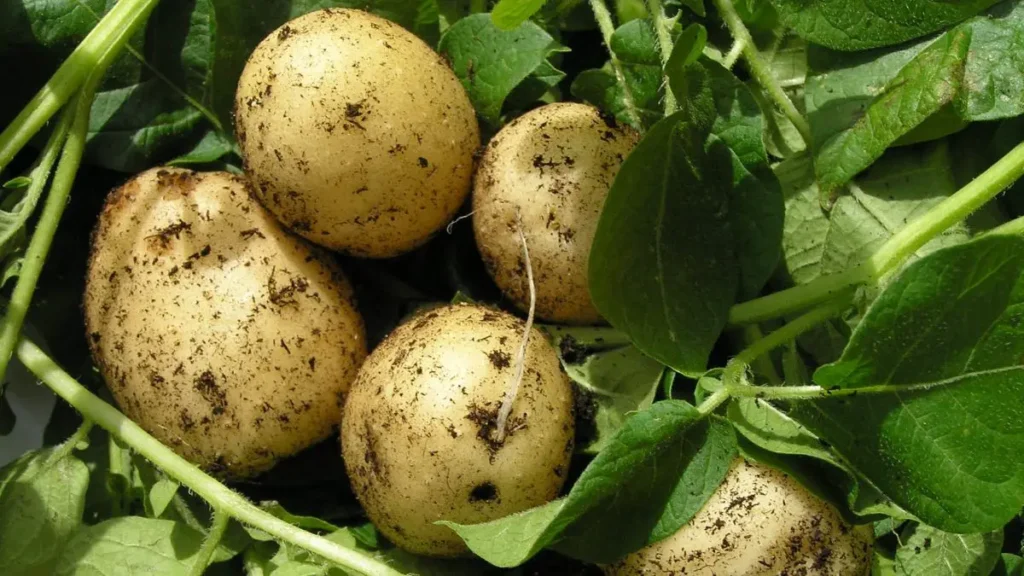
Green or unripened nightshade plants contain a toxic defense chemical called solanine. Solanine disrupts the canine nervous system and damages the lining of the stomach. Fully cooked white potatoes are safe, but green portions must be avoided.
Symptoms include:
- Severe drooling
- Extreme upset stomach
- Slow heart rate
- Muscle weakness
24. Green Tomatoes
Unripe green tomatoes and the green stems of the tomato plant contain high amounts of solanine. As the tomato ripens to red, the solanine drops to safe levels. Keep your dogs out of the backyard vegetable garden.
Symptoms include:
- Severe lethargy
- Gastrointestinal distress
- Confusion
- Dilated pupils
25. Rhubarb Leaves
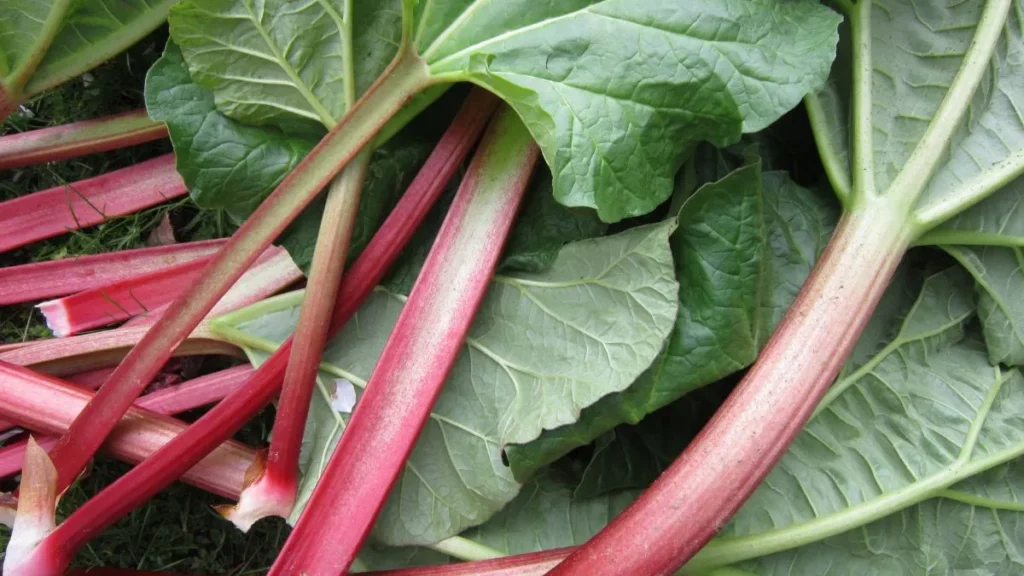
The stems of rhubarb are used in pies, but the leaves are dangerous. Rhubarb leaves contain soluble calcium oxalates. These chemicals bind with the systemic calcium in your dog’s body, which threatens rapid kidney failure.
Symptoms include:
- Increased urination
- Body tremors
- Sluggish behavior
- Blood in urine
While the flesh of an apple or strawberry is perfectly safe, the stems, seeds, and cores must be completely stripped away.
Cooked Scraps and Beverage Dangers
Table scraps and discarded party cups are prime targets for opportunistic dogs scavenging after a meal. Liquid toxins pass through the stomach lining quickly, making speed a critical factor.
26. Ethanol (Alcoholic Drinks)

Alcohol from beer, wine, and liquor is absorbed incredibly fast by a dog’s digestive tract. It causes rapid drops in blood sugar, low blood pressure, and severe metabolic acidosis. Even small amounts of liquor can cause respiratory failure.
Symptoms include:
- Sedation or drowsiness
- Slow, shallow breathing
- Loss of body control
- Hypothermia
27. Moldy Leftovers
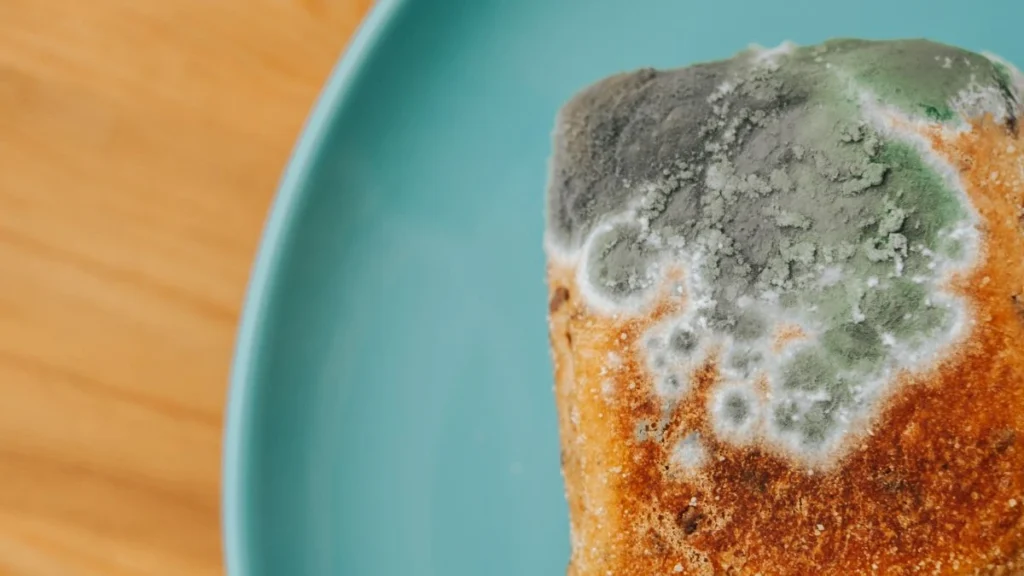
Trash cans contain hidden dangers. Moldy food produces compounds called tremorgenic mycotoxins. These chemical molds cause profound neurological distress and severe shaking.
Symptoms include:
- Fine muscle tremors
- Staggering gait
- High fever
- Seizures
A secure, heavy-lidded trash can is necessary to completely neutralize these scavenging behaviors.
How to Act Fast During a Dog Poisoning Emergency
If you catch your dog eating a toxic food, you must follow a strict timeline. Do not wait for symptoms to show up.
1. Remove the remaining toxin: Immediate.
Take any remaining food away from your dog’s mouth. Secure the area so they cannot eat more.
2. Gather the evidence: Within 5 minutes.
Identify exactly what your dog ate. Note the weight of your dog, the amount consumed, and any ingredient labels.
3. Call a professional helpline: Within 10 minutes.
Call your local emergency vet or a dedicated pet poison hotline. Do not try to induce vomiting at home unless a vet explicitly tells you to do so.
Conclusion
Keeping your dog safe requires constant vigilance regarding ingredients. You must practice conscious trash management and educate your household guests. A quick look at packaging labels can save your pet from severe internal damage.
Always save your local emergency vet number and the ASPCA Poison Control hotline
(888) 426-4435directly into your phone contacts today.