Your cat follows you into the bathroom, curls up beside you on the couch, and slowly blinks when you look at them. Then, an hour later, they walk right past you without a glance. It can leave you wondering whether your cat truly loves you or simply enjoys being comfortable.
If you have ever wondered whether your cat sees you as their favorite person, you are probably looking for signs that mean something. Cats often show affection through small, quiet actions instead of big displays. Some want constant attention, while others prefer sitting nearby and watching what you do.
People often call this special connection cat imprinting, although scientists usually describe these relationships as social bonds or attachment. A cat’s behavior can show trust and affection, but no single action proves that a cat has imprinted on someone.
1. Your Cat Follows You From Room to Room Just to Be Near You
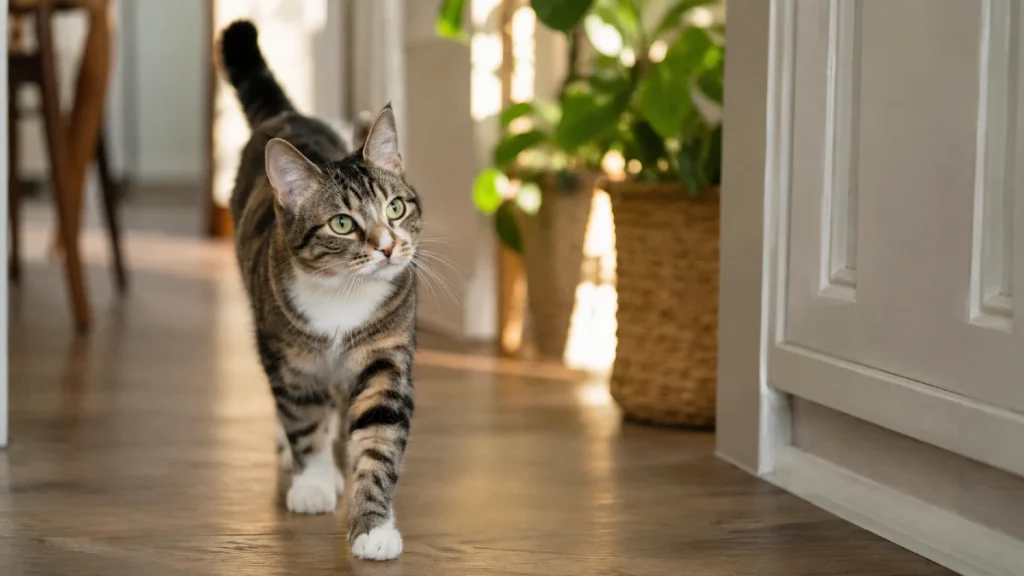
One possible sign your cat has bonded with you is their habit of following you around the house. You might walk into the kitchen and find them sitting nearby. When you move to the bedroom, they appear there a few minutes later.
Sometimes your cat is hoping for food, play, or attention. But if they follow you even when nothing exciting is happening, they may simply enjoy being in your company. Choosing to stay close can be part of a friendly social relationship.
For example, your cat might settle on a chair while you work at your desk. They do not demand attention or constantly meow. They seem happy just knowing you are nearby.
This is especially meaningful when your cat has plenty of comfortable places to rest but regularly chooses a spot close to you. It suggests your presence is familiar and pleasant. Still, following alone cannot tell you how strong the bond is.
Cats Protection explains that following a person does not automatically mean separation anxiety. Some cats are curious about what their owners are doing, while others dislike being kept behind closed doors.
Watch what happens after your cat follows you. A relaxed cat that settles nearby is showing something different from a cat that seems unable to calm down.
If your cat suddenly becomes unusually clingy, cries constantly, or stops eating normally, speak with your veterinarian. Changes in behavior can sometimes point to stress, discomfort, or illness rather than a stronger bond.
2. Your Cat Greets You With Their Tail Standing Straight Up
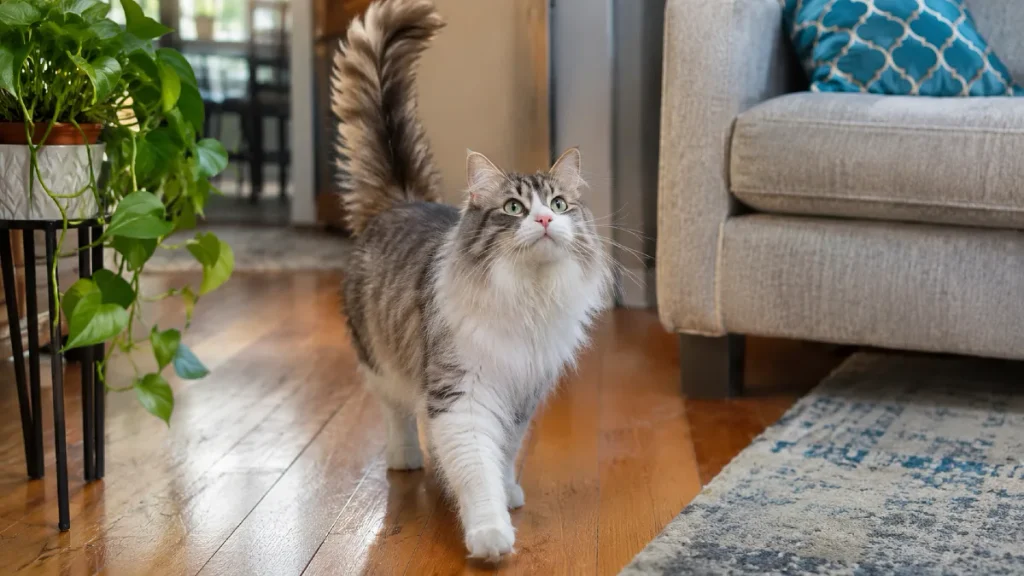
A friendly greeting can tell you a lot about how your cat feels when they see you. One common greeting is walking toward you with their tail held upright. Your cat may also make a soft chirping sound or rub against your legs.
Cats Protection describes an upright tail as a common part of relaxed greeting behavior. When the rest of the body is loose and the ears look comfortable, the raised tail can signal a friendly approach.
You might notice this when you return home after being away. Your cat walks toward the door, lifts their tail, and moves around your feet. They may be greeting someone they recognize and enjoy spending time with.
However, a raised tail does not always mean the same thing. The position of the ears, eyes, body, and fur helps explain the full picture.
Cat Tail Signals and Their Meanings
Before reaching down to pet your cat, check the rest of their body. These common tail patterns can help you decide whether to offer attention or give your cat some space.
| Tail signal | Possible meaning | Best response |
|---|---|---|
| Upright and relaxed | Friendly greeting | Offer your hand |
| Puffing up | Fear or alarm | Give them space |
| Tucked low | Fear or unease | Reduce pressure |
| Strong, tense swishing | Agitation or conflict | Stop and observe |
Tail position is most useful when combined with other body signals. A cat with an upright tail, relaxed ears, and soft eyes is giving you a much clearer friendly greeting.
When your cat approaches with an upright tail, let them decide whether to come closer. You can gently offer a hand near their cheek and allow them to make the first move.
Over time, these repeated greetings can become part of your shared routine. They help you recognize when your cat is choosing friendly contact with you.
3. Your Cat Gives You Slow Blinks When You Look at Them
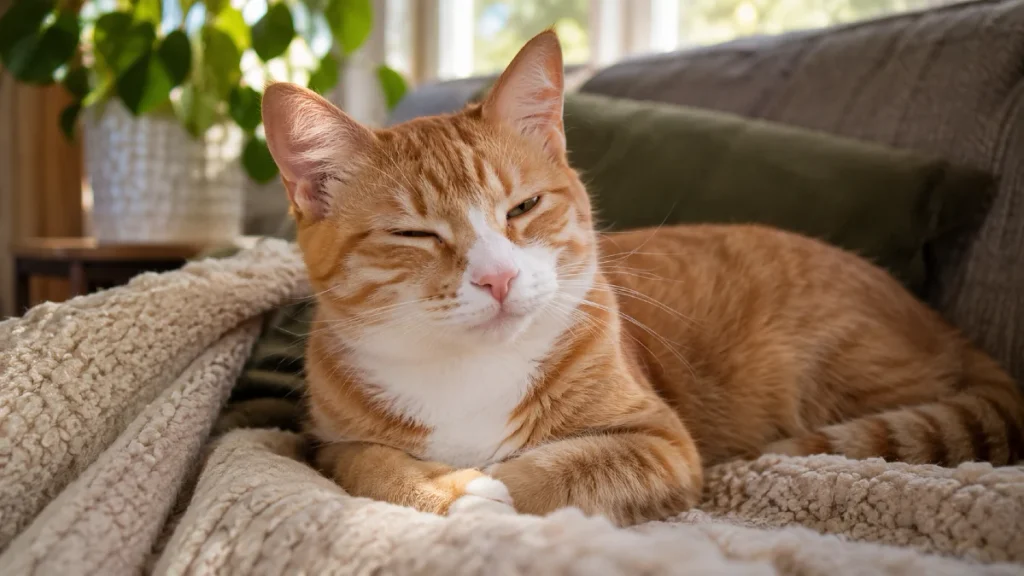
One of the sweetest signs your cat trusts you may happen when you are doing absolutely nothing. Your cat looks in your direction, slowly closes their eyes, and opens them again. It almost looks like a sleepy little smile.
This behavior is called slow blinking. It is often seen during calm, friendly interactions between cats and people.
A 2020 study published in Scientific Reports explored the role of slow blinking in cat communication. Researchers found that cats responded to slow blinking from humans and were more likely to approach an unfamiliar person’s hand after a slow blink interaction than after a neutral expression.
The findings suggest that slow blinking can be a form of positive communication. It does not mean every blink is a declaration of love, but it can be a useful sign of comfort.
You can try this with your own cat when they are relaxed. Look gently in their direction, slowly close your eyes, and open them again. Avoid staring directly at them for a long time.
Your cat might respond with another slow blink. They might also turn their head, look away, or continue resting without reacting.
Do not worry if your cat never blinks back. Some cats communicate more through touch, movement, or simply choosing to stay close.
The important part is that your cat feels comfortable around you. A relaxed response is more meaningful than trying to get them to perform a particular behavior.
4. Your Cat Rubs Their Face Against You and Gives Head Bumps
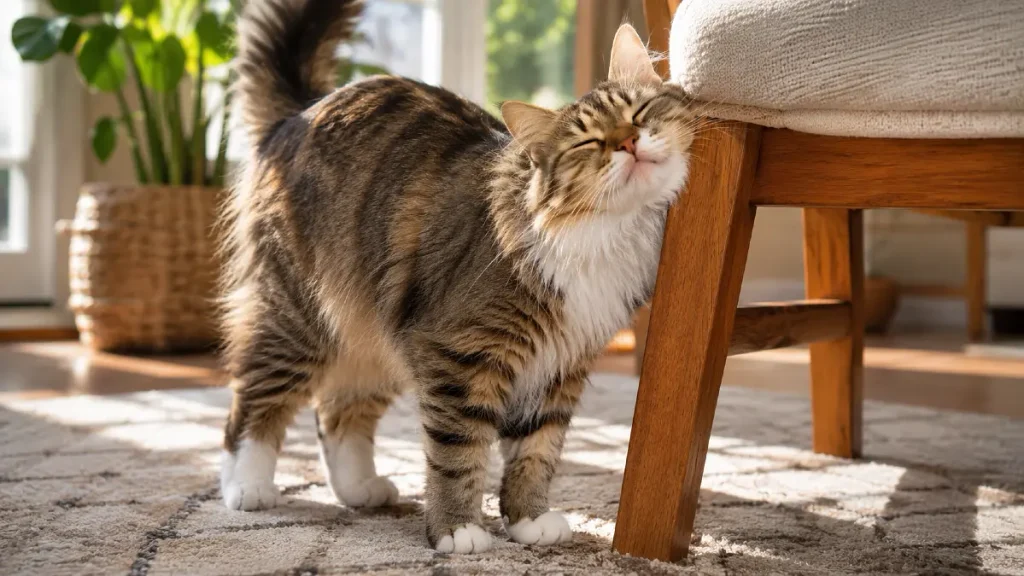
If your cat regularly pushes their forehead against your hand or rubs their cheeks along your legs, you may be seeing friendly social behavior. These gestures are often called head bunting and cheek rubbing. They are common ways cats interact with familiar people and other cats.
Cats have scent glands around their faces and other parts of their bodies. When they rub against someone, they can leave familiar scent signals behind. This is part of how cats communicate with their surroundings and social companions.
Cats Protection explains that head rubbing can be a friendly behavior. The AAFP and ISFM Feline Environmental Needs Guidelines also describe rubbing as part of social bonding between cats.
You might notice your cat doing this when you come home from work. They walk around your legs, press their cheek against your hand, and then return for another rub. In that moment, they may be seeking friendly contact.
Sometimes they will push their forehead firmly against you. Other times, they may give just one quick cheek rub before moving away.
The best response is usually simple. Hold your hand still and allow your cat to rub against it if they want to.
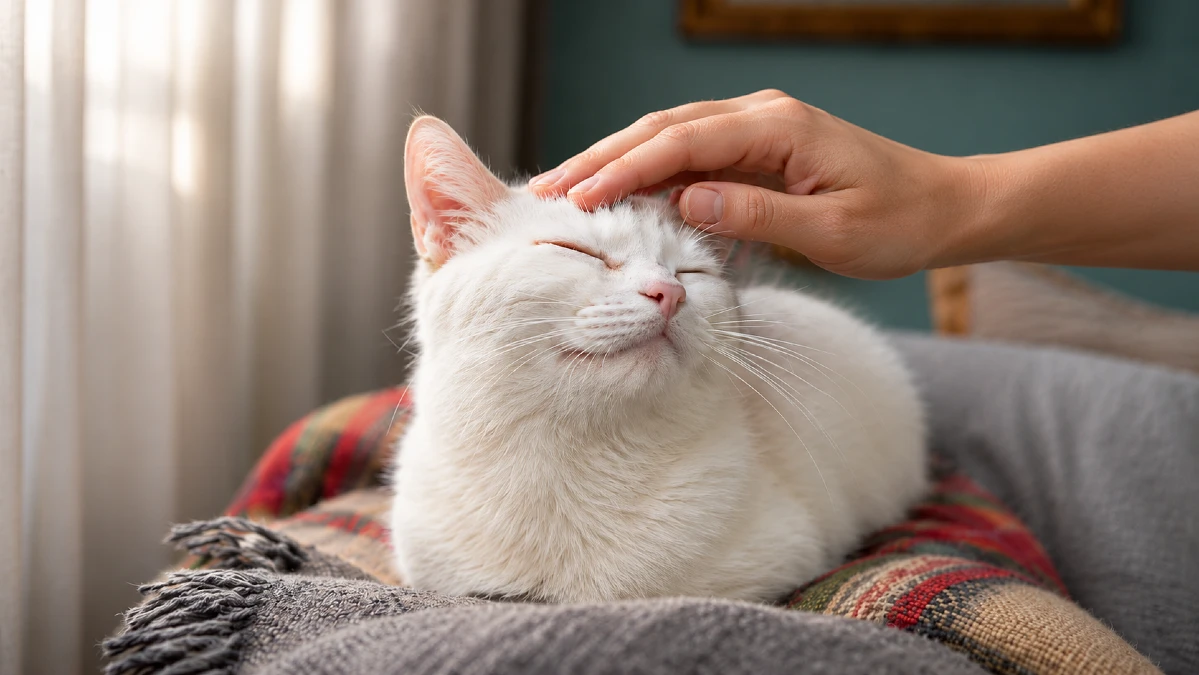
If they stay close and appear relaxed, try a gentle scratch around the cheeks or chin. These are areas many cats enjoy having touched, although each cat has personal preferences.
Avoid grabbing your cat or pulling them closer because they rubbed against you. A friendly greeting is an invitation to interact, not permission for unlimited touching.
When your cat repeatedly chooses to make this kind of contact, it can be one of the clearer signs that they feel comfortable sharing space and affection with you.
5. Your Cat Chooses to Sleep Beside You Even When Other Spots Are Free
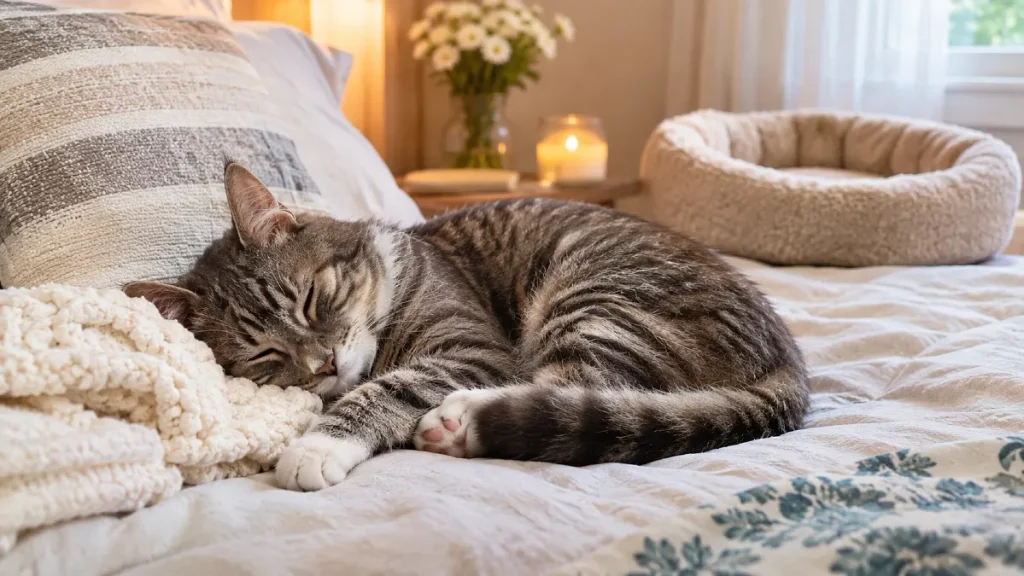
Cats usually prefer resting places where they feel comfortable and safe. They also enjoy warmth, soft surfaces, and familiar surroundings. When your cat regularly chooses to sleep close to you, your presence may be part of what makes that spot appealing.
You might have bought a soft cat bed that sits beside the window. Yet every evening, your cat ignores it and curls up near your feet instead. They could be choosing your company, the warmth of the bed, or both.
Sleeping requires a cat to relax and pay less attention to what is happening nearby. A cat that repeatedly settles close to you may feel comfortable enough to rest in your presence.
However, cats also choose sleeping places for practical reasons. A warm blanket, a quiet room, or a favorite cushion may have just as much influence as social attachment.
What Your Cat’s Sleeping Spot May Tell You
The location your cat chooses can give you clues about their preferences. Use these common sleeping patterns to decide how to make their resting time more comfortable.
| Sleeping choice | Possible reason | What to do |
|---|---|---|
| On your lap | Warmth and closeness | Let them rest |
| Right beside you | Comfort and company | Avoid sudden moves |
| At the foot of the bed | Warmth and personal space | Leave room to move |
| In a separate cat bed | Quiet and comfort | Respect their choice |
These patterns are possibilities, not fixed rules about feline attachment. A cat can love spending time with you and still prefer sleeping alone.
Some cats dislike sharing a bed because people move during sleep. Others enjoy having more personal space, especially during warmer weather.
If your cat sleeps beside you, avoid repeatedly moving or waking them just to enjoy the moment. Allowing them to rest peacefully can help keep your shared space comfortable.
And if your cat never sleeps on your bed, do not assume they feel less attached. Their other daily behaviors may tell you much more about your relationship.
6. Your Cat Kneads Your Lap When They Feel Comfortable
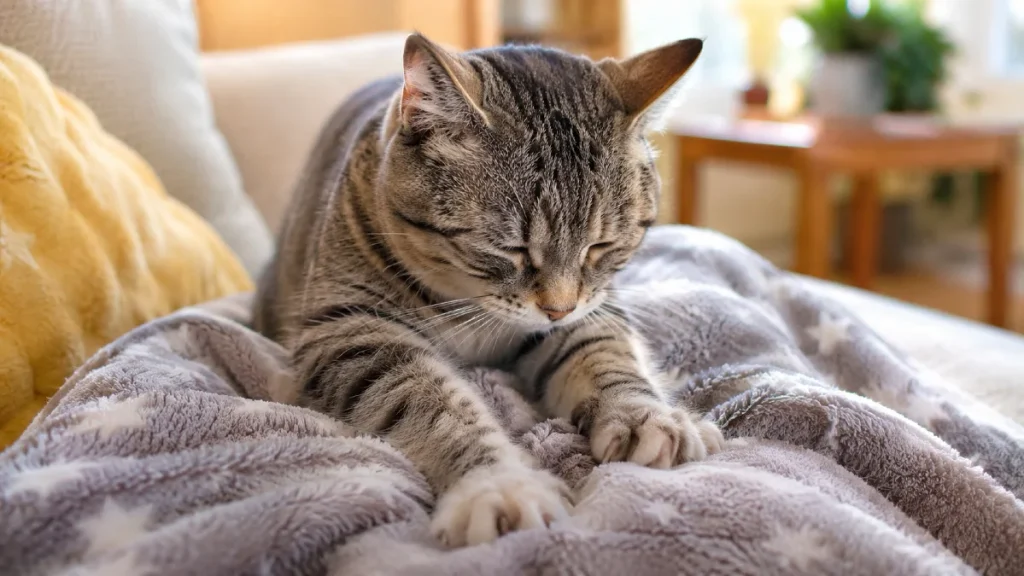
When your cat climbs onto your lap and starts pressing their front paws into your clothes, you are watching a behavior called kneading. Many people call it making biscuits. It can be especially noticeable when your cat is sleepy or preparing to settle down.
Kittens knead around their mother’s belly while nursing. Many cats continue kneading into adulthood, sometimes on soft blankets, beds, or their favorite people.
VCA Animal Hospitals explains that adult cats may knead when they feel relaxed and comfortable. Some also knead as a way to soothe themselves, so the behavior is not always a direct sign of affection.
If your cat settles into your lap, starts kneading gently, and then falls asleep, the full pattern suggests they are comfortable. They have chosen your lap as a pleasant resting place.
You might also notice purring during these moments. Purring often happens during relaxed contact, but it can occur when cats are stressed or uncomfortable as well.
That is why it helps to check the rest of your cat’s behavior. Loose muscles, a comfortable position, and calm breathing provide more useful clues than kneading alone.
If your cat’s claws make kneading painful, place a thick, soft blanket across your lap. This lets them continue their normal behavior without scratching your skin.
Avoid scolding or pushing them away suddenly. If you need to move, gently guide them onto a nearby blanket or comfortable surface.
A cat that regularly chooses your lap for relaxed kneading is showing that your company can be part of a comforting routine. That is a meaningful part of a close relationship, even if kneading itself has several possible causes.
7. Your Cat Gently Licks Your Hands, Hair, or Face
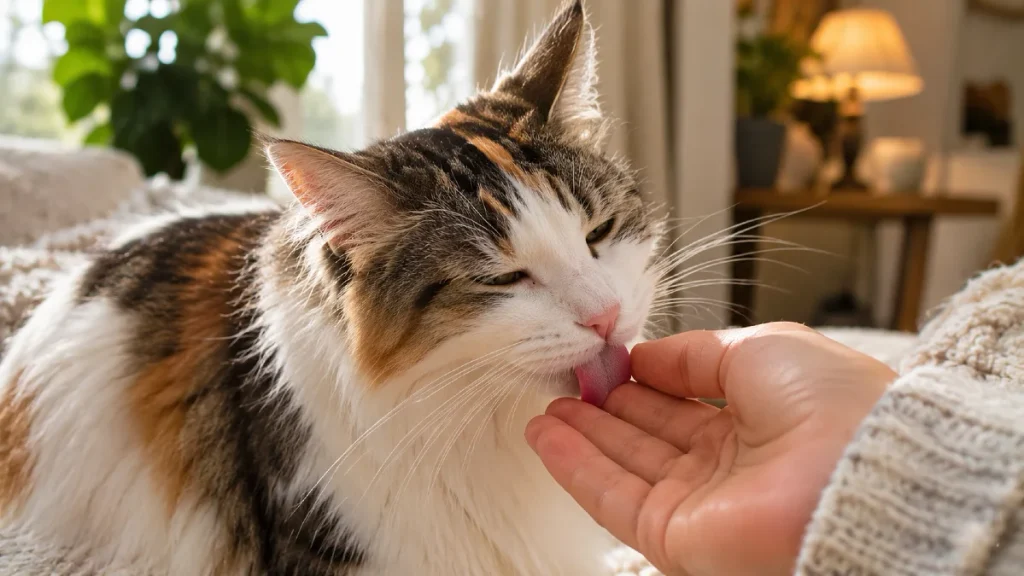
Your cat might occasionally lick your fingers while you are petting them. Some cats also lick their owner’s hair, arms, or other exposed skin. While it may feel strange, gentle licking can be part of friendly social contact.
Cats spend a lot of time grooming themselves. They may also groom other cats with whom they share a social relationship.
This behavior is called allogrooming. It can help maintain social contact between familiar cats and is sometimes observed between cats that regularly rest or spend time together.
Cats Protection and Blue Cross explain that licking humans can also be associated with affection and bonding. However, grooming is not the only possible reason a cat licks a person.
Your cat may be interested in the taste of salt on your skin. They might also be trying to get your attention or investigating a smell.
For example, your cat might climb onto the couch, settle beside you, and give your hand a few gentle licks. If they remain relaxed and seem happy to stay nearby, that can fit a friendly interaction.
But repeated licking does not automatically mean your cat feels more attached than another cat. Some cats rarely lick people, even when they enjoy their company.
If your cat starts licking you excessively, watch for other changes in behavior. Stress, skin problems, and other health issues can sometimes affect grooming habits.
Do not encourage licking if you have medication, lotion, or other products on your skin that could be unsafe for your cat. You can calmly move your hand away and offer a toy or gentle interaction instead.
If your cat likes being brushed, a soft grooming brush may also be a pleasant way to spend time together. Let them approach the brush and stop whenever they move away or appear uncomfortable.
8. Your Cat Comes to You for Comfort When They Feel Unsure
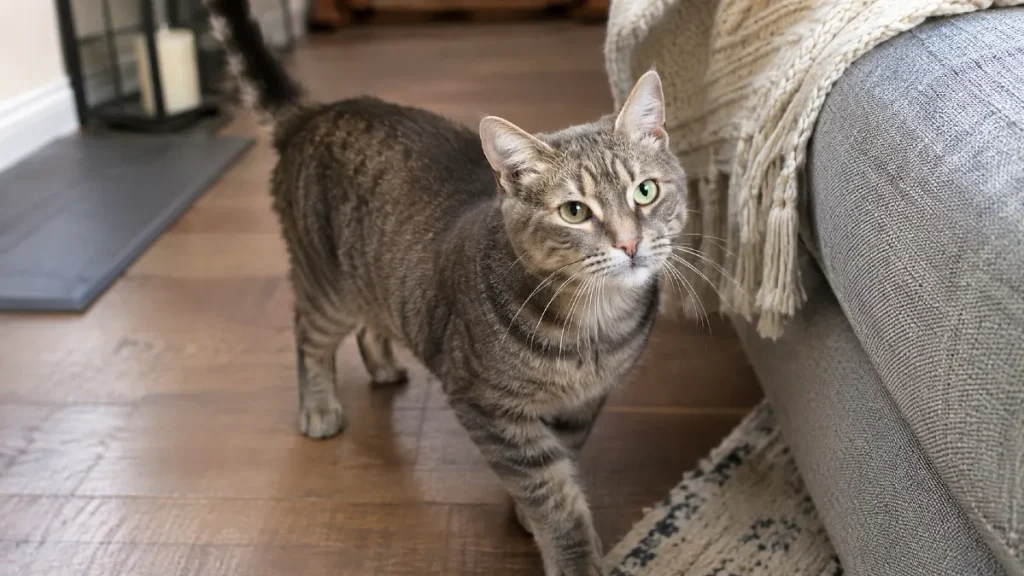
One possible sign of a strong cat and human bond is what happens when your cat feels uncertain. Some cats choose to approach a familiar person after hearing an unexpected noise or encountering something unfamiliar. Others may settle more easily when that person is nearby.
For example, your cat might hear a loud sound outside and quickly look for you. They may approach, stay nearby for a moment, and then return to their normal activities once everything seems calm.
Researchers sometimes describe this kind of support using the term secure base. The idea is that a familiar caregiver can provide a sense of safety while an animal explores or responds to its surroundings.
The 2019 Current Biology study by Kristyn Vitale and her colleagues found secure attachment patterns in about 64% of the 70 kittens whose behavior could be classified. These findings suggest that some cats can form attachment relationships with their human caregivers.
However, research on feline attachment is still debated. A 2025 study in Applied Animal Behaviour Science questioned whether cats use their owners as a secure base in the same way seen in some other animals.
A 2026 study published in the Journal of Feline Medicine and Surgery also examined interactions between cats and their owners. Researchers studied stress and bonding related hormones in 20 cats, but such a small study cannot explain every cat’s relationship with people.
What matters at home is how your cat responds when you offer a calm, safe presence. Some cats seek contact, while others prefer hiding somewhere quiet until they feel better.
How to Respond When Your Cat Needs You
Your response can help your cat feel more comfortable without forcing contact. These simple choices can help you support their needs during different situations.
| Cat behavior | Helpful response | Avoid |
|---|---|---|
| Approaches you calmly | Allow gentle contact | Forcing a cuddle |
| Hides after a loud noise | Offer a safe hiding place | Pulling them out |
| Moves away from touch | Stop and give space | Following or grabbing |
| Becomes suddenly clingy | Check for other changes | Ignoring possible illness |
A cat that comes to you voluntarily and settles calmly may be showing that your presence feels reassuring. But a frightened cat that hides rather than seeking you is not necessarily less bonded.
If your cat suddenly becomes fearful, hides much more than usual, or shows other changes in eating, movement, or behavior, contact your veterinarian. Pain and illness can sometimes change the way cats interact with people.
The goal is to become someone your cat can approach freely. When you offer patience, predictable routines, and a safe place to rest, you give your relationship a chance to grow.
The strongest bonds are built through repeated positive experiences, not by making a cat stay close. Your cat should always have the choice to approach you or spend time alone.