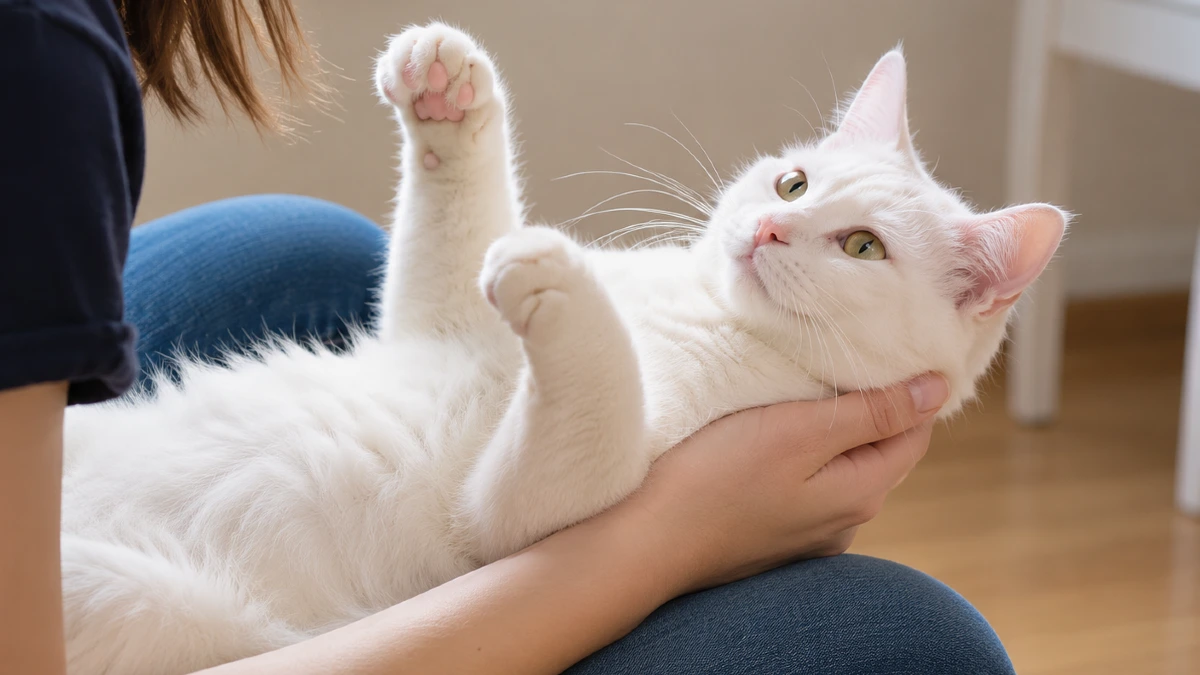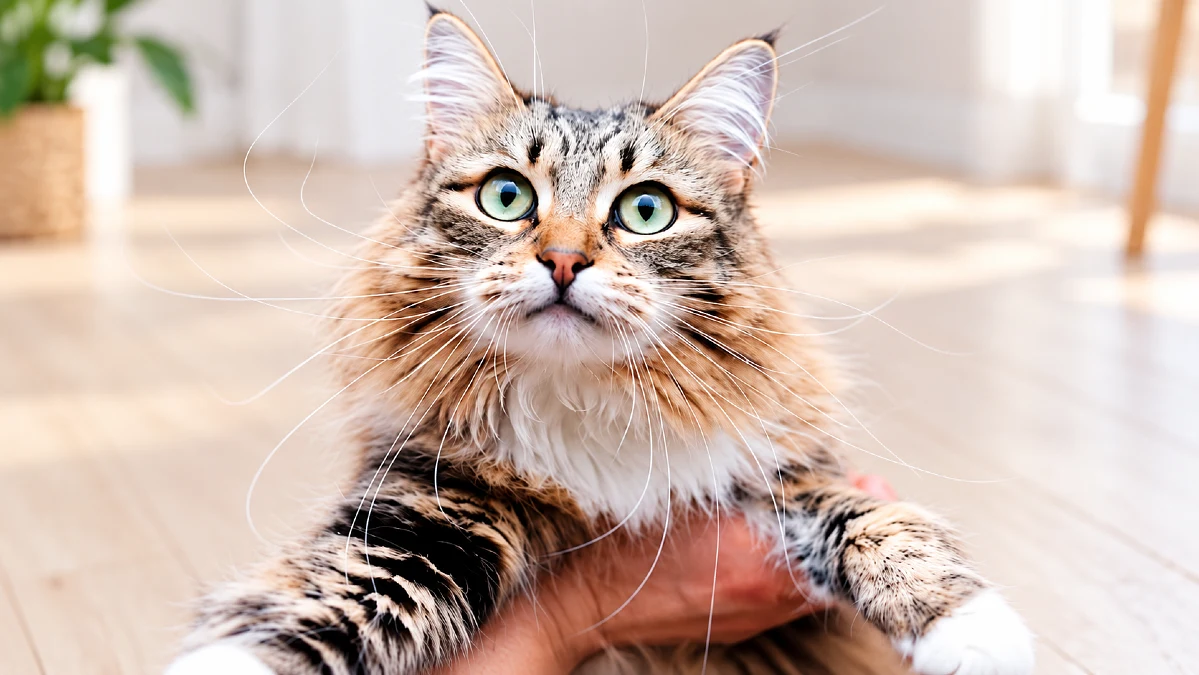
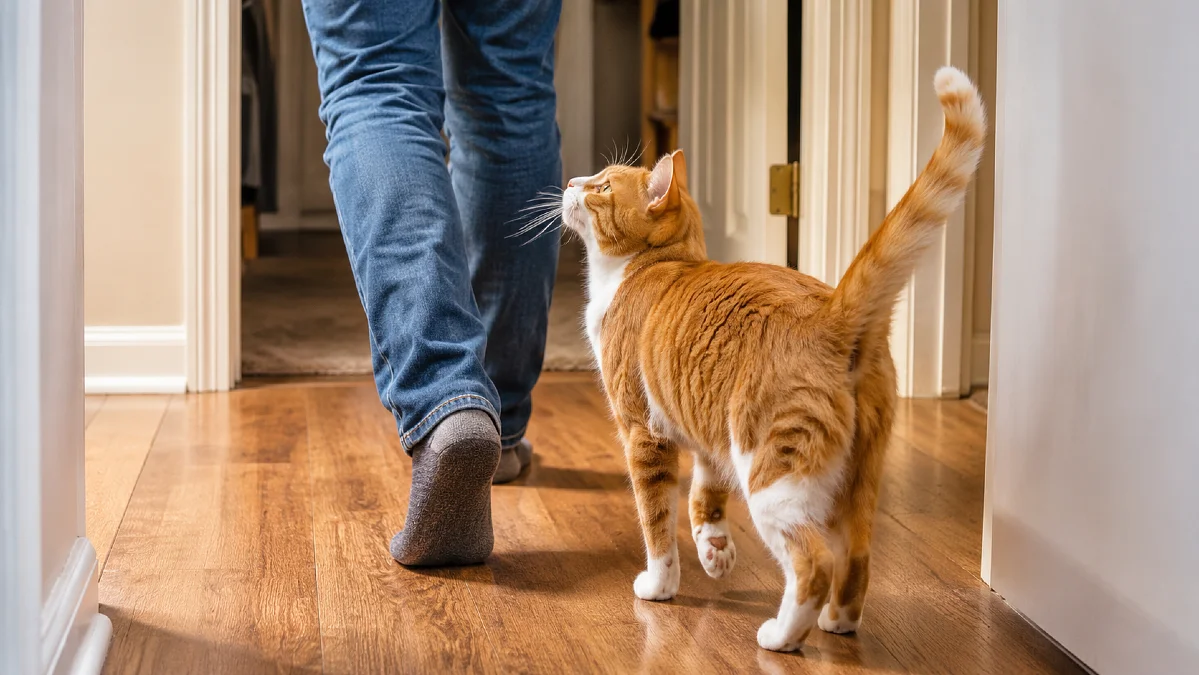
You get up from the sofa, and your cat immediately follows you. You walk into the kitchen, head upstairs, or even close the bathroom door, and there they are again. Sometimes, it feels like you cannot take a single step without your little shadow appearing behind you.
Most people assume their cat is hungry, wants attention, or simply cannot stand being alone. While those explanations can be true, they do not always tell the whole story. Your cat may be following you for reasons that have more to do with emotional security, familiar routines, and communication.
Research into feline behavior has shown that cats can develop meaningful emotional bonds with their human caregivers. However, the way your cat follows you, what they do when you stop moving, and how they behave when you leave can reveal very different needs.
Your Cat May See You as Its Safe Place
Cats have a reputation for being independent animals that prefer doing things on their own. But independence does not mean they lack emotional connections or the need for companionship.
A 2019 study led by Kristyn Vitale at Oregon State University explored how cats form attachments to their human caregivers. Published in Current Biology, the research found that 64.3% of the 70 kittens classified in the study displayed secure attachment.
Among 38 adult cats tested, 65.8% showed secure attachment. These findings suggest that many cats can use their human caregivers as a source of emotional comfort and security.
When your cat follows you into another room and settles nearby, they may simply feel comfortable in your presence. They do not necessarily need you to pick them up, pet them, or entertain them.
Being Near You Can Be Enough
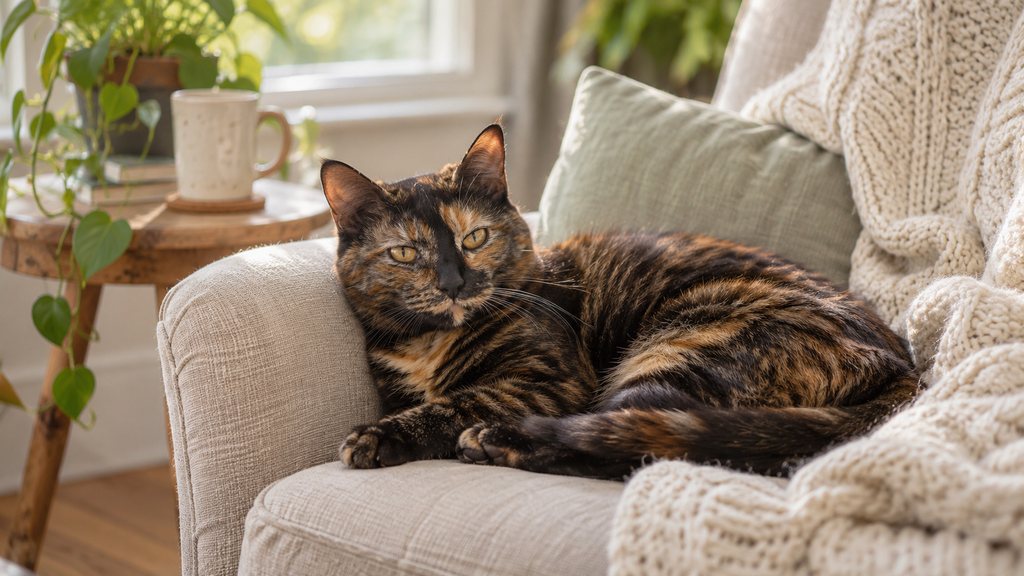
Have you ever noticed your cat following you into a room, only to sit several feet away? They might curl up on a chair, stretch out on the floor, or quietly watch what you are doing.
This can be a sign of comfortable companionship. Your cat enjoys sharing space with you while maintaining the freedom to do their own thing.
A cat that feels secure around you may also display behaviors such as:
- Sleeping peacefully in the same room.
- Walking beside you with a relaxed posture.
- Turning its back while resting near you.
- Greeting you with gentle head rubs.
- Exploring its surroundings without constantly checking on you.
Your cat does not need constant physical contact to feel connected to you. Sometimes, simply being in the same room provides the company they want.
Your Cat Has Learned Your Daily Routine
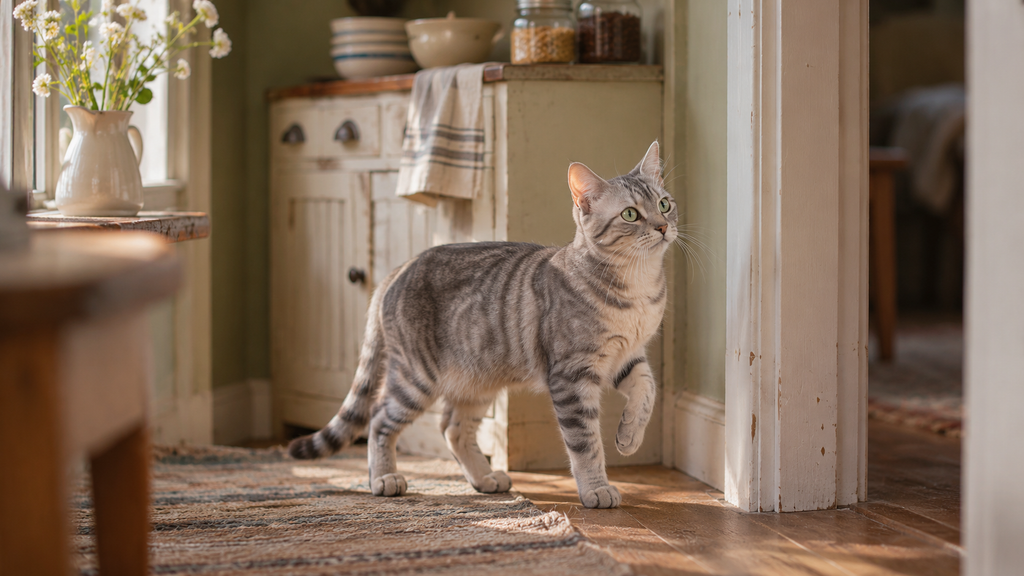
Your cat probably knows more about your daily habits than you realize. They notice when you wake up, prepare meals, settle down to watch television, and start getting ready for bed.
Cats can learn to connect familiar actions with things they enjoy. Opening a cupboard might mean treats, while sitting on the sofa might mean a comfortable opportunity to curl up beside you.
PetMD’s March 2026 veterinary guidance explains that following behavior can be linked to familiar routines and expected rewards. Your cat may have learned that staying near you increases the chances of something interesting happening.
The following examples can help you identify whether your cat is responding to your routine rather than simply seeking affection. Pay attention to what your cat does after reaching the next room.
| Your action | Possible motivation | What to observe |
|---|---|---|
| Entering the kitchen | Expecting food | Walks toward food bowl |
| Getting ready for bed | Familiar sleeping routine | Settles on the bed |
| Opening a cupboard | Expecting treats | Watches the cupboard |
| Sitting at your desk | Seeking company | Rests beside you |
| Picking up your keys | Recognizing departure cues | Watches or becomes restless |
These patterns become easier to recognize when you observe them over several days. Your cat may follow you for different reasons depending on the time and activity.
You May Have Encouraged This Habit Without Realizing It
Every time your cat follows you and receives a treat, affection, or playtime, that experience can reinforce the behavior. Over time, following you may become a normal part of your cat’s daily routine.
There is nothing wrong with rewarding your cat’s companionship. However, if you want more personal space, offer attention at regular times rather than responding to every request.
Your Cat Is Curious About Everything You Do
Cats are natural explorers. A moving object, an unfamiliar sound, or an open cupboard can quickly catch their attention.
When you walk into another room, your cat may follow simply because something has changed in its environment. From your cat’s point of view, your movement could lead to an interesting new discovery.
This is especially noticeable with indoor cats that spend most of their time in familiar surroundings. Your daily activities can provide interesting sounds, smells, and opportunities for exploration.
Why Does Your Cat Follow You Into the Bathroom?
Bathrooms offer several things that may interest a cat. Running water, unusual smells, cool tiles, laundry baskets, and small enclosed spaces can all attract their attention.
Your cat may also know that you will remain in the bathroom for a while. This creates another opportunity to spend time near you without needing to follow you elsewhere.
Some people believe their cats follow them into the bathroom because they are protecting them during a vulnerable moment. While cats may seek security through companionship, bathroom following alone does not prove protective behavior.
If your cat enters the bathroom, explores the surroundings, and eventually walks away, curiosity is a reasonable explanation. If they settle comfortably nearby, they may simply enjoy your company.
Your Cat May Be Asking for Something Without Meowing
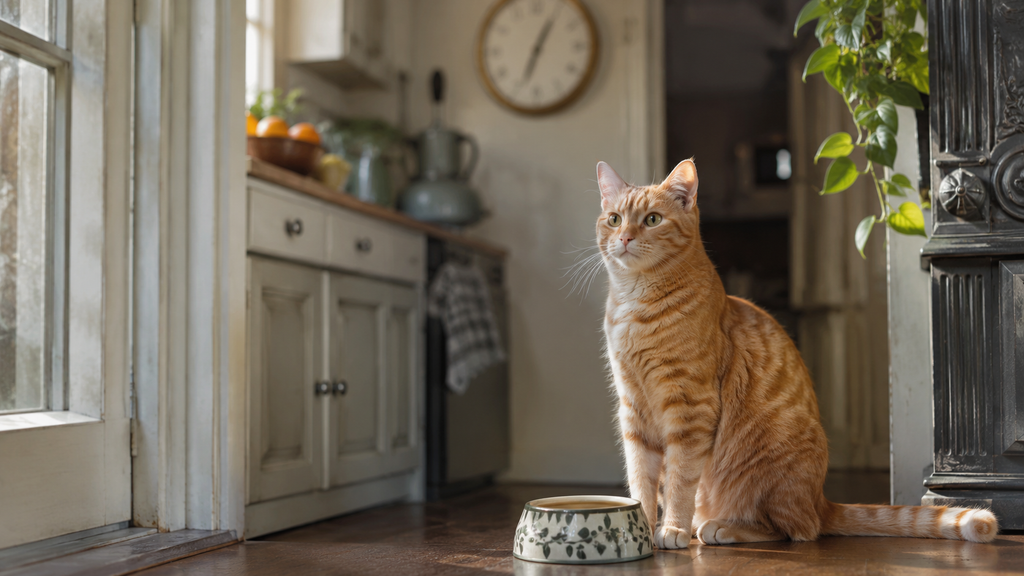
Your cat cannot directly tell you that its water bowl needs cleaning, its favorite toy is missing, or it wants you to spend more time playing.
Instead, cats communicate through movement, sounds, posture, and learned behaviors. Following you may be one way your cat tries to get your attention.
You might notice that your cat follows you briefly before walking ahead and stopping near something important. They could be directing your attention toward a food bowl, a closed door, or a favorite play area.
Read Your Cat’s Body Language
Cat Friendly Homes, an educational resource from the Feline Veterinary Medical Association, encourages owners to pay attention to feline body language. Small changes in posture and movement can offer useful clues about how a cat feels.
Use the following table as a starting point when deciding how to respond. Remember that individual signals can have several meanings depending on the situation.
| Your cat’s behavior | Possible meaning | How to respond |
|---|---|---|
| Walking with an upright tail | Friendly social approach | Offer gentle attention |
| Rubbing against your legs | Social contact or scent marking | Allow voluntary contact |
| Repeated meowing | Request or discomfort | Check basic needs |
| Leading you toward a bowl | Food or water request | Check the bowl |
| Flattened ears and tense posture | Fear, stress, or irritation | Provide space |
| Lying peacefully nearby | Comfortable companionship | Allow quiet company |
Look at several signals together rather than relying on one movement. A cat that approaches you with loose muscles and relaxed ears is having a different experience from one that follows you while appearing tense and unsettled.
Your Cat Might Simply Be Bored
Indoor cats need opportunities to chase, explore, climb, scratch, and interact with their surroundings. Without enough stimulation, your movements may become one of the most interesting parts of their day.
Try offering regular interactive play using a feather wand or another suitable cat toy. If your cat becomes more settled after playtime, they may have been seeking activity rather than constant physical affection.
How to Tell If Your Cat Is Attached or Anxious
There is an important difference between a cat that enjoys your presence and a cat that struggles when you are absent. Both may follow you around the house, but their behavior during separation can be very different.
A comfortably attached cat can enjoy your company while still spending time alone. They may follow you into the living room, take a nap, and remain there when you leave.
A cat experiencing separation distress may find it difficult to settle without you. They might become restless, vocal, or unusually withdrawn when you prepare to leave or spend time away.
VCA Animal Hospitals explains that separation distress involves emotional difficulty associated with the absence of an attachment figure. It cannot be diagnosed simply because a cat follows its owner.
Healthy Attachment vs. Separation Distress
Observe how your cat responds when you are unavailable, rather than focusing only on how often they follow you. An indoor pet camera may help you notice behaviors that happen when you leave the house.
| Behavior | Healthy attachment | Possible separation distress |
|---|---|---|
| Following indoors | Relaxed companionship | Persistent, agitated following |
| Spending time alone | Can rest independently | Struggles to settle |
| Owner departures | Little or brief reaction | Prolonged distress |
| Eating habits | Generally consistent | May refuse food when alone |
| Owner reunions | Settles after greeting | Remains unusually unsettled |
| Litter box behavior | Normal habits | May eliminate outside the box |
These differences provide clues, but they are not a diagnosis. Changes in eating or litter box habits can also result from medical problems, so veterinary assessment is important.
Changes at Home Can Make Your Cat More Dependent
Moving furniture, welcoming a new pet, changing work schedules, or having unfamiliar visitors can disrupt your cat’s familiar environment. Even changes that seem minor to you may feel significant to your cat.
During these periods, your cat may seek more reassurance by staying close. Maintaining familiar meal times, resting areas, and play routines can help provide stability while your cat adjusts.
Why Your Cat Has Suddenly Started Following You Everywhere
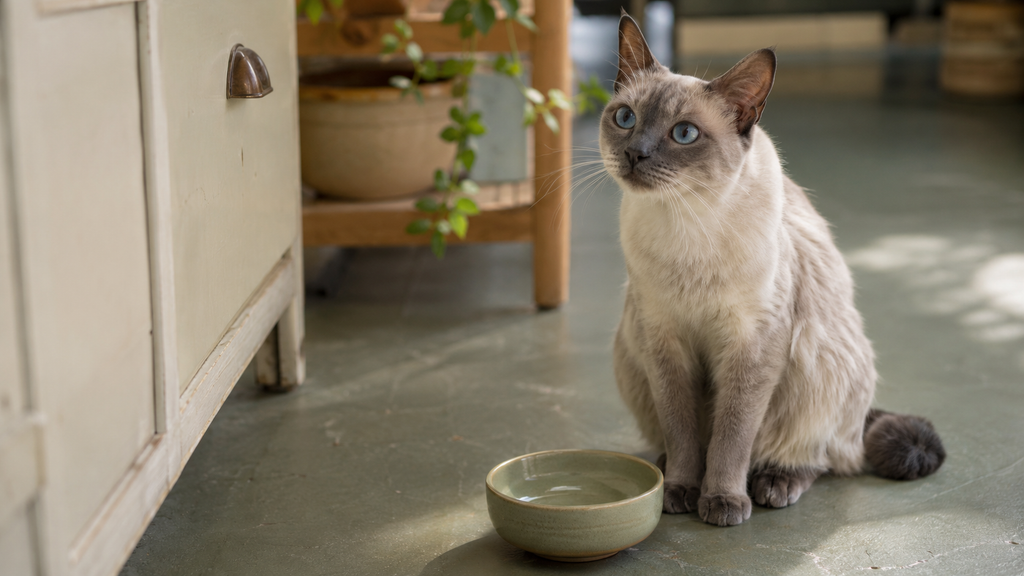
If your cat has always followed you around, it may simply be part of their personality. But if an independent cat suddenly becomes unusually clingy, the change deserves more attention.
Cats experiencing discomfort, stress, or illness sometimes change the way they interact with people. Some become more withdrawn, while others seek additional companionship.
Start by thinking about anything that has changed recently. A new household member, loud construction work, unfamiliar animals outside, or a change in your schedule could all affect your cat’s sense of security.
Increased Hunger May Be a Medical Warning Sign
If your cat constantly follows you into the kitchen and seems unusually hungry, avoid assuming they are simply becoming greedy. An unexpected increase in appetite can sometimes indicate a medical condition.
According to the Cornell Feline Health Center, common signs of feline hyperthyroidism include increased appetite, weight loss, excessive thirst, and increased urination. This condition is particularly relevant to middle aged and older cats.
Contact your veterinarian if increased following occurs alongside changes in appetite, weight, thirst, or bathroom habits. Giving your cat additional food without investigating these changes could delay proper treatment.
Older Cats May Need More Reassurance
As cats age, changes in hearing, vision, mobility, and mental function may affect their confidence. Some older cats become more vocal, restless, or dependent on familiar people.
Cornell University also identifies changes in sleep patterns, social interaction, and orientation as possible signs of cognitive dysfunction in aging cats. Other medical conditions must be considered before reaching that diagnosis.
Watch for these additional warning signs:
- Unexpected weight loss.
- Drinking noticeably more water.
- Reduced appetite or unusual hunger.
- Increased nighttime meowing.
- Difficulty jumping or walking.
- Confusion in familiar rooms.
- Changes in litter box habits.
- Unusual hiding or restlessness.
A sudden personality change should never be dismissed as affection alone. Arrange a veterinary examination if your cat’s behavior changes unexpectedly or persists without an obvious explanation.
Difficulty breathing or repeated attempts to urinate without producing urine require immediate veterinary attention.
How to Respond When Your Cat Will Not Leave You Alone
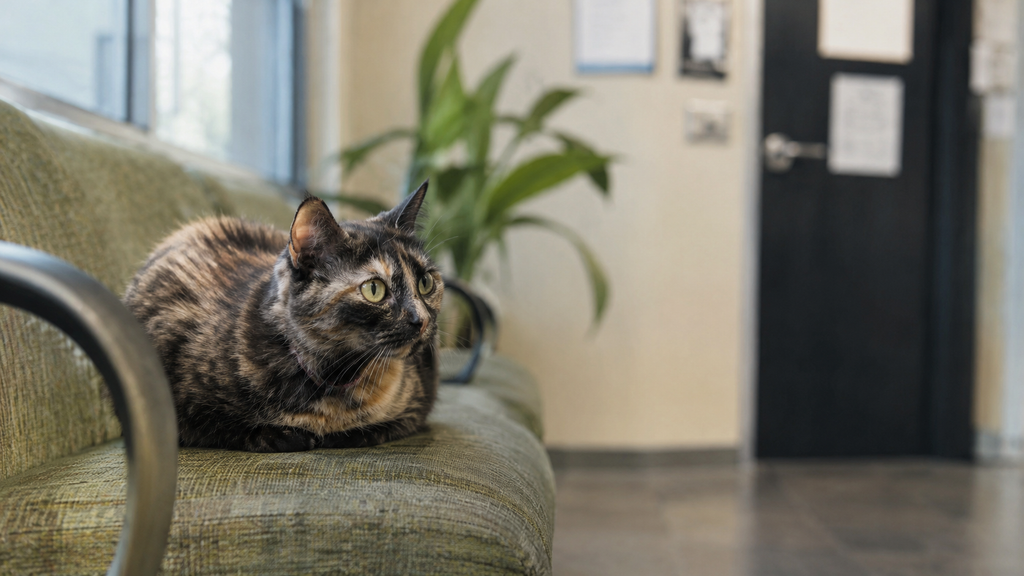
Having an affectionate cat can be wonderful, but constantly being followed can sometimes feel overwhelming. You can encourage healthy independence without rejecting your cat or damaging your relationship.
The first step is identifying what your cat needs. A bored cat needs different support from a frightened cat, and a hungry cat needs different attention from one experiencing discomfort.
Create a Predictable Daily Routine
Regular feeding, playtime, and quiet companionship can make daily life more predictable for your cat. They may become less likely to follow you in search of activities when those activities happen consistently.
A PetSafe automatic feeder may help if your cat strongly associates your movements with meals. Keep portions within your cat’s recommended daily food allowance, even if you offer several smaller meals.
Give Your Cat Something Interesting to Do Alone
A stimulating home gives your cat opportunities to stay occupied without depending entirely on you. The Feline Veterinary Medical Association recommends providing spaces and activities that support natural feline behavior.
You do not need expensive equipment to improve your cat’s environment. Start with simple additions such as:
- A cardboard box with an accessible opening.
- A secure window perch.
- A sturdy scratching post.
- A comfortable resting area in a quiet room.
- A Catit Senses Food Tree or similar puzzle feeder.
- Safe independent toys.
- A selection of toys rotated regularly.
Supervised play with a Frisco feather wand or similar interactive toy can also help satisfy your cat’s interest in chasing and catching moving objects. Store toys containing strings or loose feathers safely when playtime ends.
Reward Calm, Independent Behavior
When your cat chooses to rest in its own bed or quietly explore another room, you can occasionally reward that calm behavior. This helps create positive experiences that do not require constant contact.
Avoid shouting, spraying water, or suddenly shutting a distressed cat away from you. These responses can increase fear and make it harder for your cat to feel comfortable.
If your cat becomes extremely distressed during separation, consult your veterinarian or a qualified veterinary behaviorist. Gradual behavioral support may be more appropriate than attempting to force independence.
Your Cat Can Love You Without Following You Everywhere
Some cats follow their owners throughout the entire house, while others prefer greeting them occasionally before returning to their favorite sleeping spot. Neither personality automatically reflects a stronger or weaker emotional bond.
Your cat’s social behavior can be influenced by its individual temperament, early experiences, health, age, and home environment. Two cats raised in the same household may express affection in completely different ways.
A cat that rarely follows you may still show trust through other behaviors, including:
- Slowly blinking while looking at you.
- Sleeping in your presence.
- Gently rubbing its cheeks against you.
- Approaching you voluntarily.
- Greeting you with a raised tail.
- Choosing to rest beside your belongings.
- Inviting you to play.
The important thing is whether your cat feels comfortable interacting with you on its own terms. Constant attention is not a requirement for a meaningful emotional connection.
Respecting your cat’s personal space can be just as valuable as spending time together. When your cat can choose when to approach and when to leave, you create an environment that supports trust.