Your cat sniffs a little catnip, and suddenly, the living room turns into a playground. They’re rolling across the carpet, rubbing their face against a toy, and racing around like something has switched on inside their brain. Then, just as quickly, they lose interest and walk away.
But what does catnip do to cats that makes them behave this way? And why does one cat become wildly playful while another barely gives the same plant a second look?
Catnip is more than a funny treat that makes cats act silly. It contains a natural chemical that can change how some cats behave for a short period. Those changes can include excitement, relaxation, rolling, rubbing, and sometimes even aggression.
There are also things every cat owner should know before offering it. Catnip is not always helpful, eating too much can upset a cat’s stomach, and the plant does not affect every cat in the same way.
What Is Catnip and Why Does It Affect Cats?

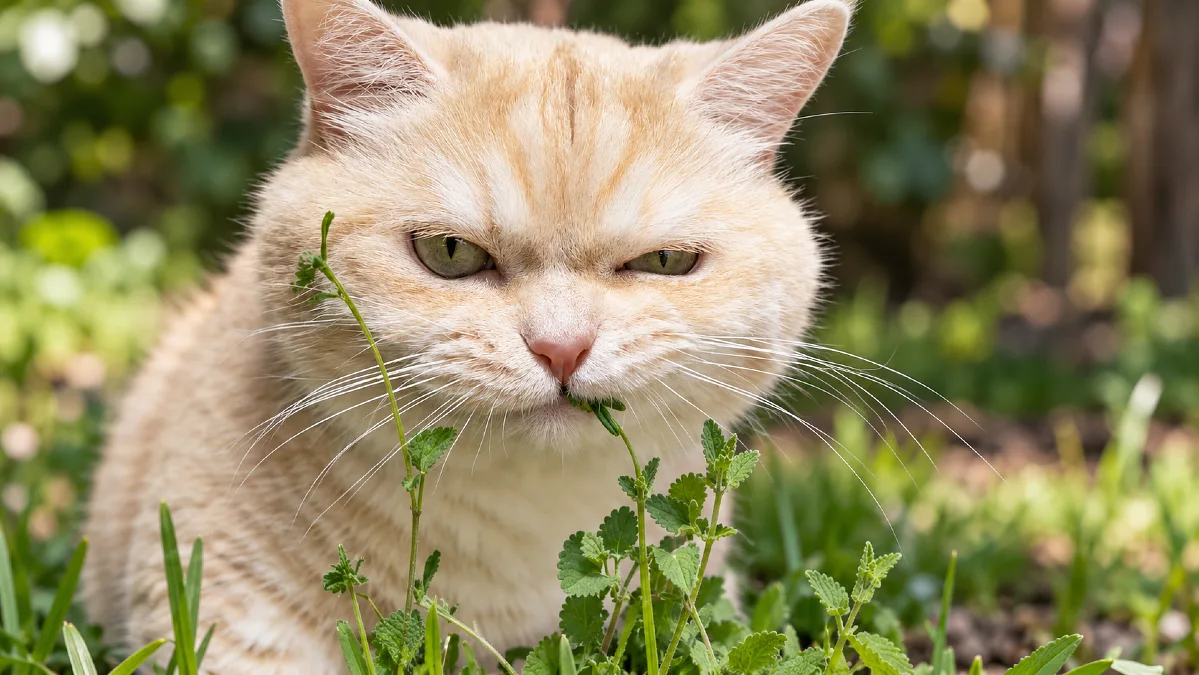
Catnip is a leafy green herb from the mint family. Its scientific name is Nepeta cataria, and it contains a natural compound called nepetalactone that causes the familiar catnip reaction.
When your cat smells catnip, nepetalactone enters the nose and stimulates the scent detecting system. This sends signals to areas of the brain involved in behavior and emotional responses.
That is why a simple sniff can sometimes produce such an impressive reaction. Your normally quiet cat may begin rubbing its cheeks against furniture, rolling across the floor, or chasing a toy with sudden excitement.
Researchers are still studying exactly how these reactions work. A 2021 study published in Science Advances found that a related compound from silver vine activates the body’s natural opioid system, which plays a role in feelings of reward.
The same research also explored why cats rub against these plants. Some plant compounds can transfer onto their fur and help repel mosquitoes, suggesting that the behavior may have a natural purpose beyond play.
For your household cat, though, the most noticeable effect is usually a brief change in behavior. And that change can look very different from one cat to another.
Why Does Catnip Make Some Cats Run Around Like Crazy?
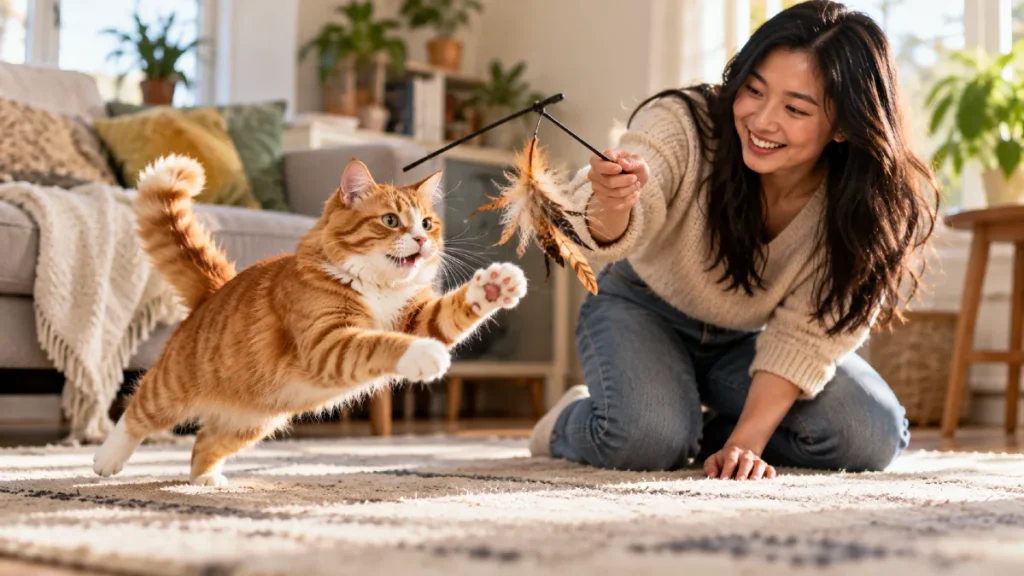
One of the most familiar catnip reactions is a sudden burst of energy. Your cat may start racing between rooms, rolling on the carpet, batting at toys, or kicking a stuffed mouse with its back feet.
These movements can look strange if you have never seen them before. Yet rubbing, rolling, and excited play are common responses among cats that react strongly to catnip.
This excitement can be useful for indoor cats that spend much of the day sleeping. A little catnip inside a toy may make playtime more interesting and encourage your cat to move around.
For example, a cat that normally ignores a stuffed mouse might suddenly grab it, wrestle with it, and kick it across the floor. You can use that interest to encourage a short, active play session.
Catnip is not a weight loss treatment, however. Regular play, suitable meals, and advice from your veterinarian matter much more for keeping your cat at a healthy weight.
There is also a safety concern with excited cats. A cat running at full speed could knock over objects, jump onto unsafe surfaces, or accidentally collide with another pet.
Give your cat space to play and move fragile items out of the way. If the excitement becomes frantic or your cat appears distressed, remove the catnip and allow things to settle.
Why Do Some Cats Become Sleepy or Aggressive Instead?
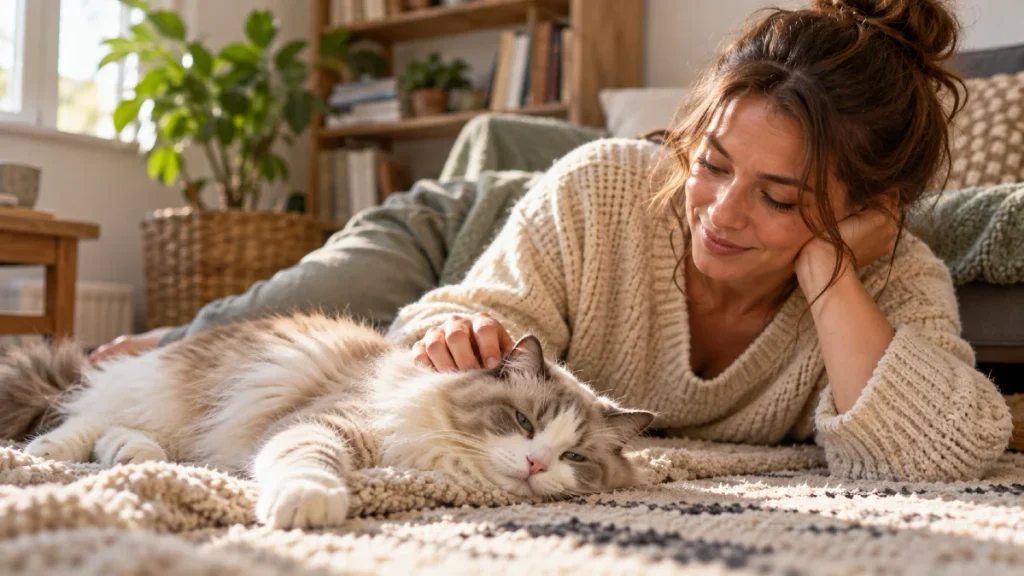
Not every cat responds to catnip by running around the house. Some become quiet, settle into a comfortable position, or spend more time rubbing against the floor without much movement.
Other cats may become irritable. They might hiss, swat, growl, or refuse to share a catnip filled toy with another animal.
Researchers have observed both active and passive responses to catnip. A 2017 study in Behavioural Processes found that some cats showed quieter changes in posture and movement rather than the dramatic rolling behavior many owners expect.
These different responses matter because your cat’s behavior should guide how you use catnip. A reaction that looks entertaining to you might not be pleasant for your pet.
Here is how to tell the difference between an enjoyable catnip session and one that should end. Each behavior gives you a clue about whether your cat wants to continue.
| Cat Behavior | Possible Meaning | What You Should Do |
|---|---|---|
| Rolling and rubbing | Typical catnip response | Allow safe play |
| Chasing and kicking | Excited play | Provide space |
| Resting quietly | Passive response | Let the cat relax |
| Hissing or swatting | Possible irritation | Remove catnip |
| Walking away | Little visible interest | Do not force play |
A calm cat is not necessarily unaffected by catnip. Watch its whole body, including its posture and willingness to approach or leave.
If your cat becomes aggressive, stop offering catnip during that session. In a home with several cats, giving each animal its own space can also reduce competition over toys.
Why Does Catnip Stop Working After Just a Few Minutes?
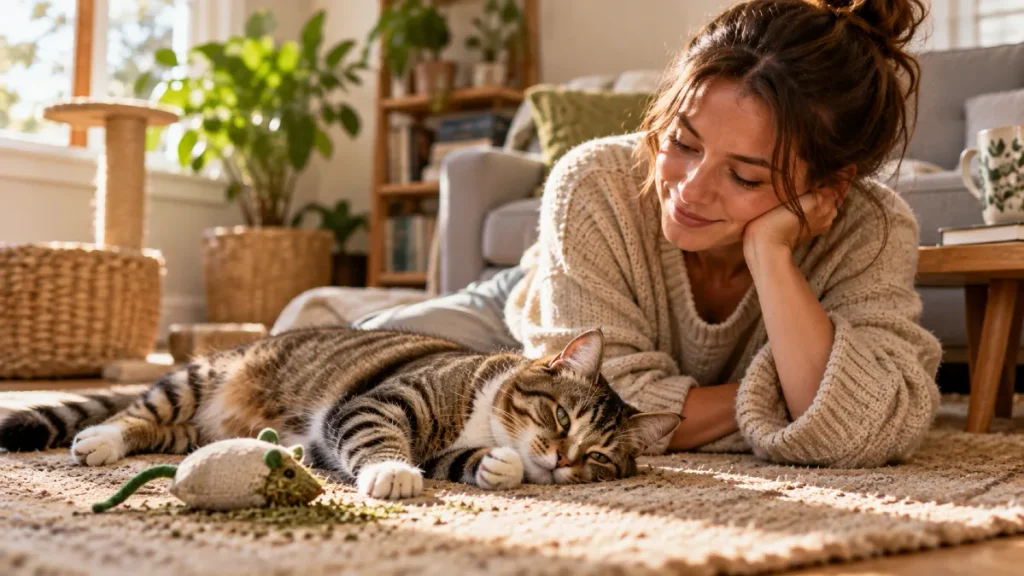
You may have noticed that your cat seems completely obsessed with catnip at first. Ten minutes later, the same toy might be sitting beside them without getting any attention.
This sudden loss of interest is normal for many cats. According to veterinary information from the Canadian Veterinary Medical Association, a typical catnip response lasts around 5 to 15 minutes.
Afterward, cats often enter a temporary period when the same scent produces little or no noticeable response. This can last around one or two hours, although the exact timing varies.
That means adding more catnip immediately after a play session will not necessarily restart the excitement. Your cat may sniff it briefly and return to grooming or resting.
This short break is different from addiction. Catnip is not known to cause the physical dependence associated with addictive substances.
There is also limited evidence that frequent catnip exposure causes permanent tolerance. The better established effect is the temporary drop in responsiveness following a recent exposure.
For practical use, you do not need to keep adding catnip throughout the day. Offer it occasionally, watch your cat’s reaction, and let the animal decide when playtime is over.
Keeping catnip as an occasional activity also gives you more chances to provide different kinds of play. Wand toys, cardboard boxes, and food puzzles can be just as useful for keeping your cat busy.
Why Does Your Cat Ignore Catnip Completely?

You buy a new catnip toy, place it in front of your cat, and expect a wild reaction. Instead, your cat sniffs it once, looks at you, and walks away.
This does not mean anything is wrong with your pet. Some cats simply do not show the familiar active response to catnip.
A study published in BMC Veterinary Research in 2017 tested 100 domestic cats with several plants. The researchers found that 68% responded positively to catnip, meaning roughly one in three did not show the response used to classify cats in that study.
Inherited traits appear to play a role in catnip sensitivity. However, the exact genetic explanation is less certain than the common claim that one specific gene decides everything.
Other research has found that some cats display passive changes rather than obvious excitement. This means your cat might respond in a subtle way that is easy to miss.
Age also matters, especially for young kittens. Older or familiar catnip products may also have less scent than fresh ones, which can make the experience less interesting.
If your cat ignores catnip, try offering a little fresh dried catnip on a clean toy during a quiet moment. If there is still no interest, there is no reason to keep trying.
Your cat can live a completely happy life without catnip. Some cats prefer chasing moving toys, watching birds through a window, or exploring a cardboard tunnel.
When Can Kittens Start Reacting to Catnip?
Young kittens often show little interest in catnip, even when their adult relatives seem to love it. This is because the familiar response often becomes more noticeable as cats mature.
VCA Animal Hospitals explains that young kittens commonly do not respond until around six months of age. Some may begin showing interest earlier, while others take longer.
A kitten that ignores catnip at three months may become interested later. That does not mean the plant needs to be introduced early or that you should repeatedly test for a reaction.
Kittens already have a strong natural desire to play. Small balls, soft toys, tunnels, and supervised wand games can provide plenty of activity without scented herbs.
If you choose to introduce catnip as your kitten gets older, use a small amount in a suitable toy and supervise the first session. Watch for excitement, avoidance, or irritation before offering it again.
Catnip is optional for kittens, just as it is for adult cats. There is no health requirement for a cat to experience the catnip response.
How Can You Use Catnip to Encourage Better Play and Scratching?
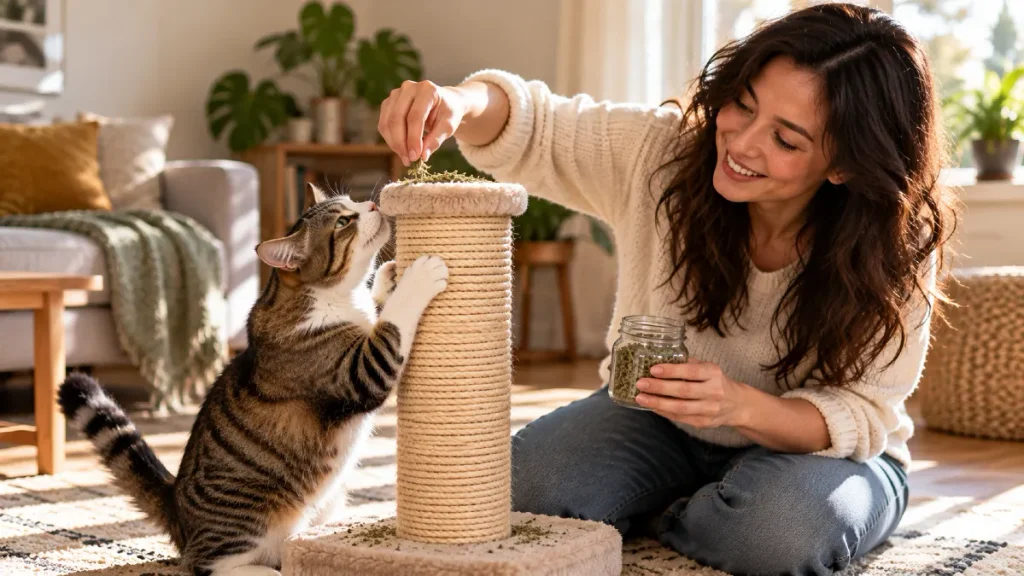
Catnip can be useful when your cat ignores a new scratching post or seems bored with familiar toys. The scent may encourage a responsive cat to investigate an object it previously overlooked.
Suppose you have purchased a tall scratching post, but your cat still prefers the sofa. You can rub a small amount of dried catnip onto the post or apply a catnip spray made for cats.
The scent may draw your cat closer and encourage rubbing, investigation, or scratching. When your cat uses the post, reward that behavior with praise or another reward it enjoys.
This works best when the post itself meets your cat’s needs. It should be sturdy, tall enough for a comfortable stretch, and placed where your cat likes spending time.
Catnip comes in several forms, and each has a different practical use. Choose the one that fits the behavior you want to encourage.
| Catnip Form | Best Use | What to Check |
|---|---|---|
| Dried leaves | Scratching posts | Fresh scent, clean herb |
| Filled toys | Wrestling and kicking | Strong seams, safe size |
| Catnip spray | Toys and scratchers | Cat safe ingredients |
| Fresh plant | Supervised exploration | Correct plant, no pesticides |
A simple toy is often enough to introduce catnip. You do not need to buy a large collection of products before knowing whether your cat enjoys the scent.
For example, Yeowww! makes the Chi CAT a Banana, a fabric toy filled with catnip. Catit also sells dried catnip and catnip spray that can be used with suitable scratching surfaces and toys.
Whatever form you choose, supervise your cat and inspect toys for damage. Loose fabric, broken parts, and exposed stuffing can create hazards during rough play.
Store dried catnip in a sealed container away from heat and moisture. A well stored product keeps its scent better than one left open for long periods.
Most importantly, avoid forcing your cat to interact with a catnip treated object. The goal is to make a pleasant activity more inviting, not to make your cat do something it dislikes.
Does Eating Catnip Really Make Cats Feel Sleepy?
You may have heard that smelling catnip makes cats energetic while eating it makes them sleepy. This is a popular explanation, but the science is not strong enough to promise that result.
Some cats do appear calmer after exposure to catnip, and others may rest after an active play session. However, that does not prove that swallowing the plant reliably produces a sedative effect.
The ASPCA recognizes that catnip can cause either stimulation or sedation. It does not establish eating catnip as a dependable way to calm an anxious animal.
A small study published in the Journal of Applied Animal Welfare Science, appearing in a 2026 journal issue, tested catnip and feline facial pheromones in eight cats undergoing veterinary examinations. Researchers did not find significant changes in the clinical or behavioral measures they examined.
That study was small, so it cannot answer every question about catnip and stress. It does show why catnip should not be treated as a proven calming treatment.
If your cat is frightened by visitors, travel, or a veterinary appointment, do not assume catnip will solve the problem. A cat that becomes excited or irritable could feel even less comfortable.
Eating catnip also carries a digestive risk when too much is swallowed. It is better to offer catnip mainly as a supervised scent based activity rather than mixing large amounts into your cat’s meals.
For a cat with ongoing anxiety, speak with your veterinarian about the cause and suitable ways to help. A safe hiding spot, a familiar routine, and gentle behavior support may be more appropriate than catnip.
When Can Catnip Become Unsafe for Your Cat?
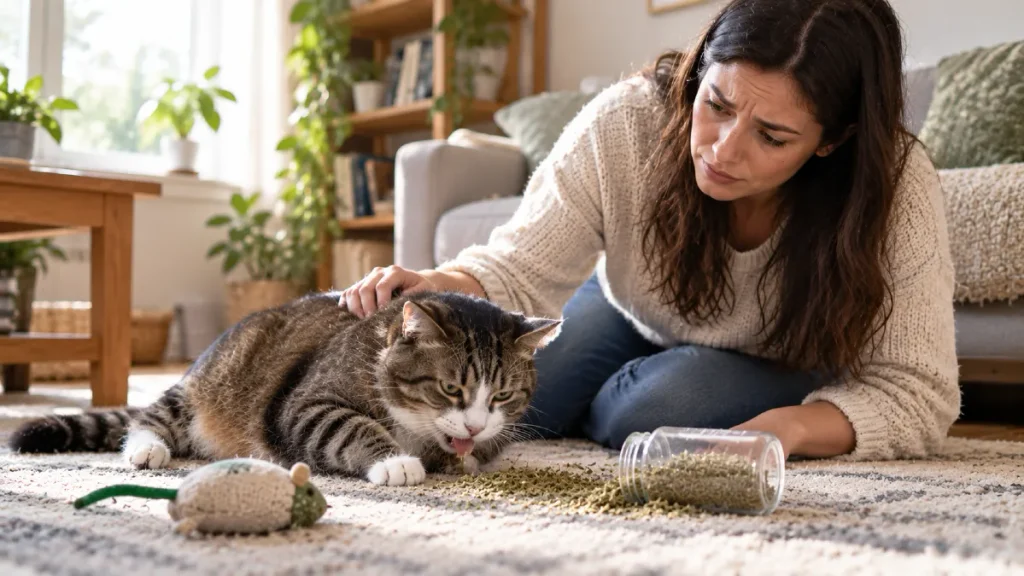
Catnip is often described as harmless because many cats enjoy it without serious problems. However, that description leaves out some risks that cat owners should recognize.
The ASPCA lists Nepeta cataria in its toxic plant database and identifies vomiting and diarrhea as possible clinical signs. This does not mean every cat that smells a catnip toy will become ill, but it does mean the plant should not be treated as risk free.
Eating too much catnip can upset a cat’s digestive system. The risk is especially important if your cat chews through a toy and swallows large amounts of loose herb or toy material.
Behavior can also become a problem. A cat that grows unusually aggressive after smelling catnip might bite, scratch, or start a fight with another cat.
Watch your cat during new catnip experiences, especially if the animal has previously shown aggressive behavior. Remove the product if play turns into conflict or distress.
The following guide can help you decide when to continue, stop, or seek medical advice. Some reactions only need supervision, while others call for veterinary attention.
| Warning Sign | What You Should Do |
|---|---|
| Brief playful excitement | Supervise normal play |
| Hissing or repeated swatting | End the session |
| Vomiting or diarrhea | Stop catnip and call your vet |
| Repeated vomiting or severe weakness | Seek prompt veterinary care |
| Choking or trouble breathing | Get emergency veterinary help |
Most playful reactions require nothing more than safe surroundings. Digestive symptoms, breathing problems, or unusual weakness deserve a much more cautious response.
Another important safety issue is the difference between ordinary catnip and concentrated essential oils. Pet Poison Helpline and VCA Animal Hospitals warn that essential oils can pose serious risks to cats.
Do not apply concentrated catnip essential oil to your cat’s skin or fur. Use only products clearly intended for cats, and follow their instructions.
Catnip should also be kept away from animals that have already shown an unpleasant response. There is no benefit in repeatedly exposing a cat that becomes frightened, aggressive, or sick.
If your cat has an existing health condition or takes medication, ask your veterinarian before adding herbal products to its routine. This is particularly important when you are considering catnip for calming rather than ordinary play.
What Can You Try If Your Cat Does Not Like Catnip?
A cat that ignores catnip may still enjoy other plants that produce similar reactions. The most researched alternative is silver vine, which is also known as matatabi.
Silver vine contains natural compounds that can encourage rubbing, licking, and rolling in some cats. Interestingly, some cats that show no response to catnip respond strongly to silver vine.
The 2017 BMC Veterinary Research study compared four plants using a group of 100 domestic cats. Its findings offer a useful starting point when deciding what to try.
| Plant | Cats Responding in Study | What It Means |
|---|---|---|
| Catnip | 68% | Common enrichment option |
| Silver vine | 79% | Worth trying if catnip fails |
| Tatarian honeysuckle | 53% | Another possible option |
| Valerian root | 47% | Response varies by cat |
These percentages describe the cats in that particular study. They are not guarantees that your individual cat will react in the same way.
The researchers also found that 22 of the 31 cats that did not respond to catnip responded to silver vine. This makes silver vine a reasonable next option when ordinary catnip produces no interest.
Choose products prepared specifically for cats rather than collecting unknown plants or roots. Start with a small exposure, supervise your cat, and stop if you notice distress.
There is also a simpler option that does not involve any scented plants. Try a feather wand, rolling ball, food puzzle, or cardboard tunnel and watch which activity catches your cat’s attention.
Some cats love chasing objects that move. Others prefer climbing, exploring, or sitting beside their owner during quiet play.
Your cat does not need to enjoy the same activities as another cat. The best enrichment is the kind your own cat willingly chooses.
What Your Cat’s Reaction to Catnip Really Means
Catnip can turn an ordinary play session into a burst of excitement, but its effects are not the same for every cat. Some roll and race around, others settle down quietly, and many show little obvious interest.
The familiar response usually lasts only a few minutes, and it may not happen again immediately. Catnip is also not a proven treatment for anxiety, and swallowing too much can lead to stomach problems.