You feed your cat, buy their favorite treats, and make sure they have the coziest sleeping spot in the house. Yet sometimes, they act like you barely exist. They walk away when you try to cuddle them, ignore you when you call, and suddenly decide your attention is no longer welcome.
It can leave you wondering whether your cat actually loves you or simply likes having someone around to fill their food bowl. The answer may be hiding in the little things they do every day. Cats often express affection differently from people, and their quiet behavior can be easy to miss.
Unlike animals that seek constant attention, many cats prefer to choose when and how they interact. Their comfort often shows through small movements, familiar routines, and moments when they willingly let their guard down.
1. Your Cat Slow Blinks at You Because They Feel Comfortable
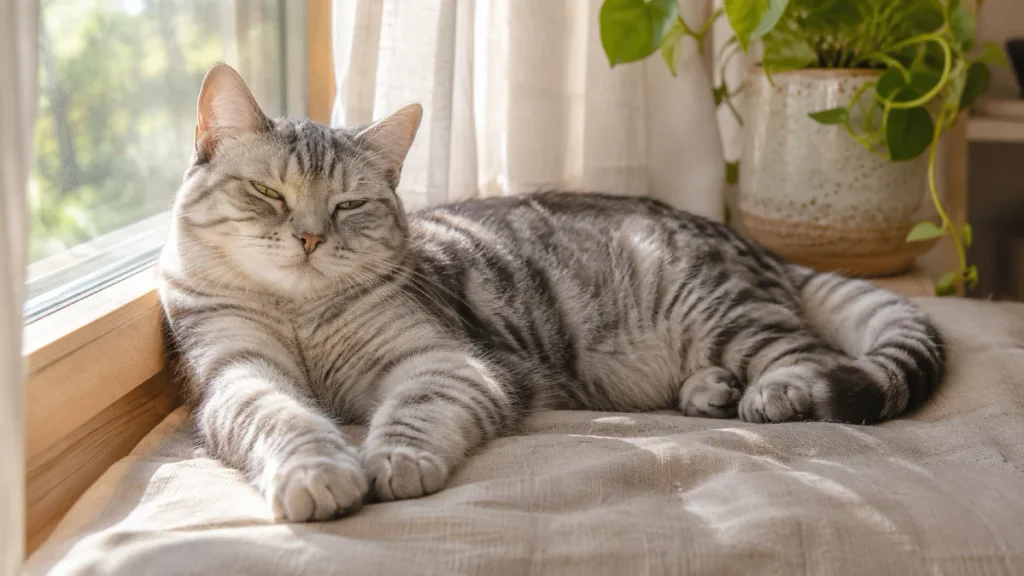
Have you ever caught your cat looking at you with sleepy eyes before slowly closing and opening them? That gentle movement may be one of the sweetest ways your cat communicates comfort. It is commonly known as the cat slow blink.
Researchers have studied this behavior because cats use their eyes to communicate. A 2020 study published in Scientific Reports found that cats responded more often with slow blinking when their owners slowly blinked at them. The researchers also found that cats were more willing to approach an unfamiliar person following a slow blink interaction.
This suggests slow blinking can be part of positive communication between cats and humans. However, it does not always mean affection. Cats may also narrow their eyes in stressful situations, so their overall body language matters.
Try this: When your cat looks relaxed, soften your gaze and slowly close your eyes for a moment. Open them gently and look slightly away instead of staring. Your cat may blink back, or they may simply continue relaxing.
There is no need to force a response. A comfortable cat that chooses to remain nearby may already feel secure around you.
2. Your Cat Gives You Gentle Head Bumps to Show Familiarity
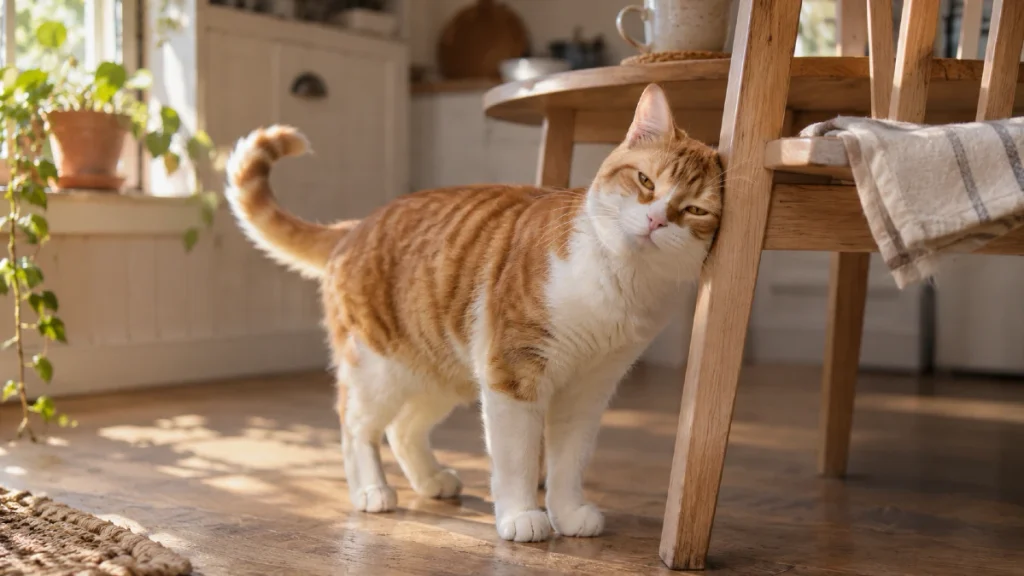
Your cat walks over, presses their forehead against your hand, and then pushes their cheek against your arm. It may look like they are asking for attention. But there is something interesting happening during that little head bump.
Cats have scent glands around their cheeks, forehead, and chin. When they rub these areas against familiar people or objects, they leave behind scent signals. This behavior is commonly called head bunting.
According to Cats Protection, rubbing against people can be a friendly greeting and a way of creating familiar scent associations. It helps cats maintain a sense of comfort in their surroundings. Your cat may also use head bumps to request food, play, or attention.
Watch what happens after the bump. A cat that keeps rubbing against you with relaxed ears and a loose body may be enjoying the interaction. They might even lean against your hand for another gentle scratch.
What you should do: Let your cat make the first move. If they continue rubbing against your hand, gently scratch their cheeks or chin. Avoid grabbing their head or pulling them closer when they want to leave.
The important part is that your cat chooses to approach you. That voluntary contact can be a meaningful sign of social comfort.
3. Your Cat Greets You With a Raised Tail
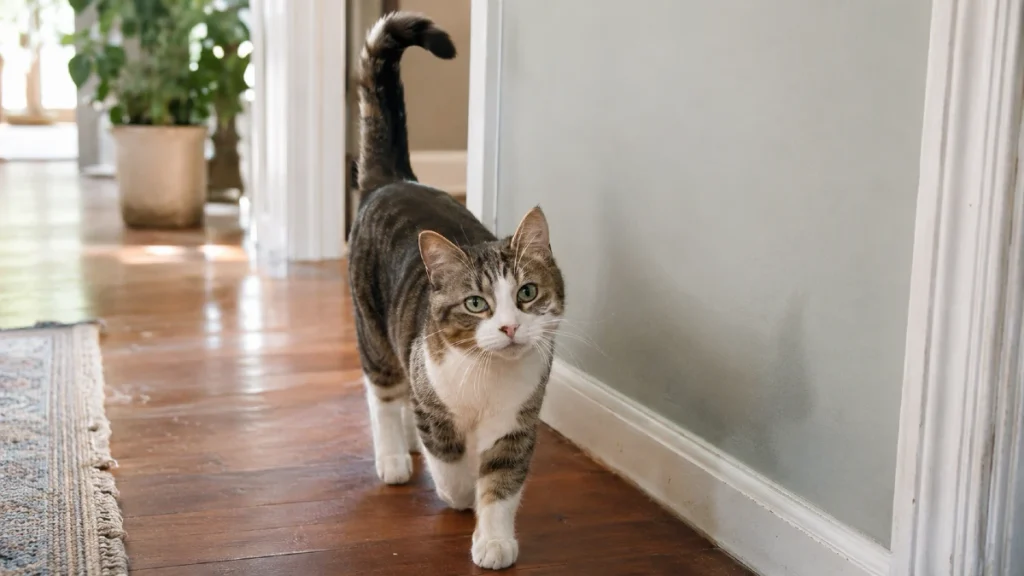
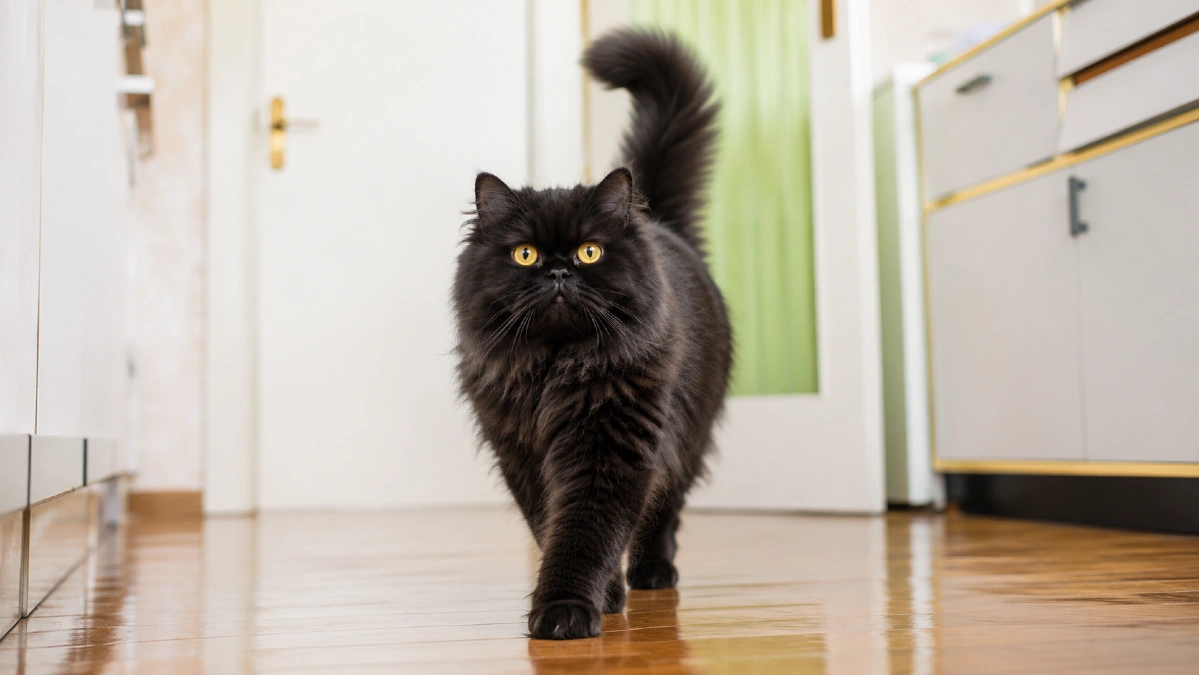
You walk through the door, and your cat approaches with their tail pointing straight upward. They may make a soft chirping sound or brush against your legs. That upright tail can be a friendly greeting.
Cats use their tails to communicate different feelings. Cats Protection identifies an upright, relaxed tail as a common sign of a friendly cat approaching someone. A slight curve near the tip can also appear during a relaxed greeting.
However, tail position alone cannot tell you everything. A cat’s ears, fur, movements, and overall posture help explain what the tail means.
What Your Cat’s Tail Is Telling You
Your cat’s tail can help you decide whether to offer attention or give them space. Use these common patterns alongside the rest of their body language.
| Tail position | Possible meaning | Best response |
|---|---|---|
| Upright and relaxed | Friendly greeting | Let them approach |
| Low or tucked | Fear or uncertainty | Give them space |
| Puffed and stiff | Fright or alarm | Avoid touching |
| Fast swishing | Agitation or excitement | Pause interaction |
A relaxed greeting usually comes with comfortable ears, easy movements, and a willingness to approach. If the tail looks tense or the cat seems frightened, avoid reaching toward them.
The next time your cat greets you with their tail held high, watch what happens afterward. If they move closer and invite contact, they may be happy to have you around.
4. Your Cat Chooses Your Lap Without Being Invited
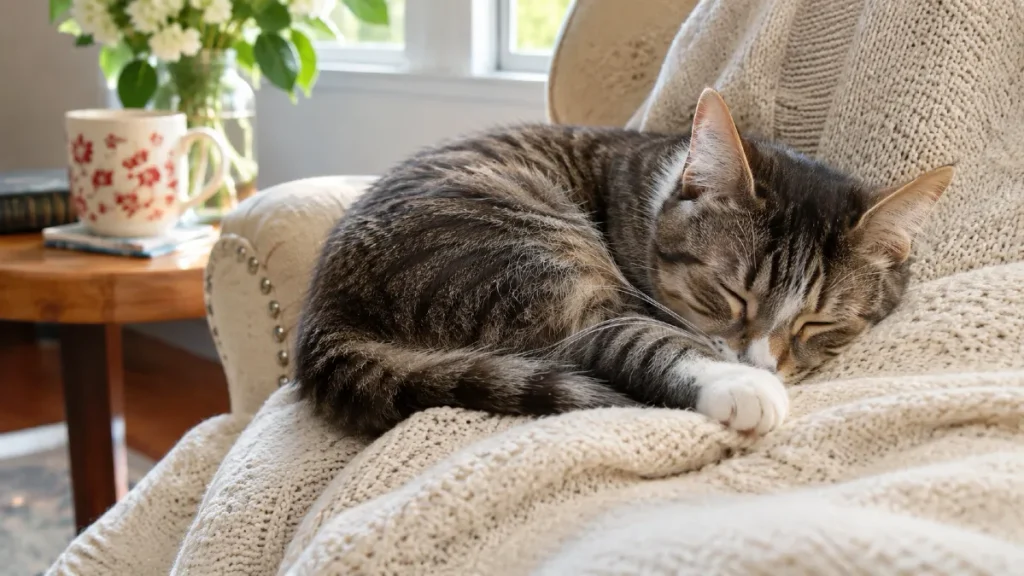
Your cat has an entire house filled with comfortable places to rest. Yet they walk past their bed, climb onto the sofa, and settle directly on your lap. That choice may reflect how comfortable they feel being close to you.
Cats often seek warm, soft places to rest, so warmth may be part of the reason. However, when your cat repeatedly chooses your company while looking relaxed, it can also show a positive social bond. This is especially meaningful when they approach without food or another obvious reward.
Some cats enjoy lying across their owner’s legs. Others prefer sitting beside them with just one paw resting against their arm. Both can be signs of affection, even though the amount of contact is different.
Do not assume that a lap loving cat also enjoys being picked up. Being held removes some of their freedom to move, which can make even affectionate cats uncomfortable. Letting them choose when to leave is important.
If your cat settles on you, keep your movements calm and offer gentle petting if they welcome it. When they decide to get up, let them go without stopping them.
Trust grows when your cat learns that closeness does not mean losing control over what happens next.
5. Your Cat Falls Asleep Near You Without Staying Alert
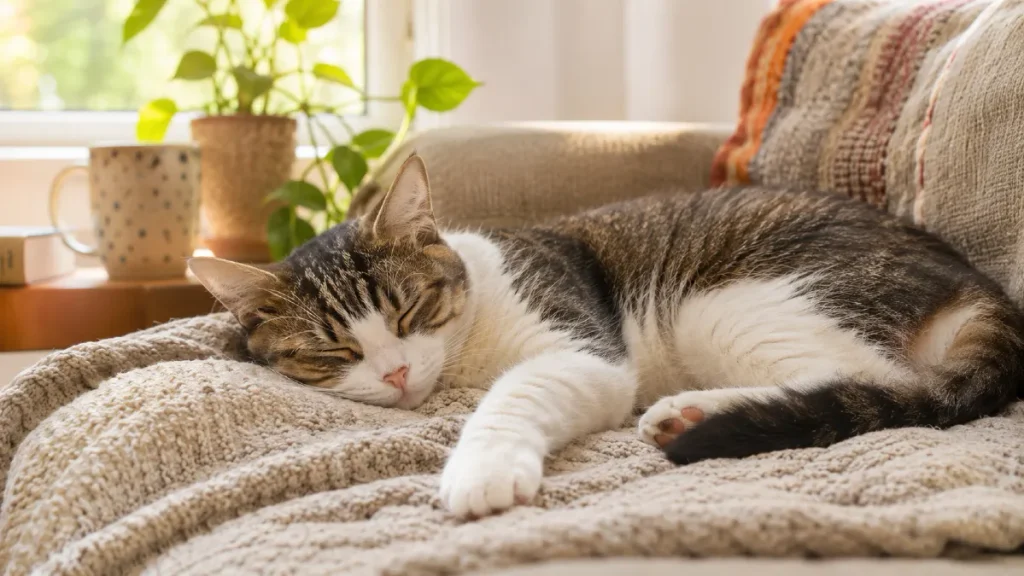
Cats spend a great deal of time resting, but they still pay attention to what happens around them. When your cat feels uncertain, they may choose hiding places or remain ready to move. Relaxed sleep looks quite different.
Perhaps your cat stretches across the couch while you read. Their paws loosen, their eyes close, and their body settles comfortably against the cushion. They may even sleep with their back facing you.
These behaviors can suggest that your cat feels safe in the space you share. PetMD identifies sleeping near familiar people as one possible way cats show affection. However, cats also choose sleeping spots for warmth, quiet, and comfort.
Look for relaxed body language, rather than focusing on the sleeping position alone. A soft posture, loose limbs, and calm breathing offer more useful clues than whether your cat is touching you.
Your cat does not need to sleep on your pillow or curl up against your chest to demonstrate trust. Choosing a nearby chair or the other end of your bed can be enough.
Resist the urge to wake them for cuddles. Allowing your cat to rest without being disturbed helps preserve the comfortable space they have chosen.
6. Your Cat Follows You Around Even When Food Is Not Involved
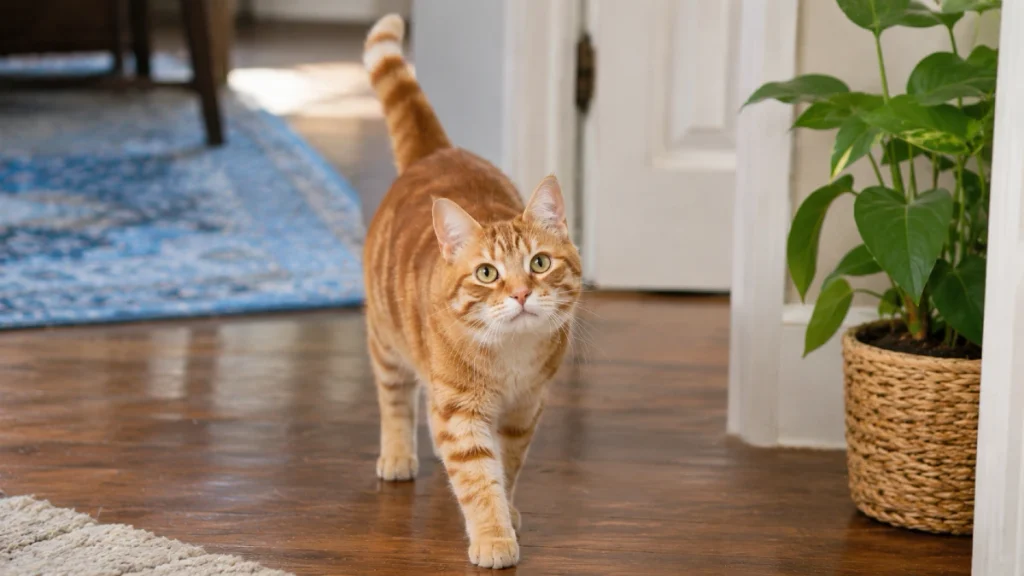
You get up to grab a book, and your cat appears behind you. You walk into another room, and a few moments later, they arrive too. It can feel like you have a tiny shadow following your every move.
Some cats follow people because they enjoy their company. Cats Protection explains that following can reflect attention seeking, hunger, curiosity, boredom, or a desire to stay close to a familiar person. The reason often depends on when the behavior happens.
A cat that follows you before dinner may be waiting for food. But a cat that regularly joins you during quiet activities and then settles comfortably nearby may simply enjoy sharing your space.
Why Your Cat Might Follow You
Watching when your cat follows you can help reveal what they need. These examples can help you choose a suitable response.
| Situation | Possible reason | What to do |
|---|---|---|
| Before regular meals | Hunger or routine | Keep meals consistent |
| During quiet activities | Social interest | Welcome their company |
| Near closed doors | Curiosity or access | Check their needs |
| Sudden constant following | Stress or illness | Contact your vet |
If your cat seems bored, provide more opportunities for play and exploration. A puzzle feeder such as the Catit Senses Food Tree or an interactive toy such as the KONG Teaser Curlz can give them something interesting to do.
These products are optional, and ordinary toys can work just as well. What matters is giving your cat opportunities for play and allowing them to choose when to join you.
A cat that calmly follows you without demanding anything may be showing that your presence is enjoyable in its own right.
7. Your Cat Kneads You When They Feel Relaxed
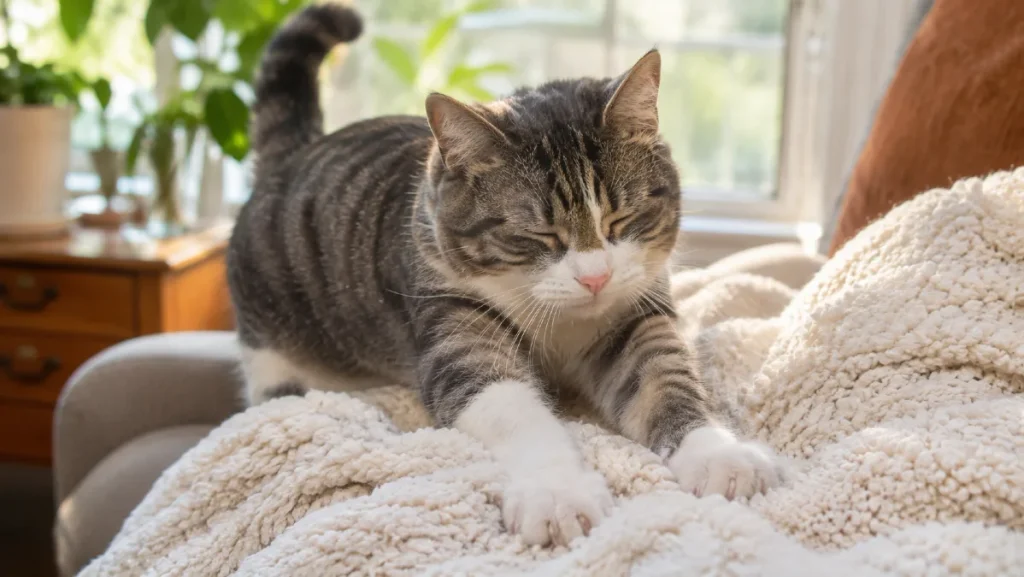
You settle onto the sofa, and your cat climbs onto your lap. Soon, their front paws begin pressing against your legs in a slow, alternating rhythm. Cat owners often call this behavior making biscuits.
Kneading begins during kittenhood when kittens press their paws against their mother’s belly while nursing. Some cats continue this movement as adults, particularly when they are comfortable. They may knead blankets, soft beds, or familiar people.
VCA Animal Hospitals explains that kneading may help cats settle into a resting spot, communicate comfort, or deposit scent from glands in their paws. When your cat kneads you while looking relaxed, it can be a sign that they feel good in your company.
Some cats also purr while kneading. Although purring often accompanies pleasant moments, it can also occur during stress or pain. That is why a relaxed body and normal behavior are important.
If your cat’s claws make kneading uncomfortable, place a soft blanket between their paws and your skin. Keeping their claws properly trimmed can also help.
Avoid scolding or pushing your cat away roughly. If you need to move them, gently encourage them onto a nearby blanket.
A cat that willingly settles against you and kneads in comfort may see you as part of a familiar, peaceful routine.
8. Your Cat Shows You Their Belly Without Fear
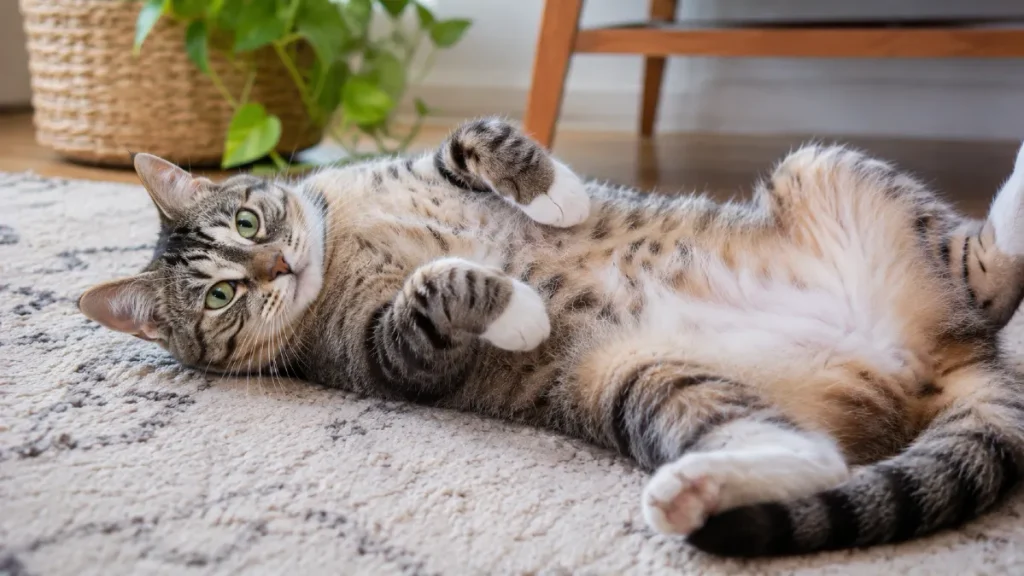
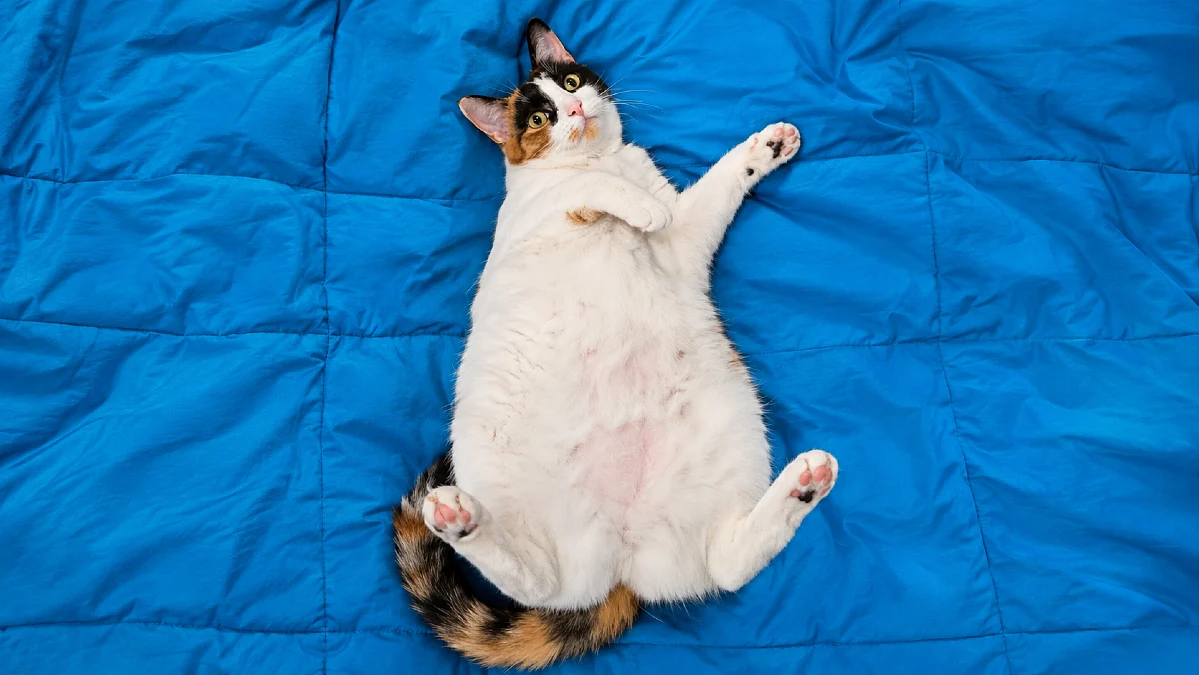
Your cat sees you enter the room, drops onto the floor, and rolls onto their back. Suddenly, their belly is fully exposed, with their paws curled loosely in the air. It can look like an obvious invitation to rub their tummy.
But this is where many cat owners make a mistake. Showing the belly does not automatically mean a cat wants it touched.
The belly is a vulnerable part of a cat’s body. Rolling onto their back with relaxed movements can show that they feel comfortable in their surroundings. It may also be part of a friendly greeting.
In February 2026, Cats Protection published guidance featuring Clinical Animal Behaviourist Daniel Warren Cummings on why cats roll onto their backs. The guidance explains that rolling can reflect a friendly greeting, attention seeking, or simple comfort. It also warns that many cats dislike belly touching.
Watch for a soft body, relaxed ears, and gentle movements. These signs offer a better picture of comfort than belly exposure alone. A cat that looks stiff, frightened, or ready to strike needs space instead.
The safest response: Speak gently and allow your cat to decide whether they want contact. If they approach your hand, try a soft cheek or chin scratch rather than reaching for their stomach.
By respecting that boundary, you show your cat that they can relax around you without worrying about unwanted touching.
9. Your Cat Gently Licks You During Quiet Moments
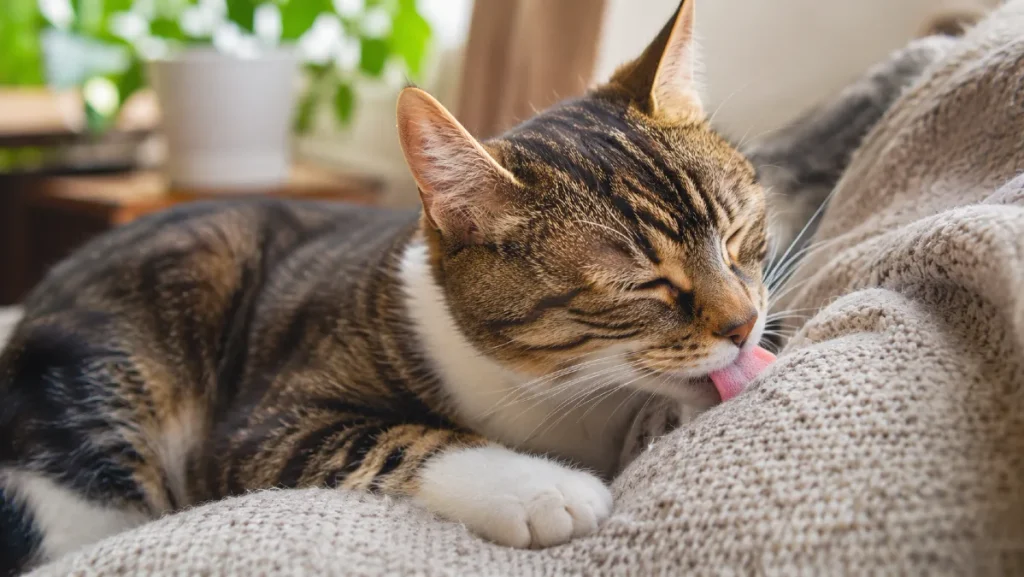
You are sitting quietly when your cat begins licking your hand. Their rough little tongue brushes across your skin, sometimes followed by another affectionate nudge. It can feel like they are trying to groom you.
Cats spend time grooming themselves, and friendly cats may also groom one another. This social behavior helps maintain their coats and can form part of their social relationships. Some cats direct similar licking behavior toward their human companions.
VCA Animal Hospitals explains that cats may lick people to express affection, seek attention, or respond to interesting smells and tastes. Your cat might enjoy the salt on your skin or learn that licking gets a friendly response. A relaxed cat that occasionally licks you during calm contact may be showing social interest.
The key is to look at the full situation. Gentle licking while resting near you differs from sudden, constant licking paired with restless behavior. Changes in grooming habits can sometimes point to stress or a health concern.
Avoid letting your cat lick open wounds, your mouth, or skin covered in lotions or medicines. Some products applied to human skin can be harmful if swallowed by pets.
If your cat’s licking suddenly becomes excessive, contact your veterinarian. Otherwise, you can simply enjoy their company and redirect unwanted licking with a toy or gentle movement.
Not every cat enjoys licking people. Some express the same social comfort by resting nearby, rubbing against you, or asking for a chin scratch.
10. Your Cat Comes Back for More Affection After You Stop
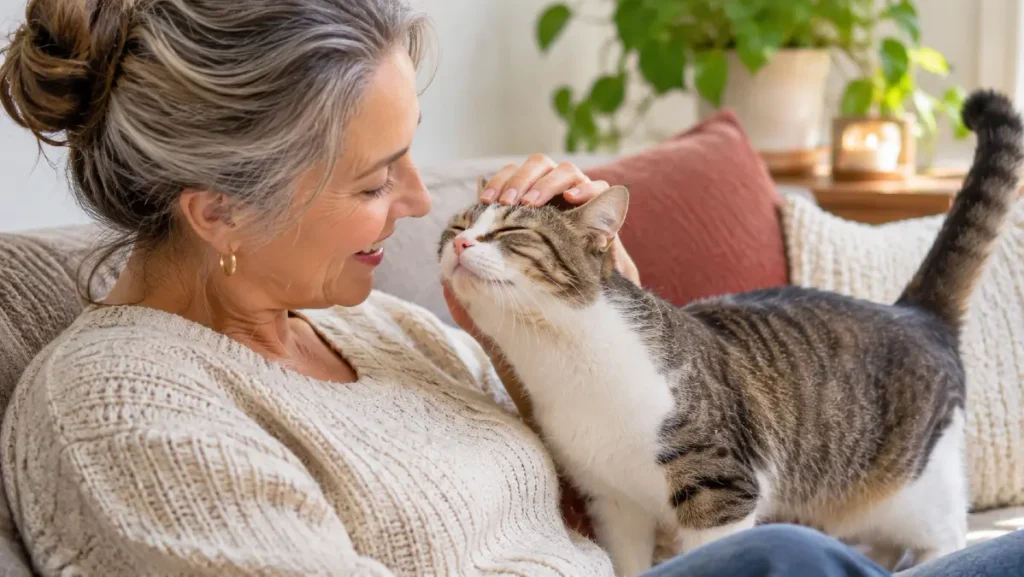
One of the most useful signs that your cat is comfortable with you happens when you stop petting them. Instead of walking away, they lean toward your hand or gently rub against your fingers. They are choosing to continue the interaction.
This matters because cats often prefer having control over physical contact. A cat may enjoy a few seconds of petting but become uncomfortable when the touching continues for too long. Learning when to pause helps make interactions more pleasant.
Feline behavior researcher Dr. Lauren Finka helped develop guidelines for friendly interactions with cats. The method uses the letters CAT to remind people to provide choice, pay attention to body language, and limit unwanted touching. Research published in Frontiers in Veterinary Science in 2021 found that these guidelines improved interactions between people and cats.
You can use the same idea at home. Offer gentle petting around the cheeks or chin, then pause and watch your cat’s response.
How to Tell If Your Cat Wants More Petting
Your cat’s movements can help you decide when to continue and when to stop. Pay attention to changes during the interaction, rather than relying on one signal.
| Body language | Possible message | Your response |
|---|---|---|
| Leans into your hand | Welcomes contact | Pet gently |
| Rubs against your fingers | Seeks interaction | Offer brief strokes |
| Turns head sharply | May feel uncomfortable | Stop and observe |
| Tail starts lashing | Possible irritation | Pause touching |
| Walks away | Interaction is over | Let them leave |
If your cat moves closer after a pause, you can offer another short period of petting. If they turn away or leave, respect their choice without following them.
This small habit helps your cat learn that they can approach you without being trapped in an interaction. Over time, that sense of control can make social contact more comfortable.
A cat that repeatedly chooses your company and willingly returns for affection is showing something meaningful. They are comfortable enough to seek contact while knowing they can also walk away.