You feed your cat, give them a comfortable home, and make sure they have everything they need. Yet you might still wonder whether your cat genuinely trusts you or simply stays close because you provide food.
Cats express affection in ways that are easy to miss. Something as ordinary as closing their eyes near you, stretching out on the couch, or gently pressing their paws into your lap may reveal how comfortable they feel in your company.
Unlike humans, cats cannot tell you when they feel emotionally secure. Instead, they communicate through their posture, movements, facial expressions, and everyday habits. Many of their most meaningful signs of affection happen during quiet moments when you are barely paying attention.
1. Your Cat Slowly Blinks at You Without Looking Away
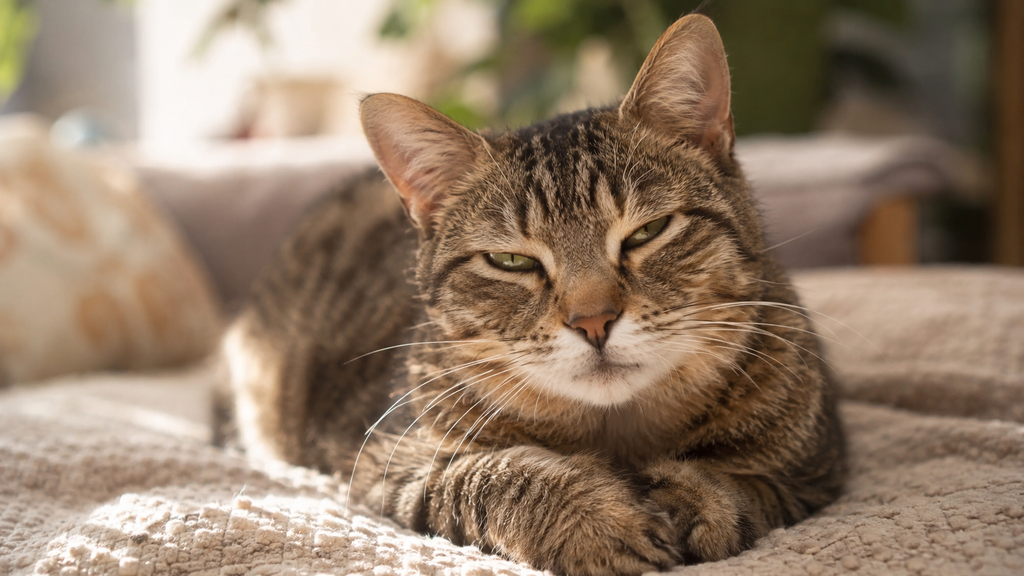
Have you ever caught your cat staring at you before slowly closing their eyes? What appears to be a sleepy expression may actually be a friendly form of communication.
Cats often pay close attention to their surroundings when they feel uncertain. When your cat looks at you with soft eyes and slowly closes their eyelids, it can suggest that they feel comfortable enough to relax.
A 2020 study published in Scientific Reports examined slow blinking between cats and humans. Researchers found that cats responded to human slow blinking with similar eye movements and were more willing to approach an unfamiliar person following this interaction.
This makes slow blinking one of the more interesting signs of positive communication between you and your cat. You might notice it while sitting on the couch, lying in bed, or quietly talking to your pet.
How to Return Your Cat’s Slow Blink
You can respond to this behavior without touching your cat or interrupting their personal space. Sit comfortably nearby and gently soften your facial expression.
Slowly narrow your eyes, close them briefly, and open them again. Avoid staring directly at your cat for a long period, as intense eye contact can make some cats uncomfortable.
Your cat may return the gesture, look away, or simply continue resting. All three responses are fine, and there is no need to repeat the gesture until you get a reaction.
However, frequent squinting, especially in one eye, can indicate irritation or discomfort. If you notice redness, swelling, or discharge, contact your veterinarian rather than assuming it is a sign of affection.
2. Your Cat Shows You Their Belly Without Feeling Threatened
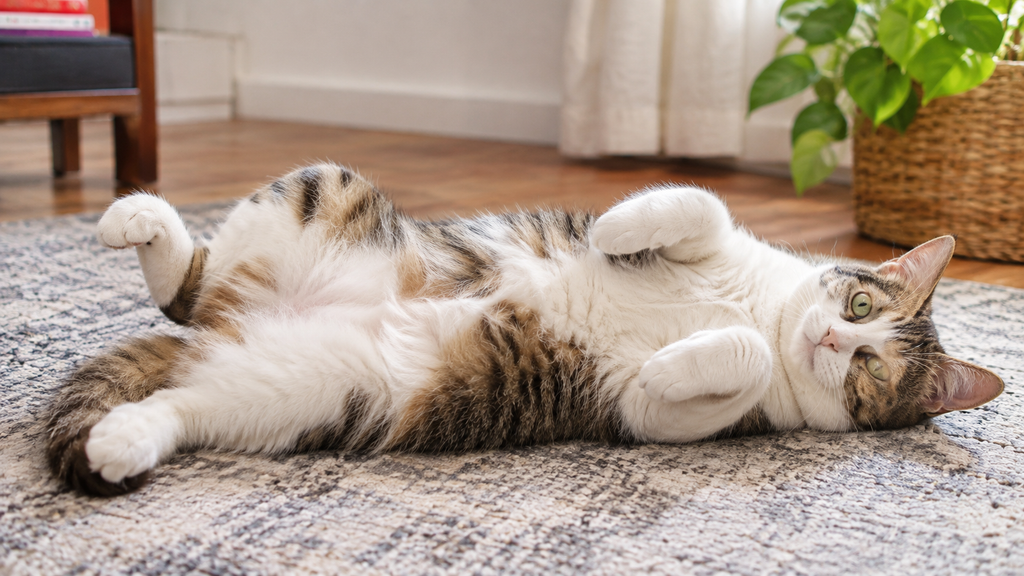
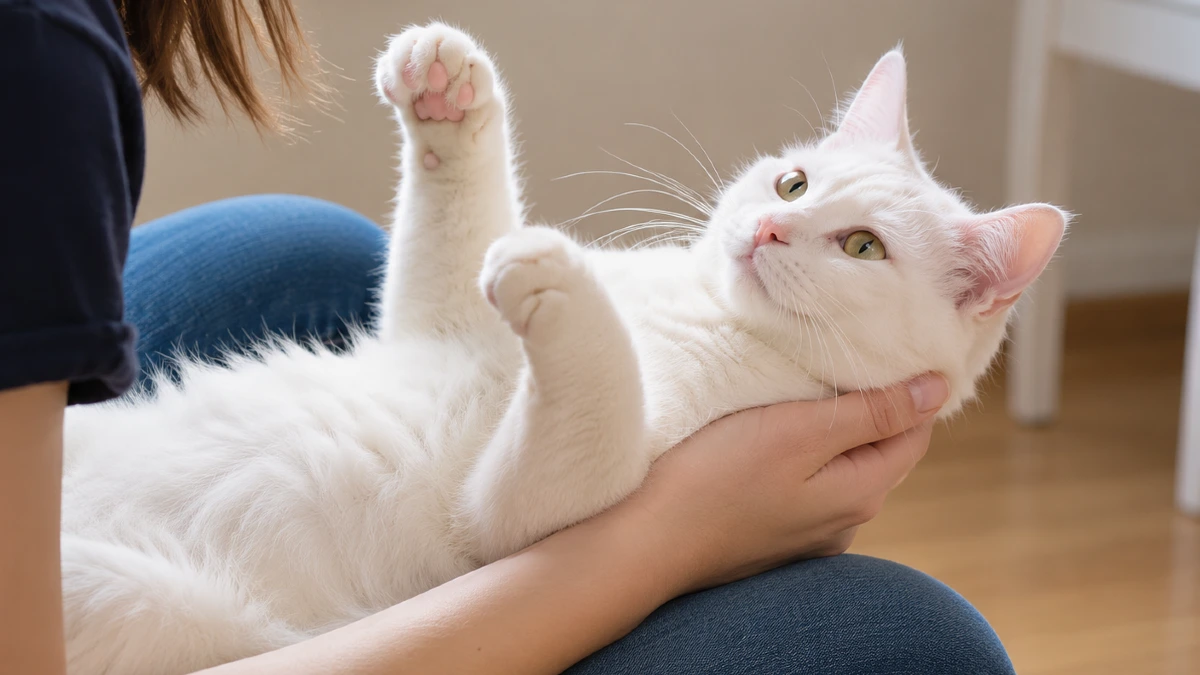
One afternoon, your cat might stretch out beside you, roll onto their back, and expose their entire stomach. You may immediately reach down to rub their belly, only to receive a sudden swat.
That reaction does not necessarily mean your cat has stopped trusting you. It may simply mean that you misunderstood what they were communicating.
Cats Protection explains that a cat displaying its belly while resting comfortably can be expressing relaxation. Your cat’s stomach is a sensitive area, and exposing it during a peaceful moment may indicate that they feel secure in their surroundings.
However, showing you their belly is not always an invitation to touch it. Many cats prefer having their cheeks, chin, or head gently stroked instead.
How to Know Whether Your Cat Is Actually Relaxed
Look at your cat’s entire body before deciding how to respond. A comfortable cat lying on its back can look quite different from one preparing to defend itself.
| Body signal | Relaxed cat | Uncomfortable cat |
|---|---|---|
| Ears | Natural position | Flattened or pulled back |
| Eyes | Soft or partly closed | Wide or intensely focused |
| Paws | Loose and resting | Raised defensively |
| Tail | Still or resting loosely | Repeatedly flicking or thrashing |
| Body posture | Stretched and loose | Stiff and tense |
Consider several signals together rather than relying on one movement. Your cat’s pupils, for example, can also change according to the amount of light in the room.
When your cat exposes their belly, the best response may be to do nothing. Allowing them to remain comfortable without unwanted touching can help maintain the trust behind that moment.
3. Your Cat Chooses to Fall Asleep Beside You
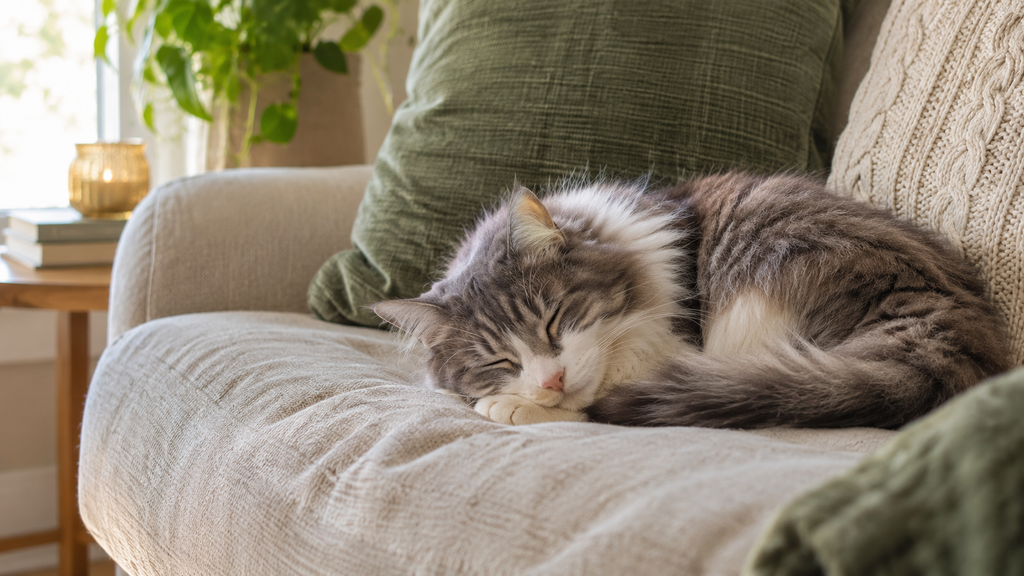
Your cat has an entire house to explore, yet they regularly choose to sleep beside your legs, near your pillow, or on the couch next to you. That choice may say more about your relationship than you realize.
Cats need places where they can rest without constant disturbance. Familiar smells, comfortable temperatures, and predictable surroundings all influence where they choose to sleep.
According to PetMD’s 2026 guidance on feline affection, choosing to sleep near a familiar person can be a sign of trust and attachment. Your presence may have become a comfortable part of your cat’s daily routine.
Your cat does not have to sleep directly on your body for this behavior to count. Resting at the opposite end of the couch or choosing a chair beside your bed may also reflect comfort with your company.
Why Your Cat Might Prefer Sleeping Nearby
Some cats enjoy physical contact, while others prefer having room to stretch and move freely. A cat that sleeps near you without touching you may simply have different comfort preferences.
Temperature can also influence this choice. Your cat might sleep against your legs during winter and move to a cooler surface when summer arrives.
Make shared resting areas more inviting by providing a soft blanket, a comfortable cat bed, or a quiet elevated spot. Avoid repeatedly waking your cat to pet them or picking them up while they are resting.
When your cat knows that sleeping near you does not lead to unwanted attention, they may feel more comfortable choosing that spot again. Respecting their rest is a simple way to support your relationship.
4. Your Cat Kneads You Like a Favorite Blanket
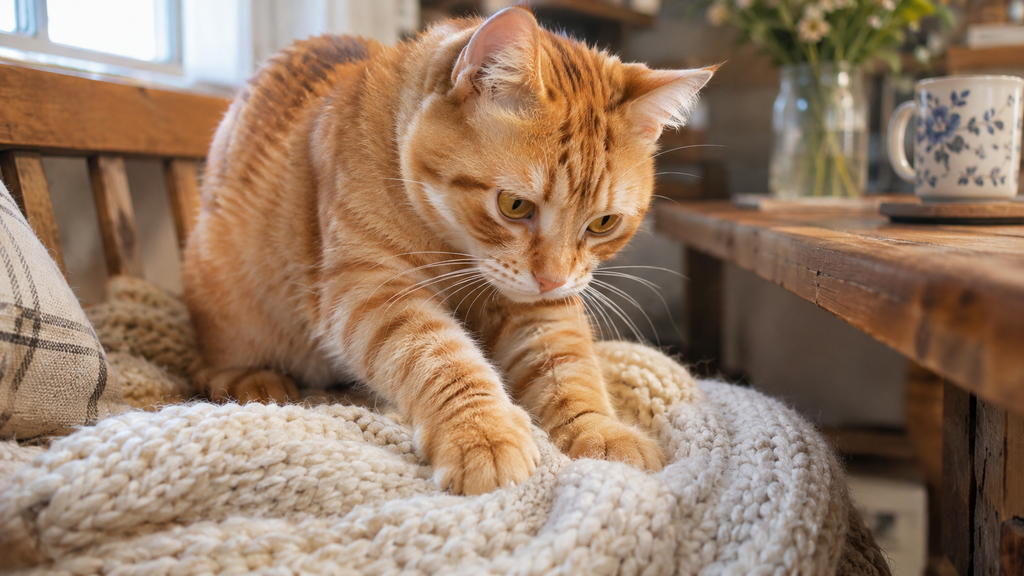
If your cat climbs onto your lap and repeatedly presses their front paws into your legs, you have probably experienced what cat owners call making biscuits. It is a familiar behavior that often appears during comfortable moments.
Kneading begins during kittenhood when kittens press their paws against their mother while nursing. Many cats continue this behavior long after they become adults.
VCA Animal Hospitals explains that kneading is commonly associated with relaxation and comfort. Adult cats may knead blankets, cushions, beds, or the people they enjoy resting beside.
When your cat kneads your lap while settling down with relaxed eyes and a loose body, it may suggest that your presence brings them a sense of familiarity and security. Some cats also purr or gently close their eyes during the process.
What If Your Cat’s Kneading Hurts?
Your cat may naturally extend their claws while kneading. Although this can feel uncomfortable, it does not automatically mean they are trying to hurt you.
Place a thick fleece blanket over your lap before your cat settles down. This allows them to continue their normal behavior without scratching your skin.
If you need to move your cat, gently guide them onto a nearby cushion rather than shouting or pushing them away suddenly. Punishing a normal comfort behavior may create unnecessary fear around physical contact.
And if your cat never kneads you, there is no reason to worry. Some cats express comfort through other habits, and kneading is not a requirement for a trusting relationship.
5. Your Cat Rubs Their Face Against You and Gives Gentle Headbutts
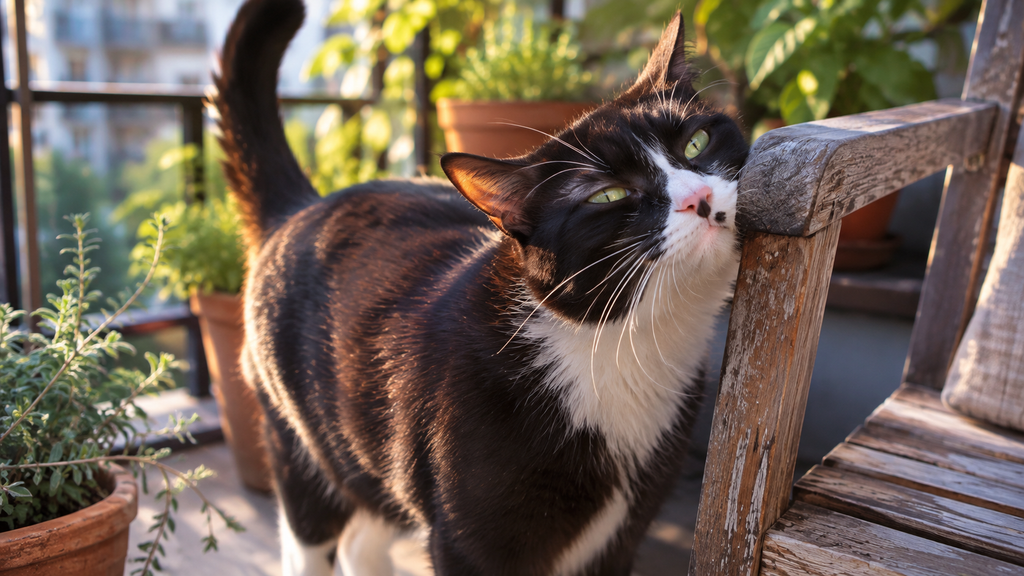
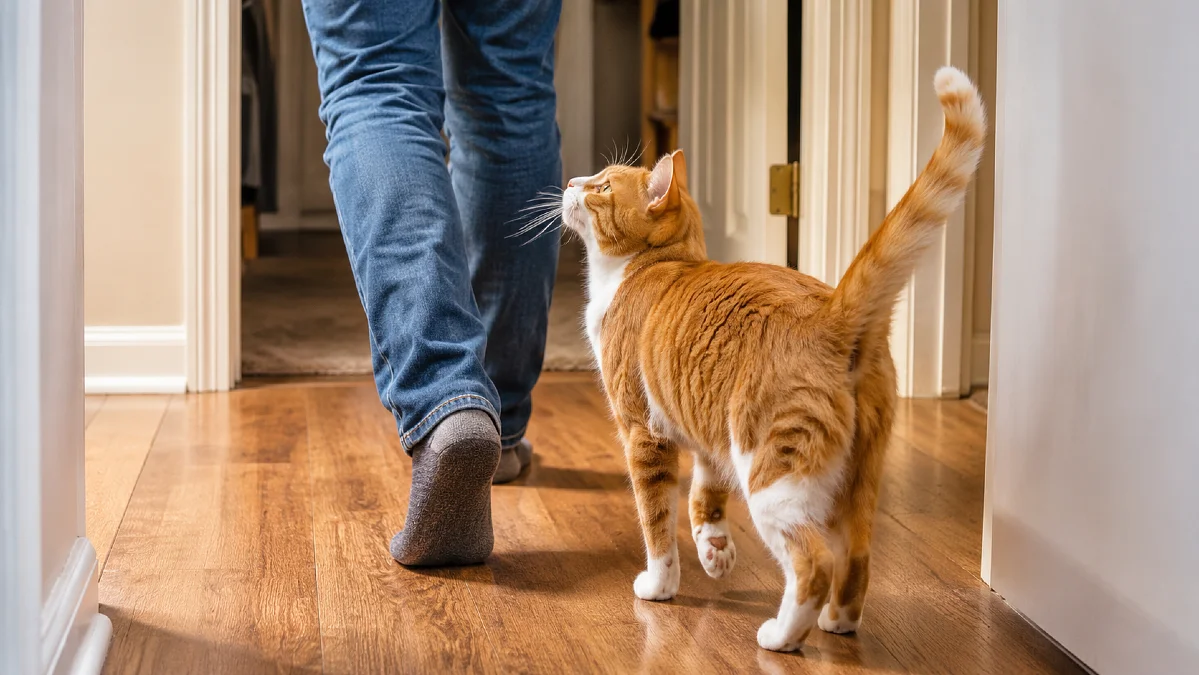
You walk through the front door, and your cat approaches with their tail raised before rubbing their cheeks against your legs. Later, they might gently press their forehead against your hand or face.
These little greetings can be meaningful forms of feline communication. They combine physical contact with the exchange of familiar scents.
VCA Animal Hospitals explains that cats have scent glands around several areas of their face, including their cheeks and chin. When your cat rubs against you, they can leave behind scent signals that contribute to familiarity.
Gentle headbutting, also called head bunting, commonly occurs during friendly social interactions. Your cat may be greeting you, seeking attention, or expressing comfort through physical contact.
The important detail is that your cat chooses to approach you. They are initiating an interaction rather than being held or encouraged to remain somewhere against their wishes.
What Your Cat’s Physical Contact May Mean
Cats use several types of physical contact during friendly interactions. Recognizing these small differences can help you respond in a way your cat enjoys.
| Behavior | Possible meaning | Best response |
|---|---|---|
| Gentle headbutting | Friendly social contact | Offer gentle head strokes |
| Cheek rubbing | Familiar scent exchange | Allow voluntary contact |
| Rubbing against legs | Greeting or attention seeking | Acknowledge them calmly |
| Gentle nose touching | Friendly investigation | Remain still |
| Leaning against you | Comfort or contact seeking | Let your cat choose the distance |
You do not need to turn every greeting into a long petting session. Sometimes your cat simply wants to make brief contact before returning to another activity.
It is also important to distinguish gentle head bunting from repeated, abnormal head pressing against walls or other hard surfaces. The latter can indicate a serious medical problem and requires prompt veterinary attention.
6. Your Cat Gently Grooms You Like a Member of Their Family
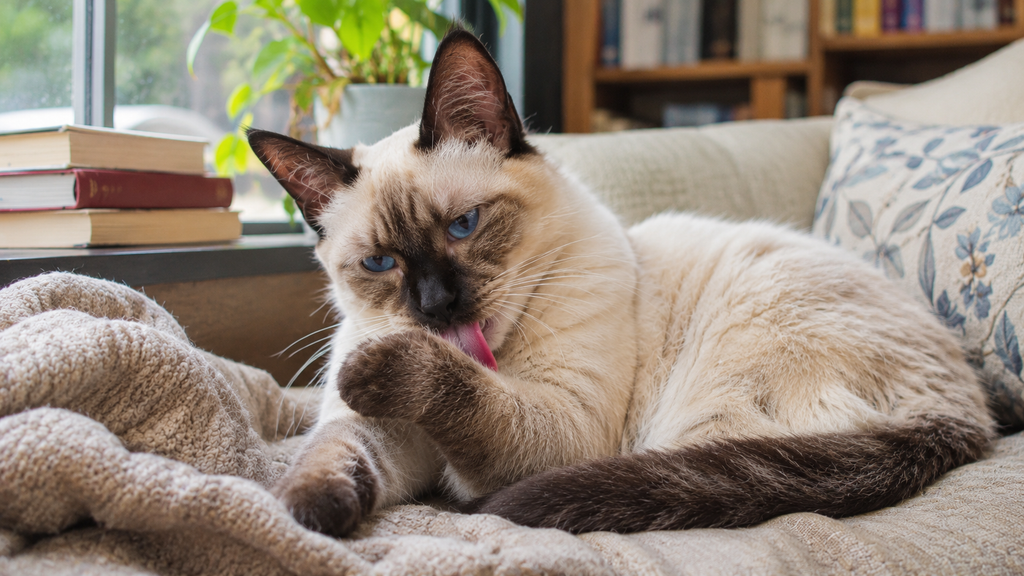
Your cat settles beside you and suddenly begins licking your hand, wrist, or hair. Although their rough tongue might feel uncomfortable, the behavior may be part of a friendly social interaction.
Cats that share a comfortable relationship sometimes groom one another. This behavior is known as social grooming, and it can help maintain bonds between familiar cats.
According to PetMD’s October 2026 guidance on feline licking, cats may extend similar grooming behaviors to their human companions. Your cat might use licking as a way to interact with you and maintain a familiar social connection.
You may notice this while petting your cat, relaxing together, or allowing them to sit beside your head. Some cats alternate between licking your hand and resting peacefully against you.
However, affection is not the only possible explanation. Your cat might also enjoy the salty taste of your skin, want attention, or respond to a particular smell.
How to Respond When Your Cat Grooms You
If your cat occasionally licks your hand and appears comfortable, you can allow the interaction if you enjoy it. Avoid letting them lick open cuts, irritated skin, or areas covered with medication or potentially harmful skincare products.
If the licking becomes uncomfortable, slowly move your hand away and offer another activity. A soft grooming brush or favorite toy can provide a different way to spend time together.
Purina’s October 2026 guidance notes that excessive licking can sometimes indicate an underlying problem. Repeated grooming accompanied by hair loss, irritated skin, or noticeable behavioral changes should be discussed with a veterinarian.
Your cat does not need to groom you to consider you a trusted companion. What matters is whether your interactions remain comfortable and voluntary.
7. Your Cat Lets Their Playful Side Come Out Around You
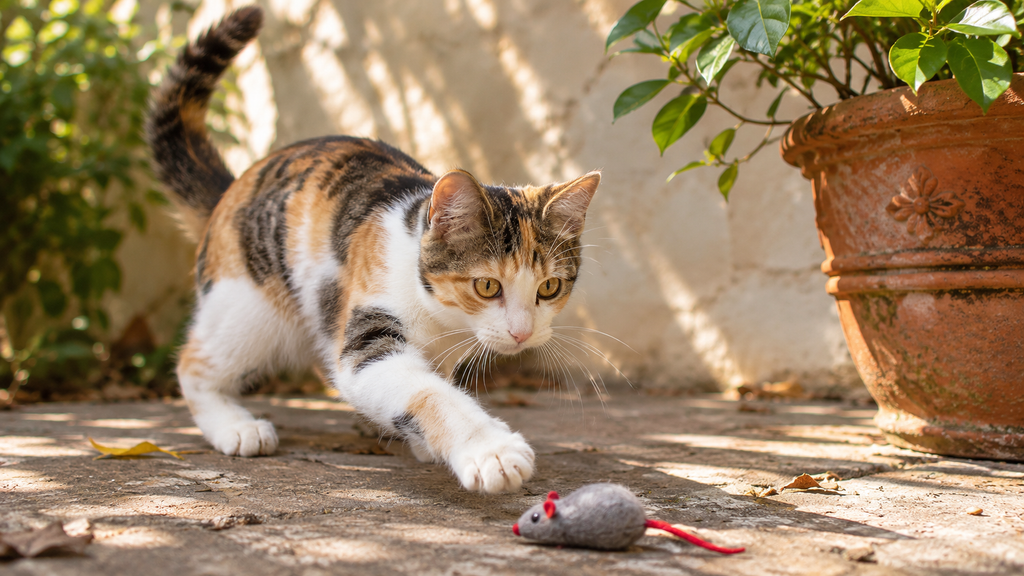
A cat that spends most of the day looking calm and serious might suddenly race through the living room, chase a toy, or crouch behind a chair before jumping out. These moments can reveal an active and curious side of their personality.
Play gives cats opportunities to express natural hunting behaviors. It also provides physical activity and mental stimulation, which are important parts of their everyday welfare.
The Merck Veterinary Manual’s April 2026 guidance identifies security, exploration, and play among a cat’s major behavioral needs. A comfortable environment can help your cat engage in these normal activities.
When your cat voluntarily approaches you with a toy, participates in a gentle game, or explores the room while you are nearby, it may suggest that they feel comfortable in your presence. Play becomes another opportunity to share positive experiences.
How to Recognize Comfortable and Playful Behavior
Not every sudden movement means your cat is having fun. Cats can also become highly active when startled, frustrated, or uncomfortable.
Watching how your cat behaves before and after an activity can provide useful clues about their emotional state.
| Behavior | Comfortable cat | Possible stress |
|---|---|---|
| Play | Voluntarily chases toys | Frequently avoids interaction |
| Exploration | Investigates familiar spaces | Remains hidden |
| Movement | Loose, active movements | Repeated tense crouching |
| Social contact | Approaches by choice | Frequently retreats |
| Response to noise | Returns to normal activity | Remains fearful or hidden |
These differences are clues rather than a medical diagnosis. Always consider your cat’s usual personality, age, health, and recent changes at home.
A senior cat with arthritis, for example, may prefer watching or gently batting a toy instead of chasing it across the room. Reduced activity does not automatically indicate a lack of trust.