You feed your cat, clean their litter box, buy their favorite treats, and make sure they have a comfortable place to sleep. Yet somewhere in the back of your mind, one question keeps coming up. Are you actually doing a good job as a cat parent?
Your cat cannot tell you whether they feel safe, happy, or loved. Some cats follow their owners everywhere, while others prefer watching from across the room. That makes it difficult to know whether you are getting things right.
But your cat may already be giving you some valuable clues through their everyday behavior.
1. Your Cat Trusts You Enough to Relax and Feel Safe
One of the strongest signs that you are a good cat parent is that your cat feels safe around you. Cats may be skilled hunters, but they are also animals that naturally watch for danger. Even inside a comfortable home, they need places where they can relax without feeling threatened.
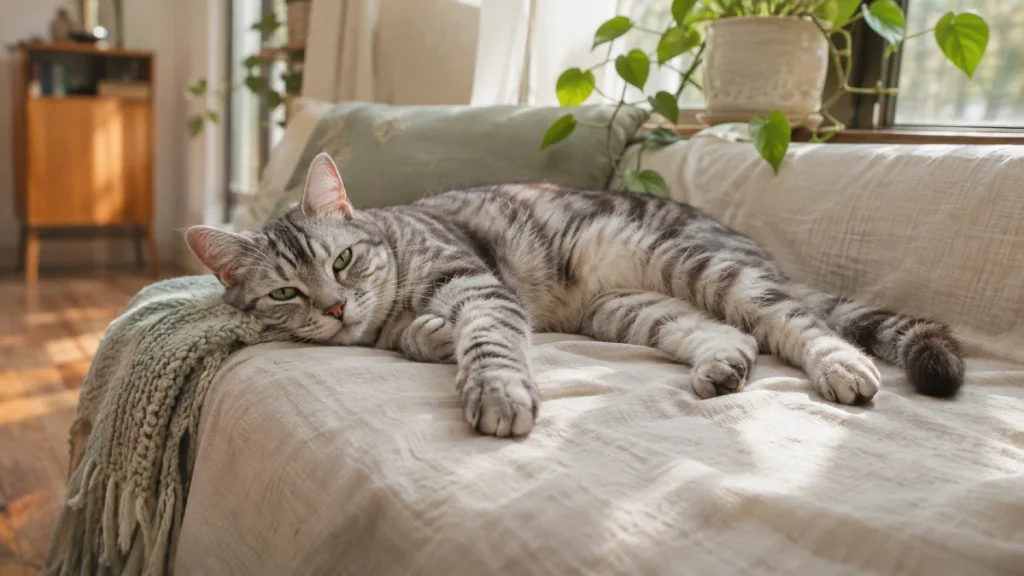
When your cat stretches out on the sofa, sleeps beside you, or rests in the middle of a room, they may be showing that they feel secure. They do not feel the need to stay alert every moment.
This is especially meaningful when your cat chooses to relax near you. Your presence has become a familiar part of their safe surroundings.
Why Your Cat Shows You Their Belly
Have you ever walked into a room and found your cat lying on their back with their belly exposed? It can be a lovely sign that they feel comfortable in their surroundings.
A cat’s belly is a vulnerable part of their body. When they expose it while resting with loose muscles and a calm expression, they may be showing that they feel safe.
But there is something important to remember. Showing the belly does not always mean your cat wants a belly rub.
Many cats dislike having their stomach touched, even by someone they trust. Reaching toward their belly may cause them to grab your hand or move away.
Respecting that boundary is one of the simplest ways to show your cat that they can trust you.
How to Tell Whether Your Cat Really Feels Safe
Cats Protection and PDSA recommend looking at a cat’s complete body language rather than judging one action alone. A cat’s eyes, ears, muscles, and behavior together offer better clues.
Here are some common behaviors and how you can respond.
| Behavior | Possible meaning | Your response |
|---|---|---|
| Sleeping stretched out | Feels relaxed | Let them rest |
| Showing their belly | May feel secure | Avoid unwanted touching |
| Hiding in a quiet place | Wants privacy or safety | Give them space |
| Crouching with tense muscles | May feel worried | Reduce nearby stress |
These behaviors become more useful when you compare them with your cat’s usual habits. A cat who has always preferred a quiet hiding place may be perfectly comfortable there.
You can strengthen their sense of safety by providing a soft bed, a covered resting spot, and somewhere high to sit. Most importantly, let your cat decide when they want attention and when they need space.
A cat who feels comfortable enough to rest peacefully around you is giving you a meaningful sign of trust.
2. Your Cat Chooses to Spend Time With You
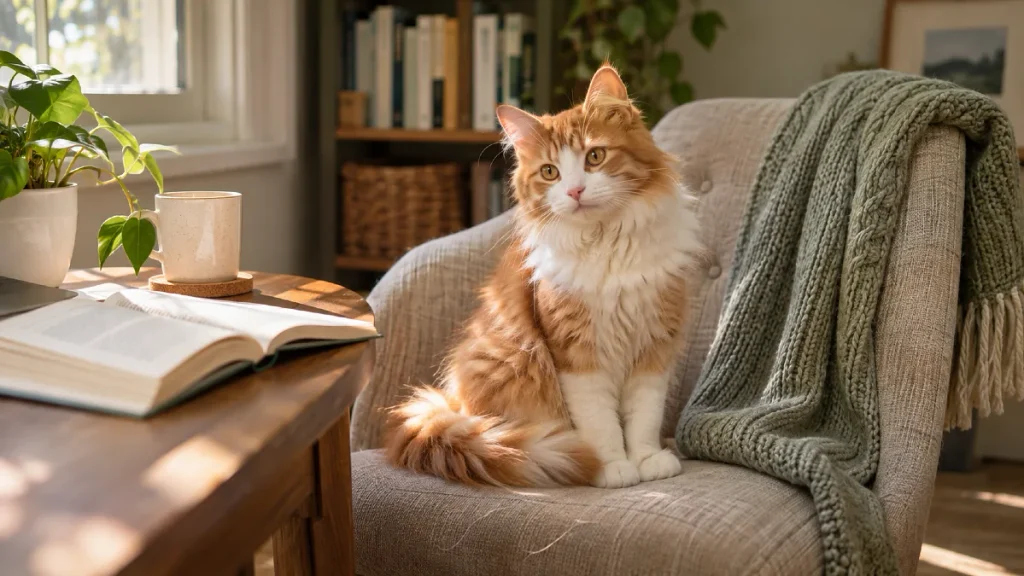
Does your cat follow you into the kitchen, appear when you sit on the couch, or come running when you arrive home? These small moments can mean more than you realize.
Although cats are often described as independent, many enjoy spending time with people they trust. They may have their own routines, but they can still form close social relationships.
The key is that your cat chooses to be near you when they have the freedom to do something else.
A cat who walks into your room and settles on a nearby chair may be seeking companionship. They might want your company without necessarily wanting to be touched.
Why Your Cat Follows You Around the House
Some cats seem determined to join every activity their owners do. They sit beside the computer, walk across the keyboard, or wait outside the bathroom door.
You might even notice your cat appearing whenever you settle down to read or relax. These repeated moments can become part of your shared daily routine.
However, following you is not always a sign of affection. Cats may also follow people because they expect food, want attention, feel curious, or need something.
A sudden increase in clingy behavior, especially with changes in appetite or energy, can sometimes signal stress or illness. That is why it helps to notice what is normal for your particular cat.
How to Build a Stronger Bond With Your Cat
You do not need to hold your cat constantly to create a close relationship. In fact, giving them choices can help them feel more comfortable around you.
Try these simple habits:
- Sit quietly near your cat without reaching for them.
- Let your cat approach before offering gentle petting.
- Make time for regular play with a favorite toy.
- Speak in a calm, familiar voice during daily routines.
- Stop petting when your cat turns away or seems uncomfortable.
The Feline Veterinary Medical Association supports positive reinforcement and gentle interactions that encourage cats to take part willingly.
You can use this approach by rewarding calm behavior with something your cat enjoys, such as praise, a small treat, or play.
And remember, some cats show companionship in quieter ways. Your cat does not have to sit on your lap to enjoy your presence.
If they regularly choose to spend peaceful moments near you, that can be a wonderful sign of a strong bond.
3. You Recognize the Signs of a Happy Cat
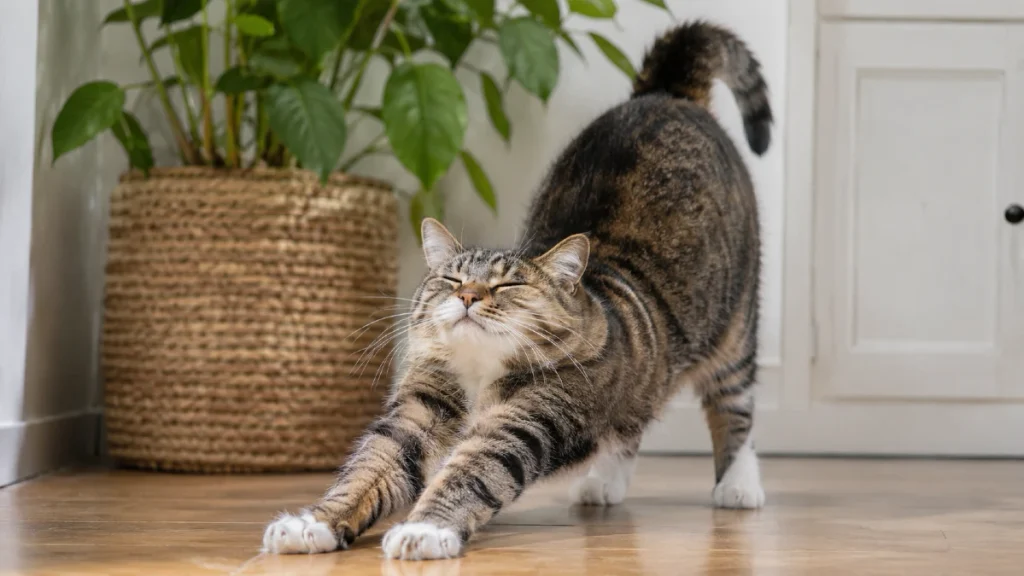
A good cat parent pays attention to what makes their cat feel comfortable and confident. But recognizing a happy cat is not always as easy as listening for a purr.
Cats communicate through their whole bodies. Their tails, ears, eyes, and posture can all provide clues about how they feel.
For example, a cat greeting you with an upright tail and relaxed body may be feeling friendly and confident. A cat resting with soft eyes and loose muscles is often comfortable.
But no single behavior tells the whole story.
Why Purring Does Not Always Mean Your Cat Is Happy
Most cat owners love hearing their cat purr. It often happens when a cat is resting comfortably, receiving gentle affection, or settling down for a nap.
However, purring is not always a sign of happiness.
Cats can also purr when they are stressed, uncomfortable, or in pain. PDSA and Cats Protection both explain that the surrounding behavior matters.
If your cat is purring while resting comfortably with relaxed muscles, that is reassuring. If they are purring while hiding, refusing food, or acting unusually, you should look more closely at what might be wrong.
What Your Cat’s Body Language May Be Saying
Learning to recognize normal feline signals helps you respond before your cat becomes uncomfortable. It also makes everyday interactions more enjoyable for both of you.
The following signs are useful starting points, but always consider the situation.
| Body signal | Possible meaning | What to check |
|---|---|---|
| Tail held upright | Friendly or confident | Relaxed body |
| Soft, partly closed eyes | Calm or comfortable | Loose posture |
| Ears held back tightly | Fear or discomfort | Body tension |
| Fast tail thrashing | Agitation or excitement | Other warning signs |
| Purring | Comfort, stress, or pain | Overall behavior |
A single tail movement or ear position cannot reveal exactly what your cat is feeling. Looking at several signals together gives you a clearer picture.
Over time, you will learn your cat’s usual expressions and recognize when something seems different.
How You Can Help Your Cat Stay Happy
Your cat needs more than food and a soft place to sleep. They also benefit from opportunities to play, explore, scratch, and rest without interruption.
The FelineVMA’s guidance on feline environmental needs supports providing safe resting places, suitable resources, and opportunities for normal cat behavior.
You can encourage this by placing a scratching post near a favorite resting area or offering a perch beside a secure window.
Interactive toys are another useful option. Moving a feather wand across the floor lets your cat practice stalking and chasing in a safe setting.
Some cats prefer short bursts of activity, while others enjoy longer games. Follow your cat’s interest rather than forcing them to continue.
When your cat has the freedom to rest, play, explore, and make choices, you are helping create a home where they can feel comfortable.
4. Your Cat Shows You Affection in Their Own Way
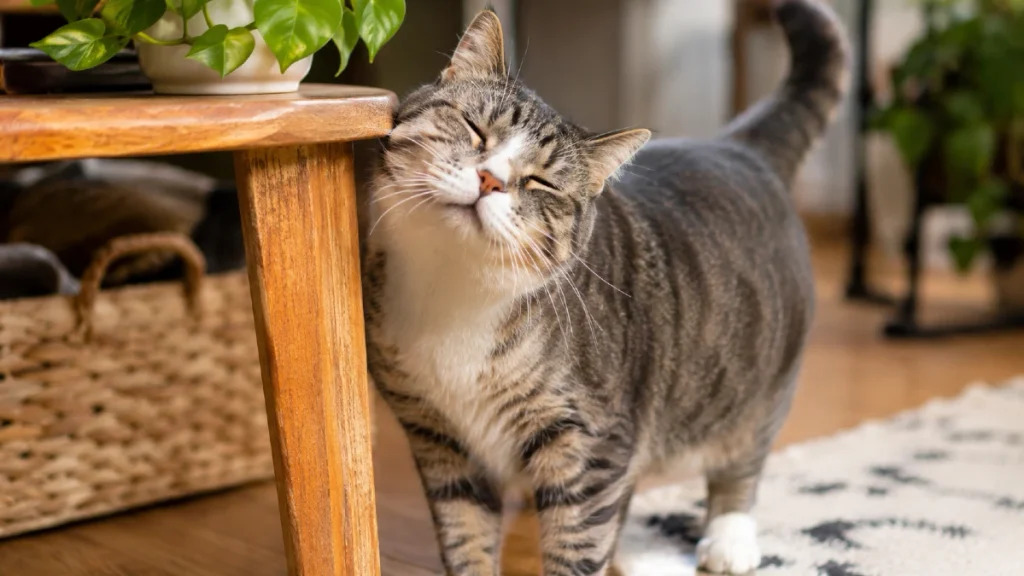
Your cat might never greet you with the excitement of a dog. Instead, they may show affection through small behaviors that are easy to miss.
Some cats rub against their owners, while others settle beside them or offer a slow blink from across the room.
These actions can be especially meaningful when your cat approaches willingly and appears relaxed.
The important thing is learning what affection looks like for your individual cat.
Why Your Cat Gives You Slow Blinks and Head Rubs
Have you ever caught your cat looking at you before slowly closing and opening their eyes? This behavior is often called a slow blink.
A study published in Scientific Reports in 2020 examined slow blinking during interactions between cats and humans. The findings suggest that slow blinking plays a role in friendly communication.
You can try slowly narrowing your eyes and blinking when your cat is relaxed. Avoid staring directly at them or trying to force a response.
Another common sign of friendly behavior is head rubbing.
When your cat presses their cheek or forehead against your hand or leg, they may be leaving scent from glands around their face. This helps create familiar scents in their surroundings.
Cats Protection describes this type of rubbing, sometimes called bunting, as a behavior associated with friendly social contact.
It is a lovely way for your cat to interact with you without needing to be picked up or held.
Why Your Cat Kneads Your Lap
If your cat climbs onto your lap and starts pressing their front paws against you, you have probably experienced kneading. Some people affectionately call this behavior making biscuits.
Kittens use kneading movements while nursing from their mothers. Many cats continue kneading soft surfaces as adults.
According to the American Animal Hospital Association, kneading is normal feline behavior that may be linked with comfort, stretching, or scent marking.
When your cat kneads your lap while appearing relaxed, they may simply be enjoying a comfortable moment with you.
Of course, those tiny claws can hurt. Placing a folded blanket between your lap and your cat can make the experience more pleasant without disturbing them.
It is also important to remember that not every affectionate cat kneads, rubs, or slow blinks often.
Some show trust by sitting nearby, accepting gentle grooming, or quietly resting in the same room.
Your cat does not have to be physically affectionate to have a strong bond with you. Respecting their preferences matters much more than trying to make them cuddle.
5. You Keep Your Cat Healthy With Daily Care and Vet Visits
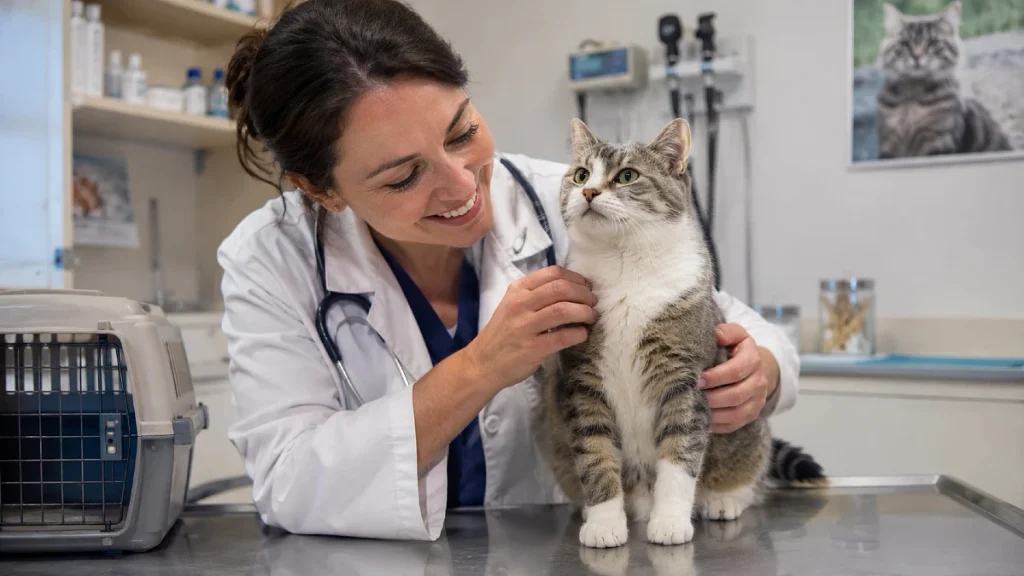
The final sign of a good cat parent may be the most important one. You take your cat’s health seriously, even when they appear perfectly happy.
Cats are often good at hiding signs of pain and illness. That means a cat can seem calm and comfortable while dealing with a health problem you cannot easily see.
Keeping your cat healthy involves more than feeding them and cleaning their litter box. It means paying attention to daily changes, providing suitable care, and knowing when to contact your veterinarian.
Why Regular Vet Visits Matter
The American Animal Hospital Association’s June 2026 guidance recommends routine veterinary examinations at least once a year.
Its feline life stage guidelines, developed with the American Association of Feline Practitioners, also recommend that senior cats receive examinations at least every six months.
Your veterinarian may recommend more frequent appointments based on your cat’s age, health, or medical history.
These visits can help identify dental disease, weight changes, and other problems that may not be obvious at home.
Vaccinations, parasite prevention, and other treatments should also follow your veterinarian’s advice. The correct schedule depends on your cat’s needs, lifestyle, and local requirements.
Small Daily Habits That Protect Your Cat’s Health
You can make a big difference by paying attention to your cat’s daily routine.
Provide suitable, complete, balanced food for their life stage, along with fresh drinking water. Watch their body weight and ask your veterinarian whether their body condition is healthy.
Indoor cats also need opportunities to move and play. Cornell Feline Health Center warns that excess weight can contribute to serious health problems.
A feather wand, food puzzle, or toy mouse can encourage healthy activity. You do not need expensive equipment, and you should put toys with strings away after supervised play.
Grooming can help you notice changes in your cat’s skin or coat. Dental care, clean litter boxes, and comfortable resting places are also important parts of responsible care.
How to Spot Health Problems Before They Become Serious
One of the best things you can do is learn your cat’s normal habits. When you know their usual appetite, energy, and bathroom routine, unusual changes become easier to recognize.
VCA Animal Hospitals explains that changes in these areas can be early signs of illness.
| What to monitor | Reassuring pattern | When to act |
|---|---|---|
| Appetite | Eating normally | Sudden loss of appetite |
| Water intake | Usual drinking habits | Marked increase or decrease |
| Litter habits | Normal urine and stool | Straining or unusual changes |
| Energy | Usual play and movement | Sudden weakness or withdrawal |
| Body weight | Stable, healthy condition | Unexplained gain or loss |
| Breathing | Quiet and comfortable | Labored or open mouth breathing |
Some changes need urgent attention rather than continued monitoring. A cat that repeatedly strains to urinate but produces little or no urine needs emergency veterinary care.
Difficulty breathing is also an emergency. If your cat stops eating, contact your veterinarian promptly rather than waiting for the problem to resolve on its own.
Being a good cat parent does not mean your cat will never become sick. Illness can happen even when you provide excellent care.
What matters is noticing problems, responding appropriately, and making sure your cat receives the help they need.
And while a happy cat may reward you with purrs and affection, protecting their health is one of the most meaningful ways to show your love.