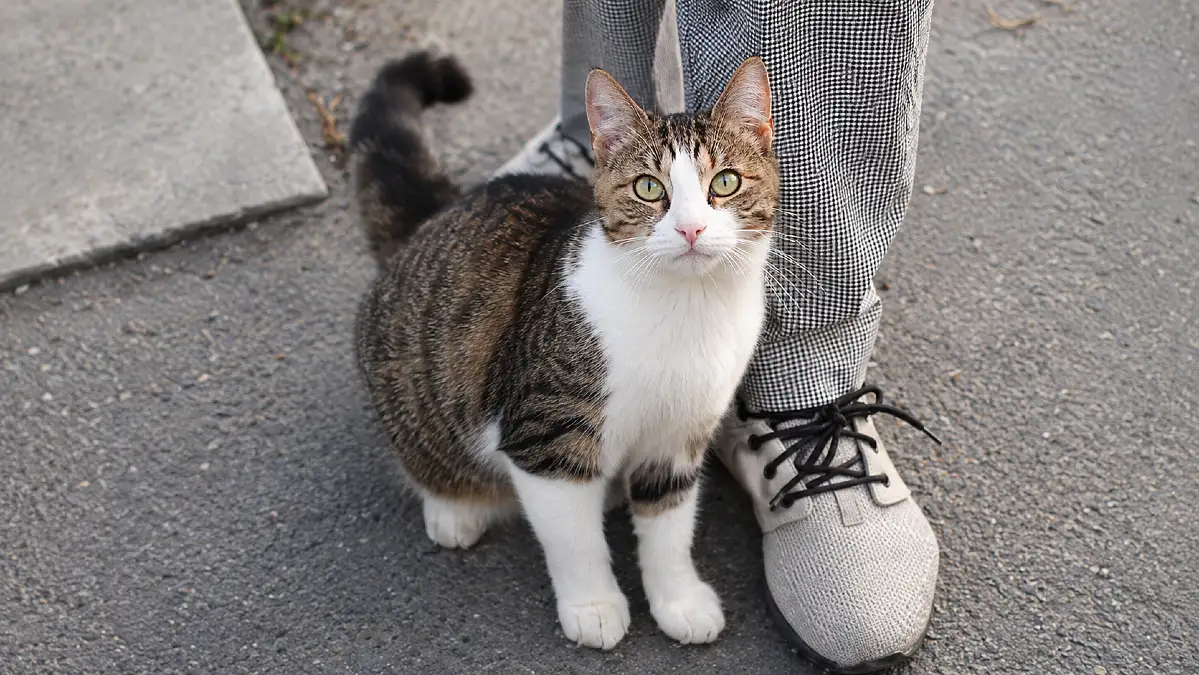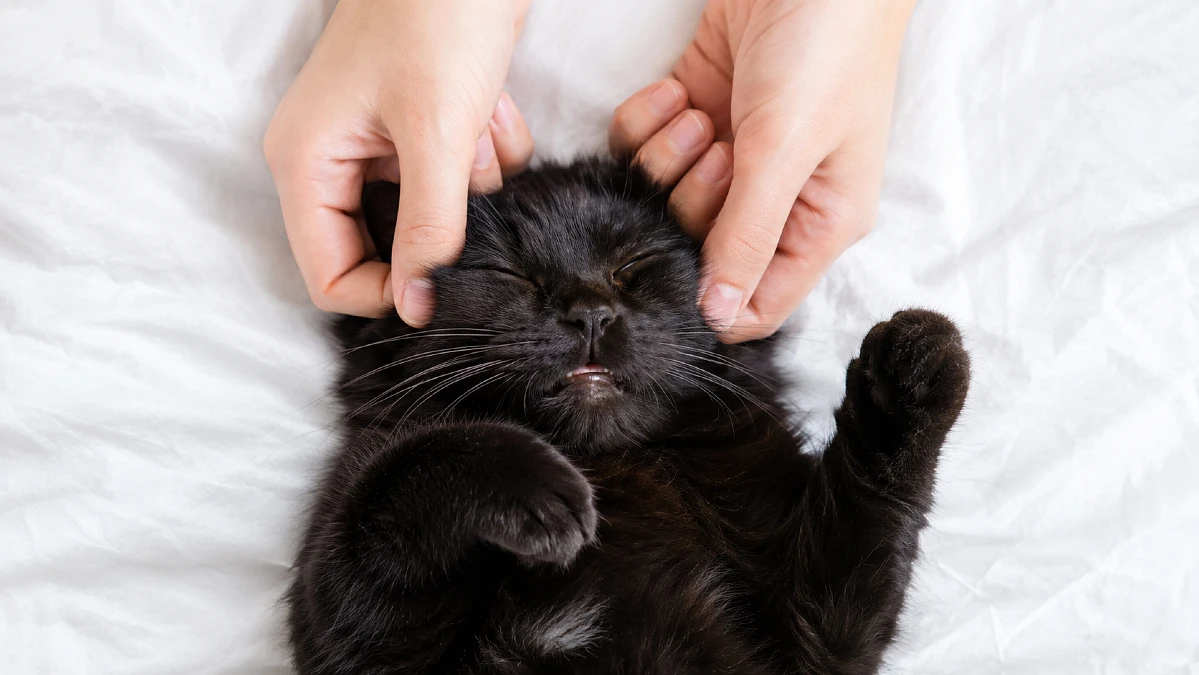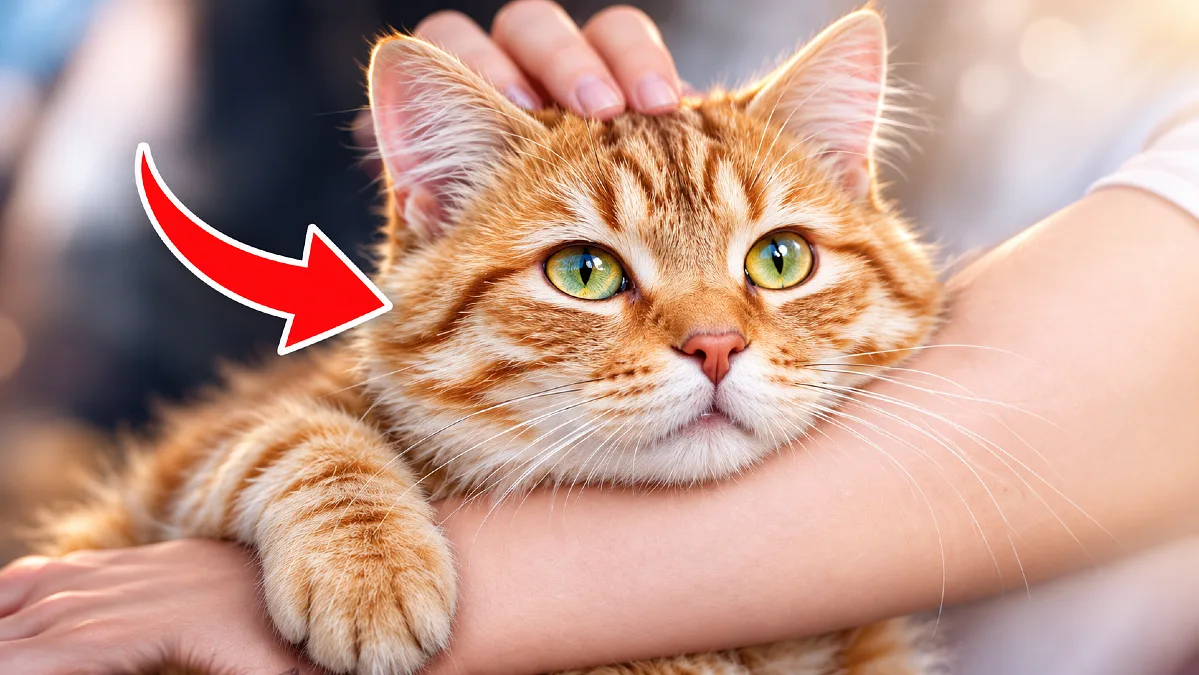
Four people live in the same house. Everyone feeds the cat, plays with it, and gives it attention. Yet every evening, that cat walks past three people and curls up beside the same person.
Sometimes, the chosen person is the one who barely pays attention to the cat. Meanwhile, the person buying the food, cleaning the litter box, and offering endless affection gets ignored. It hardly seems fair.
If this sounds familiar, you have probably wondered, why do cats choose a favorite person? Is it love, trust, scent, or something about that particular human?
Research suggests that a cat’s preference can involve several factors, including how safe someone feels, how they interact, and the experiences the cat has had throughout its life.
Why Cats Choose One Person Even When Everyone Feeds Them
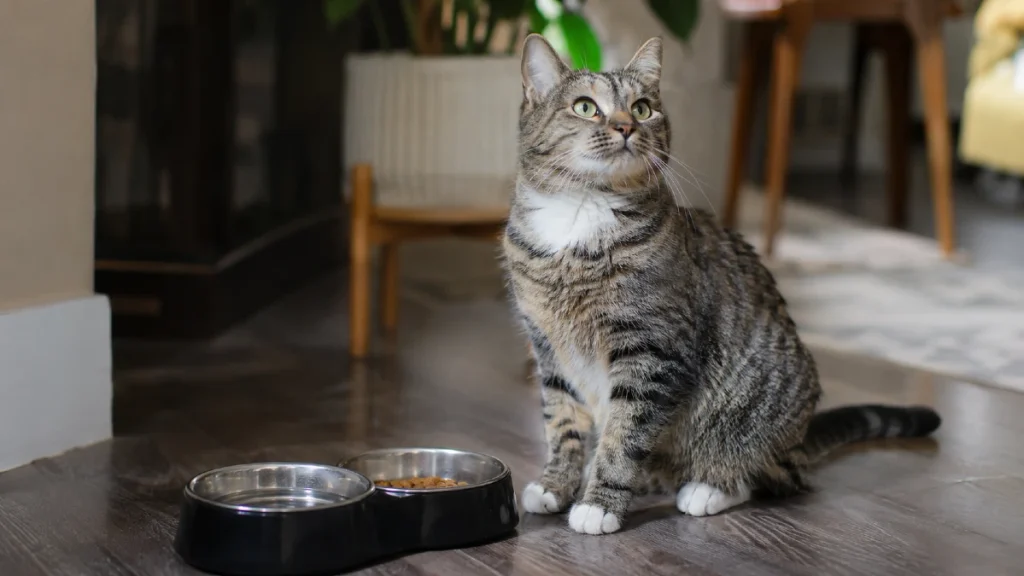
You might think the person who fills your cat’s food bowl should automatically become its favorite. After all, that person provides something the cat needs every day. But cats can value human company for reasons that have little to do with meals.
In 2017, researchers Kristyn Vitale Shreve, Lindsay Mehrkam, and Monique Udell published a study in Behavioural Processes that examined what cats preferred when given different choices. The researchers offered cats opportunities involving food, toys, scents, and human social interaction.
Human interaction was the most preferred category for the largest share of cats tested. However, individual preferences varied, so the results do not mean every cat values attention more than food.
This helps explain why the family member handling the feeding might not be the person the cat chooses for quiet companionship. Feeding is important, but a cat’s favorite person may be someone who makes daily life feel comfortable and predictable.
Consider a household where a mother prepares every meal while her son spends time sitting quietly on the sofa. The cat might greet the mother when it hears the food container but choose the son’s lap when it wants to rest.
Neither relationship is necessarily better. The cat may simply enjoy different things with different people.
Cats also learn what to expect from each person. One family member might be associated with exciting play, another with peaceful rest, and another with familiar care routines.
That is why feeding alone cannot explain every choice. The whole relationship matters, including what happens when food is nowhere in sight.
How Your Cat Decides Which Person Feels Safest
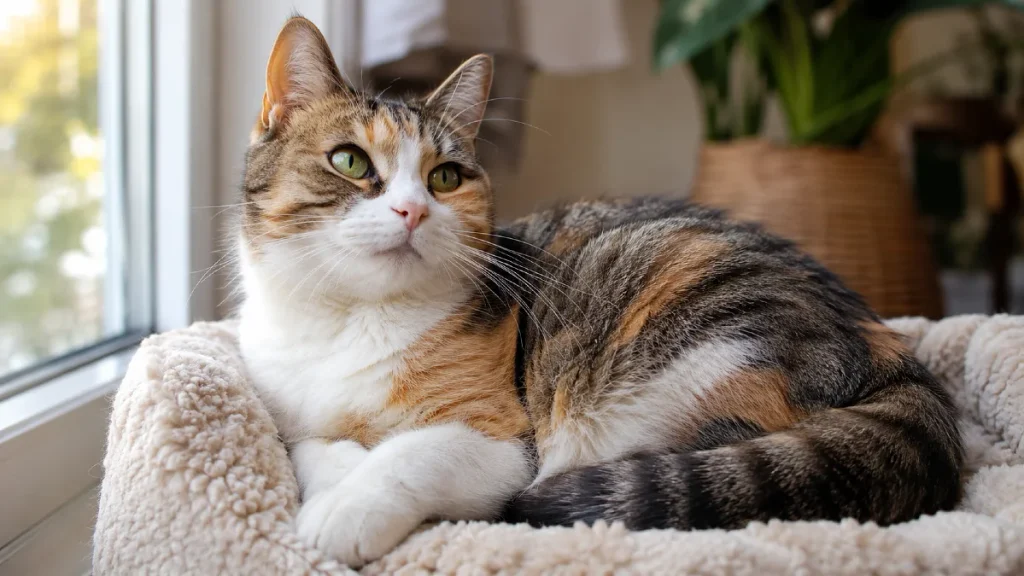
Before a cat becomes comfortable with someone, it needs to feel that the interaction is safe. Your movements, voice, and handling can all affect how the cat responds to you.
Cats pay close attention to body language. A person who walks quickly toward them, reaches from above, or picks them up without warning may cause discomfort, even when the person means well.
The 2022 AAFP and ISFM Cat Friendly Veterinary Interaction Guidelines recommend giving cats more control over human contact. They explain that allowing a cat to approach voluntarily often creates a better experience than forcing interaction.
A cat that feels trapped may freeze, turn away, or try to escape. Those responses are useful information, especially when you want to build a closer relationship.
Which Human Behaviors Help Cats Feel Safe?
Your approach can affect whether your cat wants to stay nearby. The following examples show how everyday actions may influence its response.
| Human behavior | Possible cat reaction | Better choice |
|---|---|---|
| Walking straight toward it | Moves away | Approach slowly |
| Reaching over its head | Ducks or retreats | Offer a relaxed hand |
| Picking it up unwillingly | Struggles to escape | Allow it to stay down |
| Staring without blinking | Looks away or stiffens | Soften your gaze |
| Sitting quietly nearby | May approach | Let the cat choose |
These reactions are not guaranteed because every cat has its own personality. Still, allowing your cat to control contact is a useful starting point for building trust.
You can also learn a great deal by watching what happens after your cat approaches. If it rubs against your hand and stays relaxed, the interaction is likely going well.
But if its ears flatten, its tail starts whipping, or it moves away, give it space. Respecting those signals helps your cat learn that being close to you does not mean losing control.
Why the Person Who Ignores Your Cat May Win Its Trust
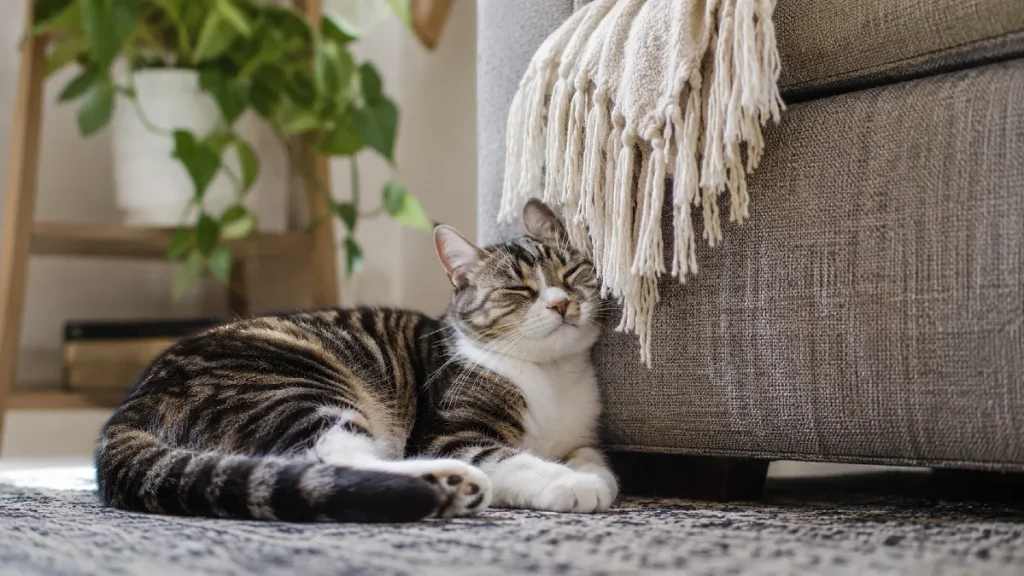
One of the strangest things about cats is how often they approach the person who seems least interested in them. That person might be reading a book, watching television, or quietly sitting in a chair.
Meanwhile, someone else keeps calling the cat, reaching out to pet it, or trying to pick it up. The cat walks straight past that person and settles beside the quiet one.
This behavior can look like cats deliberately choosing people who do not want them. But a simpler explanation is that the quiet person is giving the cat more freedom to decide what happens next.
Someone who sits without reaching for the cat may seem less threatening than someone who constantly starts physical contact. The cat can investigate, move closer, and leave whenever it wants.
Research published in Frontiers in Veterinary Science in 2021 supports this approach. A study involving Lauren Finka and colleagues found that practical guidance for human interactions increased friendly cat behavior and reduced aggression and signs of conflict.
The guidance focused on giving cats choice, paying attention to their reactions, and touching them in ways they found comfortable.
Giving Space Is Different From Ignoring Your Cat
This does not mean you should stop caring for your cat or pretend it does not exist. A cat still needs food, clean water, play, health care, and positive attention.
Instead, try being less demanding during quiet moments. Sit nearby, speak gently if you want, and allow the cat to decide whether it wants contact.
When your cat approaches, avoid turning every visit into a long petting session. Sometimes, being allowed to sit beside you without interruption is exactly what it wants.
What Scent Rubbing and Shared Routines Tell You About Bonding
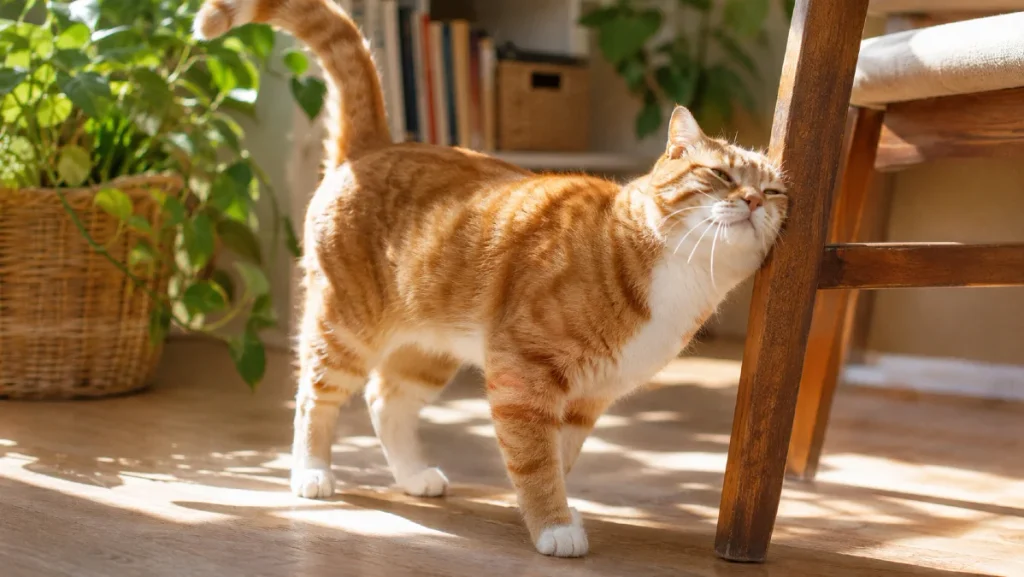
When your cat presses its cheek against your hand or rubs its body along your legs, it is doing something important. This behavior is commonly called bunting when the cat uses its head or face.
Cats have scent glands around their cheeks, chin, and other parts of their bodies. Rubbing helps them deposit scent chemicals on familiar people, animals, and objects.
The American Veterinary Society of Animal Behavior explains that feline pheromones play a role in communication. Social rubbing can also help maintain familiar scents among cats that live together.
When your cat rubs against you, it may be greeting you, seeking contact, or reinforcing familiarity. It can be a positive social behavior, although it does not prove that you are the cat’s only favorite person.
Why Familiar Smells Matter to Cats
Cats use smell to gather information about their surroundings. Familiar scents can help make spaces and social interactions more predictable.
That is one reason your cat may enjoy sleeping on your worn sweater or settling into a chair you use regularly. The scent and location may already be part of its familiar environment.
However, sleeping on your clothes does not automatically prove an exclusive emotional bond. Warmth, softness, location, and habit can also explain the choice.
Daily routines provide another source of familiarity. If you usually sit in the same chair after dinner, your cat may learn that this is a peaceful time to spend beside you.
Over many pleasant interactions, your presence can become associated with comfort. And that predictable experience may encourage your cat to seek you out again.
How Your Cat Recognizes Your Voice and Quiet Signals
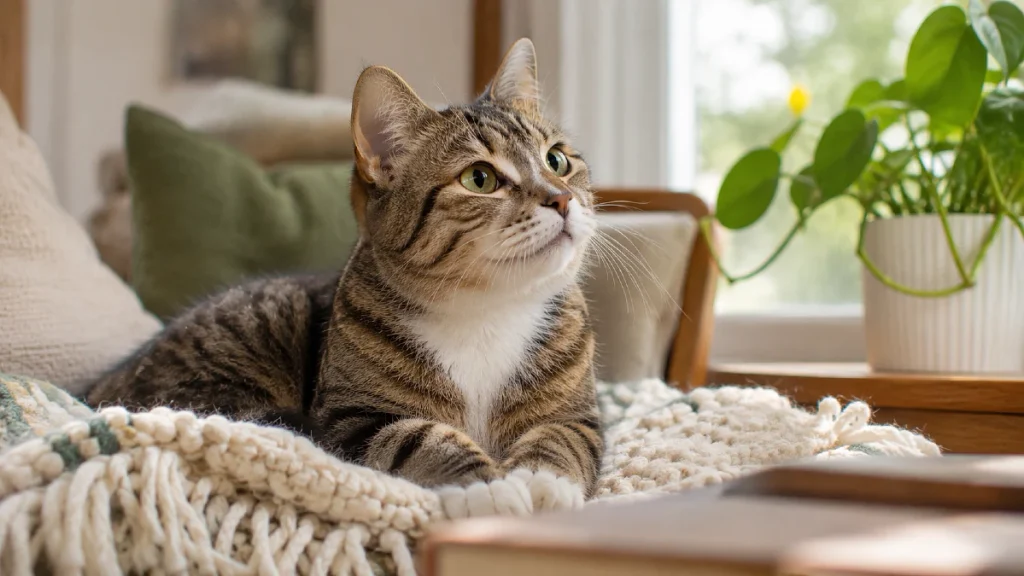
Your cat may know your voice better than you realize. Even when it appears to ignore you, it may still recognize exactly who is speaking.
In 2013, researchers Atsuko Saito and Kazutaka Shinozuka published a study in Animal Cognition examining how cats responded to familiar and unfamiliar voices.
The cats showed signs of recognizing their owners’ voices, often through ear or head movements. However, they did not always walk toward the speaker.
That distinction matters because recognizing you and responding to you are two different things. A cat may know who is calling without feeling any need to leave its comfortable sleeping spot.
Why the Way You Speak Can Matter
A 2022 study led by Charlotte de Mouzon found that cats responded differently when their owners used speech directed toward cats compared with ordinary adult speech. The same response pattern was not found when unfamiliar people used those speaking styles.
This suggests that cats can notice familiar ways of speaking. Your tone and the way you address your cat may become part of your relationship.
You do not need to use a special voice to make your cat like you. Speaking calmly and consistently is a simple way to keep interactions familiar.
The Quiet Meaning Behind a Slow Blink
Cats also communicate through facial movements. One of the most interesting is the slow blink, when a cat gently narrows or closes its eyes before opening them again.
In 2020, researchers Tasmin Humphrey and Karen McComb, along with their colleagues, published a study in Scientific Reports examining this behavior.
They found that cats were more likely to show eye narrowing in response to people who slow blinked. Cats were also more likely to approach an unfamiliar person’s hand after that person had used a slow blink.
You can try this with your own cat by relaxing your face, slowly closing your eyes, and opening them again. Avoid holding a hard stare, and allow your cat to respond naturally.
Do Meows and Purrs Mean You Are Special?
Cats also learn that sounds can get human attention. A familiar meow might bring someone to the kitchen, while another sound might encourage a person to open a door.
Research by Karen McComb and colleagues in 2009 found that certain purrs made while seeking food contained a higher pitched, crylike component. Human listeners rated these purrs as more urgent than ordinary purrs.
That does not mean every purr is a declaration of love or an attempt to control you. Cats purr in several situations, and the surrounding behavior matters when interpreting the sound.
Why Kittenhood and Temperament Shape Favorite People
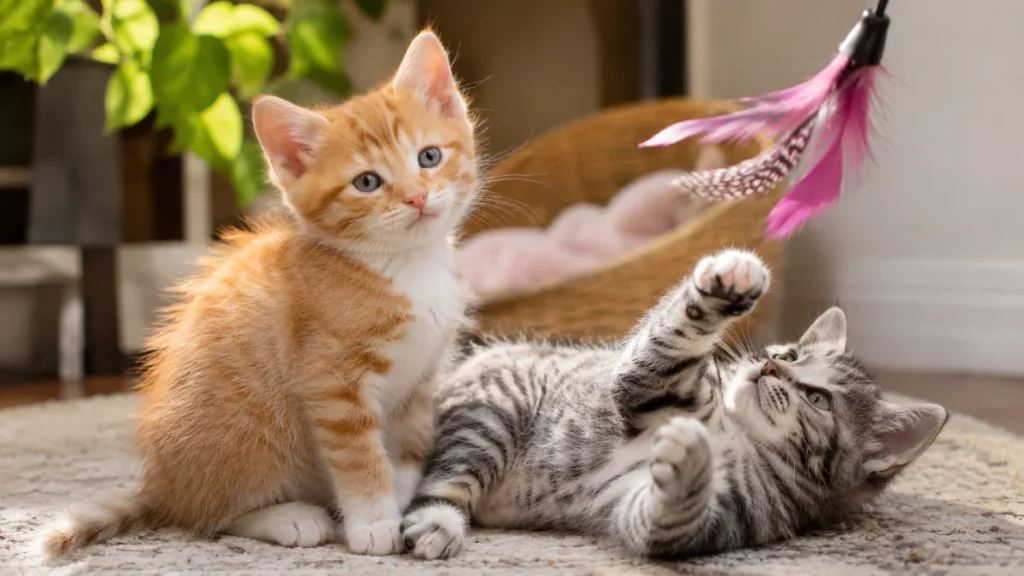
Some cats seem naturally comfortable around strangers, while others need a long time to trust even familiar people. Part of that difference may come from experiences that happened before you met your cat.
The Merck Veterinary Manual identifies approximately 2 to 7 weeks of age as an important sensitive period for kitten socialization. During this stage, gentle human contact can help kittens become more comfortable around people.
Research by Sandra McCune, published in 1995, also examined how early socialization and paternal temperament affected kitten behavior. The findings linked both positive handling and inherited temperament with how cats responded to people and unfamiliar situations.
This means a cat’s personality is shaped by more than its current household. Its genes, early care, and later experiences can all influence how readily it approaches humans.
A 2026 paper in Animal Welfare examining kitten socialization practices also highlights the importance of early experiences and better socialization practices.
Can an Adult Cat Still Learn to Trust You?
Yes. Early socialization matters, but it does not set a permanent limit on every future relationship.
An adult rescue cat that had little gentle human contact might need more time before allowing someone to touch it. Another adult cat may begin seeking affection soon after moving into a new home.
The safest approach is to work at the cat’s pace. Offer calm routines, pleasant experiences, and enough space for it to decide when contact feels comfortable.
Progress might begin with a cautious cat staying in the same room instead of hiding. Later, it may approach for a brief sniff or settle nearby.
Those are meaningful improvements, even if the cat never becomes interested in sitting on your lap.
What Studies Reveal About a Cat’s Bond With Its Human
For years, people have argued about whether cats become emotionally attached to their owners or simply stay close because humans provide food and shelter.
Research suggests that some cats form attachment relationships with their caregivers. However, scientists do not agree on every detail of how those attachments work.
In 2019, Kristyn Vitale and colleagues at Oregon State University published research in Current Biology examining attachment behavior in cats.
The researchers observed cats in an unfamiliar setting, including how they responded when their caregiver left and returned. They looked for patterns similar to those used in studies of attachment in other species.
About 64% of the kittens tested showed a secure attachment pattern. These kittens tended to use their caregiver’s return as a source of reassurance before continuing to explore their surroundings.
That finding suggests that a familiar person can provide a sense of safety for some cats.
Why Scientists Still Disagree About Cat Attachment
A 2015 study by Alice Potter and Daniel Mills, published in PLOS ONE, reached a different conclusion. Their research did not find clear evidence that the cats tested used their owners as a secure base in the same way.
Differences in research methods, samples, and how behavior is measured may help explain why studies reach different results. Scientists still have more to learn about the ways cats form social relationships.
Importantly, a study about attachment does not automatically tell us why one cat favors one family member over another. Those are related questions, but they are not exactly the same.
There is no simple scientific test that can tell you which human your cat loves most. The better approach is to observe where your cat voluntarily spends time and how comfortably it behaves around different people.
A cat can also form positive relationships with several family members. Choosing one person for naps does not mean it has stopped caring about everyone else.
How to Spot the Signs Your Cat Feels Closest to You
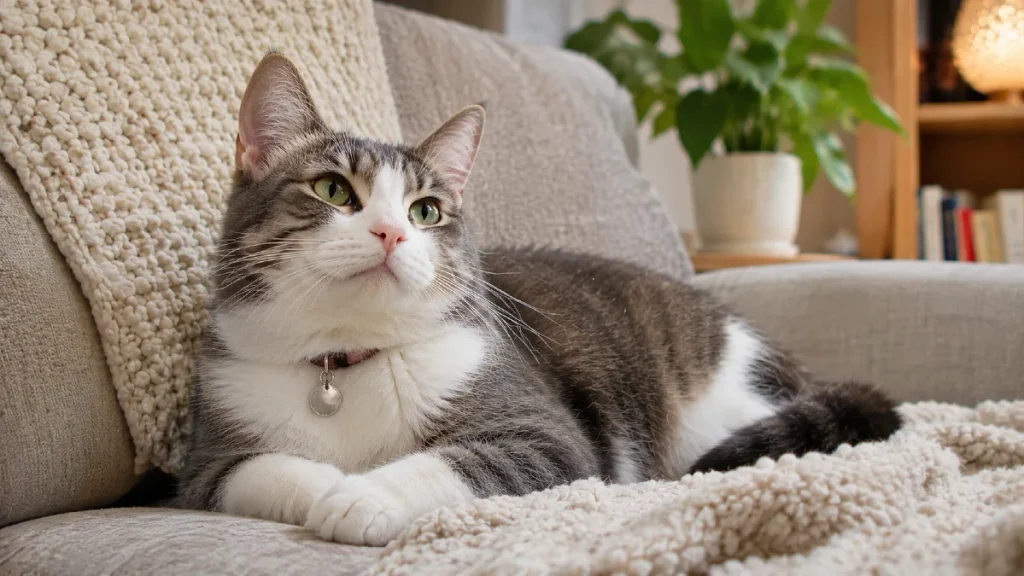
If you think your cat has chosen you, its everyday behavior may offer some clues. The most useful signs involve voluntary contact, relaxed body language, and a willingness to spend time near you.
A cat that regularly approaches you when it has other options may feel comfortable in your company. It might sit beside you, greet you when you enter a room, or relax nearby without demanding anything.
The important word is voluntary. A cat that chooses to approach and remains relaxed is giving you more useful information than one that simply tolerates being held.
Signs Your Cat May Feel Close to You
No single behavior proves that you are your cat’s favorite person. This table can help you interpret common behaviors in context.
| Cat behavior | Possible meaning | What else to notice |
|---|---|---|
| Approaches with tail raised | Friendly greeting | Relaxed posture |
| Rubs its cheeks on you | Familiar social contact | Returns voluntarily |
| Sleeps near you | Comfort with closeness | Has other resting options |
| Gives slow blinks | Calm communication | Loose body and face |
| Follows you around | Interest or routine | Calm when apart |
| Sits on your lap | Seeks closeness or warmth | Free to leave |
Look for patterns rather than keeping score of individual actions. A cat that frequently chooses your company in several different situations may have a strong preference for being near you.
Also consider your cat’s personality. Some affectionate cats enjoy being held, while others prefer resting a short distance away.
What If Your Cat Never Sits on Your Lap?
Not every cat enjoys being touched or held. Some prefer to stay beside people without making much physical contact.
Your cat might sit on the opposite end of the sofa while watching you. It may follow you into another room and settle somewhere nearby.
Those behaviors can still reflect a comfortable relationship. Your cat does not need to become a lap cat to have a positive bond with you.
Instead of judging affection by how much touching your cat allows, look at how relaxed it seems when you are present.
How to Become Someone Your Cat Wants to Be Near
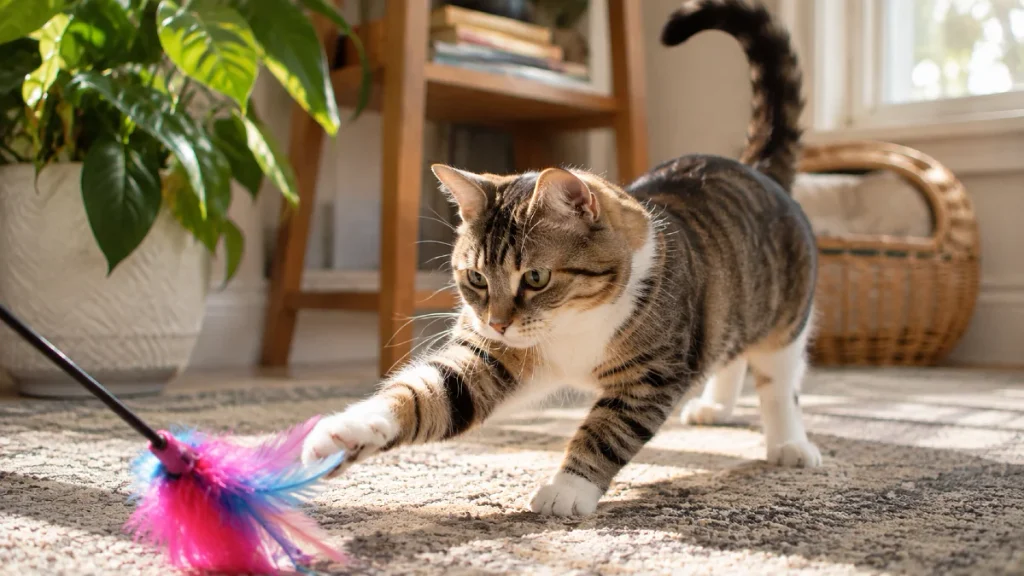
If your cat prefers another family member, you may wonder whether there is anything you can do to change that. While you cannot force a cat to choose you, you can help it feel more comfortable spending time with you.
The most useful approach is to create repeated, positive experiences. These should fit your cat’s personality rather than expecting every cat to enjoy the same kind of attention.
Let Your Cat Approach You First
Begin by sitting somewhere your cat already feels comfortable. Keep your movements gentle and avoid repeatedly calling it over.
If your cat approaches, you can offer a relaxed hand for it to investigate. Allow it to sniff or rub against you before deciding whether petting is welcome.
When the cat appears relaxed, try a short stroke around its cheeks or chin. Then pause and see whether it wants more contact.
If it moves away, let it leave. This simple habit teaches your cat that approaching you does not mean being trapped in an interaction.
Make Playtime Something Your Cat Enjoys
Interactive play can create positive experiences between you and your cat. Wand toys are useful because they allow the cat to chase and pounce without grabbing your hands.
Go Cat Da Bird is one example of an interactive feather wand. You can also use another suitable cat wand or a simple supervised play activity your cat already enjoys.
Move the toy in ways that allow your cat to chase, pause, and catch it. Letting the cat succeed occasionally makes the activity more satisfying.
Put string and feather toys away after supervised play so your cat cannot chew or swallow loose parts. Play should remain safe and enjoyable.
Choose Activities That Fit Your Cat’s Personality
Different cats enjoy different types of interaction. Matching the activity to your cat’s preferences can make spending time together more pleasant.
| Your cat’s preference | Activity to try | When to stop |
|---|---|---|
| Loves chasing toys | Interactive wand play | Shows stress or loses interest |
| Cautious around people | Sit quietly nearby | Retreats or hides |
| Enjoys gentle touch | Brief cheek scratches | Turns away or tenses |
| Motivated by food | Puzzle feeder activity | Becomes frustrated |
| Likes its independence | Share quiet space | Chooses to leave |
The goal is not to make your cat participate for as long as possible. It is to make interactions pleasant enough that your cat wants to return.
You also do not need expensive products to build a relationship. A familiar blanket, a comfortable resting place, and calm daily attention may be more useful than buying another toy.
Keep Your Daily Routine Predictable
Cats can learn when enjoyable things usually happen. Regular feeding times, quiet periods, and familiar play sessions help make your behavior easier to predict.
If you normally play with your cat before dinner, try keeping that activity consistent. Over time, your cat may begin approaching you when it expects the interaction.
Avoid using treats to pressure a fearful cat into accepting unwanted touching. Food can help create positive associations, but your cat should still be free to move away.
Most importantly, do not compete with another family member for your cat’s attention. You want your cat to feel safe around everyone, even if it continues to prefer one person for certain activities.