You could be doing everything right for your cat. You buy their favorite food, keep their litter box clean, schedule vet visits, and give them a warm place to sleep. Yet sometimes, your cat still seems distant, leaving you wondering whether they truly feel loved.
Maybe they walk away when you try to pet them. Perhaps they sit across the room instead of curling up beside you. You want to feel closer to them, but you cannot always tell what kind of affection they actually enjoy.
The good news is that you do not need expensive toys or hours of attention to make your cat feel loved. Some of the most helpful gestures take only a few seconds and fit naturally into your daily routine.
1. Make Your Cat Feel Loved by Greeting Them Calmly
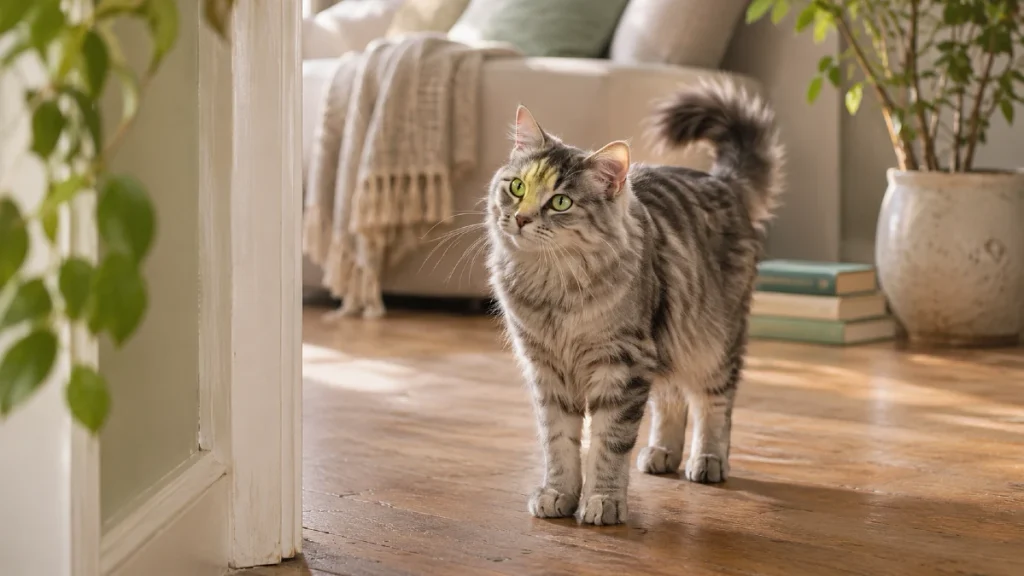
Your cat may notice you entering a room long before you say hello. The sound of your footsteps, the speed of your movements, and the way you approach can all affect how comfortable they feel.
Cats pay close attention to changes around them. Even a cat that feels safe at home may become cautious when someone suddenly rushes past, makes a loud noise, or reaches toward them without warning.
Think about what happens when you return home after a busy day. You might hurry through the door, put down your bags, and immediately reach for your cat. Although you mean well, your excited greeting may be more attention than they want at that moment.
Why a Calm Approach Makes a Difference
The Merck Veterinary Manual explains that cats benefit from positive, consistent, and predictable interactions with people. Familiar routines can help them feel more secure in their surroundings.
This matters because your cat cannot always predict what you plan to do next. If your movements are gentle and familiar, they have more time to decide whether they want to approach you.
You do not need to move slowly around your house all day. Instead, pay attention to how you behave when you first come near your cat, especially when they are resting or watching from a quiet spot.
Try This Simple Greeting
The next time you enter a room where your cat is relaxing, change just a few small things.
- Slow your movements. Avoid rushing directly toward your cat or reaching over their head.
- Use a soft voice. Say their name gently if they seem interested in your presence.
- Give them a moment. Allow your cat to look at you and decide whether they want to come closer.
This greeting takes very little effort, but it gives your cat time to respond. Some cats may walk over immediately, while others will stay in their favorite spot and watch.
Neither response automatically means your cat loves you more or less. What matters is that they can remain comfortable without feeling pressured to interact.
How to Tell Whether Your Cat Feels Comfortable
Cats communicate through their whole bodies, not just their meows. Cats Protection recommends watching their posture, ears, eyes, and tail together rather than judging their mood from one movement.
The following table can help you choose a suitable response when greeting your cat. These signs are useful clues, but their meaning depends on the situation.
| Your Cat’s Behavior | Possible Meaning | What You Should Do |
|---|---|---|
| Approaches with an upright tail | Friendly interest | Offer a gentle greeting |
| Watches with a loose body | Calm or curious | Give them time |
| Crouches with ears flattened | Fear or discomfort | Increase their space |
| Walks away | Wants distance | Let them leave |
| Hides when you enter | May feel unsafe | Keep the area quiet |
A cat that remains nearby without approaching may still enjoy your company. Sitting in the same room can be a comfortable form of companionship, even when no touching happens.
What If Your Cat Still Ignores You?
Do not assume that an independent cat dislikes you. Some cats enjoy frequent physical contact, while others prefer shorter visits or simply resting close to their owners.
If your cat stays on the sofa while you enter, you can sit nearby and continue your normal activities. Avoid repeatedly calling them or moving closer when they show no interest.
Over time, a calm and predictable routine can help create more comfortable interactions. But if your cat suddenly starts hiding, avoiding contact, or acting fearful when they were previously social, speak with your veterinarian to check for pain or illness.
The tiny gesture: Slow down when you enter, greet your cat gently, and give them room to respond.
2. Show Your Cat Love With a Gentle Three Second Ear Scratch
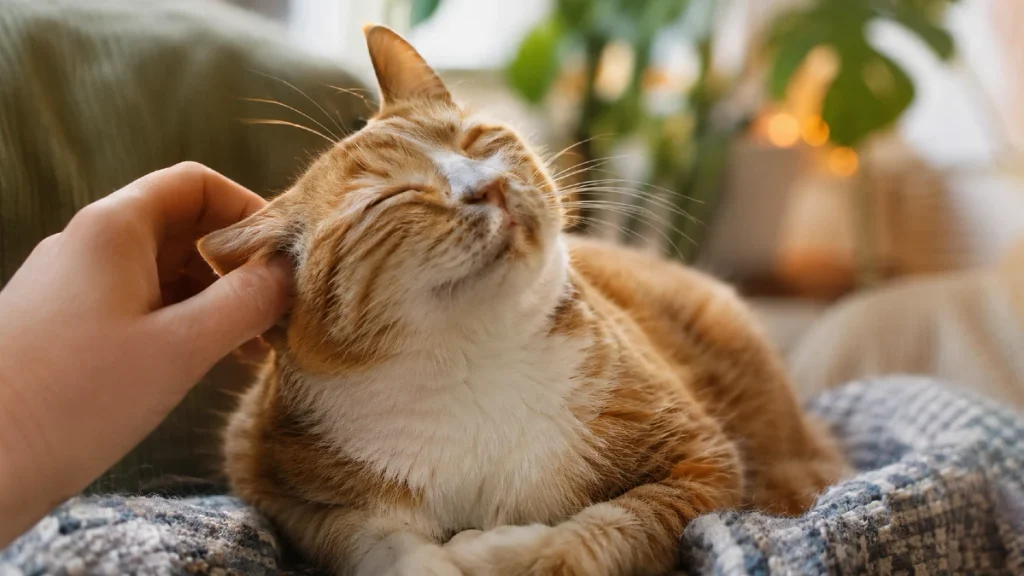
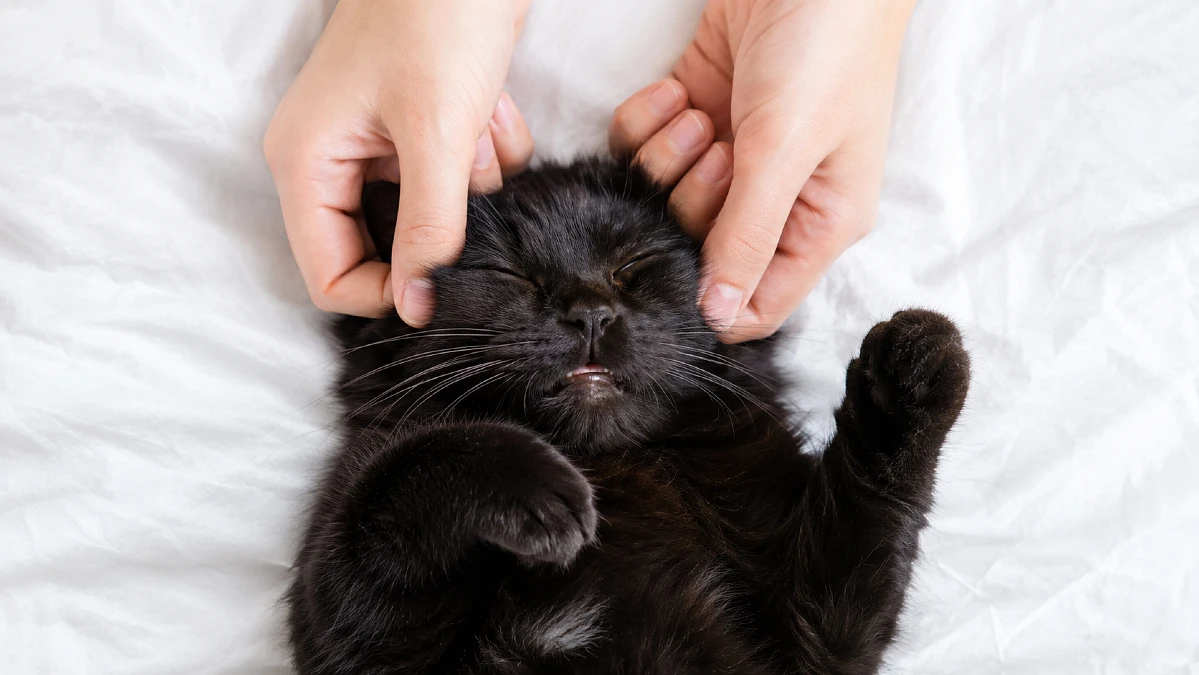
Some cats seem to enjoy nothing more than a gentle scratch around their ears. They lean into your fingers, lift their head, or rub their cheeks against your hand.
But there is an important detail that many owners miss. A cat that enjoys a little petting may not want you to keep going.
That is why a brief scratch followed by a pause can be more helpful than a long petting session. It gives your cat a chance to show whether they would like more attention.
Why Many Cats Enjoy Touch Around Their Ears
Cats have scent glands around parts of their faces, including the cheek area. They use facial rubbing to leave familiar scents on objects and sometimes on people.
This helps explain why you may see your cat rubbing its cheeks against furniture, door frames, or your legs. Facial rubbing is a normal part of feline communication, although its meaning depends on the situation.
The 2021 research by Camilla Haywood and colleagues, published in Frontiers in Veterinary Science, identifies the cheeks, chin, and base of the ears as areas where many friendly cats prefer contact.
However, touching these areas does not automatically produce trust or release a special bonding chemical. The benefit comes from offering pleasant contact that your individual cat welcomes.
How to Give the Three Second Scratch
Start when your cat is awake, relaxed, and willing to come near you. Rather than putting your hand straight onto their head, hold it still and allow them to approach.
If they rub against your fingers, gently scratch the fur near the base of one ear for about three seconds. Use soft finger movements and avoid touching inside the ear.
Then stop.
Battersea Dogs & Cats Home recommends pausing after about three seconds of petting to see whether a cat asks for more. If they nudge your hand again, you can offer another short scratch.
If they turn away or stay still without seeking more contact, let the interaction end. Three seconds is a useful way to check their preference, not a strict scientific limit for how long affection should last.
Where Your Cat May Prefer to Be Petted
Every cat has different preferences, and even the same cat may enjoy different types of touch at different times. Cats Protection recommends beginning with areas that cats commonly accept, then watching their reactions.
Use this guide when deciding where to place your hand. It shows common preferences rather than rules that apply to every cat.
| Body Area | General Preference | Best Approach |
|---|---|---|
| Cheeks | Often enjoyed | Gentle strokes |
| Base of ears | Often enjoyed | Soft scratches |
| Under chin | Often enjoyed | Light rubbing |
| Upper back | Varies by cat | Watch for comfort |
| Belly | Usually sensitive | Avoid unless welcomed |
Start with one area rather than moving your hand all over your cat’s body. If they repeatedly lean into contact at the same spot, that may be one of their preferred places.
A cat showing its belly is not necessarily asking for a belly rub. It may simply be relaxing in a position where it feels safe.
The Signs That Tell You to Stop
One of the easiest mistakes is continuing to pet a cat after it has had enough. What began as a pleasant interaction can become uncomfortable when the cat cannot easily end it.
Watch for changes such as:
- A tail that starts twitching or lashing.
- Ears turning sideways or flattening.
- The head moving away from your fingers.
- Sudden tension in the body.
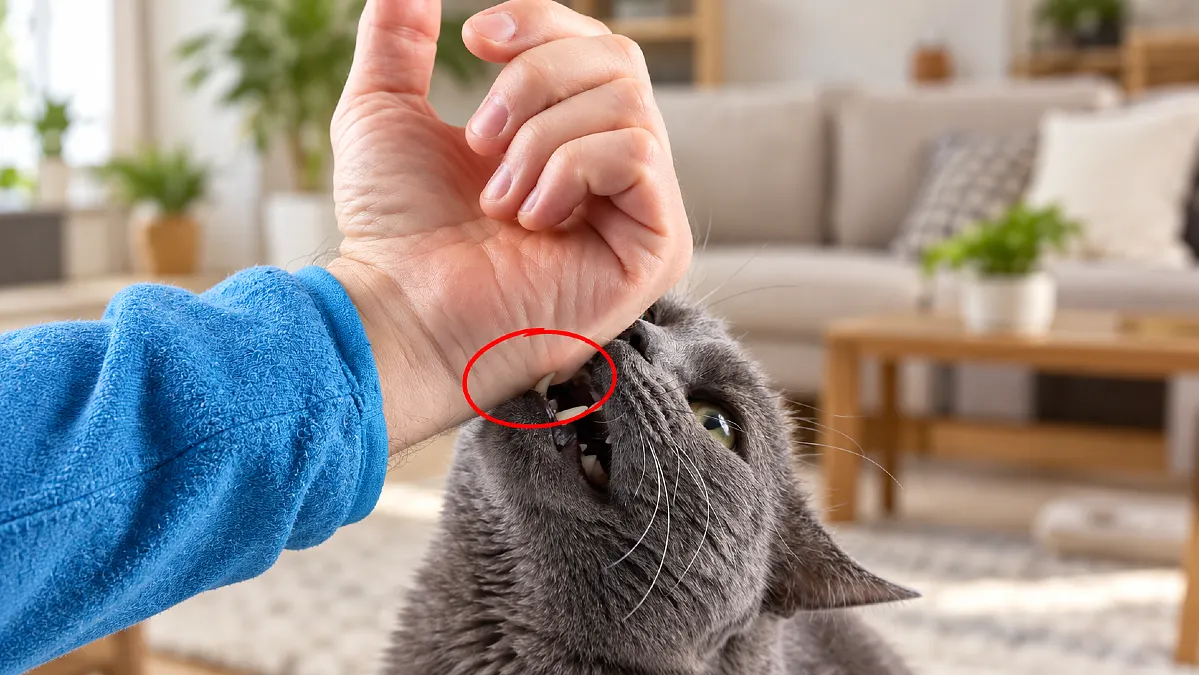
- Growling, hissing, swatting, or biting.
If you notice these signals, stop touching your cat and give them space. You do not need to scold them for communicating that they have had enough.
Positive signs can include leaning into your hand, rubbing against you, and maintaining a relaxed body. Purring may accompany enjoyment, but it can also occur when a cat is stressed or in pain, so consider their other signals too.
What About Cats That Dislike Ear Scratches?
Some cats have sensitive ears or simply dislike being touched around their heads. Others may have painful ear problems that make contact unpleasant.
Never insist on an ear scratch when your cat pulls away. You can offer a gentle cheek stroke instead, or skip touching entirely if that is what they prefer.
If your cat suddenly becomes sensitive around their ears, shakes their head frequently, or scratches at their ears, arrange a veterinary check. Affection should never cause pain.
The tiny gesture: Offer a soft scratch near the base of the ear, pause after three seconds, and let your cat decide whether it continues.
3. Let Your Cat Make the First Move to Build Trust
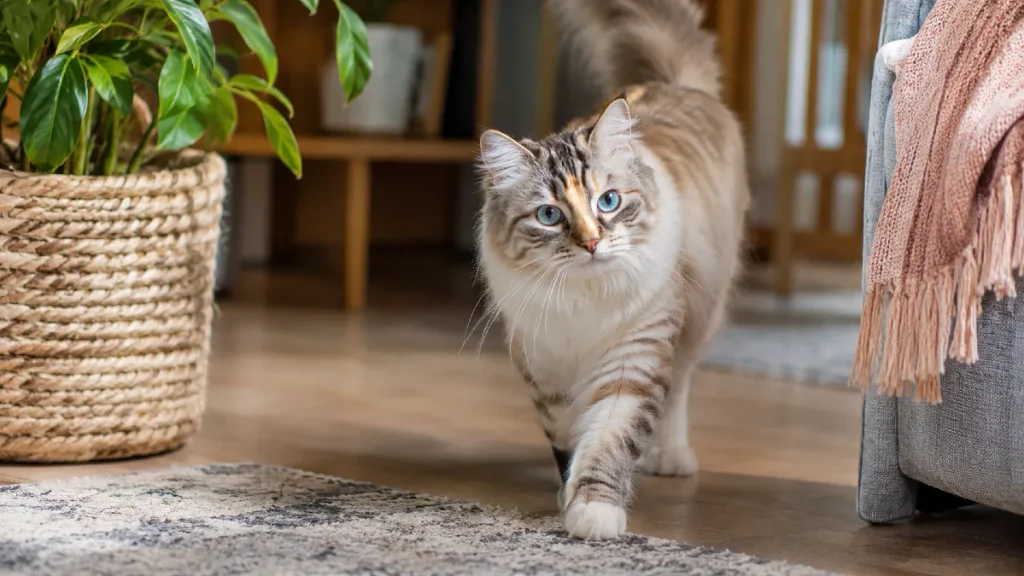
You see your cat walking toward you, and your first instinct is to reach down and pet them. It feels like the natural thing to do when you love an animal.
But your cat may have approached for a different reason. They might want to sniff your hand, rub against your leg, investigate what you are doing, or simply sit nearby.
Reaching for them too quickly can interrupt that choice. A more comfortable response is often to let your cat finish approaching before you decide whether to touch them.
Why Giving Your Cat a Choice Matters
Cats benefit from having some control over their surroundings and social interactions. This includes being able to approach people, move away, and choose whether physical contact continues.
International Cat Care and the AAFP/ISFM cat friendly guidelines recommend allowing cats to initiate interactions whenever practical. This approach can reduce pressure and help cats feel more comfortable.
Researchers have also tested how giving cats more control affects their behavior.
In a 2021 study published in Frontiers in Veterinary Science, researchers observed interactions involving 100 cats and 120 people. They analyzed 535 observations to compare interactions before and after people received guidance on cat friendly handling.
When people followed the guidance, cats showed more friendly behaviors and fewer signs of aggression or conflict. The study took place in a rehoming setting, so it does not prove that every household cat will respond in exactly the same way.
Still, the findings support an important lesson. Giving your cat a choice can make the interaction more comfortable for both of you.
How to Invite Affection Without Forcing It
Suppose your cat walks into the living room while you are sitting on the sofa. Instead of immediately reaching over, keep your movements relaxed and watch what they do next.
If they move closer, you can offer a relaxed hand at their level. Give them enough space to sniff your fingers or rub their face against your hand if they choose.
If they begin rubbing against you and appear comfortable, try a brief stroke around the cheeks or chin. Then pause and see whether they seek more contact.
If they sit beside you without touching, allow that too. Your cat does not have to ask for petting every time they want to be near you.
What Your Cat’s Approach Might Mean
A cat’s approach is not always a request for affection. Their body language and the situation can help you decide how to respond.
These common situations show how to respect different kinds of greetings. The goal is to give your cat an option rather than assume what they want.
| What Your Cat Does | Your Best Response | What to Avoid |
|---|---|---|
| Rubs its head on your hand | Offer gentle contact | Grabbing or holding |
| Sits close without touching | Enjoy the company | Forcing a cuddle |
| Sniffs your fingers | Keep your hand still | Reaching suddenly |
| Walks away | Allow the exit | Following to pet |
| Approaches while tense | Give extra space | Reaching over its head |
The same behavior can mean different things depending on the cat. Watch what happens next rather than treating one signal as proof of affection.
Why This Matters for Shy Cats
A shy cat may need more time before choosing to approach you. They might watch from a doorway, sit across the room, or come closer only when the house is quiet.
Avoid trying to speed up the process by picking them up or pulling them out of hiding. Instead, give them safe places to retreat and let them choose how close they want to come.
You can sit nearby, speak softly, or offer play with a wand toy if they seem interested. These activities allow social contact without requiring your cat to accept physical touch.
For some shy cats, choosing to rest a little closer to you is meaningful progress. For others, enjoying a quiet room together may be their preferred way of spending time.
Does This Work for Affectionate Cats Too?
Yes, even highly social cats can benefit from having control over contact. A cat that usually jumps into your lap may still have moments when it wants to rest without being touched.
Pay attention to the difference between seeking your company and asking for petting. If your cat climbs beside you and settles down, allow them to get comfortable before reaching over.
This can be especially useful for older cats or cats with joint pain. They may enjoy your presence but find certain movements, lifting, or prolonged touching uncomfortable.
If your cat’s desire for contact changes suddenly, do not assume it is a relationship problem. Pain, illness, or changes in their environment may affect their behavior, and a veterinarian can help rule out a medical cause.
The tiny gesture: When your cat approaches, wait and allow them to decide whether the greeting becomes physical contact.