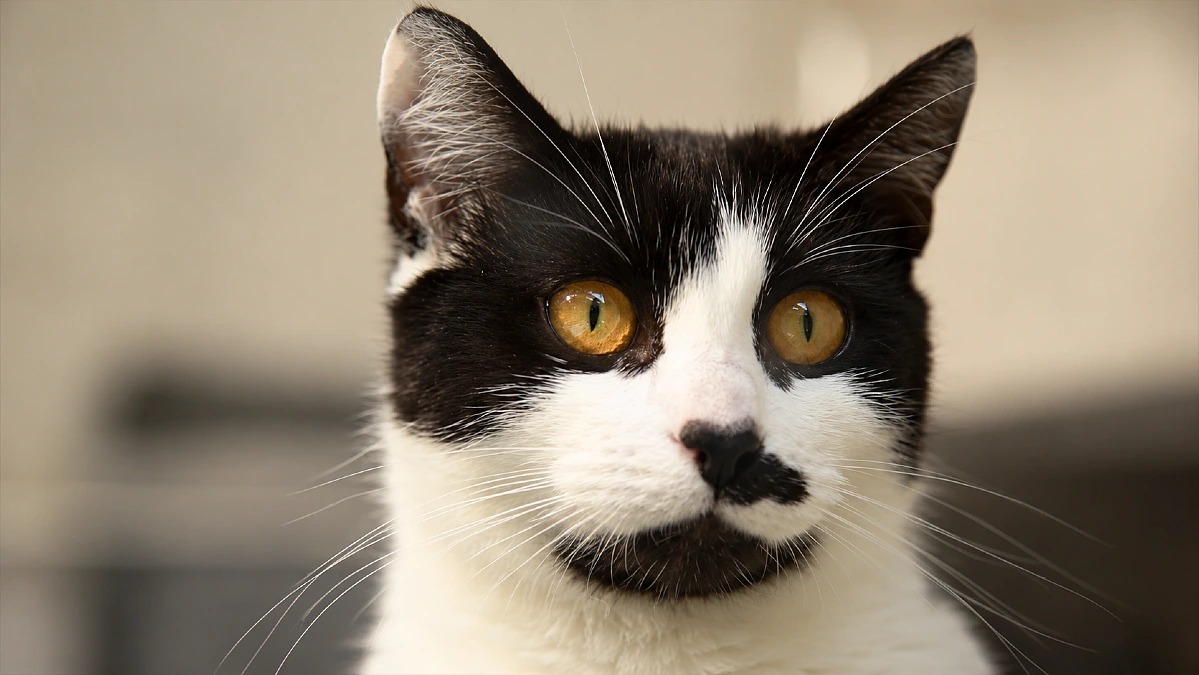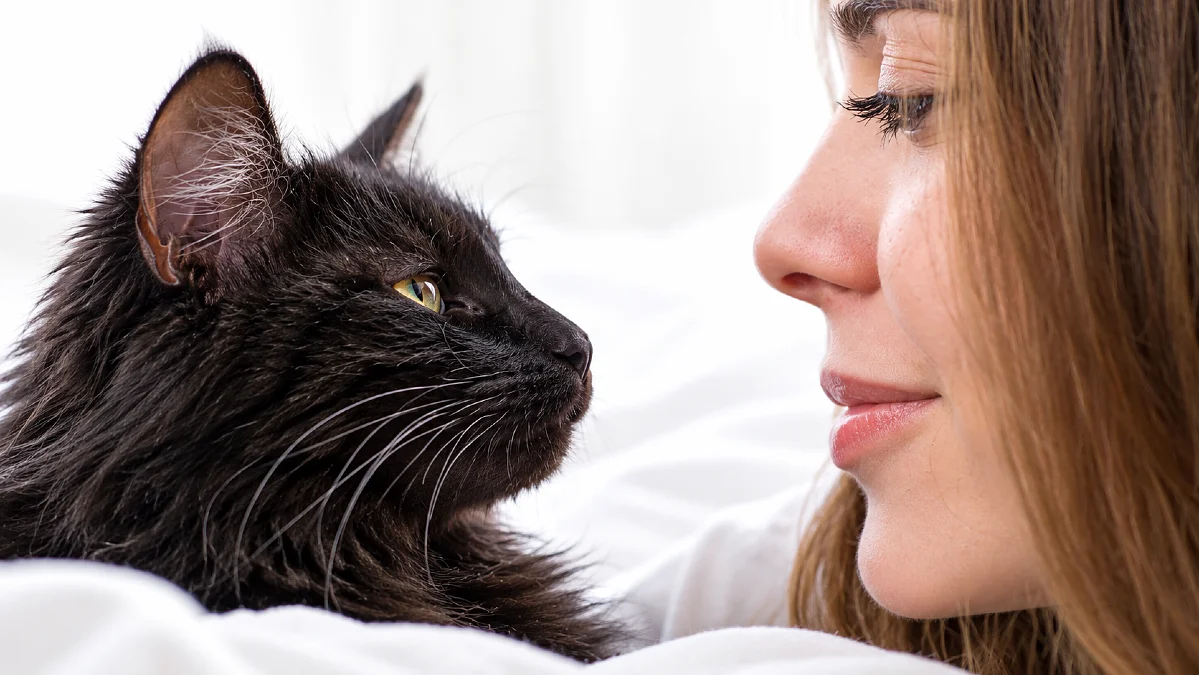

You call your cat from across the room. Nothing happens. You try again, using that sweet voice you know your cat recognizes, but your furry friend keeps staring out the window as if you never spoke.
Then a visitor walks through the door. Suddenly, the same cat that ignored you is running across the living room, sniffing shoes, rubbing against legs, and acting like the most social animal in the house. It can feel a little insulting.
After all, you’re the one providing food, cleaning the litter box, and offering a comfortable place to sleep. Why does your cat seem more interested in someone they barely know?
Why Does Your Cat Ignore You When You Call?
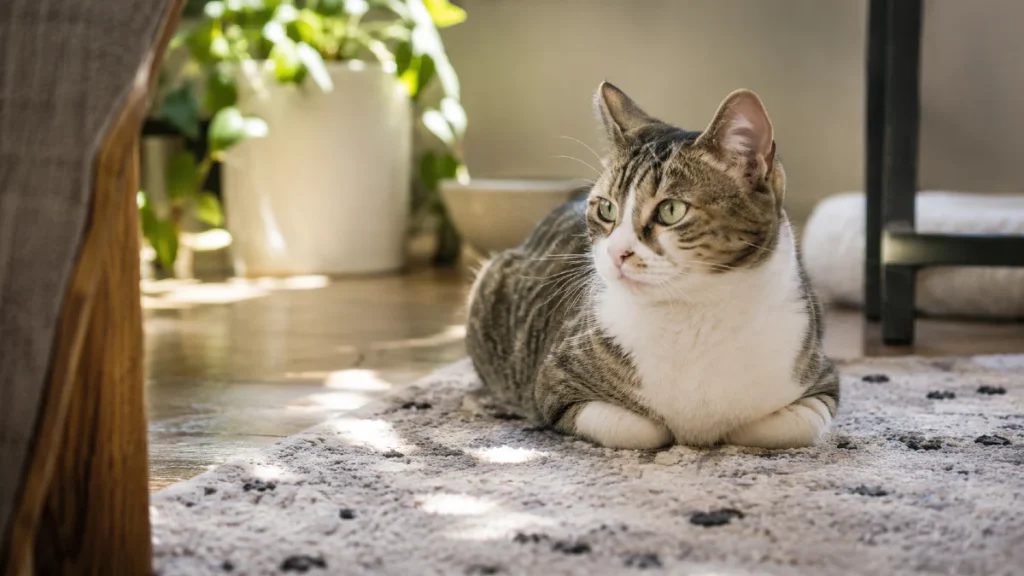
Your cat may hear you perfectly well, even when there is no obvious response. Recognizing a familiar voice and deciding to walk toward that voice are two different things.
A 2013 study by researchers Atsuko Saito and Kazutaka Shinozuka, published in Animal Cognition, found that domestic cats could distinguish their owners’ voices from those of strangers. However, recognizing someone did not mean the cats would always approach them.
Another study published in Scientific Reports in 2019 found that cats could distinguish their own names from other spoken words. Most visible reactions involved moving the ears or head rather than walking toward the speaker.
Your Cat May Respond Without Moving
Watch your cat carefully the next time you call. You might notice one ear turning in your direction, a small head movement, or a brief look before your cat returns to resting.
These small actions can show that your cat noticed the sound. They do not prove that your cat wants to interact, but they can help you tell the difference between hearing and approaching.
What Your Cat’s Response Actually Means
Different reactions call for different responses from you. This table can help you decide whether your cat needs training, space, or closer observation.
| Behavior | Possible meaning | Your next step |
|---|---|---|
| One ear turns | Notices your voice | Speak gently |
| Looks at you | Pays attention | Reward the glance |
| Walks toward you | Chooses to approach | Reward the arrival |
| Continues resting | May prefer to stay | Give space |
| No response to any sound | Possible hearing concern | Contact your vet |
A cat that stays in place is not automatically being stubborn. Look at the situation and your cat’s usual behavior before deciding what the response means.
Your Calling Habits Matter Too
Think about what normally happens after you call your cat. Sometimes you offer food or play, but other times you might trim their nails, give medication, or move them away from a favorite spot.
Your cat can learn from these experiences. If coming to you sometimes leads to something unpleasant, your cat may become less willing to approach.
Cats Protection recommends building a positive connection between a cat’s name and something enjoyable. That gives your cat a good reason to respond when they hear you.
Why Does Your Cat Come Running for Strangers?
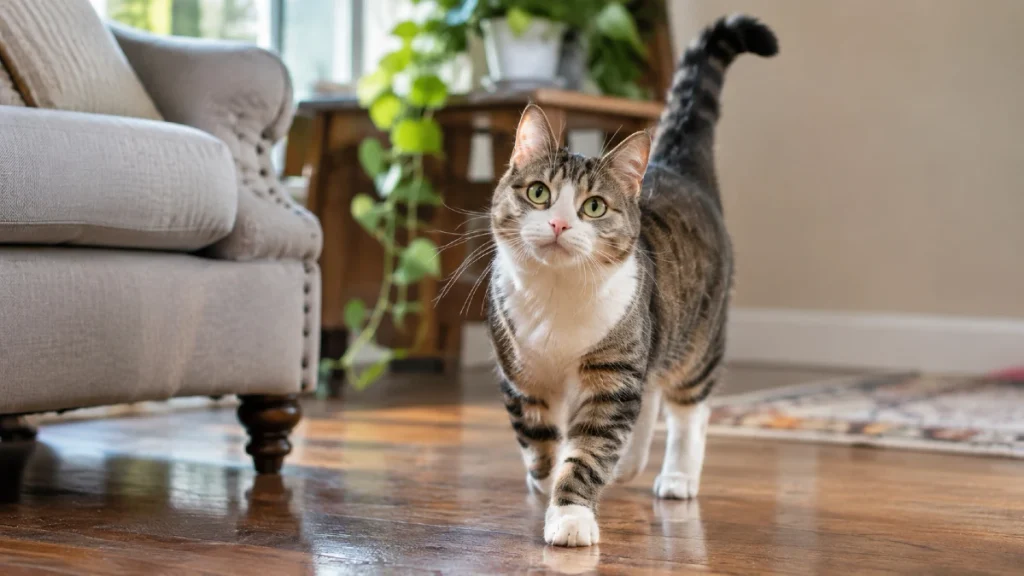
A stranger walking into your home brings a sudden change to your cat’s familiar space. There may be different footsteps, an unfamiliar voice, new clothing, and smells your cat has never encountered.
For a curious cat, these changes can be worth investigating. Your cat might approach to sniff the visitor’s shoes or inspect a bag placed beside the sofa.
Curiosity does not always mean affection. Your cat may simply be gathering information about someone new.
New Smells and Sounds Can Catch Their Attention
Cats rely heavily on their sense of smell to explore their surroundings. A visitor might carry the scent of another pet, food, or an unfamiliar place.
Your cat may also react to the sound of a new voice or the movement of someone entering the room. These are possible reasons for an approach, although they will not explain every cat’s behavior.
What Makes a Visitor Interesting to Your Cat?
Different visitor habits may affect how your cat reacts. This table shows what you can watch for when someone unfamiliar enters your home.
| Visitor factor | Possible reason | What to watch |
|---|---|---|
| Unfamiliar scent | New information | Sniffing clothes |
| Quiet posture | Feels less pressured | Cat moves closer |
| Different voice | Draws attention | Ears turn |
| Treats or toys | Positive past experience | Cat seeks interaction |
| Sudden movements | May cause concern | Cat backs away |
The same visitor can attract one cat and frighten another. Pay attention to what your cat does after approaching, rather than assuming that every greeting is friendly.
Why Ignoring Your Cat Can Make Someone More Appealing
Have you noticed that your cat sometimes approaches the one guest who seems least interested in cats? That person might sit quietly, avoid reaching out, and allow your pet to choose what happens next.
This approach fits guidance from Cats Protection and International Cat Care. Giving cats space and allowing them to initiate contact can support more comfortable interactions.
The 2022 AAFP/ISFM Cat Friendly Veterinary Interaction Guidelines also favor allowing cats to approach voluntarily rather than forcing contact. A calm visitor may therefore be easier for your cat to investigate.
You can try the same approach at home. Sit comfortably, avoid staring directly at your cat, and let them decide whether to come closer.
Does Your Cat Like Strangers More Than You?
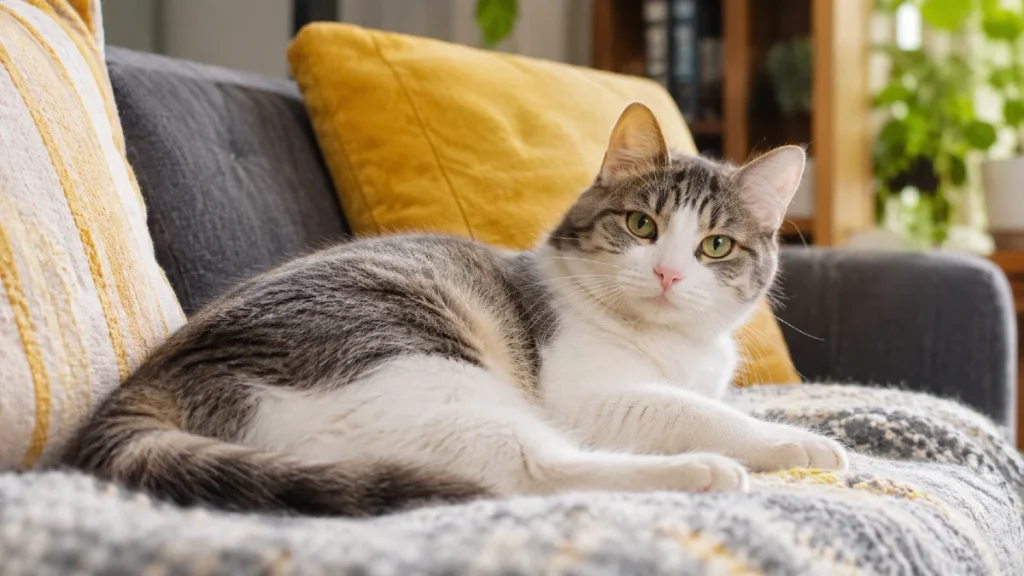
Watching your cat greet a visitor with excitement can make you question your relationship. But an enthusiastic greeting does not tell you who your cat trusts most.
Your cat sees and hears you regularly. Your voice, footsteps, and daily habits are part of a familiar environment, while visitors may bring something new to investigate.
A familiar relationship can also involve quiet time together. Your cat may feel comfortable resting near you without needing constant attention.
Familiarity Can Create Different Kinds of Interaction
Research suggests that cats can develop distinct ways of communicating with familiar people. A study by Charlotte de Mouzon and colleagues, published online in 2022, found that cats reacted differently to speech directed at them when it came from their owners.
That finding does not mean every cat has a favorite person. It shows that familiar interactions can shape how cats respond to human voices.
Your cat might recognize your voice during a nap and still choose to remain asleep. Later, the same cat might follow you into the kitchen or settle beside you on the couch.
Look for Trust in Everyday Behavior
Instead of comparing your cat’s reaction to you with their reaction to visitors, watch what happens during a normal day. Small, repeated interactions can tell you more than one dramatic greeting.
Signs that may suggest comfort and trust include:
- Choosing to rest or sleep near you.
- Approaching you with a relaxed body.
- Rubbing their face or body against you.
- Slow blinking while looking relaxed.
- Seeking contact and remaining comfortable during gentle petting.
- Returning to spend time near you after exploring the house.
No single behavior proves that a cat loves someone. Cats have different personalities, so the most useful comparison is how your cat behaves when comfortable versus when worried.
Some cats seek frequent physical contact, while others prefer simply sharing a room. Neither style automatically means the relationship is weaker.
How Can You Tell a Friendly Greeting From Stress?
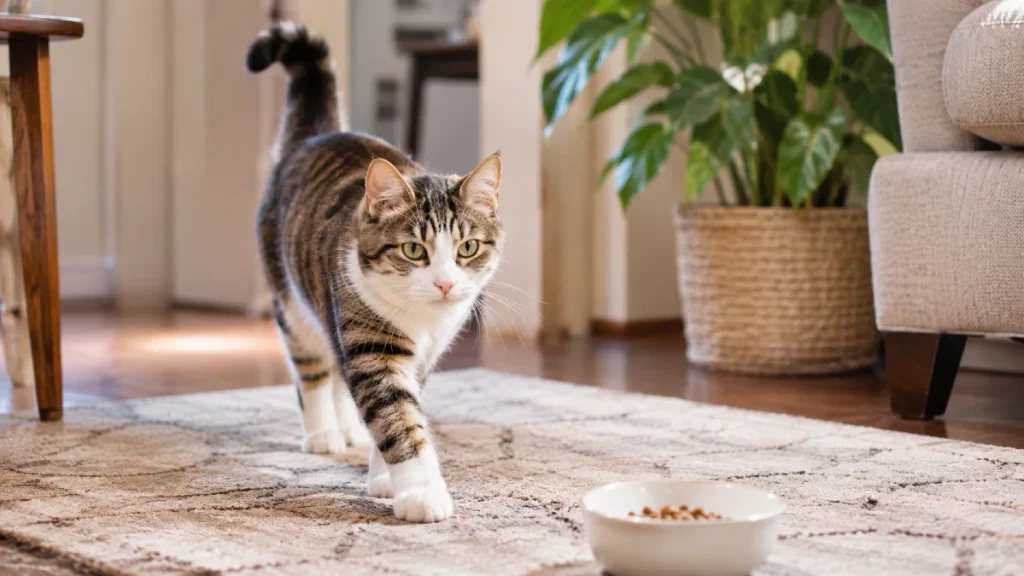
A cat running toward a visitor may look excited, but movement alone cannot tell you how the animal feels. You need to look at the ears, tail, posture, and what happens after the approach.
A relaxed cat may walk forward with a loose body, sniff the visitor, and choose to remain nearby. A worried cat may approach cautiously, freeze, or retreat when someone moves.
A March 2026 study published in Scientific Reports examined how 1,950 people judged cats’ stress levels from videos. The findings showed that recognizing stress from body language can be difficult, even when people have experience with cats.
Read Several Body Signals Together
One tail movement or ear position does not tell the whole story. The cat’s surroundings and overall posture matter as well.
Friendly, Curious, and Stressed Cat Body Language
Use this guide to decide whether to invite contact or give your cat more space. These signals are clues, not guaranteed descriptions of how a cat feels.
| Body signal | Possible meaning | What to do |
|---|---|---|
| Tail held upright | Friendly interest | Allow approach |
| Loose body posture | Feels comfortable | Stay relaxed |
| Gentle sniffing | Exploring | Avoid rushing |
| Slow blinking | May feel relaxed | Blink softly |
| Flattened ears | Fear or discomfort | Give space |
| Crouching and retreating | Wants distance | Stop interaction |
The strongest clue is often whether your cat can freely choose to continue or leave. If your cat becomes tense or moves away, respect that choice instead of encouraging more contact.
Let Your Cat Set the Pace
Ask visitors to enter calmly and avoid reaching immediately for your cat. They can sit down, speak quietly, and allow your cat to approach on their own.
If your cat comes closer, the visitor can offer a relaxed hand nearby without pushing it into the cat’s face. If the cat chooses contact, gentle strokes around the cheeks or head may be welcome.
Watch for signs that your cat has had enough. Turning away, stiffening, or walking off means the interaction should stop.
For shy cats, simply being comfortable in the same room as a visitor can be progress. There is no need to make every cat greet every guest.
How Can You Teach Your Cat to Come When Called?
You can help your cat learn that responding to your voice brings something worthwhile. The goal is to make coming to you a positive choice, rather than something your cat feels pressured to do.
Cats Protection recommends teaching name recognition with rewards in a calm place. Short sessions can help your cat connect a familiar sound with an enjoyable experience.
Start With an Easy Training Session
Choose a quiet room where your cat feels safe and comfortable. Keep a few small treats or a favorite toy nearby, and begin when your cat is relaxed but awake.
Follow these steps:
- Say your cat’s name once. Use a calm, friendly voice and avoid repeating it rapidly.
- Reward a small response. If your cat looks at you, praise them and offer a small treat.
- Encourage a closer approach. Once your cat responds to the name, reward movement toward you.
- Increase the distance slowly. Practice from a few steps away before calling from another room.
- Add mild distractions later. Try calling while something else is happening, but keep the task easy enough for your cat to succeed.
- Practice in short sessions. Stop before your cat loses interest and repeat the exercise another time.
Keep your expectations realistic. Some cats learn quickly, while others need more practice or a different reward.
Small pieces of an approved treat, a portion of regular food, or a quick game with a toy can all work. Count food rewards as part of your cat’s daily intake, especially if weight control is important.
Avoid Teaching Your Cat to Ignore the Call
Calling repeatedly without any reward can weaken the value of the cue. Your cat may hear the name so often that it becomes part of the usual background noise.
Try to make your recall cue clear and consistent. Avoid using it mainly before unpleasant tasks such as medication or nail trimming.
Never shout at your cat for failing to respond. Fear can make future training harder and may cause your cat to avoid you.
Common Recall Training Problems and Their Fixes
If your cat already knows their name but rarely comes over, a small change in training may help. Use this table to identify what could be making the lesson difficult.
| Problem | Possible cause | What to change |
|---|---|---|
| Never looks up | Too distracted | Choose a quiet room |
| Looks but stays | Approach not learned | Reward small movements |
| Stops midway | Task is too difficult | Shorten the distance |
| Ignores food reward | Reward is not appealing | Try play or another treat |
| Walks away when called | Possible negative association | Rebuild with rewards |
| Responds only nearby | Distance needs practice | Increase it gradually |
You do not need expensive training tools to make progress. Consistency and rewards your cat enjoys are more important than a particular product.
Turn Recall Into a Daily Habit
Practice when your cat is already interested in interacting. Calling just before a small reward or play session can help build a stronger connection between your voice and a pleasant experience.
Once your cat responds reliably, reward them in different parts of the home. You can gradually use praise, gentle attention, or short games alongside food rewards.
Keep some rewards available even after your cat learns the cue. Coming when called should continue to be worthwhile.
Remember that recall training has limits. A trained cat may still ignore a call when frightened, distracted, or uncomfortable, so never rely on recall alone to keep a cat safe outdoors.
When Should You Worry if Your Cat Stops Responding?
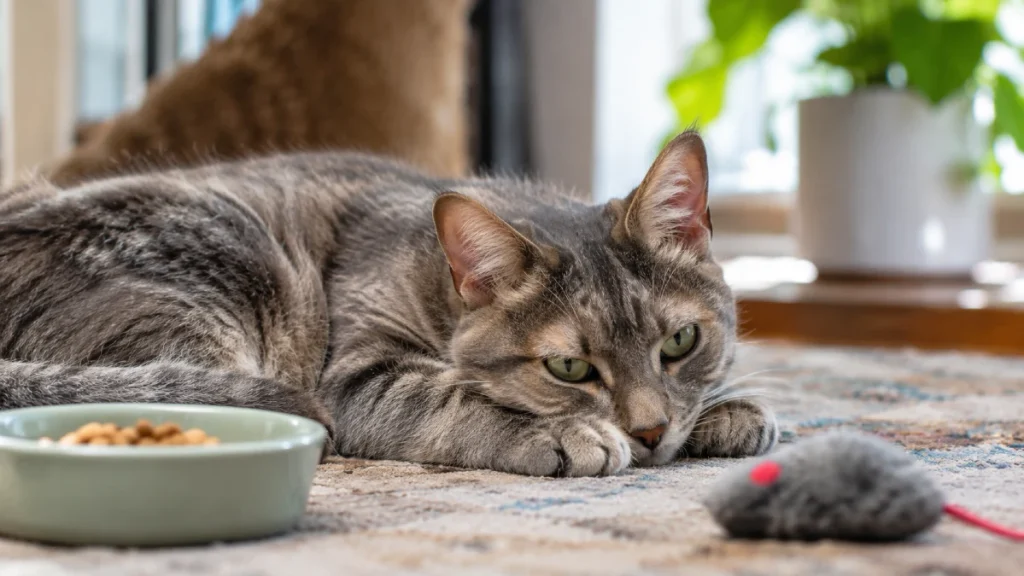
If your cat has always been independent, occasionally ignoring your voice is usually not a reason to panic. What matters more is whether the behavior has suddenly changed.
A cat that once responded to familiar sounds but now seems unaware of them may need a veterinary examination. Changes in hearing, pain, illness, or stress can affect how cats interact with people.
Cornell Feline Health Center explains that ear infections, injuries, aging, and other conditions can affect hearing. A cat with hearing loss may no longer react to sounds that once caught its attention.
Watch for Other Changes at Home
Pay attention if your cat begins behaving differently in several ways at once. A change in response to calling becomes more concerning when it appears alongside other unusual behavior.
Look for signs such as:
- No longer reacting to familiar household sounds.
- Scratching the ears frequently or showing ear discomfort.
- Hiding more than usual or avoiding familiar people.
- Eating less or showing a sudden appetite change.
- Moving stiffly or appearing uncomfortable when walking.
- Acting confused or showing unusual changes in sleep.
These signs do not point to one specific illness. They do mean it is worth speaking with your veterinarian rather than assuming your cat has become less affectionate.
Do Not Force a Response
If you suspect hearing loss, avoid startling your cat from behind. Approach where they can see you and use gentle visual signals instead of raising your voice.
Cornell Feline Health Center advises veterinary care when hearing problems or ear disorders are suspected. If your cat is suddenly disoriented, cannot walk normally, or appears seriously unwell, seek urgent veterinary attention.
A medical problem and an ordinary behavior preference can look similar at first. Watching for changes from your cat’s usual habits is the safest way to decide when help is needed.