
Every year, pet owners drop big money on fancy pet sofas. Shiny. Instagram-ready. Price tags in the hundreds or even thousands.
But here’s the catch—most pets don’t even use them.
Ads and social posts tell you that your dog or cat needs “luxury” furniture. It feels like love, right? Yet most of these products do little for real pet comfort. They eat up space, drain your wallet, and sometimes aren’t even safe.
This guide cuts through the noise. You’ll see the truth about pet furniture needs—what matters, what’s a waste, and how to spot the difference. We’ll cover comfort, safety, cleaning, and durability. Plus, you’ll get a checklist for choosing an affordable pet bed your pet will actually love.
Why the Pet Furniture Market Is Booming — Is the Price Justified?
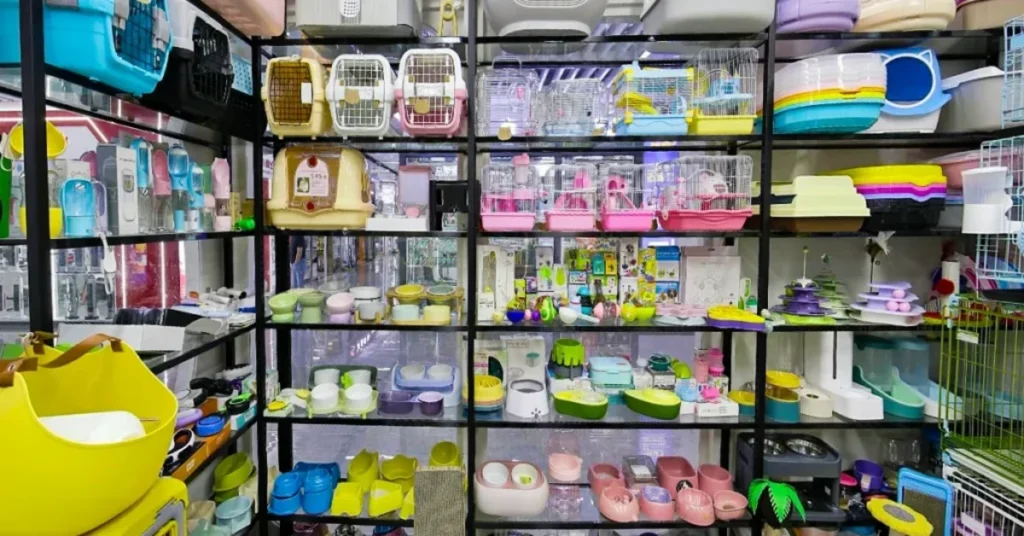
Pet stores and online shops are full of fancy furniture for dogs and cats. The market is huge. Reports say pet furniture will reach around $4.2 to $4.3 billion in 2025, growing about 6–7% every year (Fortune Business Insights, Persistence Market Research, Future Market Insights). That’s a lot of money spent on tiny sofas and designer beds.
Why so much growth? People treat pets like family. They want stylish items that match their home, eco-friendly materials, and “multi-use” products. Brands know this and price items higher when they add premium fabrics or sleek designs.
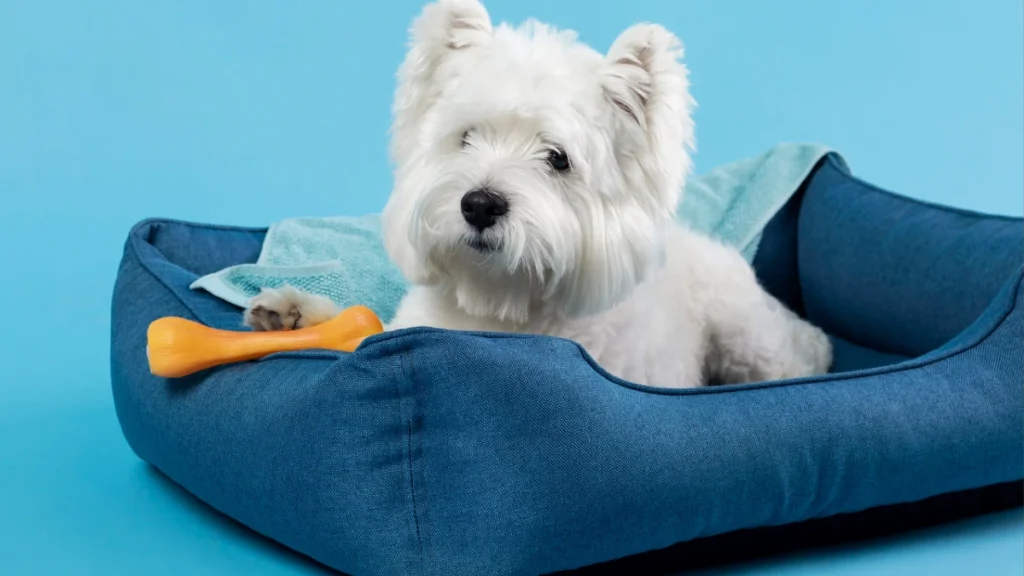
But here’s the catch: pets don’t shop. You do. Many owners buy furniture that looks great on Instagram but sits unused in the corner. A dog may prefer a $50 orthopedic bed that supports its joints over a $1,000 leather sofa it finds slippery. Cats often choose a cardboard box over a velvet chaise.
So the real question is: are you paying for your pet’s comfort, or for furniture that impresses other people? Knowing that difference saves money and stress.
What Pets Truly Need: Features That Matter in Pet Furniture

Your pet doesn’t care if the fabric is Italian linen. They care about comfort and safety. Let’s break it down.
Comfort
Your pet needs the right size bed. If they can’t stretch out, they won’t use it. Older pets may need orthopedic foam to ease pressure on joints. In winter, insulation keeps them warm. In summer, a breathable fabric keeps them cool.
Safety
Skip anything with small parts that can break off. Non-toxic materials matter, especially for chewers. Beds should be low enough for your pet to climb in and out without strain.
Cleanliness and hygiene
Pets shed hair, drool, and sometimes have accidents. Furniture should be easy to wash. Removable covers or waterproof liners make life easier. Materials that resist odor and stains are worth the extra cost.
Durability
Cheap beds flatten fast. If your pet uses it daily, poor quality means you’ll be buying again soon. Durable doesn’t mean luxury—it means something that holds up over time.
Location and usability
Where you put the bed matters. Some pets like quiet corners. Others want to be near you in the living room. If the spot is wrong, they won’t use it no matter how much it costs.
When you focus on these features, you’re choosing what your pet actually wants, not what looks good in photos. That’s how you meet real pet furniture needs.
What to Avoid — Overpriced Features and Flashy Trends
Extravagant looks over function (designer fabric, ornate frames)
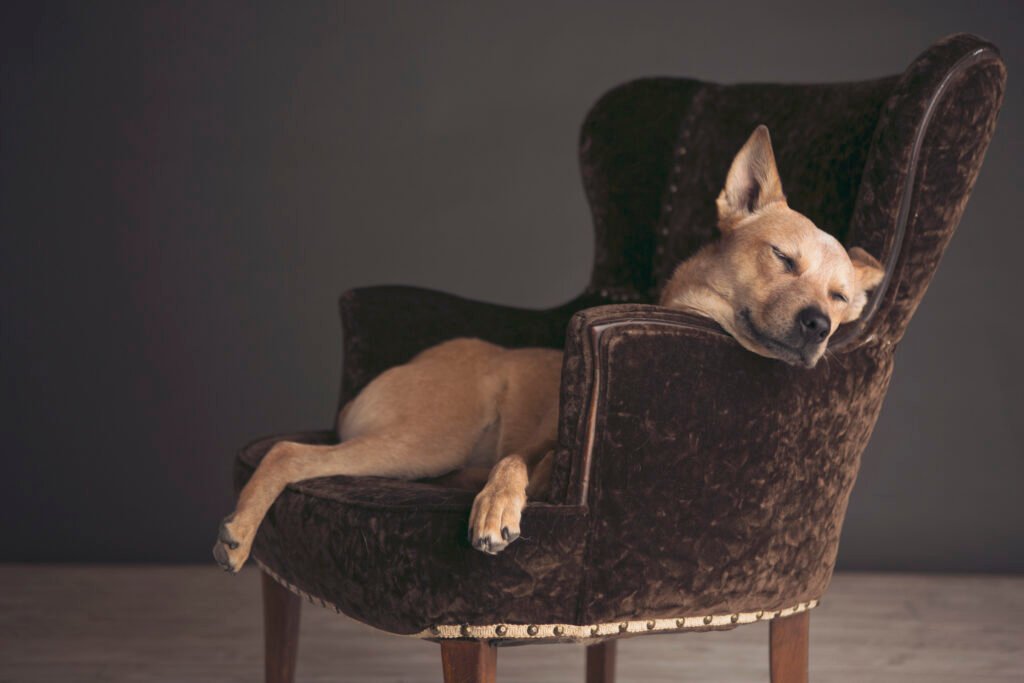
A velvet sofa for a dog might look nice to you, but your pet doesn’t care. These fabrics stain fast and are hard to clean. You pay more, but your pet isn’t more comfortable.
Branding and big price tags without better quality
Some brands add a logo or call it “luxury” to charge hundreds more. The foam inside may not be any better than a mid-range bed. You’re buying a name, not extra comfort.
Oversized furniture that takes up too much space
A giant pet couch might crowd your living room, but your dog may still curl up on the floor. If it’s bulky and hard to move, it just becomes clutter.
Gimmicks with little benefit
Built-in speakers, fancy tech, or heated cushions might sound cool. But if you live in a mild climate, heated features are wasted. Many pets ignore gadgets completely.
Luxury materials that wear out quickly
Silk cushions or fancy trims look high-end, but they rip, stain, and trap fur. Durable cotton, canvas, or microfiber usually last longer and cost less.
When you know what to avoid, you save money and stress. Expensive doesn’t always mean better. Many owners regret buying “statement” pet furniture that ends up unused. Instead, spend smart on washable, safe, and comfy options your pet will actually use.
How to Choose the Right Pet Furniture — Actionable Checklist

Measure your pet (length, width, ability to stretch, joints, age)
Start with size. A bed too small will go unused. Measure your pet from nose to tail while stretched out. Add a few extra inches so they can sprawl. For older pets, consider joint pain. A dog with arthritis needs extra support to get in and out without pain.
Match materials to climate and lifestyle (washable covers, breathable fabrics, non-toxic)
If you live in a hot area, pick breathable fabric like cotton. Cold winters? Go with something thicker or with insulation. Always choose non-toxic fillings and covers. Look for removable, machine-washable parts. You’ll need them after muddy paws or an accident.
Prioritize function: ease of cleaning, durability, modularity
Ask yourself: can I clean this quickly? A durable bed may cost more upfront, but it saves you from replacing it every year. Some modular beds let you replace covers or cushions without buying the whole thing again.
Budget tiers: what to expect
Good enough (basic beds $20–50): simple foam or cushion, works for most healthy pets.
Better ($50–150): thicker foam, removable covers, better fabrics, more durable.
Premium ($150+): orthopedic foam, cooling or heating features, long-lasting build. Worth it if your pet has special needs, like a senior dog with hip problems.
Try before buying: observe behavior
If possible, test with something cheap first. See where your pet likes to rest. Some dogs want corners. Some cats prefer higher spots. A puppy that chews everything may destroy an expensive bed. Better to learn that with a $30 option than a $300 one.
When you follow this checklist, you focus on what pets really need, not what the store display makes you think you need. That’s how you find an affordable pet bed that’s durable, safe, and actually used.
Affordable Alternatives and Inexpensive Upgrades
DIY or upcycled solutions (old couch cushions, crate + padding)
You don’t need to spend big to give your pet comfort. Old sofa cushions or folded blankets in a crate can be just as cozy.
Using blankets, mats, or simple cushions
Many pets are happy with a soft spot that smells like you. A washable blanket on the floor often beats a $500 sofa.
Small upgrades that make a big difference
You can add waterproof liners, removable covers, or locking zippers to basic beds. These upgrades keep furniture cleaner and make it last longer without spending much.
Brands and products known for value
Look for brands that sell washable, durable beds in the $40–100 range. In 2025, many mid-range brands offer orthopedic support without luxury prices. Read reviews and check durability, not just looks.
Buying second-hand with safety checks
Second-hand can save money, but be careful. Wash thoroughly, check for damage, and avoid anything with stuffing that might be unsafe if chewed.
Affordable doesn’t mean low quality. With a little creativity, you can cover your pet furniture needs without wasting money. Pets care about comfort, safety, and your smell on the fabric. They don’t care about designer tags.
Conclusion
Your pet doesn’t need a $2,000 sofa. What they really need is simple—support, safety, clean fabrics, and the right size. A fancy design may please you, but it won’t make your dog or cat happier.
Expensive doesn’t always mean better. Smart, thoughtful choices give your pet comfort without draining your wallet.
Before you buy, go through the checklist. Look at what you already have. Spend your savings on things that truly matter—good food, vet care, and playtime.
And if this helped you, share it with another pet owner. They might be feeling the same pressure you did.
By focusing on what pets really need, not what looks stylish, you’ll meet your pet furniture needs without overspending.