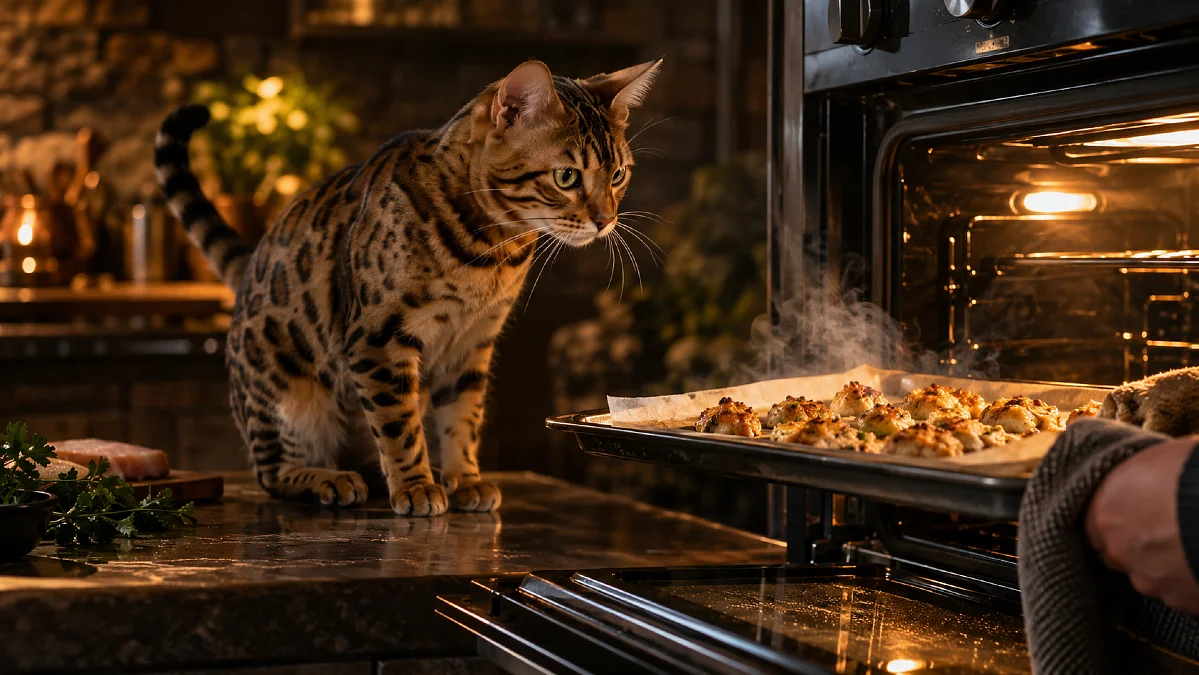
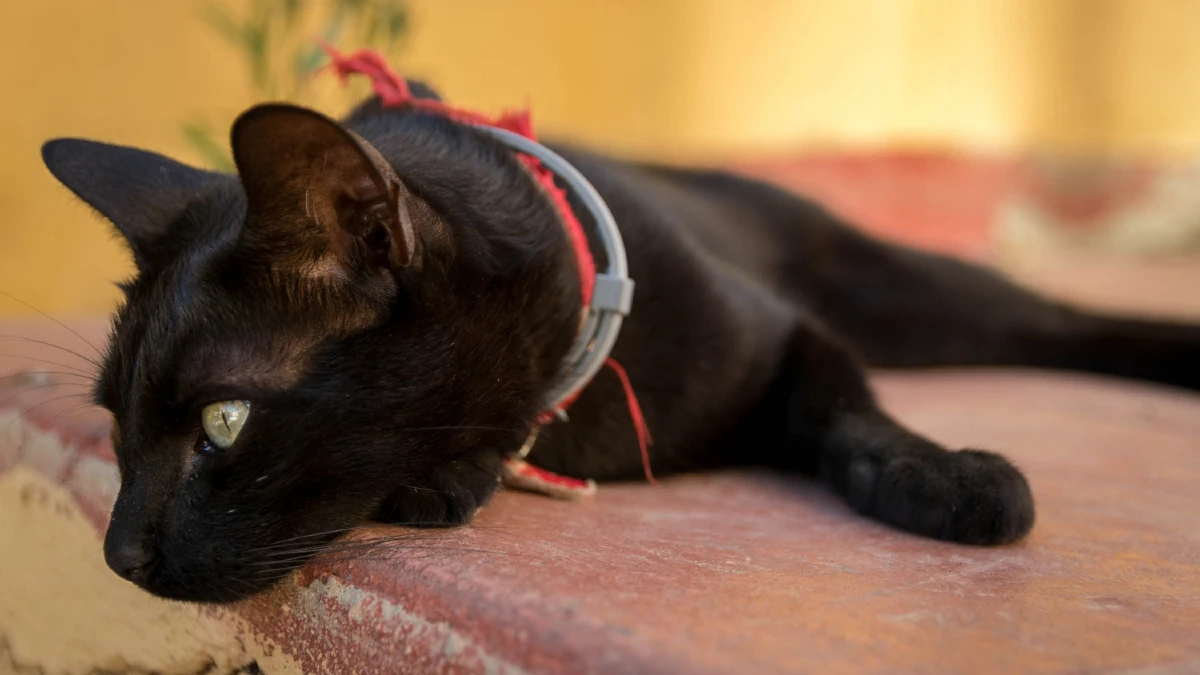
At 3 AM on a Tuesday, Sarah was rushing to the emergency vet with her 8-year-old tabby, Milo, barely breathing in his carrier. Her hands shook as she wondered how she’d missed the signs.
44.9% of cat owners don’t take their cats to the vet annually, and 40% can’t afford emergency vet bills when crisis strikes. Most cat emergencies don’t happen overnight – they build slowly over weeks, giving owners multiple chances to catch problems early.
Maria’s expensive, heart-wrenching lesson can become your prevention plan. You’ll learn the 7 most commonly ignored warning signs, the real costs of waiting versus acting early, and actionable steps to catch problems before they become emergencies.
My Story: The Warning Signs I Missed

Maria thought she knew her 8-year-old tabby, Milo, better than anyone. She’d had him since he was a kitten. When he started eating a little less breakfast each morning, she figured he was just getting pickier with age.
“He’s always been dramatic about his food,” Maria told herself. Week one passed. Milo still ate dinner, just not as much. He still purred when she got home from work. Nothing seemed really wrong.
By week two, Maria noticed Milo sleeping in different spots. Instead of his usual sunny windowsill, he chose dark corners under the bed. “Maybe it’s too hot by the window,” she reasoned. These missed warning signs would soon become a costly lesson in cat illness symptoms.
Week three brought subtler changes. Milo’s litter box stayed cleaner longer. His coat looked slightly dull. He moved slower when jumping onto the couch. Maria’s busy work schedule made these small shifts easy to dismiss. “He’s just getting older,” became her go-to explanation.
The cat emergency hit on a Tuesday night at 2 AM. Maria woke to find Milo struggling to breathe. His gums were pale. He couldn’t stand properly. Terror filled her chest as she rushed him to the 24-hour emergency clinic.
The emergency vet bill came to $847 that night. While the average emergency visit costs $154, complex cases can easily reach thousands. Sarah’s credit card took the hit, but the real cost was watching Milo suffer. Blood tests showed severe dehydration and kidney problems that had been building for weeks.
“If you’d brought him in two weeks ago, we could have caught this early,” the vet explained. Those words hit Maria like a punch. Every small change she’d dismissed suddenly made perfect sense. The decreased appetite. The hiding. The reduced litter box use. Milo had been showing classic signs of kidney disease.
The good news? Milo recovered with treatment. The bad news? Sarah learned that indoor cats typically live 12-18 years compared to just 2-5 years for outdoor cats, but only when owners catch health problems early. Her delay could have shortened Milo’s life significantly.
Three months later, Milo was back to his normal self. But Maria was forever changed. She now checks his food and water daily. She pays attention to where he sleeps. She schedules regular vet visits even when he seems fine.
“I thought I was being a good cat mom,” Maria reflects. “But I was missing the most important part – actually watching for the subtle signs that meant he needed help.”
Why Cats Hide Illness (And Why We Miss the Signs)

Your cat’s ability to hide sickness isn’t stubbornness. It’s pure survival instinct. Cats hide illness because their wild ancestors had to avoid showing weakness to predators. A sick cat in the wild becomes easy prey. This instinct runs so deep that even pampered house cats still mask their pain and discomfort.
Think about it. Wild cats who showed obvious signs of illness didn’t survive long enough to pass on their genes. The cats who hid their problems lived longer and had more babies. After thousands of years, we’re left with pets who are masters at pretending everything’s fine.
This creates a huge problem for cat owners. Recent studies show that 12% of mature adult cats and 35% of senior cats aren’t actually healthy when properly screened. These cats seemed fine to their owners. Only detailed vet exams revealed hidden health issues.
We humans make the problem worse. We want to believe our cats are okay. When Fluffy eats a little less, we think she’s being picky. When she sleeps more, we assume she’s just lazy. Our brains look for simple explanations that don’t require vet visits or worry.
This is why signs that cats are sick get missed so often. We see what we want to see. We rationalize changes instead of investigating them. We wait for obvious symptoms that may never come.
The “waiting too long” trap catches most cat owners. We think we’ll take action when things get “really bad.” But with cats, “really bad” often means “almost too late.” By the time your cat shows obvious distress, the problem has usually been building for weeks or months.
Dogs are different. They’re more obvious about pain and discomfort. They whine, limp dramatically, and refuse food completely. Cats just… adapt. They find quieter spots to rest. They eat smaller amounts more slowly. They move more carefully.
Early detection of cat disease requires active watching, not passive waiting. You can’t rely on your cat to tell you something’s wrong. You have to become a detective, looking for the tiny clues they can’t help but leave behind.
The solution isn’t complicated, but it requires changing how you think about cat care. Instead of waiting for problems, you need to look for them. Instead of assuming everything’s fine, you need to prove it with regular check-ups and daily observation.
The 7 Most Commonly Ignored Cat Warning Signs
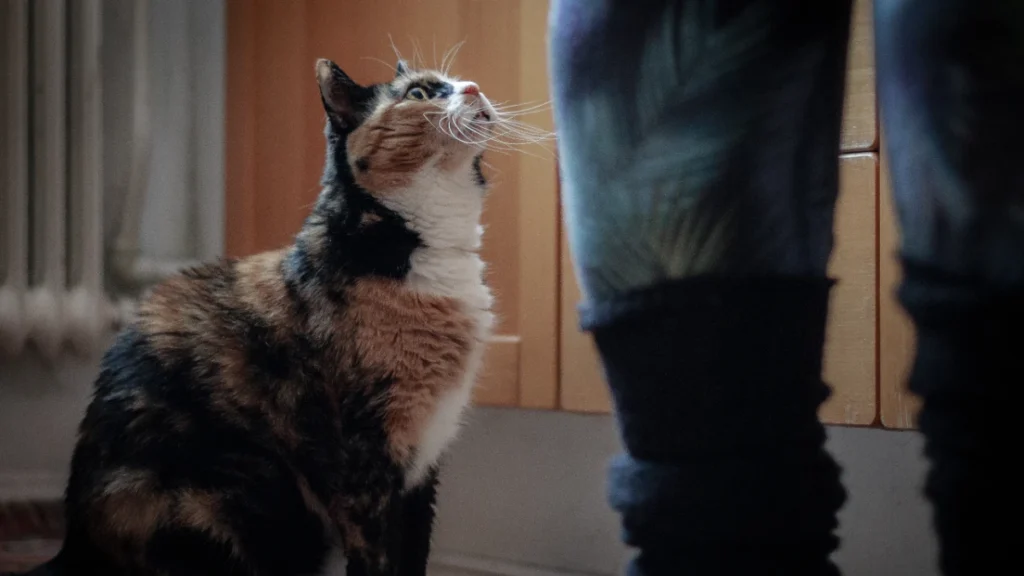
These cat warning signs illness often hide in plain sight. You see them but don’t recognize them as problems. Here’s what Sarah wishes she’d known about signs cat is sick before Milo’s emergency.
1. Subtle Appetite Changes
Maria noticed Milo leaving a few kibbles in his bowl each morning. “He’s just getting pickier,” she thought. This is the most dangerous assumption cat owners make.
Watch for these changes: eating 10-20% less food over several days, taking longer to finish meals, or showing less excitement at feeding time. Your cat doesn’t have to stop eating completely to signal trouble. Kidney disease, dental pain, and other serious conditions start with small appetite drops.
What to do: Measure your cat’s daily food intake for a week. If it drops consistently, call your vet.
2. Litter Box Behavior Changes
70% of cat owners check the litter box daily, but 60% can’t identify the root cause of issues. Maria noticed Milo’s box stayed cleaner longer but assumed he was drinking less water.
Look for: smaller clumps, different urine color, straining to urinate, or going outside the box. Even positive changes like “cleaner” boxes can signal dehydration or kidney problems.
What to do: Take photos of normal waste patterns. Compare weekly. Any changes warrant a vet visit.
3. Sleep Pattern Changes
Cats normally sleep 16-18 hours daily. Maria saw Milo sleeping in new spots – under beds instead of sunny windows. She thought he wanted cooler areas.
Cat illness symptoms include sleeping more than 18 hours, choosing isolated spots, or sleeping in hunched positions. Cats in pain often sleep with their heads raised or avoid lying down completely.
What to do: Note where your cat sleeps and how they position themselves. Changes in sleep location or posture signal discomfort.
4. Grooming Changes
Milo’s coat looked slightly dull to Maria, but she blamed it on summer weather. Cats are obsessive groomers. Any change in grooming habits means something’s wrong.
Watch for: matted fur, greasy coat, over-licking specific areas, or completely stopping grooming. Arthritis makes grooming painful. Stress causes over-grooming. Illness reduces energy for normal grooming.
What to do: Brush your cat weekly. You’ll notice texture and cleanliness changes immediately.
5. Increased Hiding or Withdrawal
This is often the first sign owners notice but the last one they take seriously. Milo started avoiding Maria’s evening TV time. She thought he was being moody.
Sick cats withdraw from family activities. They choose isolated spots over social areas. They stop greeting you at the door or responding to their name as quickly.
What to do: Track your cat’s social behavior. If they avoid normal activities for more than two days, something’s wrong.
6. Subtle Breathing Changes
Maria never thought to watch Milo breathe until that emergency night. These respiratory changes are easy to miss but critical to catch.
Normal cats breathe 20-30 times per minute while resting. Watch for: faster breathing while sleeping, breathing with mouth open, or reluctance to lie flat. Cats with breathing problems often sit upright or sleep with their heads elevated.
What to do: Count your cat’s breaths while they sleep peacefully. Time 15 seconds and multiply by four. Anything over 30 breaths per minute needs immediate attention.
7. Minor Weight Fluctuations
34% of cats are overweight or obese, making small weight changes hard to notice. Maria never weighed Milo at home. She only discovered his weight loss during the emergency exam.
A two-pound weight loss in a 10-pound cat equals a 20% body weight drop. That’s like a 150-pound person losing 30 pounds. Even one pound matters in cats.
What to do: Weigh your cat monthly using a baby scale or your bathroom scale (hold cat, weigh together, subtract your weight). Record the numbers.
Why These Signs Get Missed
We expect dramatic symptoms. We wait for obvious distress. But cat illness symptoms start small. They build slowly. By the time symptoms become obvious, the problem is often serious.
Maria’s story shows how these seven signs worked together. Each one alone seemed minor. Together, they painted a clear picture of decline. Milo was telling her he needed help. She just didn’t speak his language yet.
The good news? Once you know what to look for, these signs become easy to spot. You don’t need medical training. You just need to pay attention to the small changes that happen before the big problems start.
The True Cost of Waiting: Emergency vs. Prevention
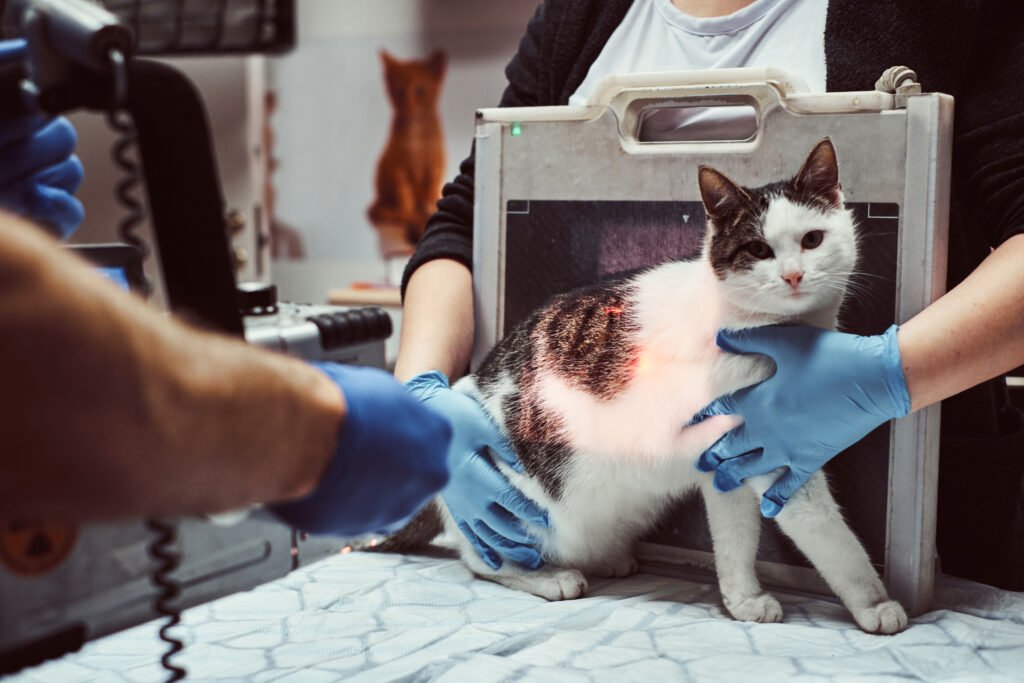
The financial reality hit Maria along with the emotional trauma. Routine vet visits cost $53-124 for cats, while emergency visits average $154 but can easily reach thousands. Maria’s emergency bill totaled $847 for one night – more than five years of routine checkups.
40% of pet owners would use credit cards for unexpected vet bills. Maria joined this statistic, adding financial stress to her worry about Milo’s health. The overnight emergency visit included blood work, IV fluids, medications, and monitoring that could have been spread across multiple routine visits for much less money.
Here’s the real breakdown: Early kidney disease detected during a $75 routine visit costs about $200-300 to manage initially. The same disease caught during an emergency can cost $800-2,000 for stabilization, plus ongoing treatment costs.
Only 7% of pets have insurance coverage, leaving most owners to pay these bills out of pocket. Maria learned this statistic the hard way when her credit card statement arrived.
The quality of life difference matters more than money. 54% of senior cats develop clinically relevant disease within two years of appearing healthy. Early detection means easier treatment, better outcomes, and less suffering for your cat.
Maria’s case shows perfect timing for early action. Two weeks before the emergency, Milo’s kidney values were likely just starting to climb. A routine blood panel would have caught the problem when it was manageable with diet changes and medication. Instead, he needed intensive treatment to survive.
The prevention math is simple: Six months of routine monitoring costs less than one emergency visit. The peace of mind is priceless. Sarah now budgets $200 annually for Milo’s preventive care. She considers it the cheapest insurance policy she’s ever bought.
Prevention isn’t just about your cat’s health – it’s about your financial peace of mind. The cost of waiting isn’t just money. It’s watching your cat suffer when you could have prevented it entirely.
What to Do When You Notice These Signs
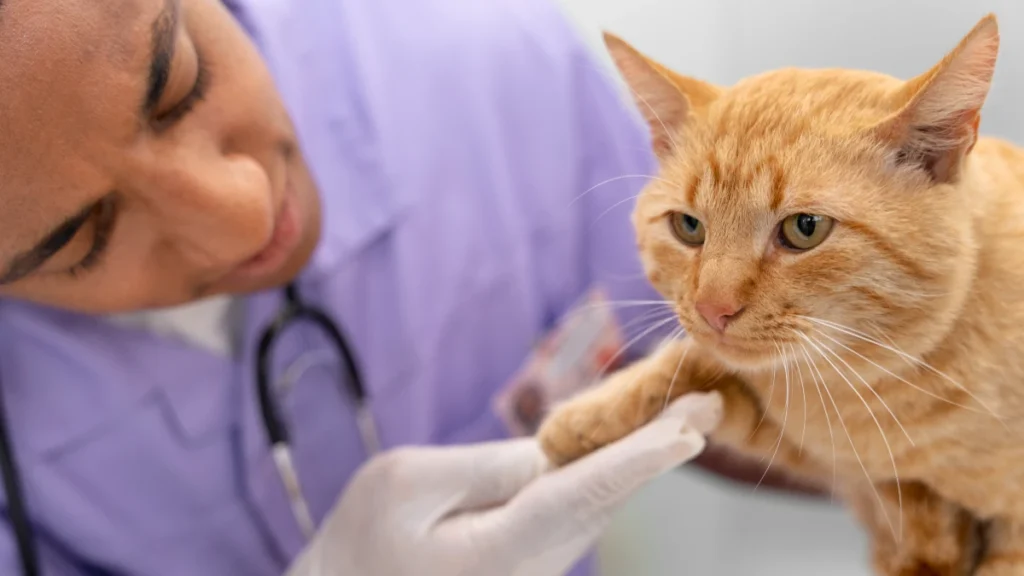
Don’t wait for multiple symptoms to show up. Maria made this mistake with Milo, thinking she needed more “proof” before bothering the vet. One consistent change is enough reason to call.
Document Everything for Your Vet
Start a simple log the moment you notice something different. Write down: what you saw, when it happened, and how long it lasted. Your phone’s notes app works perfectly for this.
Example log entry: “Tuesday 3pm – Milo ate only half his breakfast, left the rest. Normal behavior otherwise.”
Take photos if possible. A picture of reduced food intake or different litter box patterns helps your vet understand the problem faster.
When to Call vs. Schedule vs. Rush In
Call your vet same day for: appetite changes lasting 2+ days, litter box changes, increased hiding, or breathing rate over 30 breaths per minute.
Schedule an appointment within a week for: minor grooming changes, slight sleep pattern shifts, or subtle behavior differences you can’t pinpoint.
Go to emergency immediately for: difficulty breathing, inability to urinate, collapse, seizures, or obvious pain like crying when touched.
Questions to Ask Yourself
Before calling your vet, answer these: How long has this been happening? Is it getting worse? What’s different about your cat’s normal routine? Have there been any household changes?
Questions to Ask Your Vet
“Based on what I’m seeing, how urgent is this?” and “What should I watch for that would make this more serious?” These questions help you understand next steps and when to worry more.
Create a Symptom Timeline
Cat illness symptoms often make more sense when viewed over time. Sarah’s timeline would have shown: Week 1 – appetite drop, Week 2 – location changes, Week 3 – coat dull, then emergency.
Write symptoms on a calendar or use your phone. Show this timeline to your vet. It helps them see patterns you might miss when describing symptoms verbally.
Prepare for Emergencies Now
Save your emergency vet’s number in your phone. Keep a carrier accessible. Know the route to the emergency clinic. Sarah wasted precious time at 3 AM trying to find her carrier and looking up directions.
When to take cat to vet isn’t always obvious, but documenting changes makes the decision clearer. Your vet would rather hear about a minor concern than treat a crisis that could have been prevented.
Prevention: Building Early Detection Into Your Routine
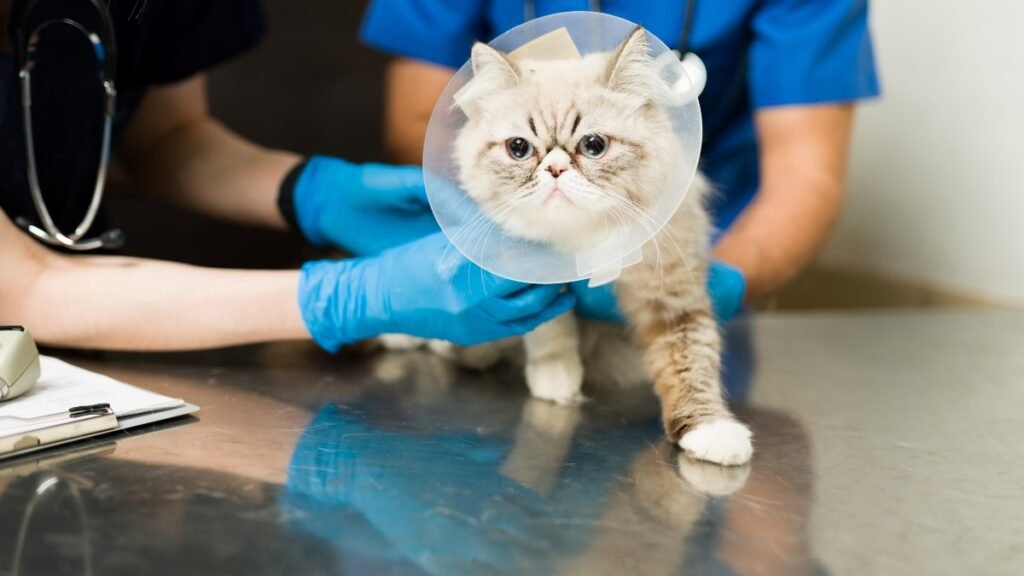
After Milo’s recovery, Maria completely changed how she monitored his health. Cat health prevention starts with making observation automatic, not something you remember to do occasionally.
Schedule Checkups Like Clockwork
Annual checkups are essential for adult cats. Senior cats over 7 need visits twice yearly. Maria now books Milo’s next appointment before leaving the vet’s office. Early detection cat disease depends on consistent professional monitoring.
Your vet can catch subtle changes in weight, heart rate, and organ function that you can’t detect at home. Blood work reveals kidney, liver, and thyroid problems months before symptoms appear.
Daily Observation Checklist
Make checking your cat part of your morning routine. Maria does this while making coffee:
- Is the food bowl empty from yesterday?
- How does the litter box look?
- Where is the cat sleeping?
- How does their coat look when they walk by?
This takes 30 seconds but catches problems early.
Monitor More Than Food
84% of cat owners use eating habits as health indicators, but litter box monitoring is equally important. Maria now tracks both daily. Changes in either eating or elimination patterns signal problems.
Keep a small notebook by the food area. Note anything unusual: ate less, took longer to finish, seemed less interested.
Environmental Modifications for Easier Monitoring
Maria moved Milo’s food and water bowls to the kitchen counter so she sees them every morning. She placed his favorite bed where she’ll notice if he stops using it.
Position litter boxes where you’ll naturally check them daily. Use clumping litter that makes changes easy to spot.
Build Your Vet Relationship Before Emergencies
Find a cat care routine friendly vet now, not during a crisis. Maria switched to a practice that welcomes “check in” calls about minor concerns. Some vets offer phone consultations for behavior questions.
Ask potential vets: “How do you handle non-emergency concerns?” and “Can I send photos of symptoms via email?” The right vet wants to prevent emergencies, not just treat them.
Use Technology to Help
Pet health tracking apps like PetDesk or Pet Health Record help you log symptoms and set reminder alerts. Some connect directly to your vet’s office for easy communication.
Vet finder apps help you locate emergency clinics before you need them. Research shows most pet emergencies happen at night or weekends when regular vets are closed.
The New Normal
Maria’s early detection cat disease system takes five minutes daily but has already caught two minor issues before they became serious. Milo’s kidney levels stay stable with regular monitoring and diet adjustments.
Prevention isn’t paranoia – it’s smart pet ownership. These habits become automatic within weeks and give you confidence that you’re catching problems when they’re still fixable.
Conclusion
Maria’s expensive lesson is clear: cat warning signs illness don’t wait for you to notice them. The seven signs – appetite changes, litter box differences, sleep shifts, grooming changes, hiding, breathing changes, and weight fluctuations – all pointed to Milo’s crisis weeks before it happened.
Early detection saved Milo’s life and could have saved Sarah $700 in emergency costs. Her simple daily observation routine now catches problems when they’re fixable, not life-threatening.
Your cat is communicating with you right now through small changes you might be dismissing. Those changes aren’t random – they’re warnings.
Schedule that overdue vet checkup today, and start observing your cat with new eyes. The signs are there. Now you know how to see them.