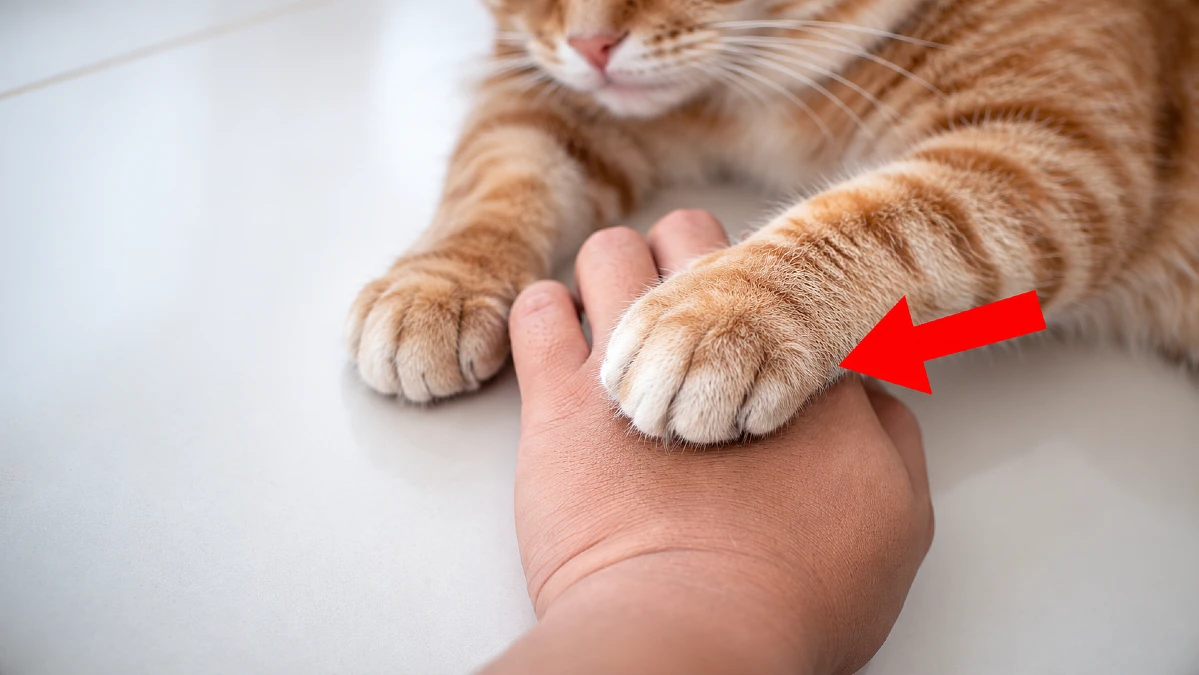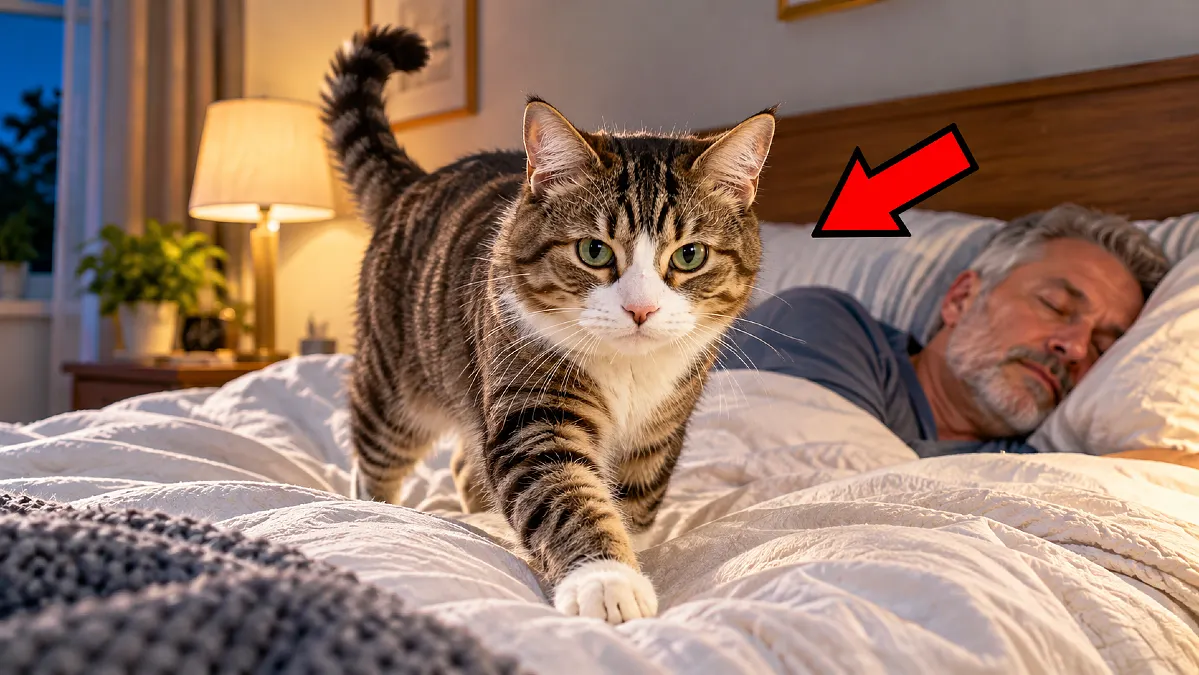
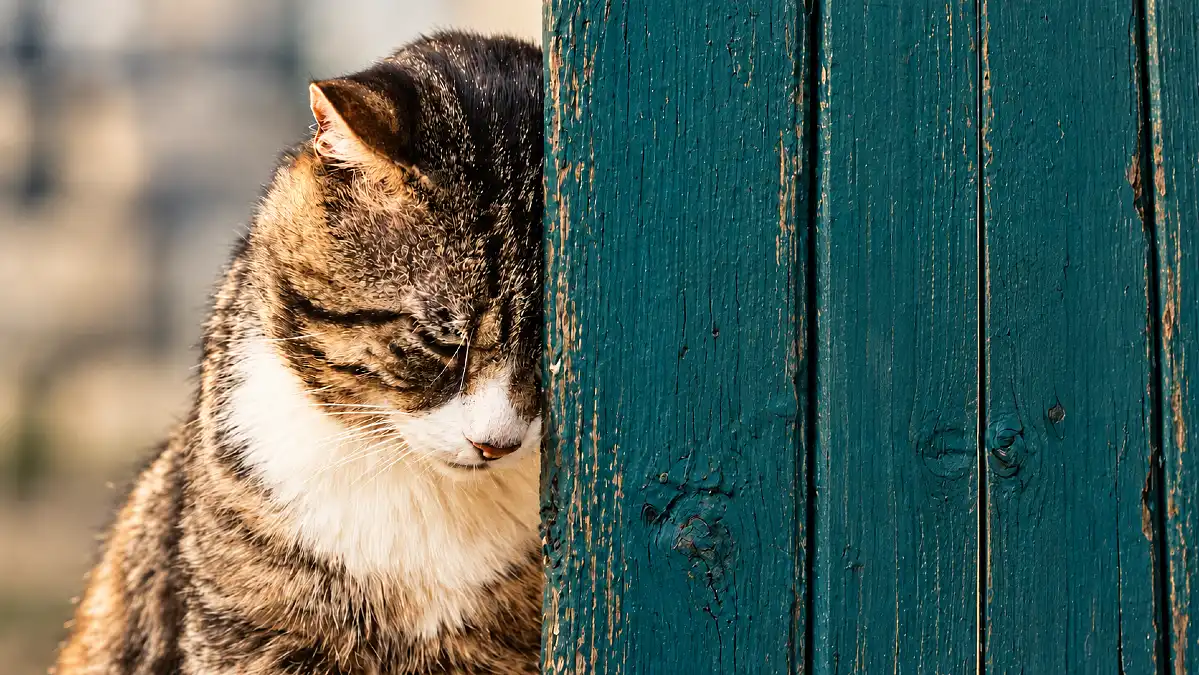
You finally come home after a long day or a weekend away. You expect your cat to run toward you, but instead, they glance in your direction and walk away. It makes you wonder whether your furry friend even noticed you were gone.
Cats have a reputation for being independent, and some barely react when their owners return. But their quiet behavior doesn’t mean they lack affection or emotional bonds with the people they love.
Research from Oregon State University found that cats can form meaningful attachment bonds with their human caregivers. While some cats express affection through excited greetings, others communicate through small changes in their daily habits.
The signs your cat missed you aren’t always easy to recognize. Some are sweet, like sleeping on your clothes or following you around the house. Others, such as hiding, excessive grooming, or changes in bathroom habits, may reveal that something is upsetting them.
1. Your Cat Starts Peeing Outside the Litter Box After You Leave
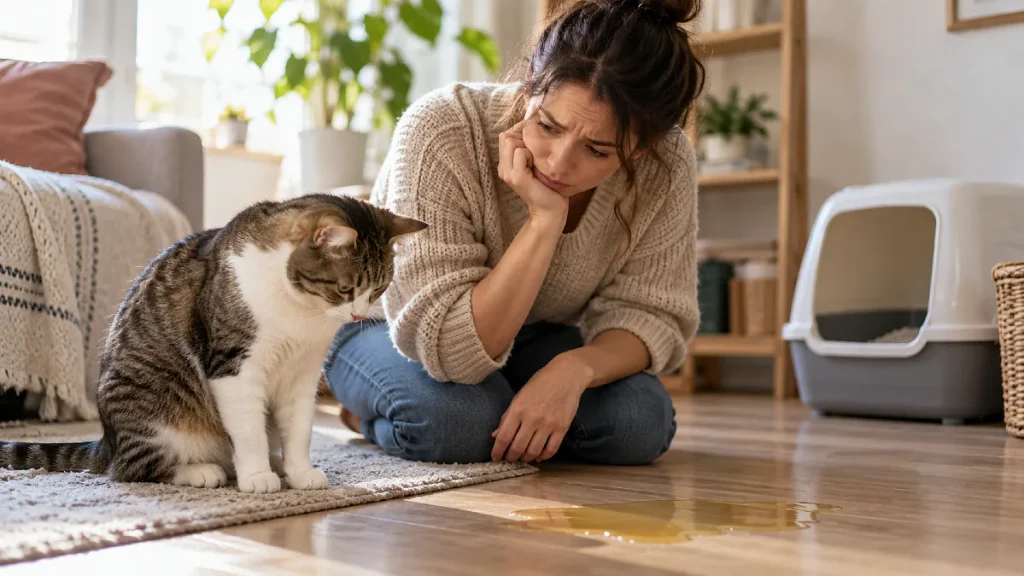
Coming home to find urine on your bed, carpet, or clothes is frustrating. But before assuming your cat is behaving badly, consider whether something has changed in their health or environment.
Cats sometimes develop litter box problems during stressful periods. Changes in routine, unfamiliar visitors, and the absence of a familiar person can all affect their sense of security.
A 2020 study published in PLOS ONE examined 223 cats and identified 30 showing behaviors that met the researchers’ criteria for possible separation related problems. Inappropriate urination was among the reported behaviors.
However, peeing outside the litter box is never proof that your cat misses you. Painful urinary problems, bladder inflammation, dirty litter, and unsuitable litter box locations can cause similar changes.
What Litter Box Changes Could Mean
Your cat’s bathroom habits can offer clues about what needs attention. Use this table to decide what to check first.
| What you notice | Possible concern | Best response |
|---|---|---|
| Urine on bedding | Stress or urinary illness | Arrange a vet check |
| Spraying near doors | Territorial insecurity | Check for stress triggers |
| Straining without urine | Possible urinary blockage | Emergency vet care |
| Avoiding the litter box | Pain or litter box problem | Check health and setup |
VCA Animal Hospitals recommends ruling out medical causes before treating inappropriate urination as a behavior issue. Never punish your cat for an accident because doing so can increase fear and stress.
2. Your Cat Sleeps on Your Clothes or Inside Your Suitcase
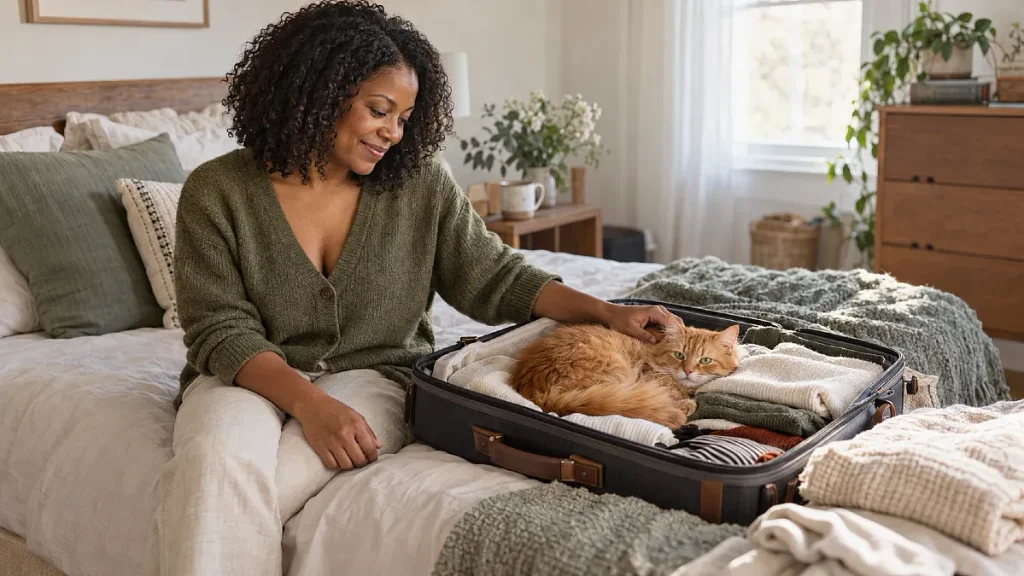
You start packing for a short trip, and suddenly, your cat is lying across your freshly folded clothes. They seem perfectly comfortable, even though their own bed is sitting nearby.
One possible reason is your familiar scent. Cats rely heavily on smell, and clothing that carries your scent may feel familiar and comfortable.
Your suitcase can also be an attractive sleeping place simply because it is soft, open, and interesting. If your cat regularly watches you pack, they may learn to connect that activity with changes in your routine.
That doesn’t mean your cat is deliberately trying to stop you from leaving. Still, seeking out your belongings may be one of the quieter signs that your presence matters to them.
What you can do: Leave a familiar blanket or safe piece of clothing near their favorite resting place. This gives your cat something familiar to use while you’re away.
Avoid leaving clothing with loose strings, buttons, or anything your cat might chew and swallow.
3. Your Cat Follows You Everywhere When You Come Home
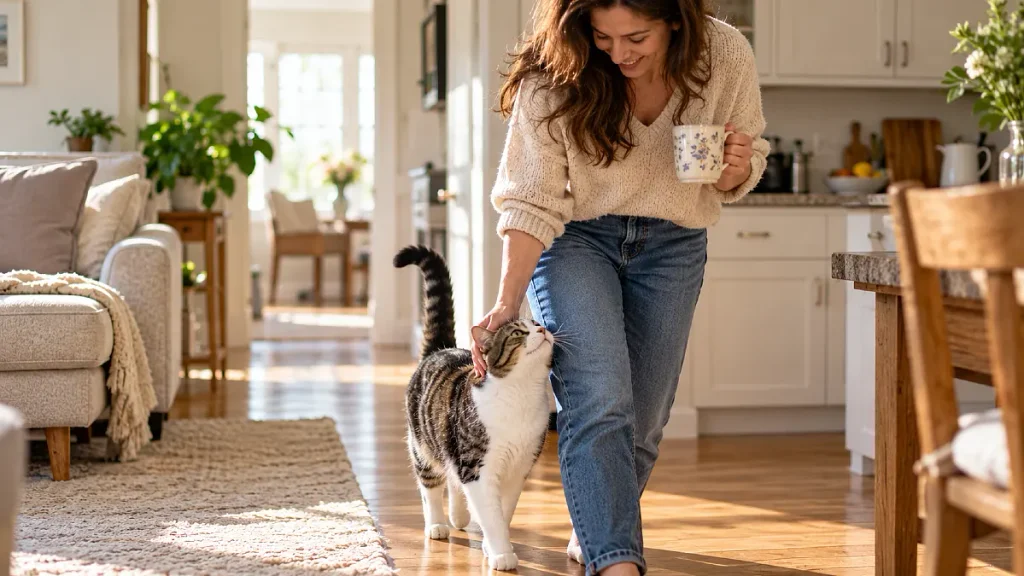
You have barely put down your keys when your cat starts following you. They trail behind you into the kitchen, wait outside the bathroom, and jump onto the couch the moment you sit down.
This sudden increase in attention can feel surprising, especially if your cat normally enjoys spending time alone.
Some cats seek extra contact after their caregiver returns. They may be excited, interested in your activities, or eager to return to a familiar routine.
Ohio State University’s Indoor Pet Initiative includes enthusiastic greetings among behaviors sometimes seen in cats with separation related distress. However, following you around can also be a normal sign of affection.
Watch how your cat behaves while following you. A relaxed tail, soft eyes, and calm movements suggest friendly interest.
A cat that constantly cries, paces, and cannot settle may need additional support.
Spend a little time playing or sitting quietly with your cat after returning home. Predictable, pleasant contact can help maintain a comfortable routine without forcing affection.
4. Your Cat Scratches Doors and Furniture More Than Usual
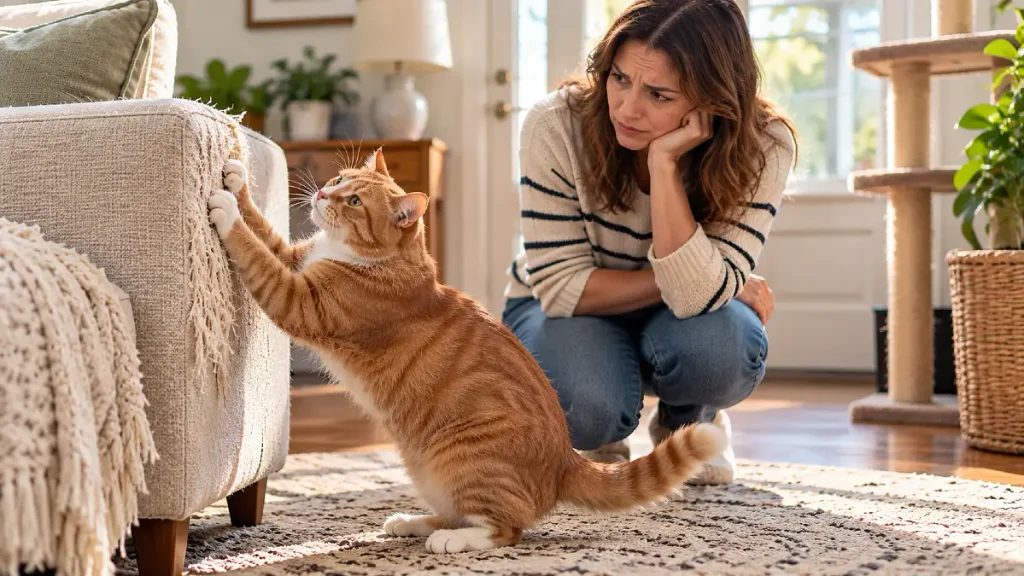
You return from a trip and discover new scratches on the furniture. Perhaps your cat has been clawing the bedroom door or pulling at the edge of the carpet.
It may look like your cat is angry about being left behind. But cats do not scratch furniture to punish their owners.
Scratching is a natural behavior that allows cats to stretch their muscles, maintain their claws, and leave scent and visual marks.
Cats Protection explains that scent glands between a cat’s paw pads help them communicate through scratching. In some cases, increased scratching can be associated with insecurity or stress.
If the scratching becomes worse during your absence, look for changes in your cat’s surroundings. A different feeding schedule, another animal outside the window, or less opportunity to play may contribute.
The easiest improvement is to provide better scratching options. Place a sturdy scratching post near the damaged area and offer a flat scratching pad if your cat prefers horizontal surfaces.
Reward your cat when they use these items. Avoid shouting or spraying water, which can make an already worried cat more fearful.
5. Your Cat Keeps Rubbing Their Face Against You
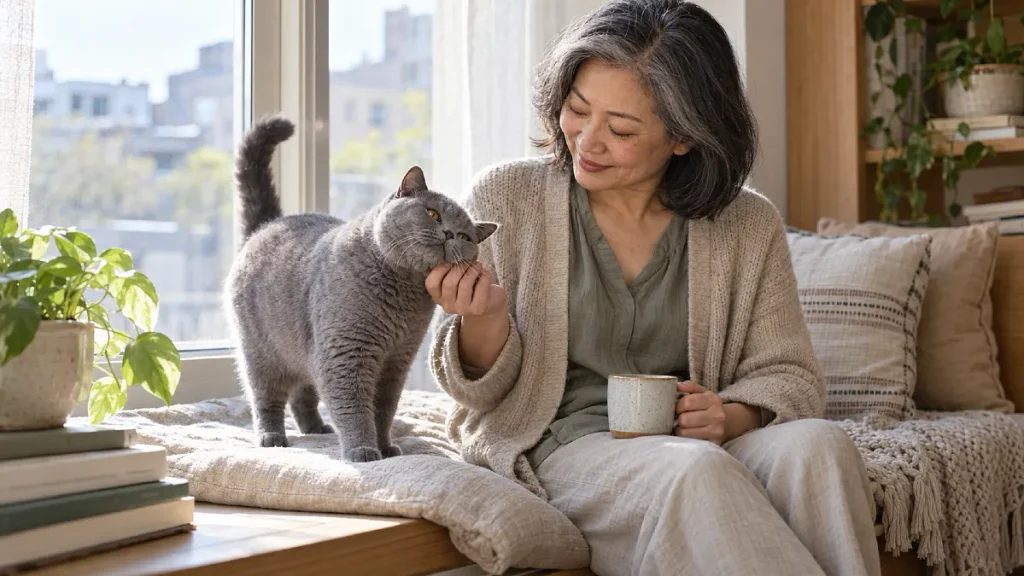
Sometimes the sweetest signs your cat missed you appear the moment you sit down. Your cat walks over, presses their cheek against your hand, and rubs along your legs again and again.
This behavior is known as head bunting or cheek rubbing. It is a normal form of feline social communication.
Cats have scent glands around their faces, and rubbing helps leave familiar scents on people and objects. It often happens during friendly greetings between cats and the people they know.
When your cat repeatedly rubs against you after a trip, they may be renewing familiar social contact. They might also be asking for attention or enjoying the chance to be close again.
Look for other relaxed behaviors, such as a gently raised tail, soft eyes, or quiet purring. Together, these can suggest that your cat feels comfortable in your company.
Let your cat decide how much contact they want. Offer your hand, allow them to approach, and pet them gently if they seem interested.
A friendly cheek rub is a lovely greeting, but it does not mean your cat was necessarily distressed while you were gone.
6. Your Cat Takes Over Your Favorite Sleeping Spot
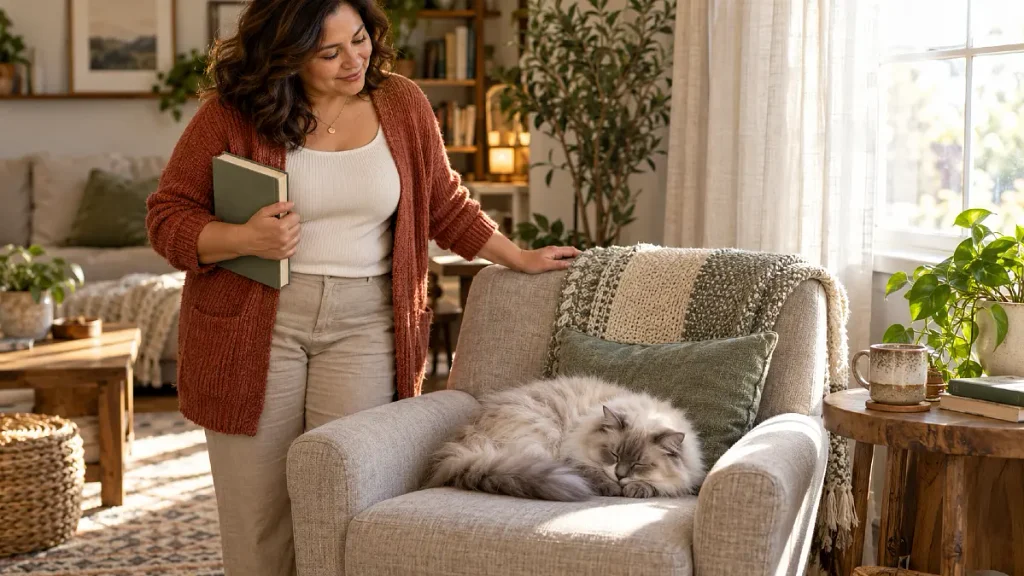
You have a favorite corner of the couch or a particular side of the bed. After returning from a trip, you notice your cat has claimed that exact location.
Cats often choose sleeping areas because they feel warm, comfortable, and safe. Places that you use regularly may also carry familiar smells.
For a cat that has a close bond with you, resting in a familiar place can be comforting. However, the same spot might appeal to them because it receives more sunlight or has the softest blanket.
The important detail is whether this behavior changes when you’re away.
If your cat usually sleeps in their own bed but starts spending more time on your pillow during your absence, your scent may be part of the attraction.
You can help by keeping a familiar resting area available. Place a comfortable cat bed or blanket in a quiet part of the home where your pet already likes spending time.
There’s no need to stop your cat from enjoying your favorite spot unless it creates a safety or hygiene problem. Sharing familiar spaces is a normal part of living together.
7. Your Cat Starts Calling Out More Often at Night
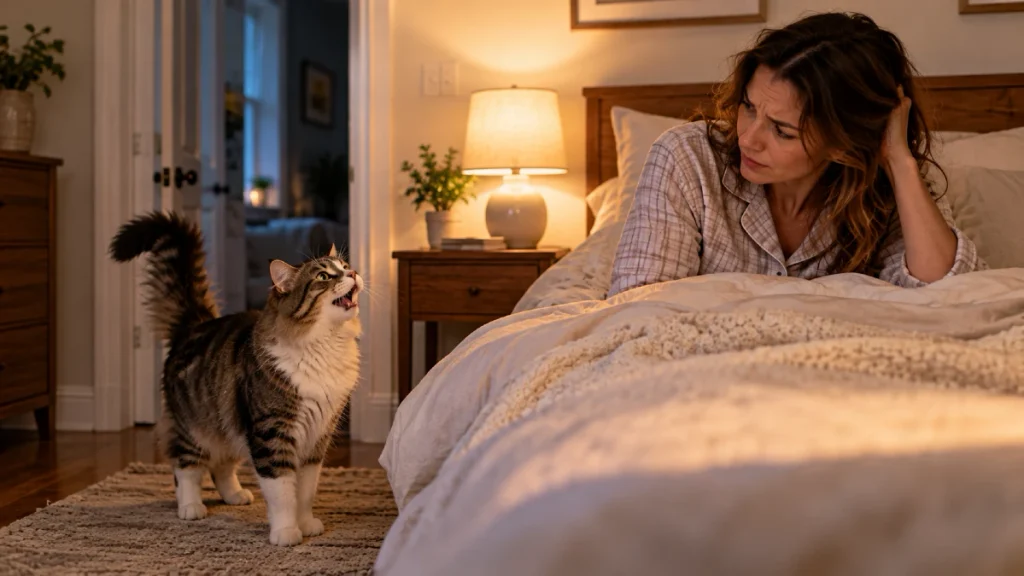
You return from vacation, settle into bed, and turn off the lights. A few minutes later, your cat begins meowing outside your bedroom door.
Some cats vocalize more when household routines change. They may want access to a familiar room, expect attention, or feel unsettled by changes in their environment.
A cat that has become used to sleeping near you might call when that access suddenly disappears. But nighttime crying does not automatically mean they fear you will leave again.
Cats Protection notes that nighttime vocalization can also happen because cats dislike closed doors. In older cats, new or persistent nighttime calling may be linked to medical problems or changes in brain function.
What Your Cat’s Nighttime Calls May Mean
Pay attention to when the meowing starts and what happens afterward. These patterns can help you decide whether a simple change or veterinary advice is needed.
| What happens | Possible reason | What to try |
|---|---|---|
| Brief meows at bedtime | Attention or routine | Offer calm evening play |
| Crying behind a door | Wants access | Keep access rules consistent |
| Repeated loud yowling | Pain or medical concern | Contact your vet |
| Pacing while calling | Stress or discomfort | Check for health changes |
If your cat settles after a short period and behaves normally otherwise, the issue may be related to routine. Persistent or new vocalization deserves a veterinary check, especially in older cats.
8. Your Cat Grooms So Much That Their Fur Starts Thinning
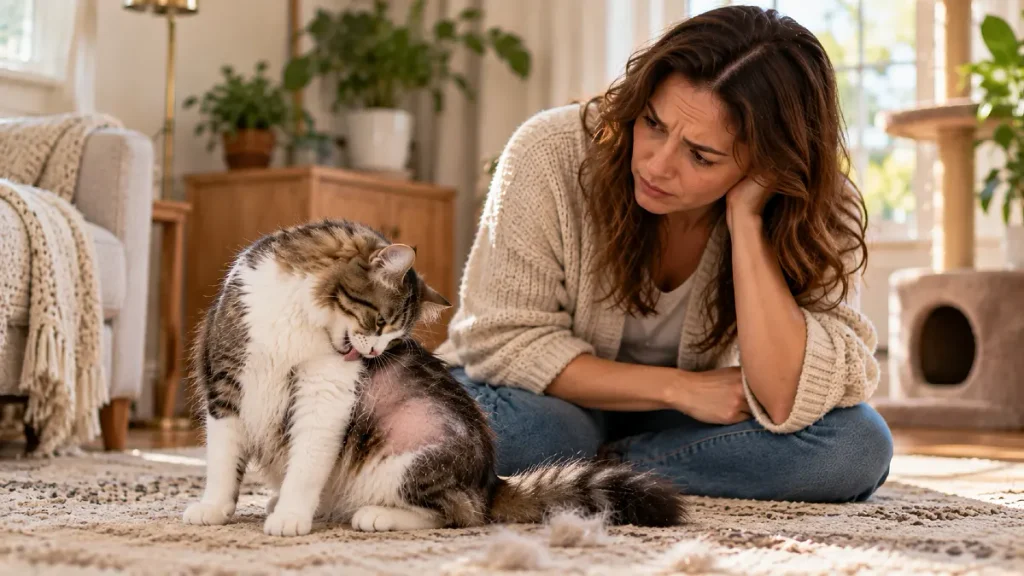
Cats spend plenty of time cleaning their fur. But if your cat suddenly begins licking one area repeatedly, or you notice patches of missing hair, something may be wrong.
Grooming can help cats soothe themselves during stressful situations. Some cats groom more often when their environment or daily schedule changes.
PetMD’s April 2026 veterinary guidance identifies excessive grooming as a possible sign of stress. However, skin allergies, fleas, infections, and pain can cause the same behavior.
This is why hair loss should never be dismissed as a sign that your cat simply missed you.
When Extra Grooming Needs Attention
Normal grooming leaves the coat looking healthy and the skin comfortable. These changes can help you decide when to seek help.
| Grooming change | What to check | Next step |
|---|---|---|
| Normal daily cleaning | Healthy coat and skin | Continue observing |
| Repeated licking in one area | Pain or irritation | Book a vet visit |
| Bald patches | Skin or grooming problem | Arrange a vet exam |
| Red or broken skin | Possible injury or infection | Seek prompt vet care |
Your vet can check for physical causes before considering stress as an explanation. If anxiety is involved, changes to your cat’s environment and daily routine may help.
9. Your Cat Hides When You Finally Return Home
You walk through the door expecting your cat to greet you. Instead, they disappear beneath the bed and refuse to come out.
It is easy to interpret this as rejection. Some owners even joke that their cats are giving them the silent treatment for leaving.
But hiding is a natural way for cats to cope when they feel uncertain or threatened.
Perhaps a pet sitter visited while you were away, unfamiliar sounds disturbed the house, or your normal routine changed. Your return may also bring noise and activity that a nervous cat needs time to adjust to.
Cats Protection explains that increased hiding can be linked to stress, anxiety, or illness.
The best response is to give your cat space. Keep the home calm and allow them to approach when they feel ready.
Sit quietly nearby and speak in your normal voice. Avoid pulling your cat from their hiding place because this can make them more fearful.
If the hiding is new, persistent, or accompanied by changes in eating or bathroom habits, arrange a veterinary examination.
10. Your Cat Rushes to the Door to Welcome You Home
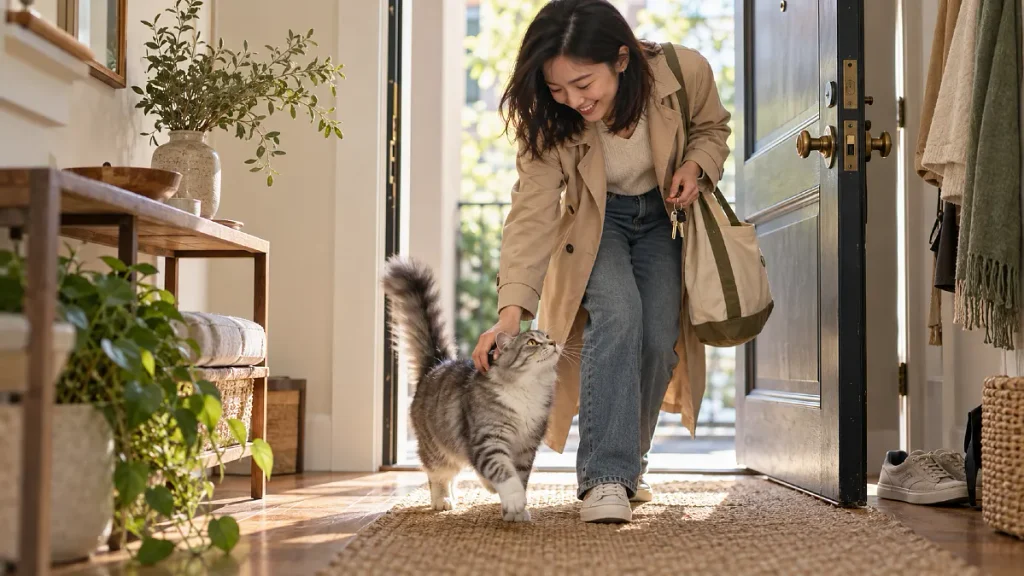
You hear little paws running across the floor before you have even turned the key. When you open the door, your cat is waiting with their tail raised and a series of cheerful meows.
For many cat owners, this is one of the clearest and sweetest signs of a close bond.
Cats can learn the sounds and patterns that signal someone’s arrival. Your footsteps, keys, voice, or the sound of your car may become familiar cues.
When your cat runs to greet you, they may be pleased that you’re home and excited about what usually happens next.
Research from Oregon State University supports the idea that cats can form attachment bonds with their caregivers. Still, an enthusiastic greeting is not proof that your cat experienced anxiety while alone.
Notice the rest of their body language. A relaxed posture, raised tail, and willingness to approach are encouraging signs.
Give your cat a calm greeting and allow them to sniff your hands or rub against your legs. If they enjoy attention, a gentle pet or short play session can make the reunion pleasant.
11. Your Cat Starts Bringing You Toys or Other Gifts
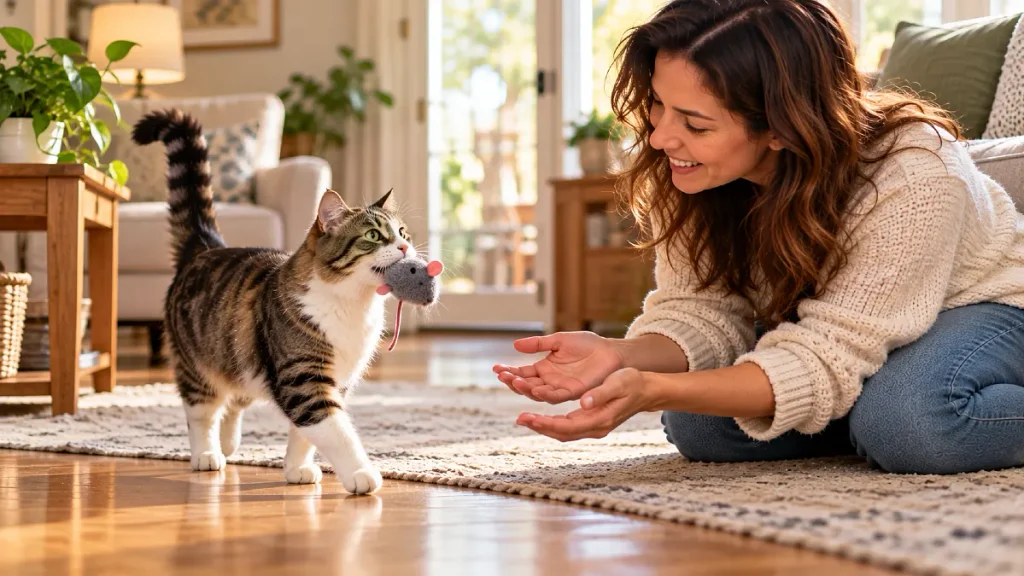
You come home and discover a toy mouse sitting outside your bedroom. Later, your cat carries another toy into the living room while making unusual little sounds.
Some cats bring toys or captured prey into areas where their owners spend time. This behavior is linked to natural hunting instincts and may also be connected to play.
PetMD explains that cats may carry prey home because it is a familiar, secure place. Some cats also bring toys to their caregivers as part of social interaction.
If your cat brings you a toy shortly after you return, they may be looking for a chance to play together.
However, there is no strong evidence that cats bring prey because they believe their owners are poor hunters or need food.
The timing might feel touching, but the behavior alone cannot tell you whether your cat missed you.
Try responding with a short play session. A wand toy can give your cat a safe way to chase, catch, and release their energy.
Keep hunting play indoors when possible. This protects your cat from outdoor hazards and reduces harm to wildlife.
12. Your Cat Becomes Restless Whenever You Start Packing
You pull your suitcase from the closet, and your cat suddenly becomes interested in everything you’re doing. They climb inside the bag, paw at your clothes, or follow you from room to room.
Cats are good at noticing repeated patterns in their daily lives.
If packing usually happens before you leave for several days, your cat may begin to connect that activity with a change in routine. Some cats become more vocal or restless when they notice familiar departure cues.
This doesn’t mean your suitcase is frightening or that your cat is trying to destroy it to keep you home.
They may simply be curious about an unusual object. If they appear tense, however, your preparations could be associated with something they find unsettling.
Cats Protection’s September 2026 guidance recommends making routine changes gradually whenever possible. It also suggests using play, feeding puzzles, suitable toys, and safe resting places to help cats cope with time alone.
How to Help Your Cat Before You Leave
You can make departures easier without buying expensive equipment. Choose changes that match your cat’s habits and the amount of time you’ll be gone.
| Departure problem | Helpful action | Why it helps |
|---|---|---|
| Restless during packing | Practice short, calm packing sessions | Makes the cue less unusual |
| Bored while alone | Offer safe puzzle feeders | Encourages natural activity |
| Away for several days | Arrange a trusted cat sitter | Maintains care and routine |
| Severe distress | Consult a vet or behaviorist | Identifies the cause |
For everyday enrichment, products such as the Catit Senses Food Tree or PetSafe SlimCat feeder can make mealtimes more engaging. Introduce them while you’re home before deciding whether they are safe for your cat to use alone.
For longer trips, arrange reliable human care rather than depending entirely on an automatic feeder. Cats Protection recommends a cat sitter who can visit at least twice daily, with more frequent care when needed.
Familiar beds, predictable feeding times, and opportunities to play are often useful. If your cat struggles despite these changes, ask your veterinarian whether professional behavior support or a product such as a FELIWAY pheromone diffuser might be appropriate.
Pheromone products may help some cats, but results vary. They cannot replace medical care, regular interaction, or a suitable home environment.
13. Your Cat Stops Eating or Seems Unwell While You’re Away
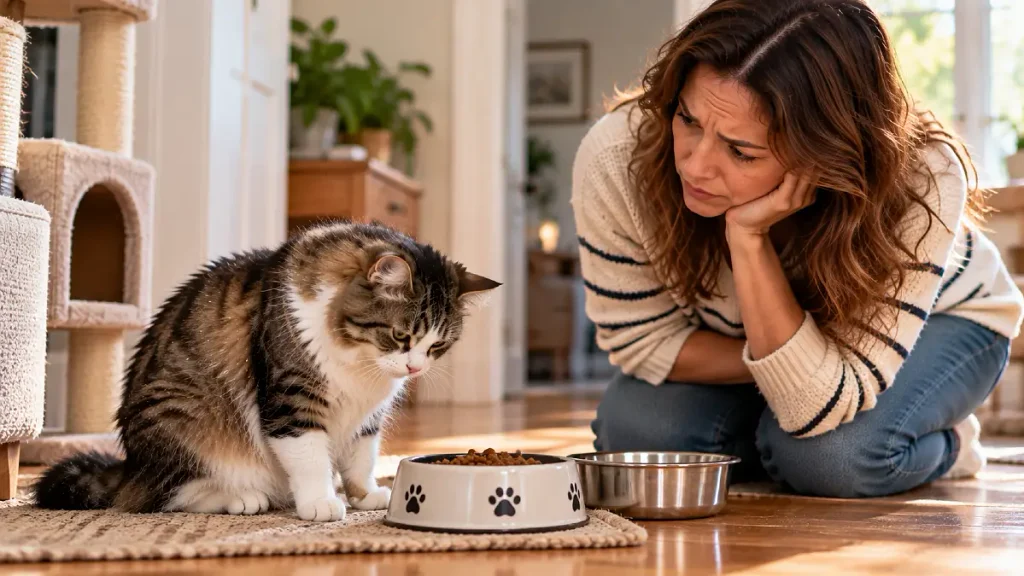
This is one of the most concerning changes you might notice after spending time away from home. Your normally eager cat barely touches their food, sleeps more than usual, or seems unusually quiet.
Stress can affect a cat’s appetite and general behavior. A sudden change in routine, unfamiliar surroundings, or a different caregiver may contribute.
However, refusing food or showing signs of illness should never be treated as proof that your cat misses you.
Cats can stop eating because of dental pain, digestive problems, infections, or other medical conditions. Some causes need prompt treatment.
Cornell Feline Health Center warns that a mature cat can experience serious health effects when food refusal lasts as little as 24 hours. Young kittens can become unwell much sooner.
Contact your veterinarian promptly if your cat refuses food, and do not wait for a full day if they are already showing other signs of illness.
Other warning signs include repeated vomiting, unusual weakness, breathing difficulties, or problems passing urine. A cat that repeatedly strains without producing urine needs emergency veterinary care.
Once physical problems have been ruled out, your vet may suggest changes to your cat’s daily routine or a referral to a qualified feline behaviorist.
If your cat experiences severe distress when you’re gone, professional care may include a behavior plan and, in some cases, prescribed medication.
Never give your cat human anxiety medicine or sedatives without veterinary instructions.
The goal is not simply to stop unwanted behavior. It is to help your cat feel safe, comfortable, and healthy whether you’re home or away.