Your cat might cuddle with visitors, purr for someone offering treats, and happily accept attention from almost anyone. But the signs your cat is deeply devoted to you often appear in much quieter moments. They show up through small habits that are easy to dismiss as ordinary feline behavior.
You might notice your cat waiting outside the bathroom, sleeping on your clothes, or checking where you are before settling down. These little actions can reveal comfort, trust, and a strong emotional connection.
Here are seven subtle habits worth watching and what they may reveal about your relationship with your cat.
1. They Follow You Into the Bathroom and Wait Nearby
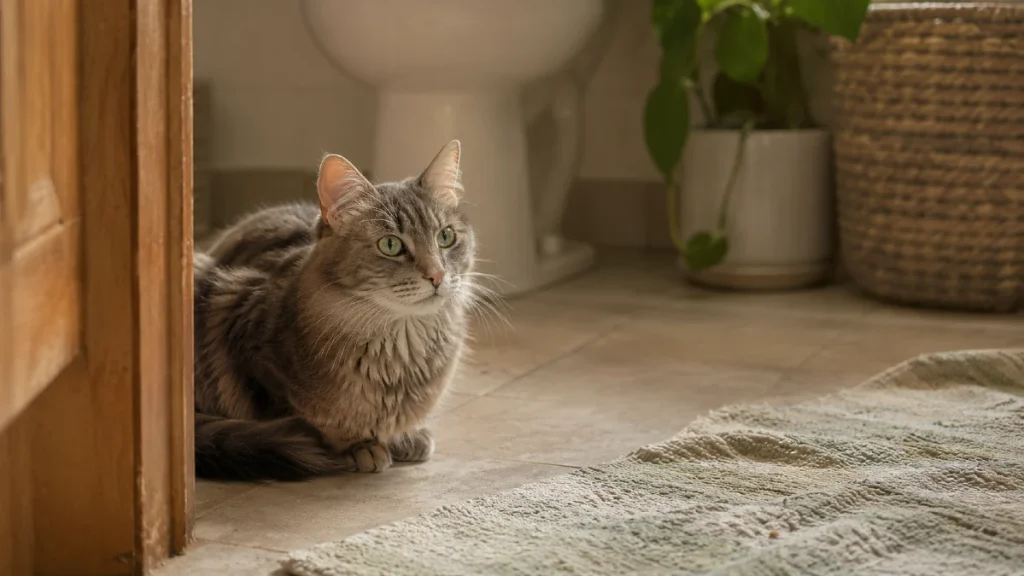
Your cat might have a warm bed, a favorite window, and plenty of comfortable places to relax. Yet the moment you enter the bathroom, they leave everything behind and follow you down the hallway. Sometimes they sit beside the door, quietly watching until you finish.
It is easy to assume they are simply being curious. Cats naturally investigate their surroundings, and many dislike being separated from familiar people by closed doors. But for cats that regularly seek their owner’s company, this behavior can also reflect a strong social attachment.
Watch what happens once your cat gets inside. Some settle on the floor, while others sit near the doorway or quietly observe their surroundings. They may appear perfectly content doing nothing as long as they can remain close to you.
There is no clear scientific evidence that cats position themselves outside bathrooms specifically to protect their humans. However, repeatedly choosing your company when food and play are not involved can be a meaningful sign of affection.
The most revealing part is often what happens afterward. If your cat follows you back to your bedroom or living room and settles nearby, they may simply enjoy sharing everyday moments with you.
That quiet companionship can be more meaningful than an occasional enthusiastic greeting. Your cat is choosing to remain near someone they know and trust.
2. They Sleep Beside You but Still Notice Your Every Movement

Cats spend much of their time resting, and they naturally alternate between lighter and deeper stages of sleep. Their ears may respond to sounds even while their eyes remain closed, allowing them to remain aware of activity around them.
You might notice your cat sleeping beside you while occasionally lifting their head or adjusting their ears. If you move across the bed, they may open their eyes briefly before settling down again.
These reactions do not necessarily mean your cat is deliberately sacrificing deep sleep to protect you. They are part of normal feline sleep behavior, but the location your cat chooses can still say something about their comfort.
The important detail is that your cat feels safe enough to rest near you. Sleeping places are important to cats because rest leaves them less prepared to respond quickly to unexpected activity.
Some cats prefer sleeping against their owner’s legs, while others settle at the foot of the bed or on a nearby chair. Physical contact is not always necessary for a strong bond.
A cat that repeatedly returns to the same sleeping spot near you may associate your presence with warmth, familiarity, and security. They may also enjoy the predictable rhythm of resting near someone whose movements they understand.
The combination of relaxed body language and voluntary closeness offers a stronger clue than ear movements alone. A cat that looks comfortable, stretches freely, and returns to sleep after a small disturbance is generally showing that the environment feels safe.
Here are a few behaviors that are worth distinguishing before interpreting every movement as a sign of devotion.
| Behavior | What It May Mean | What to Watch |
|---|---|---|
| Following you into rooms | Curiosity or companionship | Relaxed posture |
| Sleeping beside you | Comfort and familiarity | Loose body, calm breathing |
| Waking when you move | Normal alertness | Settles again easily |
| Waiting outside a door | Routine or desire for access | Calm waiting versus distress |
One action rarely tells the whole story. Repeated patterns, combined with relaxed body language, provide a better picture of your cat’s feelings.
3. They Bring You Their Favorite Toys Instead of Playing Alone
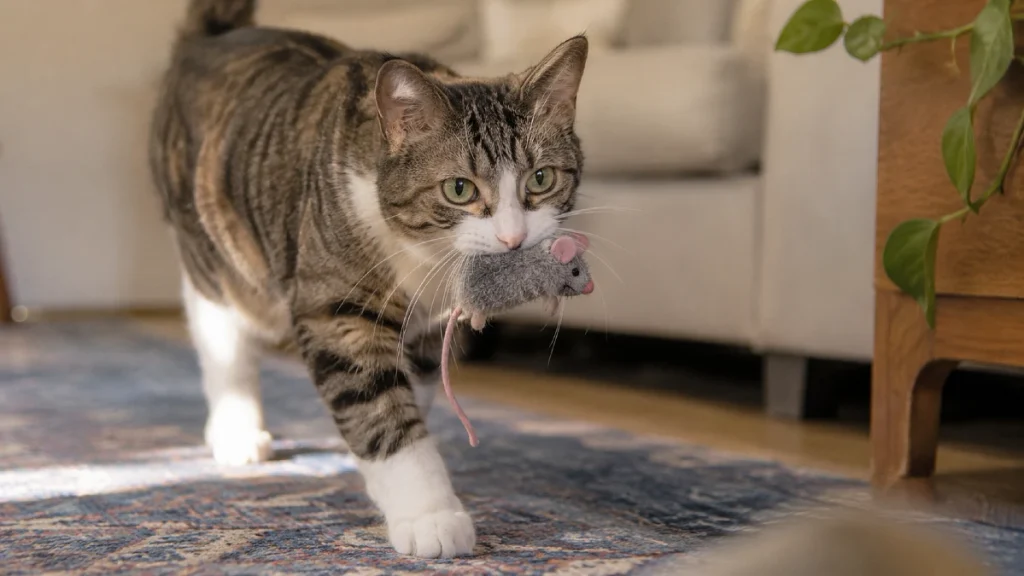
Some cats have a special toy they carry everywhere. It might be a stuffed mouse, a soft ball, or a little fabric animal that has survived countless play sessions.
Now and then, your cat may pick up that prized possession and carry it directly to you. They might drop it at your feet, make a small chirping sound, or sit nearby waiting for your reaction.
This behavior can be especially meaningful because play is an important part of a cat’s daily life. When your cat repeatedly invites you to participate, they are including you in an activity they enjoy.
Researchers studying feline play have found that some cats initiate interactive games by bringing toys to their owners. This suggests that toy delivery can be part of a learned social routine rather than a random act.
Your cat may have discovered that placing a toy near you leads to attention, movement, and an exciting game. Over time, that shared experience becomes part of the relationship.
However, bringing toys does not prove that your cat is trying to comfort you when you feel sad. Cats may respond to familiar human routines and behavior, but their exact intentions during these moments remain difficult to establish.
The strongest sign is their continued interest in playing with you. If your cat returns the same toy repeatedly or watches closely as you move it, they may be asking for another shared activity.
A little attention can make these interactions more rewarding. Use a wand toy, allow your cat to chase it, and give them opportunities to catch their pretend prey.
These simple games strengthen your relationship while satisfying your cat’s natural hunting instincts.
4. They Choose Your Worn Clothes Over Their Comfortable Bed
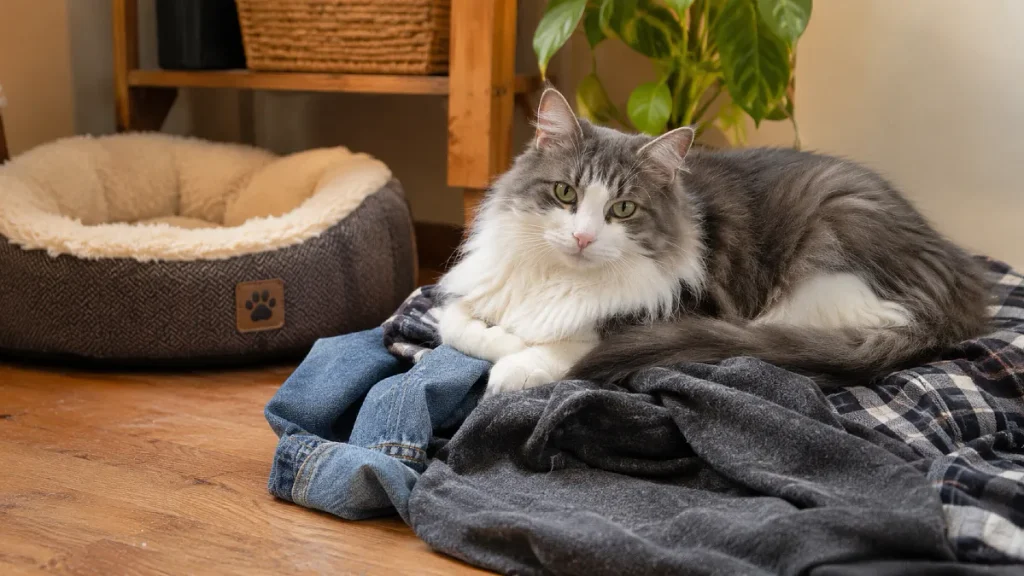
You might spend money on a soft cat bed, place it in the perfect sunny corner, and carefully arrange a cozy blanket. Then your cat ignores the entire setup and curls up on the old shirt you left on a chair.
It can seem like a strange preference, especially when the clothing is less comfortable than the bed. But scent plays an important role in how cats recognize familiar environments and individuals.
Your clothing carries odors associated with you and your household. For a cat that feels comfortable around you, those familiar smells may make an ordinary shirt or blanket an appealing resting spot.
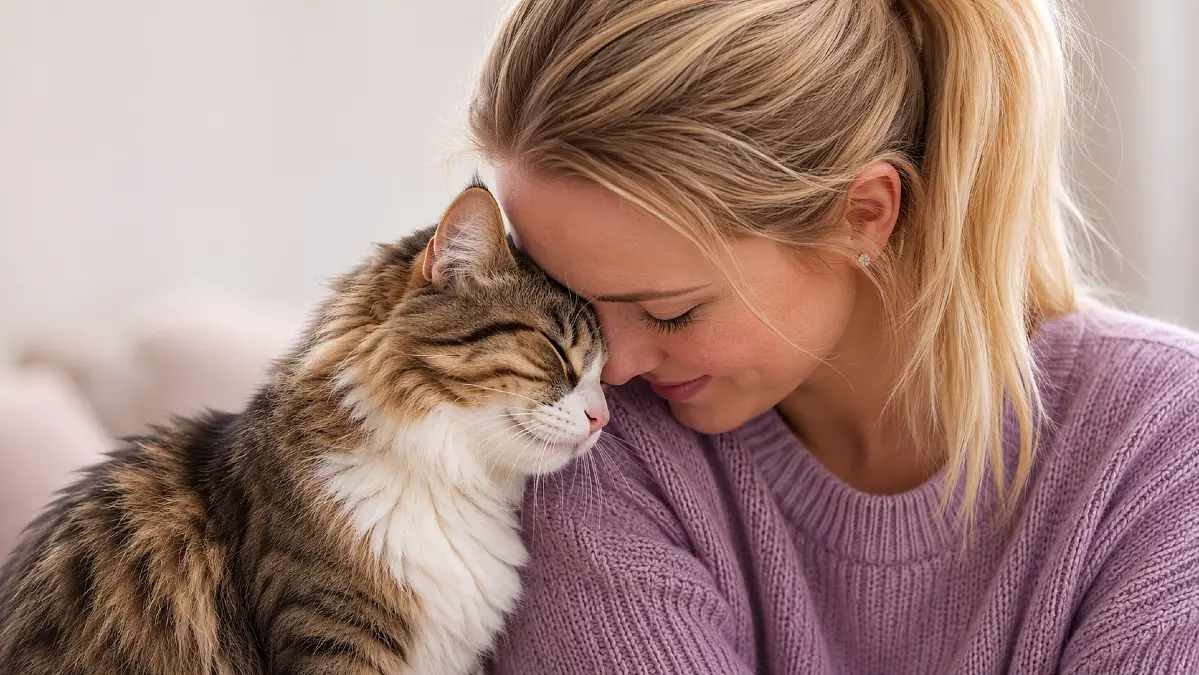
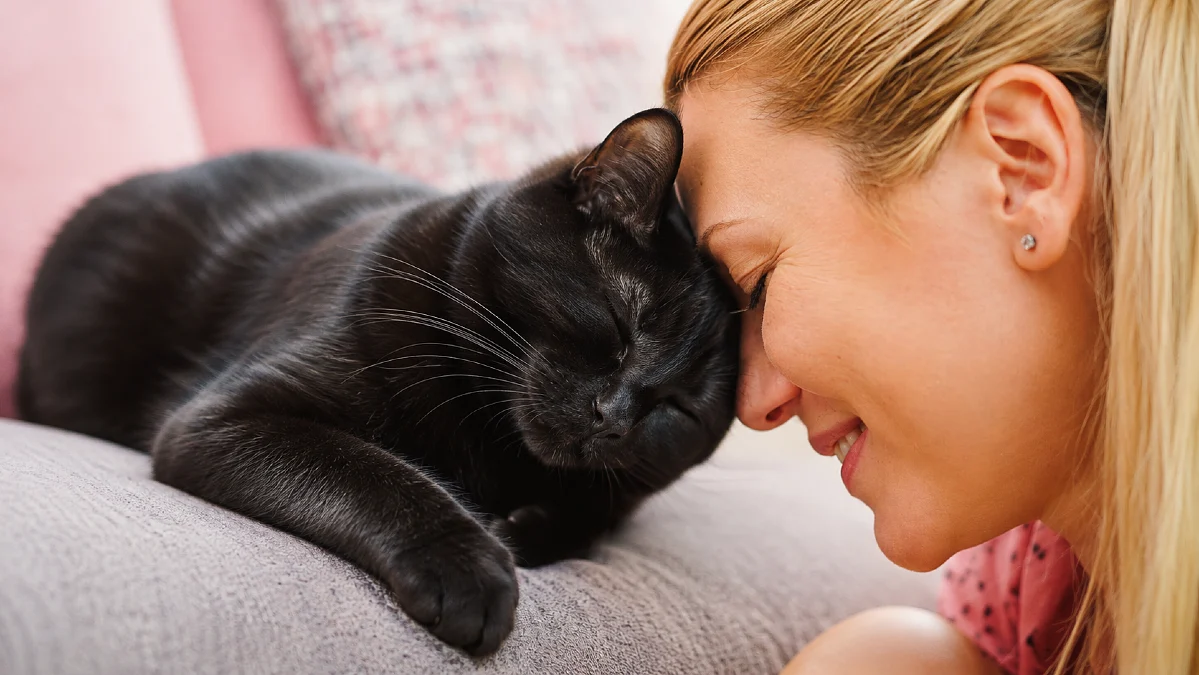
Some cats also rub their cheeks against clothing, furniture, and the people they trust. This behavior, often called bunting, helps distribute scent from glands around the face.
Scent rubbing is one way cats communicate and maintain familiarity within their surroundings. When directed toward familiar people, it can also appear during friendly social interactions.
Notice what your cat does when you leave a sweater on the bed. They may sniff it, circle around it, knead the fabric, and eventually settle down for a nap.
Not every cat chooses clothing for emotional reasons. Softness, warmth, location, and the texture of a particular fabric can all influence where they sleep.
Still, if your cat regularly seeks places associated with your scent, it can be another indication that your presence feels familiar and reassuring.
The most affectionate gestures are often mixed with completely ordinary needs. The key is understanding what those actions may communicate.
| Tiny Habit | Possible Meaning | Helpful Response |
|---|---|---|
| Bringing you a toy | Invitation to play | Start a short game |
| Rubbing their face on you | Friendly greeting or scent sharing | Offer gentle cheek strokes |
| Sleeping on your clothes | Familiar scent or comfortable texture | Provide a safe resting spot |
| Kneading beside you | Comfort or soothing behavior | Allow it if your cat appears relaxed |
These actions may look different from human affection, but they are part of a cat’s normal communication. Responding in ways your cat enjoys can help build greater trust over time.
5. They Pause During Meals to Check Where You Are
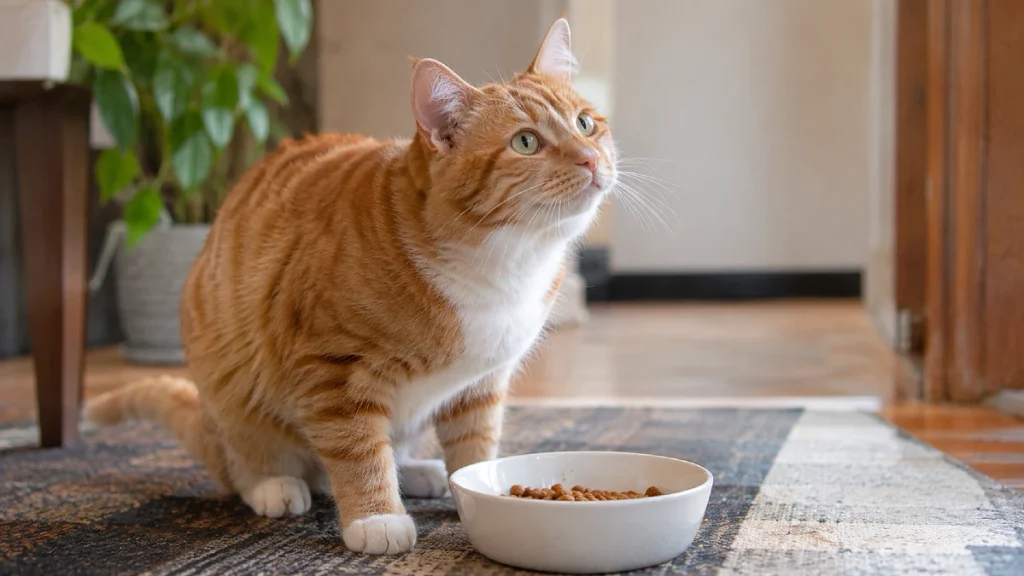
Food is important to cats, so an unexpected interruption during mealtime can catch your attention. Your cat might eat a few bites, lift their head, look toward you, and then return to the bowl.
Some cats even walk away from their food briefly when their favorite person enters the room. Others seem more willing to eat when someone familiar sits nearby.
These behaviors may reflect established routines, attention-seeking, or a preference for eating in a familiar social setting. A cat might have learned that your presence means everything is normal and predictable.
For example, a cat that has been fed by the same person for years may associate that person with the entire feeding routine. Their familiar voice, footsteps, and movements can become signals that mealtime is beginning.
A cat that occasionally looks up from its bowl may simply be tracking activity around the room. That behavior alone does not establish that the cat values human companionship more than food.
However, the willingness to interrupt an enjoyable activity for a brief interaction can be one small part of a broader affectionate pattern.
There is an important distinction between checking on you and losing interest in food. Cats sometimes eat less during stressful changes, including the absence of a familiar caregiver, but reduced appetite should never be treated as proof of loyalty.
A cat that stops eating or eats significantly less needs attention. If your cat has eaten nothing for about 24 hours, contact a veterinarian promptly, and seek advice sooner for kittens, sick cats, or cats showing other symptoms.
Healthy affection should not require your cat to neglect its basic needs. Their comfort and well-being matter more than any supposed display of sacrifice.
6. They Adjust Their Daily Routine to Spend More Time With You

Cats are often most active around dawn and dusk, but domestic cats can adjust many of their activities around household routines. Your cat may learn when you wake up, when meals happen, and when you usually settle down for the evening.
You might notice your cat becoming active when you begin preparing breakfast. Later, they may follow you into the living room and curl up nearby while you work or watch television.
Over time, these little routines can become remarkably consistent. Your cat may recognize the sound of your alarm, the way you close your laptop, or the footsteps that signal you are heading toward the bedroom.
Research has shown that cats can distinguish their owner’s voice from unfamiliar voices. They may respond with small movements of their ears or head rather than obvious excitement.
This ability to recognize familiar signals helps explain why cats often seem to know what their owners are about to do. They learn through repeated experiences and become skilled at anticipating daily events.
Some people also notice their cats stretching when they stand up or changing positions shortly after they move. Such behavior can reflect attention, normal responsiveness, or a shared household routine.
There is not enough evidence to conclude that bonded cats consistently synchronize their breathing, yawning, or tail movements with their owners. Those observations are interesting, but they should not be treated as established measures of attachment.
A more reliable clue is how often your cat voluntarily joins you during calm parts of the day. They might choose the chair beside your desk or appear when you sit down with a book.
They do not necessarily need petting or entertainment every time. Sometimes the reward is simply being close to you.
Routine can create a comforting sense of predictability for cats. When those routines involve pleasant interactions, they can also help strengthen the human-cat bond.
| Daily Pattern | What It May Show | What Matters Most |
|---|---|---|
| Greeting you in the morning | Familiar routine | Friendly body language |
| Joining you during quiet time | Preference for companionship | Voluntary closeness |
| Responding to your voice | Recognition and attention | Relaxed response |
| Settling near you at bedtime | Comfort and familiar routine | Consistent, calm behavior |
A cat does not need to follow every movement to be attached to you. Some deeply comfortable cats spend hours resting independently and return for affection when they choose.
7. They Quietly Come Close When They Think You Are Asleep

One of the sweetest moments between a cat and its owner may happen when the house is completely quiet. You are lying in bed, the lights are off, and your cat approaches without the usual excitement of feeding time or play.
You might feel a small paw touch the blanket or hear a soft purr near your pillow. Some cats gently sniff their owner’s face, circle the bed, or settle against their legs before falling asleep.
These interactions can feel particularly special because your cat is seeking closeness during a calm moment. There are no treats being offered, and you are not actively encouraging attention.
Your cat may be attracted by body warmth, familiar scent, a comfortable sleeping position, or the reassurance of a predictable routine. Several of these motivations can exist at the same time.
Some cats briefly approach their sleeping owners before moving to another resting place. Others stay nearby for hours, particularly when they enjoy sleeping beside familiar people.
There is no reliable evidence that these nighttime visits mean cats are secretly checking whether their owners are safe or breathing properly. Still, voluntarily choosing to rest close to you can be consistent with trust and attachment.
Look at what happens when your cat settles. A relaxed body, comfortable posture, and willingness to sleep nearby suggest that the situation feels safe.
You may notice another small affectionate signal during quiet moments when your cat is awake. They look toward you, gently narrow their eyes, and close them in a slow blink.
Research published in Scientific Reports found that cats responded positively to slow blinking from humans. This makes slow blinking one of the more scientifically supported ways to exchange friendly signals with your cat.
Try looking toward your relaxed cat and slowly narrowing your eyes before gently closing them. If your cat responds with a similar movement, you may be sharing a quiet moment of positive communication.
Your cat does not need to perform every behavior to have a strong relationship with you. The important signs are voluntary closeness, relaxed communication, and a consistent sense of comfort in your presence.
How to Tell Affection From Stress or Dependence
Not every cat expresses attachment through cuddling or constant companionship. Some are naturally independent, while others prefer frequent contact with familiar people.
A cat that follows you everywhere might simply enjoy your company. But if that behavior is accompanied by excessive vocalization, changes in eating, or obvious distress when you leave, something else may be happening.
The following differences can help you understand your cat without confusing anxiety with affection.
| Comfortable Attachment | Possible Sign of Stress | What to Do |
|---|---|---|
| Relaxed sleeping nearby | Restlessness or disrupted sleep | Check for environmental changes |
| Friendly greeting when you return | Frantic or unusually intense behavior | Observe separation-related patterns |
| Normal eating with occasional check-ins | Refusing food or marked appetite changes | Contact a veterinarian |
| Following you calmly | Persistent distress at closed doors | Provide choice and enrichment |
| Seeking affection voluntarily | Hiding or avoiding usual interaction | Check for health or stress concerns |
The difference often lies in your cat’s overall behavior rather than one isolated action. A comfortable cat can enjoy your company while still eating, sleeping, grooming, and exploring normally.