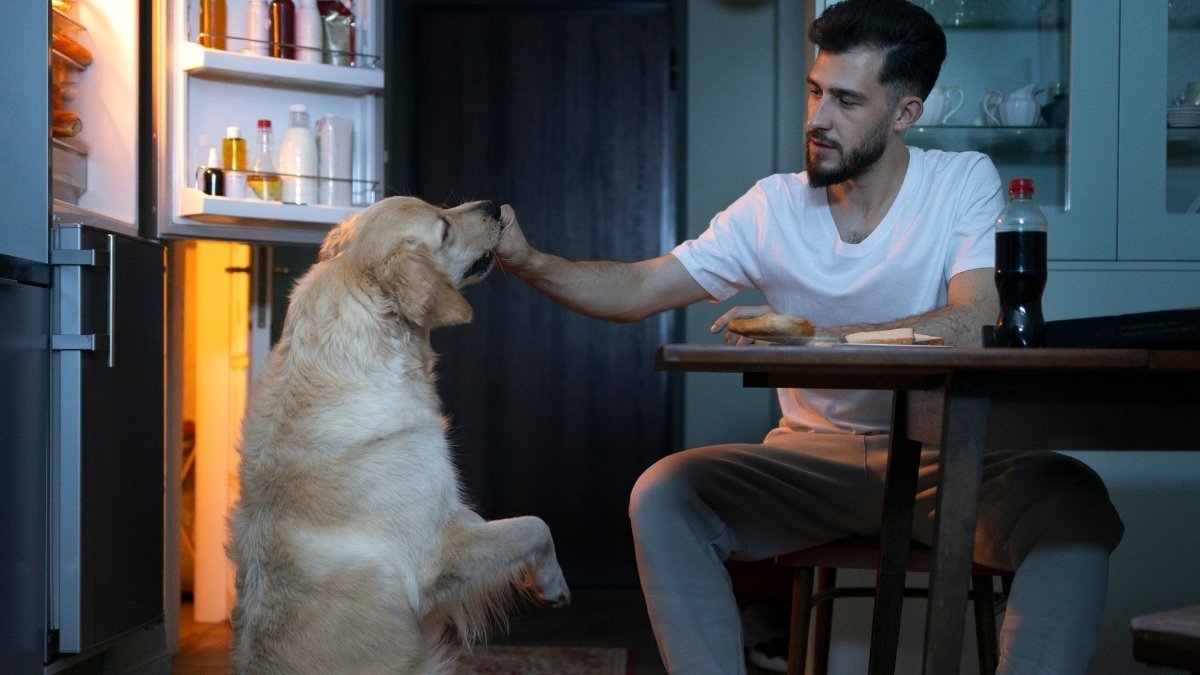
Your dog freezes when you wrap your arms around him. His eyes dart away, and he licks his lips. You consider he’s being sweet and calm, accepting your affection.
But the truth is that he’s terrified. This silent plea for space is misunderstood by millions of well-intentioned owners every day. The simple, comforting act of a hug, a universal human sign of love, is a primary source of anxiety for our canine companions.
Most dog owners hug their pets daily without realizing they’re causing significant stress and anxiety. Driven by a desire to show love, we inadvertently project our human emotions onto them, ignoring their own complex language.
You will learn to identify the subtle dog stress signals, like whale eye, pinned-back ears, and a tense body, that are often mistaken for contentment. We will find reasons why dogs hate being hugged, rooted in their evolutionary instincts, and, most importantly, offer you better, safer ways to show your love that your dog will truly appreciate.
#1. Why Dogs Actually Hate Being Hugged?
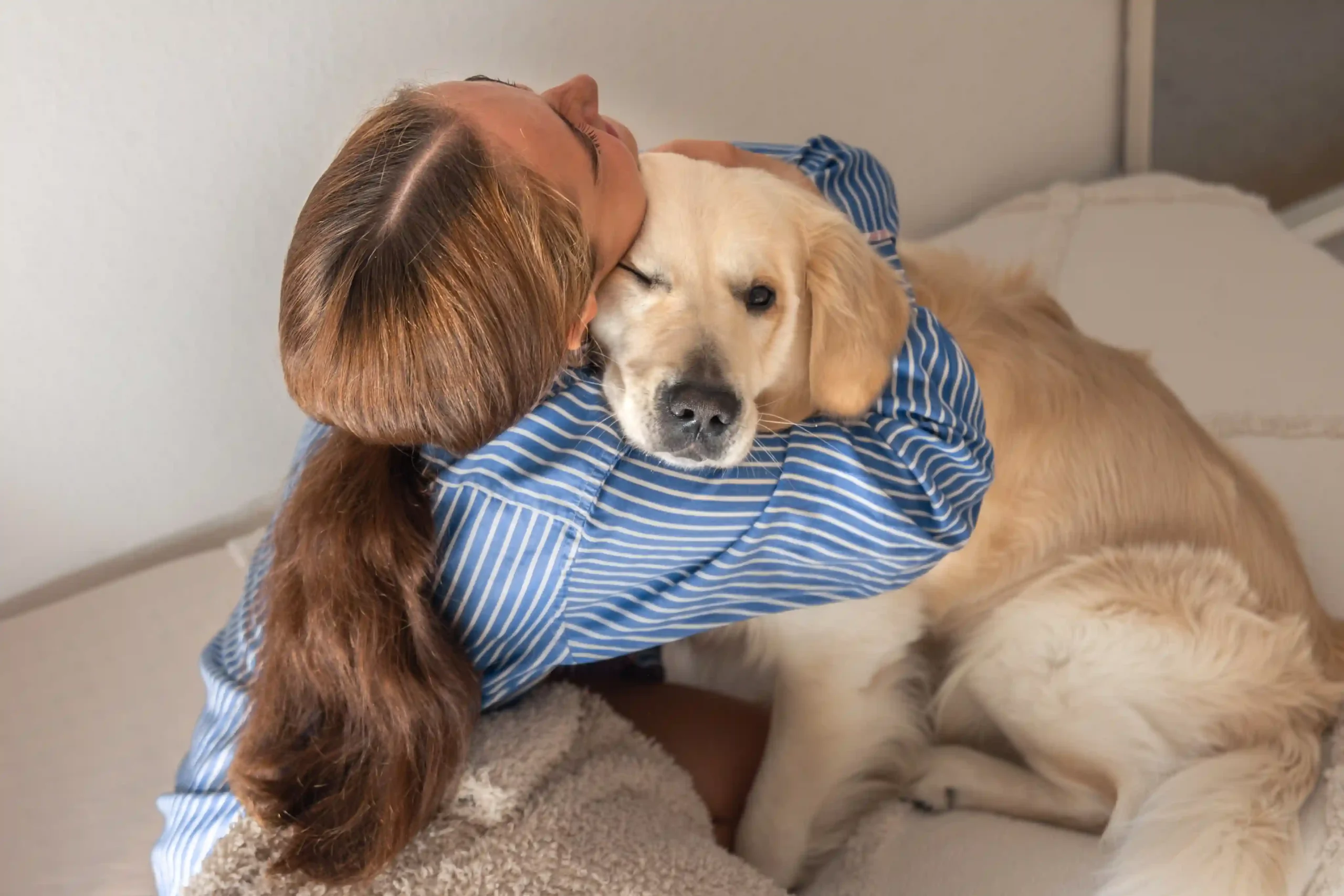
Someone held you when you wanted to leave. Your heart raced. Your muscles tensed. You felt trapped.That’s exactly what happens to your dog every time you hug him.
Your Dog’s Brain On Hugs
When you wrap your arms around your dog, his brain screams “DANGER!” that’s why, hugging immobilizes dogs. It traps their legs. It blocks their escape routes. And in the wild, being trapped means death.
When you wrap your arms around your dog, his brain screams “DANGER!” that’s why, hugging immobilizes dogs. It traps their legs. It blocks their escape routes. And in the wild, being trapped means death.
Your dog’s fight-or-flight response kicks in immediately. But he can’t fight you (you’re his human). And he can’t flee (your arms are holding him down). So he freezes. You assume that he’s enjoying the cuddle. He’s actually panicking inside.
Dogs don’t hug each other naturally. Watch dogs play at the park. They bump shoulders. They sniff. They might put a paw on another dog’s back during play. But they never wrap their front legs around each other and squeeze. That behavior doesn’t exist in dog language.
Recent Studies
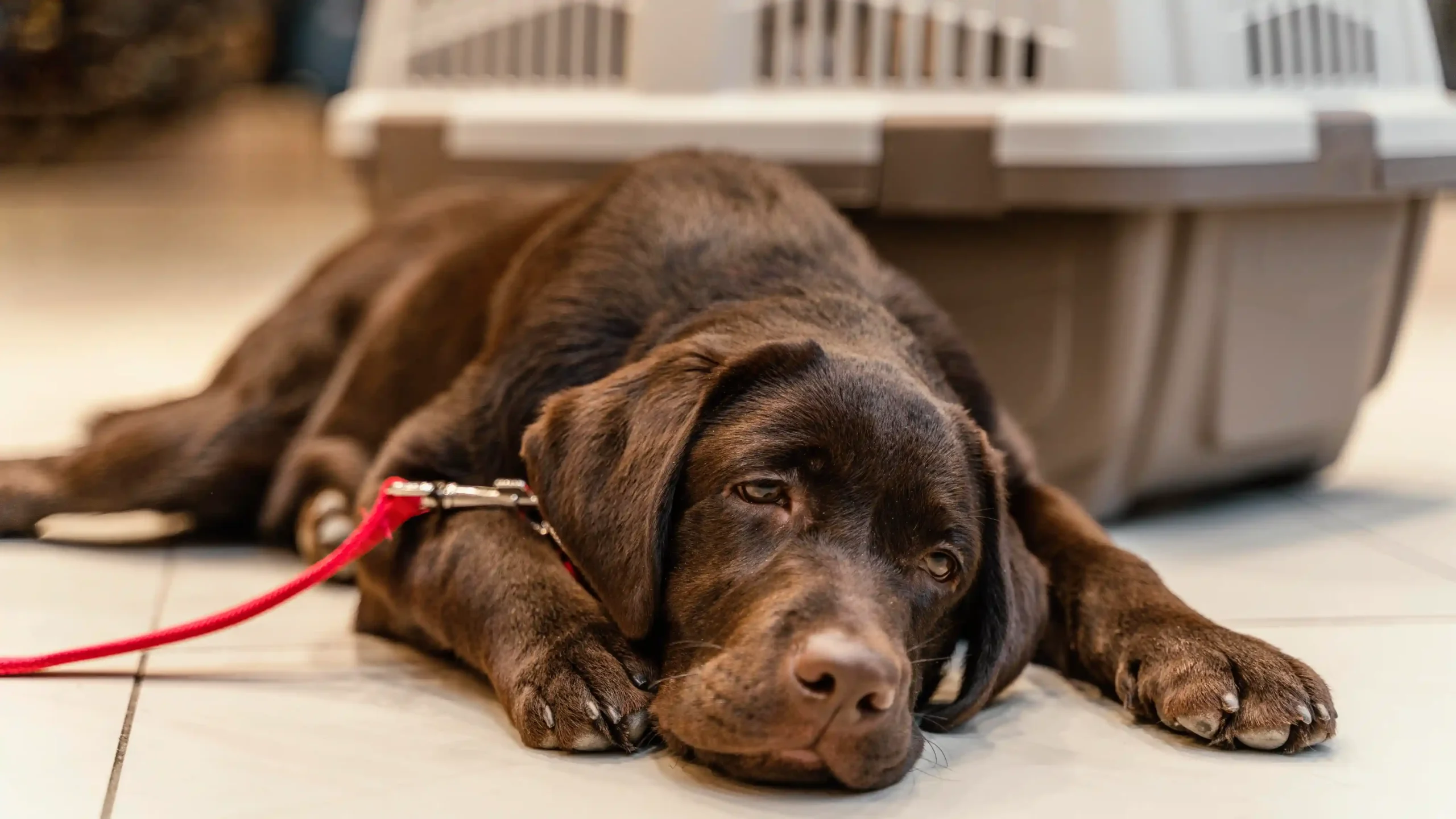
Dr. Stanley Coren from the University of British Columbia studied 250 random photos of people hugging dogs. The results shocked him. In 82% of the photos, dogs showed clear stress signals. Only 8% looked comfortable or happy. The rest appeared neutral or couldn’t be read clearly.
A 2024 Irish study took this research further. Researchers analyzed video footage of dogs being hugged. They found stress signals like rapid blinking, excessive panting, or biting. The dogs weren’t being mean. They were trying to communicate their discomfort.
But what makes this worse, Psychology Today’s 2024 research confirms that immobilizing dogs with hugs can increase stress levels and potentially drive them to bite.
Why Evolution Made Dogs Hate Restraint
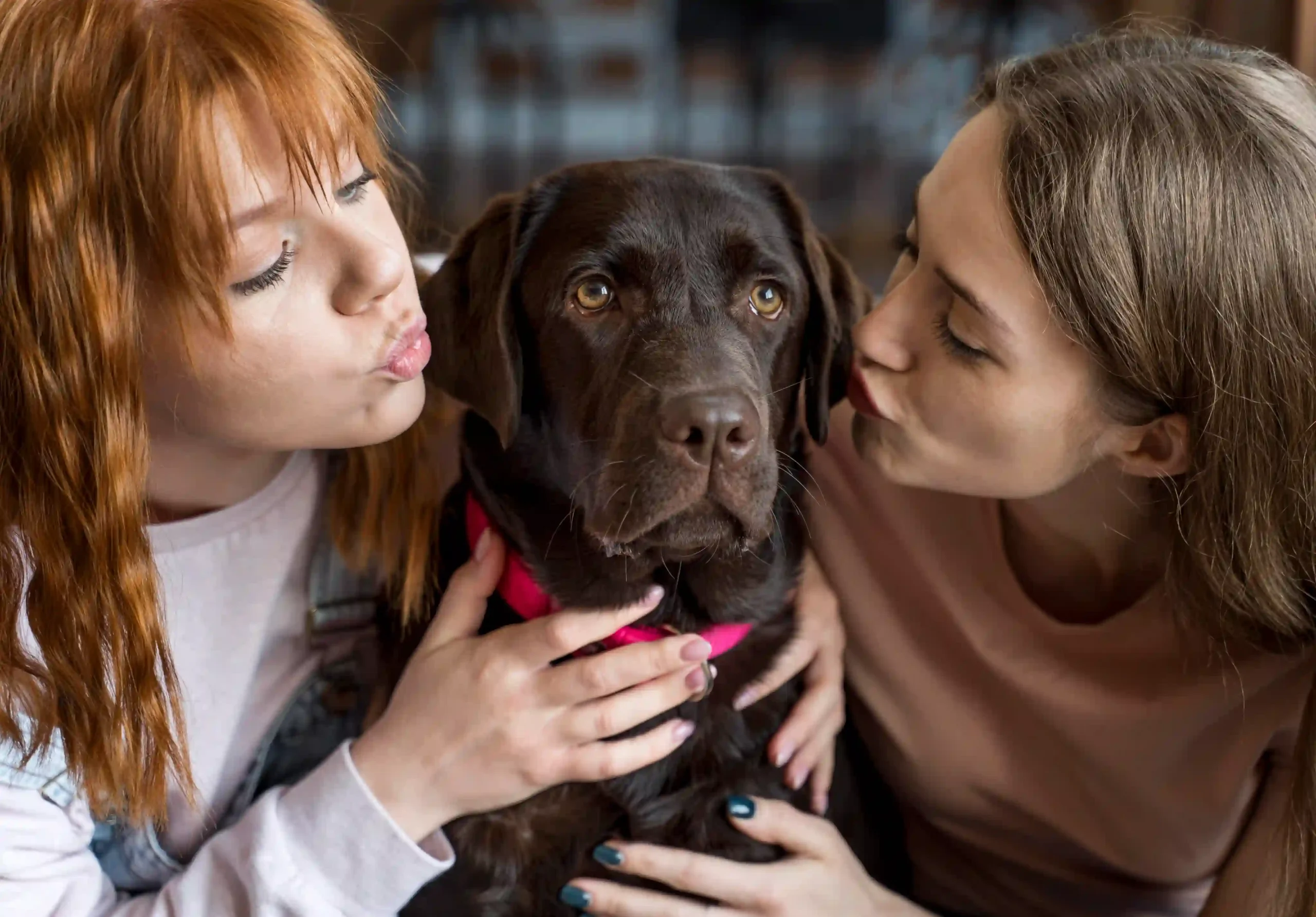
For thousands of years, dogs learned that being held down meant trouble. Predators pin their prey. Dominant dogs pin submissive ones. Being unable to move equals danger in your dog’s DNA.
When you hug your dog, you’re triggering millions of years of evolutionary programming. His ancestors survived by staying alert and mobile. Your loving squeeze sends the message: “You’re trapped and vulnerable.”
This explains why some dogs tolerate hugs from family but hate them from strangers. They trust you enough not to bite. The fear is still real.
Forced hugging dogs creates anxiety, even when they don’t show it obviously. And once you know why dogs don’t like hugs, you can’t unsee the signs your dog has been giving you all along.
#2. The 7 Signs Your Dog Hates Your Hugs
Your dog is talking. You’re just not listening. Every time you hug your dog, he’s sending clear signals. But most owners miss them completely. They imagine their dog is “being good” when he’s actually screaming for help in dog language.
The seven dog body language signs that mean “please stop hugging me.”
Half-Moon Eyes (The Whale Eye)
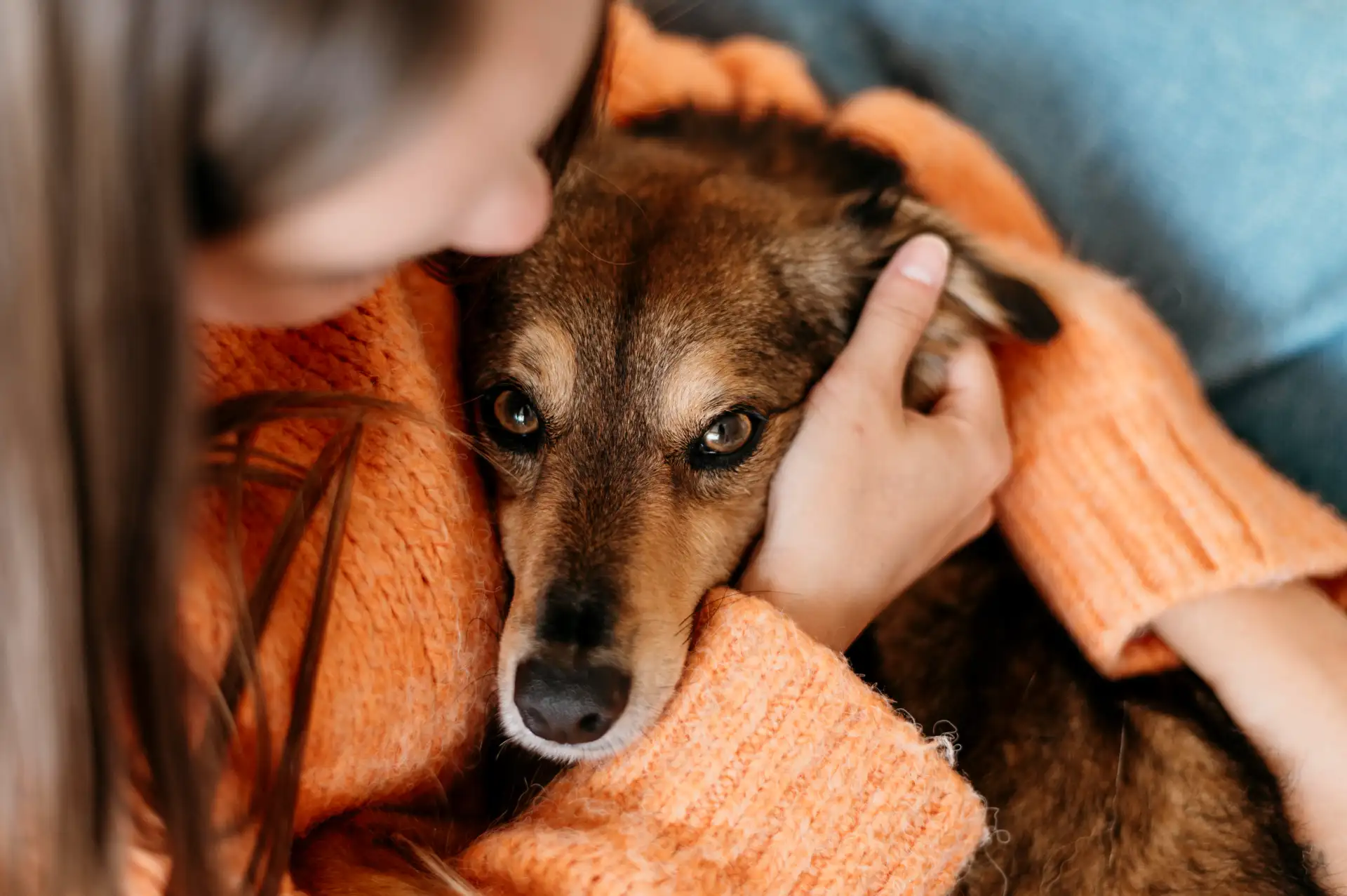
When your dog shows the whites of his eyes during a hug, that’s panic mode. Dogs call this “whale eye” because it looks like a whale’s eye when it surfaces.
Your dog turns his head away but keeps watching you with his peripheral vision. You see white crescents around his dark pupils. This happens when dogs feel trapped and want to monitor threats when avoiding direct confrontation.
Real scenario owners miss: “Look how sweet he is! He’s looking away shyly during our cuddle.” Your dog is trying to de-escalate what he sees as a threatening situation.
Lip Licking When Not Eating
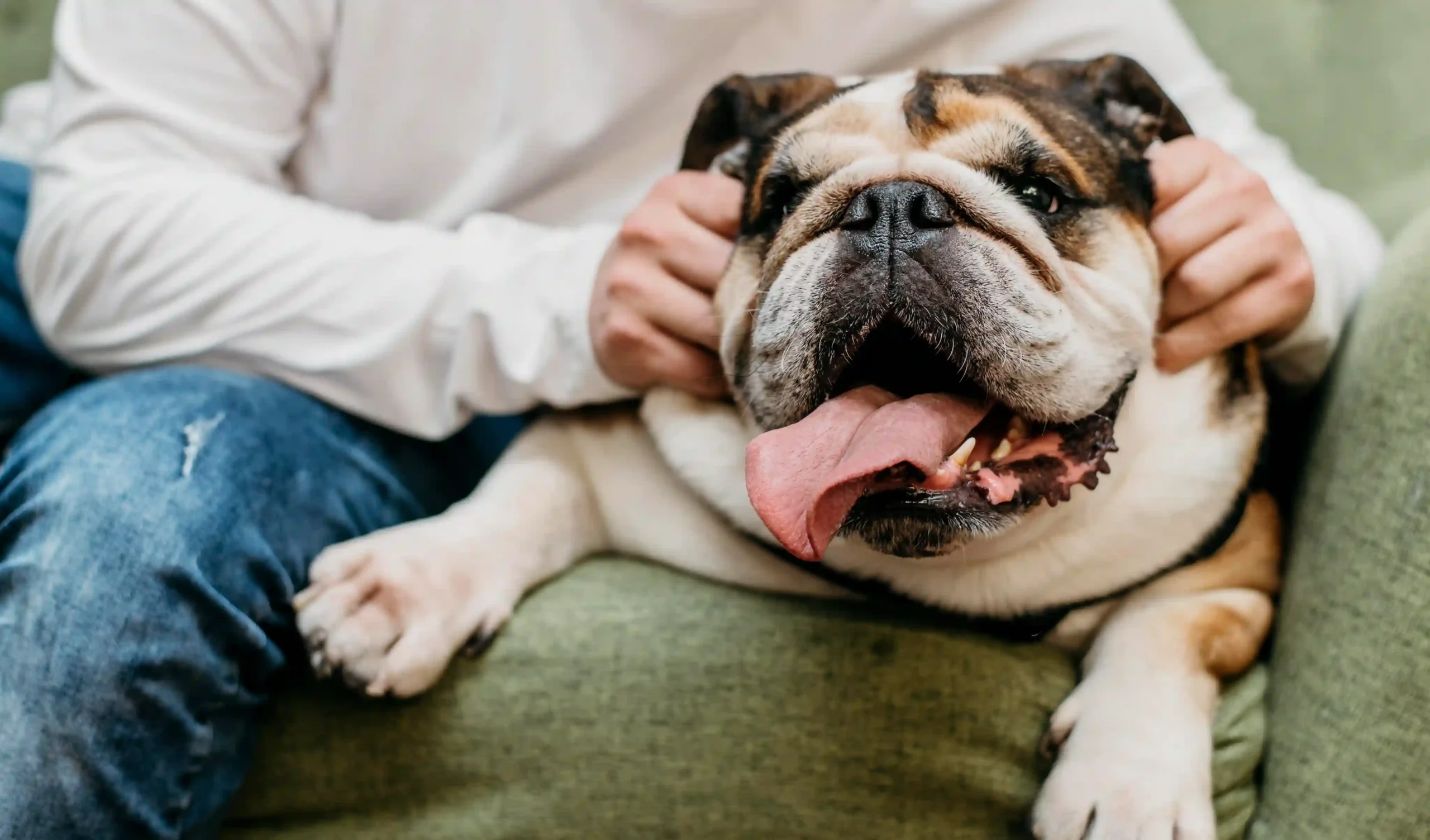
Dogs lick their lips when they’re nervous, not just when they’re hungry. This stress signal happens fast, a quick dart of the tongue across the nose or lips.
Veterinary behaviorists see this constantly during examinations. It’s one of the most reliable stress signals dogs have. But it’s also one of the most overlooked because it happens so quickly. Watch for it right before, during, or immediately after you release your hug.
Yawning When Not Tired

Some time yawing means your dog is in stress. Stress yawning looks different from tired yawning. It’s often repeated, happens at odd times, and comes with other dog hate signs. Yet owners consistently interpret it as contentment or relaxation.
Freezing or Going Stiff
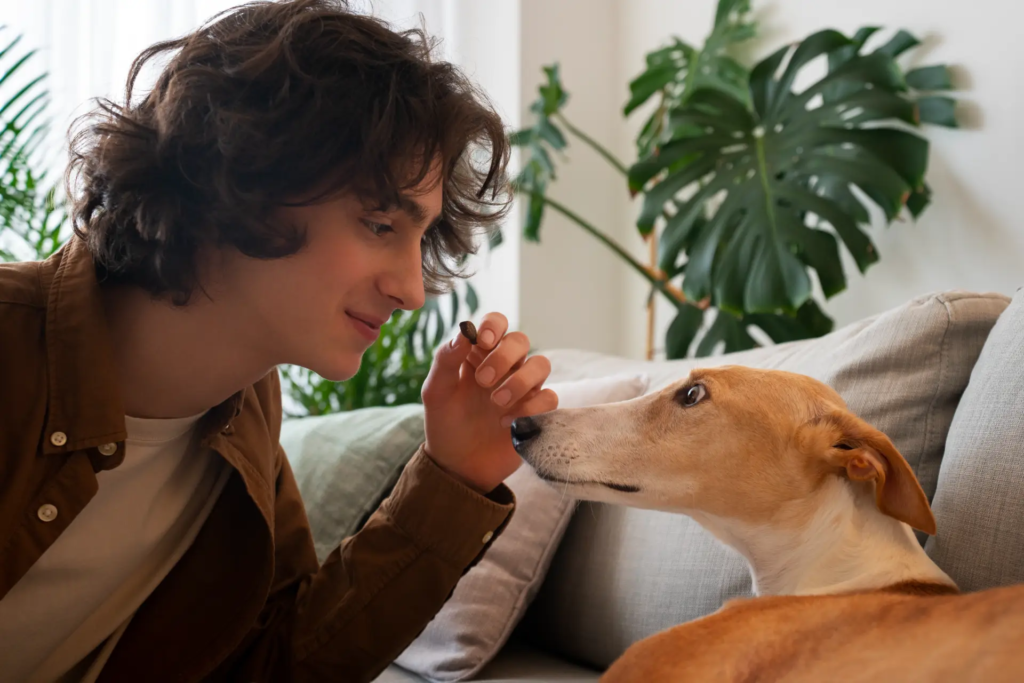
This is the big one. When your dog goes completely still during a hug, that’s not cooperation. That’s a freeze response.
His muscles tense. His breathing changes. He becomes a statue in your arms. This happens when flight isn’t possible, so the nervous system shuts down to avoid making the situation worse.
Many owners love this response because their dog “holds still for hugs.” But stiffening and trembling are major red flags that veterinary behaviorists recognize immediately.
Turning Head Away And Avoiding Eye Contact
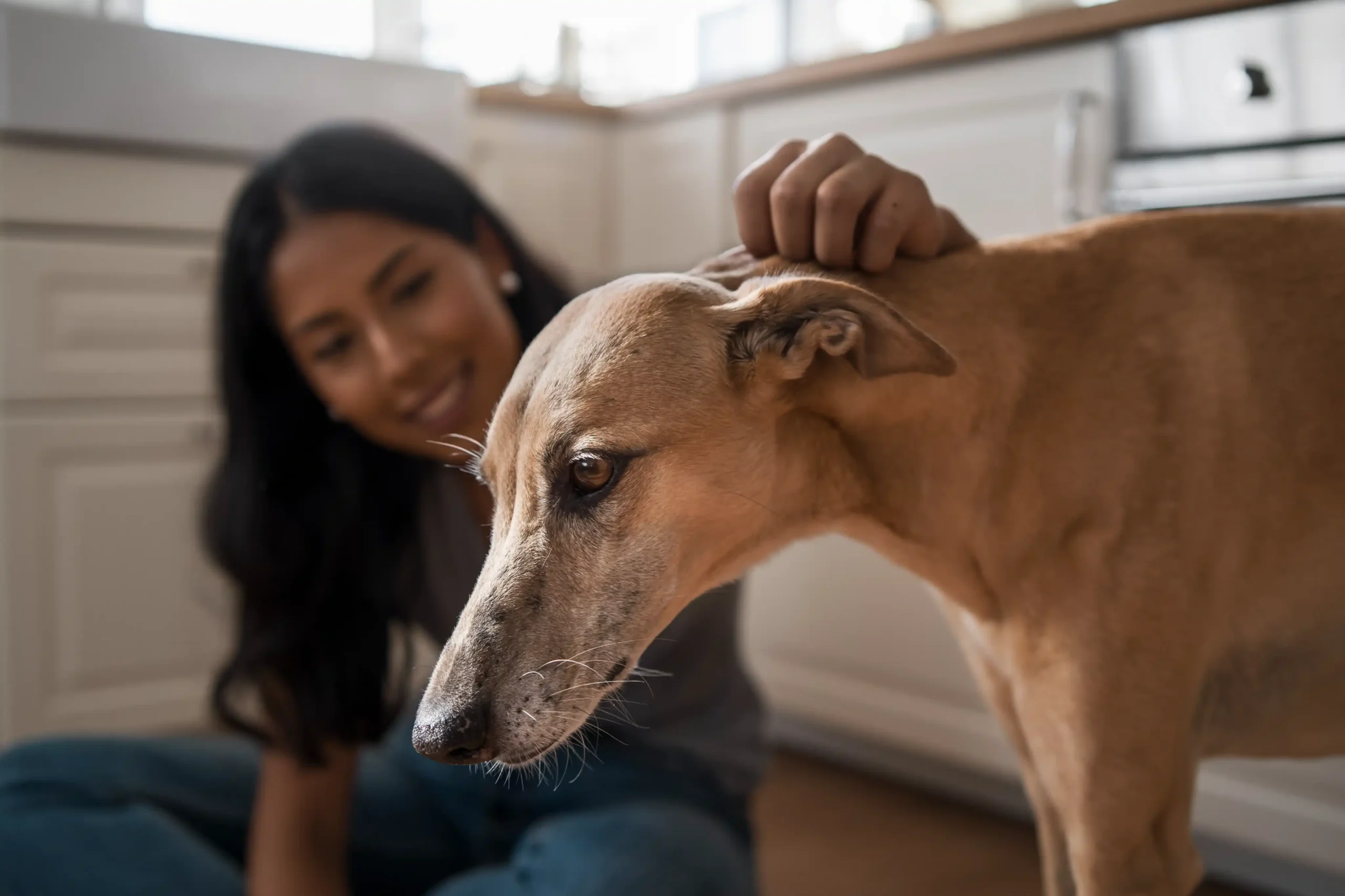
Dogs use head turning to communicate “I’m not a threat, please don’t hurt me.” When your dog turns his face away during a hug, he’s trying to show submission and de-escalate. Direct eye contact means confrontation in dog language. By looking away, your dog is saying “I don’t want to challenge you, but I’m uncomfortable.”
Panting When Not Hot
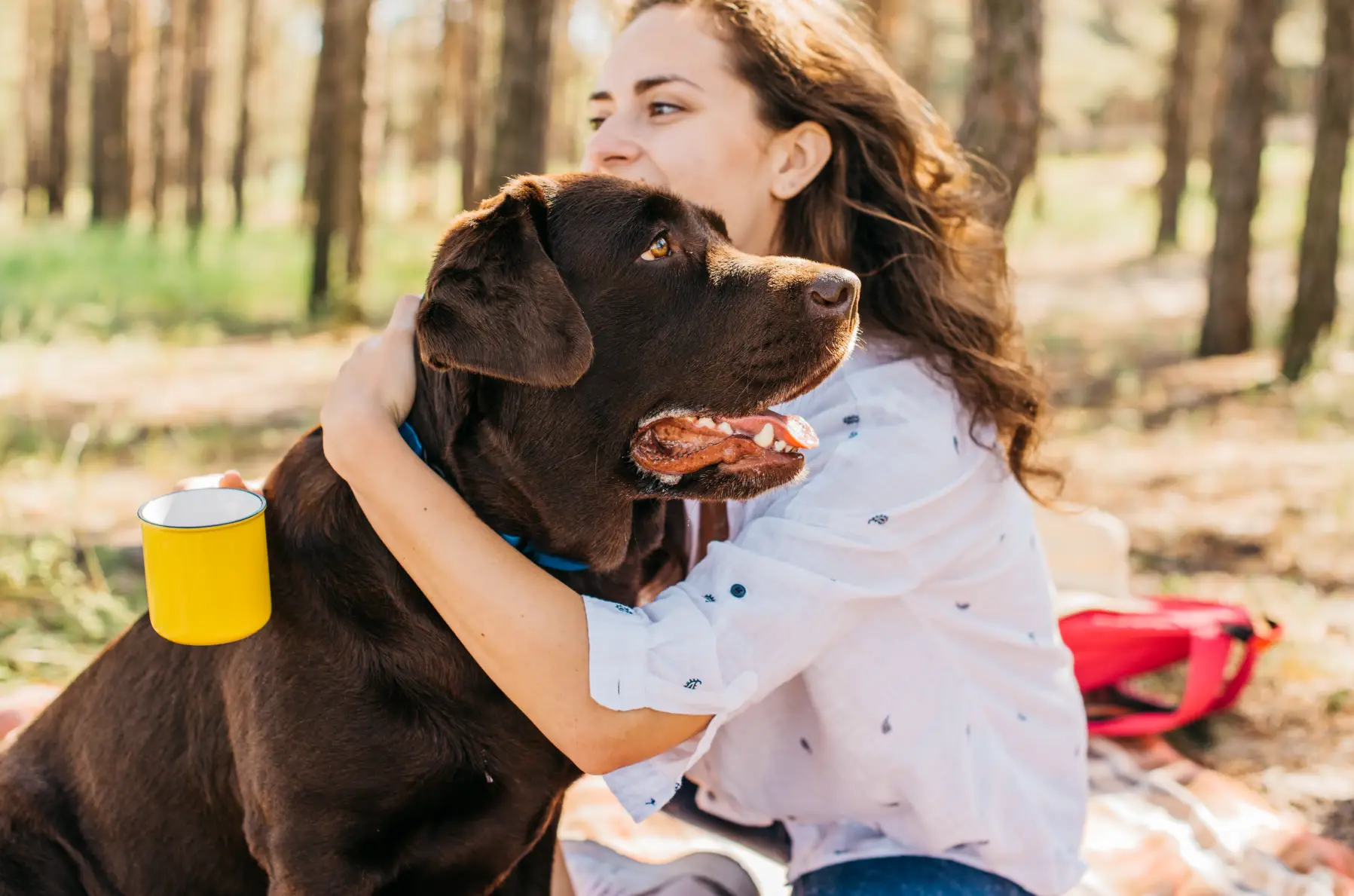
Stress panting looks different from exercise panting or heat panting. It’s often shallow, rapid, when your dog hasn’t been running or playing.
You’ll notice it starts right when you begin the hug or immediately after. The mouth might be only slightly open with quick, shallow breaths. This is one of the stress signals dogs use that owners most commonly ignore.
Trying to Escape or Back Away
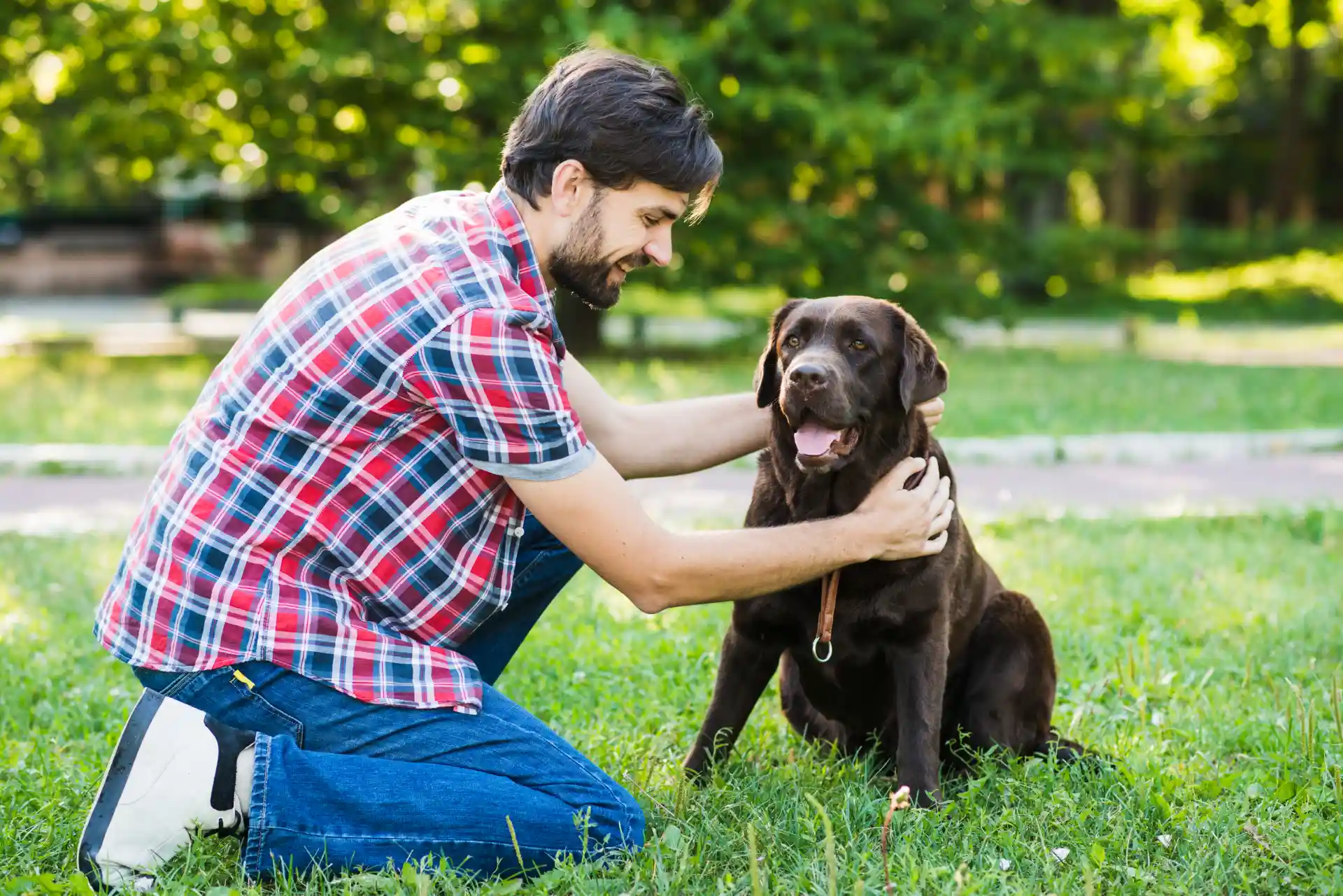
Some dogs make their feelings obvious. They lean away from you. They try to wiggle out of your arms. They take steps backward when they see you approaching with open arms.
What owners do wrong: they follow their dog and force the hug anyway. “Come here, don’t be silly!” This teaches your dog that his “no” doesn’t matter.
What You’re Really Seeing
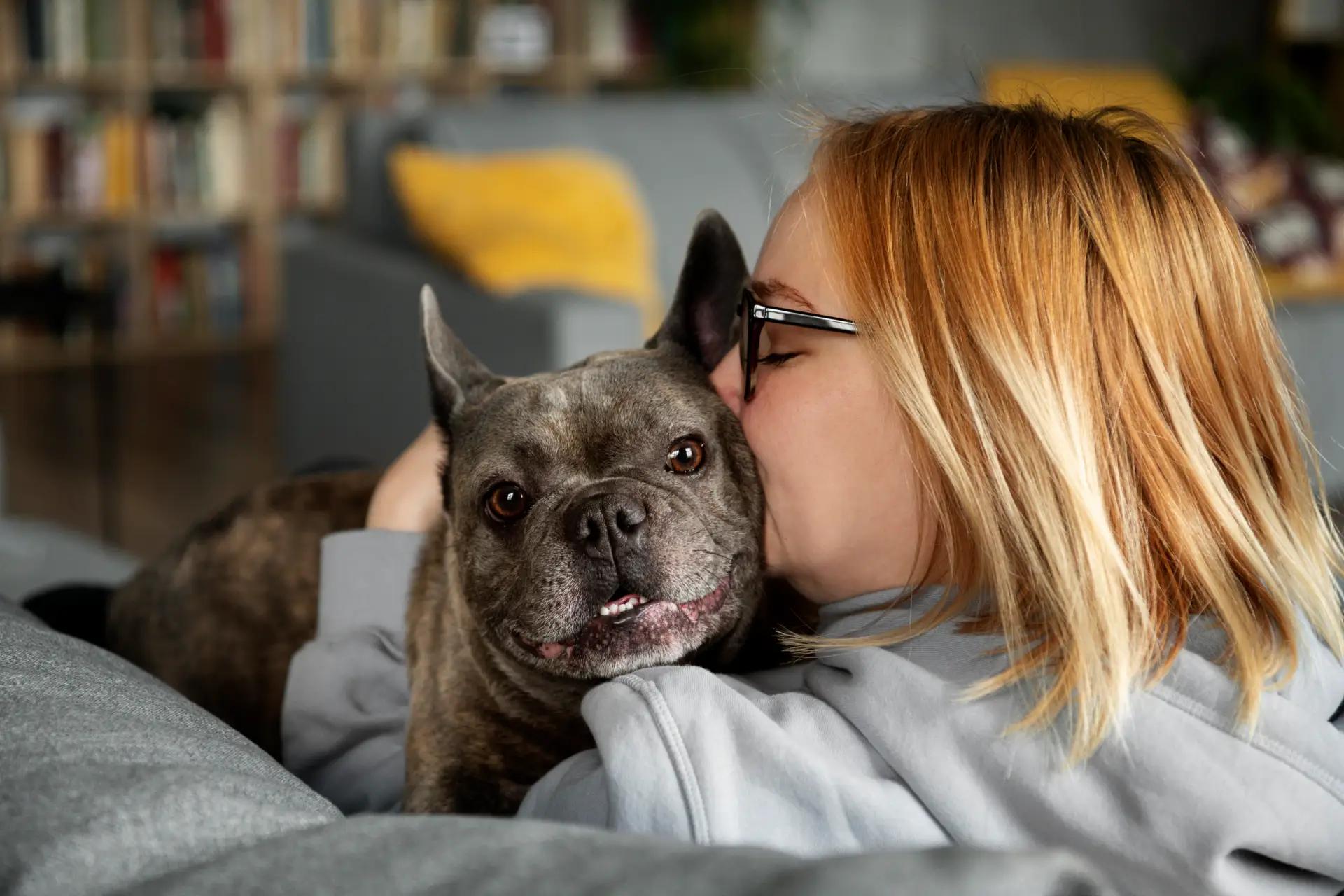
When you spot these dog body language signs, your dog isn’t being difficult or stubborn. He’s politely asking you to stop in the only language he has.
Most dogs won’t growl or bite during hugs because they love their families. But the stress is real. And if you keep ignoring these signals, the stress builds up over time.
#3. What Happens When You Keep Hugging Anyway
Ignoring these signals doesn’t make them go away. It makes them worse. Dog showing stress signals, you’re teaching him that his communication doesn’t matter. And that creates bigger problems down the road.
The Bite Risk Nobody Talks About
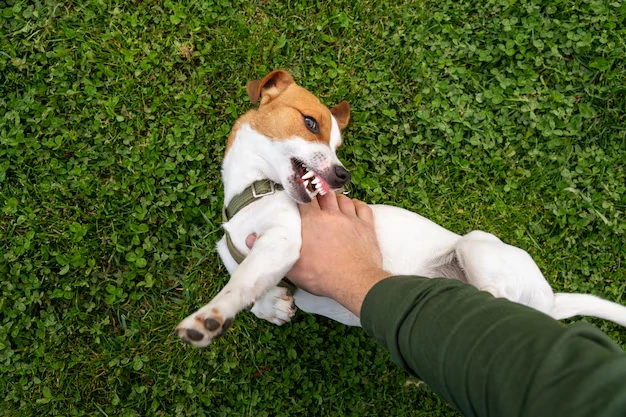
The scary truth is that, the increased stress can lead to biting. Not because your dog is mean, but because he’s desperate. Assume it from his perspective. He’s tried polite dog language, the lip licking, the head turning, the whale eyes. You ignored all of it. Now he feels he has no choice but to escalate.
Most family dog bites happen during forced affection. The dog gave warning signals for months or years. The family missed every single one. Then one day, usually when the dog is already stressed from something else, he snaps.
Your Dog Learns to Shut Down
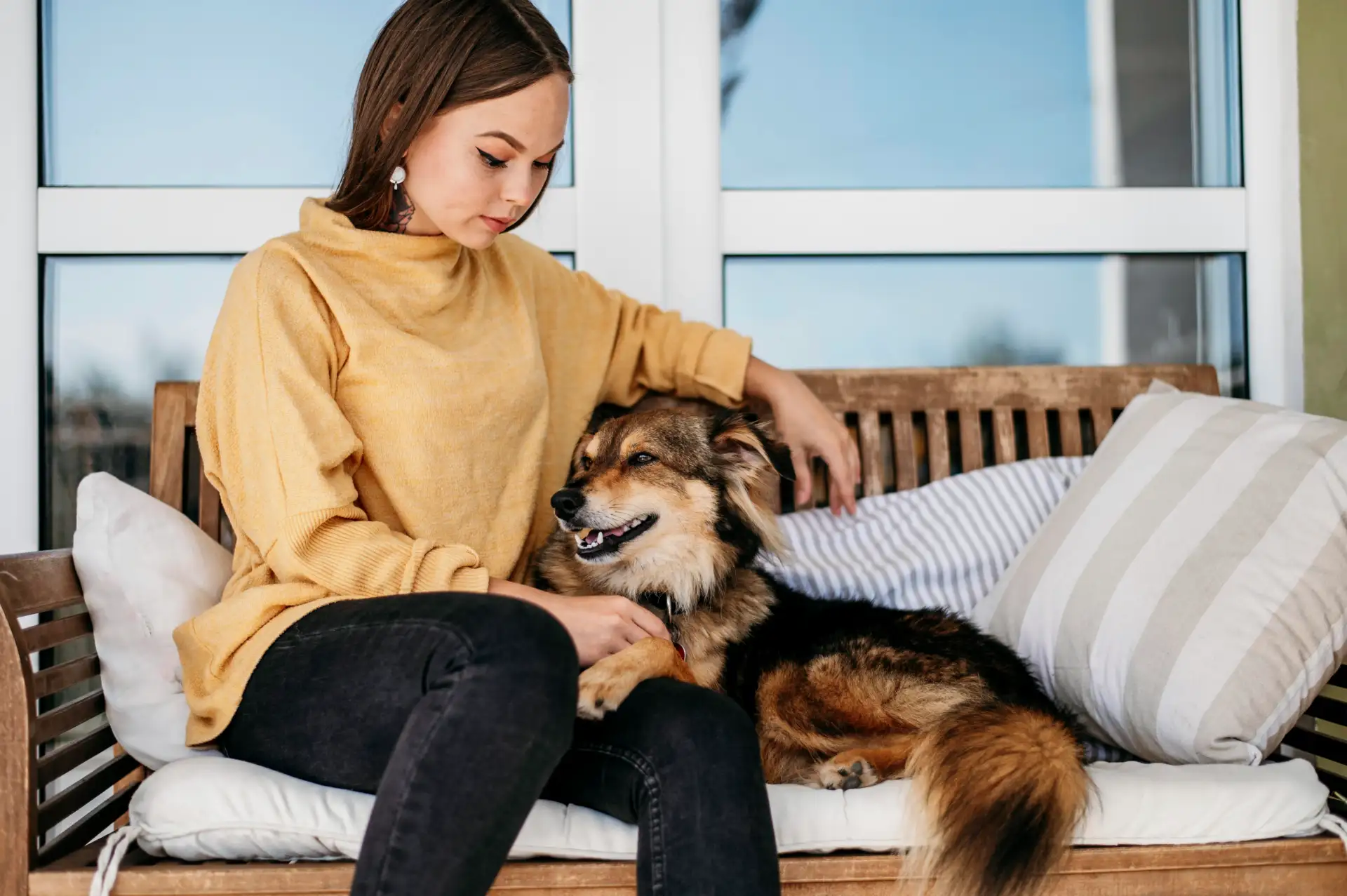
Dogs are smart. If fighting back gets them in trouble and running away is impossible, they learn to just endure it. Your dog might stop showing obvious stress signals. He stands still during hugs. Doesn’t struggle anymore. Dogs learn to tolerate but still feel stressed inside. The anxiety is still there, it’s just hidden. And chronic stress causes real health problems in dogs, just like it does in humans.
The Effect on Your Relationship
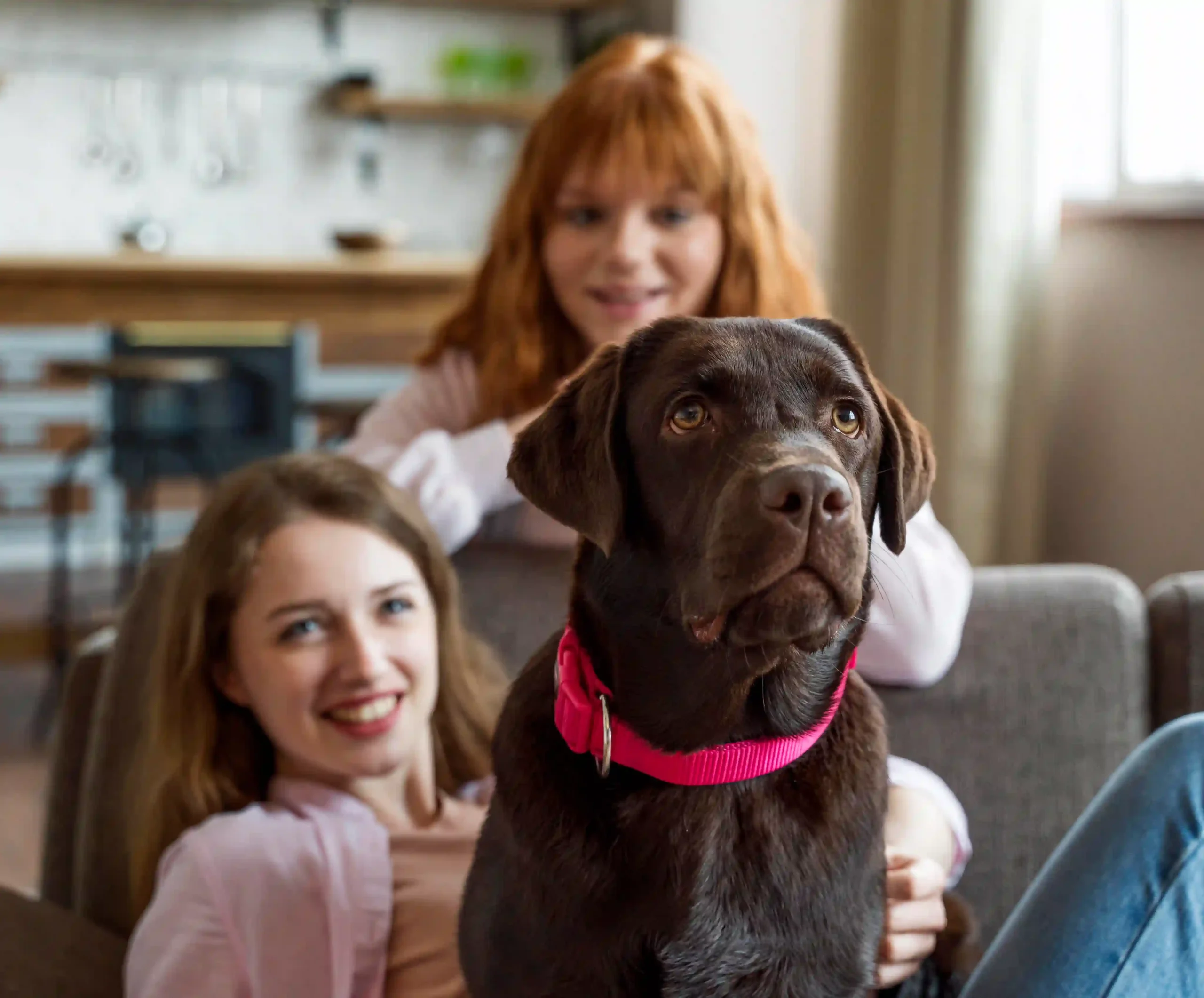
Dog behavior problems don’t happen in isolation. When your dog feels stressed and unheard, it affects everything else.
Texas A&M research found that more than 99% of U.S. dogs have behavioral problems. When hugging isn’t the only cause, forced affection creates a pattern where dogs hate owners’ approaches.
Your dog starts avoiding you when he sees you coming with open arms. He hides when kids want to cuddle. He becomes less social during family time. The very thing you’re doing to show love is pushing him away.
Long-Term Trust Issues
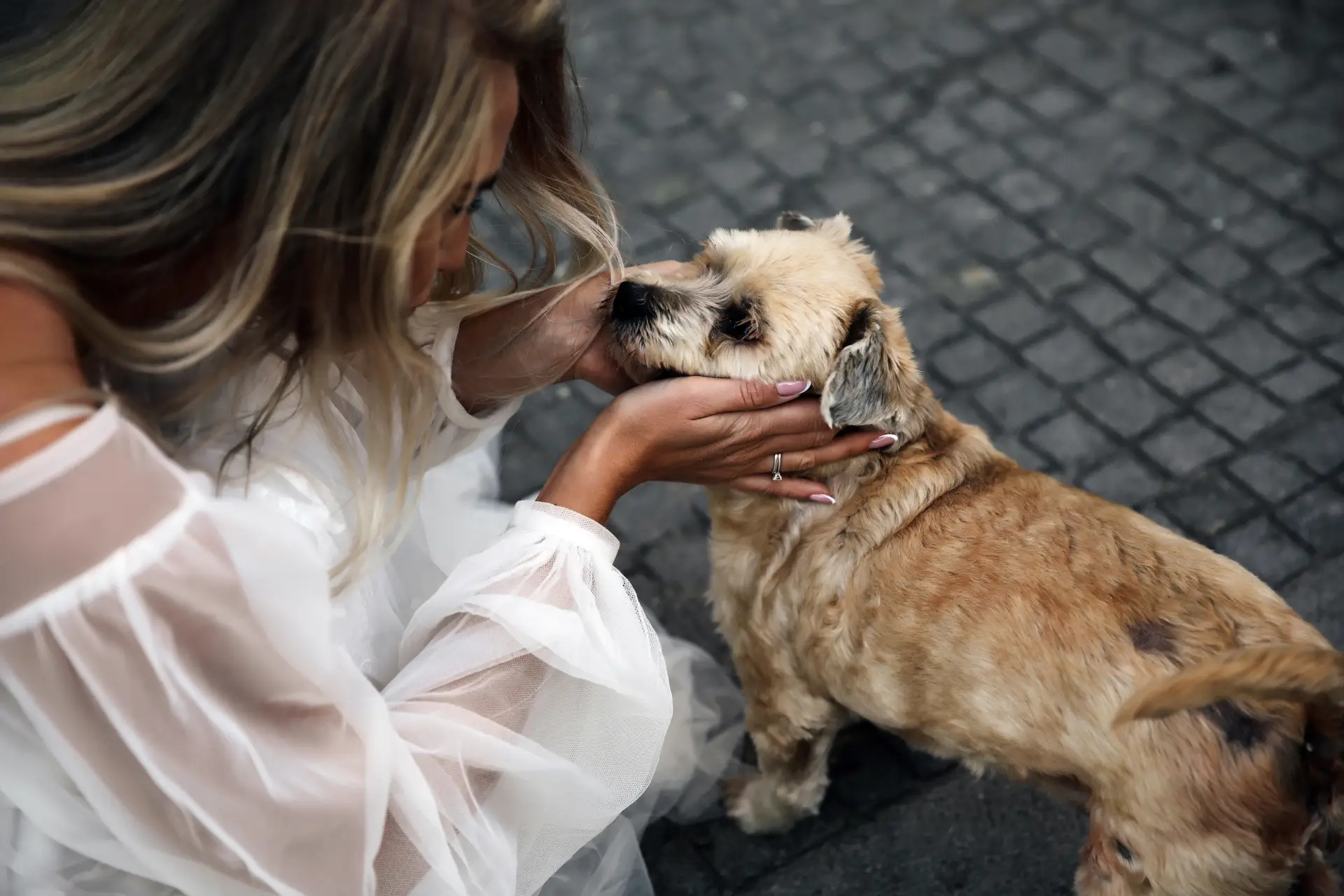
Dogs remember. If you consistently ignore their “no” signals during hugs, they start to doubt whether you’ll respect their boundaries in other situations.
This shows up in subtle ways. Your dog hesitates before coming when called. He’s less eager to interact. He seems more anxious around new people because he’s learned that humans don’t always listen to dog language.
The Good News
You can fix this starting today. Your dog is incredibly forgiving. The moment you start respecting his signals and showing love in ways he actually enjoys, the relationship begins to heal. And there are so many better ways to bond with your dog than hugging.
#4. 5 Ways to Show Love Without Hugging
Your dog wants your love. Just not your hugs. Ways that actually make him happy instead of stressed. These alternatives to hugging dogs work because they speak your dog’s language, not yours.
Gentle Petting on Chest and Shoulders
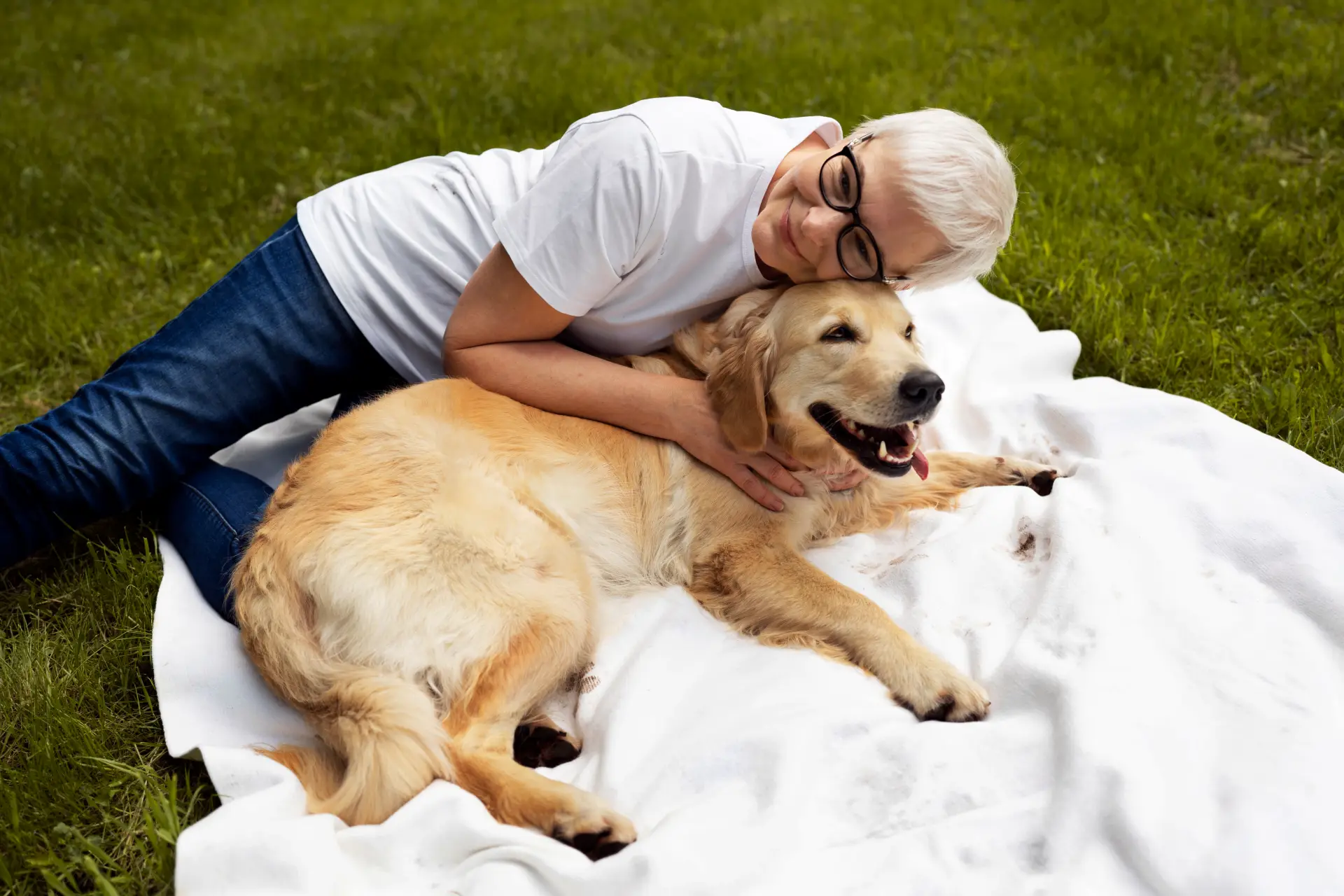
This is proper dog petting that most dogs actually enjoy. Instead of wrapping your arms around your dog, try slow, gentle strokes on his chest or shoulder area.
These spots don’t trigger the trapped feeling that hugs create. Your dog can still move freely. He can walk away if he wants to. And chest scratches feel amazing to most dogs.
Watch for consent signals: Does he lean into your touch? Does he stay relaxed? Those are green lights. If he pulls away or shows stress signals, respect that and try again later.
High-Value Treats And Praise
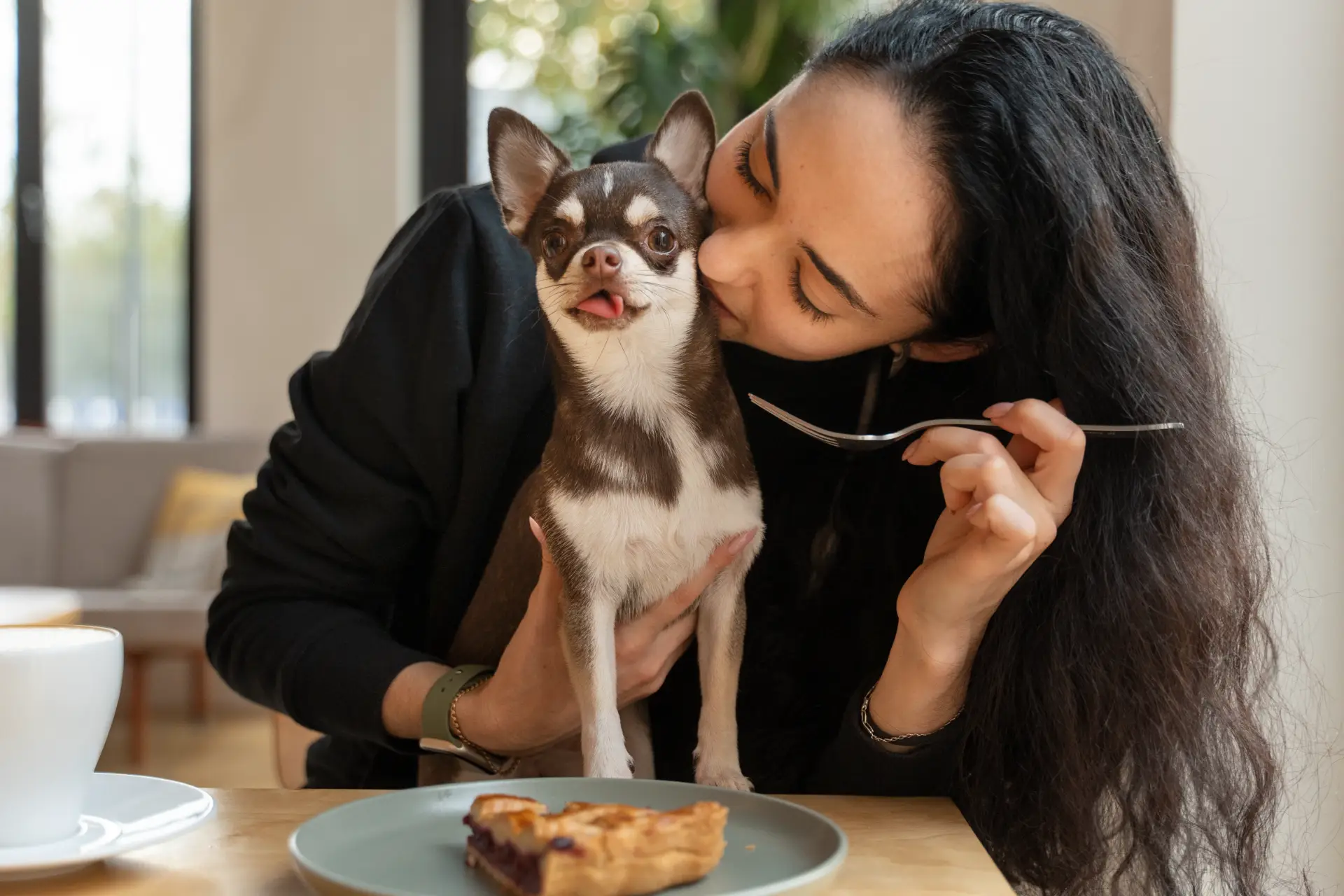
Food is love in dog language. But make it special. Don’t just toss kibble at your dog. Use tiny pieces of chicken, cheese, or whatever makes his tail wag.
Pair the treats with calm, happy praise. “Good boy” in a soft voice when he’s doing something you like. This builds positive associations between you and good feelings.
The key is timing. Give treats and praise when your dog is naturally calm and happy, not when he’s stressed or trying to get away from you.
Parallel Relaxing (The Best Dog-Friendly Affection)
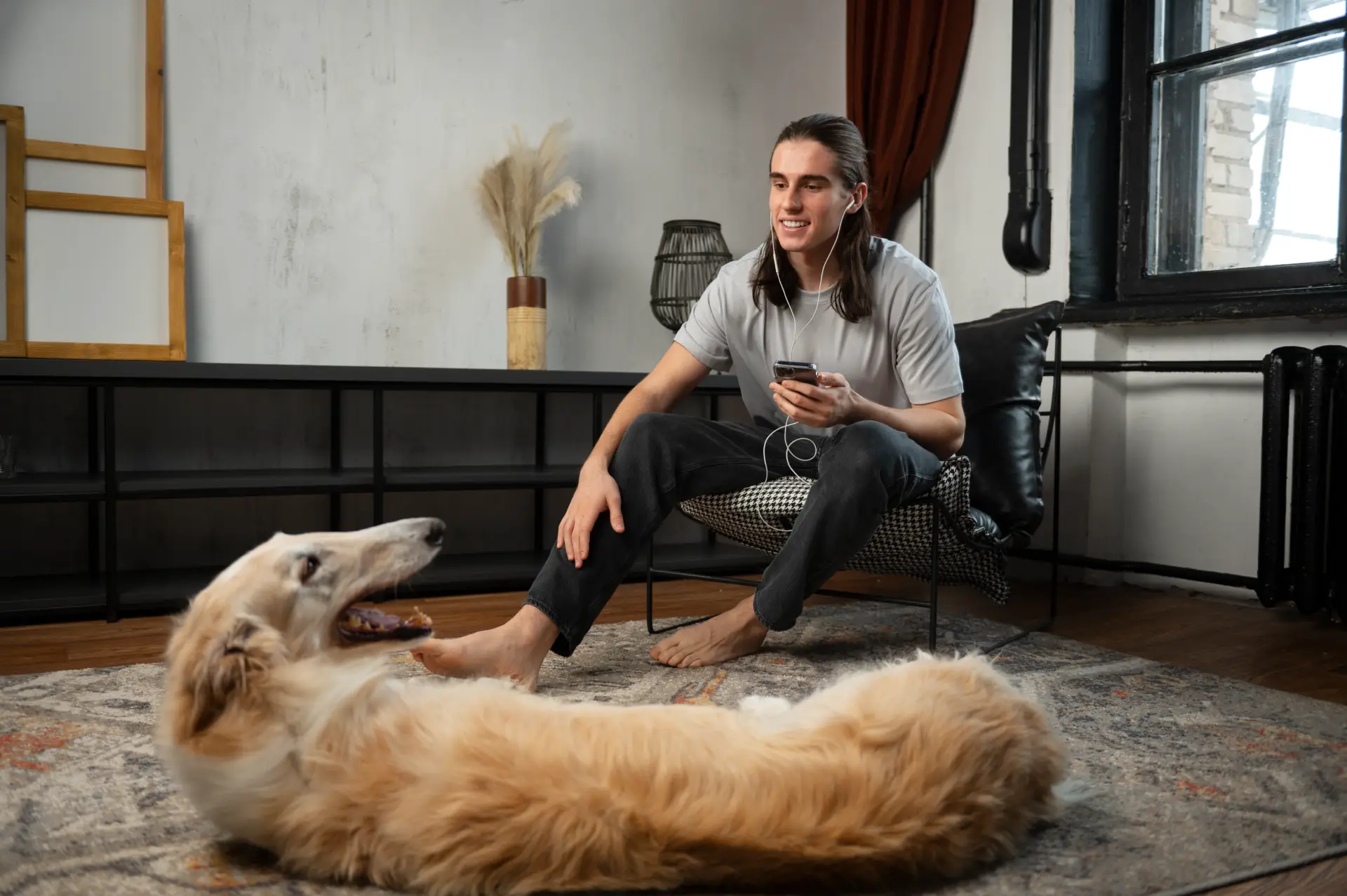
This technique comes straight from professional dog trainers. Sit near your dog without touching him. Read a book. Watch TV. Just be present in his space.
Your dog choose how close to get. Some dogs will gradually move closer. Others prefer a few feet of distance. Both are fine.
This builds trust because you’re showing your dog that being near you is safe and comfortable. No forced interaction. No trapped feeling. Just peaceful companionship.
Play and Exercise Together
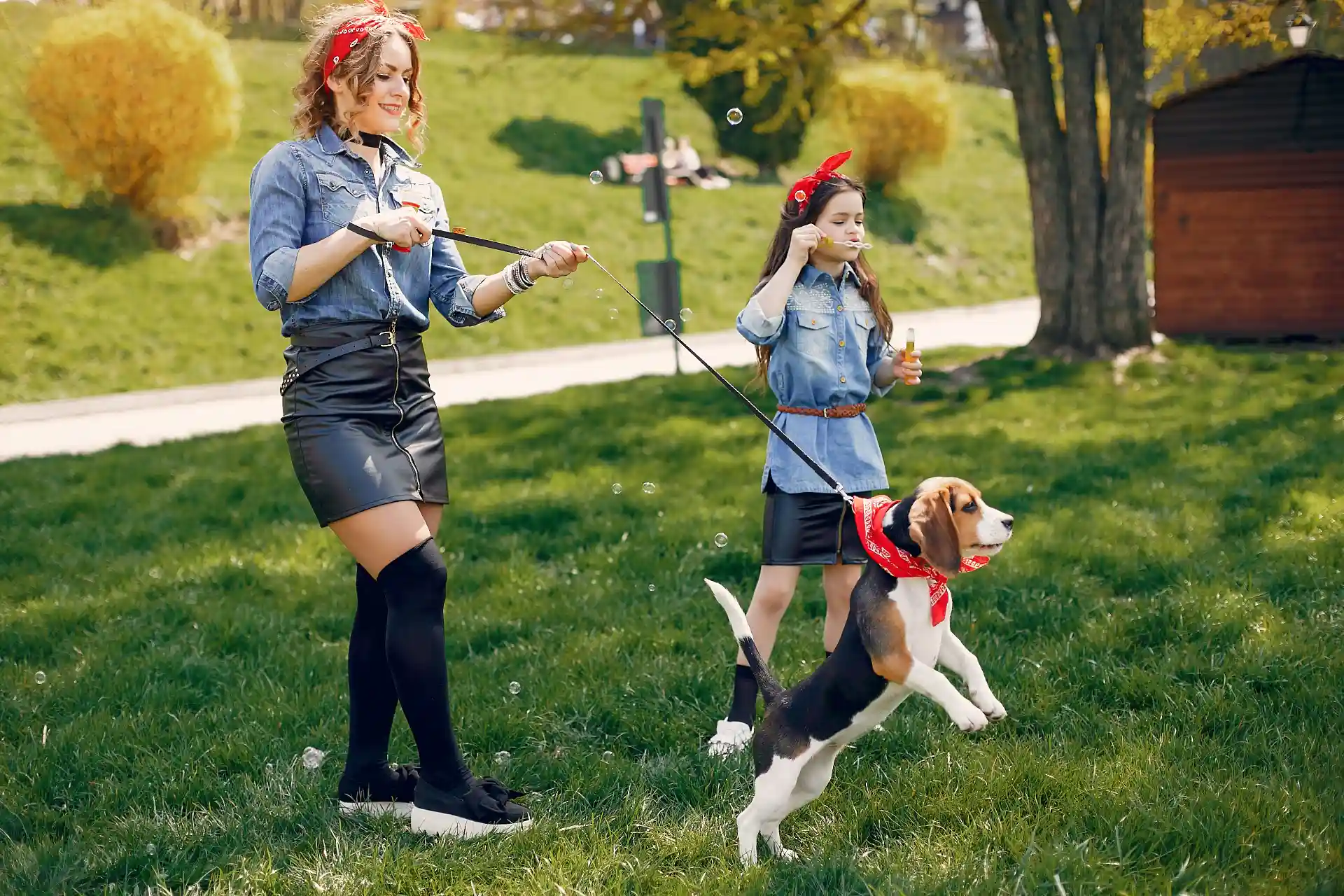
When you want to bond with your dog. Move with him. Take walks. Play fetch. Teach him new tricks. Run around the yard together.
Physical activity releases the same happy chemicals in dogs that it does in humans. Your dog will associate you with fun, adventure, and good times. A tired dog is usually a happy, relaxed dog. Exercise solves so many behavioral problems while strengthening your relationship naturally.
Respect Their Space and Let Them Approach
This might be the most important tip of all. Stop forcing affection on your dog. Instead, make yourself available and let him come to you.
Sit on the floor at his level. Hold out your hand for him to sniff. Wait for him to approach. When he does, pet him gently or give him a treat.
This teaches your dog that good things happen when he chooses to interact with you. He learns to seek out your attention instead of avoiding it.
Building Positive Associations
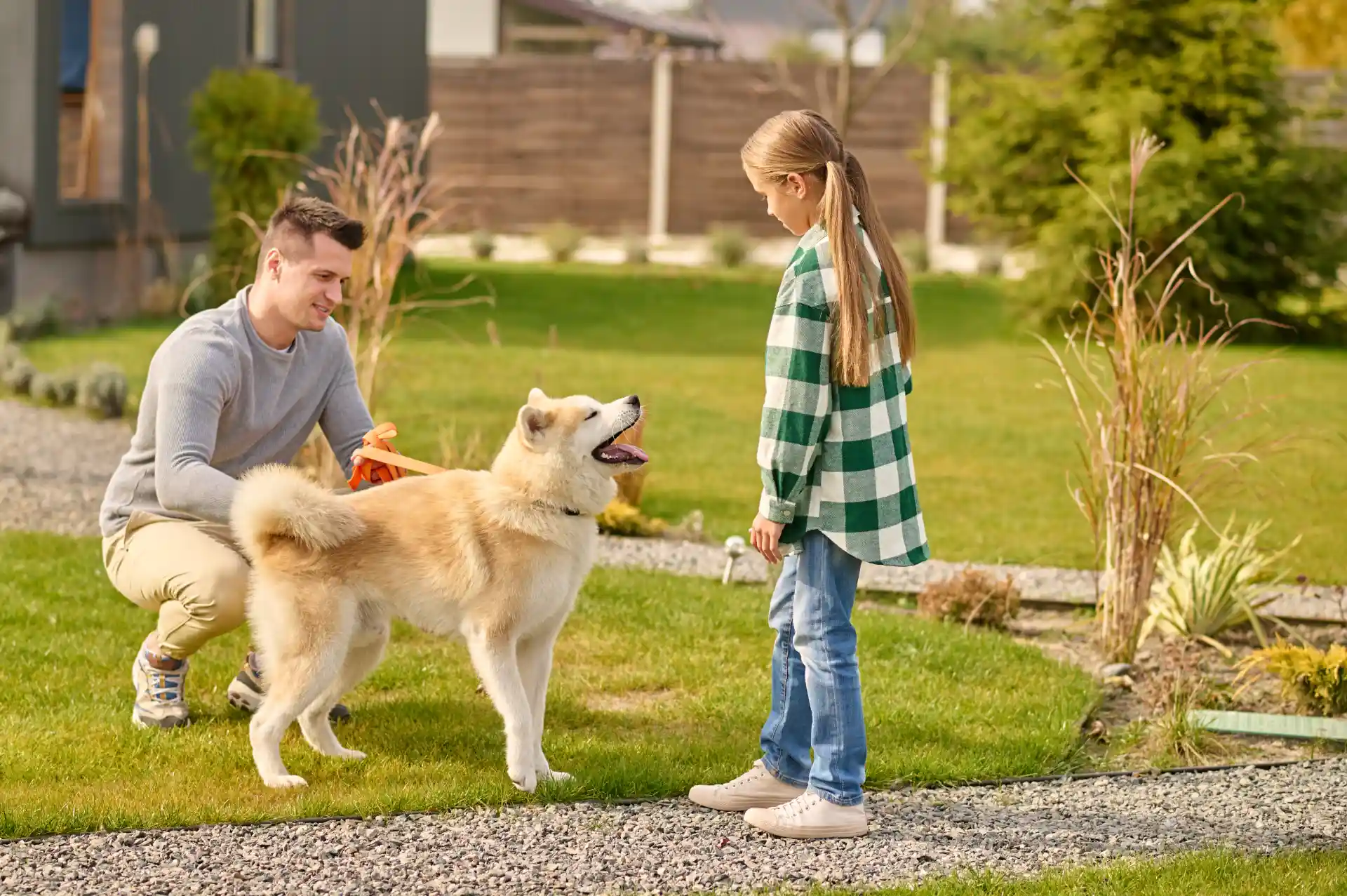
All of these techniques work because they respect your dog’s autonomy. Your dog gets to choose how much interaction he wants. And when dogs feel safe and respected, they naturally want more contact with you. These methods work especially well with children who need to learn appropriate ways to show love to family pets.
#5. Teaching Kids the Right Way to Love Dogs
Kids hug everything they love. Dogs included.
Your three-year-old sees the family dog and wants to squeeze him tight. It’s natural. It’s sweet. And it’s exactly how most dog bites happen to children. But you can teach kids better ways to show love that keep everyone safe and happy.
Start with Simple Family Dog Rules
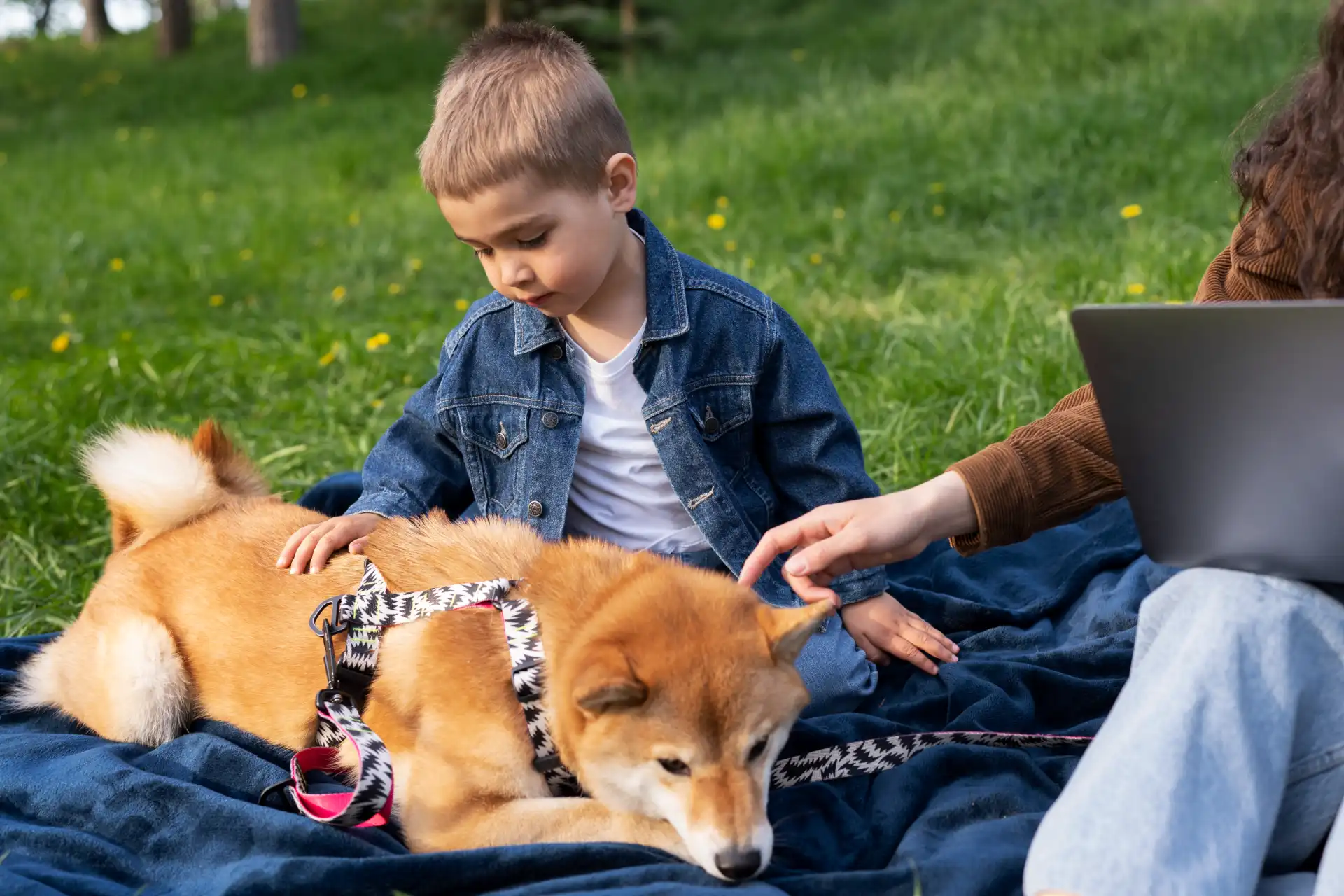
Make the rules clear and simple. “We pet dogs gently on their chest. We don’t squeeze dogs. We let dogs come to us.”
Practice these rules when your dog isn’t around. Show your child how to hold out their hand. Demonstrate gentle petting motions on a stuffed animal. Make it a game, not a lecture.
Kids learn better through repetition and play than through scary warnings about bites.
Teach Kids To Read Dog Language
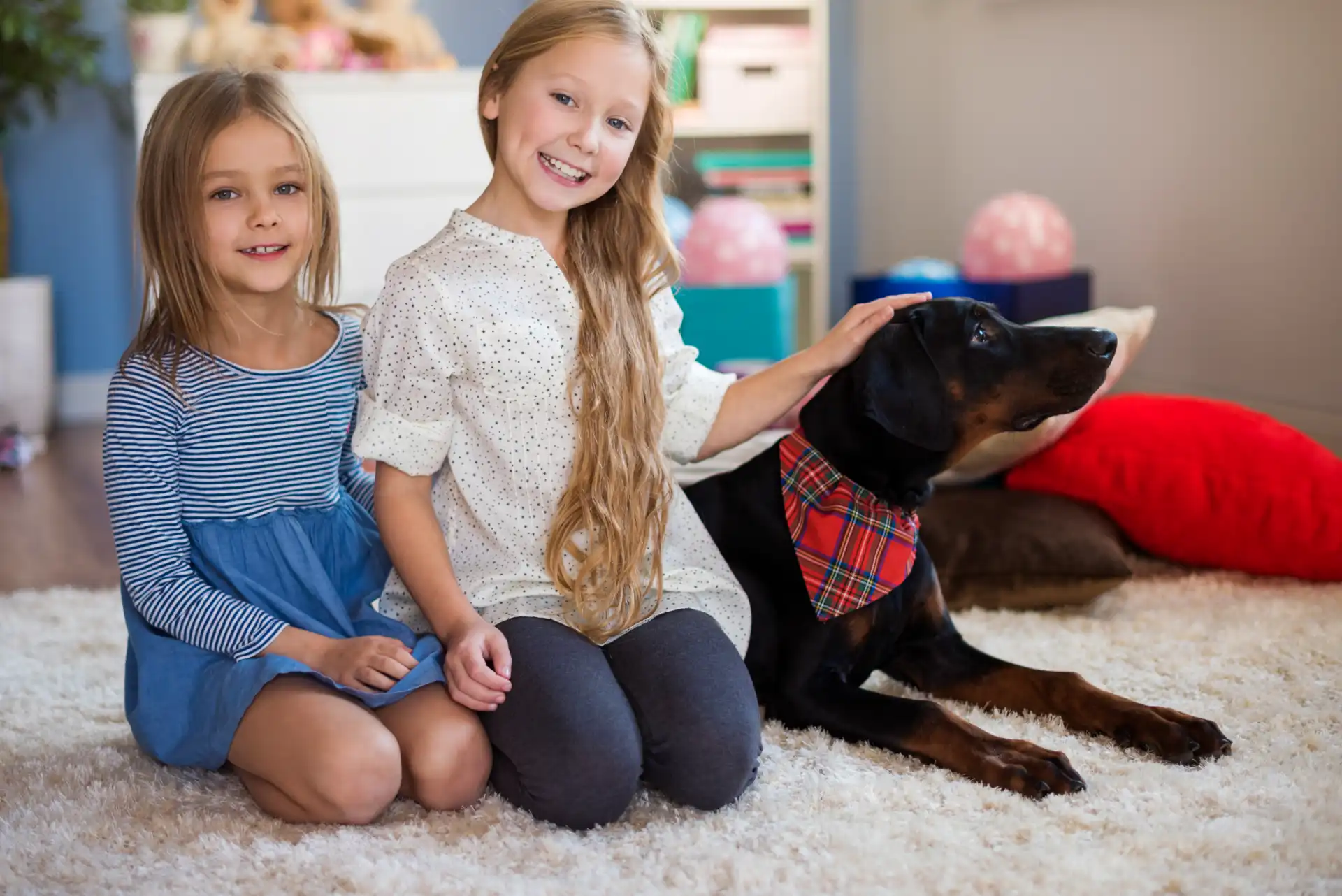
Children can learn basic dog body language earlier than you imagine. Teach them that dogs who walk away want space. Dogs who show their teeth are saying “stop.” Dogs who wag their tails aren’t always happy.
Use simple words: “The dog is saying no with his body. We listen to his no just like we listen to your no.” This teaching children dog safety skill will help them with every dog they meet, not just your family pet.
Supervision Is Everything
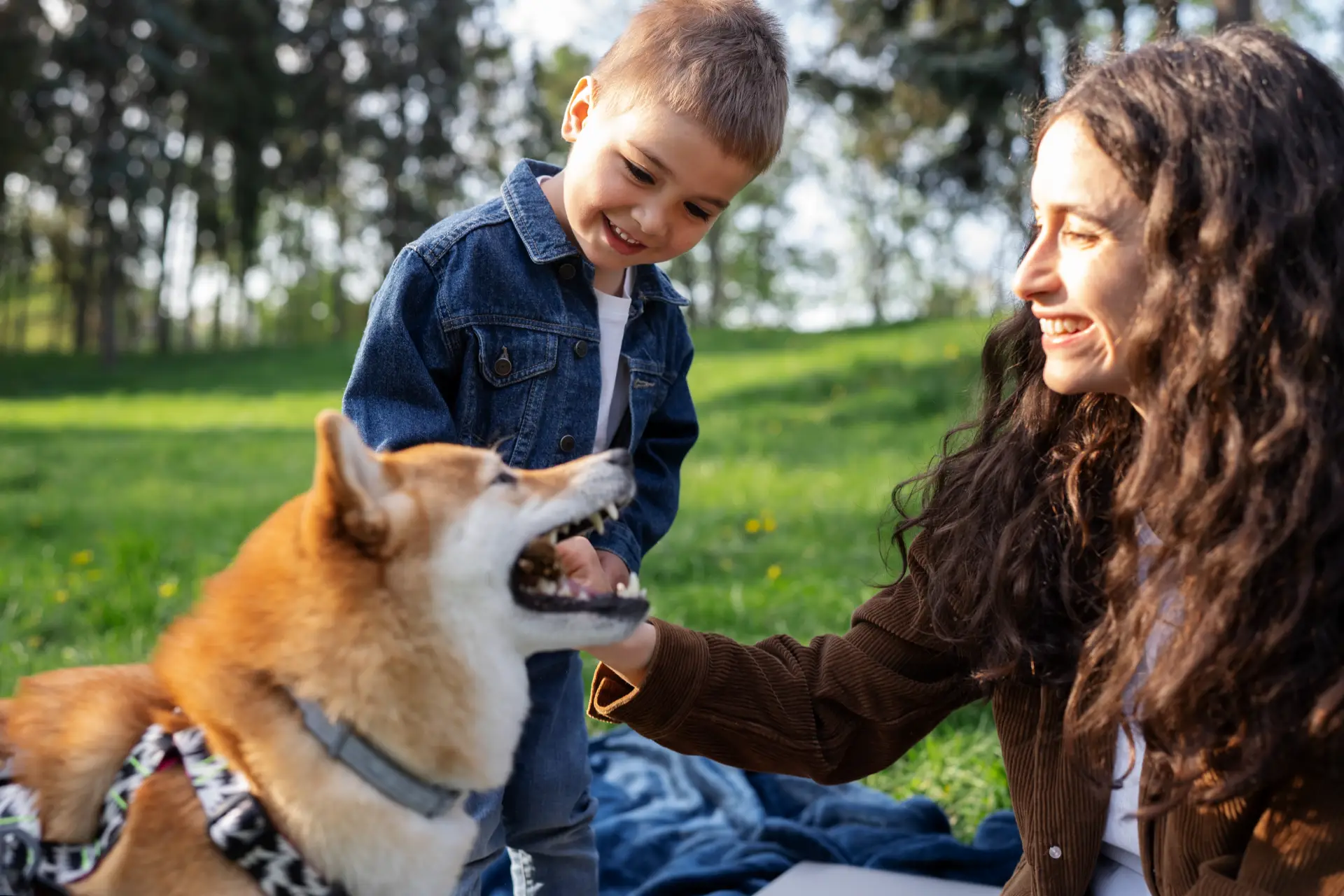
Never leave small children alone with dogs, even family dogs. Kids forget rules when they’re excited. Dogs get overwhelmed when kids are loud or unpredictable.
Stay close enough to redirect both the child and the dog before problems start. “Remember, gentle touches on his chest” works better than yelling after something goes wrong.
Create Positive Experiences for Both
Set up situations where both your child and dog succeed. Teach your child to fill the water bowl.
These activities build a relationship based on cooperation instead of forced affection. Your dog learns that kids mean good things happen. Your child learns that respecting the dog gets better responses than grabbing him.
Setting Boundaries Early Prevents Problems
The habits you build now stick for years. A toddler who learns that dogs have boundaries becomes a teenager who respects animal consent. Kids hugging dogs might seem harmless when children are small, but it teaches them that animal “no” signals don’t matter.
Start these steps early, and you’ll raise a child who knows how to interact safely with all animals, not just your family dog. When kids and dogs both feel respected, the whole family wins.