

Your dog starts vomiting at midnight. You grab your phone, type in the symptoms, and within seconds you’re buried under worst-case scenarios. Sound familiar?
Googling your pet’s symptoms doesn’t give you clear answers—it gives you fear, confusion, and wasted time. What you really need is a simple plan: how to spot true emergencies, when to call your vet, and what you can safely monitor at home.
This guide shows you exactly that—step-by-step actions, reliable resources, and quick tools so you can stop the spiral and get your pet the right help, fast.
Red, Orange, Green: A 1-Minute Triage to Act (Not Google)
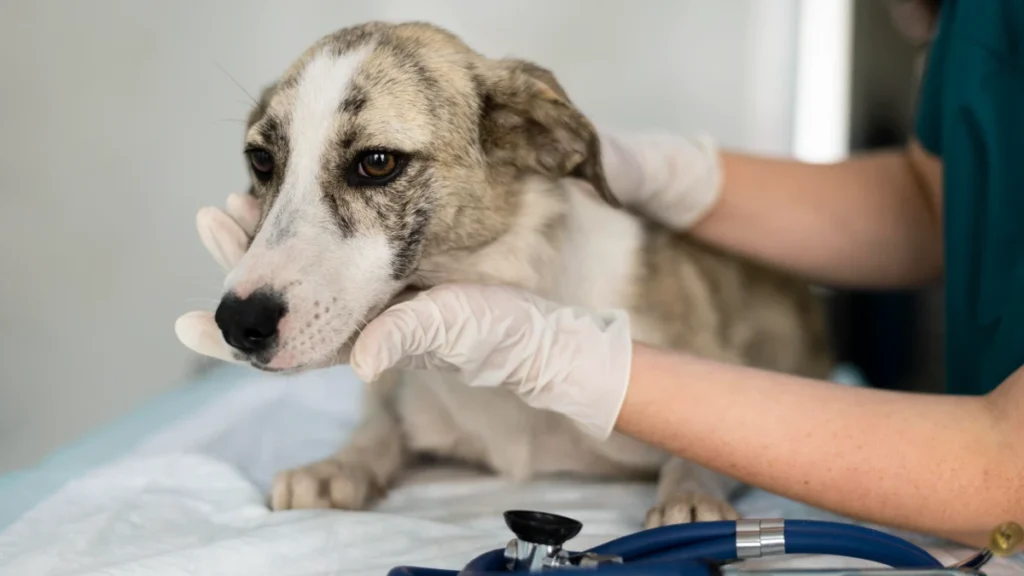
Here’s the fast way to decide what to do right now—without doom-scrolling. Use this color code, then act.
RED — Go now (ER): Seizures; trouble breathing (gasping, blue or gray gums); collapse or unresponsive; major bleeding or trauma; known or suspected toxin; hard, swollen belly; eye held shut or obvious eye injury; cats breathing with their mouth open. These are pet emergency signs that need hands-on care immediately. Bring any packaging if a toxin is involved.
ORANGE — Same-day vet or teletriage: repeated vomiting or diarrhea, urinary straining (especially male cats), new or severe lameness, new eye changes, heat stress, or anything that’s getting worse over hours. These often need a same-day exam to prevent a red-level crisis. If your clinic can’t see you today, use an online vet chat or video triage to decide next steps while you secure an appointment.
GREEN — Watch 24–48 hours: mild, short-lived signs with normal vital signs (see the next section). Keep notes on what you see, fluids taken, appetite, bathroom habits, and energy. If signs last, worsen, or vitals drift from normal, move to ORANGE and call.
Decision flow (use this every time):
If RED → go to the nearest ER now. Do not wait for online advice.
If you suspect a toxin and you’re not sure what to do → call ASPCA Animal Poison Control Center or Pet Poison Helpline immediately for exact steps while you head to care. In 2024, APCC handled 451,000+ toxin-exposure calls—about a 4% increase year over year. These cases are common and time-sensitive.
If ORANGE and your clinic is booked → use teletriage to decide if it’s safe to monitor, get a same-day drop-off, or go to ER. Remember: most places require an existing veterinary-client-patient relationship (VCPR) for diagnosis or prescriptions; teletriage gives guidance, not full treatment.
Why this works: you replace vague symptom searches with a simple, repeatable plan tied to signs that emergency vets use for triage. You’ll also collect better info (vitals, timeline, photos) that shortens time to treatment. That’s how you cut stress and get your pet the right help fast—when to call the vet becomes clear.
Know Your Pet’s Baseline: Vitals You Can Check at Home

When you know your pet’s normal numbers, you can tell if a change is big or small—and your vet can act faster.
Normal ranges (at rest):
Dogs: temperature 101–102.5°F, heart rate 70–120 bpm, breathing 18–34/min.
Cats: heart rate 120–140 bpm, breathing 16–40/min.
How to measure (quick and safe):
Temperature: use a digital rectal thermometer with lubricant. Insert just the tip; wait for the beep. Clean after use.
Breathing rate: when your pet is asleep or calm, count chest rises for 60 seconds. Write it down.
Heart rate: feel the heartbeat on the left chest (behind the elbow). Count 15 seconds and multiply by 4. Repeat to confirm.
Gums and refill: gums should be pink and moist; press and release—color should return in under 2 seconds. Slowed refill or pale/blue gums are a RED flag.
Set yourself up to win: make a simple fridge card with your pet’s normal vitals, meds, allergies, microchip, your clinic, the nearest ER, and toxin hotlines. In a scare, you won’t have to search for numbers—you’ll act. Many ER teams start triage with breathing rate and gum checks; bringing clear vitals and a short timeline speeds care.
Quick tip: measure vitals when your pet is healthy—once a month is fine—so you know their baseline. Then, during a problem, repeat every 30–60 minutes if you’re monitoring at home. This is the heart of pet first aid basics and helps you spot real change early.
Toxins: What to Do in the First 5 Minutes (and Who to Call)

Suspect a poison? Act now. Those first minutes matter.
1) Don’t give food or milk. Don’t induce vomiting unless a toxicologist or veterinarian tells you to do it. Some products burn on the way back up. Others can be pulled into the lungs. Wait for expert instructions.
2) Call with the label in hand. Use ASPCA Animal Poison Control Center (888-426-4435) or Pet Poison Helpline. They will ask for the exact product, amount, and time since exposure, then give step-by-step advice while you head to care if needed. In 2024, ASPCA APCC handled more than 451,000 toxin calls—about a 4% rise from the year before—so you’re not alone and help is ready for this.
3) Know the big offenders. Chocolate remains the top household toxin for dogs. Calls about mushrooms have been climbing in many areas, while marijuana exposures show a downward trend compared with prior years.
4) Chocolate math (why a quick call helps). Signs can start at about 20 mg/kg theobromine. Heart effects show up around 40–50 mg/kg. Seizures can occur at 60 mg/kg or more. A chocolate toxicity calculator can turn your pet’s weight and the type/amount of chocolate into a clear risk level—then you’ll know if it’s home monitoring or ER.
5) What to do while you wait for instructions.
Remove any remaining product from your pet’s mouth and the floor.
Save packaging for ingredient lists and concentrations.
Note your pet’s weight, medications, and any signs (vomiting, tremors, panting).
Keep your pet calm and warm; do not force water.
Fast facts for quick reference:
Top toxins in 2024 included chocolate, medications, and certain plants.
More than 451,000 toxin calls were made to APCC in 2024.
Keywords to weave: pet poison hotline, chocolate toxicity dogs.
When Online Vet Chat Helps (and When It Can’t)

You can get smart advice fast. But there are limits. Here’s the simple rule.
What online vet chat is great for:
“Is this urgent?” triage and next steps.
Clarifying what to watch at home and what to bring to the clinic.
Finding the right level of care: same-day visit, ER now, or safe monitoring.
What it can’t do in most places: diagnose or prescribe without an existing veterinarian-client-patient relationship (VCPR). Many states require your pet to have been seen in person first. In an emergency, brief advice may be given until your pet can be examined in person.
Legit options (examples and current ballpark costs):
VetTriage: 24/7 live video with a veterinarian; about $50 per triage session.
Pawp: 24/7 access through membership; also available as a Walmart+ benefit at no extra cost for members.
Chewy Connect with a Vet: chat is free; video visits around $19.99 for many users or included with certain plans.
How to get the most from teletriage:
Turn on bright lights and hold your camera steady.
Have recent vitals (breathing rate, heart rate, temperature) ready.
List what happened and when, how much your pet ate or drank, meds, and any photos or short videos.
Ask, “What could this be, what should I do now, and what would make this an ER?”
If you need in-person care next: use an accredited clinic finder to locate high-quality hospitals near you. Accreditation signals strict standards for safety and medicine.
What experts say: Veterinary groups support telehealth as a way to streamline communication and help owners act sooner—as long as it points back to a veterinarian for exams, diagnosis, and treatment when needed.
Stop the Spiral: How to Vet (Not “Google”) Pet Health Info

You want fast answers that won’t put your pet at risk. Here’s a simple way to check if advice is worth using.
Start with vet-run libraries. Look up topics on the American Veterinary Medical Association’s pet-owner pages, AAHA resources, and VIN’s Veterinary Partner articles. These are written or reviewed by veterinarians. The language is plain. The steps are clear.
Be careful with generic symptom checkers. Reviews of these tools show big swings in accuracy. Some guess well. Some guess poorly. A common takeaway: results average around half right, with a very wide range. Use them to ask better questions, not to treat your pet on your own.
Check freshness and authorship. Look for a “last updated” date within the past one to two years. Scan the byline for DVM credentials or board certification. If you can’t find who wrote or reviewed it, skip it.
Match advice to your pet. A tip that works for a healthy adult dog may be wrong for a puppy, a senior cat, or a pet on daily meds. If your animal is at either age extreme or has a chronic disease, confirm steps with a vet.
Ask your own vet for a link list. At your next visit, request three trusted links for your pet’s condition (for example, diabetes care guides from AAHA). Save them to your notes so you don’t have to search during a scare.
What you’ll fix today: less scrolling, clearer next steps, and fewer mixed messages.
Keywords to weave: reliable pet health information, veterinary partner, AAHA resources.
Build Your 10-Minute Home Triage Kit

A small kit saves time and stress. You can build it in one trip.
Put these in a labeled pouch:
Digital rectal thermometer and lubricant
Gauze rolls and non-stick pads
Saline eye wash
Tweezers
Muzzle or soft towel (even gentle pets may bite when in pain)
Diphenhydramine (Benadryl) only if your vet has confirmed your pet’s dose
Leash and secure carrier
Copies of vaccine records and current meds
Address and phone of your regular clinic and the nearest ER
Add a fridge checklist: baseline vitals, weight, current meds and allergies, microchip number, insurance details, and local ER and poison control numbers. When something happens, you grab the kit and the card. No scrambling.
Save first-aid pages for quick reading: RSPCA first-aid basics and Veterinary Partner first-aid topics are clear, step-by-step guides. Print the key ones that fit your pet and keep them with the kit.
Why this helps: many ER visits come from common issues like stomach upset, skin problems, and urinary trouble. Having the basics ready speeds triage and helps the team treat faster.
Keywords to weave: pet first aid kit, pet emergency prep.
Know the Usual Culprits: What Sends Pets to the Vet (and Typical Costs)

Knowing the common problems helps you act sooner and plan your budget.
For dogs, the frequent flyers: skin allergies, vomiting and diarrhea, and ear infections. These can swing from mild to miserable fast.
For cats, watch for: stomach and intestinal upset and urinary issues. Straining to pee—especially in male cats—is urgent.
What care can cost (ballpark):
GI upsets: often in the $600–$750 range for testing and treatment, depending on severity and where you live.
Dental problems (cats): cleanings with extractions can reach around $1,300 or more.
Prices vary by clinic, region, and how sick your pet is, but these figures help you plan.
Trends that matter: specialty care and advanced imaging have gone up in availability and price over the past few years. That can raise totals when cases turn complex.
Why act early: waiting while you keep searching can turn a same-day clinic visit into an ER night. A classic example is a male cat with urinary blockage. Hours count.
Smart prep moves: set aside a pet emergency fund, learn what your pet insurance data says about common claims in your area, and ask your clinic about payment options before you need them.
Conclusion
Googling symptoms only fuels anxiety and wastes time. Instead, follow the Red/Orange/Green triage, track your pet’s vitals, and call poison hotlines if you suspect an exposure. Use teletriage for guidance, but remember—only your vet can diagnose and treat.
Print your fridge card and triage kit list, add your local ER clinic and hotlines, and keep trusted veterinary resources on hand. Stop googling your pet’s symptoms—use this plan and get your animal the right help, fast.