
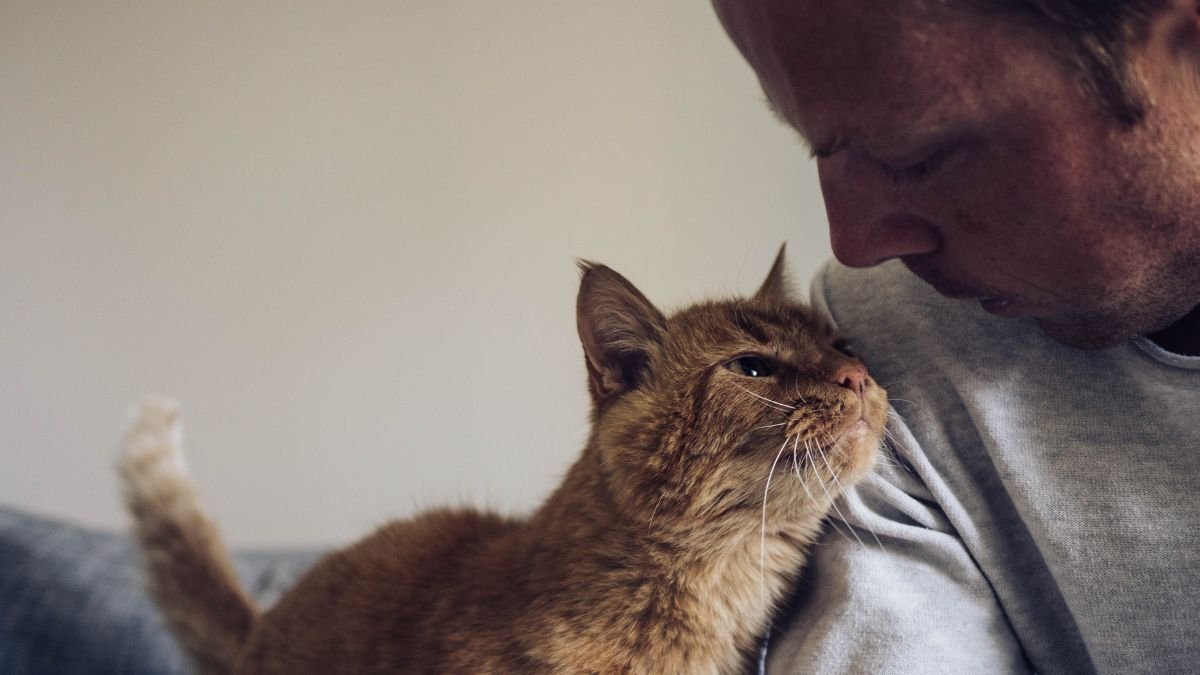
You’re sitting on the couch when you feel it, those unblinking eyes locked onto you from across the room. It’s your cat. Again.
Cat owners everywhere deal with this. The stare feels weird, sometimes creepy. You wonder if it’s normal. You want to know what your cat wants. Understanding cat staring meaning changes everything about your relationship with your feline friend.
You’ll find out the 7 main reasons why my cat stares at me. You’ll learn to decode different types of cat eye contact, respond the right way, and use a science-backed trick to strengthen your bond. Your cat has been trying to tell you something all along. Now you’ll finally understand what it means.
How do Cats Use Eye Contact to Talk to You?
Cats Save Their Voice for You
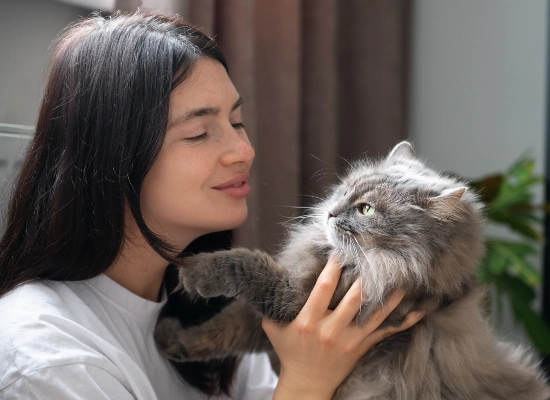
Here’s something interesting: cats don’t meow at other cats very often. They save that for humans. With other cats, they rely on cat body language, especially their eyes. Your cat learned you don’t get tail swishes and ear flicks. So they start to get your attention.
Cat Eye Contact Is Their Language
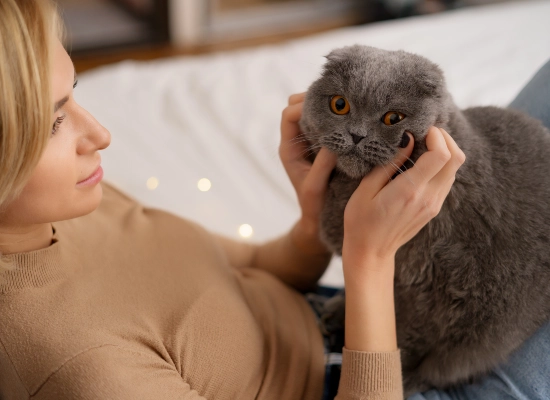
Cats use staring for powerful communication. Their eyes reveal emotions and what they need. University of Sussex research from 2020 proved that cats use eye narrowing for positive emotions. Humans see eye contact as connection or a challenge. For cats, it ranges from love to warning.
Context Changes Everything
The same stare means different things based on what’s happening. Your cat might stare at 6 am (wants breakfast) or stare while you eat (wants your food). Cat body language gives you the full story. Look at their ears, tail, and posture along with their eyes. Then you’ll know exactly what they’re saying.
7 Reasons Your Cat Is Staring at You

i. They’re Hungry (The “Feed Me” Stare)

The Classic Mealtime Stare
Your cat locks eyes with you. Their stare says one thing: food. This is the most common reason cats stare. They’re trying to convince you to fill their bowl. It works most around mealtime, but cats start this stare up to 3 hours before they actually eat.
What to Look For
The hungry stare comes with extras. Your cat might meow at you. They’ll rub against your legs. Some cats walk to their food bowl and back to you. Others stare at the cabinet where you keep their food. This stare targets one person, whoever feeds them. Your cat knows exactly who has the power to make food appear. What it means when your cat does this: “I’m hungry and you’re going to fix that.”
ii. They Love You (The Soft Stare)
The Science of Cat Love
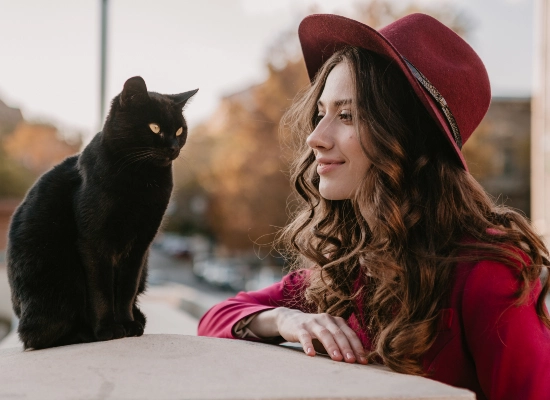
Soft, relaxed cat eye contact means your cat loves you. Scientists confirmed that slow blinking works like a cat smile or cat kiss. The gaze looks gentle. Their body stays relaxed. Their eyes appear soft, not intense.
How Research Proved It?

A study involving 24 cats revealed something remarkable. Cats were more likely to approach humans who slowly blinked at them. The research proved cats blink more when their owners slow blink first. This is real feline communication, backed by science.
Recognizing the Love Stare
Look for these signs: soft eyes, gentle expression, slow, deliberate blinks. Your cat’s whole body looks calm. Their tail might be up or wrapped around them. No tension anywhere. This cat staring meaning is simple, pure affection and trust.
iii. They Want Your Attention
The Attention-Seeking Strategy
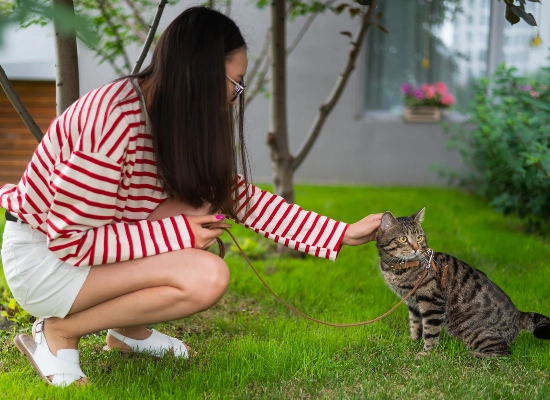
Cats stare to catch your attention. Once they’ve got your eyes on them, the show begins. They might slow blink at you. Some meow. Others roll over and show their belly. Your cat learned that this trick works.
Different From Hunger
This stare feels different from the one I have when I’m eating. It has more playful energy. Your cat might bring you toys. They’ll paw at you gently. Some cats vocalize with chirps or trills. They want interaction, not just food. They want you to notice them, pet them, or play with them. The reason behind their staring is that they’re bored or lonely, and you’re the solution.
iv. They Want to Play (The Hunt Stare)
Hunt Mode Activated
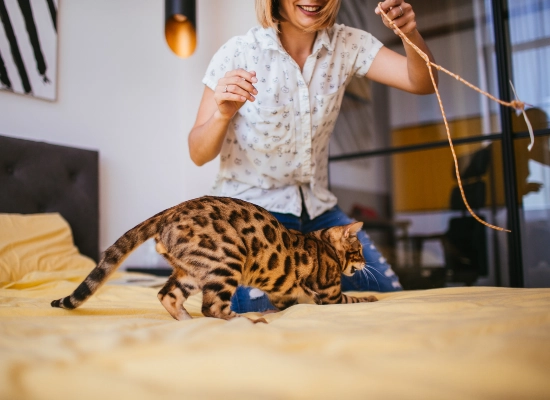
Your cat crouches low. Their pupils go huge and black. Their tail swishes side to side. This is the hunt stare. Your cat sees you as prey, in a fun way.
What Happens Next?
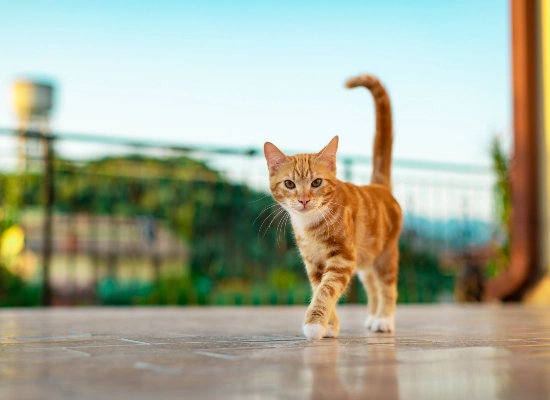
They might sprint straight at you. Some cats swat at your feet as they zoom past. Others pounce on your toes. This is hunting behavior pointed at you. It’s completely normal and healthy. Your cat’s instincts are working perfectly.
The Playful Signs
Look for: crouched body, dilated pupils, twitching tail tip, wiggling butt before the pounce. Your cat’s eyes stay locked on their target, you. Cat staring meaning here: “Game on. You’re about to get pounced.”
v. They’re Curious About What You’re Doing
Natural Born Observers
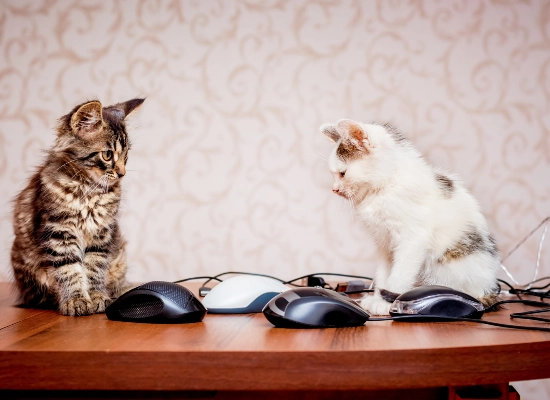
Cats use all their senses to understand their world. Vision ranks high on that list. You seem weird to your cat. They want to figure you out. So they stare.
When Curiosity Kicks In?
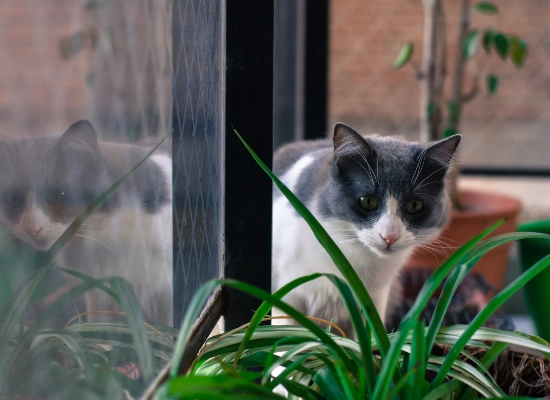
This happens most when you do something new or interesting. Cooking something that smells different. Working on a project. Moving furniture around. Your cat stares because they’re trying to understand what you’re doing.
The Curious Stare
This stare looks relaxed. No tension in their body. Their ears face forward with interest. Their tail might twitch slightly. They’re just watching and learning. What it means when your cat does this: “That’s interesting. Tell me more.”
vi. They’re Scared or Anxious
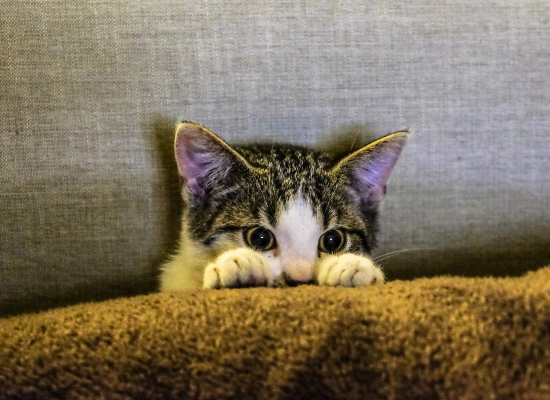
Keeping Eyes on Danger
Scared cats stare to track potential threats. They’re keeping watch on whatever worries them. That might be you if you just made a loud noise. Or a new person in the house. Or that vacuum cleaner.
Fear Body Language
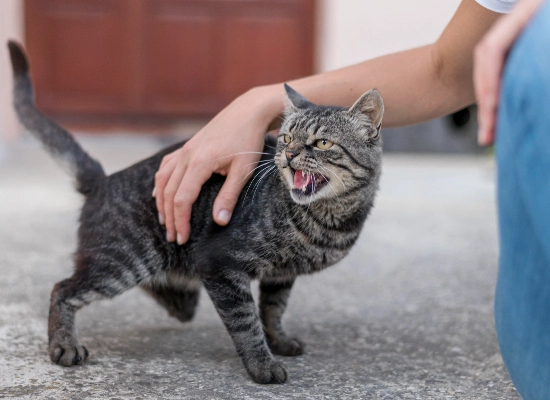
Your cat crouches low with their tail tucked tight. Their eyes go wide. Pupils dilate fully. Their whole body tenses up. They might hide under furniture while staring. They’re ready to run if things get worse.
What Triggered It
Look for the cause. Did you shout? Drop something? Move too fast? Your cat’s stare says they’re monitoring the situation. Give them space and time. Let them come out when they feel safe again.
vii. Warning – Back Off (The Hard Stare)
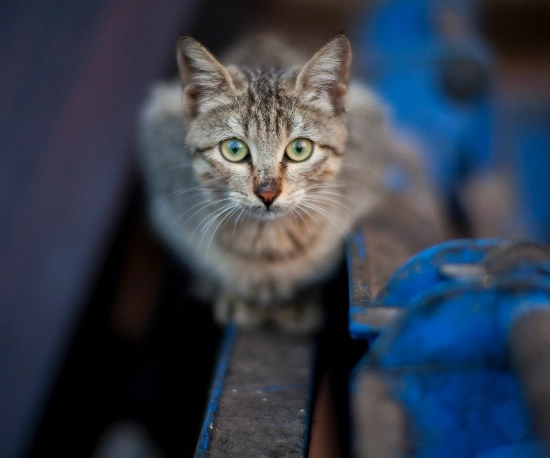
The Threat Display
This stare means business. Hard, unblinking cat eye contact. Stiff body. For standing up along their back and tail. Your cat is not happy. They’re warning you.
The Angry Signals
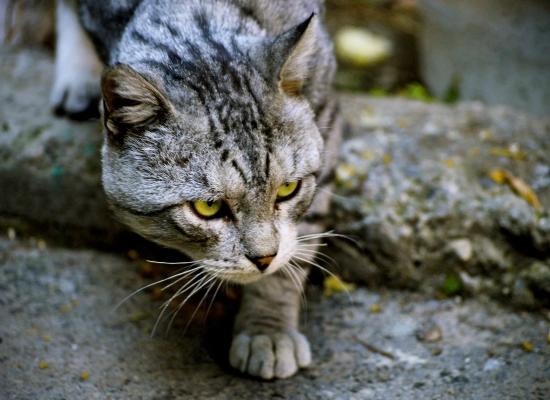
Watch for: swishing tail, stiff posture, ears flattened back, and possible hissing or growling. This stare says, “Leave me alone or I’ll attack.” Your cat has reached their limit. They’re telling you to back off now.
Take It Seriously
Never ignore this warning. Don’t approach your cat. Don’t try to pet them. Give them space immediately. Walk away slowly. Let them calm down. This cat staring meaning is crystal clear: “I’m done. Go away.
The Science-Backed Way to Talk Back to Your Cat
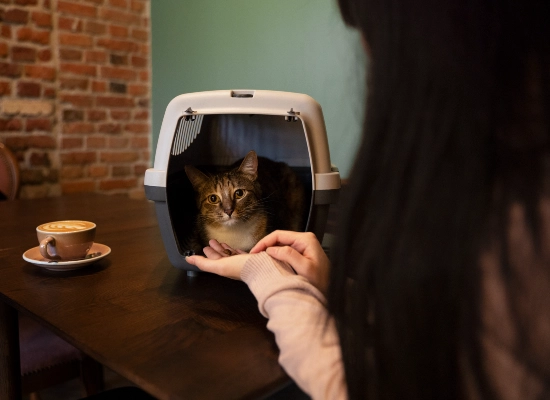
The Slow Blink Technique
Want to speak cat? Try this proven cat communication trick. Narrow your eyes like a relaxed smile. Then close your eyes for a couple of seconds. That’s it. You just spoke fluent cat.
What Research Proved?
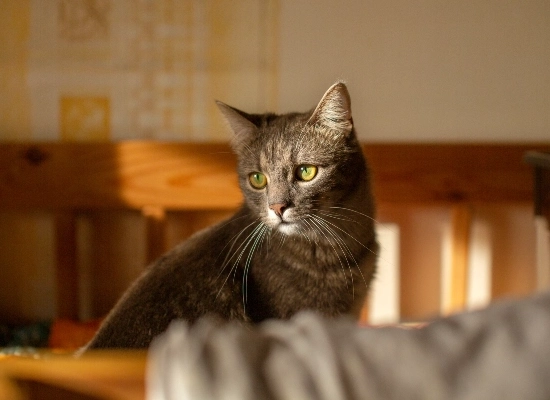
University of Sussex scientists tested slow blinking in cats. The results showed cats were significantly more likely to approach unfamiliar humans who slow blinked at them, even total strangers. Professor Karen McComb says it’s a great way to enhance the bond. Cats slow blink back, creating a real conversation with you.
How to Do It Right?
Step 1: Look at your cat when they’re calm and relaxed. Step 2: Narrow your eyes slowly, like you’re smiling with your eyes. Step 3: Close your eyes completely for 2-3 seconds. Step 4: Open them slowly and watch your cat respond.
Use this to bond with your cat during quiet moments. Try it when they stare at you softly. Works with any cat, yours or one you just met.
How to Respond to Each Type of Cat Stare?
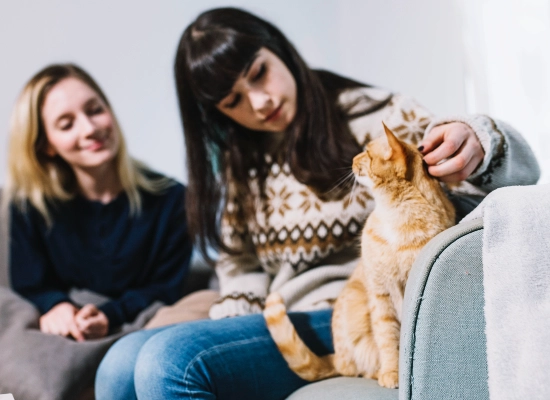
The Approach Response
If your cat seems affectionate, move closer. Return those slow blinks. Pet them gently. This cat’s behavior means they want a connection. The soft stare invites interaction. For hunger stares, check the time. Is it mealtime? Feed them. For attention stares, give pets or playtime. How to respond to playful stares: grab an interactive toy immediately.
The Retreat Response
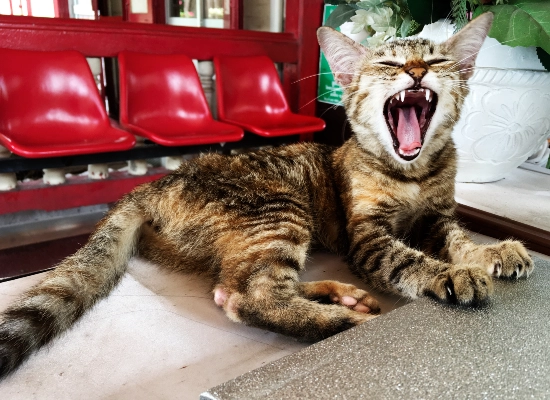
If your cat seems afraid or aggressive, stop. Avert your gaze. Don’t stare back. Stay still. Then step back at least 5 feet. Never approach an angry or scared cat. Give them space to feel safe again.
Common Stares Situations
What to do when your cat stares while you eat: Ignore them. Don’t feed them from your plate.
What to do when your cat stares while you sleep: They’re probably hungry or checking on you. If it’s near feeding time, expect wake-up calls.
The 3 am stare means hunger or boredom. Tire them out before bed to prevent this. Always read full body language, not just eyes. Ears, tail, and posture tell the complete story.