
When my neighbors found out my 14-year-old golden retriever had died, three different people told me the same thing: “You should get a puppy right away. It’ll help you move on.”
Society treats pet loss as trivial. But research shows 89% of people find losing a dog as painful as losing a close family member. Your pet loss grief is real. Your dog’s death matters.
This article will show you why your pain is valid. You’ll learn why replacement advice actually harms healing. And you’ll discover practical steps to process pet bereavement in a healthy way that honors your beloved companion.
The Science Behind Pet Grief – Why Your Pain Is Real?
Neurobiological Bonds Mirror Human Relationships
The human-animal bond triggers the same neurobiological mechanisms as parent-child relationships. During positive interactions, both pet owners and their dogs experience increased levels of oxytocin, beta-endorphin, prolactin, beta-phenylethylamine, and dopamine, the same chemicals that create deep emotional attachments between humans.
Pet Loss Follows Human Grief Patterns

Research confirms that pet attachment creates genuine grief responses. DSM-5 grief symptoms directly apply to pet loss, with approximately 30% of pet owners experiencing intense grief following their companion’s death.
Validating Disenfranchised Grief
Scientific evidence validates that pet loss grief follows identical patterns to human grief, legitimizing what was once dismissed as disenfranchised grief and confirming the profound reality of this emotional experience.
What “Disenfranchised Grief” Means and Why It Matters?
Society’s Failure to Recognize Pet Loss
Pet loss represents a classic example of disenfranchised grief, mourning that society doesn’t recognize as legitimate or important. This type of grief occurs when losses are minimized or dismissed by cultural norms and social expectations.
The Absence of Support Systems
Pet owners frequently hear dismissive comments like “it’s just a pet, get another one,” while facing the absence of bereavement leave, social rituals, or community support typically offered for human losses. Bereaved pet owners are likely to experience disenfranchisement surrounding their loss at every social level.
How Invalidation Complicates Healing?
This societal invalidation creates profound isolation for bereaved pet owners, complicating the natural healing process. Understanding disenfranchised grief helps validate the very real pain of pet bereavement and emphasizes the need for compassionate social support during this difficult time.
Why “Just Get Another Dog” Advice Is Harmful?

Each Pet Relationship Is Irreplaceable
If the owner views their pet as a family member, replacement of one pet with another is not as simple or viable as it sounds. Each pet relationship is unique and irreplaceable, with distinct bonds, memories, and emotional connections that cannot be duplicated by acquiring another animal.
Rushing Prevents Proper Grief Processing

No conclusive evidence exists that replacement reduces grief or simply delays its onset. Rushing into pet replacement prevents proper grief processing, denying owners the necessary time to mourn their loss and healthily work through their emotions.
Replacement Creates Additional Complications
Well-meaning but misguided replacement advice can create guilt and complicate future pet relationships. New pets may be unfairly compared to deceased companions, preventing authentic bonds from forming and potentially causing additional emotional distress for grieving owners.
The Unique Bond Between Dogs and Their Humans
The Prevalence of Deep Pet Relationships
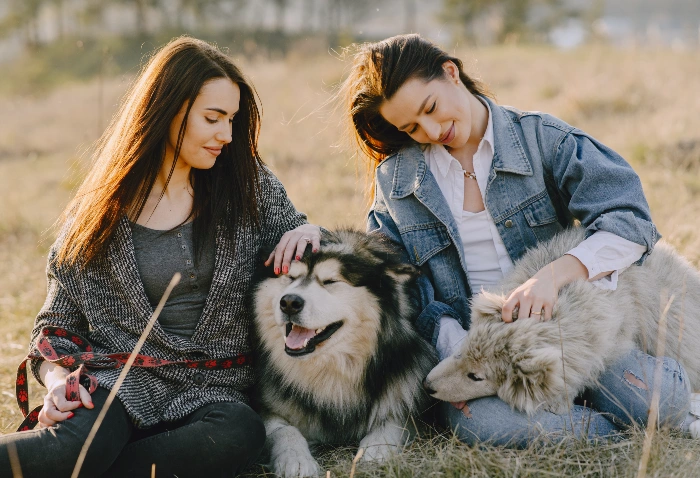
With 68% of U.S. households reporting pet ownership and 60.2 million households specifically owning dogs, the human-animal bond has become a cornerstone of modern family life, creating widespread emotional attachments across American society.
Constant Companionship and Multiple Roles
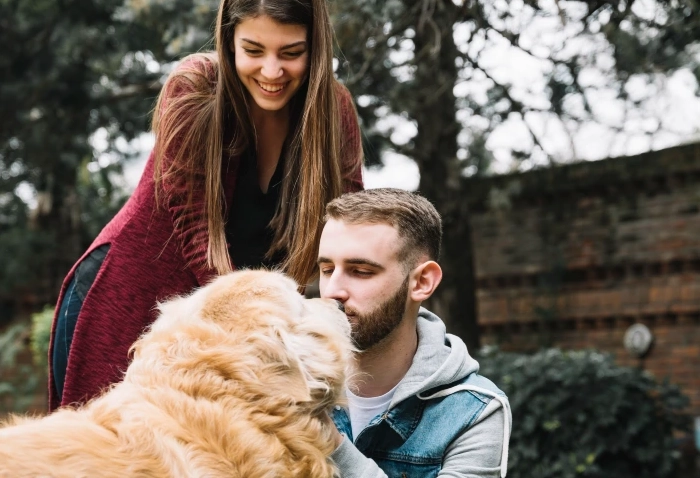
Dogs provide 24/7 companionship, unlike human relationships, serving as dependents, confidants, and beloved family members, often with us 24 hours a day, seven days a week, for many years. This constant presence creates bonds through unconditional love and emotional support roles that become deeply integrated into daily life.
Life Disruption When the Bond Is Broken
The death of a pet creates profound daily routine disruption, as the absence of this constant companion affects every aspect of the owner’s established patterns, from morning walks to evening comfort rituals.
Support Resources Available in 2025
Community and Professional Support
Organizations like the Association for Pet Loss and Bereavement offer free pet loss support groups and webinars, connecting those experiencing similar loss. Professional pet loss counselors and therapists specialize in this unique grief, while dedicated books and websites provide accessible pet grief resources for navigating bereavement at your own pace.
Digital Resources and Workplace Recognition
The global pet bereavement support app market generated $122.5 million in 2024 and is projected to reach $362.8 million by 2033, reflecting growing recognition of pet grief. Online communities and apps now offer 24/7 pet bereavement support, while progressive workplaces increasingly include pet loss in their bereavement policies, acknowledging that pet grief deserves dedicated support and healing time.
Helping Children Through Pet Loss
Communicating Honestly and Age-Appropriately
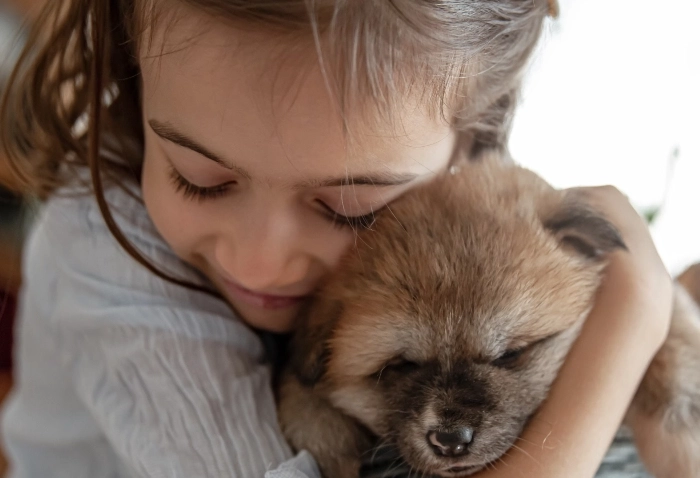
Explaining pet death to children requires honesty and clarity. Avoid euphemisms like “put to sleep,” which can confuse or frighten young children. Kids between the ages of 7 and 9 tend to have the most questions about death, making straightforward, age-appropriate conversations essential for helping kids cope with pet death.
Supporting Children’s Grief Journey
Watch for signs that children are struggling with pet grief, including behavioral changes, sleep disruptions, or withdrawal. Include children in memorial activities like creating art or planting flowers to honor their pet. When children experience loss that persists or intensifies, consider professional counseling to help them process their emotions and develop healthy coping mechanisms.