
Nearly half of all people will face the heartbreak of losing a pet, yet 99% of us consider our pets family members, making their loss as devastating as losing any loved one. The overwhelming grief hits hard when you’re making end-of-life decisions for your beloved companion. You feel alone because society often dismisses pet loss as “not real grief.”
This guide will show you how to say goodbye to your pet with love instead of falling apart. You’ll learn proven strategies for emotional preparation, practical steps for the goodbye process, and where to find pet loss support during your darkest moments.
How to Say Goodbye to Your Pet Without Falling Apart?
Understanding Pet Grief is Real and Valid

Recent 2025 pet grief statistics reveal that 46% of people have experienced pet loss, with approximately 30% of pet owners experiencing intense grief following their loss. Over half the world’s population owns pets, and over 99% see them as family, best friends, or companions, yet fewer than 1 in 10 people feel pet grief is taken seriously. Society dismisses this as “disenfranchised grief”, grief that cannot be openly acknowledged or socially supported. Research confirms that pet loss grief triggers DSM-5 grief disorder symptoms identical to human loss. You’re not overreacting; your devastation is scientifically validated.
The Science Behind Pet Grief Intensity

Pet loss grief activates identical brain regions as human bereavement. Confirmatory factor analysis demonstrates grief symptoms align with DSM-5 clusters: persistent yearning, emotional numbness, and functional impairment. This validates that your pain is real.
Cultural Differences in Pet Attachment
Western cultures emphasize individual emotional expression during pet loss grief. Eastern perspectives, influenced by Buddhism and Taoism, focus on spiritual continuity and afterlife well-being. Both face societal dismissal.
Recognizing When It’s Time to Say Goodbye

Deciding when to say goodbye to a pet requires an honest pet quality of life assessment using validated tools. Veterinarian consultation is essential for evaluating the medical condition and prognosis accurately. Warning signs include loss of appetite, change in toilet habits, loss of mobility, difficulty breathing, and no longer enjoying favorite activities. Quality of life assessment tools help distinguish between occasional bad days versus consistently poor quality of life patterns. Set realistic time limits for treatment effectiveness, and consider whether your pet experiences more bad days than good days consistently.
Quality of Life Assessment Tools
Use standardized assessment tools like the HHHHHMM scale. Score categories daily to track patterns. Veterinarians recommend these validated tools to help owners objectively evaluate their pet’s comfort and overall enjoyment levels consistently.
Working with Your Veterinarian
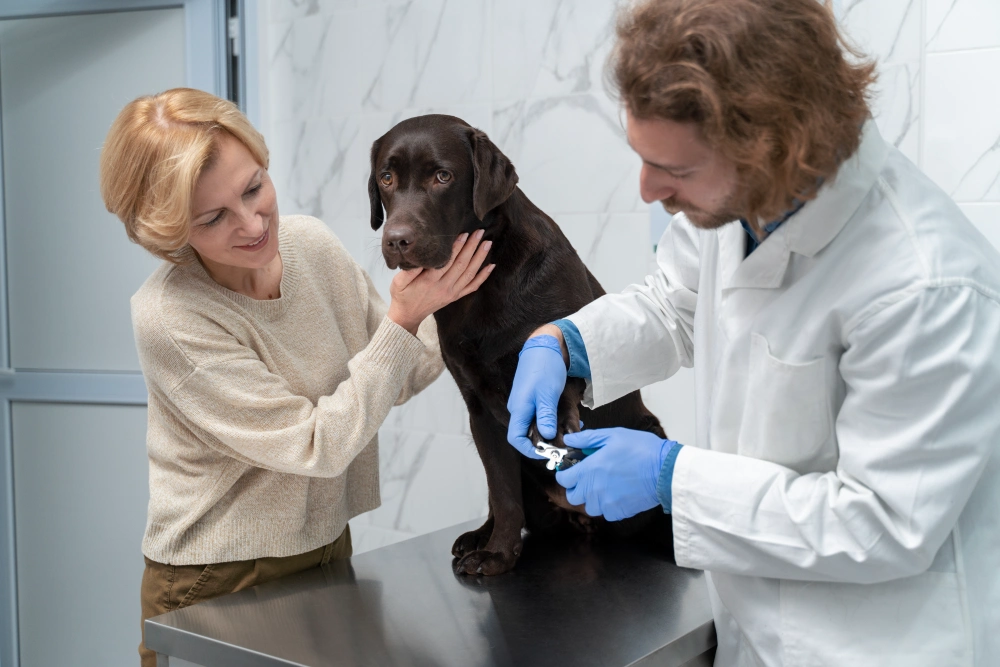
Schedule regular veterinarian consultations to assess medical options and prognosis. Discuss pain management, treatment effectiveness timelines, and realistic expectations. Your veterinarian provides professional guidance to help determine if medical intervention can meaningfully improve your pet’s quality of life.
Preparing Emotionally for the Goodbye

Preparing for pet euthanasia requires comprehensive pet goodbye preparation, addressing both practical and emotional preparation needs. Allow yourself time to process this decision; it’s natural to feel guilty or uncertain, but there’s no exact formula to determine the perfect moment.
Talk to supportive friends, family, or pet loss counselors who understand your bond. Create final memory-making opportunities through favorite activities, special treats, or meaningful photos.
Decide who should be present for the final moment, considering your pet’s comfort and your family’s needs. Addressing guilt and second-guessing thoughts ahead of time, choosing euthanasia is often the most compassionate option when pets are suffering. Remember, grief is highly individual; some experience traditional stages while others find it more cyclical.
Building Your Support Network

Reach out to understanding friends, family members, or professional pet loss counselors before the appointment. Don’t keep feelings bottled up; talking about your emotions can be incredibly therapeutic. Consider joining pet loss support groups where you can share experiences with others who truly understand your bond.
Creating Meaningful Final Moments
Spend quality time doing your pet’s favorite activities, whether walks, treats, or cozy snuggling. Take photos, make paw prints, or write a letter expressing your love and gratitude. These meaningful moments provide comfort and help create lasting positive memories during this difficult time.
What to Expect During Pet Euthanasia?
Understanding the pet euthanasia process helps prepare families for what to expect during this final appointment. You can choose between clinic-based or at-home euthanasia services, with at-home options providing comfort in familiar surroundings.
Veterinarians may offer sedation for anxious pets before the sodium pentobarbital injection, which causes loss of consciousness and death without pain, distress, or anxiety. Within 6-12 seconds after injection, your pet takes a deeper breath, grows weak, and lapses into deep sleep.
Normal physical responses may include muscle twitching, involuntary breathing, or loss of bladder control; these are reflexes and don’t indicate suffering. Cost ranges from $50 to $500, with at-home services being more expensive. You’ll have time for final goodbyes before and after the procedure.
Step-by-Step Process Overview
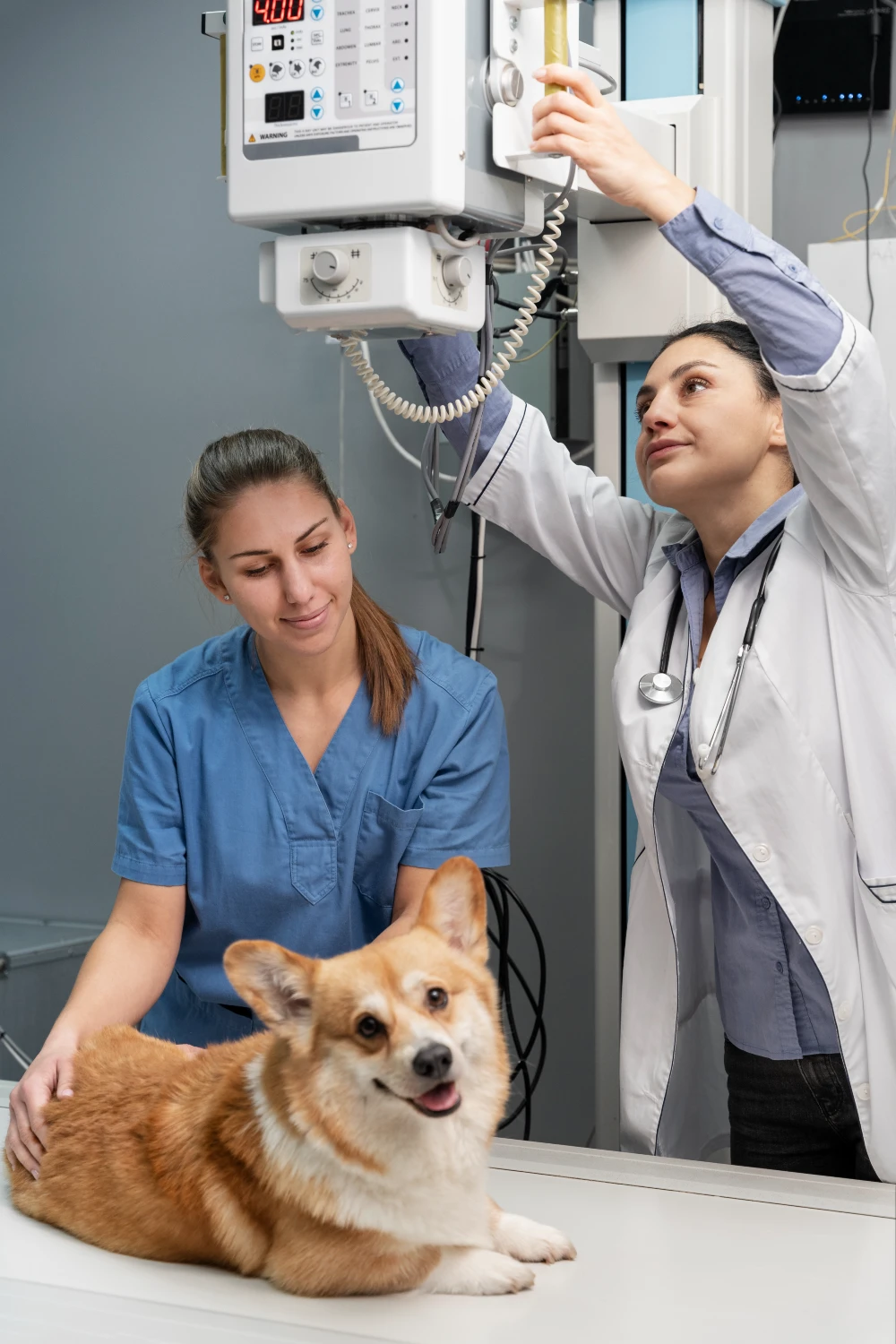
First, your veterinarian may administer a mild sedative to help your pet relax. Then, an intravenous catheter is placed to ensure proper medication delivery. The sodium pentobarbital injection immediately causes deep unconsciousness as brain function stops, followed quickly by respiratory and cardiac arrest.
Location Options and Considerations
Choose between in-clinic services ($50-250) or at-home euthanasia ($200-900). At-home services allow pets to remain in familiar surroundings with family present, reducing stress. Some veterinarians even accommodate special locations like favorite outdoor spots where pets feel most comfortable.
Making the Final Moments Special

Transform the final moments with a pet by creating pet euthanasia comfort through meaningful touches. Bring favorite beds, blankets, or toys for familiarity. Play calming music and surround them with loved ones. Make it their “best day” with favorite foods, even chocolate for dogs if desired. Many clinics provide pet keepsakes like paw print impressions in clay or ink, plus fur clippings for eternal remembrance. Choose whether to stay present during the procedure based on your comfort level and your pet’s needs.
Creating a Comfort Environment

Surround your pet with familiar items like their favorite bed, blanket, or toy. Play soft music and gather loved ones for emotional support. Control lighting and temperature to create a peaceful atmosphere that feels like home rather than a medical procedure.
Memorial Keepsakes and Final Choices
Request paw print impressions in clay or ink, plus fur clippings as lasting mementos. Many veterinarians provide these keepsakes automatically. Decide whether you want to be present during the procedure; there’s no right or wrong choice, only what feels appropriate for your family.
Healthy Ways to Process Your Grief

Effective pet grief coping strategies begin with allowing yourself to feel the pain; trying to ignore it or keep it from surfacing will only make it worse in the long run. Processing pet loss requires patience, as grief is not linear; you may go back and forth rather than experiencing stages sequentially. Maintain routines for surviving pets who may also be grieving their companion’s absence. Avoid isolating yourself; reach out to understanding friends or family for pet grief support. Don’t let others minimize your loss with “just a pet” comments; your pain is valid. Consider professional help if grief interferes with daily functioning.
Emotional Expression and Support

Allow yourself to cry and express emotions fully; suppressing feelings prolongs grief. Write about your feelings, talk to sympathetic listeners, and seek pet loss support groups where others understand your bond. Don’t argue with those who dismiss your grief as inappropriate.
Maintaining Stability During Grief
Keep daily routines consistent, especially for surviving pets who may be confused by their companion’s absence. Be patient with the non-linear grief process. If grief significantly impacts work, relationships, or daily activities, consider professional counseling for additional coping strategies.