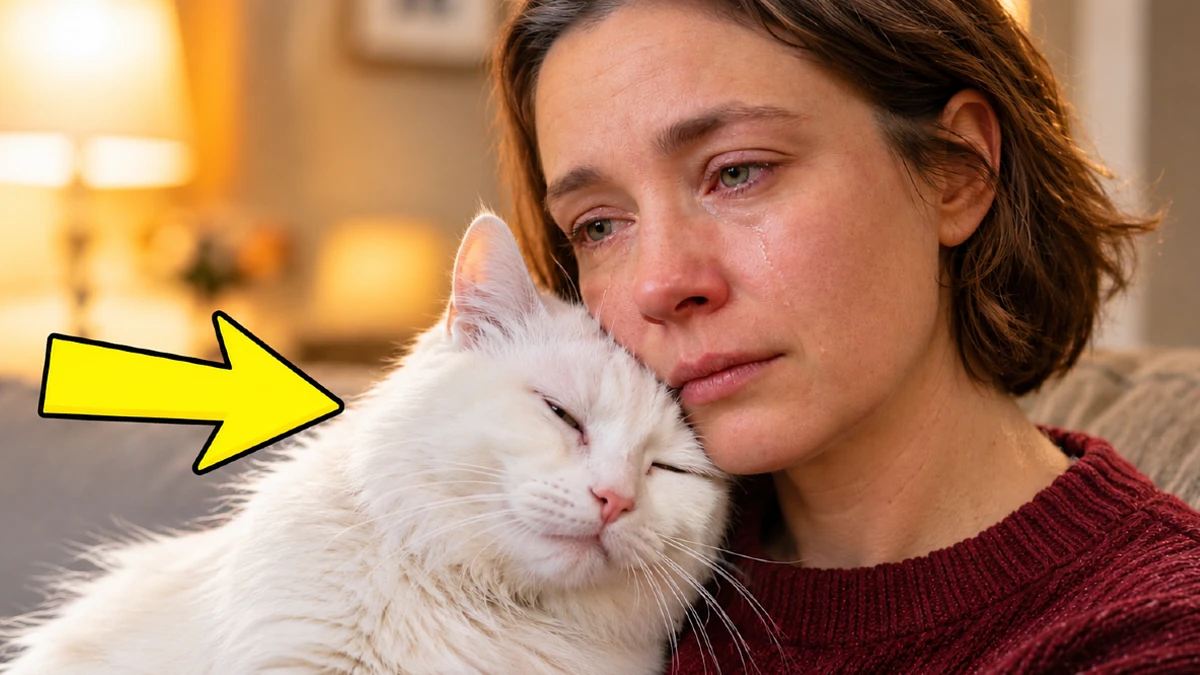
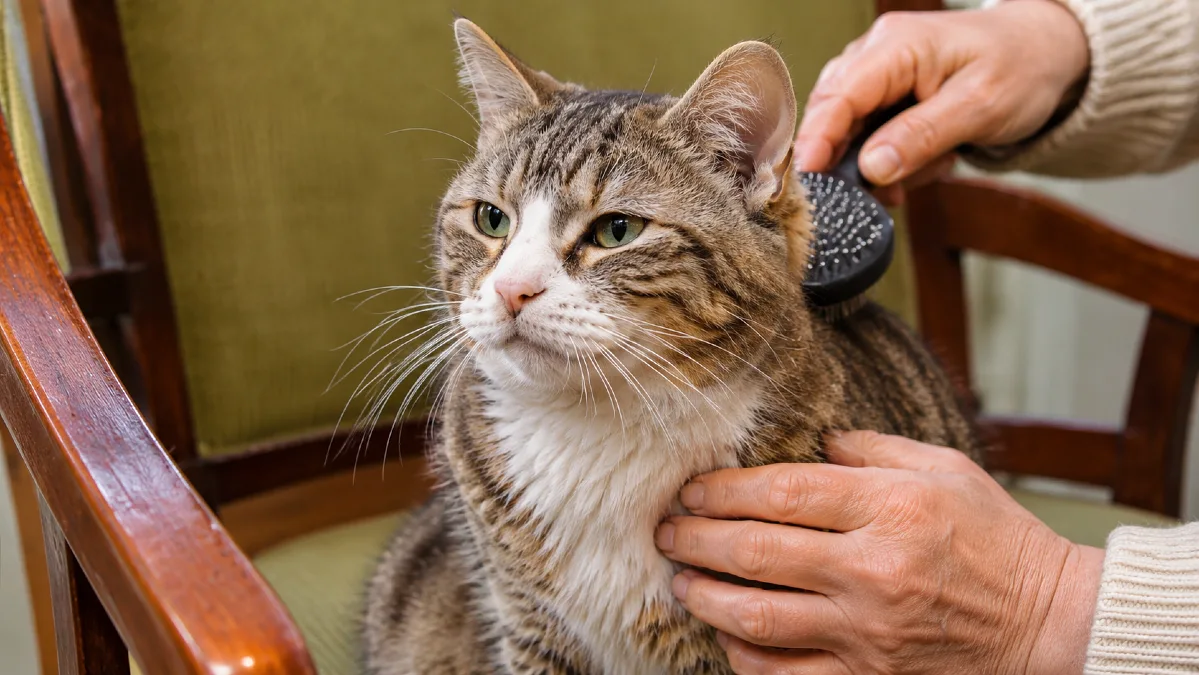
Your cat used to spend hours sleeping alone, watching birds from the window, and doing things on their own terms. Now, they follow you into every room, climb onto your lap whenever you sit down, and cry when they cannot find you.
At first, this extra affection might feel wonderful. But when an independent cat suddenly becomes dependent on your presence, you may start wondering whether something is wrong.
Senior cats suddenly get clingy for several reasons. Physical discomfort, declining senses, anxiety, memory changes, and underlying health problems can all affect how much reassurance an older cat needs.
Your cat cannot explain when their joints hurt, when their surroundings become confusing, or when they feel unwell. Instead, changes in their daily behavior may be the first clues that they need help.
Why Senior Cats Suddenly Get Clingy
Getting older can change how your cat experiences everyday life. Activities that once felt easy, such as climbing furniture, exploring the house, or sleeping alone, may become more difficult or less comfortable.
Your presence may offer a familiar source of comfort. A cat that previously enjoyed spending time alone might begin choosing resting spots near you or following you around the house.
In April 2026, Dr. Carlo Siracusa, a veterinary behavior specialist at the University of Pennsylvania School of Veterinary Medicine, explained that increased clinginess in older cats can be a sign of cognitive changes or physical health concerns.
You may notice your senior cat doing things such as:
- Following you from room to room.
- Sleeping against your legs or chest.
- Meowing when you leave the house.
- Waiting outside the bathroom door.
- Asking for attention more frequently.
- Choosing your lap over their usual bed.
- Becoming restless when they cannot find you.
Some cats naturally become more affectionate as they age. However, a sudden and noticeable change deserves attention, especially if your cat also seems tired, confused, uncomfortable, or unusually vocal.
The most important clue is how different their current behavior is from their normal personality. You know your cat’s daily habits better than anyone else, and those observations can help your veterinarian identify potential problems.
Your Older Cat May Be Hiding Pain
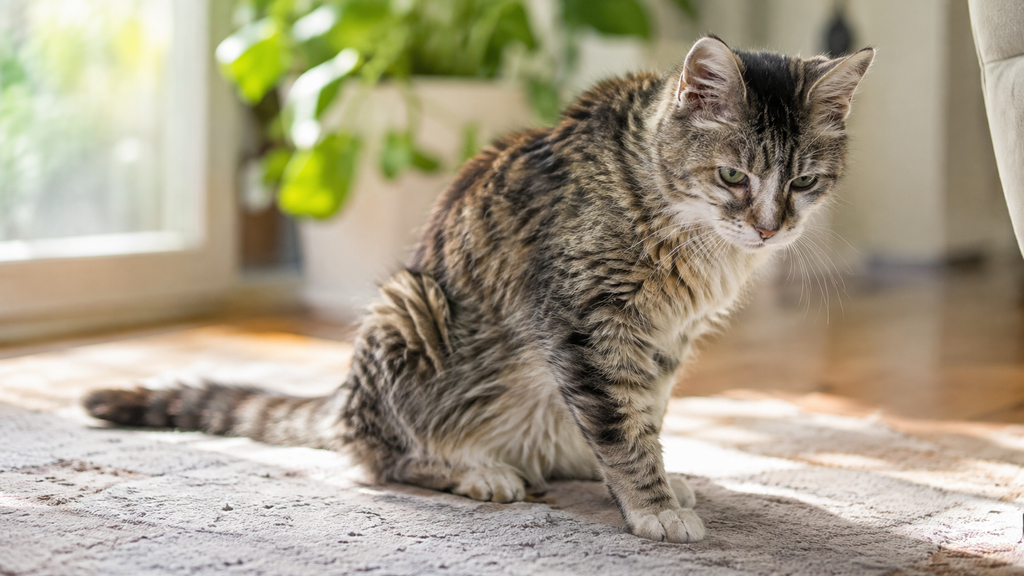
Cats are remarkably good at concealing physical discomfort. Your senior cat may still eat, walk around the house, and purr beside you while experiencing pain that is difficult to recognize.
Arthritis is a common concern in older cats, according to Cat Friendly Homes and the Feline Veterinary Medical Association. It can make everyday activities such as climbing stairs, jumping onto furniture, and grooming harder.
Some cats respond to discomfort by withdrawing. Others may seek more contact with familiar people, especially when they feel unsettled or cannot get comfortable.
Signs Your Senior Cat May Be in Pain
Pay attention to small changes in how your cat moves and handles daily activities. The following behaviors can help you recognize concerns worth discussing with your veterinarian.
| Behavior | Possible Cause | What to Do |
|---|---|---|
| Hesitating before jumping | Joint pain | Provide steps and arrange an exam |
| Poor coat condition | Difficulty grooming | Offer gentle brushing |
| Dropping food | Dental discomfort | Request a dental examination |
| Sitting in a hunched position | Physical discomfort | Contact your veterinarian |
| Disliking certain touches | Sensitive or painful areas | Avoid touching those areas |
| Avoiding the litter box | Pain when entering or squatting | Provide easier access |
Recording a short video of your cat walking or attempting to jump can help your veterinarian assess their mobility. Cats Protection recommends showing your vet how your cat moves in familiar surroundings.
Avoid assuming that purring always means your cat feels comfortable. Look at their appetite, posture, movement, and overall behavior before deciding how well they are doing.
Never give your cat human pain medication without veterinary instructions. Some common household painkillers can be extremely dangerous to cats.
Losing Their Hearing or Vision Can Make Cats Feel Less Secure
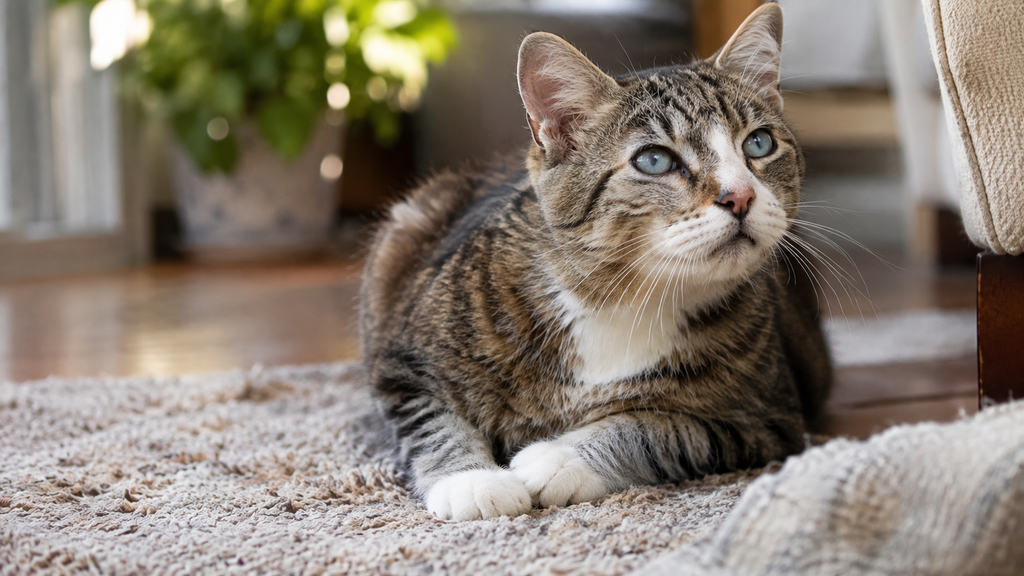
Your aging cat may no longer hear your footsteps from across the house or see furniture clearly in dim lighting. These changes can make familiar surroundings harder to move through.
Cornell Feline Health Center explains that hearing loss becomes more common in advanced age. Older cats with reduced hearing or vision may become easily startled or less confident when exploring their surroundings.
Your cat might begin following you because staying nearby makes it easier to keep track of your movements. They may also prefer sleeping close to you rather than resting in another part of the house.
Watch for signs that your cat’s senses may be changing:
- They no longer respond to their name consistently.
- They sleep through familiar household noises.
- They hesitate before entering darker rooms.
- They become startled when you approach from behind.
- They have trouble finding toys or food.
- They begin bumping into objects.
Help your cat by keeping furniture in familiar positions and leaving gentle lighting near important areas. Approach them from where they can see you, particularly if they appear to have hearing difficulties.
Gradual sensory changes deserve veterinary attention, but sudden vision loss is especially concerning. High blood pressure and other medical conditions can cause rapid changes in eyesight that require immediate care.
Your Cat May Be Experiencing Memory Changes
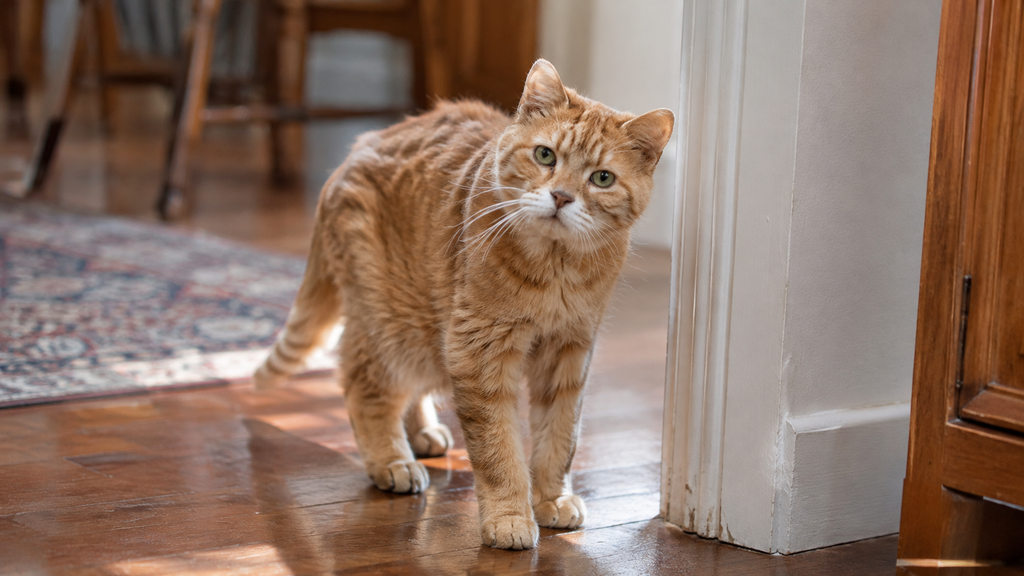
Have you noticed your senior cat walking into a room and then stopping as though they have forgotten what they were doing? Perhaps they cry in the hallway, stare at walls, or become restless in places they have known for years.
These behaviors may be linked to feline cognitive dysfunction syndrome. This condition affects brain functions such as memory, awareness, learning, and familiar daily habits.
Cornell University and the Merck Veterinary Manual describe cognitive dysfunction as a condition that can change an older cat’s behavior and ability to interact with their surroundings.
Behavioral Changes That May Suggest Cognitive Decline
Your cat may experience several changes at the same time. Increased affection alone does not confirm cognitive dysfunction, but other unusual behaviors may provide useful clues.
- Wandering around the house without a clear purpose.
- Getting confused in familiar rooms.
- Crying more frequently at night.
- Forgetting familiar routines.
- Sleeping more during the day.
- Having accidents outside the litter box.
- Becoming unusually anxious when alone.
- Showing changes in social interaction.
The 2026 research and veterinary guidance from Penn Vet highlight the importance of tracking changes in an aging cat’s behavior over time. Resources such as the Elderly Cat Cognitive Assessment Tool can help veterinarians evaluate these concerns.
Keep in mind that several medical conditions can produce similar symptoms. Your veterinarian must investigate physical illness and other possible causes before diagnosing cognitive dysfunction.
At home, keep daily routines familiar and avoid unnecessary changes to your cat’s environment. Gentle interaction, easy access to important resources, and quiet resting areas can help reduce stress.
Health Problems Can Make Your Senior Cat More Dependent
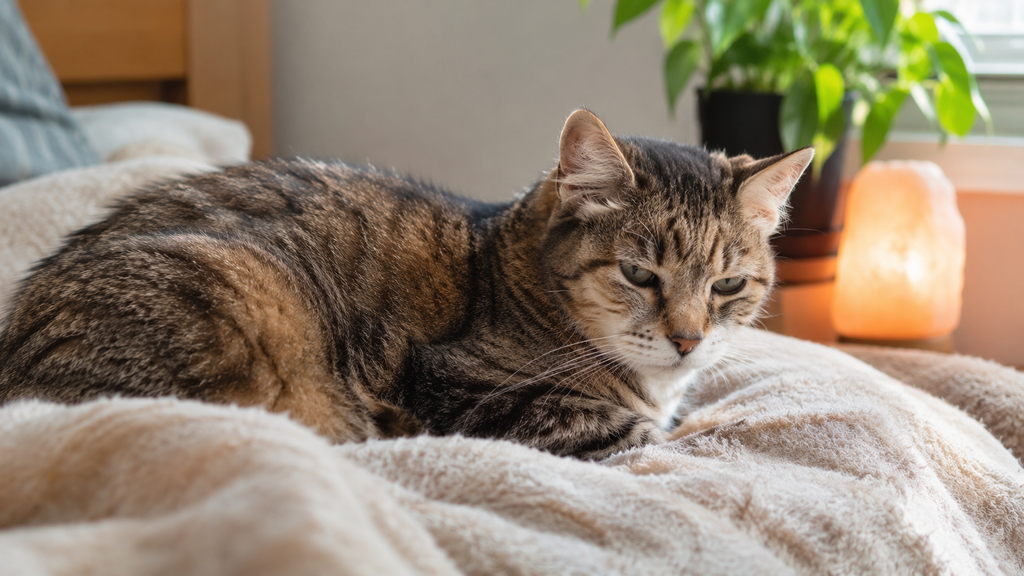
Sudden clinginess can sometimes be the first noticeable change when a cat develops a health problem. Even if your cat appears otherwise healthy, an unfamiliar behavior is worth discussing with your veterinarian.
Older cats have a greater risk of developing certain chronic conditions. Some of these illnesses can affect their energy, appetite, comfort, sleep, or emotional responses.
Health Conditions Behind Sudden Clinginess
VCA Animal Hospitals and Cornell Feline Health Center identify several conditions that can affect behavior in senior cats. Look for additional symptoms rather than trying to diagnose your cat based on affection alone.
| Condition | Other Signs | Recommended Action |
|---|---|---|
| Arthritis | Stiffness, reduced jumping | Mobility examination |
| Kidney disease | Increased thirst, weight loss | Blood and urine testing |
| Hyperthyroidism | Hunger, restlessness, weight loss | Thyroid testing |
| Diabetes | Increased thirst and urination | Blood glucose assessment |
| High blood pressure | Vision or behavior changes | Blood pressure measurement |
| Cognitive dysfunction | Confusion, nighttime crying | Medical and behavioral assessment |
Several of these conditions have overlapping symptoms, and some cats may have more than one health problem. A veterinary examination is the safest way to identify what is causing the change.
Early detection may give your veterinarian more options for managing the condition and improving your cat’s comfort.
Keep track of how much your cat eats, drinks, sleeps, and uses the litter box. Changes in these everyday habits can provide valuable information that affection alone cannot reveal.
Why Your Senior Cat Gets Clingier at Night
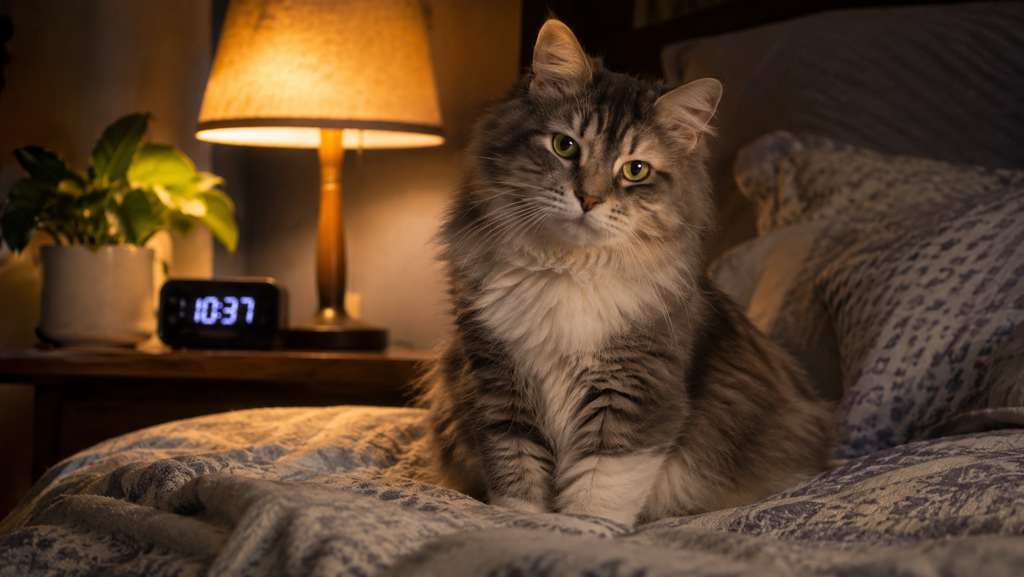
Your older cat may seem fairly independent during the day but become unusually demanding once you go to bed. They might walk across your pillow, cry outside your bedroom, or repeatedly wake you for attention.
Nighttime can be more challenging for cats experiencing poor vision, discomfort, anxiety, or memory changes. Changes in their sleep cycle can also leave them awake when the rest of the household is sleeping.
The American Animal Hospital Association identifies nighttime vocalization as a possible sign of sensory decline, cognitive dysfunction, pain, thyroid disease, or high blood pressure.
How to Make Nights More Comfortable
Start by making your cat’s sleeping area easy to reach and comfortable to use. A few simple adjustments may help your cat settle without needing to search for you throughout the night.
- Place a soft cat bed near your bedroom.
- Leave a gentle nightlight in the hallway.
- Keep fresh water within easy reach.
- Provide an accessible litter box nearby.
- Maintain a consistent evening routine.
- Offer gentle play earlier in the evening if your cat enjoys it.
If your cat wakes you by crying, check whether they appear uncomfortable, confused, hungry, or unable to reach something they need.
Avoid yelling or punishing your cat for disturbing your sleep. New or repeated nighttime crying should be investigated rather than dismissed as attention seeking behavior.
Changes at Home Can Trigger Separation Anxiety
Older cats may find changes to their familiar routines more stressful than they did when they were younger. Even something you consider minor could affect their sense of security.
VCA Animal Hospitals explains that changes in household members, living arrangements, and an owner’s work schedule can contribute to anxiety in senior pets.
Your cat may become more dependent after events such as:
- Moving to a new house.
- Losing another household pet.
- Introducing a new kitten or dog.
- A family member moving away.
- Changes in your working hours.
- Frequent visitors staying at home.
- Moving their favorite furniture or bed.
If the behavior appears mainly when you prepare to leave or while you are away, separation related anxiety may be a possible explanation. A home camera can help you observe whether your cat settles down or remains distressed after your departure.
Try to maintain familiar feeding times, sleeping areas, and daily interactions. Introduce necessary changes slowly whenever possible, especially if your cat already struggles with mobility or sensory decline.
Persistent anxiety deserves professional attention. Your veterinarian may recommend behavioral support after ruling out health problems.
What Your Clingy Senior Cat Needs From You Right Now
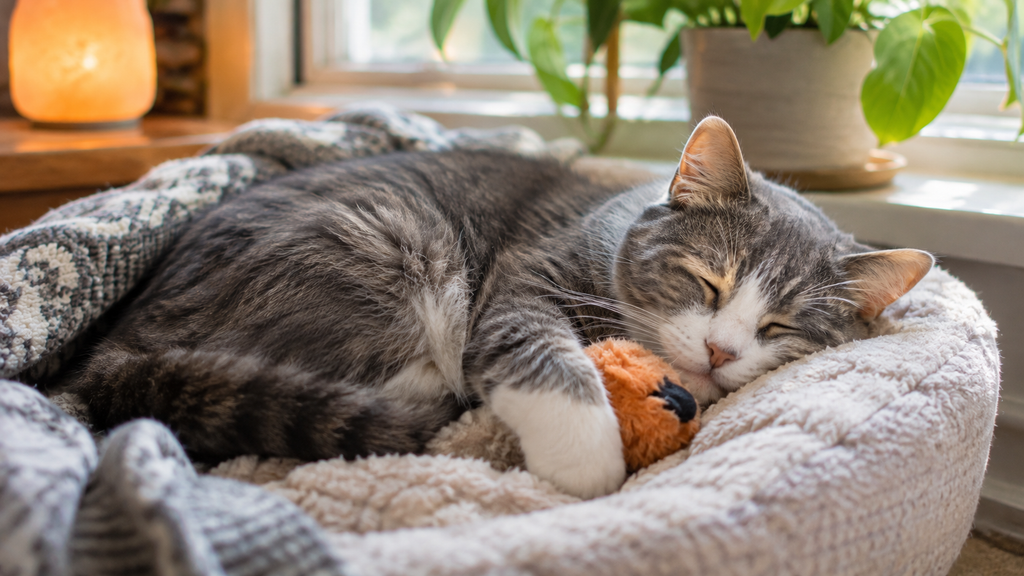
Your aging cat may need a different kind of companionship than they did several years ago. They might prefer quiet contact over energetic play, or they may want to rest beside you without being picked up.
The best support comes from observing what makes your individual cat comfortable rather than assuming that more attention is always better.
Give Them Predictable Daily Routines
Feed your cat at familiar times and keep important household activities reasonably consistent. Predictable routines can reduce uncertainty, particularly for cats that experience anxiety or memory difficulties.
Even simple habits, such as sitting beside your cat after breakfast or brushing them before bedtime, can provide familiar opportunities for interaction. Let your cat decide whether they want to participate.
Let Them Choose Physical Contact
Allow your cat to approach you when they want affection. Gentle strokes around the cheeks or forehead may be more comfortable than being carried or having sensitive areas touched.
Watch for flattened ears, tail movement, skin twitching, or attempts to move away. These behaviors can indicate that your cat needs a break from physical contact.
Spend Quiet Time Together
You do not need to entertain your older cat every minute of the day. Reading, working, or watching television while your cat rests nearby can offer companionship without demanding energy.
Dr. Carlo Siracusa’s 2026 guidance recommends gentle interaction, familiar routines, suitable enrichment, and periods of uninterrupted rest for aging cats.
Your cat needs opportunities to relax alone as well as time with you. Providing both allows them to choose what feels most comfortable throughout the day.
Make Your Home Easier for Your Aging Cat to Live In
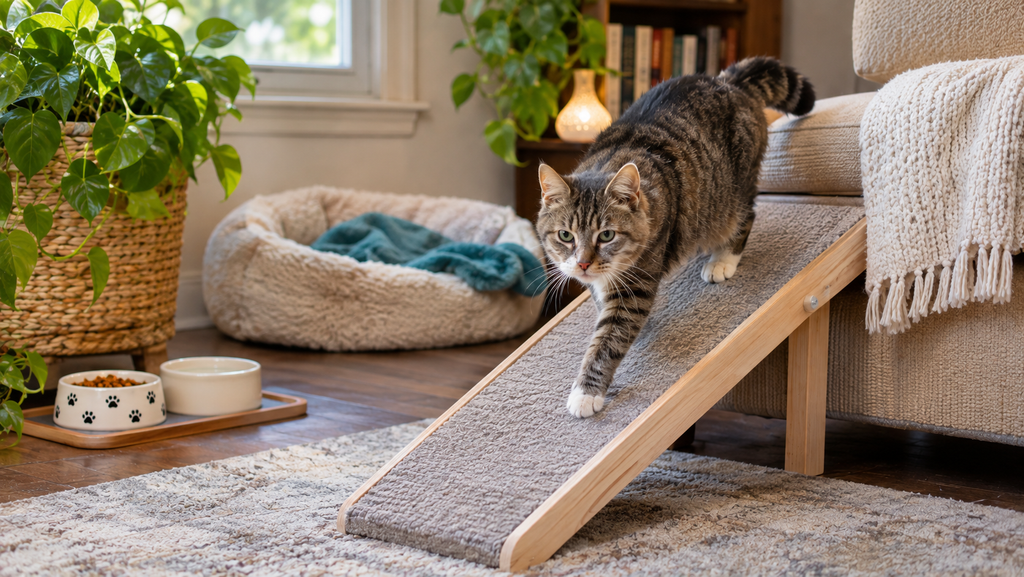
Your home may have worked perfectly for your cat when they were younger. However, high furniture, slippery flooring, steep stairs, and tall litter boxes may become obstacles as their physical abilities change.
Simple home improvements can help your senior cat remain independent while still enjoying your companionship. You do not need to redesign your entire house to make a meaningful difference.
Simple Home Improvements for Senior Cats
Start with the places your cat uses most frequently, including sleeping areas, feeding stations, and litter boxes. Choose improvements based on the difficulties you actually observe.
| Common Difficulty | Home Improvement | Benefit |
|---|---|---|
| Reaching the sofa or bed | Stable pet stairs | Easier access |
| Entering the litter box | Box with a low entrance | Less climbing effort |
| Walking on slippery floors | Secure textured rugs | Better footing |
| Moving around in darkness | Gentle nightlights | Improved visibility |
| Reaching food and water | Accessible feeding stations | Less travel and effort |
| Resting in cold areas | Soft bedding away from drafts | Greater comfort |
You can often use items you already own, such as secure rugs, folded blankets, or sturdy steps. Make sure nothing slides, tips over, or creates a new obstacle for your cat.
Cornell Feline Health Center and Cat Friendly Homes recommend improving access to essential resources for older cats, particularly those experiencing joint or mobility problems.
A product such as the KittyGoHere Senior Cat Litter Box is one example of a litter tray with a low entrance. The brand matters less than whether the box is large enough, easy to enter, and comfortable for your individual cat.
Keep food, water, and litter boxes accessible without requiring your cat to climb stairs. In a larger home, providing resources on multiple floors can be especially helpful.
When Sudden Clinginess Means Your Cat Needs a Vet
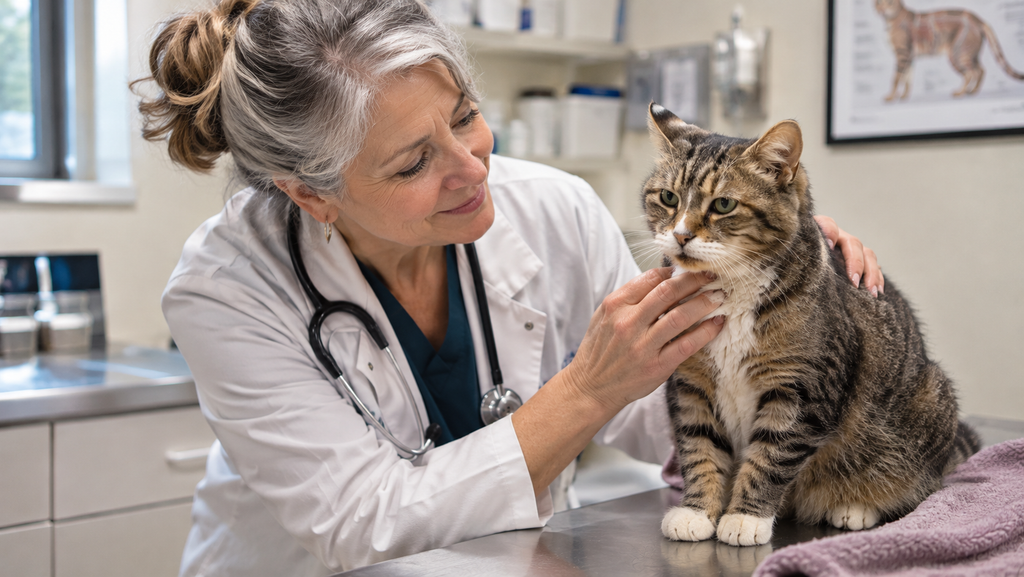
You should never assume that a significant behavior change is simply part of getting older. Cats often show subtle changes before their health problems become obvious.
If your senior cat suddenly becomes unusually affectionate or dependent, contact your veterinarian and describe what has changed. Additional symptoms can help determine how quickly your cat needs to be seen.
When to Seek Veterinary Care
Some behavioral changes require an examination soon, while other symptoms need emergency treatment. Use the following guidance to help decide your next action.
| Warning Sign | Urgency | Action |
|---|---|---|
| Sudden clinginess without other symptoms | Prompt assessment | Contact your regular vet |
| Refusing food | Urgent | Contact your vet the same day |
| Unexplained weight loss | Prompt assessment | Arrange an examination |
| Sudden blindness | Emergency | Seek immediate care |
| Difficulty breathing | Emergency | Visit an emergency vet |
| Straining with little or no urine | Emergency | Seek immediate treatment |
| Sudden collapse | Emergency | Visit an emergency vet |
VCA Animal Hospitals and the Merck Veterinary Manual identify breathing difficulties and urinary blockages as serious medical concerns. Do not delay emergency treatment while attempting to comfort your cat at home.
When you contact your veterinarian, explain when the clinginess began and whether it has become more noticeable over time. Mention any recent changes in appetite, drinking, movement, sleep, grooming, or litter box habits.
What Your Veterinarian May Check
Depending on your cat’s symptoms and medical history, your veterinarian may recommend several examinations or tests. These can help identify conditions that are difficult to recognize at home.
- A complete physical examination.
- Blood and urine testing.
- Thyroid function testing.
- Blood pressure measurement.
- Dental examination.
- Joint and mobility assessment.
- Vision and hearing assessment.
- Cognitive and behavioral screening.
The AAHA and AAFP Feline Life Stage Guidelines recommend wellness examinations every six months for senior cats. Cats with ongoing medical conditions may need more frequent appointments based on their veterinarian’s advice.
How to Help Your Senior Cat Feel Safe When You Leave
Leaving the house can become difficult when your older cat follows you to the door or cries as you prepare to go. You may worry about whether they will settle down once you are gone.
Start by creating a comfortable environment that meets their physical needs without requiring your presence. This means making sure food, water, bedding, and litter boxes are easy to find and use.
You can also try the following:
- Leave familiar bedding in their favorite resting area.
- Keep your departures calm and predictable.
- Provide safe toys they already enjoy.
- Practice brief departures if your cat remains relaxed.
- Maintain a comfortable indoor temperature.
- Arrange visits from a familiar pet sitter when necessary.
A pet camera may help you identify what happens after you leave. Some cats settle quickly, while others may continue pacing, crying, or searching for their owners.
If your cat remains distressed, avoid forcing them to endure increasingly long periods alone. Speak with your veterinarian about the possible causes and ask whether a veterinary behavior specialist could help.
Your goal is to help your cat feel comfortable in their familiar surroundings, rather than expecting them to become completely independent again.
Does Sudden Clinginess Mean Your Cat Is Near the End of Life?
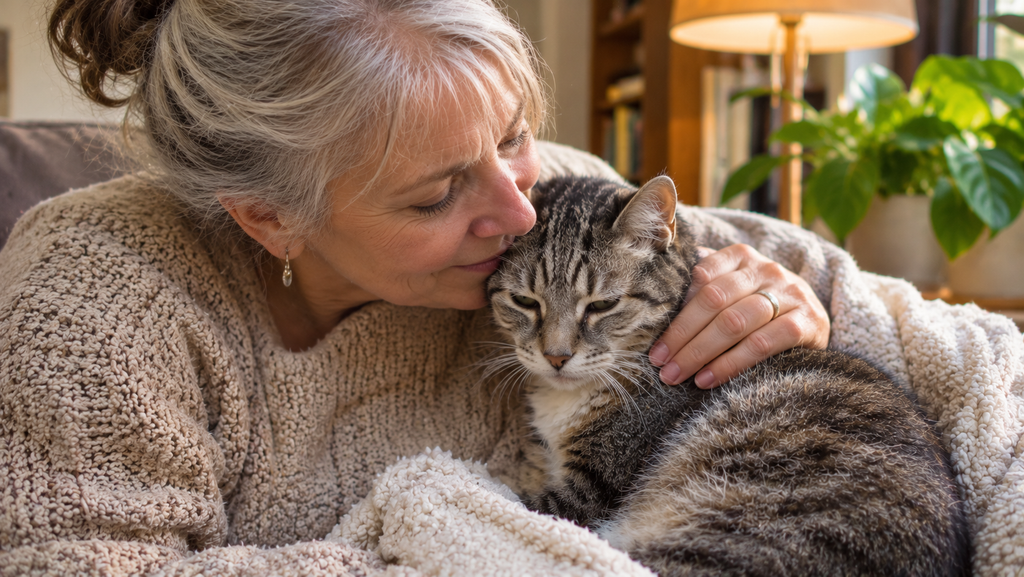
This is one of the most frightening questions that owners of elderly cats ask themselves. When a longtime companion suddenly becomes affectionate and refuses to leave your side, it is natural to worry about what the change might mean.
However, sudden clinginess alone does not mean your cat is dying. Older cats may seek more companionship because of anxiety, discomfort, sensory changes, or medical conditions that can often be managed.
Instead of focusing on clinginess alone, pay attention to your cat’s overall quality of life. Consider whether they can comfortably eat, drink, rest, move around, and enjoy familiar activities.
Questions to Ask About Your Cat’s Quality of Life
- Is my cat eating and drinking comfortably?
- Can they reach and use the litter box?
- Are they able to rest without obvious discomfort?
- Do they still enjoy gentle interaction?
- Can they move around without significant difficulty?
- Do they experience more comfortable days than difficult ones?
- Are their current health problems being managed effectively?
Keep a simple daily record of these observations. This can help you recognize gradual changes that might otherwise be difficult to notice.
If you become concerned about your cat’s comfort or quality of life, discuss your observations with your veterinarian. They can help you explore treatment options, pain management, supportive care, and appropriate decisions based on your cat’s individual condition.