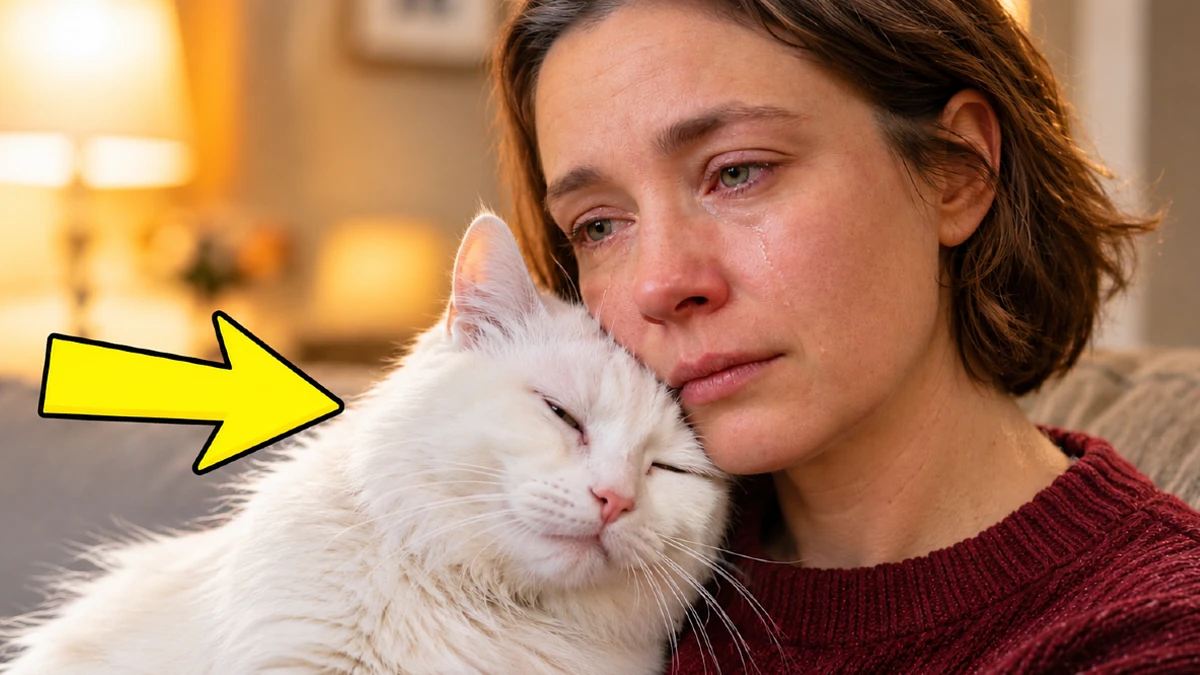
You have had a terrible day, and all you want to do is sit quietly without explaining yourself to anyone. Then your cat walks into the room, climbs beside you, and stays there without asking for much attention.
Perhaps they gently touch your hand, begin purring, or curl up against your legs. You start wondering whether your cat actually knows something is wrong or if their timing is simply a coincidence.
Research suggests that cats can pick up on certain human emotional signals. A 2020 study published in Animals found that cats could connect certain human facial expressions with emotional sounds.
However, research published in Applied Animal Behaviour Science in November 2026 suggests that cats may react to emotional sounds without necessarily identifying specific feelings like sadness.
Your cat may not know exactly why you are hurting, but they may notice that something about you has changed. Their response can be surprisingly comforting, even when it comes through ordinary feline behavior.
1. They Suddenly Choose to Sit Close to You
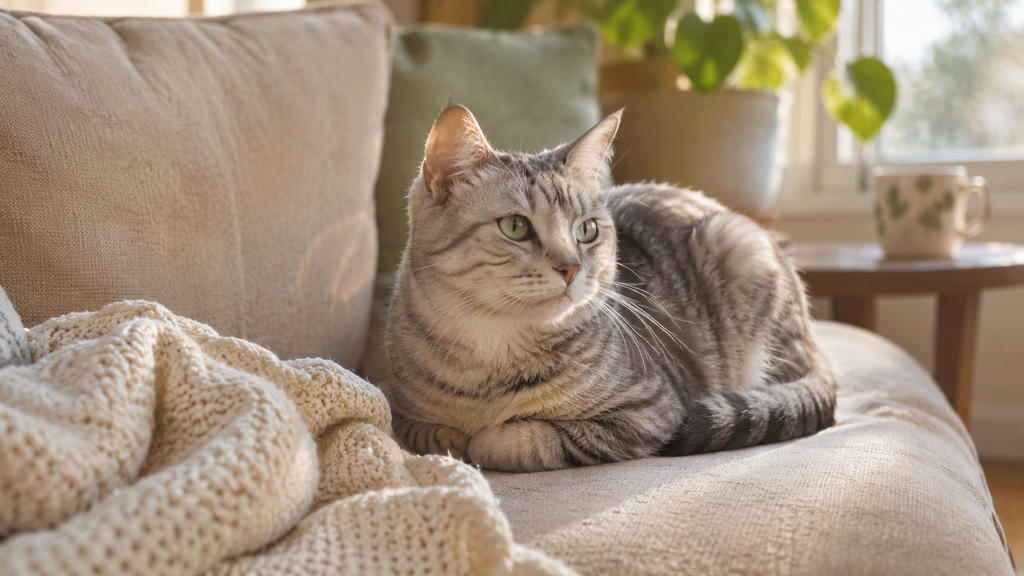
Quiet companionship without demanding your attention
Your cat might usually spend the afternoon sleeping near the window or exploring another room. But when you are feeling particularly low, you may notice them settling beside you instead.
They might sit near your feet, curl up against your hip, or rest on the opposite end of the sofa. They do not necessarily need you to pet them or talk to them.
Cats can form social bonds with people and often seek contact with familiar humans. The Merck Veterinary Manual explains that positive relationships between cats and people depend partly on whether the cat finds those interactions pleasant.
When you are sad, your movements, voice and daily habits may change. A cat that spends every day around you may respond to some of these differences.
Your cat might also approach because you are sitting quietly and appear more available than usual. Cats that dislike busy movements or loud conversations may find these peaceful moments especially inviting.
Why sitting nearby matters
Physical closeness does not always mean sitting directly on your lap. Some cats prefer keeping a little distance while still sharing the same space with you.
A cat resting beside your chair may be just as comfortable with your company as one sleeping against your chest. Their personality and previous experiences often shape how they express affection.
Try placing a soft blanket beside you and allowing your cat to approach naturally. Giving your cat the freedom to choose closeness can help build trust.
2. They Purr While Resting Beside You
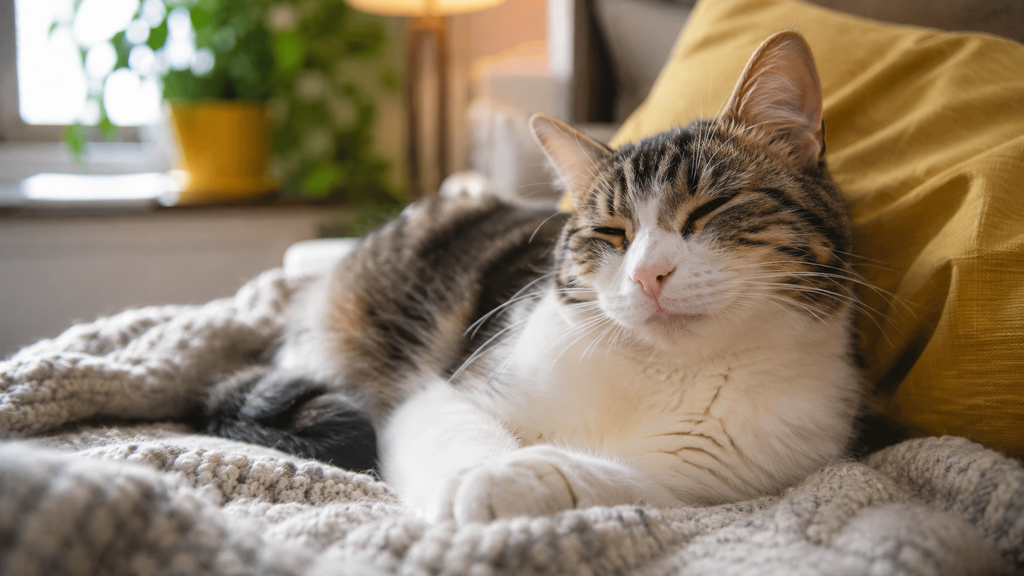
There is something comforting about hearing your cat purr when the rest of the house is quiet. The familiar sound and gentle vibration may make a difficult moment feel a little less lonely.
Your cat might climb onto your lap, settle against your stomach, and begin purring before you even touch them. If their body is relaxed, they may simply be enjoying the warmth and security of being near you.
PetMD’s 2026 guide to feline purring explains that cats purr for several reasons. These include pleasure, requests for attention, stress and physical discomfort.
This means you should pay attention to more than the sound itself. A comfortable cat usually displays several relaxed behaviors at the same time.
What your cat’s purring may mean
The situation surrounding your cat’s purring can help you decide how to respond. Look at their posture, appetite and normal habits before assuming that every purr means happiness.
| Behavior | Possible meaning | Your response |
|---|---|---|
| Purring with relaxed paws | Contentment | Enjoy the quiet moment |
| Purring near the food bowl | Food request | Check feeding time |
| Purring with a tense body | Stress or discomfort | Give them space |
| Unusual purring while hiding | Fear or possible illness | Contact your vet |
| Purring with appetite loss | Possible health problem | Seek veterinary advice |
Cats Protection recommends paying attention to changes in normal behavior rather than relying on purring alone. A healthy cat enjoying your company should still show their usual interest in food, rest and daily activities.
If your cat appears comfortable, allow them to stay beside you for as long as they choose. You do not need to fill every quiet moment with petting or conversation.
Sometimes, simply listening to your cat purr is enough to make you feel a little better. That experience can be meaningful without assuming the cat is deliberately trying to change your mood.
3. They Follow You From Room to Room
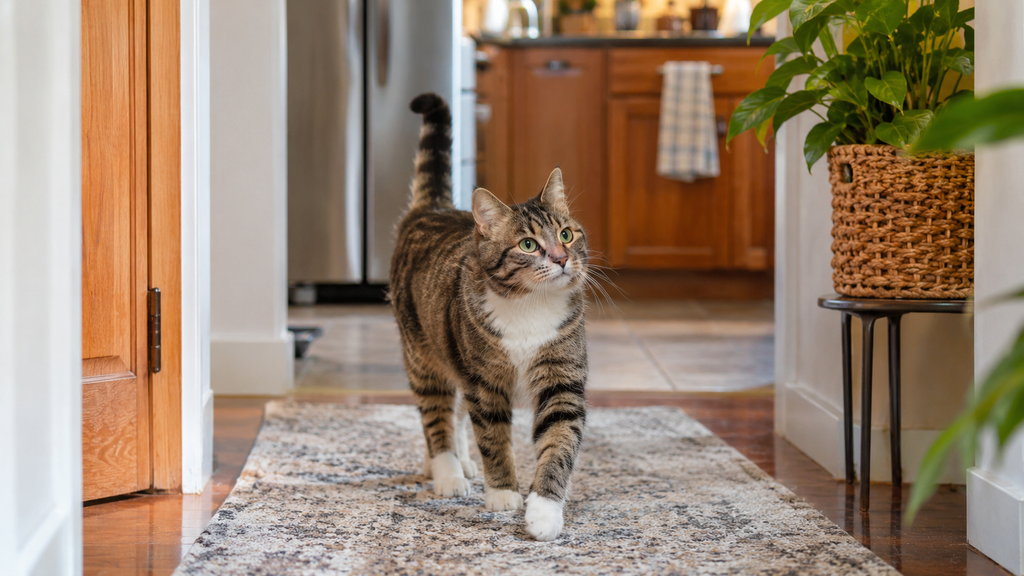
You leave the living room to get a glass of water, and your cat follows you into the kitchen. When you return to the bedroom, they are right behind you again.
This behavior can feel especially noticeable if your cat is normally independent. You may feel as though they have decided to keep you company until you feel better.
Banfield Pet Hospital explains that cats may follow their owners because of curiosity, familiar habits or a preference for social contact. They may also associate certain movements with meals, play or attention.
Your cat becomes familiar with the patterns of your household through daily experience. When those patterns change, they may pay more attention to what you are doing.
Perhaps you usually make breakfast early but remain in bed after an upsetting event. Your cat may visit the bedroom because something about the morning is different.
They may simply want to share your space
Cats do not always need direct physical contact to enjoy being around someone. Your cat may follow you into another room, find a comfortable spot, and quietly watch what happens.
You can acknowledge their company with a soft voice or gentle chin scratch if they approach. There is no need to pick them up or carry them everywhere.
However, sudden and extreme clinginess deserves attention, particularly if it comes with unusual vocal sounds, restlessness or appetite changes. Cornell Feline Health Center advises owners to take unexpected behavioral changes seriously, as they can sometimes reflect medical problems.
4. They Gently Rub Their Head Against You
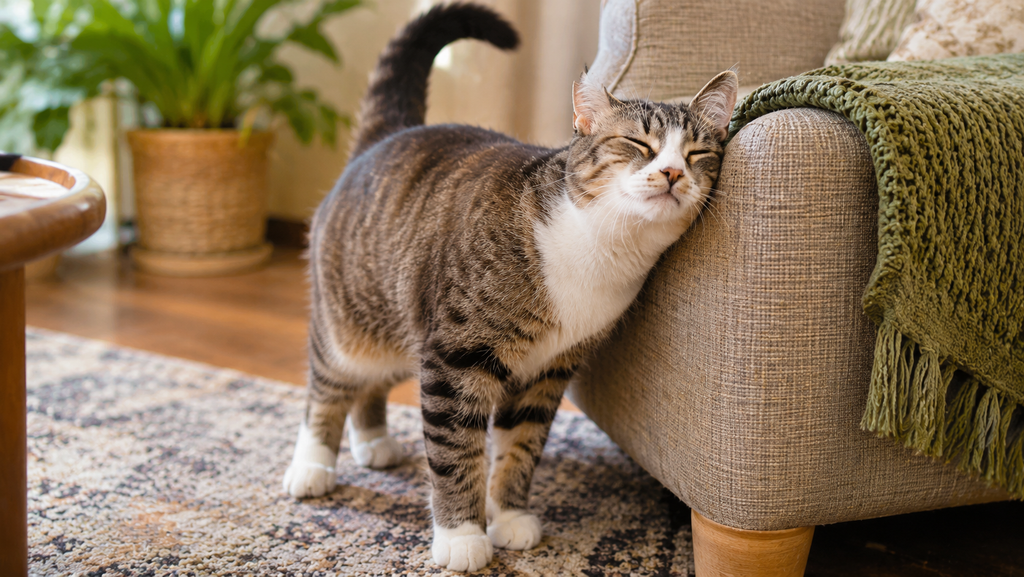
You might be sitting with your face in your hands when your cat approaches and gently presses their forehead against your wrist. They may repeat the gesture until you notice them.
This behavior is commonly called head bunting. Cats often use it during friendly social contact with familiar people and other cats.
PetMD explains that cats have scent glands around parts of their face. When they rub against you, they leave scent signals associated with familiarity and social communication.
Your cat may also rub against your cheek, shoulder or legs when they want attention. The gesture can be a friendly invitation to interact.
What makes it feel particularly meaningful is the gentle nature of the contact. Rather than making a loud demand, your cat may approach with a small physical gesture.
How to respond to this affectionate gesture
Offer your hand near your cat without moving it directly into their face. Allow them to approach and decide whether they want to make contact.
If they lean against your fingers, try gently scratching their cheeks or the area beneath their chin. Stop after a few moments to see whether they request more attention.
Cats Protection recommends respecting a cat’s choice to continue or end physical contact. Even an affectionate cat may become uncomfortable when petting lasts longer than they want.
A gentle head rub is not proof that your cat knows why you are crying. However, it can be a genuine sign that they feel comfortable enough to share a friendly moment with you.
5. They Give You Long, Gentle Slow Blinks
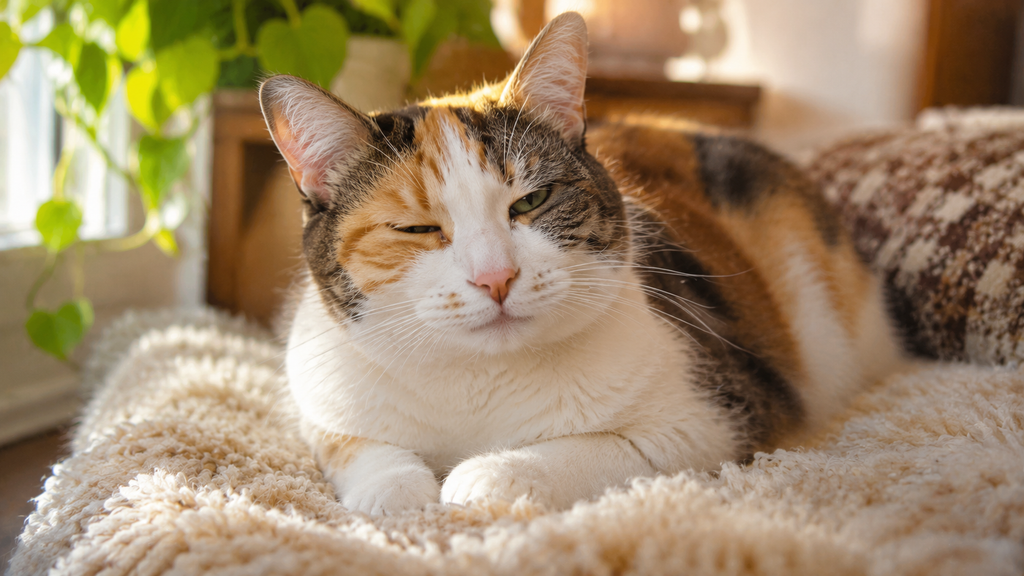
Your cat sits across from you, looks in your direction, and slowly closes their eyes. A few moments later, they open them again with the same peaceful expression.
It is easy to overlook this small gesture, especially when your mind is occupied with something upsetting. But slow blinking is one of the more interesting forms of communication between cats and people.
A 2020 study published in Scientific Reports examined slow blinking during interactions between cats and humans. Researchers found that cats were more likely to approach an unfamiliar person after a slow blinking interaction than after a neutral interaction.
The findings suggest that slow blinking can play a role in positive feline communication. They do not establish that cats use this gesture specifically to relieve human sadness.
Is your cat relaxed or asking for space?
A cat’s eyes can provide useful clues, but they are only part of the picture. Look at their ears, tail and overall posture before deciding whether to interact.
| Body language | Possible message | What to do |
|---|---|---|
| Gentle slow blinking | Relaxation | Slowly blink back |
| Relaxed ears | Comfort | Allow gentle interaction |
| Fixed, tense stare | Alertness or discomfort | Avoid staring back |
| Flattened ears | Fear or irritation | Give them space |
| Repeated tail flicking | Rising excitement or irritation | Pause petting |
Cats Protection encourages owners to learn their cat’s full range of body signals. Recognizing discomfort early can prevent unwanted contact and make shared moments more pleasant.
The next time your cat gives you a gentle slow blink, try returning it. Relax your face, slowly narrow your eyes, and avoid holding a direct stare.
Your cat may respond with another blink or simply remain where they are. Either response is fine, and you do not need to force the interaction.
6. They Knead Your Lap or Lick Your Hands
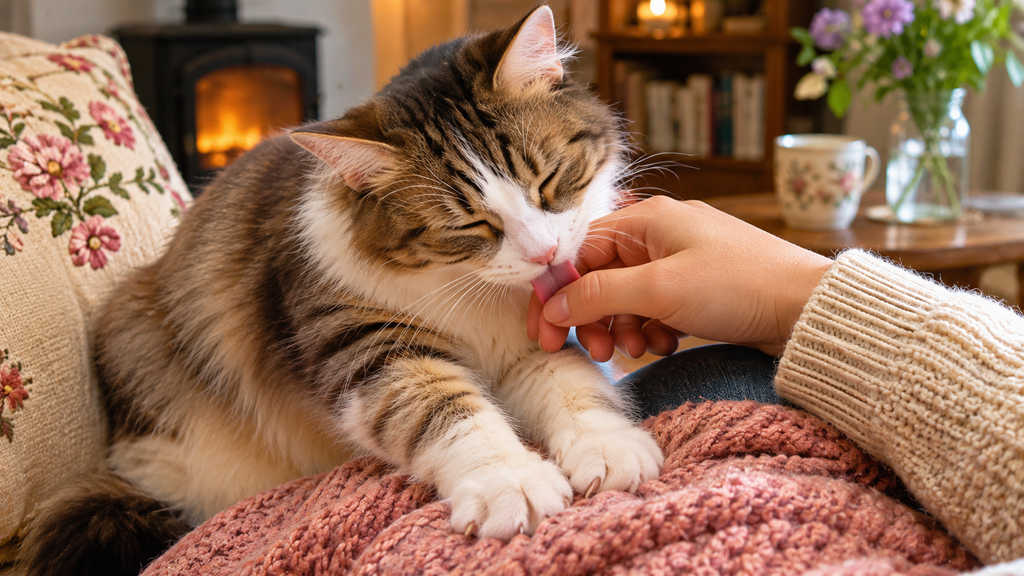
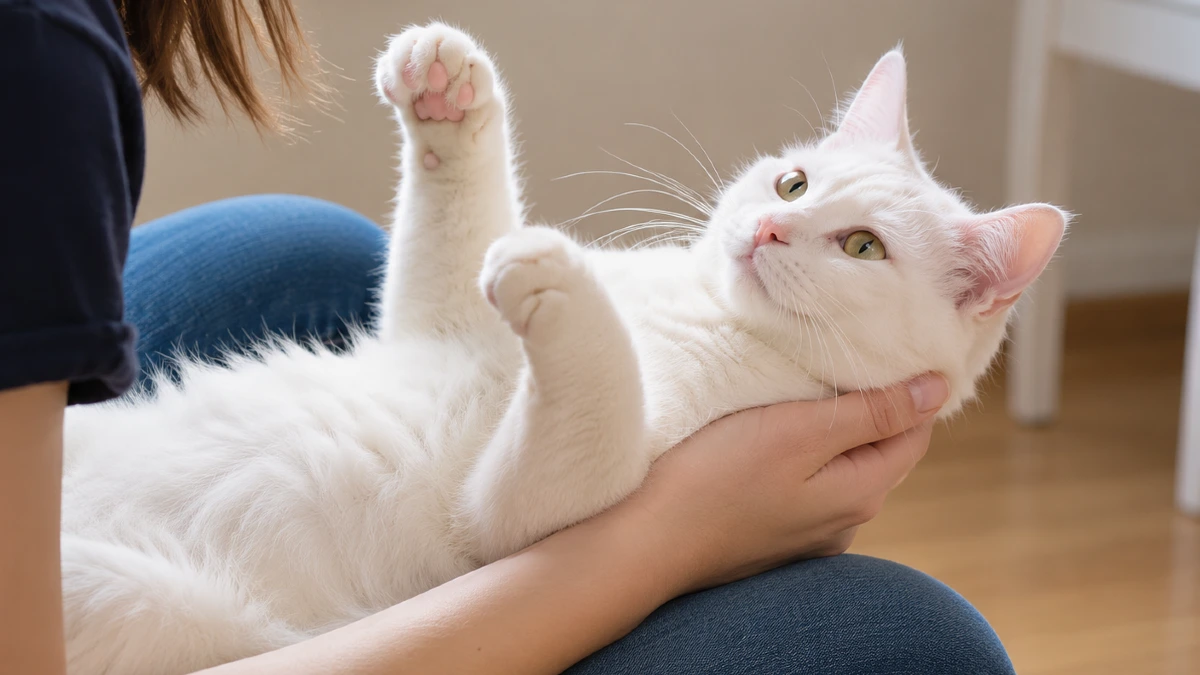
Sometimes your cat responds to a quiet moment by climbing onto your lap and rhythmically pressing their paws into your legs. They might also lick your fingers or settle against your chest.
Kneading begins during kittenhood, when kittens press their paws against their mother while nursing. Many cats continue displaying this behavior throughout their adult lives.
PetMD’s 2026 guide to feline kneading explains that adult cats may knead when they feel comfortable or seek relaxation. Soft blankets, warm laps and familiar resting places can encourage this behavior.
Licking can have a social purpose as well. Friendly cats sometimes groom familiar companions, and similar behavior may occur during interactions with people.
The feline environmental needs guidelines developed by the American Association of Feline Practitioners and the International Society of Feline Medicine recognize licking, rubbing and lap sitting as behaviors cats may direct at preferred people.
Why these little gestures feel so personal
When your cat kneads your lap or gently licks your hand, they may be expressing their own sense of comfort and familiarity. That shared moment can also provide you with reassurance.
If kneading becomes painful because of sharp claws, place a thick fleece blanket over your legs. This allows your cat to continue without scratching your skin.
You should never punish your cat for kneading or demand that they continue when they want to leave. The value of these moments comes from the fact that your cat chooses to participate.
7. They Try to Get You Back Into Your Daily Routine
When you are having a difficult day, even ordinary activities can feel exhausting. You might stay in bed longer, forget about your usual evening routine, or lose interest in things you normally enjoy.
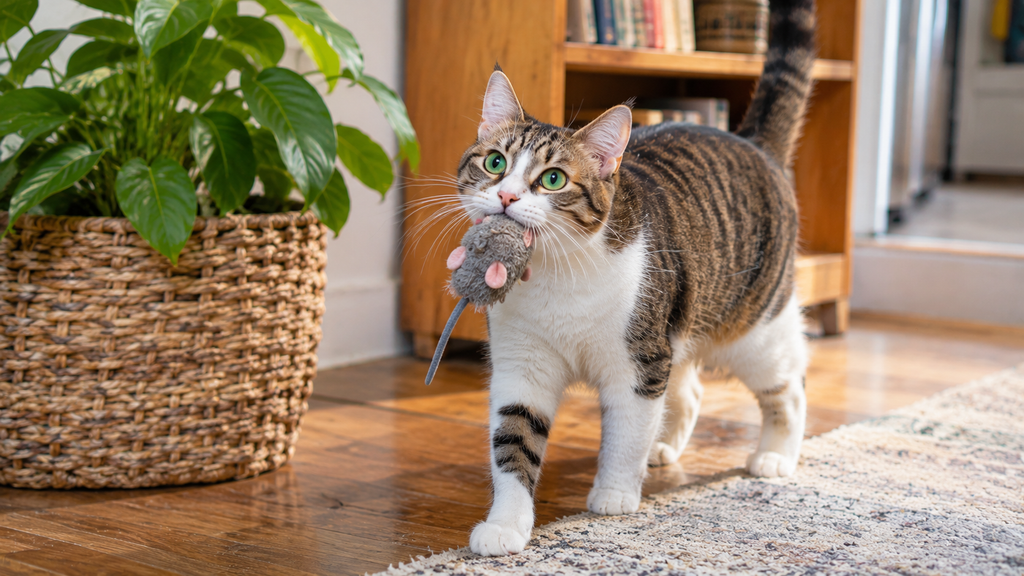
Then your cat arrives with a favorite toy mouse, makes a familiar sound, or waits beside the food bowl. They may continue seeking your attention until you respond.
Cats often become familiar with household routines and learn which actions lead to meals, play and social contact. Their requests may encourage you to take part in small activities again.
Research published in 2026 on feline vocal signals also examined how cats communicate during feeding and play situations. These sounds can serve practical purposes when cats interact with people.
Your cat probably does not realize that getting out of bed could make your day feel more manageable. They may simply want to return to the activities you normally enjoy together.
Small activities that help you reconnect
You do not need to plan anything complicated to enjoy your cat’s company. Choose an activity that matches your energy level and your cat’s preferences.
| Activity | Benefit for your cat | How to begin |
|---|---|---|
| Feather wand play | Exercise and hunting activity | Move the toy along the floor |
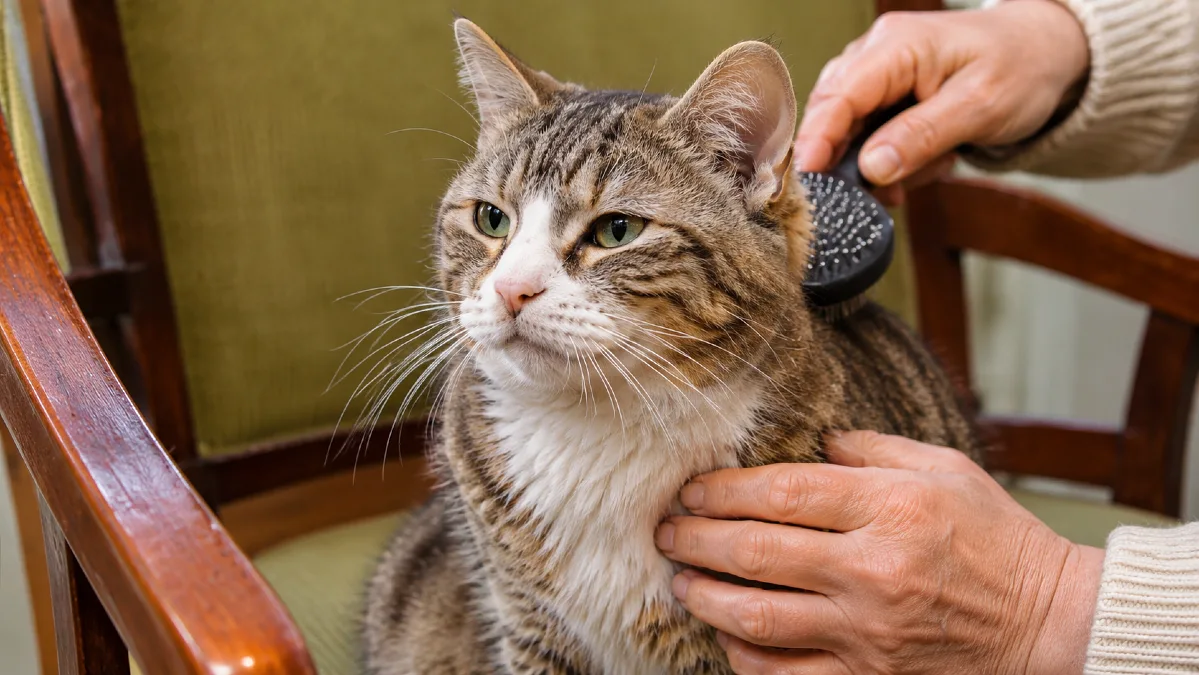
| Gentle brushing | Coat care and social contact | Brush if your cat enjoys it |
| Puzzle feeding | Mental stimulation | Add part of their usual food |
| Shared resting time | Quiet social contact | Place a blanket beside you |
| Regular meals | Predictable routine | Follow normal feeding times |
Cats Protection recommends using toys that keep playful hunting behavior away from your hands and feet. Allow your cat to catch their toy occasionally and finish the activity without forcing them to continue.
Even a short period of shared activity may give you something pleasant to focus on. It also helps you maintain your cat’s daily care when you are experiencing a difficult time.
Remember that your cat has emotional and physical needs of their own. Enjoy their companionship, but do not expect them to carry the responsibility for your emotional wellbeing.