

It’s the hardest part of loving them. You’ve given your loyal friend a life of joy, comfort, and care, and they have given you unconditional love in return. But you’ve started to notice changes. The bond you share is making you ask the hardest question: “Is it time?”
This period of uncertainty is known as ‘anticipatory grief,’ and it’s a normal response to facing the loss of a beloved companion. You are not alone in this feeling.
This guide is here to help you. It will provide a breakdown of the common signs dogs show at the end of life. It will give you practical steps for comfort, known as palliative care. And it will offer a clear, objective guide for making the final, loving decision.
The HHHHHMM Quality of Life Scale
Click each block to reveal questions.
Score each from 0-10 (where 10 is ideal).
HURT
HUNGER
HYDRATION
HYGIENE
HAPPINESS
MOBILITY
MORE GOOD DAYS
Recognizing the Signs: How Dogs Behave Before Death
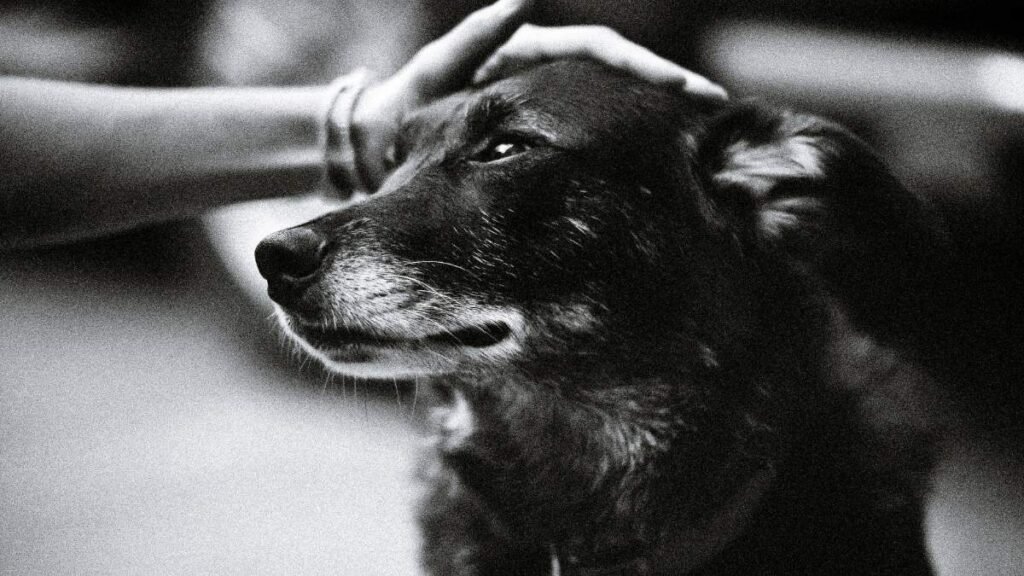
Seeing your dog change can be scary. The most important thing to know is that these signs are part of a natural process as their body slows down. These changes can be gradual and may begin as early as three months before death.
Your dog may show many of these signs, or only a few. Some signs may be subtle at first, like just seeming more tired or eating a little slower. This slow, vague timeline is normal, and it is okay to feel uncertain.
The key is not to judge any single sign, but to look at the whole picture. These signs are your dog’s way of communicating. This section will help you understand what they are saying.
Physical Changes: The Body’s Slow-Down
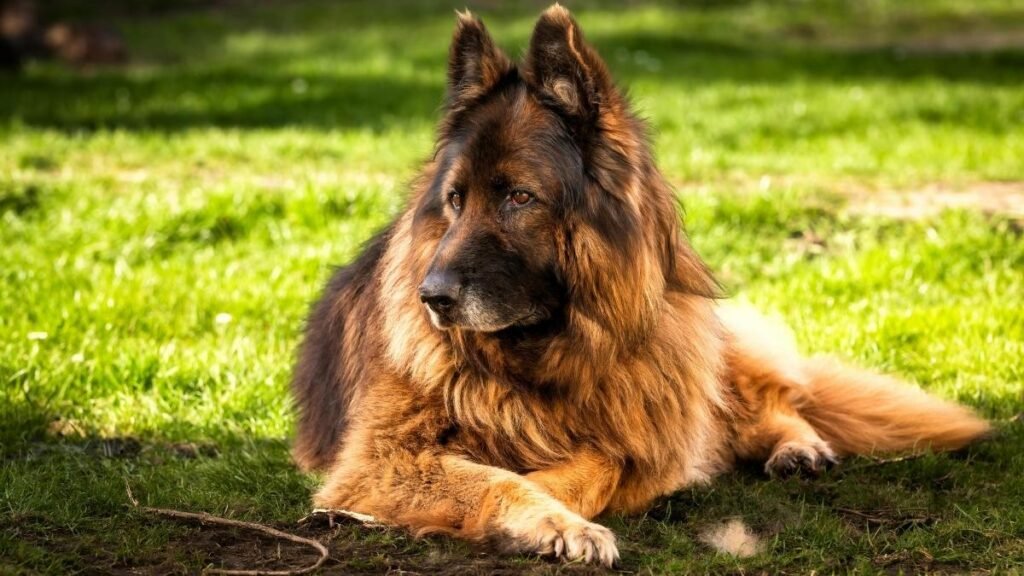
As a dog’s body prepares to shut down, its organ systems decline. This causes a cascade of physical changes. These are not separate problems to be “fixed” but interconnected signs of a single, natural process.
Lethargy is more than just being tired; it’s a deep exhaustion. Your dog may lose interest in things they once loved, like walks, toys, or greeting you at the door. They will likely spend most of their time sleeping.
This is not laziness or a behavioral problem. It is a physical sign that their body’s systems are declining. They are no longer able to generate energy in the same way.
A loss of appetite is one of the most common signs. Your dog may suddenly become picky, or stop showing any interest in food or their water bowl. This can be very distressing for you as an owner, because feeding is a primary way we show love.
This is a natural part of the end-of-life process. As the body’s organs begin to shut down, the brain stops sending hunger and thirst signals. They are not “starving”; their body is simply telling them it no longer needs fuel.
Forcing them to eat can cause discomfort, nausea, or vomiting. The best approach is to continue offering small, tempting bits of food, but to respect their decision if they refuse.
- Extreme Tiredness: Your dog may sleep for most of the day and night.
- Loss of Interest: They may show no excitement for walks, play, or even family members.
- Physical Cause: This is caused by the body’s decreased ability to generate energy as organ systems like the heart and lungs slow down.
- Difficulty Moving: They may be reluctant to get up, or struggle to stand.
Behavioral & Social Changes: A Shift in Personality
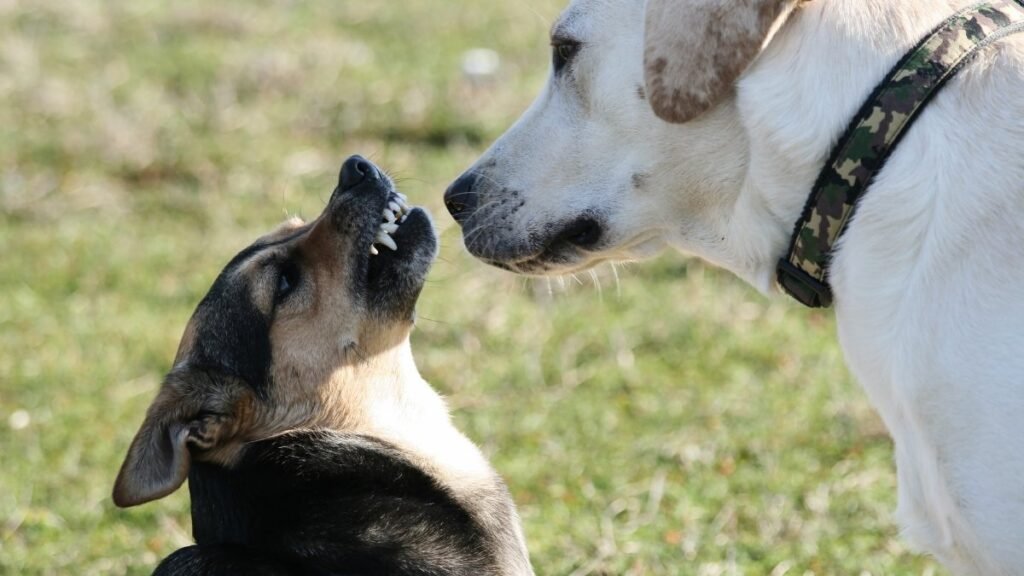
The physical changes are often joined by confusing behavioral changes. Your dog’s personality may seem to shift. These are not emotional rejections; they are your dog’s only way to communicate that they feel pain, confusion, or discomfort.
One of the most confusing signs for an owner is a sudden change in social behavior. Your dog may do one of two opposite things: seek solitude or become unusually clingy. Both are a normal response to feeling unwell.
Some dogs will instinctively withdraw and hide. They may seek out a quiet, dark place, like a closet or under a bed. Other dogs do the exact opposite. They may become “Velcro dogs,” following you from room to room and seeking constant comfort and physical contact.
- Confusing Duality: Your dog may either hide or become extremely needy.
- Seeking Solitude: This is an instinct to find a “safe” place when they feel weak or in pain.
- Becoming Clingy: This is a way of seeking comfort and reassurance from you when they feel confused or scared.
- What to Do: Follow their lead. If they want space, let them rest. If they want comfort, offer gentle petting and your calm presence.
- Disorientation: Your dog may get lost in your own home or yard.
- “Getting Stuck”: They may stand in a corner or at the wrong side of a door, seeming not to know how to move.
- Failure to Recognize: They may not respond to their name or may seem blank when you approach them.
- Medical Cause: This is often a sign of Canine Cognitive Dysfunction (CCD), a neurological condition of aging.
The “Last Rally”: A Sudden (and Confusing) Burst of Energy

This is a critical section. You need to be prepared for a confusing “plot twist”. Just when you are sure the end is near, your dog may suddenly seem much better.
Your dog, who has not eaten in days, may suddenly get up and eat a full meal. They may greet you at the door, wag their tail, or even try to play. This is known as “terminal lucidity” or a “last burst of energy”.
Vets confirm this is “not unusual” at all. It may be caused by a temporary surge of adrenaline or a brief stabilization of the body’s systems. It can also happen if an owner, knowing the end is near, gives a full dose of pain medication, creating a “happy high”.
This sudden improvement can give you a powerful glimmer of hope. It can also cause immense guilt if you have already scheduled euthanasia. You may think you’ve made a terrible mistake.
This is not a sign of recovery. It is a “final blessing” or a “goodbye”. It is a last gift, a final moment of connection.
Many vets have seen owners cancel an appointment after this rally, only for the pet to crash again days later and suffer more. It is okay to accept this rally as the beautiful gift it is. It is a final, good moment, and it does not mean your decision to prevent future suffering is wrong.
- What it is: A sudden, temporary burst of energy, appetite, or social behavior.
- Why it happens: It may be a biological “exhale” , an adrenaline surge , or a final surge of comfort from pain medication.
- What it is not: It is not a sign of recovery.
- How to frame it: See it as a “final blessing”. It is a moment of grace, not a reason to doubt your decision. Letting them go on a “good day” is a final act of love, sparing them the next “really awful day”.
What to Do: A Guide to Comfort & End-of-Life Care
When you know your dog has a terminal illness, your goals shift. You are no longer trying to “cure” them; you are now focused on “comforting” them. This is the core of “animal hospice” or “palliative care”.
This shift gives you a new, active, and vital job. You become your pet’s primary hospice nurse and caregiver. You are now in charge of one thing: ensuring your dog’s final days are as peaceful, dignified, and pain-free as possible.
This section provides a “to-do” list for this new job. It gives you purpose and control in a situation that can feel powerless.
Creating a “Hospice” Environment at Home

Your dog’s comfort is now the top priority. The goal is to create a safe, peaceful space where they can rest without stress. This means making a few practical changes to your home.
This space should be in a quiet, low-traffic area of the house, but not so isolated that they feel alone. They may want to be near you, so a corner of the living room is often better than a back room.
Provide them with a soft, supportive bed. An orthopedic or memory foam bed is ideal, as it relieves pressure on sore joints. Make sure the bedding is easily washable. If your dog is incontinent, place absorbent “potty pads” or wicking pads under their bedding to keep moisture away from their skin.
Your dog takes their cues from you. Your calm presence is one of their greatest comforts. Sit on the floor with them, offer gentle petting, and speak in a soft, reassuring voice.
But it is also important to follow their lead. If your dog has become clingy, your presence is what they need. If they have withdrawn, they may be asking for space.
- Choose a Quiet Spot: Pick a low-traffic area where they can rest but still feel like part of the family.
- Use an Orthopedic Bed: Soft, thick cushioning is essential to prevent pressure sores on their hips and elbows.
- Manage Incontinence: Use absorbent, washable “potty pads” or pads that wick moisture away from the skin to keep them dry.
- Keep Things Close: Place their water bowl and food (if they are still eating) right next to their bed so they do not have to struggle to get up.
- Be a Calming Presence: Your dog can sense your stress. Try to be calm and reassuring when you are with them.
- Follow Their Lead: Comfort a clingy dog, but give a withdrawn dog the quiet space they are seeking.
- Offer Gentle Touch: Simple, gentle petting is better than robust play.
- Use Your Scent: An unwashed t-shirt or blanket with your smell can be a source of security when you are not in the room.
Practical Care for Their Final Days

Your new “job” as a hospice caregiver involves some practical tasks. This includes managing their nutrition, hygiene, and mobility with dignity.
This is one of the hardest but most important rules. As the body shuts down, the desire and need for food and water disappear. Forcing your dog to eat can cause pain, bloating, and nausea.
Your new job is not to make them eat, but to simply offer. You can try tempting them with high-value, strong-smelling foods, like roasted chicken, baby food, or deli meat. But if they turn their head away, you must respect that.
Dehydration is a concern. Talk to your vet. They may suggest giving subcutaneous fluids (fluids under the skin) at home to keep your dog more comfortable. This is a simple procedure a vet can teach you.
- Do Not Force: Forcing food into a body that is shutting down can cause discomfort.
- Offer High-Value Foods: You can still offer tempting foods with strong smells, but in small amounts.
- Respect Their Choice: If they refuse, it is a natural part of the process.
- Ask About Hydration: Talk to your vet about subcutaneous fluids to help manage dehydration and increase comfort.
- Prevent Pressure Sores: Keep your dog on soft bedding and change their position gently if they cannot move on their own.
- Stay Clean and Dry: After any accident, clean your dog gently and thoroughly. Skin that stays wet or soiled is likely to break down.
- Use a Sling: A support sling or a rolled towel can help you assist your dog to stand or go outside for the bathroom.
- Support, Don’t Lift: The goal of a sling is to take some weight off their legs so they can keep their balance, not to carry them.
Consulting Your Vet: Pain & Palliative Care
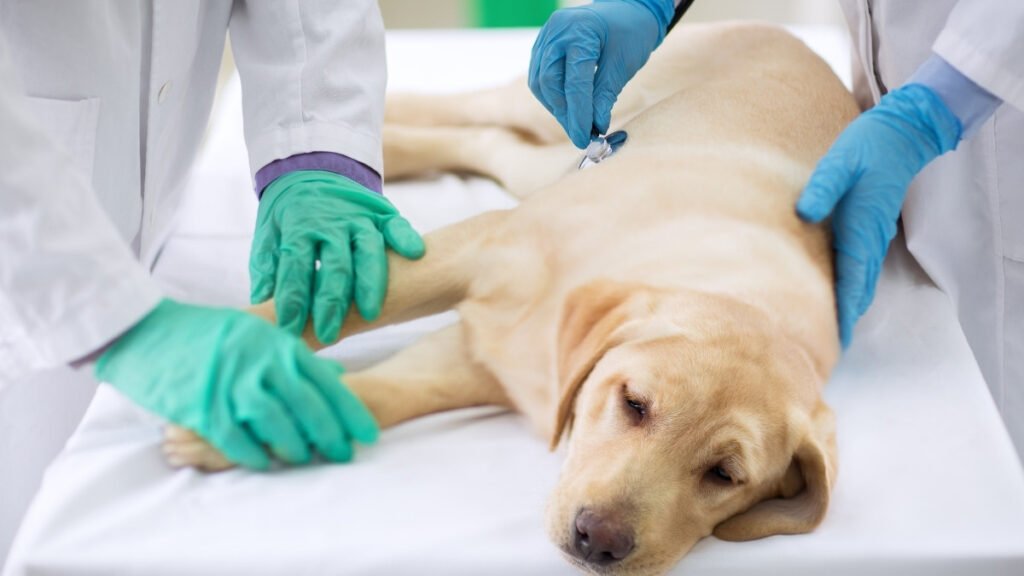
This is the most important action you can take. Your primary goal is now managing pain. The first and most important question to ask your vet is, “Is my pet in pain?”.
Dogs are masters at hiding pain. A dog in pain will not always cry or whimper. The signs are much more subtle.
Restlessness, pacing, and not being able to settle are major signs of pain. Panting while at rest is another big red flag. Some dogs become irritable, aggressive, or withdrawn when they are in chronic pain.
Your vet is your partner in this. Talk to them about creating a palliative care plan. This is a “multimodal” plan, meaning it uses several methods at once to keep your dog comfortable.
- Medications: Your vet can prescribe a range of pain medications, such as NSAIDs, gabapentin, tramadol, or opioids, to create a plan that works.
- Non-Pharmaceutical: There are also non-drug options that can help, like acupuncture , therapeutic laser , and gentle massage.
- Find a Specialist: You can find veterinarians who specialize in this. The International Association for Animal Hospice and Palliative Care (IAAHPC) has a directory of providers and other resources for owners.
- Mobile Vets: Many vets now offer in-home hospice care, which reduces the stress of car rides and clinic visits.
The Hardest Decision: Assessing Quality of Life
Demystifying the Final Act of Love
What to Expect During In-Home Euthanasia: A Gentle Guide
1. Preparation & Comfort
The vet arrives and gives you time to say hello and settle in. You can choose your dog’s favorite spot – their cozy bed, a peaceful garden, or even your lap – ensuring they are relaxed and comfortable.
2. The Sedative
Your vet will administer a gentle injection, much like a routine vaccine. This is a strong sedative designed to ensure your pet becomes completely relaxed, pain-free, and drifts into a deep, peaceful sleep.
3. The Final Injection
Once your pet is fully sedated and you’ve had time to say goodbye, the final medication is given. This injection is painless and works very quickly, often within seconds to a minute, bringing a swift and peaceful end.
4. A Peaceful Passing
The vet will gently listen to confirm your pet’s heart has stopped. There is no rush; you can spend as much time as you need saying your final goodbyes and finding closure in this quiet moment.
This is the biggest question, the one that keeps you up at night. The decision to euthanize is an agonizing one. It is easy to feel like you are “giving up.”
You are not giving up. You are making a compassionate choice to prevent suffering. The goal is to make this decision from a place of love and clear-eyed observation, not panic.
Because this decision is so emotional, it is helpful to have an objective tool. It helps you move the decision from a subjective feeling (“I think he’s worse”) to an objective fact (“His score shows he is worse”). This tool can be an “emotional shield” that protects you from guilt and doubt.
An Objective Tool: The “HHHHHMM” Quality of Life Scale

Veterinarians often recommend an objective tool called the “HHHHHMM” Quality of Life Scale. It was developed by veterinary oncologist Dr. Alice Villalobos to help owners assess their pet’s life quality.
It asks you to score 7 different areas of your dog’s life on a scale of 0 (worst) to 10 (best). The 7 points are: Hurt, Hunger, Hydration, Hygiene, Happiness, Mobility, and More Good Days Than Bad.
This scale is not a test you pass or fail. It is a guide. It helps you track your dog’s status day by day. It also helps you see which areas you can improve. For example, if the “Hurt” score is low, you know to call your vet about pain medication.
- The 7 Points: Hurt, Hunger, Hydration, Hygiene, Happiness, Mobility, More Good Days.
- The Scoring: You rank each of the 7 points from 0 to 10. A score of 0 is the worst possible (e.g., constant, severe pain) and 10 is the best (e.g., no pain).
- The Benchmark: A total score over 35 points represents acceptable life quality.
- How to Use It: Use this as a journal. Calculate the score every day or every few days. It helps you see a trend and removes the guesswork from your decision.
Natural Death vs. Humane Euthanasia
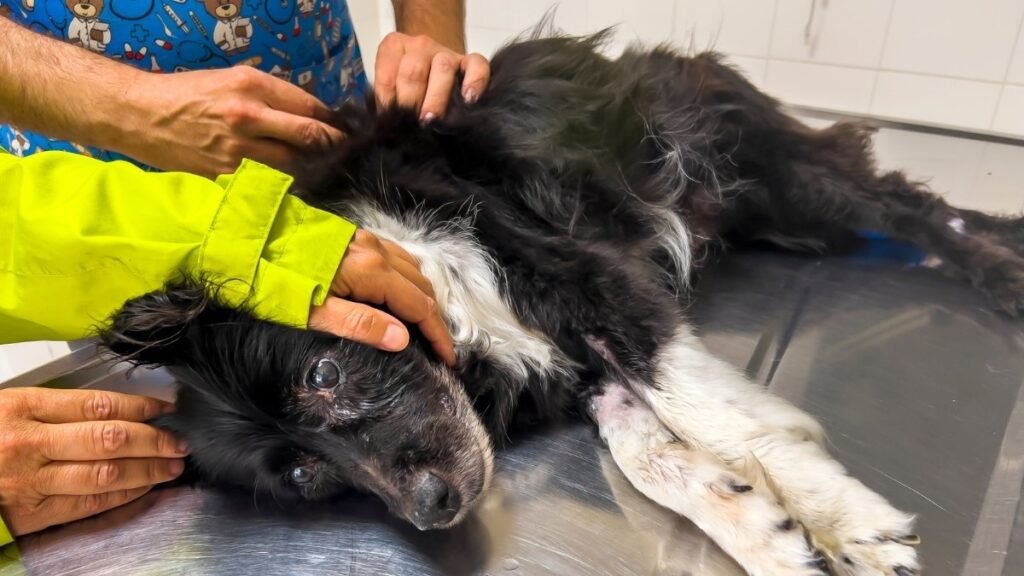
This is a direct and compassionate comparison to help you make the best choice. Many owners hope their beloved pet will pass peacefully in their sleep.
The hard reality is that natural death is not usually peaceful. As a terminal disease progresses, the body struggles. A dog can suffer for days from pain, nausea, anxiety, or difficulty breathing. This process can be distressing for both the dog and the owner.
Humane euthanasia is a painless, humane, and peaceful process. It is a medical procedure designed to prevent that final period of suffering. Vets recommend it because it is a “final act of love” (User Brief) that guarantees the “peaceful sleep” every owner wants for their friend.
- Natural Death: Often involves a prolonged period of suffering, pain, or distress as organs fail.
- Humane Euthanasia: A painless, controlled medical procedure that ensures a peaceful passing, free of pain and fear.
- Hospice-Supported Natural Death: This is an alternative, but it should only be done under the strict guidance of a hospice vet. They can provide strong palliative medications to manage the final stages, but it is an intensive process.
What to Expect During In-Home Euthanasia
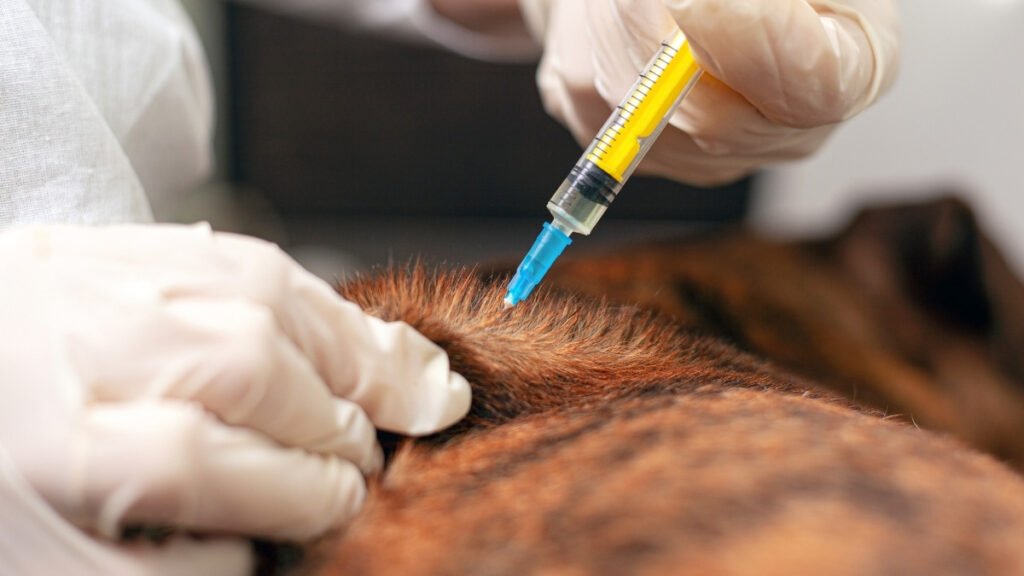
Knowing the steps of the process can help reduce your fear. In-home euthanasia allows your dog to pass in their favorite spot, surrounded by the people they love. Here is what to expect.
- Preparation: The vet will arrive and take care of the logistics first. They will speak with you, answer any last-minute questions, and have you sign a consent form. You can choose a favorite spot for your dog: their bed, the sofa, or a sunny spot in the yard.
- Sedation: This is the most important step for comfort. The vet will give your dog a strong sedative, usually an injection under the skin. This is the “peaceful sleep.” Over the next 5 to 10 minutes, your dog will become fully relaxed and free from any pain or stress.
- Final Injection: Once your dog is fully unconscious and you are ready, the vet will administer the final medication. This is a painless overdose of an anesthetic (a barbiturate). It is very fast, often taking only 10 to 20 seconds. Because your dog is already in a deep, unconscious sleep, they feel absolutely nothing.
- After: The vet will listen to your dog’s heart to confirm they have passed. It is very important to know that the body may have some involuntary, normal reflexes after death. These are not signs of life or pain.
The eyes will likely remain open.
You may see muscle twitching.
You may see a final “gasp” or deep breath. This is an “agonal breath” and it is a reflex. Your pet is not breathing or struggling.
The bladder, bowels, or both may release as all the muscles in the body relax.
After Goodbye: Coping with Your Loss & Grief
The grief from losing a pet is real, and it is profound. It often starts long before the final goodbye. This ‘anticipatory grief’ is a normal and valid response to the special bond you share.
You have been on a long, emotionally exhausting road. You have been grieving the small losses all along: the last walk, the last game of fetch, the last time they greeted you at the door.
Be kind to yourself. Allow yourself to feel the sadness. The depth of your grief is a measure of the depth of your love.
You Are Not Alone: Pet Loss Support Resources (2025)
You do not have to go through this alone. There are free, compassionate resources available to help you. These hotlines and groups are staffed by people who understand exactly what you are going through.
- Tufts University Pet Loss Support Hotline: (508) 839-7966
- Cornell University Pet Loss Support Hotline: (607) 253-3932 or (607) 218-7457
- Association for Pet Loss and Bereavement (APLB): Offers online chat rooms, support groups, and resources at aplb.org.
- Lap of Love: Provides free, veterinarian-led pet loss support groups held virtually via Zoom.
Conclusion
Recognizing the signs that your dog is nearing the end of life—the lethargy, the withdrawal, the physical changes—is the first, painful step. From there, your role shifts from trying to cure them to providing comfort, managing their pain, and objectively assessing their quality of life. This is the heart of dog end-of-life care.
Trust the bond you share. Consult your vet. And be kind to yourself during this process. Providing a dignified, peaceful end is the final, most profound act of love you can give.
You Are Not Alone.
Your Grief is Real.
A 2025 Guide to Pet Loss Support
What You May Be Feeling (Anticipatory Grief)
It’s normal to experience a wide range of emotions even before your pet passes. These feelings are valid and a part of your loving bond.
- 😢 Anxiety & Fear: Worrying about what’s to come.
- 😔 Guilt: Questioning decisions or feeling you could do more.
- ❓ Indecision: Struggling with difficult choices about care.
- 💔 Sadness & Helplessness: Deep sorrow for the impending loss.
- 😠 Anger: Frustration with the situation or illness.
Free Pet Loss Support Hotlines (2025)
Reach out and speak with compassionate individuals who understand what you’re going through.
- 📞 Tufts University Pet Loss Support Hotline: 1-508-839-7966
- 📞 Cornell University Pet Loss Support Hotline: 1-607-253-3932
- 📞 C.A.R.E. Pet Loss Helpline: 1-217-244-2273
Online Support Resources
Connect with others who share your experience and find solace in community.
- 💬 Association for Pet Loss and Bereavement (APLB): Offers facilitated chat rooms for real-time support. Visit APLB Chat
- 👥 Lap of Love: Provides free veterinarian-led online pet loss support groups. Find a Group