
You trip over food bowls in your cramped kitchen.Your dog’s toys take up half the living room floor. The litter box smell lingers no matter how often you clean it.
Most people won’t tell you the truth: keeping pets happy in small spaces means constant compromise. You’ll rearrange furniture five times to fit a cat tree. You’ll skip buying that new chair because your dog needs room to stretch.
Your minimal aesthetic Gone. The struggle isn’t just about space it’s about managing noise complaints, finding pet-friendly solutions for tiny homes, and dealing with the mental load of making it all work.
#1. Choosing the Right Pet for Your Small Space

Just because you live in a small apartment doesn’t mean you can’t enjoy the companionship of a pet. The key isn’t necessarily to find the smallest animal, but to find one whose temperament and energy level are a perfect match for your compact lifestyle.
i. Energy Level Over Size
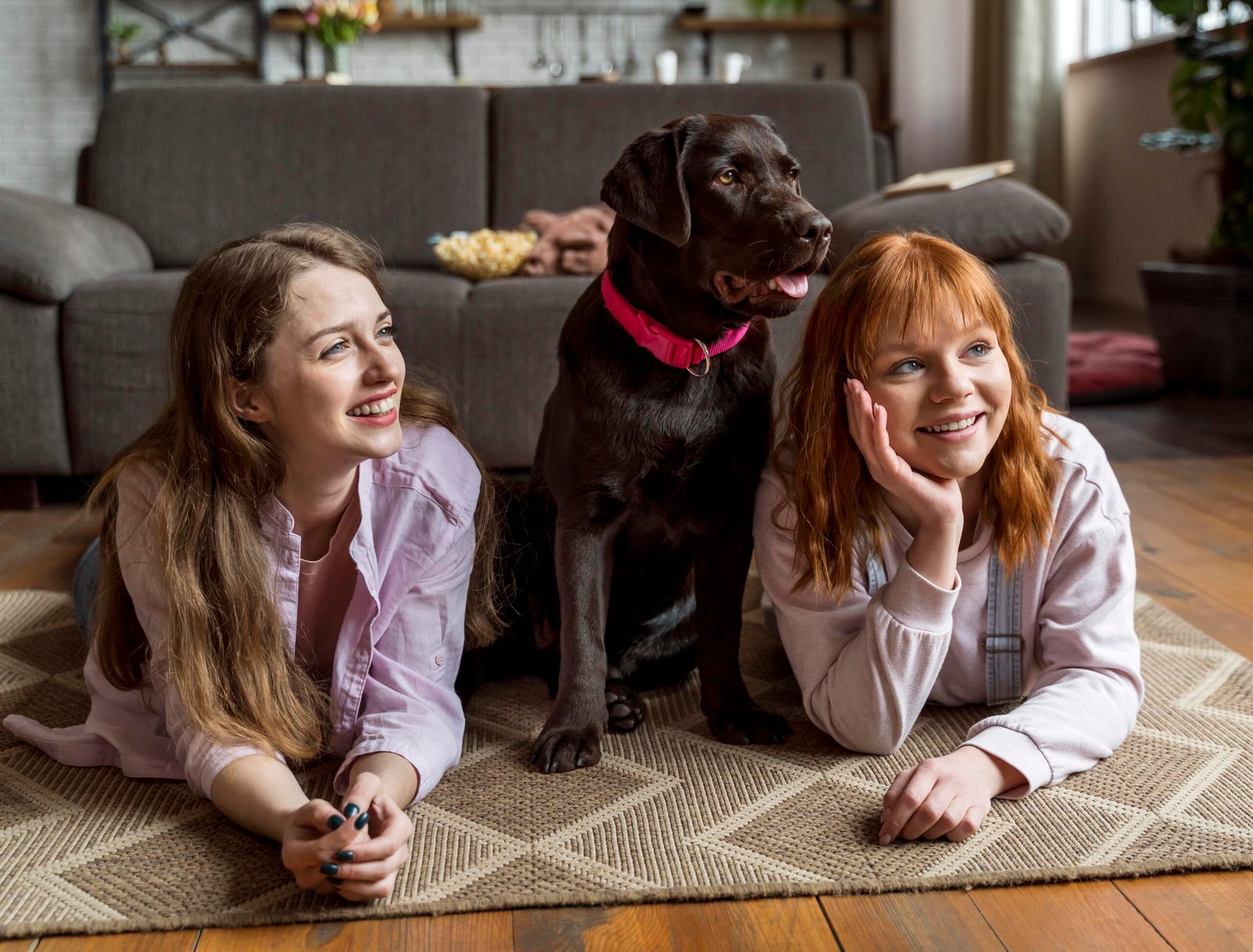
This is the golden rule of selecting an apartment friendly pet. A large but lazy Great Dane who is content to sleep all day can be a far better fit than a small but high energy Jack Russell Terrier who needs constant jobs and stimulation.
Always research breed temperament and prioritize a calm, adaptable disposition over physical size.
ii. Best Low-Energy Dog Breeds
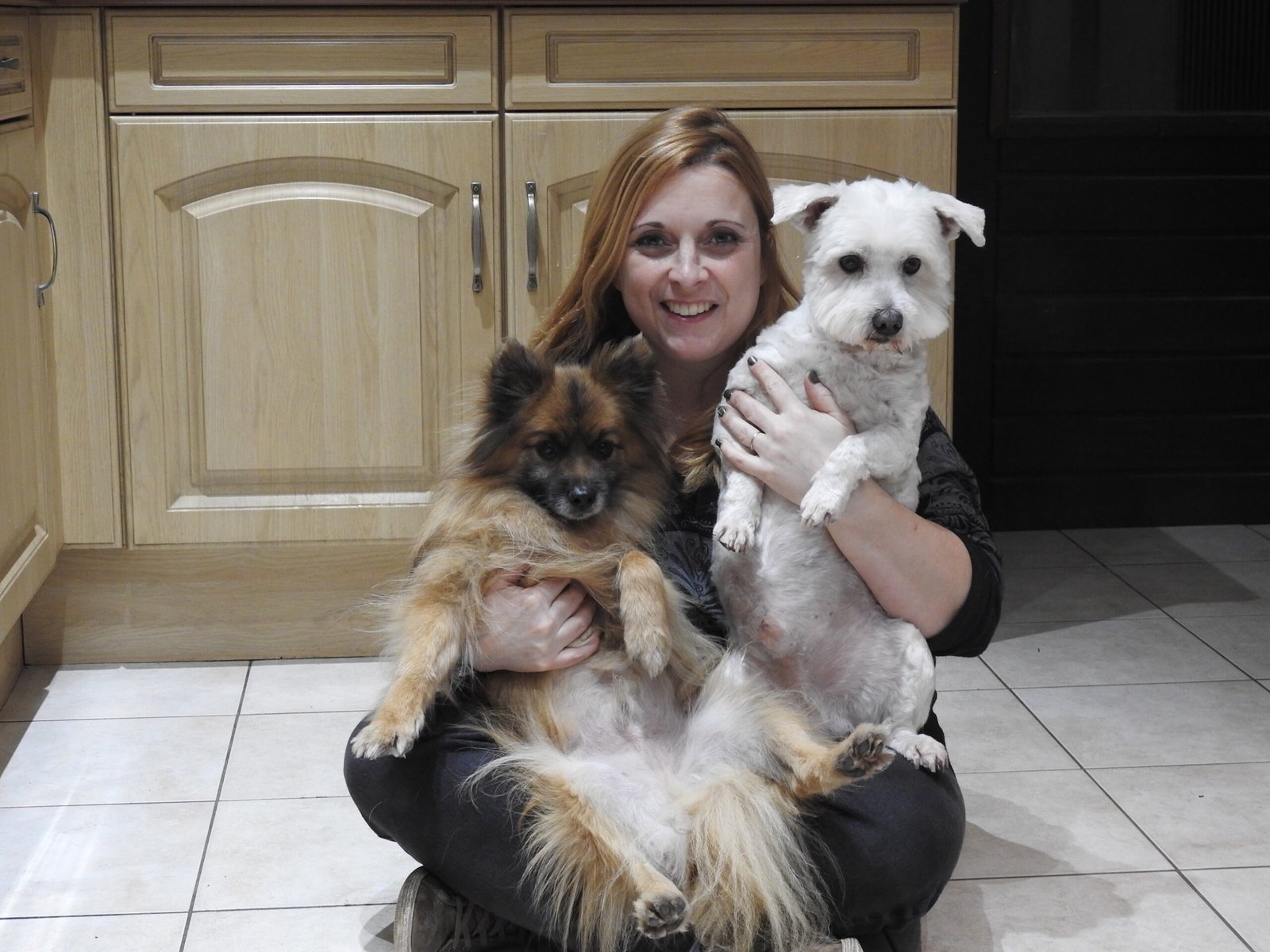
Several dog breeds are renowned for their apartment adaptability. The American Kennel Club (AKC) lists breeds like the French Bulldog, a playful but low-endurance companion; the gentle and affectionate
Cavalier King Charles Spaniel; and the surprising Greyhound. Dubbed the “45 mph couch potato,” Greyhounds are sprinters who require a short daily walk but are otherwise famous for their love of lounging.
iii. Best Apartment Cat Breeds
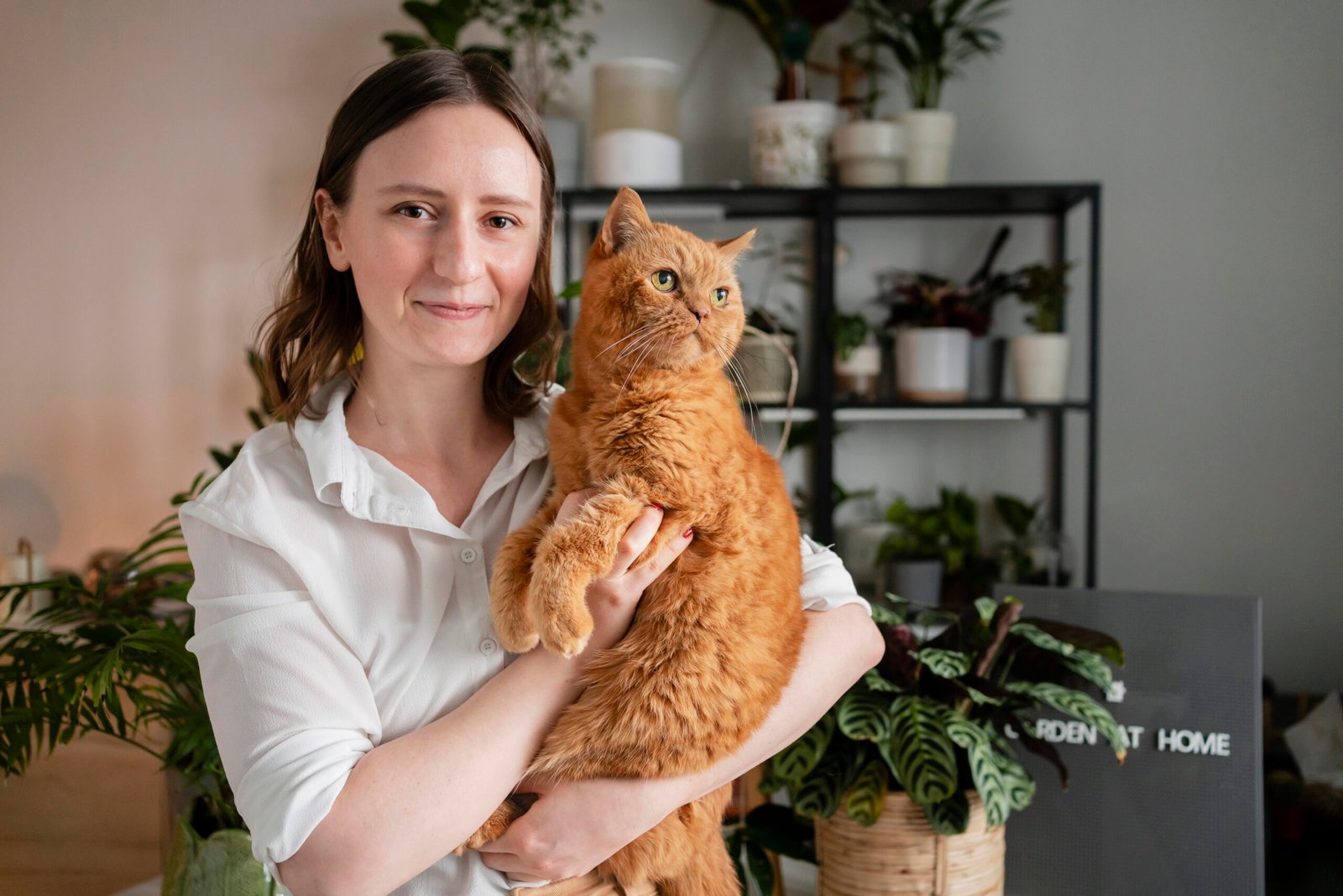
While most cats can adapt, some breeds are naturally more suited to quiet, indoor life. Look for breeds known for their calm and quiet demeanors.
Ragdolls live up to their name, often going limp with affection. British Shorthairs are independent and undemanding, while Russian Blues are sensitive but form deep bonds and tend to be quiet and reserved.
Blogs like “Apartment Therapy” often feature guides highlighting these breeds for their easygoing nature in smaller homes.
iv. Consider “Pocket Pets“

For very small spaces, don’t overlook intelligent, cage-based “pocket pets.” Rabbits can be litter-trained and are very social, guinea pigs are vocal and have big personalities, and rats are remarkably intelligent and affectionate.
These pets provide wonderful companionship without needing to run in a large, open space, making them ideal for micro-apartments.
v. The “Rescue” Conversation
One of the smartest moves for an aspiring apartment pet owner is to adopt an adult animal from a shelter or rescue. With a puppy or kitten, you’re getting an unpredictable bundle of energy whose adult personality is a mystery.
An adult pet, however, comes with a known personality you can find a calm, house trained dog or a mellow, low key cat whose energy level is a known quantity. This takes the guesswork out of the process and gives a deserving animal a loving home.
#2. Your Small-Space Pet Management System
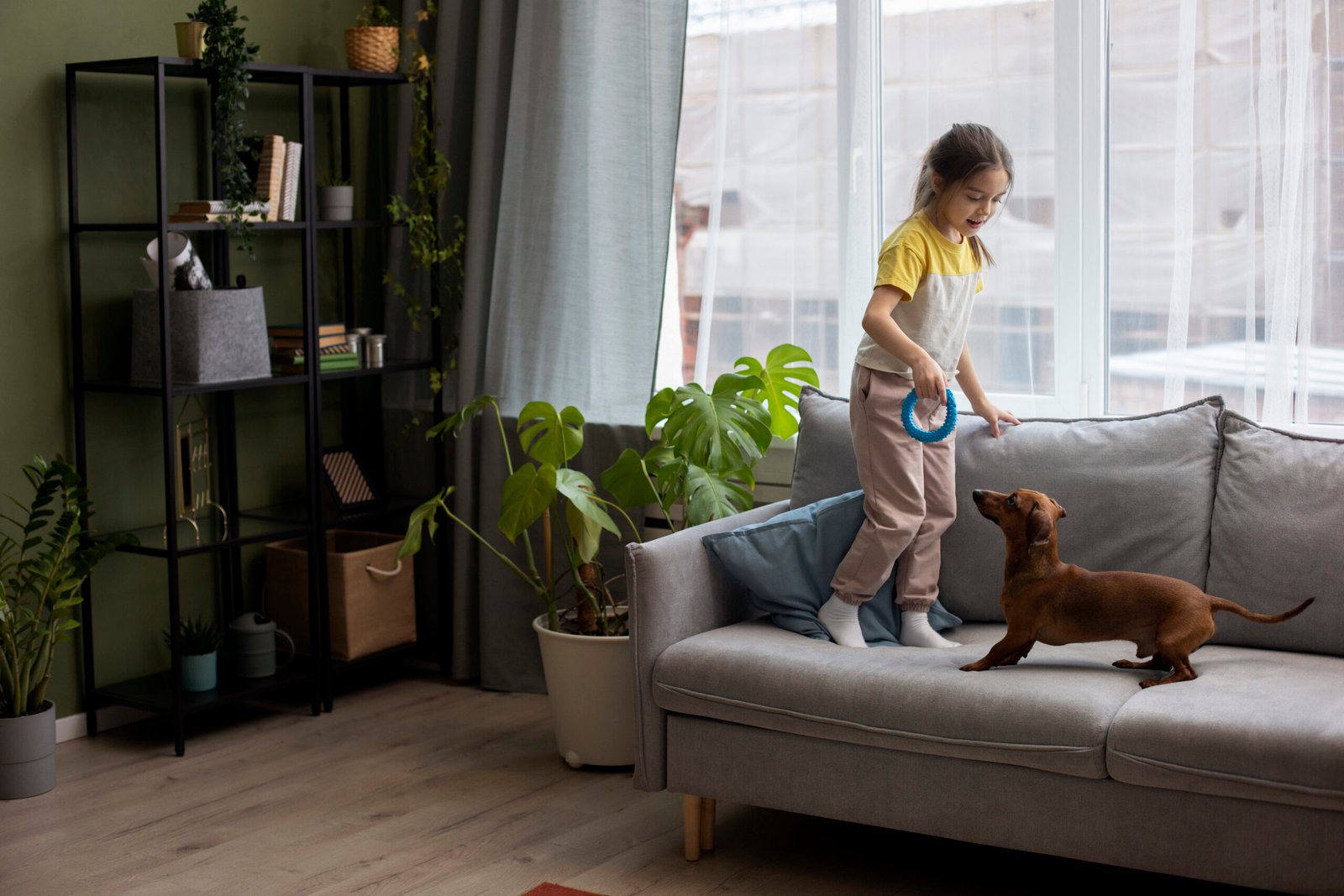
Living in an apartment or cozy home with a furry friend is a joy, but it comes with its own set of challenges. From containing the chaos to managing pet odor in an apartment, a small space requires a smart strategy.
But don’t worry with a little planning, you can create a harmonious home for both you and your pet. This is your ultimate small-space pet management system.
i. Look Up: Create Vertical Space

When floor space is limited, the only way to go is up. This is especially crucial for cats, who are natural climbers and feel secure when they can survey their domain from a height.
- For Cats: Invest in a tall, sturdy cat tree with multiple perches. Supplement this with wall-mounted shelves to create a “superhighway” around the room. A window perch is a must-have; it provides free entertainment for hours, keeping your cat occupied and out of mischief.
- For Dogs: While they might not climb shelves, dogs benefit from defined vertical space. An elevated bed neatly defines their “spot,” keeping them off your furniture and providing a cool, comfortable place to rest. It also helps contain shedding to a specific area.
ii. The Nose Knows: Master Odor Control
Managing pet odor in an apartment is non-negotiable, especially with shared walls. A reactive approach won’t cut it; you need a proactive system.
- Air Purifier: This is your first line of defense. An air purifier with a true HEPA filter will capture dander, fur, and airborne odor particles. Run it in your main living area or near the litter box.
- Deep Cleaning: Wash all pet bedding, blankets, and soft toys on a weekly basis. For accidents, standard cleaners aren’t enough you need an enzymatic cleaner. These products break down the source of the smell at a molecular level, preventing repeat offenses in the same spot.
- Litter Box Tech: If you have a cat, consider a high-tech solution like the Litter Robot. It automatically sifts waste after each use, dramatically reducing odor and the visual clutter of a dirty box.
iii. Contain the Clutter: Establish a “Pet Zone”
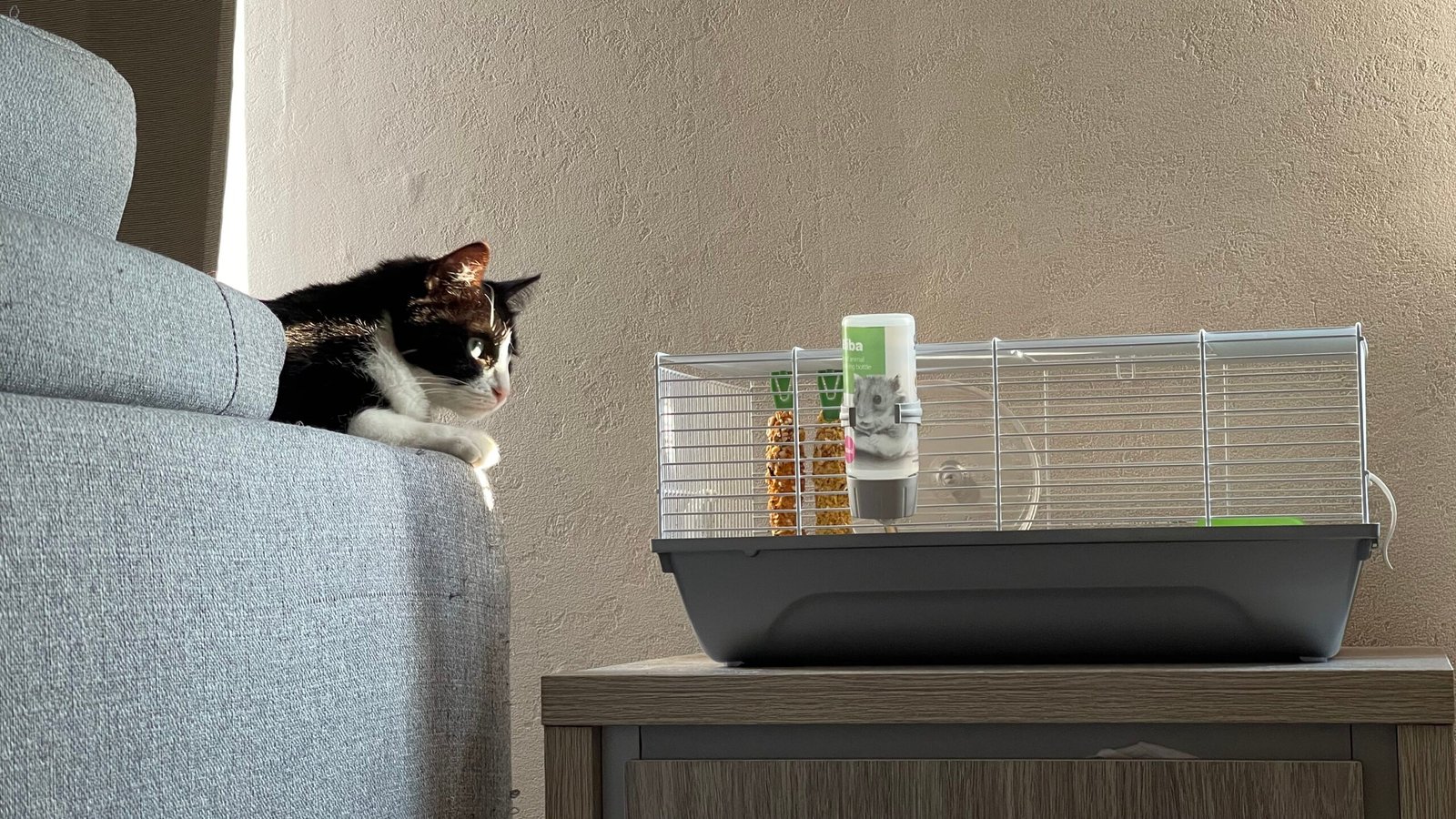
Pet supplies can quickly take over a small living room. The solution is to corral everything into a single, organized station.
- Use a Designated Cabinet or Cart: Assign a specific cabinet or a rolling cart for all pet items—food, treats, toys, grooming supplies, and leashes. A rolling cart is particularly versatile, allowing you to move the entire feeding station or play zone as needed. This instantly eliminates clutter and makes cleanup a five-second task.
iv. Predictability is Peace: Implement a Strict Routine
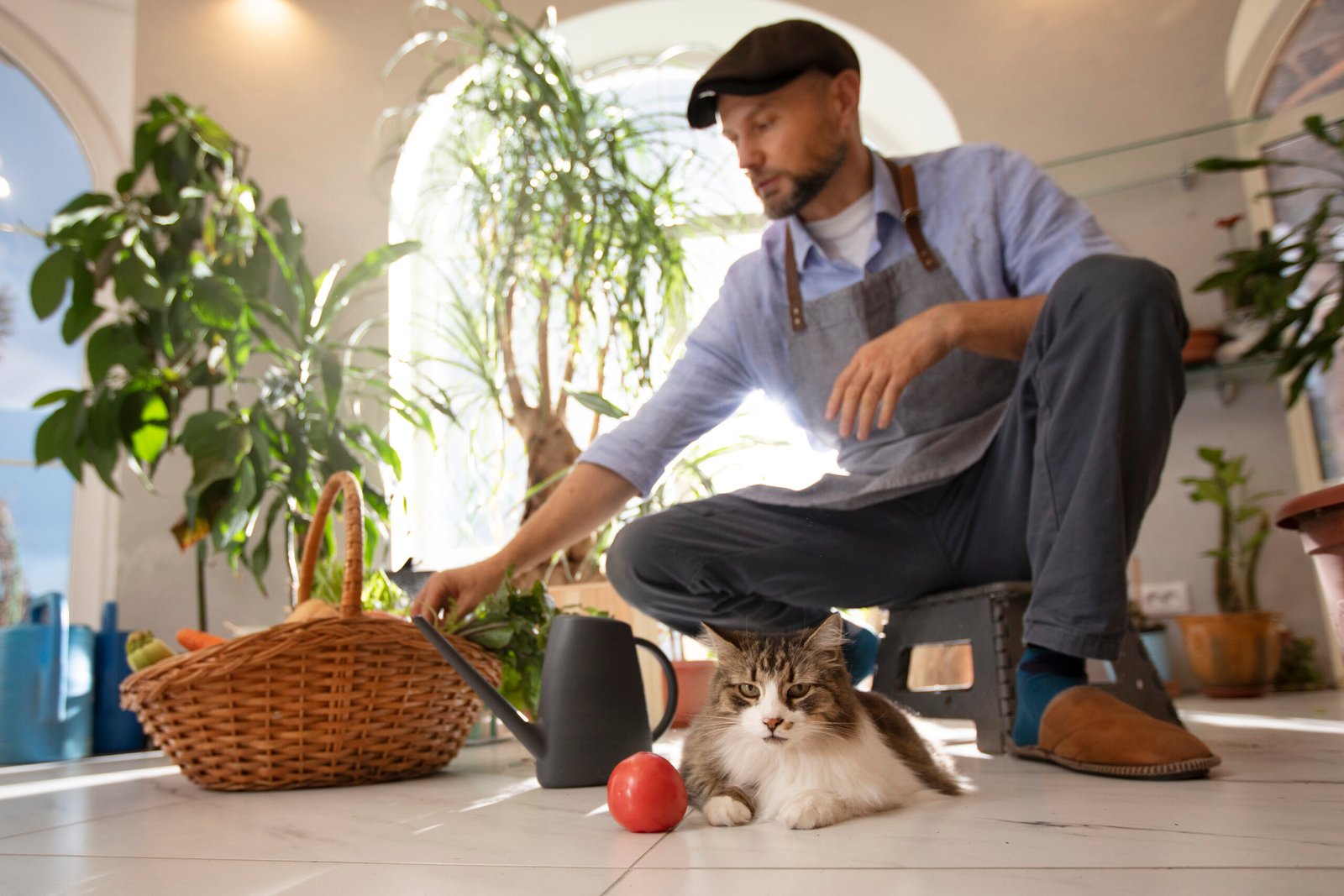
Pets thrive on predictability. In a confined space, anxiety and boredom can lead to bad behaviors like barking, chewing, or inappropriate scratching.
- Fixed Schedule: Stick to consistent times for feeding, walks, and dedicated play sessions. For dogs, knowing exactly when their next walk and meal are coming significantly reduces anxiety. For cats, a 10-15 minute play session with a wand toy before feeding mimics their natural hunt-eat-rest cycle, leading to a calmer, more satisfied cat.
v. Keep the Peace: Soundproofing Hacks
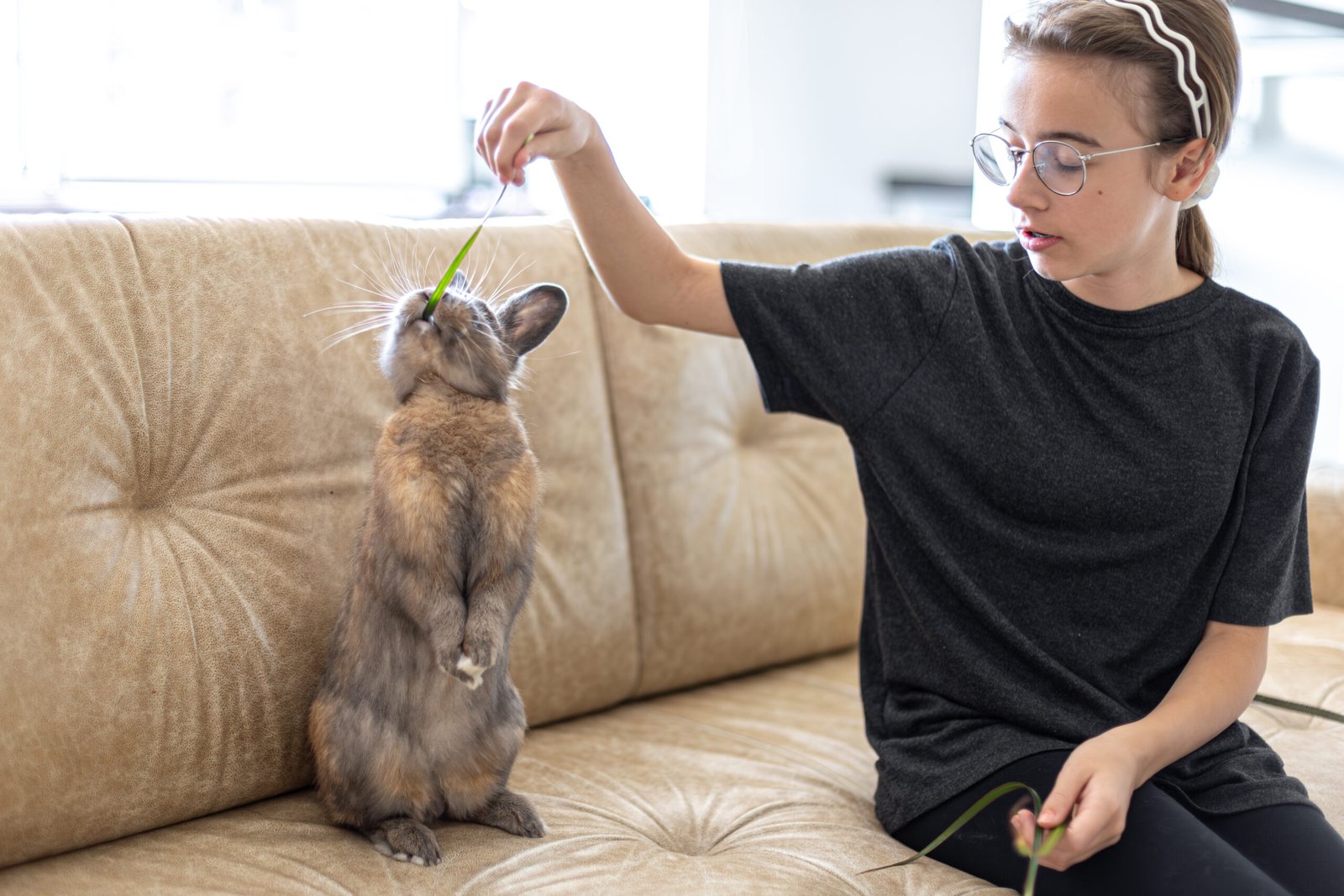
Being a good neighbor is key in an apartment building. A few simple hacks can dampen noise.
- Soft Surfaces: Lay down a large, thick area rug. It absorbs the sound of scurrying paws, dropped toys, and even muffles barks or meows.
- Draft Stoppers: Place a draft stopper under your front door. This simple tool not only blocks drafts but also helps contain sounds.
- Calming Aids: For persistent anxiety, plug-in diffusers with synthetic pheromones are remarkably effective. Feliway for cats and Adaptil for dogs release calming signals that can reduce stress-related vocalization and scratching. Pair this with soft, calming music or white noise designed for pets when you leave the house.
vi. Tech for Peace of Mind
Finally, a piece of technology can tie your entire system together. A pet camera like a Furbo for dogs allows you to check in, toss a treat, and ensure your pet is calm and quiet while you’re away.
By implementing this multi-layered system, you’re not just managing a pet in a small space—you’re creating a serene, organized, and happy home for every member of the family, paws included.
#3. Daily Enrichment (Without the Space)
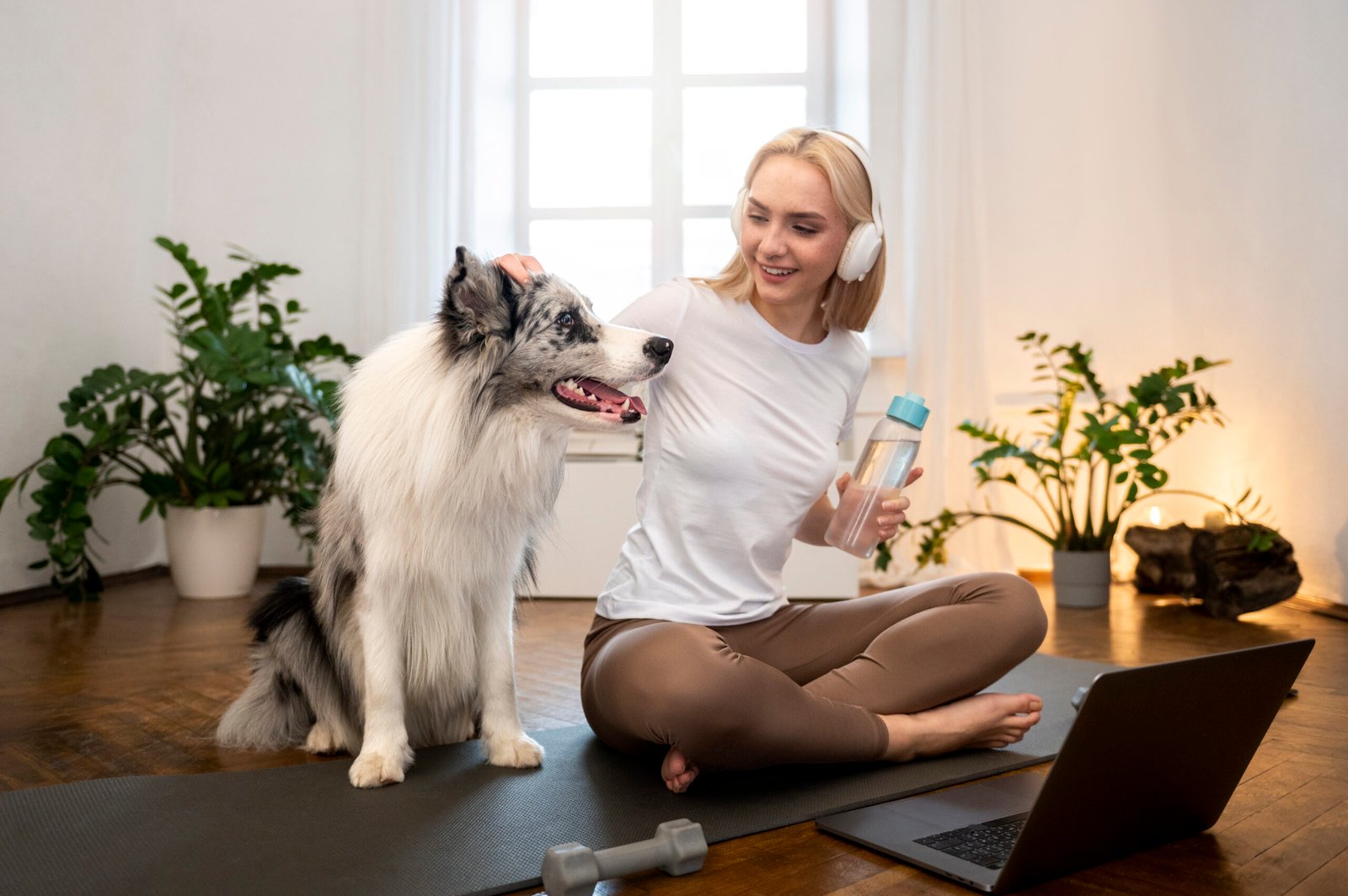
Living in an apartment or a small home doesn’t mean your pet’s life has to be small. The key to a happy, well-behaved pet isn’t square footage it’s dedicated, intelligent enrichment.
A bored pet is a recipe for mischief, from chewed shoes to shredded curtains. The solution lies in engaging their minds and bodies in creative ways that fit your space.
i. Mental Stimulation is Key
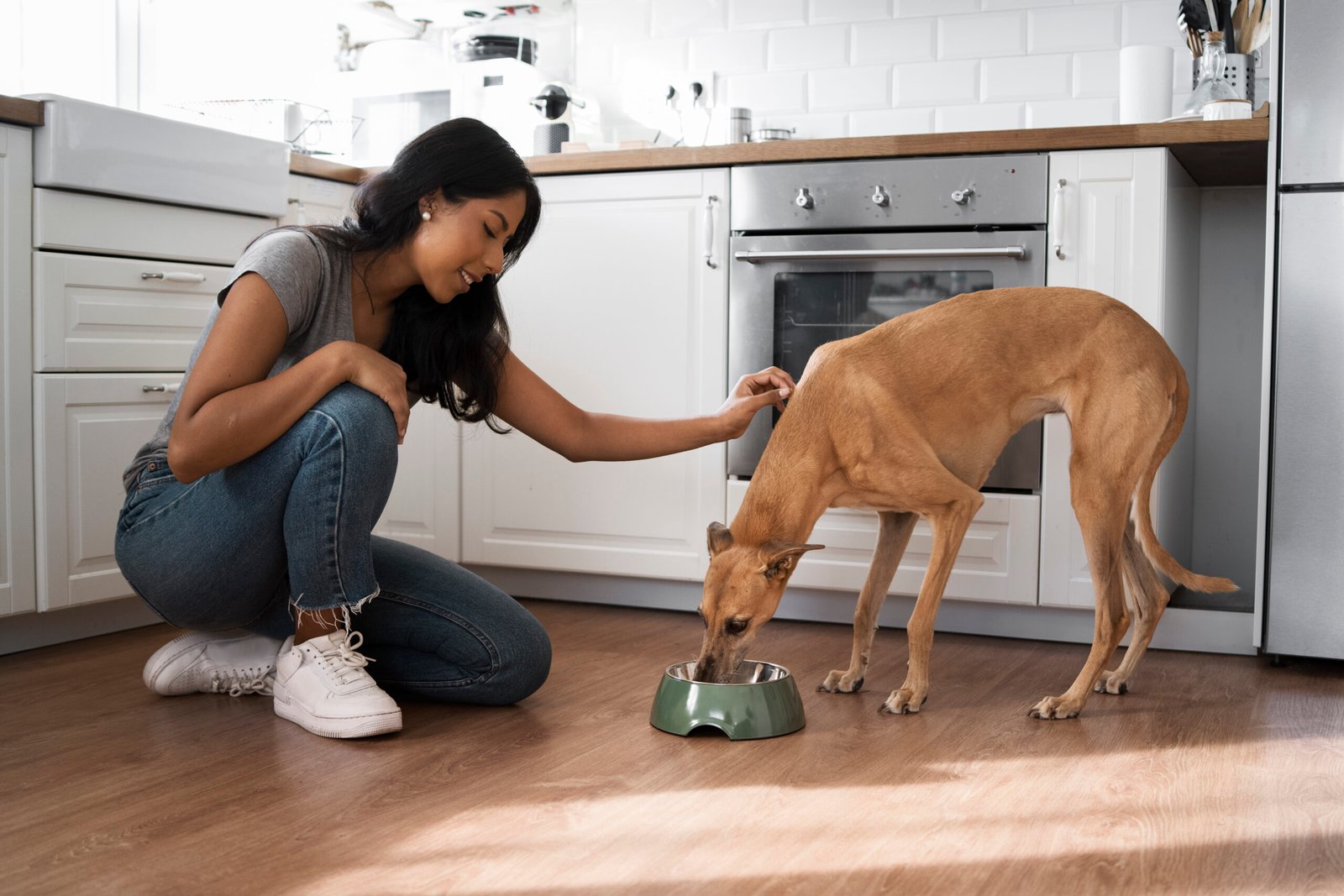
A mentally tired brain is just as good as a physically tired body. The easiest way to achieve this is by making your pet work for their food. Ditch the food bowl and use a puzzle feeder for every meal.
This turns a 30-second gobble into a 20-minute engaging challenge that satisfies their natural foraging instincts.
ii. Train Useful Behaviors

Training isn’t just for dogs learning to sit! It’s a powerful way to build your bond and manage household chaos. For a dog, teaching a solid “go to your place” command gives them a job and keeps them out from underfoot when you’re busy.
For a cat, you can train them to come when called, target a stick, or even jump through a hoop. This mental workout is incredibly tiring and reinforces your connection. For brilliant, force-free methods, check out YouTube channels like “Kikopup” for dogs and “Jackson Galaxy” for cat behavior insights.
iii. Schedule “Adventure Time”

Novelty is a powerful form of enrichment. For dogs, this means breaking the monotony of the same walking route. Explore a new neighborhood, find a different trail, or simply
Let them sniff thoroughly on your usual walk sniffing is like reading the daily news for a dog! For indoor cats, adventure can be supervised time on a secure balcony, “catio,” or harness training for safe outdoor exploration.
iv. Rotate Toys
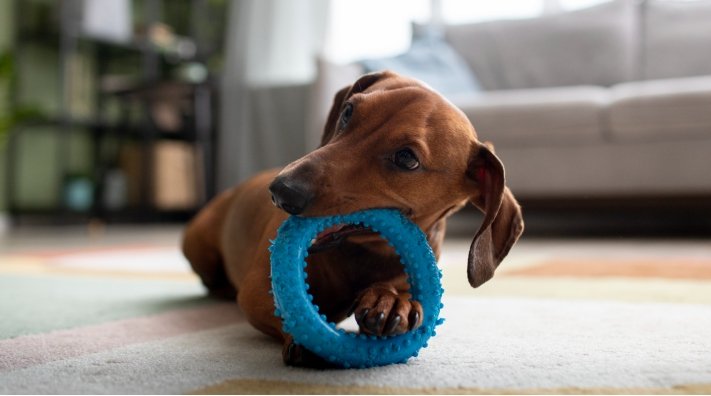
Resist the urge to leave all toys scattered on the floor. Pets habituate to them, and they quickly lose their appeal. Instead, keep a box of toys and swap out a selection weekly. This “new” toy rotation keeps their environment fresh and interesting, making old toys feel exciting again every time they reappear.
FAQs:
1. What size apartment is too small for a dog?
There’s no strict rule, but apartments under 500 square feet become challenging for medium to large dogs.
2. How do I stop my apartment from smelling like pets?
Use an air purifier with a HEPA filter in your main living area. Clean litter boxes twice daily, not once. Wash pet bedding weekly in hot water. Vacuum every 2-3 days with a pet-specific vacuum. Open windows for 10-15 minutes daily for air circulation.
3. Can I have a cat in a studio apartment?
Yes, cats adapt better to small spaces than dogs. One cat thrives in a studio if you provide vertical space install wall shelves or cat trees.