
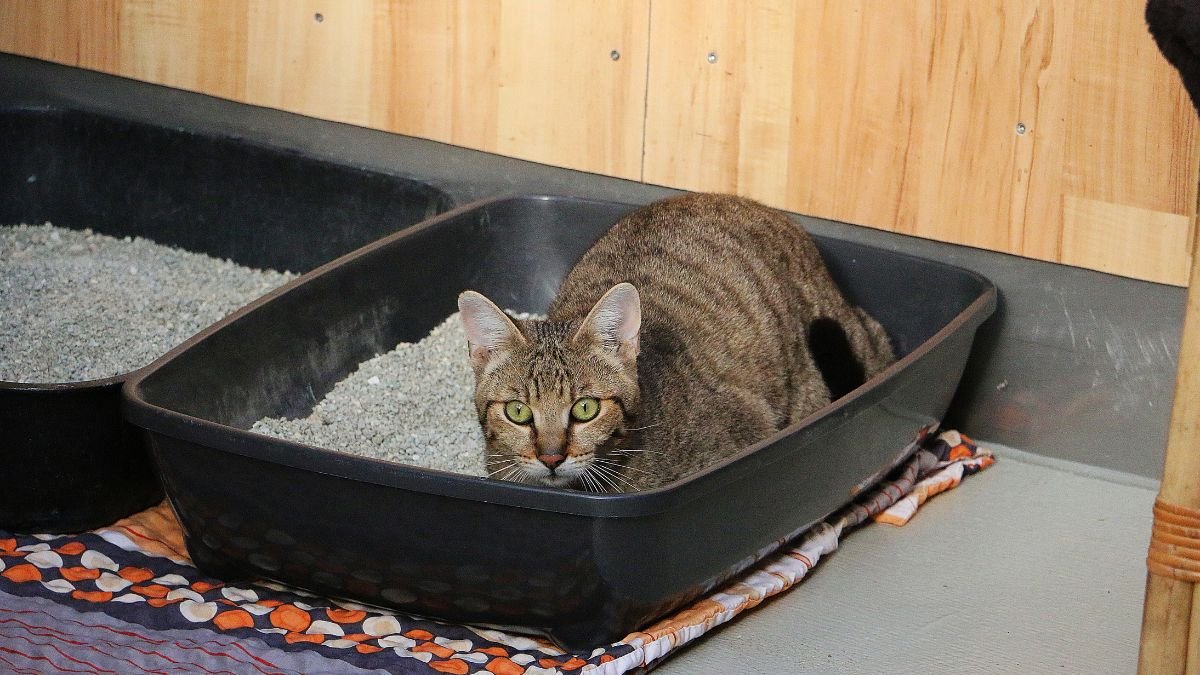
Your cat just peed on your bed again, and you’re at your breaking point. You’re not alone. Approximately 17-20% of cat owners encounter this specific issue with their cats urinating outside the litter box. You clean up one mess, and another appears. Your house smells like cat pee. You’re worried something’s wrong with your cat.
Here’s the good news: This guide shows you exactly why cats develop litter box problems and what to do about them. You’ll learn how to spot health issues, fix setup mistakes, and solve behavioral problems. Most cats urinating outside the box can be helped. Let’s fix this.
Your First Step: See the Vet (Medical Issues Come First)
When Pain Changes Everything
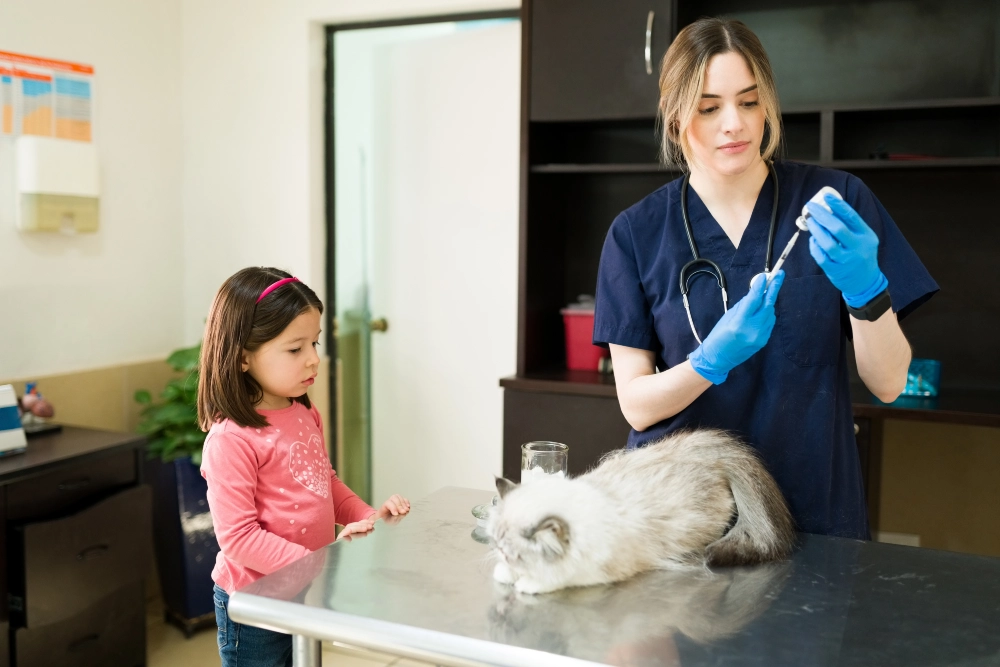
Urinary tract infections, kidney disease, and diabetes all trigger this behavior. Cats with UTIs or bladder stones feel pain when they pee, so they avoid the box. When cats have house-soiling issues and health problems, nearly half (44.94%) have urinary tract diseases.
Age and Mobility Matter
Older cats with arthritis can’t climb into high-sided boxes. And 30-40% of cats over 10 years have chronic kidney issues, causing accidents. Your vet will run blood tests and urine samples.
The Dirty Truth: Your Litter Box Might Be Disgusting
How Often Do You Really Need to Clean?
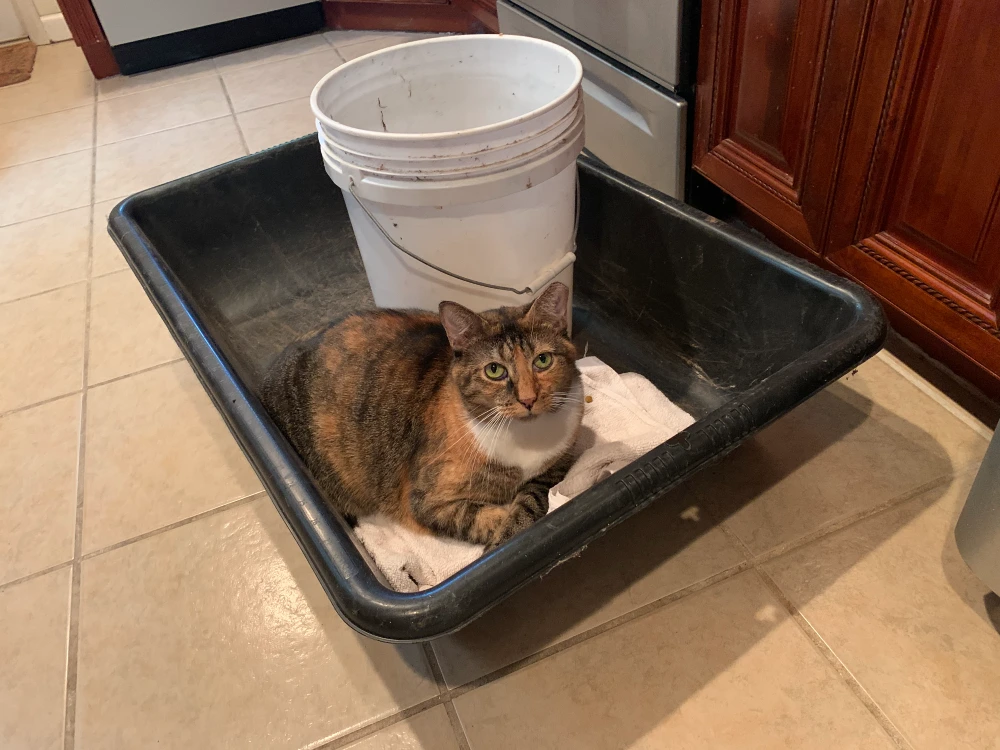
Veterinarians recommend daily scooping. Twice daily. If you’re scooping every other day, you’re already behind. Full litter changes should happen monthly, with the box washed using only soap and warm water, no strong disinfectants. Non-clumping litter needs changing twice weekly. Clumping litter lasts longer but still needs daily scooping.
Your Cat’s Super Nose Knows
Cats smell things you can’t. Ammonia buildup irritates their respiratory system. Watch for signs: your cat scratching around the box but not going in, or standing at the edge. That dirty litter box is the problem.
Location, Location, Location: Where You Put the Box Matters
The Wrong Spots
Never place boxes near food and water bowls. Cats won’t eliminate near where they eat. Avoid corners and closets where cats feel trapped. A box next to the washer? Your cat gets scared mid-pee when it starts spinning. Place boxes away from washing machines and other loud, startling noises.
The Right Setup
Multi-story homes need boxes on each floor. A basement box for an upstairs cat means they’re too far when they really need to go. The rule for litter box location: number of cats plus one box minimum. Your cat litter box setup should be quiet, easy to reach, and away from their food. That’s it.
The Wrong Box or Wrong Litter
Box Problems You Can Fix
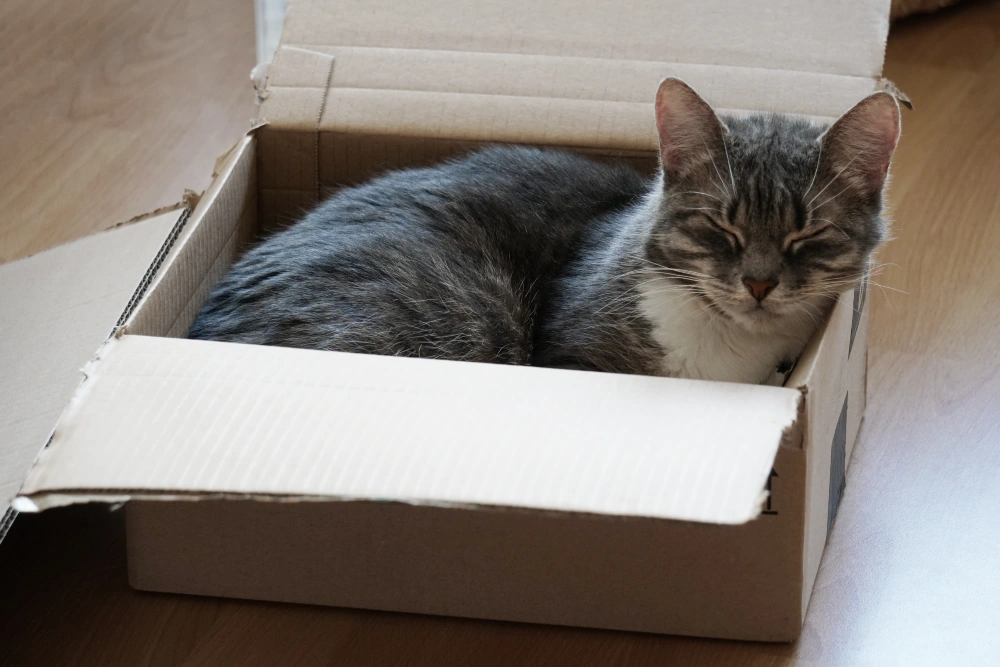
Many cats refuse covered boxes; they feel trapped. Size matters too. The box should be 1.5 times the length of your cat. Senior cats and kittens need low-sided boxes for easy entry.
Litter Mistakes That Drive Cats Away
Cats prefer unscented litter, as they’re aversive to strong perfumes. Keep litter 1-3 inches deep, ideally 2 inches. Clumping clay remains the most popular choice. Avoid switching brands suddenly, which can cause refusal. Choose uncovered litter boxes over covered types.
Stress and Anxiety: The Hidden Culprit
What Triggers Stress-Related Peeing
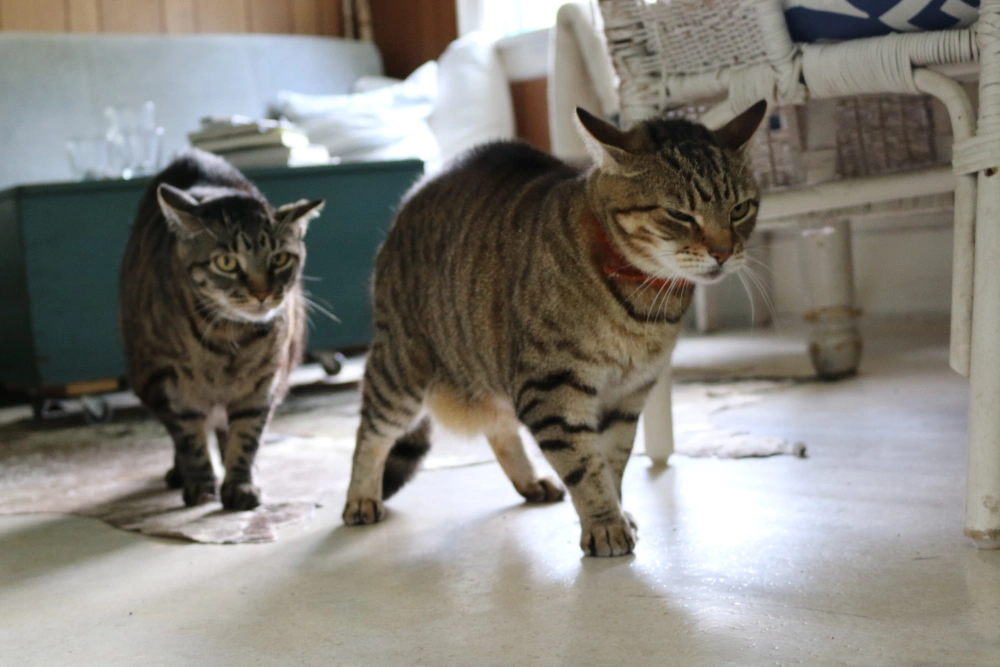
New pets, new babies, moving, or routine changes all cause stress. Research shows fearful cats are more prone to both forms of litter box issues. Male cats are especially prone to territorial marking when new cats arrive. In multi-cat households, one cat blocking another from using the box creates cat anxiety. Watch for signs: hiding, excessive grooming, and appetite changes.
This Isn’t Revenge
This isn’t revenge-peeing. Stressed cats can have real bladder control issues. Their behavioral problems are physical. Feliway diffusers and calming collars help reduce stress. For severe cases, vets may prescribe mild anti-anxiety medication. Reducing stress takes time. Be patient.
Territory Marking vs. Peeing (They’re Different)

How to Tell Them Apart
Cat spraying looks different. Your cat stands with their tail raised and shoots a small amount on vertical surfaces like walls or furniture legs. Regular peeing means squatting and creating puddles on horizontal surfaces like floors or beds. Urine on the wall equals marking. A puddle on the floor equals an elimination issue.
Why Cats Mark
Intact males spray most often, but neutered cats can too. Territory marking happens when cats feel their space is threatened. Here’s what the data shows: 54.6% of house-soiling cats eliminate urine versus 24.9% that eliminate feces. If it’s marking, you need different solutions than regular peeing.
How to Fix It: Your Action Plan
Clean It Right
Clean soiled areas with enzyme cleaners like Nature’s Miracle, Anti-Icky Poo, or Urine Off. Regular cleaners won’t work; enzyme cleaners neutralize the odor at the molecular level. If carpet padding is saturated with urine, it may need complete replacement.
Make Changes Now
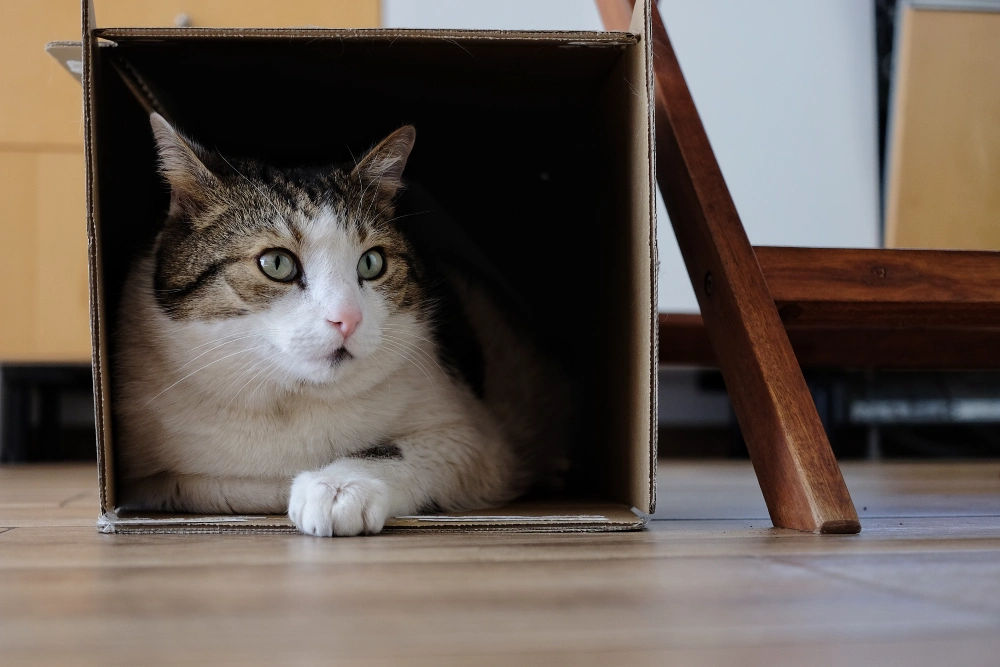
Add more boxes in different locations. Set up a “litter box testing station” with 3-4 different litter types side-by-side. Feed your cat in areas they’ve been peeing; cats won’t eliminate where they eat.
Use aluminum foil or double-sided tape to block problem spots temporarily. Gradually move a new box closer to your desired location, 2-3 feet per day. Most cats get back to normal with these litter box solutions. Give it two weeks.