
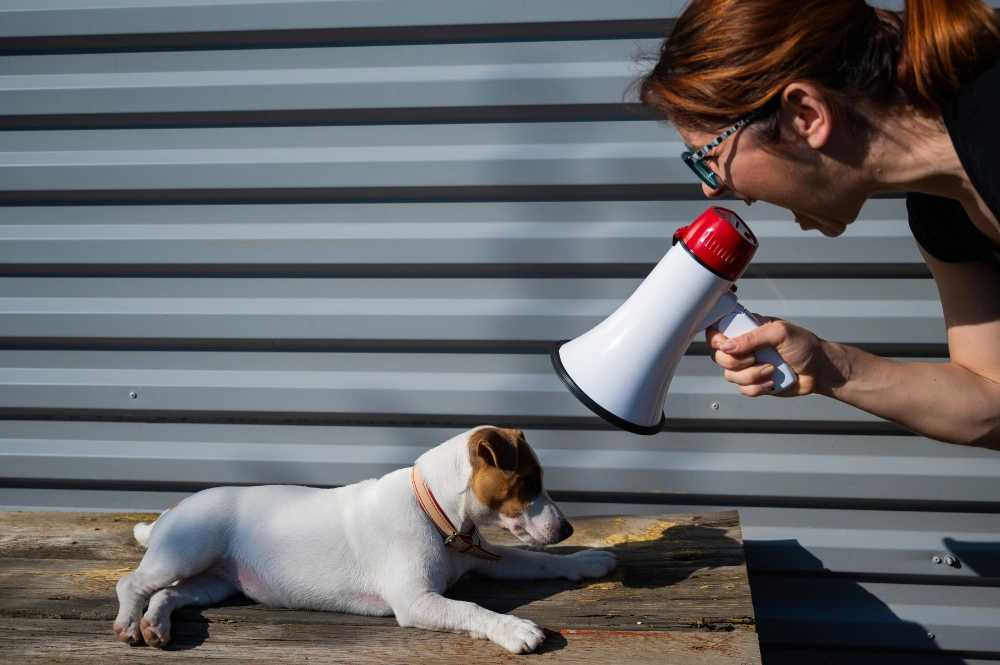
You call your dog’s name at the park. Nothing. You try again. Still nothing. Then a stranger walks by and says ‘sit’ and your dog drops like a rock.
Sound familiar? Your dog listens perfectly at home with treats but completely ignores you outside. You feel embarrassed and frustrated. Maybe you wonder if your dog even respects you.
Here’s the truth: when your dog won’t listen to commands, it’s usually not stubbornness. It’s a training gap. The good news? Most dog training mistakes are easy to fix once you know what you’re doing wrong. Let’s figure out why my dog won’t listen and how to change it.
Your Dog Isn’t Stubborn — You Just Haven’t Finished Training
Training Isn’t a One-Time Event
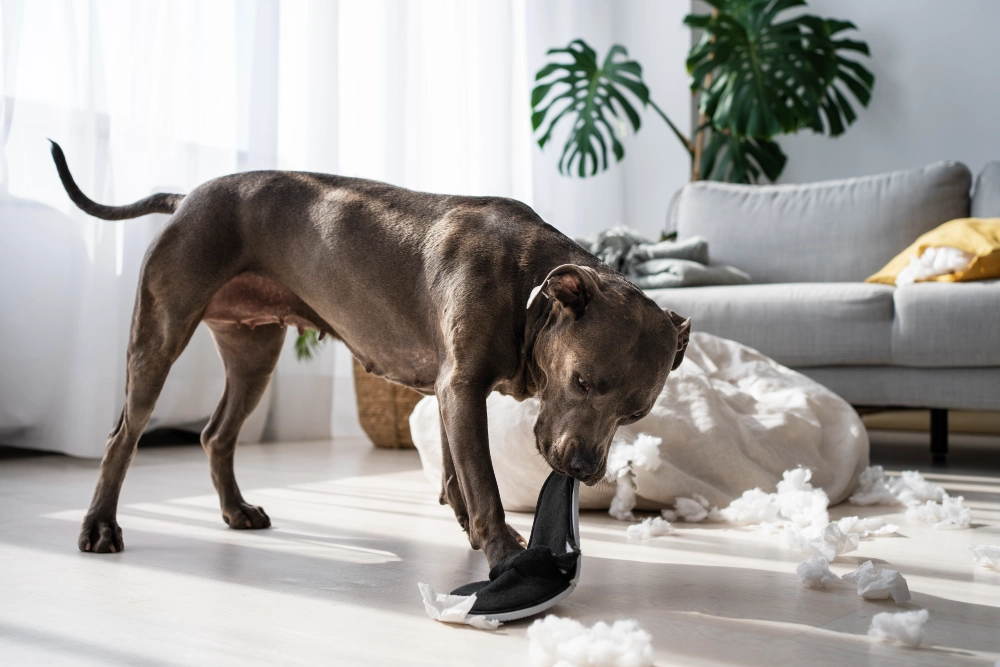
Here’s one of the biggest dog training mistakes: thinking you’re done after a few classes. The stats show it: 73% of dog owners use some training method, but only 8% take dogs to obedience class. About 45.5% train themselves. Most stop too early.
Dogs Don’t Generalize Like Humans
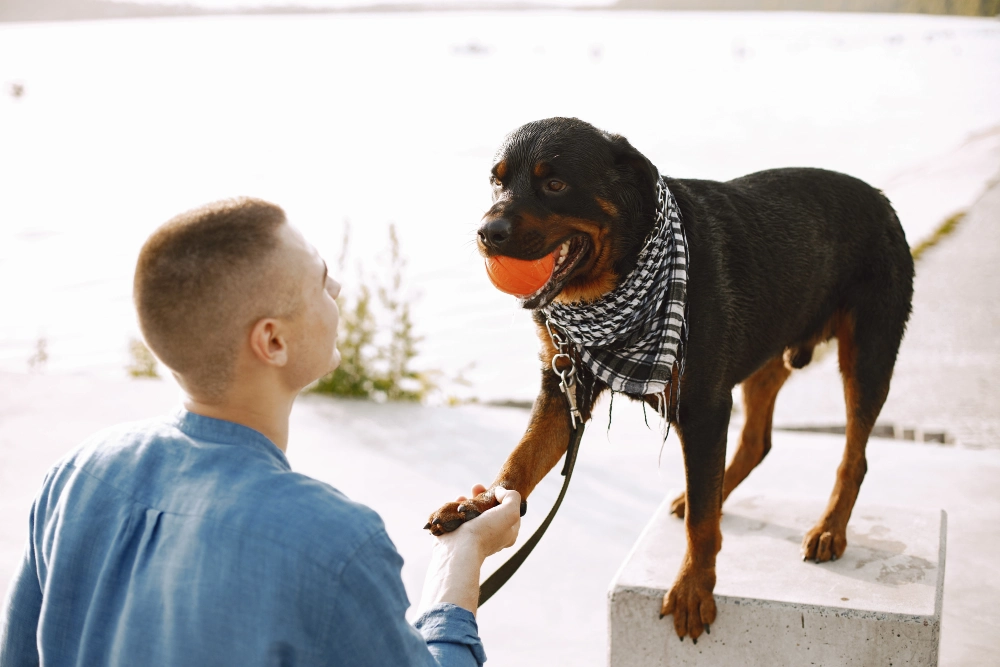
Does your dog sit perfectly in the kitchen? That doesn’t mean they understand “sit” at the park. Dogs don’t think like we do. Teaching a command in one room doesn’t transfer everywhere else automatically.
Introduction vs. Mastery
Dogs can learn over 165 words, but only with consistent repetition in different places. Real dog obedience training means practicing in 10+ locations. That’s how to get a dog to listen anywhere, not just at home.
Mistake #1 — You’re Bribing, Not Rewarding
The Critical Difference
Your dog won’t listen without treats? You’re probably bribing, not rewarding. Bribes come BEFORE the behavior, you wave the treat, then ask for “sit.” Rewards come AFTER. Dogs trained with reward-based training are more optimistic and better behaved.
Breaking the Bribe Habit
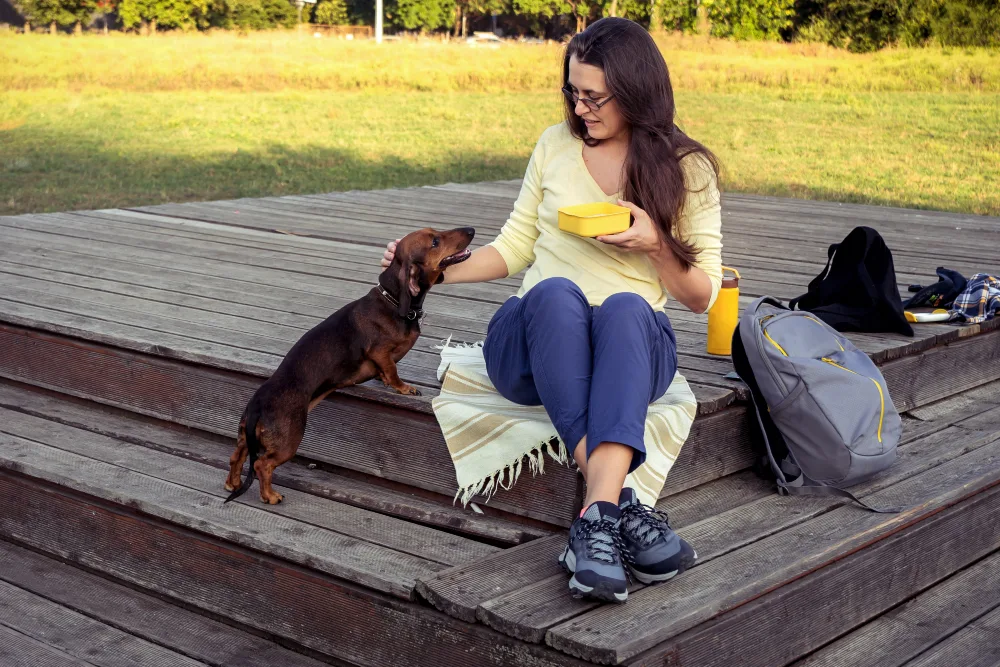
Does your dog only sit when you pull out the treat bag? Time to change. Hide treats in your pocket. Say the command once. When your dog sits, then reward.
The Slot Machine Effect
Here’s a key dog training tip: random rewards work better than constant ones. The unpredictability creates stronger behaviors. Your dog never knows which “sit” will pay off, so they try harder every time.
Mistake #2 — You Repeat Commands Over and Over

You’re Training Your Dog to Ignore You
“Sit…sit…SIT!” Sound familiar? When your dog won’t listen to commands, this is often why. You’re teaching that “sit sit sit” is the actual command. Dogs learn they don’t have to respond until the 5th or 6th repetition.
The Background Noise Problem
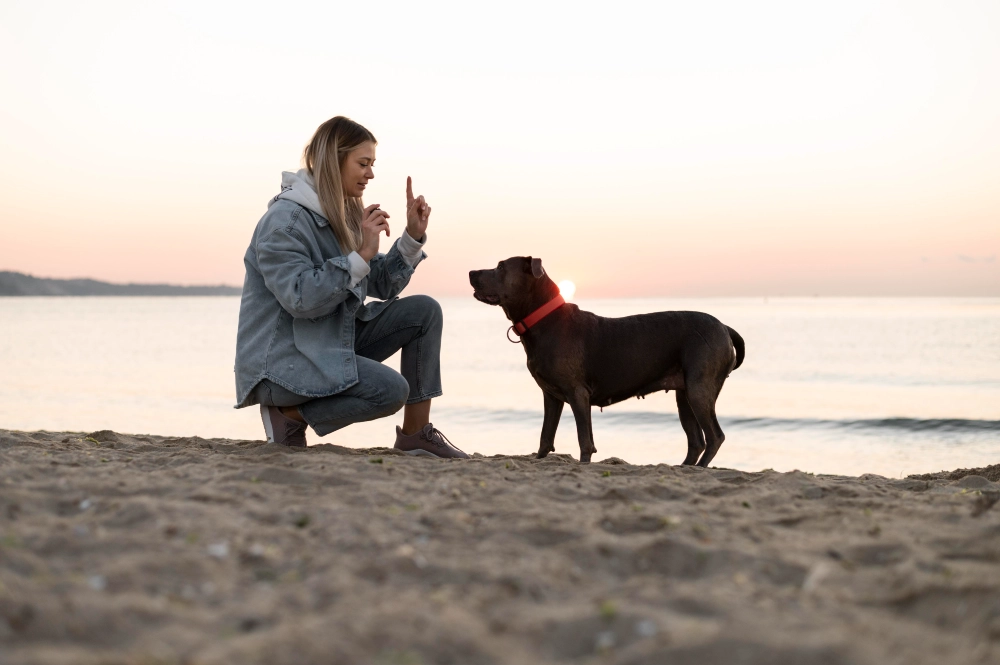
Think about city sirens. Your brain tunes them out because they have no consequence for you. The same thing happens when you repeat commands. The words become background noise. This is most common with “come” and “no.”
Say It Once
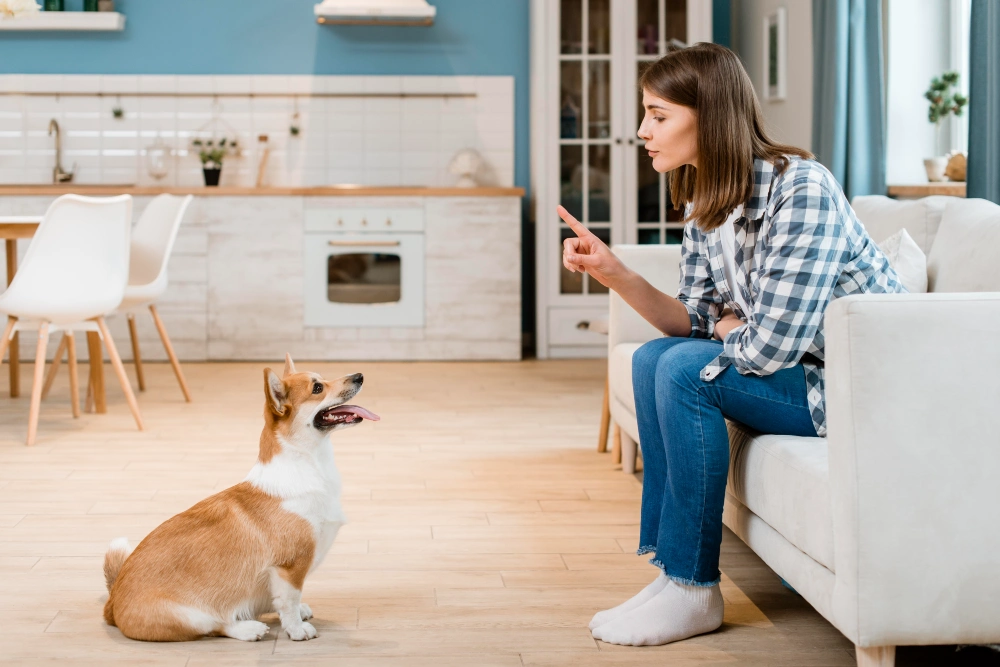
Professional trainers get immediate responses because they say commands once. That’s it. If your dog is ignoring commands, stop repeating yourself. Say it once, then wait or help your dog succeed.
Mistake #3 — You Haven’t Trained in Different Environments

Kitchen Success Doesn’t Equal Park Success
Your dog sits perfectly at home, but your dog won’t listen in the park? That’s normal. Dogs don’t automatically transfer skills. A dog who “knows” sit in the kitchen might freeze at the vet or ignore you at the dog park.
The Right Progression

Here’s how to get a dog to listen outside: start small. Train in the quiet house first. Then your yard. Then the front yard. Then an empty park. Finally, a busy park. Dogs need practice in 5-10+ different locations before they truly understand a command.
Proofing Takes Time
Add distractions gradually. Dog training in different locations is called “proofing.” It’s not optional, it’s required for real-world obedience.
Mistake #4 — Your Timing Is Off
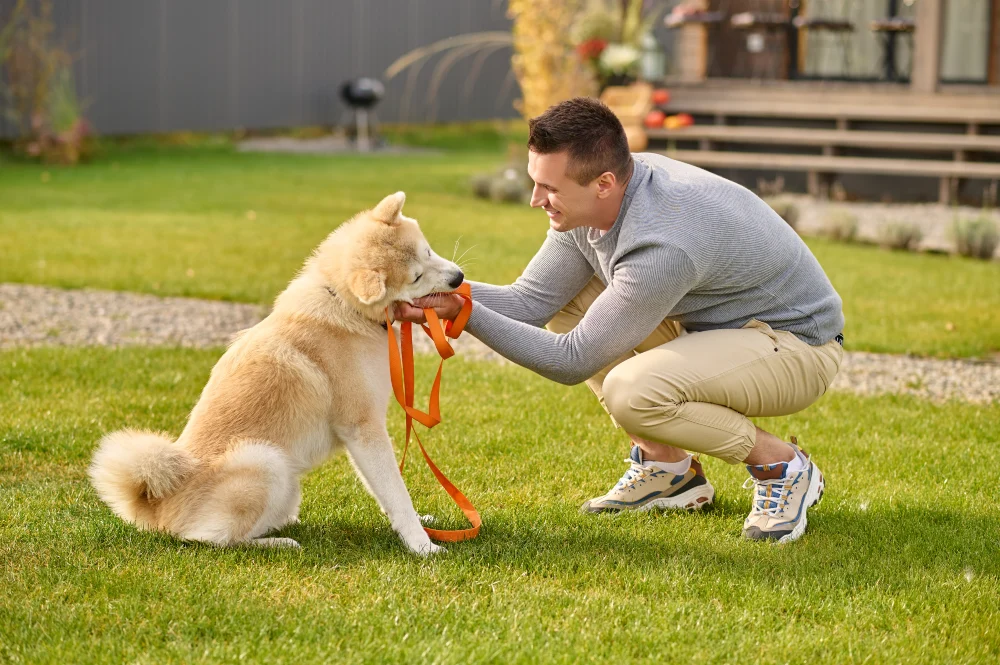
The 2-Second Rule
Dogs live in the moment. For effective dog training, you have about 2 seconds to reward behavior. Any later and your dog gets confused about what earned the treat. Your dog sits, then jumps up before you deliver the treat? You just rewarded jumping, not sitting.
Bridge the Gap
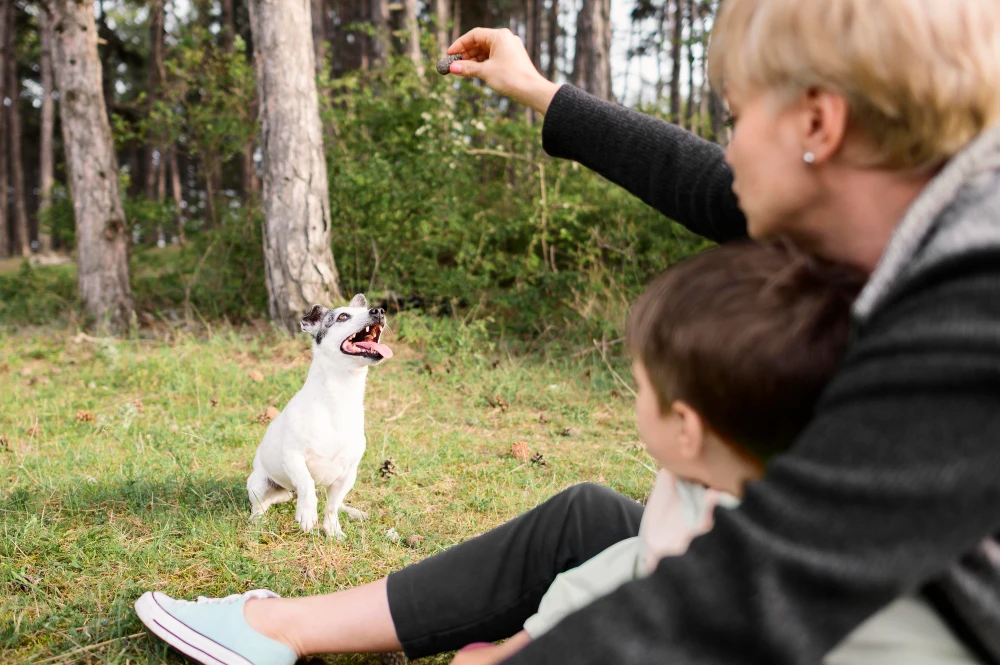
Use a marker word like “yes” or a clicker. This tells your dog “that’s it!” instantly. Dog training timing matters more than most people realize. Research confirms that immediate feedback creates faster learning.
Scolding Doesn’t Work After the Fact
When you scold minutes later, your dog has no idea why. How to reward a dog correctly: mark the behavior immediately, then deliver the treat within seconds.
Mistake #5 — You’ve “Poisoned” Your Cues
What Are Poisoned Cues?
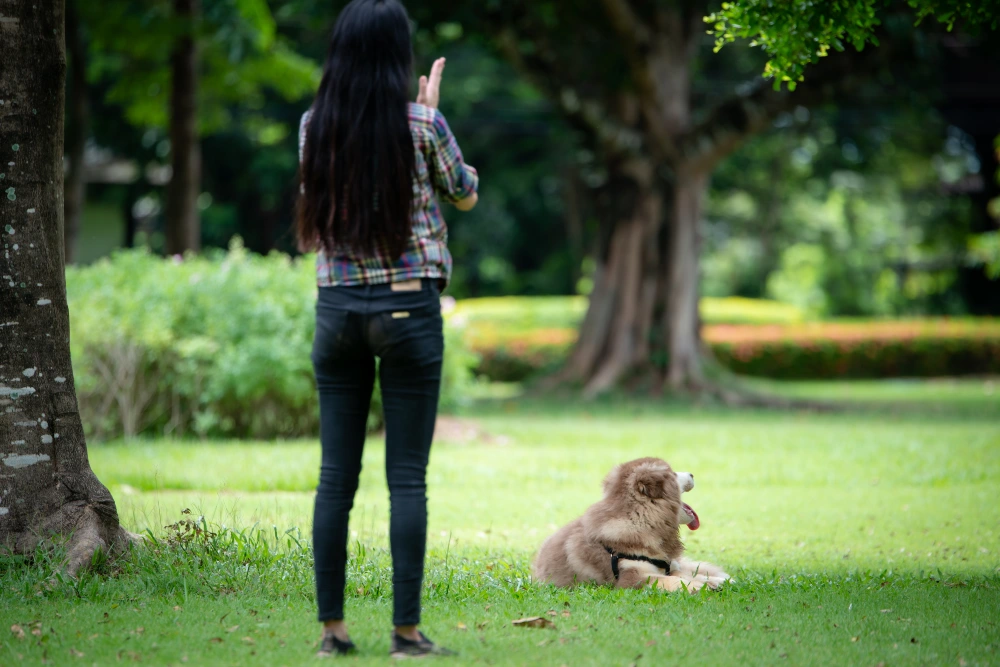
Your dog won’t come when called at the park? You might have poisoned the cue. This happens when “come” always means something bad: bath time, going in the crate, or leaving the dog park. Your dog learns that obeying equals a fun ending.
Common Recall Training Problems
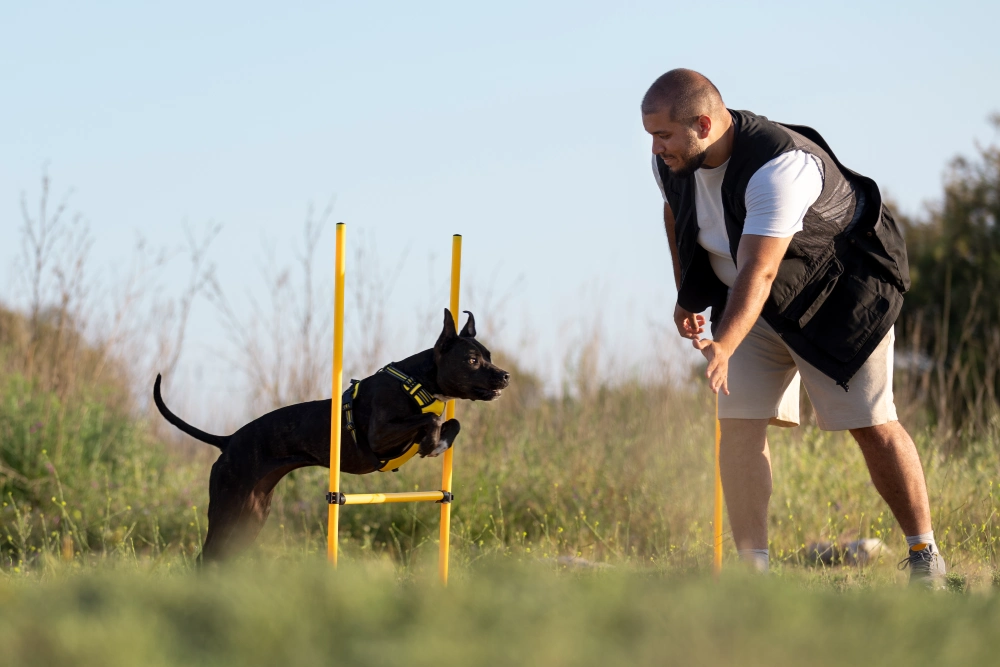
Dogs avoid behaviors that predict punishment or loss of good things. The most common poisoned cues are “come,” “crate,” and “car.” Why a dog avoids commands usually traces back to negative associations.
The Fix
You can’t unpoison a cue. You must start over with a new word. Pick a fresh command like “here” and pair it only with positive experiences. No exceptions.
Mistake #6 — You’re Not Motivating Enough
All Rewards Are Not Equal
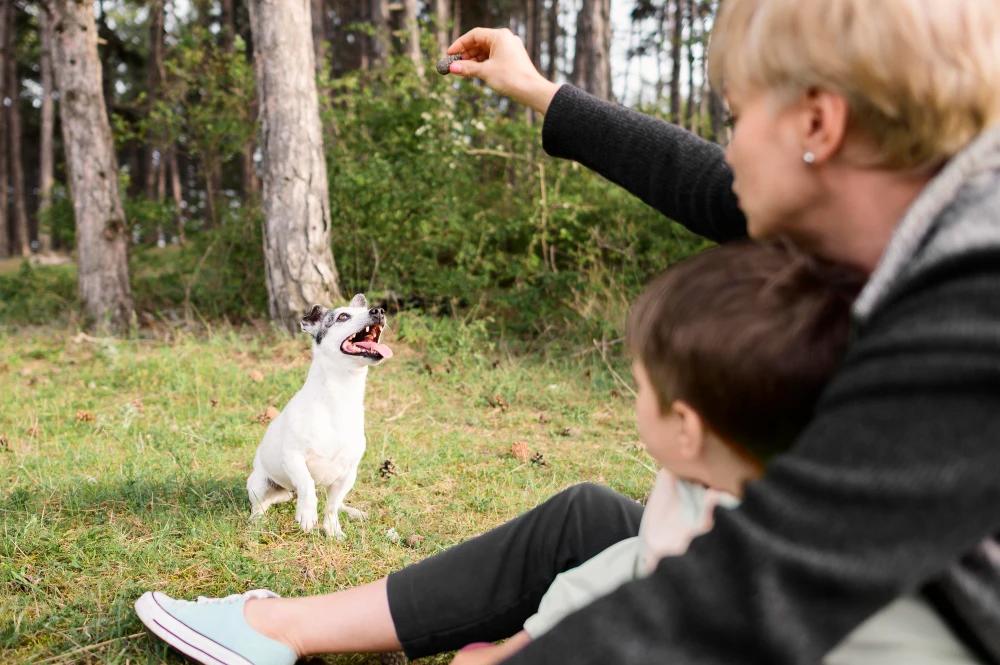
Kibble doesn’t compete with squirrels. That’s the problem. Research shows that petting is less effective than food for most dogs. The best dog training treats are whatever YOUR dog values most, not what you think they should want.
Build a Reward Hierarchy
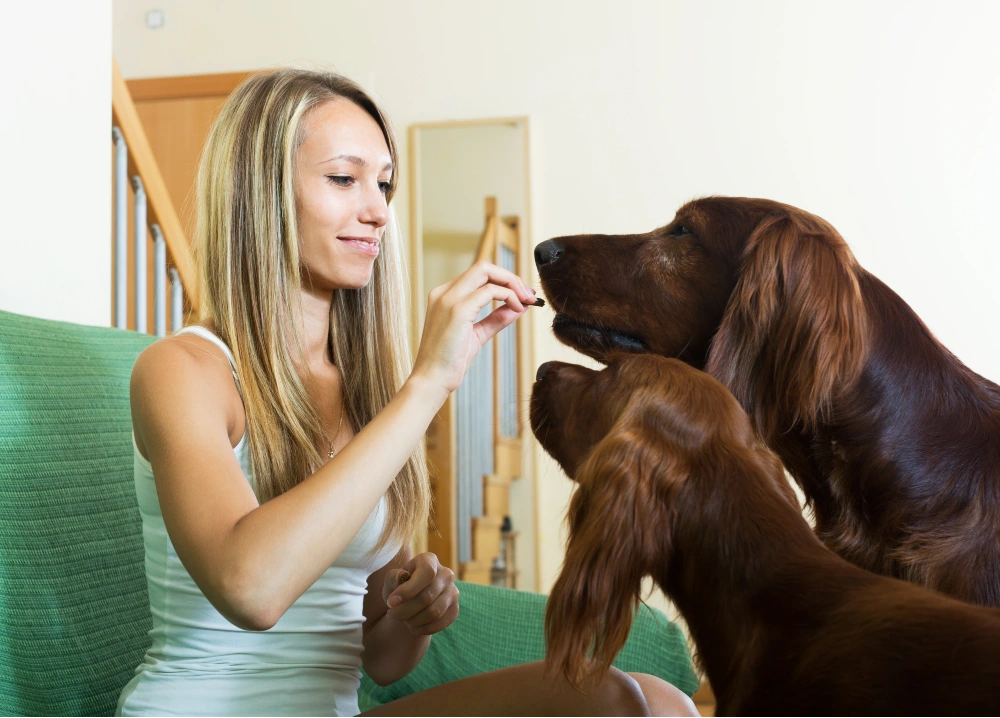
List what your dog loves: chicken, cheese, plain kibble, toys. High-value rewards dogs work for should be saved for difficult tasks like recall around distractions. Use low-value treats for behaviors they’ve mastered.
Don’t Forget Life Rewards
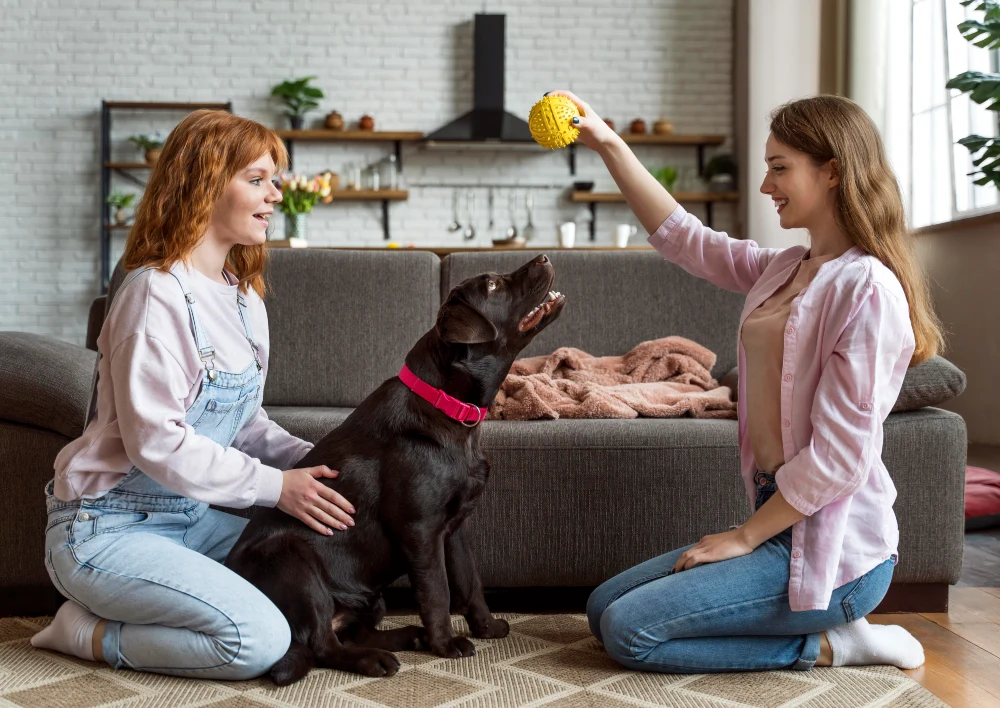
Motivating your dog isn’t just about food. Sniff time, walks, and play are powerful rewards too. The reward must be good from your dog’s perspective, not yours.
Mistake #7 — You Train When You’re Frustrated
Your Mood Matters
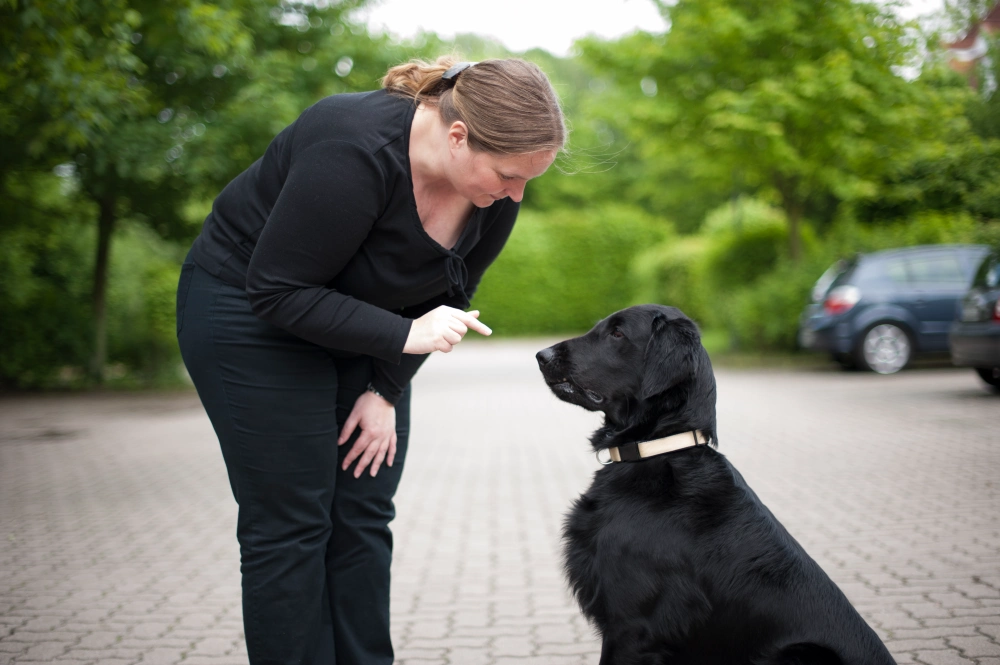
Dogs can read human emotions and body language better than you think. Training when frustrated kills progress. Your tension shows in your tone, your movements, and your impatience. Dogs shut down when they sense anger.
Bad Sessions Create Bad Associations

Positive dog training means checking your emotional state first. Had a terrible day at work? That’s not the time to work on difficult commands. Bad training sessions create negative associations with learning itself.
Know When to Stop
If you feel frustration building, stop. Play fetch instead. Take a walk. Come back to training when you’re calm. Your dog learns better when you’re both relaxed and having fun.
How to Actually Get Your Dog to Listen
The Right Way Forward
Here’s how to get a dog to listen: start fresh. Follow proper dog training progression: teach the behavior, practice it, proof it in different settings, then generalize across 10+ locations.
Say commands once. Use proper rewards and timing. Keep sessions short; dogs have attention spans of 10-15 minutes. End on success, not frustration.
Get Help If You Need It
The pet training market hit $3.83 billion in 2021 and is projected to reach $6.84 billion by 2031. Virtual training options are popular, and effective dog training methods are more accessible than ever. Consider videoing your sessions; 63% of trainers don’t, missing valuable learning opportunities.
Consistency beats perfection every time.