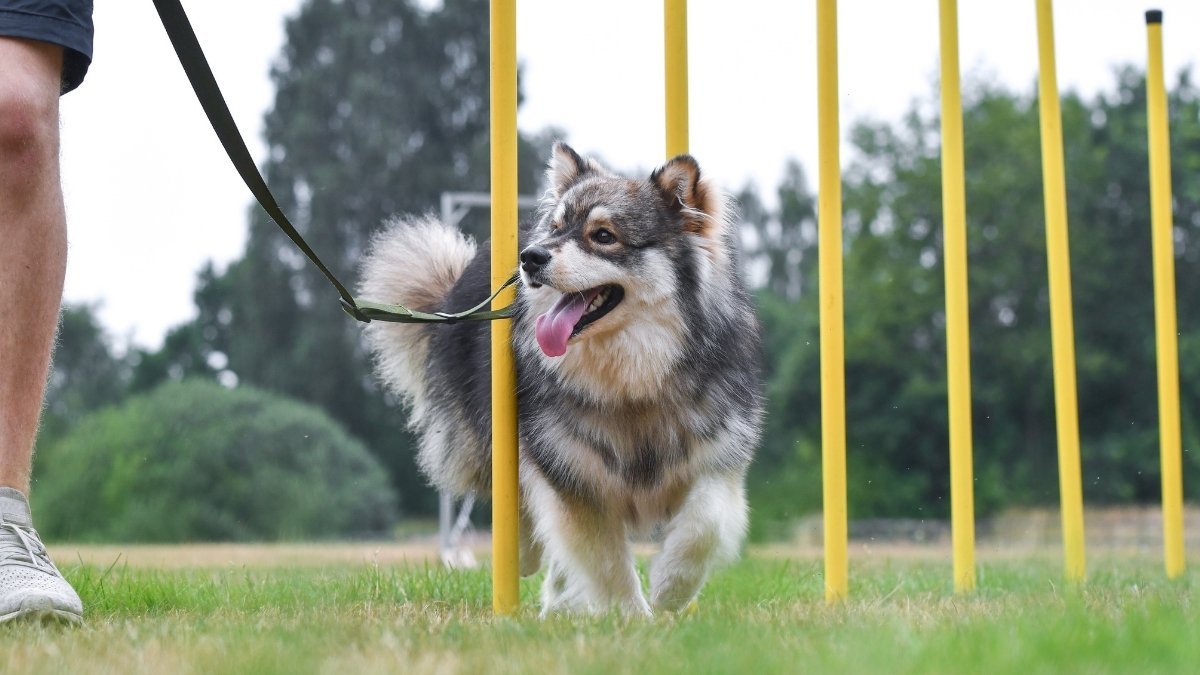
Does the sight of a shredded cushion or the sound of restless pacing feel all too familiar? These are common signs of a “bored dog,” which is really an under-stimulated dog.
This lack of engagement is a primary driver of destructive behaviors; in fact, approximately 80% of dog owners report an increase in destructive activity when their pets lack mental stimulation. The solution is expert-backed “canine mental stimulation.”
This guide will provide 7 simple enrichment tricks that are practical, 2025-ready strategies to build a happier, better-behaved, and healthier companion who may even live up to 15% longer.
The Canine Boredom Crisis: A Behavioral Epidemic
The ‘Sniffari’ vs. ‘Structured Walk’
The Critical Dichotomy Every Dog Owner Needs to Know
Sniffari
(Decompression Walk)- Primary Goal: Sensory & Mental Enrichment
- Who Leads? Dog
- Leash: 12-15 ft. Long Line
- Mental Focus: Environmental (Sniffing)
- Primary Benefit: Reduces anxiety, builds confidence
Structured Walk
(Training Walk)- Primary Goal: Impulse Control & Handler Focus
- Who Leads? Handler
- Leash: 4-6 ft. Standard Leash
- Mental Focus: Handler (Eye Contact)
- Primary Benefit: Builds obedience, reinforces manners
The Expert Solution: Balance Both!
Only doing “heel” walks is like taking your dog to an amusement park and forcing them to stare at you. The solution is to balance both, often in the same outing.
Use different gear to signal the “job”: a short leash for “heel” and a long line for “go sniff.”
This state of under-stimulation is often misinterpreted by owners. There is a common assumption that a “bored” dog is a dog that is not active enough. However, observational data on free-ranging and kenneled dogs challenges this.
Studies of stray dogs indicate they spend approximately 50% of the day resting or sleeping. This figure increases dramatically in controlled environments, with sled dogs housed outside resting 80% of the day, and laboratory-housed dogs resting 75% of the 24-hour cycle.
Deconstructing “Boredom”: A Problem of Definition

The term “boredom” in companion dogs is often a layperson’s descriptor for a state of chronic under-stimulation. From a behavioral science perspective, this “boredom” is a vacuum created by a lack of species-specific behavioral outlets.
Domestic dogs, having been bred for millennia to perform specific tasks—hunting, herding, tracking, guarding—retain the innate cognitive and physical drives for those jobs. In a modern home environment where their primary “job” is companionship, these drives (e.g., to forage, chase, sniff, shred, problem-solve) go unfulfilled.
This evidence suggests that the core problem is not a lack of activity, but a lack of meaningful, cognitive, and sensory activity during the dog’s active hours. A dog can be physically exhausted from a long, monotonous walk at a “heel” and still be “bored” or, more accurately, psychologically unfulfilled.
The seven enrichment strategies analyzed in this report are not “time fillers” designed to reduce a dog’s natural state of rest; they are “need fulfillers” designed to make the dog’s active periods profoundly engaging, cognitively taxing, and behaviorally satisfying.
The Behavioral Fallout: The “80%” Statistic

The behavioral consequences of chronic under-stimulation are severe and widespread. The provided data reveals a recurring and alarming figure: approximately 80% of domestic dogs are affected by this enrichment deficit. This “80% statistic” manifests in three distinct but interconnected data points that illustrate the full scope of the problem—and its solution.
First, the “80%” figure represents the symptom of the problem. Multiple sources indicate the high prevalence of behavioral issues. One report states that over 80% of dogs kept in homes exhibit behavioral problems. This is not a niche issue; it is the norm.
Another survey of dogs visiting a veterinary clinic for reasons other than behavior found that 82.0% of these “normal” dogs exhibited behavioral problems, with the most common being destructive behavior, barking, and aggression. These are the classic, owner-reported signs of a “bored” dog.
Third, and most importantly, the “80%” figure also points to the solution. Just as 80% of dogs display problems, studies have shown that approximately 80% of dogs show improved behavior when trained using positive reinforcement methods.
The Science of Enrichment: A Holistic Framework for Canine Well-Being
When an owner is concerned that a food puzzle toy might be “frustrating” for their dog, they are missing this fundamental point. The challenge is the reward.
The process of sniffing, pawing, licking, and thinking to extract food provides positive sensory and cognitive experiences. It empowers the dog, satisfies this innate “Eureka!” drive, and turns a 15-second “inhaling” session into a 15-minute cognitive workout.
This simple shift in feeding strategy is one of the most powerful tools for preventing behavioral problems.
The “Eureka!” Effect: The Neurobiology of “Working”
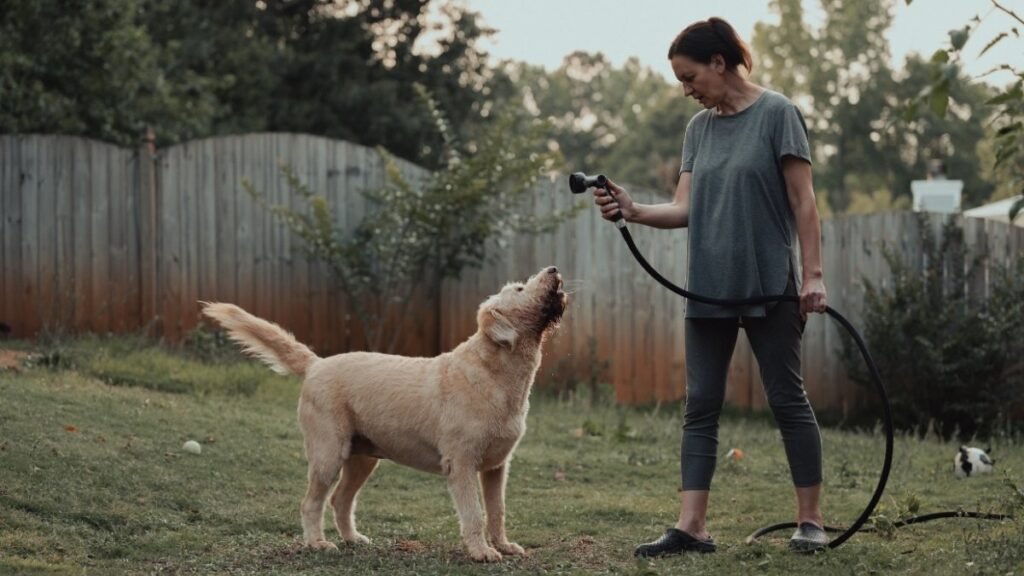
The seven enrichment strategies analyzed are not just about delivering food or exercise; they are about engaging the canine brain in a process. The effectiveness of these tools—particularly puzzle feeders, snuffle mats, busy boxes, ‘find it’ games, and trick training—is rooted in a core behavioral principle known as “contra-freeloading.”
Research has identified a “Eureka!” effect in dogs, finding that they prefer to work for their food or other rewards rather than receive them “for free”.
This concept is critical. A dog who receives its entire caloric intake from a bowl, a process that may take as little as 10-15 seconds, has its physical hunger met, but its psychological need to forage, hunt, and problem-solve remains completely unfulfilled.
This psychological deficit can lead directly to the behavioral issues—destruction, anxiety, hyperactivity—that 80% of owners report.
The Longevity Hypothesis: The “15% Longer Life”

The benefits of enrichment extend beyond behavior and into long-term physical health, specifically longevity. However, the data surrounding this claim requires careful synthesis. The research presents two seemingly separate findings, both linked to a “15%” longer lifespan.
On one hand, a survey highlighted that dogs provided with ample mental stimulation live, on average, 15% longer than those without it. Another study noted that active dogs can live 10 to 15% longer than sedentary ones. This suggests a direct link between cognitive and physical activity and lifespan.
On the other hand, a separate, landmark dietary study found that lean-fed dogs—those maintained at a lean body condition throughout their lives—lived an average of 1.8 years longer, which translates to approximately a 15% longer lifespan for many breeds. These dogs also had a significantly later onset of chronic conditions.
These are not two independent 15% increases. The evidence strongly indicates that these variables are confounded and that enrichment is a primary behavioral pathway to achieving the physiological state of a lean body condition.
The connection is made explicit in the research. One source notes, “A stimulated mind can positively impact… overall well-being. Dogs who have healthy mental frames of mind are less depressed and less likely to become lethargic and overweight as a result”. The 80% of dogs lacking mental stimulation are at high risk for the lethargy and depression that lead to obesity.
Analysis of Olfactory Enrichment Strategies (The “Nose” Trio)
When a dog sniffs, it is not just smelling; it is actively engaging its brain to interpret a complex world of scent information. This intense mental work has significant behavioral benefits. Scent-based activities are proven to reduce stress and anxiety.
They can decrease a dog’s heart rate, release endorphins, and act as a natural mood elevator. This form of work provides a natural outlet for innate foraging and hunting behaviors , leading to a calmer, more satisfied, and cognitively-exhausted dog in a way that purely physical exercise often fails to achieve.
The Power of the Canine Nose: The “20-Minute” Maxim

The dog’s primary sense for interpreting the world is its nose. Their olfactory capabilities are estimated to be 10,000 to 100,000 times more acute than a human’s. This sensory processing power has profound implications for enrichment.
A powerful maxim, cited by numerous experts and product manufacturers, encapsulates this: “20 minutes of sniffing provides the equivalent enrichment of a 1-hour walk”.
It is critical to understand that this is a metaphor for cognitive load, not a literal equation of caloric expenditure. A 1-hour structured walk or run primarily builds physical stamina. A 20-minute sniffing session—whether with a snuffle mat, a ‘Find It’ game, or a ‘Sniffari’—is a neurologic workout that can be far more tiring for the brain.
Strategy 1: The Snuffle Mat (Controlled Foraging)
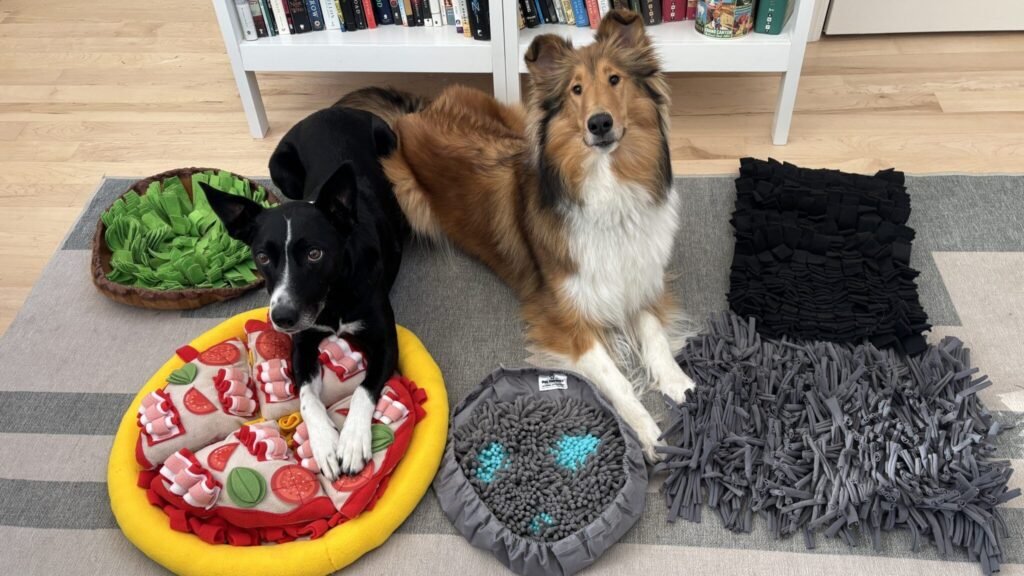
A snuffle mat is a tool designed to engage a dog’s natural foraging instincts in a controlled, indoor setting. It is, in effect, a “stay-at-home sniffari”. By hiding food within its fabric strips, it encourages the dog to use its nose to hunt for every piece of kibble.
How to Use (Progressive Difficulty):
Beginner Introduction: For a dog new to the concept, the initial goal is to build a positive association and prevent the dog from simply flipping or chewing the mat. Owners should start by placing 3-5 very high-value, aromatic treats loosely on the top of the fleece. The owner must stay with the dog.
Intermediate Use: Once the dog understands the “game,” the owner can transition to using a portion (or all) of the dog’s regular kibble meal. The food should be pushed deep into the folds of the fabric, requiring the dog to work for every piece.
Advanced Use (Obedience): The snuffle mat session can be integrated with obedience training to build self-control. The owner can ask the dog to ‘sit’ and ‘stay’ while they prepare the mat in front of them. The dog must then wait for a release command, such as ‘okay’, before being allowed to start sniffing.
Expert Level: For dogs that become too efficient at dry kibble, the challenge can be increased by soaking the kibble in water, mashing it, or using wet food, spreading it on the mat, and then freezing it. This transforms a 5-minute activity into a 20-30 minute one.
The primary benefit of the snuffle mat is its calming effect. The act of sniffing actively calms the dog and redirects excess energy into a focused, productive activity.
Strategy 2: The ‘Find It’ Game (Targeted Scenting)
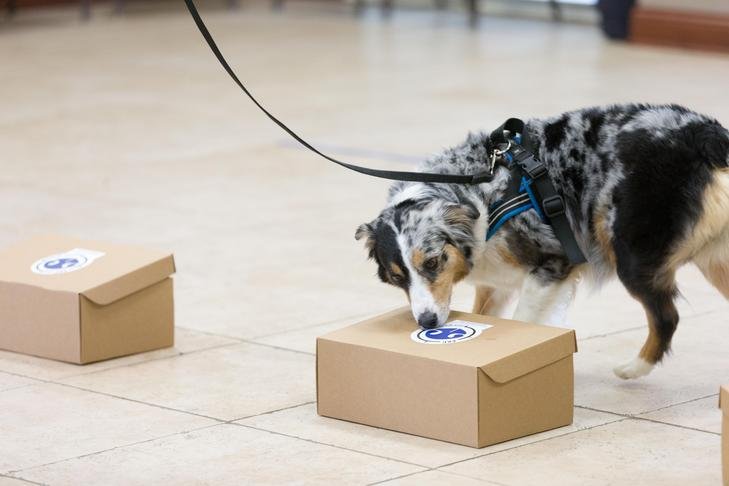
The ‘Find It’ game represents a cognitive progression from the random foraging of a snuffle mat to a targeted scent-based search. It engages problem-solving skills and builds a collaborative working relationship between the dog and owner.
How to Use (Progressive Difficulty):
Beginner (Teaching the Cue): The game starts by teaching the ‘find it’ cue. The owner should show the dog a piece of food or a treat, say “Find it!” in an encouraging tone, and then toss the treat across the floor. When the dog finds the food, the owner should immediately praise them with a clear marker word like “Yes!” to confirm they completed the desired action.
Intermediate (Simple Hiding): Once the dog understands the cue, the owner can ask for a ‘sit/stay’ (or have someone gently hold the dog). The owner should then hide the treat in plain sight, such as just behind a chair leg, and give the “Find it!” cue.
Advanced (Object-Based): The game can be transitioned from food to objects. The owner can teach the dog the names of specific toys. Using the ‘find it’ cue, the owner can ask the dog to find a specific toy hidden among other toys.
Expert (Nosework): This game is the foundation for the formal sport of Nosework. Owners can progress to teaching the dog to find a specific, non-food odor (like birch, anise, or clove essential oil). This involves putting a drop of the oil on a q-tip, placing it in a cardboard box, and rewarding the dog heavily for investigating the “hot” box among several “blank” boxes.
The most significant benefit of scent games like ‘Find It’ is the profound impact on a dog’s confidence. Scent work is inherently non-judgmental; the dog, with its superior nose, is the “expert” in the game.
This creates a sense of accomplishment. This activity is exceptionally beneficial for shy, anxious, or rescue dogs, as it allows them to succeed in a pressure-free environment and builds their self-esteem.
Strategy 3: The ‘Sniffari’ (Sensory Decompression)
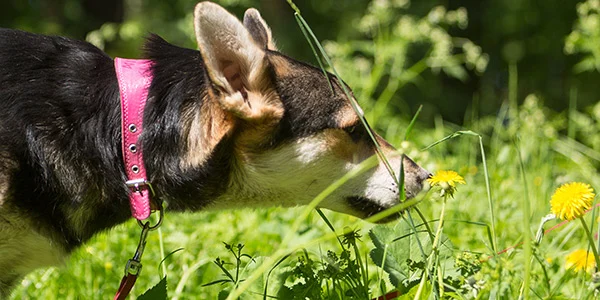
A “sniffari” is a specific type of walk defined by its purpose: to allow the dog to lead the way and engage in sensory enrichment. It is a “brain game walk” , where the primary goal is not physical exercise or obedience, but sensory decompression. This mental engagement is often as tiring, or more tiring, than a structured run.
How-To (Equipment and Safety are Critical):
Leash: The correct tool is a 12 to 15-foot fixed-length long leash or “long line”. This gives the dog room to zigzag and investigate scents. Longer leashes (20-30 feet) can be used in open areas but become difficult to manage. Retractable leashes are not recommended as they offer poor control and can be dangerous.
Attachment: This is a critical safety parameter. The long line must always be attached to a properly-fitted body harness. Attaching a 15-foot line to a dog’s collar is extremely dangerous. If the dog runs to the end of the line, the sudden jerk can cause severe tracheal or spinal injury.
Location & Execution: The owner should choose a safe location with good sightlines (parks, trails). The owner’s only job is to be the “anchor” and follow the dog’s nose, letting the dog choose the path and pace.
The Critical Dichotomy: ‘Sniffari’ vs. ‘Structured Walk’
The data reveals a profound and often-misunderstood distinction between two types of walks: the ‘Sniffari’ (a decompression walk) and the ‘Structured Walk’ (a training walk). An owner’s failure to distinguish between these can lead to a dog that is behaviorally unfulfilled.
A ‘Structured Walk’, often defined by the “heel” command, is an obedience task. The dog’s focus is on the handler, maintaining a specific position, and exercising impulse control. This is a mentally tiring task that builds good leash manners and handler focus.
A ‘Sniffari’ is the behavioral opposite. The dog’s focus is on the environment, not the handler. The goal is sensory intake and dog choice, not impulse control. This walk fulfills the dog’s innate need to “see the world through their nose” and decompress.
An owner who only practices structured ‘heel’ walks is, in effect, taking their dog to a sensory amusement park and forcing them to stare at the handler the entire time. This deprives the dog of essential sensory enrichment. Conversely, an owner who only allows ‘Sniffaris’ may struggle with poor leash manners in crowded areas.
The expert solution is to balance both types of walks, often within the same outing. Many trainers recommend using different equipment or cues to signal the “job” to the dog—for example, a short 6-foot leash and “heel” cue for the structured portion, and a 15-foot long line and “go sniff” cue for the ‘Sniffari’ portion.
Analysis of Interactive Feeding & Occupation Strategies (The “Paw & Mouth” Trio)
The 7 Boredom Busters
A Holistic Enrichment Toolkit for Your Dog
Strategy 4: The Puzzle Feeder (Cognitive Feeding)
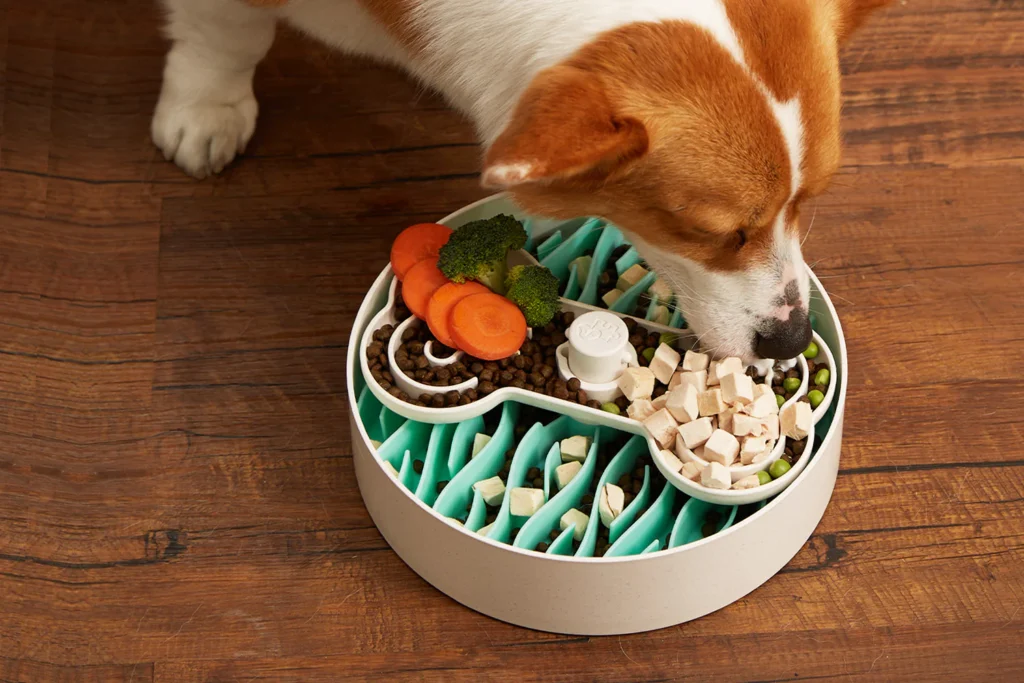
A puzzle feeder, or slow-feeder bowl, is an interactive feeding device that requires a dog to engage in problem-solving behaviors (like pawing, nudging, or licking) to access their food. While it is an excellent tool for alleviating “boredom,” its most critical function is medical. This “trick” should be reframed as an essential, life-saving intervention.
A Medical Intervention: The primary health benefit of a puzzle feeder is the prevention of Gastric Dilatation-Volvulus (GDV), or “bloat”. Bloat is a rapidly progressing and often fatal condition where a dog’s stomach fills with air and twists, cutting off blood flow.
This condition is directly linked to fast eating. When dogs “gobble” their food, they swallow large amounts of air along with their kibble. This air is what leads to the dangerous gastric dilatation. This risk is highest in large, deep-chested breeds (e.g., Great Danes, German Shepherds, Boxers), but it can affect any dog.
Puzzle feeders and slow-feeder bowls are a direct, mechanical intervention. Their ridges, mazes, and compartments create physical barriers that force the dog to eat more slowly. This encourages smaller, more mindful bites, reduces the amount of air swallowed, improves digestion, and significantly lowers the risk of bloat and choking.
Progressive Difficulty: A common owner complaint is that their dog solves a puzzle too quickly or simply flips it over in frustration. This indicates the difficulty is not properly matched to the dog’s skill level. The process, not the object, is the key.
Introduction: An owner should introduce the puzzle feeder without any food in it, allowing the dog to sniff and paw it. They should then add a few high-value treats to build excitement and encourage interaction.
Standard Use: Once the dog understands the mechanism, the owner can use it for the dog’s regular kibble meal.
Expert Level (The Freeze): The most effective way to increase the duration and challenge of any puzzle feeder (like a KONG or Toppl) is to fill it with a soft, moist food and freeze it. Owners can use wet dog food, xylitol-free peanut butter, plain yogurt, or soaked kibble.
A frozen puzzle can extend a 20-second meal into a 20-30 minute occupation, maximizing both the mental enrichment and the medical benefits.
Strategy 5: The Lick Mat (Applied Self-Soothing)
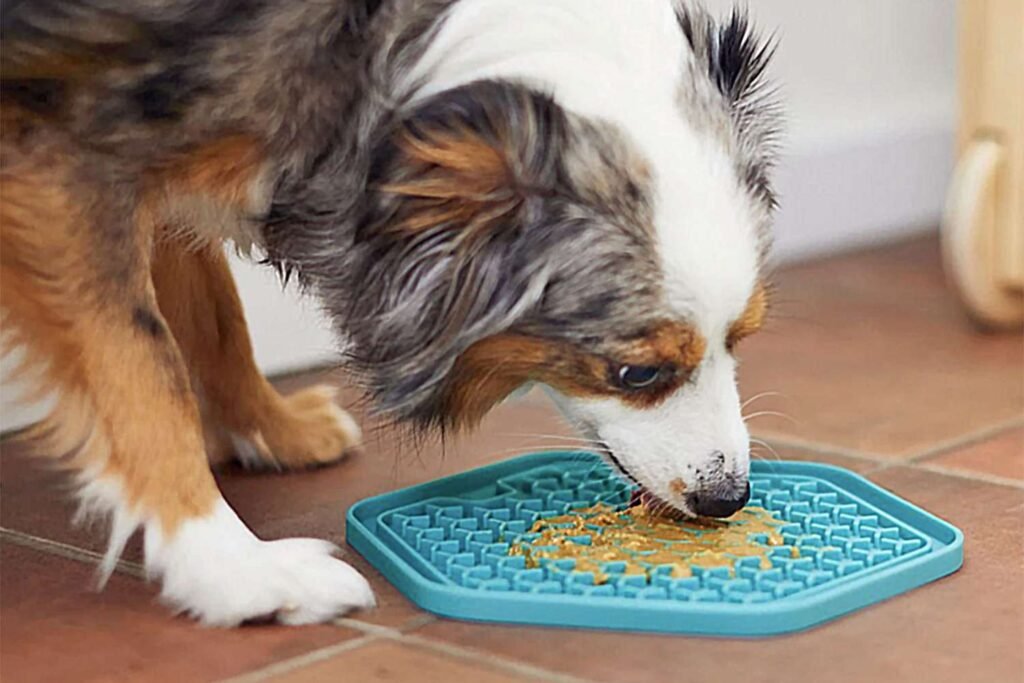
A lick mat is a textured silicone or rubber mat designed to hold spreadable foods. Its behavioral function is to harness an innate canine behavior for therapeutic purposes.
The Science of Licking: Licking is a natural, self-soothing behavior for dogs. The repetitive motion of licking activates the pleasure center of the dog’s brain and stimulates the release of endorphins. These endorphins are the body’s natural opiates, providing a calming, soothing effect and reducing anxiety.
An Anxiety-Reduction Tool: Because of this endorphin-releasing mechanism, the lick mat is not merely a “boredom buster”; it is one of the most effective and accessible anxiety-reduction tools available to an owner. It is best deployed as a tool for desensitization and counter-conditioning (DSCC) during specific, high-stress events.
The research overwhelmingly points to its use in scenarios that typically cause anxiety:
Grooming & Husbandry: Lick mats are ideal for distracting and calming a dog during stressful procedures like nail trimming, brushing, or bathing. Many mats have suction cups to stick to a wall or bathtub.
Environmental Stressors: They are highly effective at managing anxiety during thunderstorms or fireworks.
Situational Stress: They can be used to reduce anxiety during vet visits, car rides, or when the dog is left alone in a crate.
The mat works by creating a positive association with a previously negative stimulus. The dog learns that the sound of thunder or the appearance of the nail clippers predicts the arrival of a delicious, high-value, frozen peanut butter mat.
Over time, this changes the dog’s emotional response from “Oh no, a thunderstorm!” to “Oh boy, a thunderstorm! Where is my mat?” This is a classic, powerful, and easy-to-implement behavioral modification protocol.
Strategy 6: The Busy Box (Sanctioned “Destruction”)
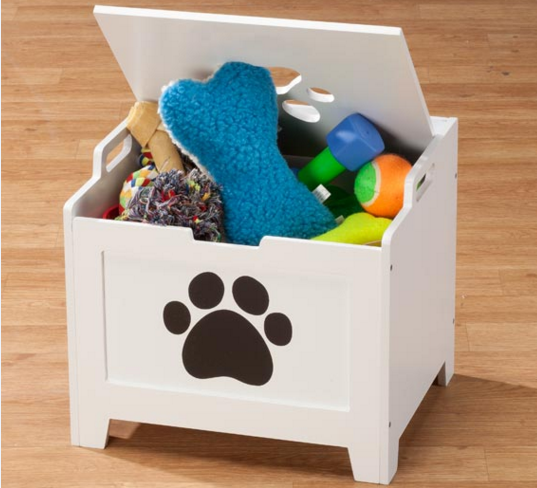
A “Busy Box”—also known as an enrichment box, foraging box, or “destruction box”—is a simple, DIY interactive puzzle created from household items. This “trick” is a profound behavioral intervention because it directly addresses one of the most common symptoms of under-stimulation: destructive behavior.
The “Why”: Reframing Destruction: Many owners view a dog’s destruction (e.g., shredding a sofa cushion, tearing up a shoe) as a “bad behavior” to be punished. A behavioral approach reframes this: the dog has an innate behavioral need to rip, tear, and shred, often as part of a foraging or prey-drive sequence.
The Busy Box provides a safe, sanctioned outlet for this exact behavior. Instead of punishing the dog for destroying the remote control, the owner provides a cardboard box filled with “safe trash” and encourages the dog to destroy it. This reframes destruction from a “problem” to an unmet need that can be easily and productively fulfilled.
How to Build a Busy Box:
Base: Start with a cardboard box appropriately sized for the dog (e.g., a cereal box, a shipping box).
Fillers (“Safe Trash”): Fill the box with a variety of safe, shreddable items. Excellent options include:
- Crumpled newspaper or packing paper
- Empty paper towel or toilet paper tubes (ends can be folded in)
- Empty egg cartons
- Empty yogurt cups or plastic jars (lids removed)
- Old rags or towels
- The dog’s own toys
Reward: Sprinkle the dog’s regular kibble meal or a handful of high-value treats throughout the box, hiding them within the crumpled paper and tubes.
Supervision: This is a critical component. The dog must be supervised to ensure they are shredding the materials, not ingesting large amounts of cardboard or paper, which could cause an obstruction.
Analysis of Relational Enrichment
The collaborative process of learning fosters trust, improves communication, and creates a shared sense of accomplishment. In short, 10-minute, fun, positive trick training sessions make the owner the source of fun and reinforcement.
This strengthens the relationship in a way a solo puzzle toy cannot, turning the owner from a simple caretaker into a playmate and mentor.
Strategy 7: Trick Training (Cognitive Partnership)
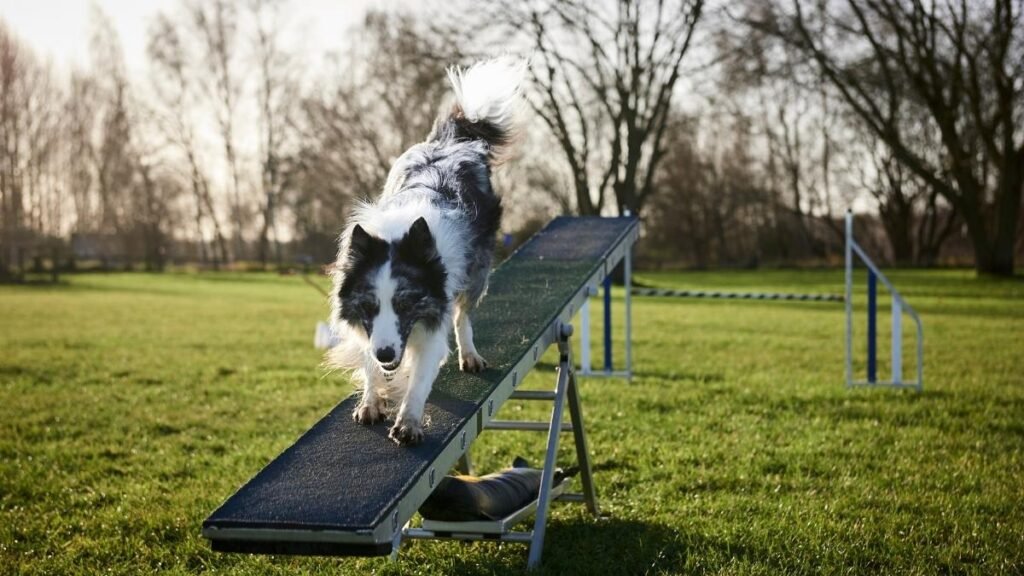
This final strategy is behaviorally distinct from the other six. The first six interventions are “dog-and-object” activities, where the owner acts as a facilitator. Trick training is a “dog-and-handler” activity; it is inherently relational.
Trick training is the use of positive reinforcement—rewarding desired behaviors with treats, praise, or play —to teach a dog novel behaviors (e.g., “shake,” “spin,” “roll over”).
The primary benefit of trick training is not the trick itself, but the process of engagement. This process provides mental stimulation, sharpens the dog’s problem-solving skills, and contributes to cognitive health. It teaches a dog how to learn, which builds their confidence.
Conclusion: Building a Holistic Enrichment “Diet”
The analysis of these seven enrichment strategies reveals that they are not interchangeable. A “bored dog” is not a dog with a single deficiency, but a dog with an unbalanced enrichment diet. Each of the seven “tricks” fulfills a different, distinct, and essential category of innate canine behavior.
An owner cannot simply provide one “trick” and consider the dog’s needs met. For example:
- A dog fed exclusively from a Puzzle Feeder (fulfilling the Cognitive Problem-Solving need) will still be behaviorally unfulfilled if it is never taken on a ‘Sniffari’ (to meet its Sensory Decompression need) or engaged in Trick Training (to meet its Relational need).
- A dog that gets a 1-hour ‘Sniffari’ every day has its Olfactory needs met but may still become destructive if its Destruction/Foraging need is not met with a Busy Box.
- A dog that knows 20 Tricks has a strong Relational bond but may develop acute anxiety during thunderstorms if a Lick Mat is not used as a Self-Soothing tool.
The antidote to canine “boredom” is variety. The seven strategies presented in this report form a perfect, well-rounded toolkit. A truly enriched dog is one that, over the course of a week, gets to engage in all of these activities: foraging, problem-solving, self-soothing, shredding, targeted scenting, relational learning, and sensory decompression.