You laugh when your dog follows you to the bathroom, record videos of their adorable head tilts, and post photos of them sleeping on your shoes. These behaviors seem funny and endearing. They get likes on social media.
But some of these “cute” habits actually tell you your dog is stressed, anxious, or in pain. Most owners miss these signals until the problem gets worse. Your dog can’t tell you when something is wrong. They show you through their actions. And many of those actions look adorable to us. We interpret them through our human lens. We think “How sweet!” when we should think “What’s wrong?”
This guide shows you which behaviors are actually warning signs. You’ll learn what these actions really mean. You’ll discover how to help your dog feel better. And you’ll know exactly when to call a veterinarian. Once you recognize the dog stress signals and anxiety symptoms in dogs, you can take action. Your dog is counting on you to understand what they can’t say.
#1. Why We Miss the Warning Signs
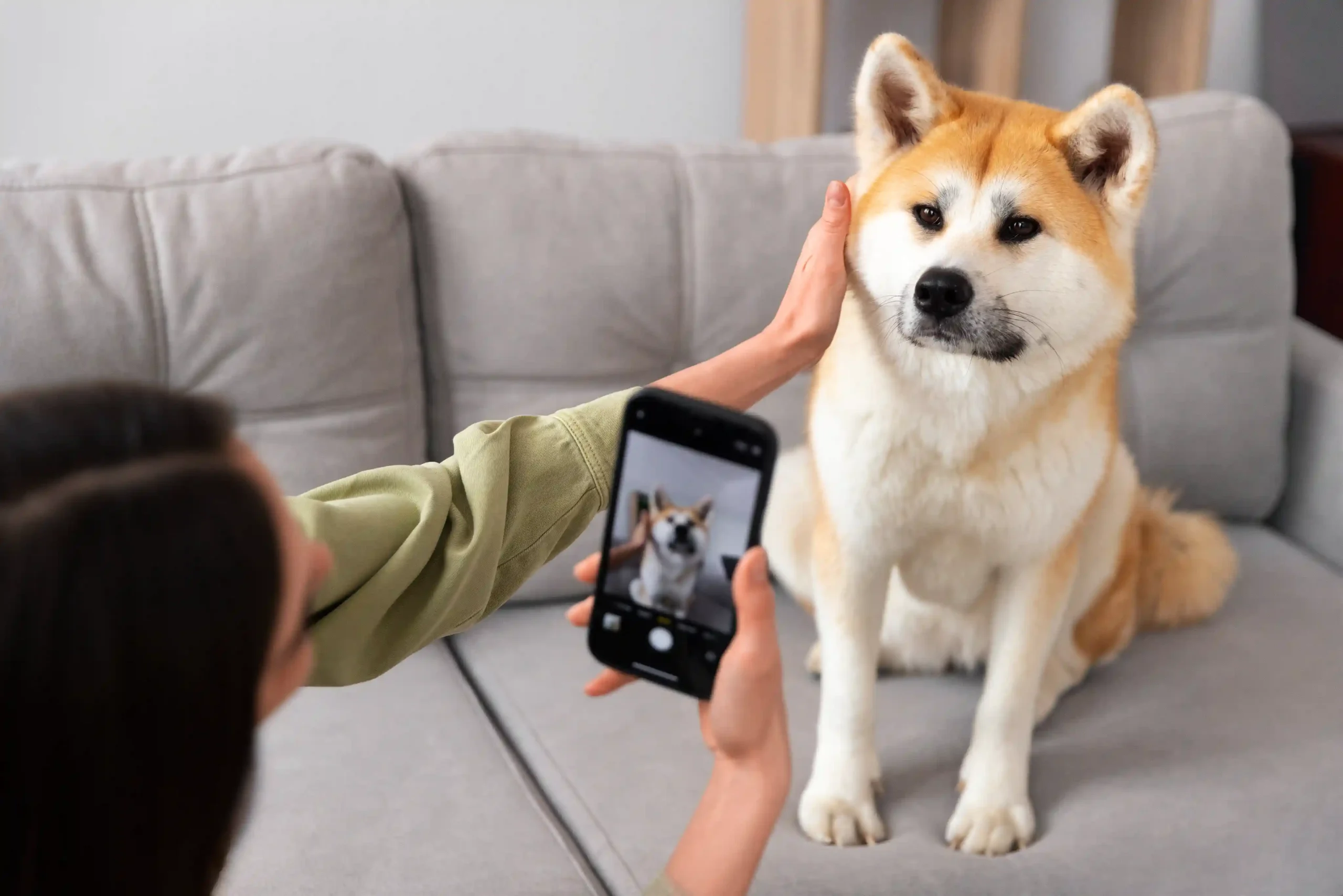
Your dog does something that makes your heart melt. You pull out your phone and capture it. But behind that cute behavior, your dog might be saying “I need help.” We miss these signals all the time. And it’s not your fault.
Dogs can’t talk. They can’t say “I’m scared” or “This hurts” or “I feel anxious when you leave.” They show us through their actions. But we’re not always watching for the right things. We see our dogs through human eyes. When your dog follows you everywhere, you consider “They love me so much!” When they yawn during a car ride, you assume they’re sleepy.
We give these actions human meanings. But dogs aren’t small, furry people. Their body language tells a different story. Social media makes this worse. You see videos of dogs doing the same things. Everyone laughs. Everyone assume it’s normal. So you assume your dog is fine too.
But there’s a problem. Around 20-25% of dogs show fearfulness of new people, dogs, or situations. That’s one in every four or five dogs. Between 14-20% struggle with separation anxiety . These aren’t rare issues. They’re common.
Yet most owners don’t spot the dog anxiety symptoms until the behavior gets extreme. We accidentally reward the wrong behaviors too. Your dog shakes after meeting a stranger. You pet them and say “Good boy!” You just told them their stress signal earned attention. So they keep doing it.
#2. Following You Everywhere (The Velcro Dog)
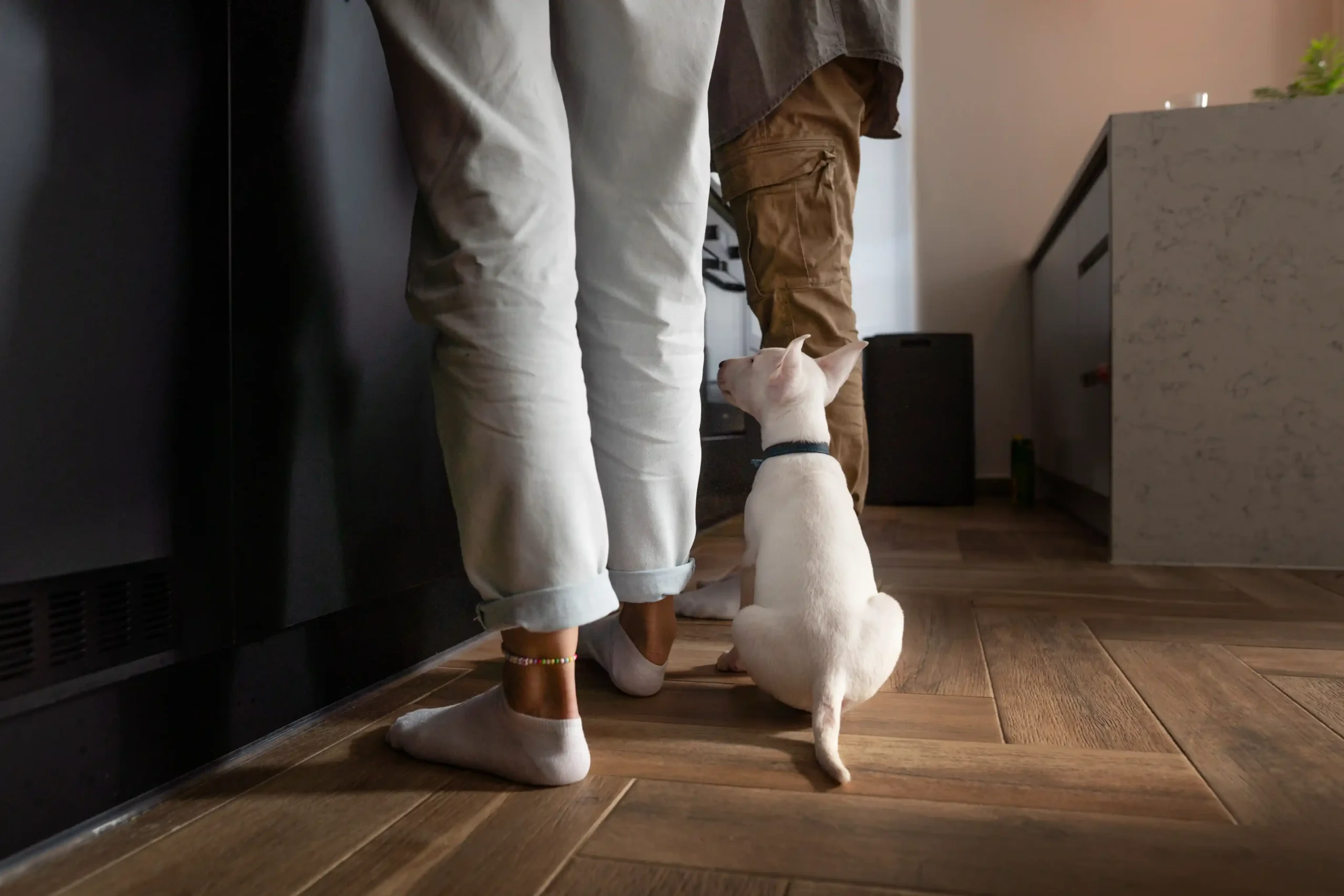
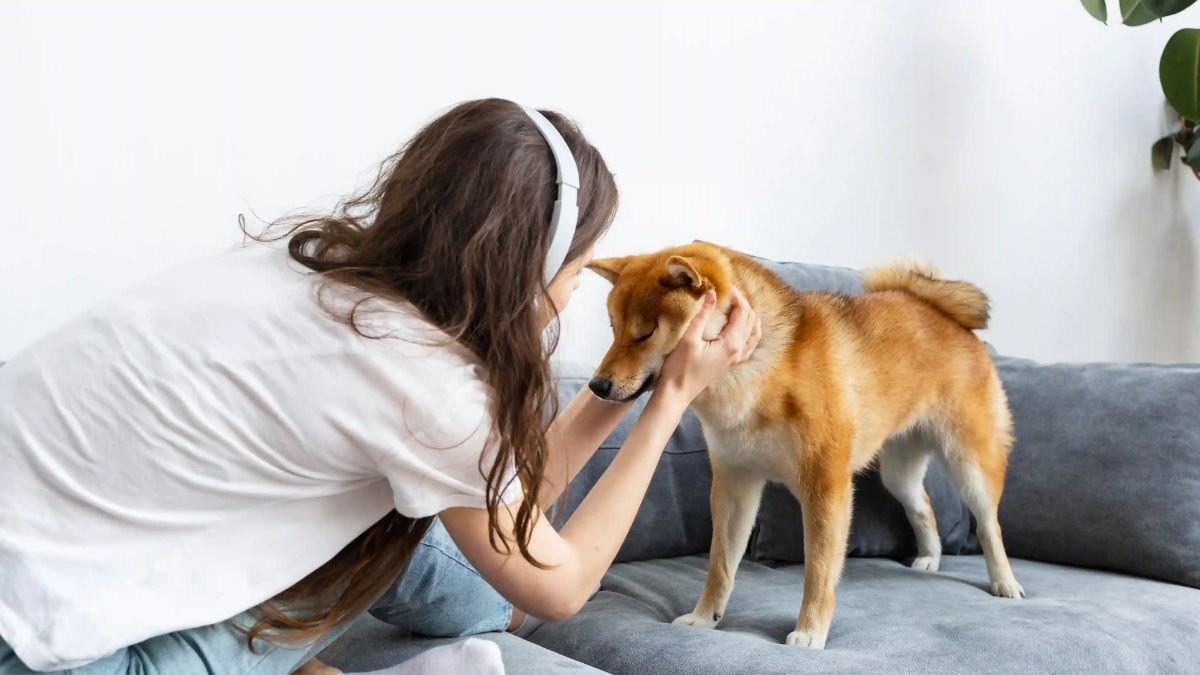
Does your dog follow you from room to room? Even into the bathroom? You probably think it’s sweet. But this behavior might mean more than love.
Dogs are pack animals who naturally desire closeness. Some breeds, like Cavalier King Charles Spaniels, want to be near their people all the time. That’s built into their genes. A dog who likes being in the same room as you? That’s normal velcro dog behavior.
But there’s a line between preference and panic. The difference is what happens when you leave. A healthy Velcro dog quietly waits for their owner to return. They might nap on the couch. They settle in and rest. When you come back, they greet you happily. Everything is fine.
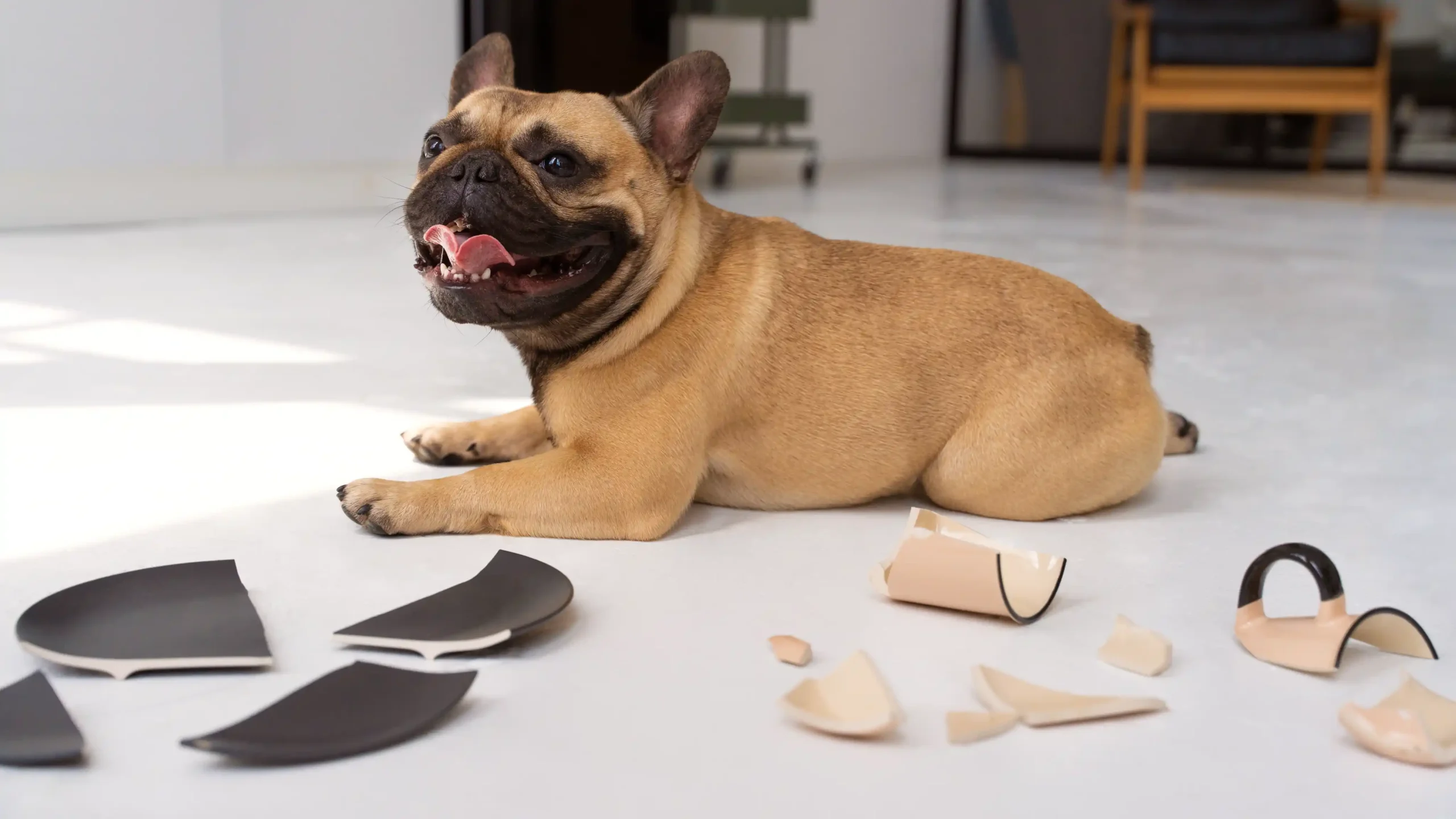
A dog with separation anxiety can’t do that. They may destroy household items or even harm themselves when you’re not in their sight. They can’t calm down. They can’t feel safe. This isn’t about missing you. It’s about genuine fear that you won’t come back.
Pay attention when your dog’s clinginess changes suddenly. If your dog needs to be by your side every minute and it’s out of character, they might not be feeling well. Pain makes dogs seek comfort from their owners. Fear does the same thing.
Household changes trigger this behavior too. New baby making high-pitched noises? Construction workers hammering all day? A rough uncle who talks too loud? Your dog might stick closer because their routine changed. They feel unsettled.
They need reassurance. Many rescue dogs or puppy-mill dogs who finally found their forever home get anxious when asked to leave your side. They don’t know if you’ll come back. Their past taught them that people disappear.
Your dog has a problem if they:
i. Destroy things when you leave (furniture, doors, windows)
ii. Injure themselves trying to escape
iii. Can’t eat or drink when alone
iv. Pant, pace, or whine the entire time you’re gone
v. Follow you so closely they trip you
Get your dog to a vet immediately if:
i. The clinginess started suddenly
ii. Your dog seems painful or uncomfortable
iii. They used to be independent but now won’t leave your side
If your dog can’t be alone without panicking, don’t ignore it. This level of anxiety affects their quality of life.
#3. Constant Yawning and Lip Licking
Your dog yawns. You think they’re tired or bored. But that yawn might be telling you they’re uncomfortable.
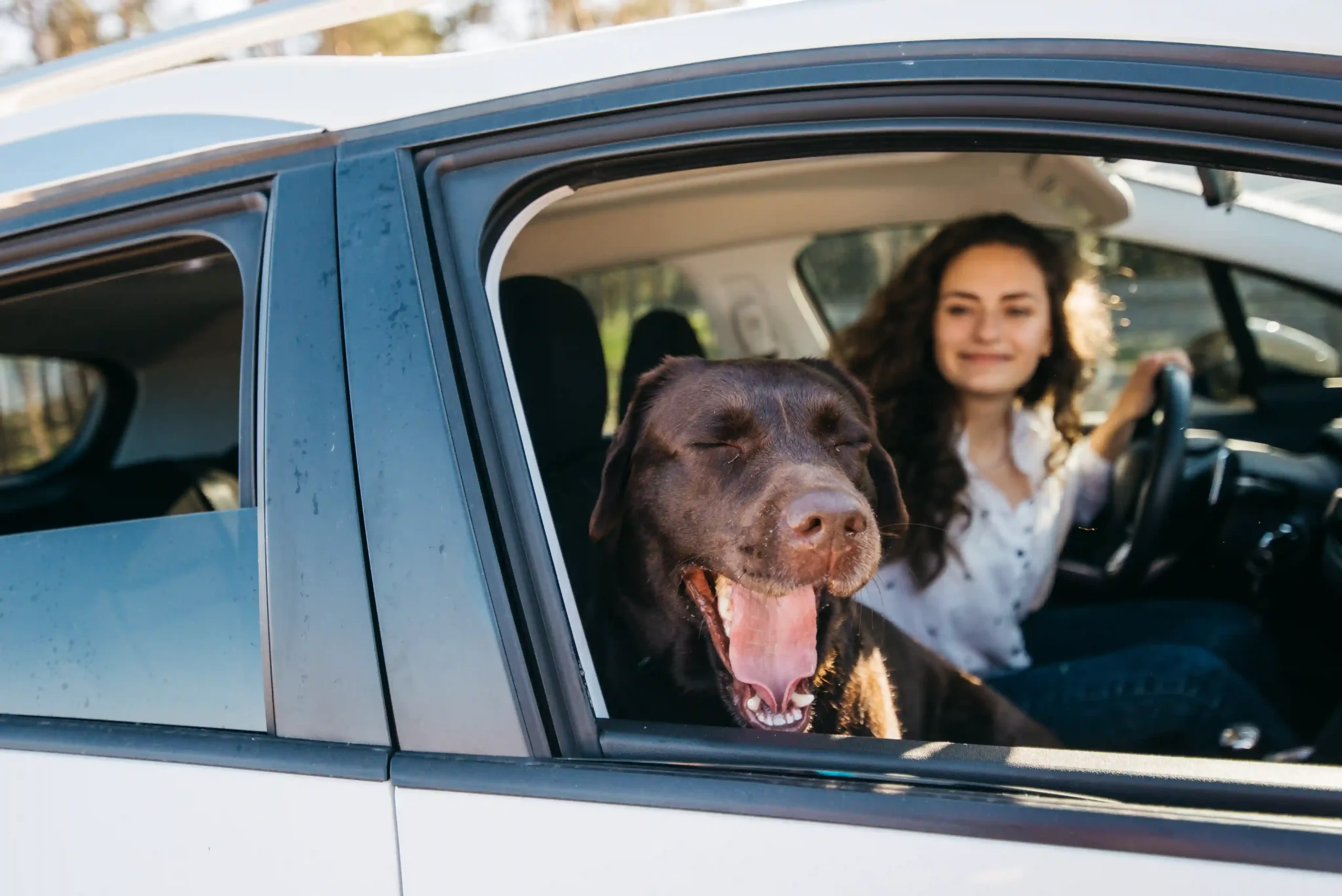
Dogs yawn when they’re tired or bored, and they also yawn when stressed. The key difference is how the yawn looks. A stressful yawn is more prolonged and intense than a sleepy yawn. Your dog’s mouth opens wider. It lasts longer. They might close their eyes tight while doing it.
A sleepy yawn happens when your dog just woke up or right before bed. It’s quick. Relaxed. Your dog stretches and settles down afterward. A stress yawn happens during tense moments. And that’s when you need to pay attention.
Watch for this during:
i. Vet visits or grooming appointments
ii. Meeting new people or dogs
iii. Loud noises like thunderstorms or fireworks
iv. Training sessions that feel too hard
v. Being hugged or restrained.
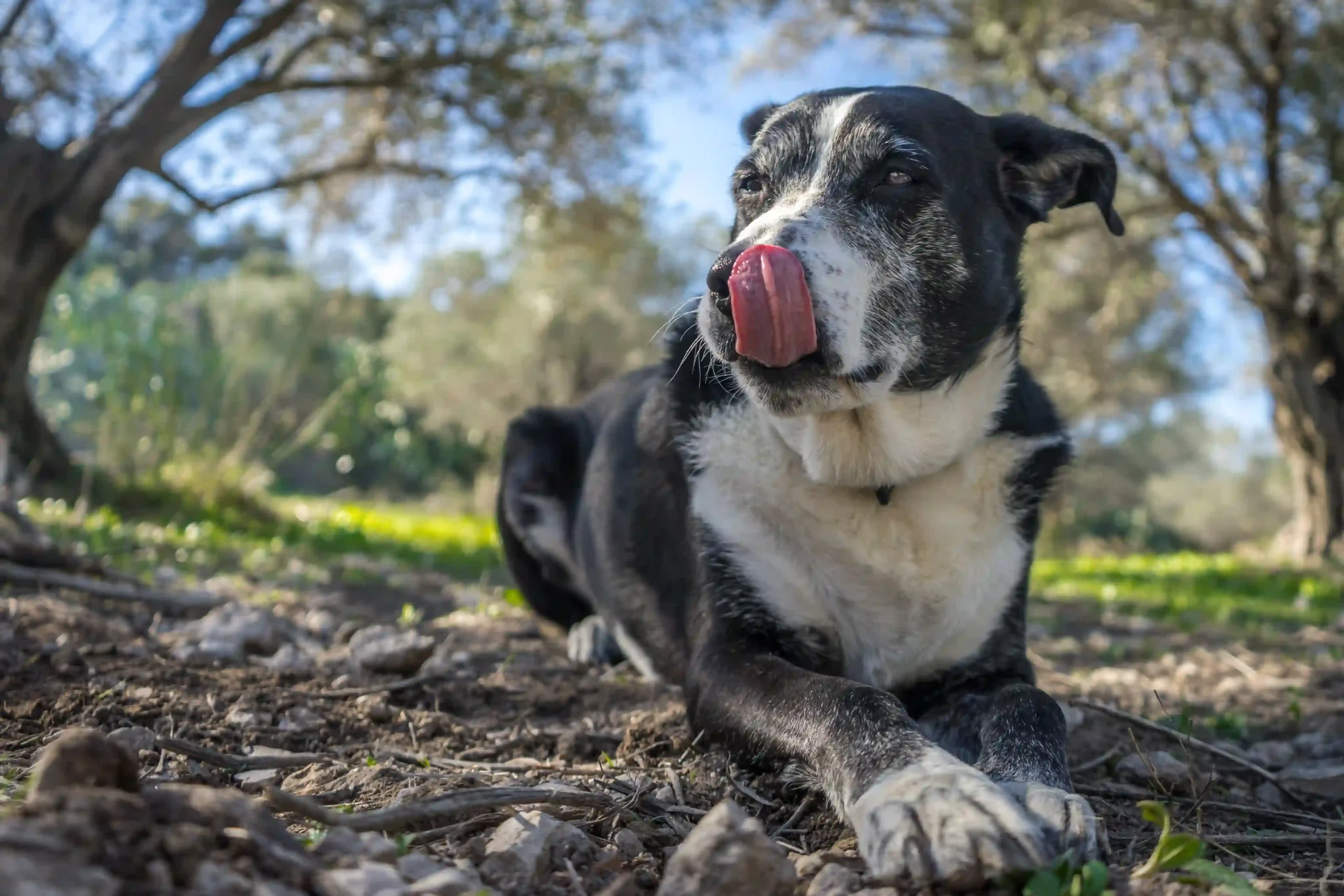
Lip licking is another mild dog anxiety symptom. Not the licking after eating treats. That’s normal. The stress lick is different. Dogs lick their lips excessively when nervous . Quick flicks of the tongue. Over and over. You’ll see it when no food is anywhere near them.
These behaviors are part of the Canine Fear, Anxiety, and Stress (FAS) Spectrum. They’re mild stress signals. Your dog is saying “I’m not comfortable right now.” They’re not panicking yet. But they’re not relaxed either.
These signs often appear together. You might see yawning, lip licking, avoiding eye contact, and turning the head away all at once. Your dog is trying multiple ways to tell you something is wrong. We miss these dog stress signals because they look harmless. A yawn seems like nothing. A quick tongue flick barely registers. But your dog is communicating. They’re asking for help before things get worse.
#4. Excessive Panting When It’s Not Hot
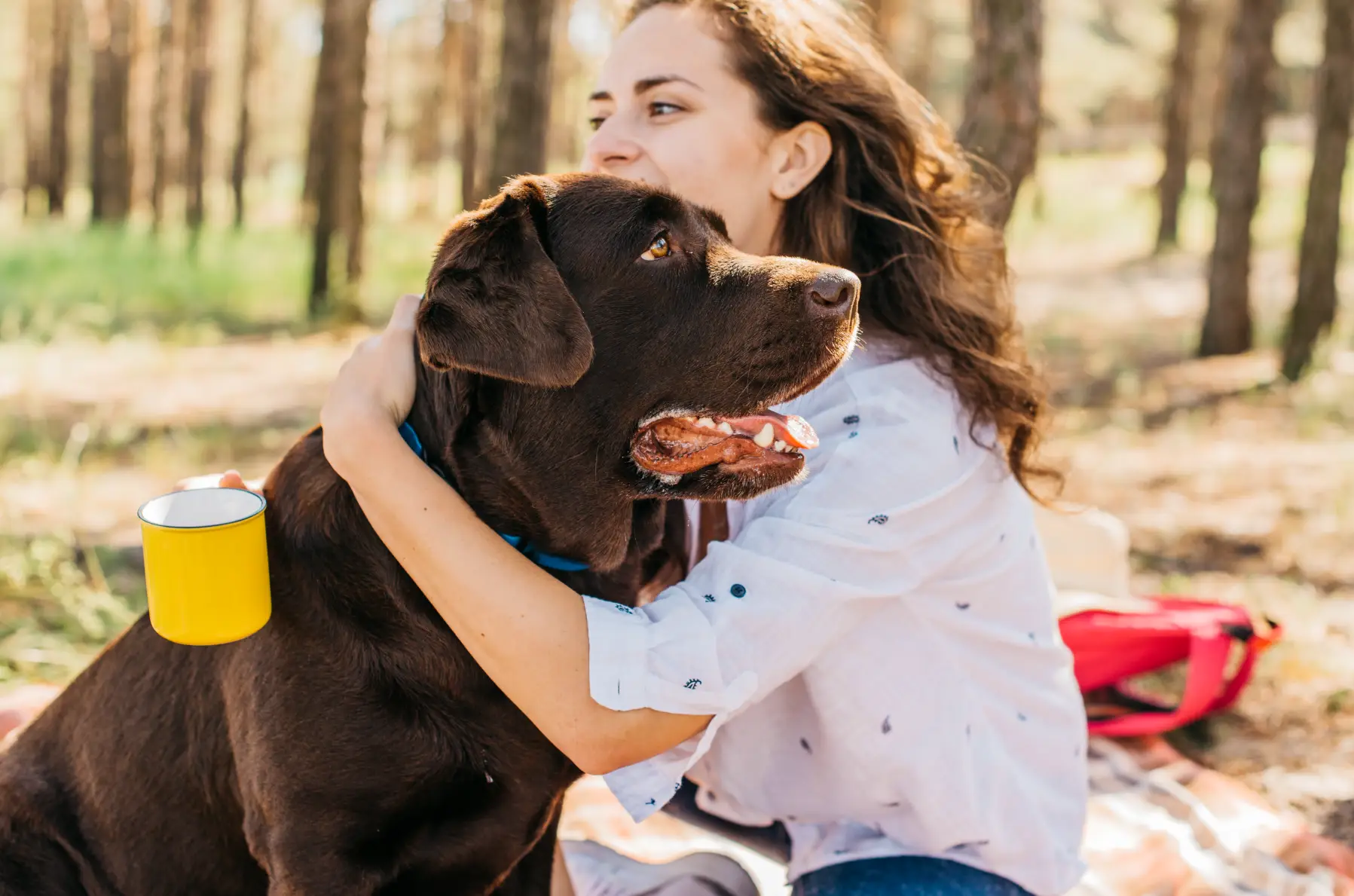
Your dog is panting. The house is cool. They haven’t been running. What’s going on?
Dogs pant when hot, excited, or stressed. Rule out the obvious first. Is your house warm? Did your dog just play? Are they excited because you grabbed the leash? If yes to any of these, the panting makes sense.
If none of these apply, you have a problem. Panting appears as a moderate to severe anxiety symptom. It shows up when your dog moves past mild stress signals into real distress. This is one of the bigger dog stress signals to watch for. How to identify the cause?
Step 1: Check the temperature and activity level
Is the room over 75 degrees?Did your dog exercise in the last 30 minutes? Are they excited about something specific?
Step 2: Look for other stress signals
Pacing or restlessness, Tucked tail, Ears pinned back, Wide eyes with whites showing, Trembling or shaking and Refusing treats.
Step 3: Consider pain or medical issues
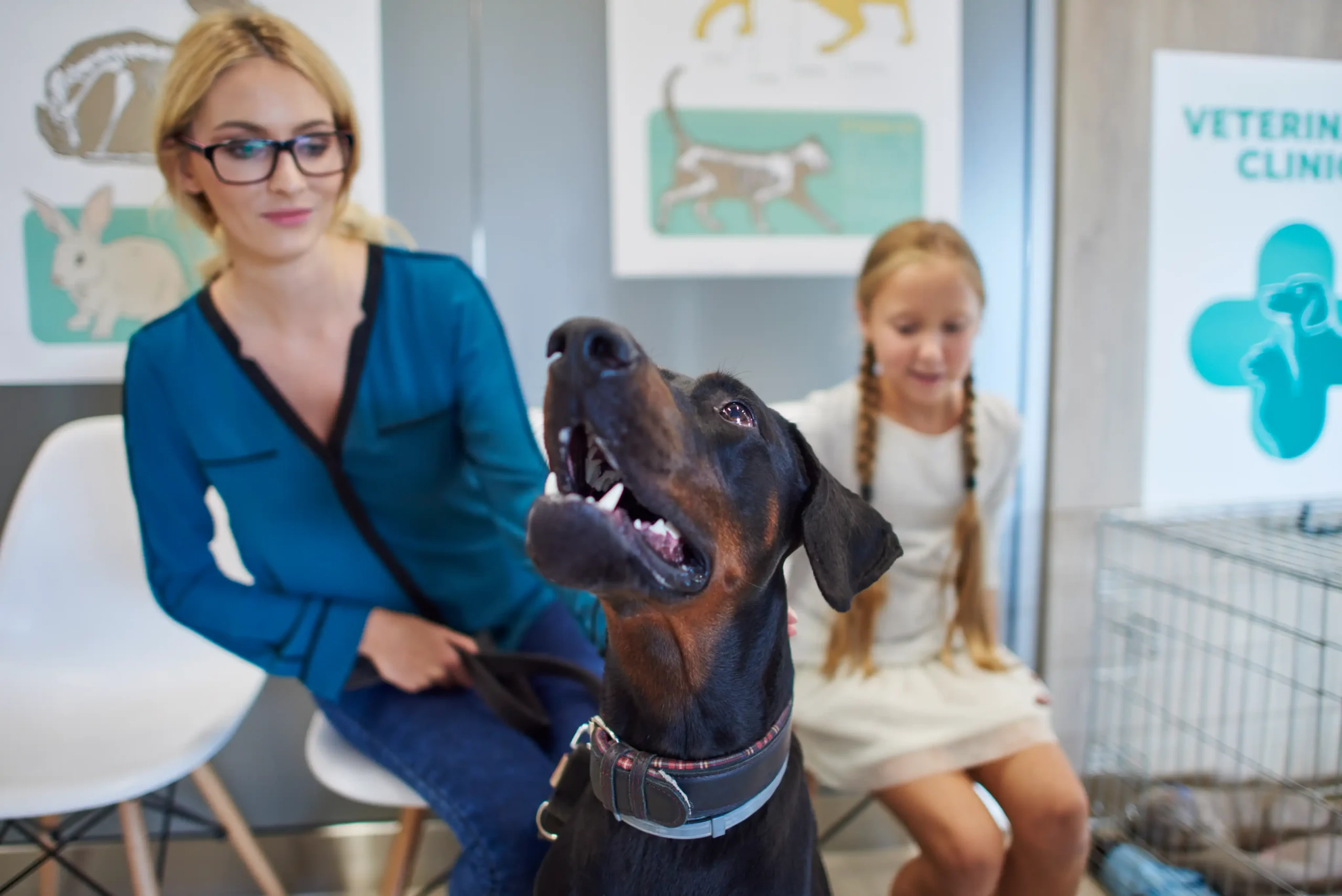
Did the panting start suddenly? Is your dog avoiding movement? Are they licking one area repeatedly? Do they seem uncomfortable lying down?
Stress panting happens during specific triggers. Your dog might pant excessively even though they haven’t exercised. You’ll see it during storms, fireworks, vet visits, or when left alone. The panting continues until the stressor goes away.
Pain panting looks different. It doesn’t stop. Your dog pants even when resting. They might pant more at night or when changing positions. Medical conditions like pain, inflammation, and underlying disease can cause dog anxiety symptoms including panting.
See your vet immediately if:
i. Panting started suddenly and won’t stop
ii. Your dog’s gums look pale or blue
iii. They seem disoriented or weak
iv. Panting comes with vomiting or diarrhea
v. Your dog can’t get comfortable in any position
vi. They’re panting but acting lethargic
Some owners wait weeks thinking the panting will resolve on its own. It rarely does. Unexplained panting needs attention. Don’t wait weeks hoping it goes away. Pain and anxiety both get worse without treatment. Your dog is telling you something is seriously wrong.
#5. Head Tilting Every Time You Speak
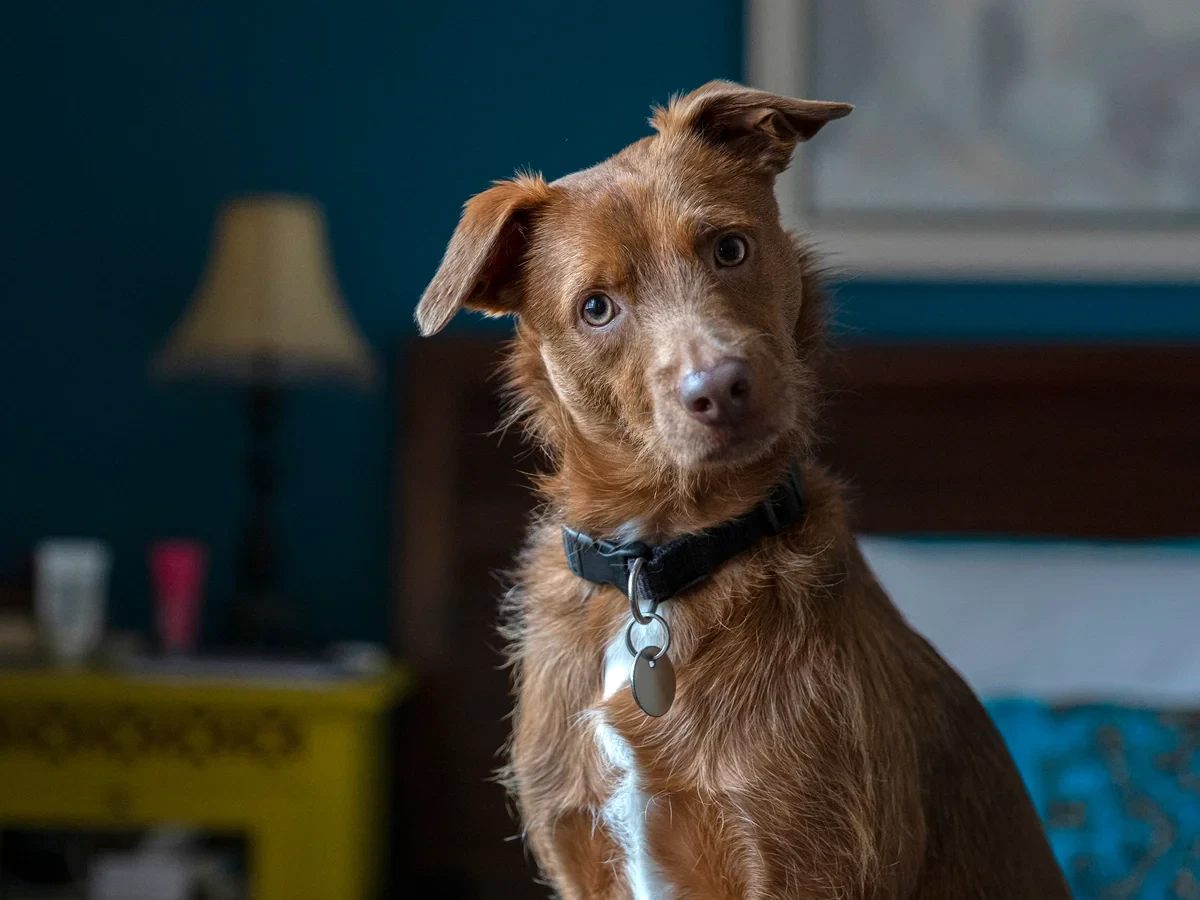
Everyone loves a head tilt. It makes your dog look thoughtful and adorable. But constant head tilting isn’t always cute.
Dogs tilt their heads when processing verbal information. They’re trying to hear you better. They’re focusing on your words. When you say something interesting and your dog tilts their head for a second, that’s normal. They’re listening. Most head tilts are fine. Your dog hears a new sound. They tilt. You ask a question in a high voice. They tilt. Then they go back to normal. This happens occasionally throughout the day.
But watch for these differences. A problem head tilt doesn’t go away. Persistent head tilt can indicate vestibular dysfunction or ear problems. Your dog holds their head at an angle for minutes or hours. They might tilt the same direction constantly. This isn’t about listening anymore. Something is physically wrong.
Red flags that signal dog behavior problems or health issues
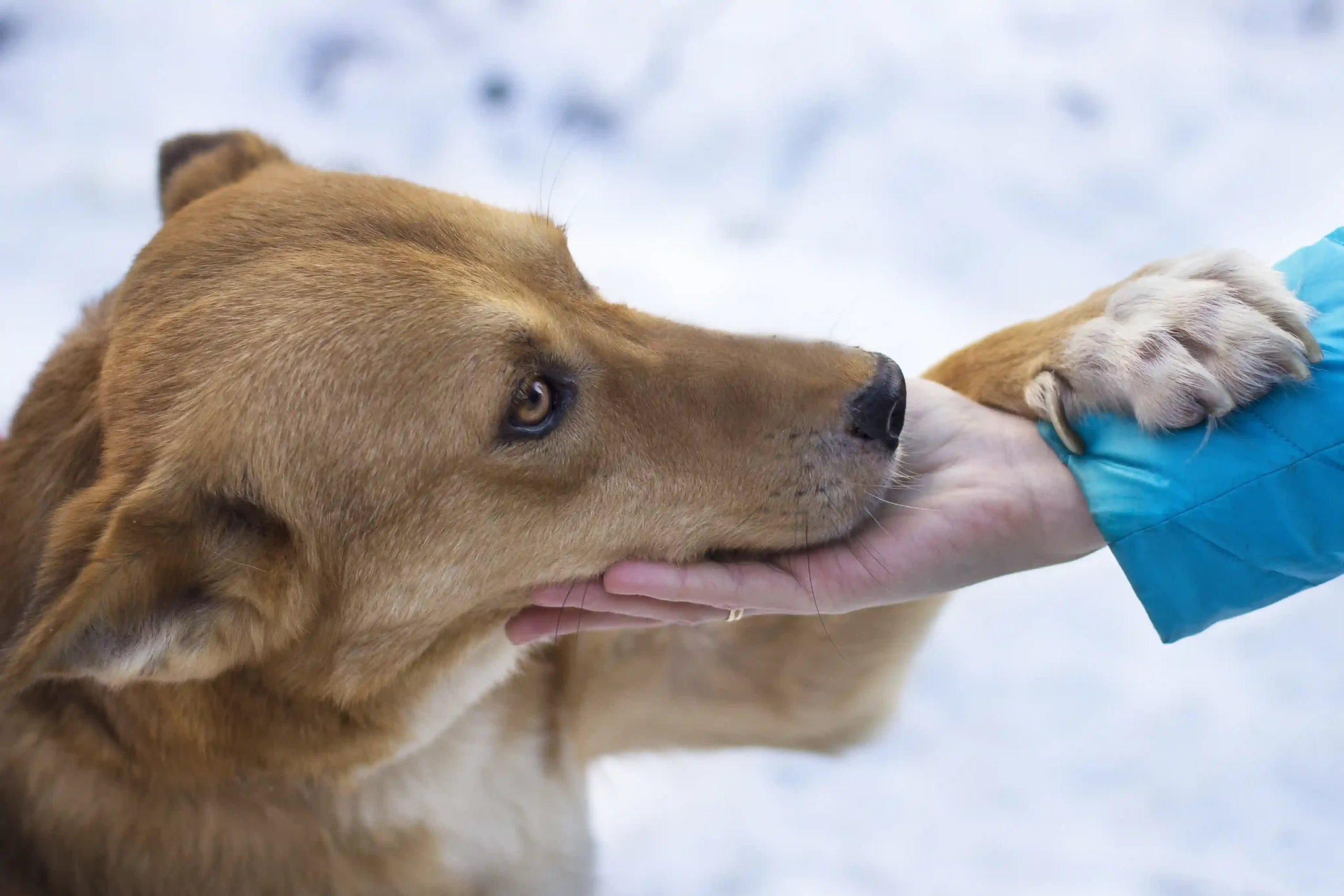
Balance problems often come with persistent head tilts. Your dog might walk in circles or lose their balance and fall over. Their eyes might move back and forth rapidly, a condition called nystagmus. They can’t walk straight. Some dogs seem nauseated or stop eating because the dizziness makes them feel sick.
Ear infections cause head tilting. So do vestibular issues (problems with inner ear balance). Brain issues can too. None of these go away on their own. They get worse. Some owners think “Oh, it’s just how they hold their head now.” No. Dogs don’t randomly develop permanent head tilts. If your dog’s head stays tilted, something hurts or something isn’t working right.
The occasional head tilt when you talk? Adorable and harmless. The head tilt that never straightens out? Medical emergency. A head tilt that won’t go away needs a vet visit. Don’t let the cuteness delay important care. Your dog might have a treatable infection or a serious neurological issue. Either way, they need help now.
#6. Shaking Off After Normal Activities

Your dog shakes their whole body. They just got off the couch. Or finished playing. Seems normal, right?
That whole-body shake can be amusing and is quite normal. Dogs shake after baths to dry off. They shake after rolling in grass to remove debris. They shake when they wake up from a nap to get their body moving. They shake after wearing a sweater or harness that felt restrictive. These shakes make perfect sense. Your dog is resetting their body.
There’s another type of shake. This one happens because your dog is stressed. The “shake off” that dogs often do after they descend from the veterinarian’s exam table is likely triggered by stress. Your dog just went through something uncomfortable. The shake releases that tension. It’s like when you take a deep breath after a difficult conversation. Your dog shakes instead.
Watch for stress shaking after these situations
i. Meeting an unfamiliar dog or person
ii. Being scolded or corrected
iii. Uncomfortable grooming or handling
iv. Loud noises like vacuum cleaners or trucks
v. Tense moments with other household pets
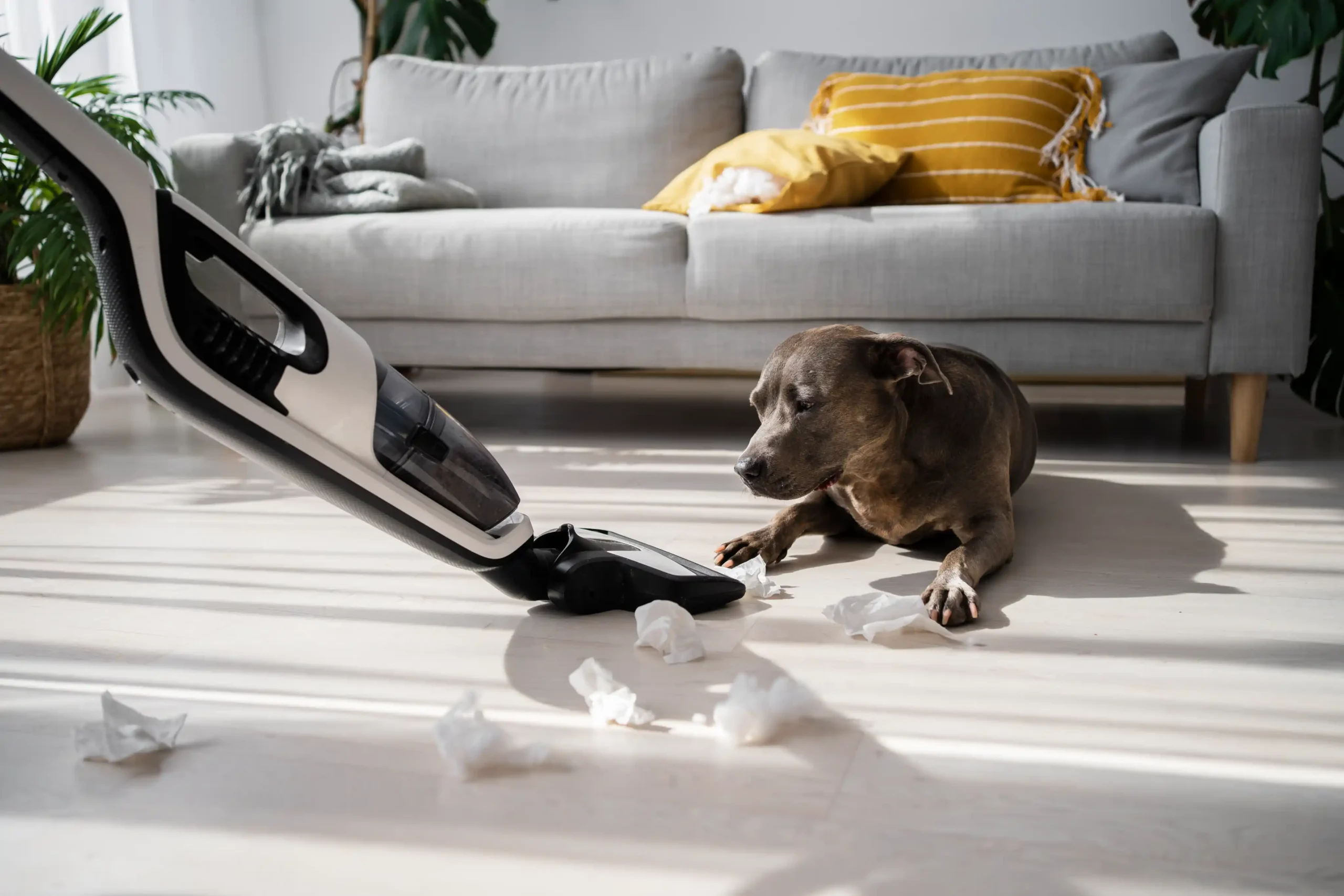
The shake itself is healthy. It’s a self-soothing behavior. Your dog is trying to calm down and move past the stressful moment. But if you see it frequently, that tells you something important. Your dog encounters stress often enough that they need to shake it off regularly.
These dog stress signals rarely appear alone. You might also notice pacing, whining, yawning, or avoidance behavior. Your dog shakes, then immediately seeks distance from whatever stressed them. They might hide behind you or move to another room. Pay attention to when the shaking happens. The timing tells you what it means. After a bath? Normal. After every interaction with your new puppy? That’s a dog anxiety symptom worth addressing.
#7. Sleeping on Your Shoes or Clothes
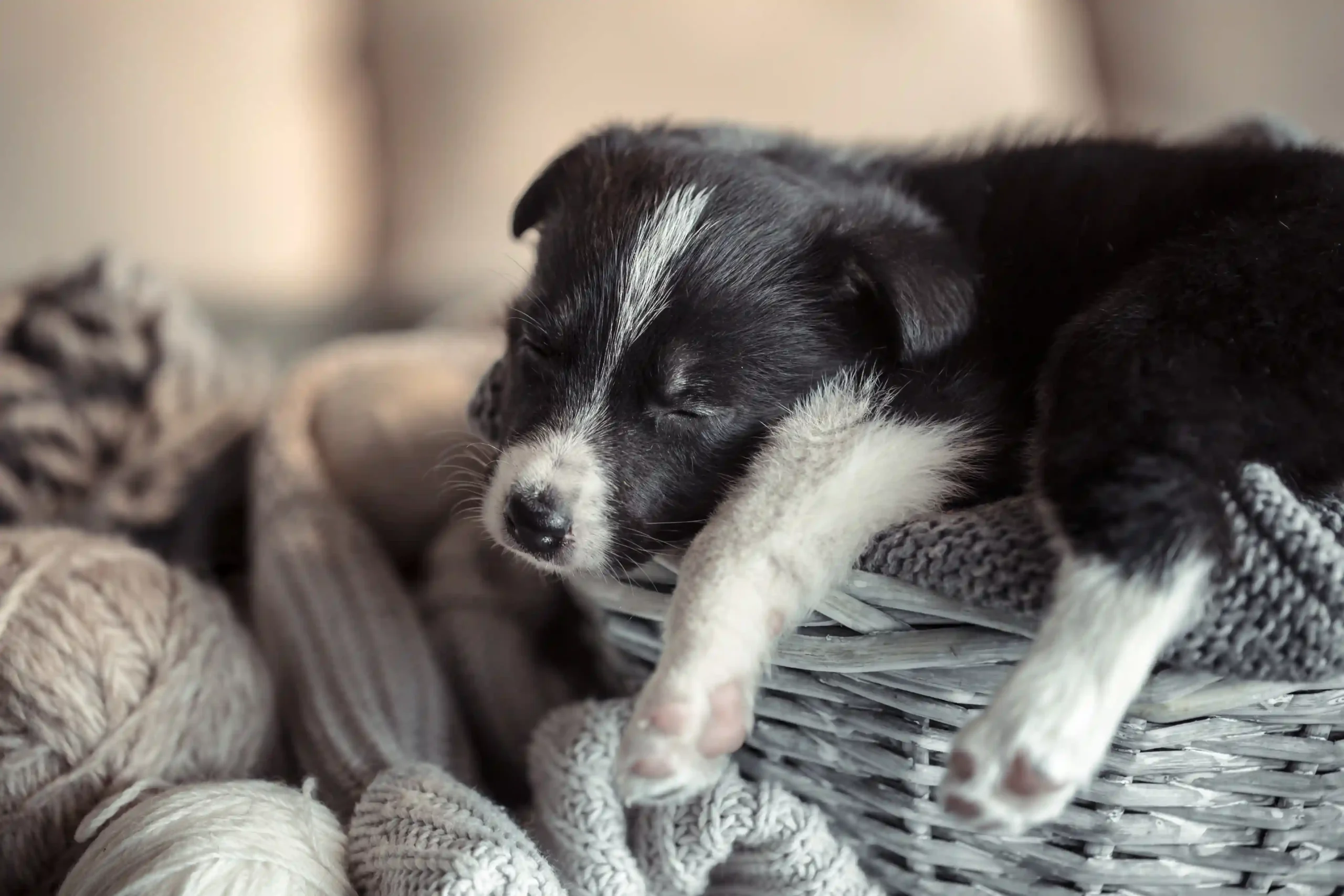
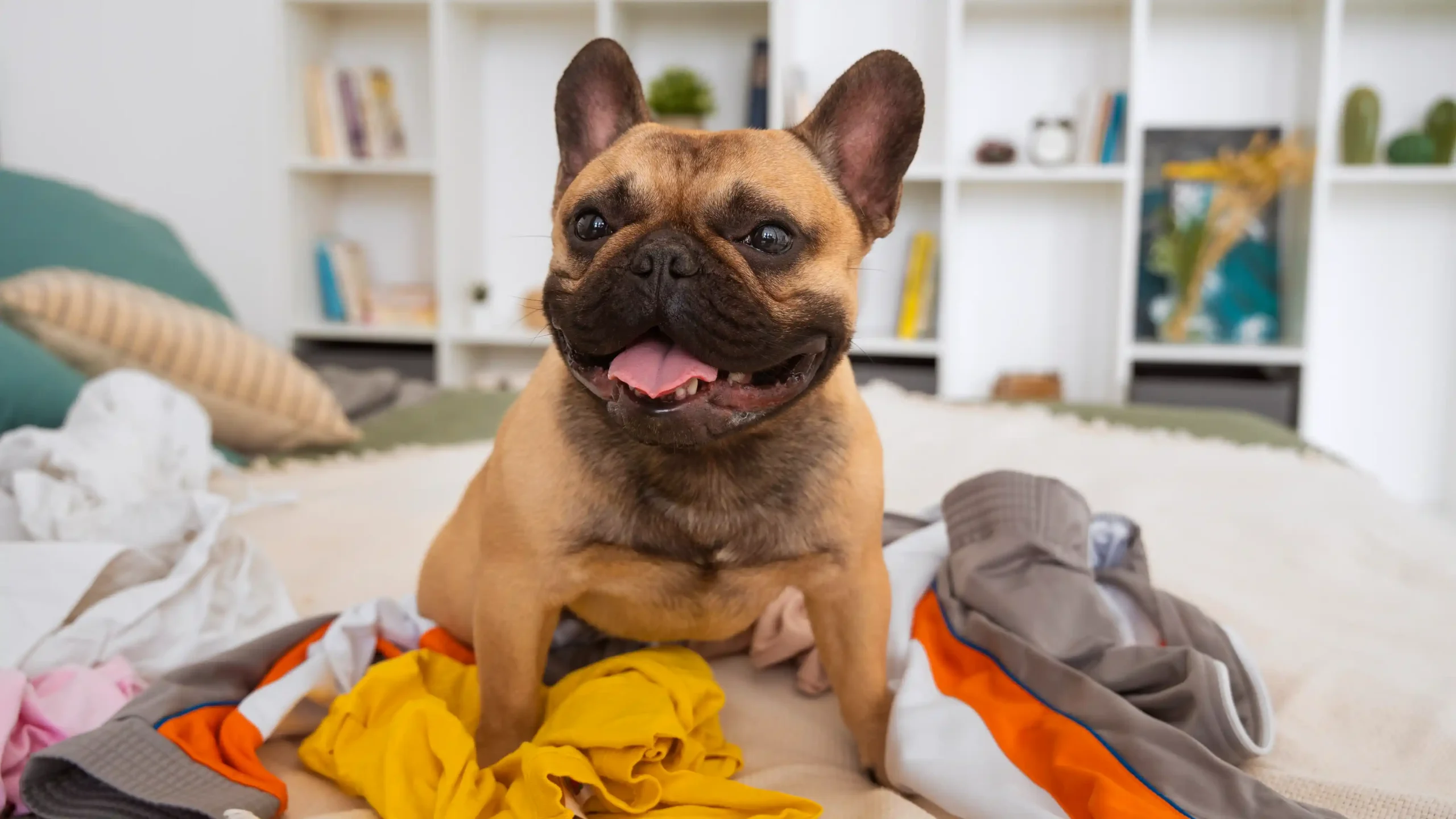
You find your dog curled up on your dirty laundry. You snap a photo because it’s precious. But this habit might show they’re worried.
Your scent comforts your dog. That part is sweet and true. Your smell means safety. It means home. It means you. Some dogs do this occasionally. They nap on your sweatshirt when you’re at work. They rest their head on your shoes when you’re cooking dinner. This is normal bonding behavior.
Other dogs can’t settle without your scent nearby. That’s different. This behavior can indicate insecurity and need for reassurance. Your dog doesn’t just prefer your scent. They require it to feel safe. Without something that smells like you, they pace. They whine. They can’t relax. This goes beyond attachment. This is anxiety-driven behavior.
The psychology makes sense. Scent equals safety equals you’ll return. Many rescue dogs or dogs with unstable pasts finally found their forever home and get anxious. They learned that people leave and don’t come back. Your scent becomes proof that you exist. That you’re real. That you’ll return like you always do.
Watch for these dog behavior problems:
i. Your dog refuses to sleep anywhere except on your clothes
ii. They become distressed if you move your shoes
iii. They steal fresh laundry to sleep on
iv. They can’t calm down in a clean space without your scent
v. This behavior appeared suddenly or is getting worse
Some dogs need more reassurance than others. Dogs who spent time in shelters or multiple homes struggle most. They never learned that their person stays. Every goodbye feels permanent. So they cling to what proves you’re coming back.
This often pairs with separation anxiety. Your dog follows you everywhere. They panic when you leave. And they can only rest when surrounded by your smell. These behaviors connect. They all say the same thing: “I’m not sure you’ll come back.”
Help your dog feel secure even when your scent isn’t immediately available. They need confidence-building exercises. They need to learn that you return every single time. They need to feel safe in their own space, not just in yours.
#8. What to Do When You Spot These Behaviors
You’ve spotted the signs. Your dog needs help. So exactly what to do. Don’t panic. But don’t ignore this either. Dog anxiety symptoms and stress signals tell you something needs to change. Take them seriously.
Step 1: Remove your dog from the stressor immediately
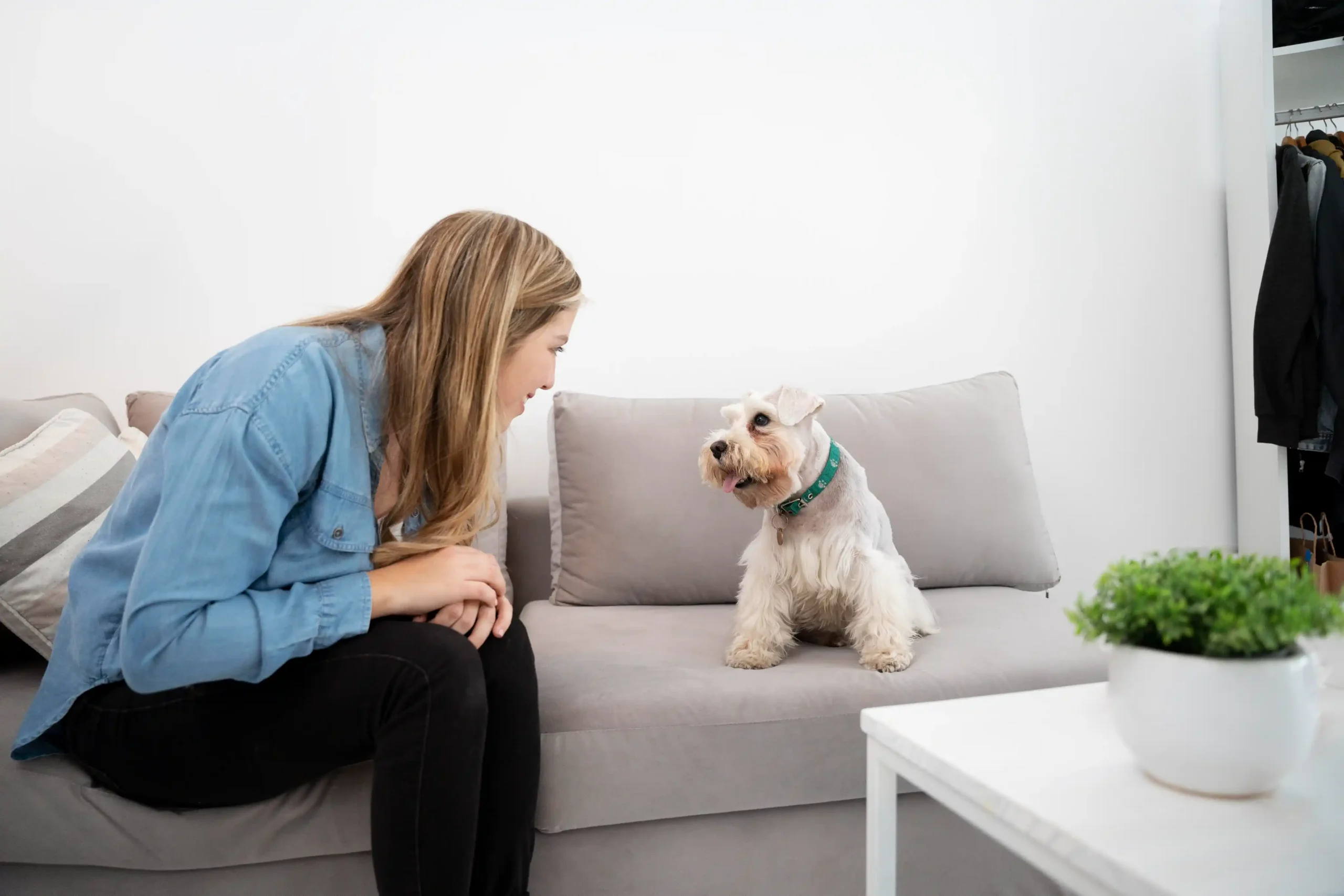
If you notice signs that your dog is stressed, first remove them from the stressor . Move to a quiet space. Give your dog room to breathe. Don’t force interactions. For some dogs, being asked to focus on a person or take food can be a negative experience . Allow them decompress on their own terms.
Step 2: Schedule a vet visit
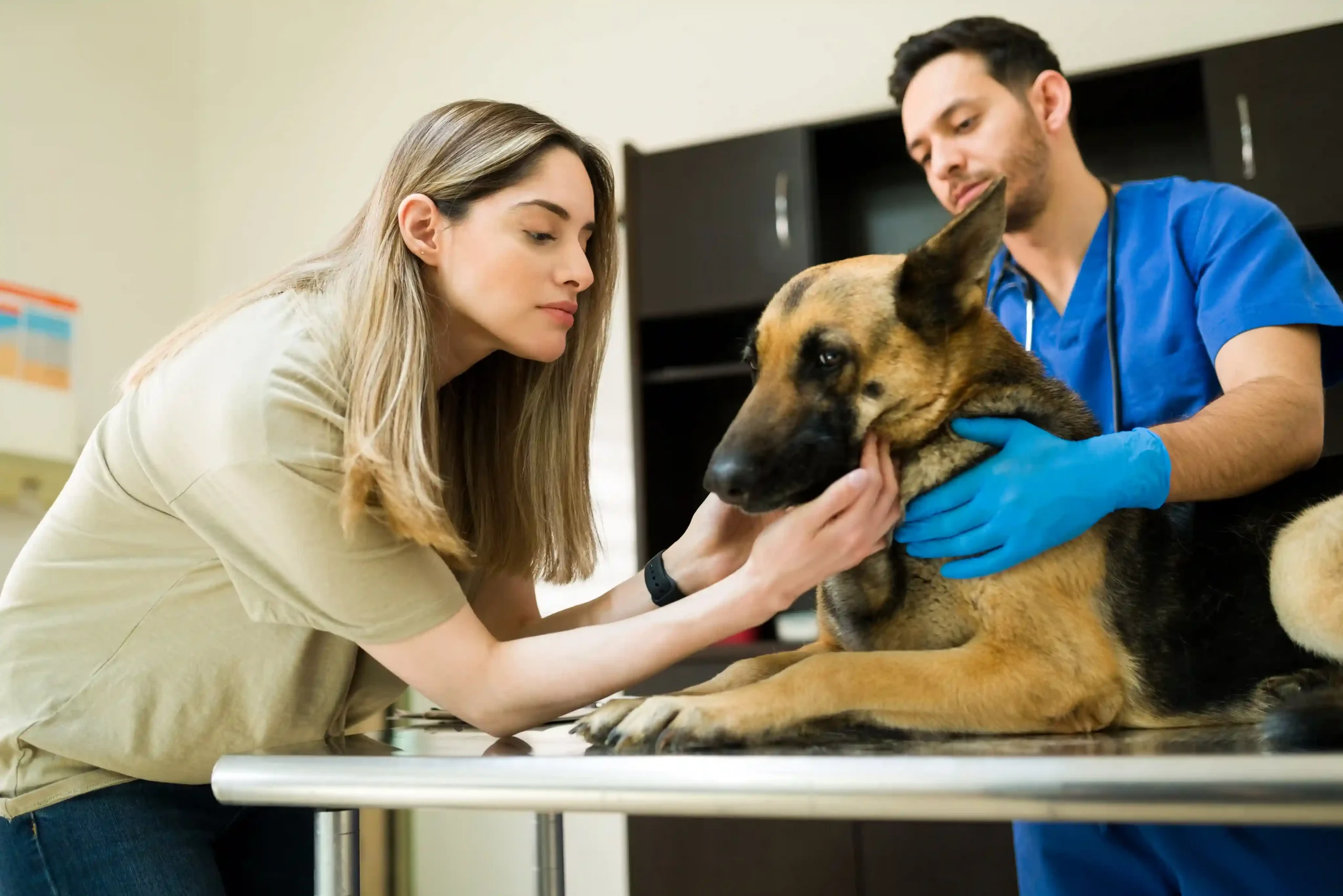
Your vet will perform a physical examination and may run lab tests or X-rays to investigate medical causes of anxiety. Medical conditions like pain, dental disease, arthritis, or gastrointestinal issues can cause dog behavior problems. You can’t fix behavioral training if your dog hurts. Treat the physical problem first.
Step 3: Work with a certified professional dog trainer
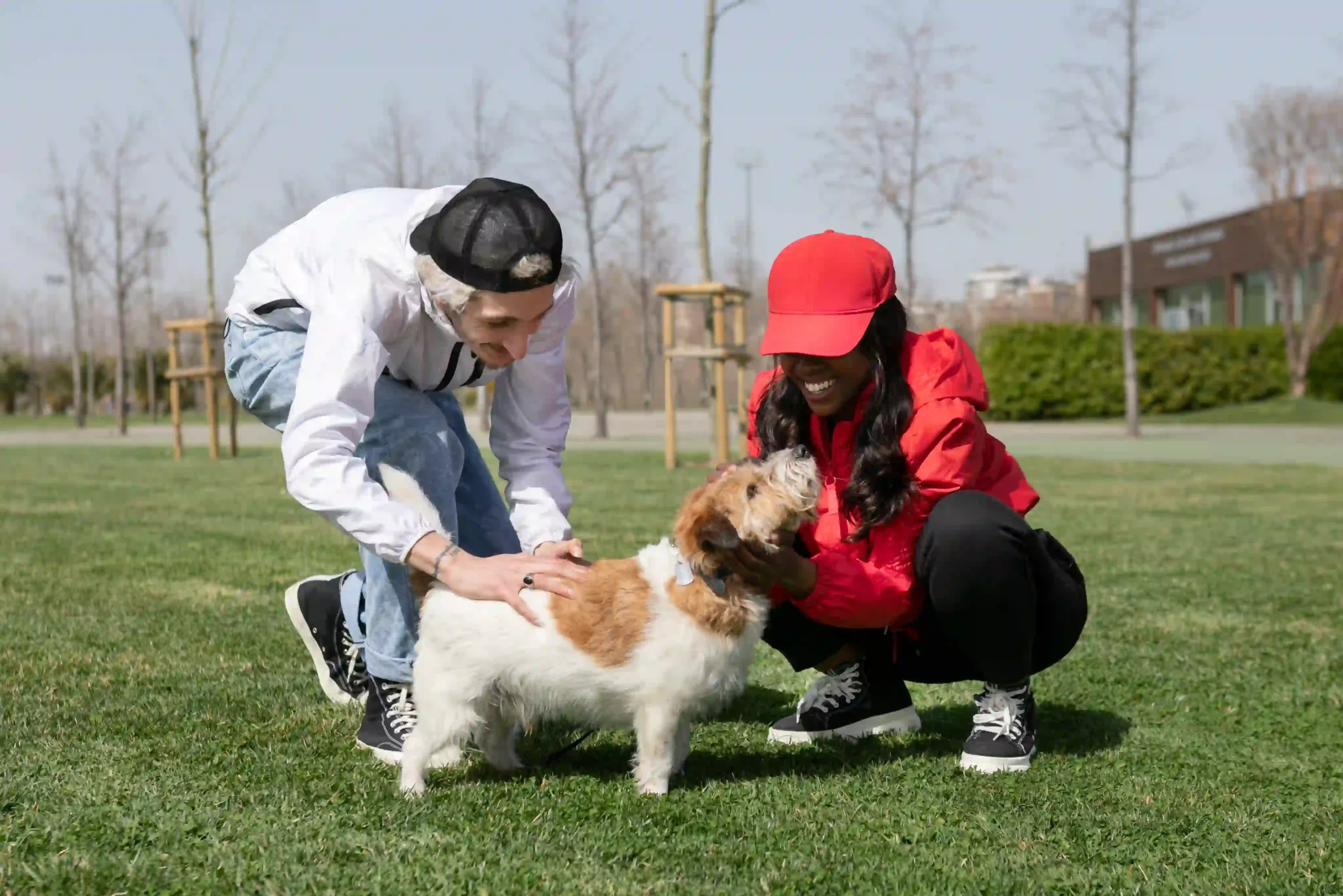
A certified professional trainer will create a behavior modification plan to help transform the emotional response your dog has to certain triggers. Find qualified trainers through the Certification Council for Professional Dog Trainers (CCPDT). They use science-backed, positive reinforcement methods. No punishment. No force. Just gradual progress.
Step 4: Consider natural calming aids
Dogs experiencing stressful situations may benefit from calming supplements like Zylkene, which contains alpha-casozepine, a milk protein that supports calm, balanced behavior. Pheromone sprays and diffusers imitate a mother’s natural nursing pheromones to help dogs feel calm and secure. These tools support behavioral training. They don’t replace it.
Step 5: Add mental enrichment
Use enrichment bowls during mealtime and interactive puzzle toys during downtime. Do 15 minutes of fun, easy training with your dog daily. Mental stimulation reduces anxiety. A tired brain is a calm brain.
Step 6: Create a safe space
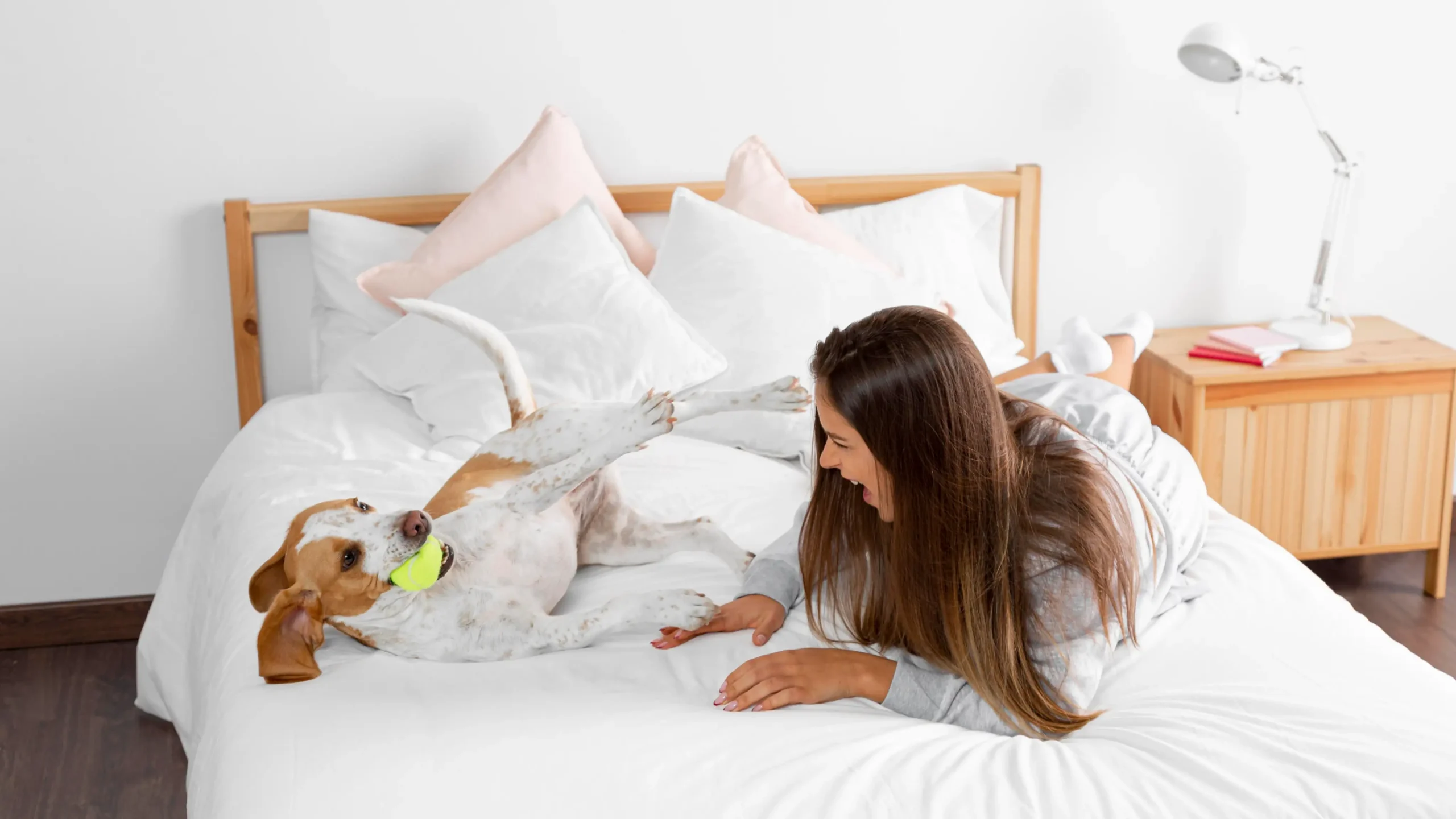
Train your dog to use a crate as a haven to relax and recharge .A cozy den where they feel protected. Add a comfortable bed, favorite toys, and something that smells like you.
What NOT to do:
Don’t punish anxiety behaviors (this makes them worse). Don’t force your dog to “face their fears” without professional guidance. Don’t overly comfort them (this can reinforce anxious behavior). Don’t skip the vet visit and jump straight to training
When to consider medication:
Depending on the severity of your dog’s anxiety, your vet might prescribe anti-anxiety medication in addition to training. Some dogs need this extra support. It helps your dog learn. It gives them a chance to succeed at behavioral training when anxiety would otherwise block their progress. Every dog is different. Some improve quickly. Others need more time and professional support. Be patient with your dog and yourself.
#9. Prevention: Helping Your Dog Before Problems Start
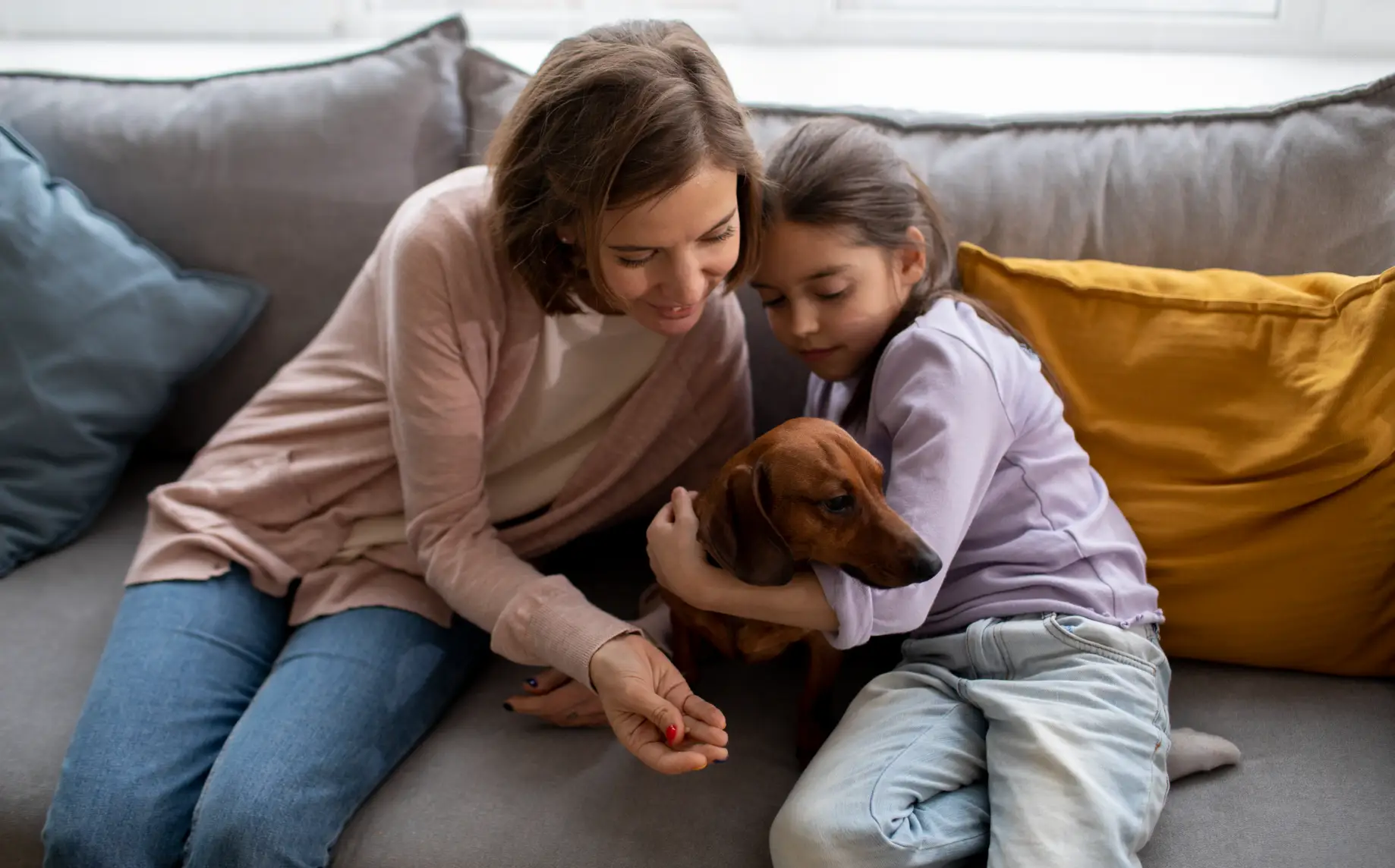
Prevention saves you and your dog years of struggle. It’s easier to build confidence early than to repair anxiety later.
Start early with puppies (3-12 weeks)
When your puppy is 3-12 weeks of age, they are the most receptive to new things. This window closes fast. Use it wisely. Introduce your puppy to new people, sounds, surfaces, and experiences. Pair everything with treats and praise.
Unvaccinated puppies need protection from disease. Set up a pet blanket for your puppy to sit on when leashed in a public space, or use a dog stroller instead of letting them walk on the ground. Allow your puppy to interact only with healthy, fully vaccinated dogs. Safe socialization prevents dog behavior problems before they develop.
Continue throughout their life with routines
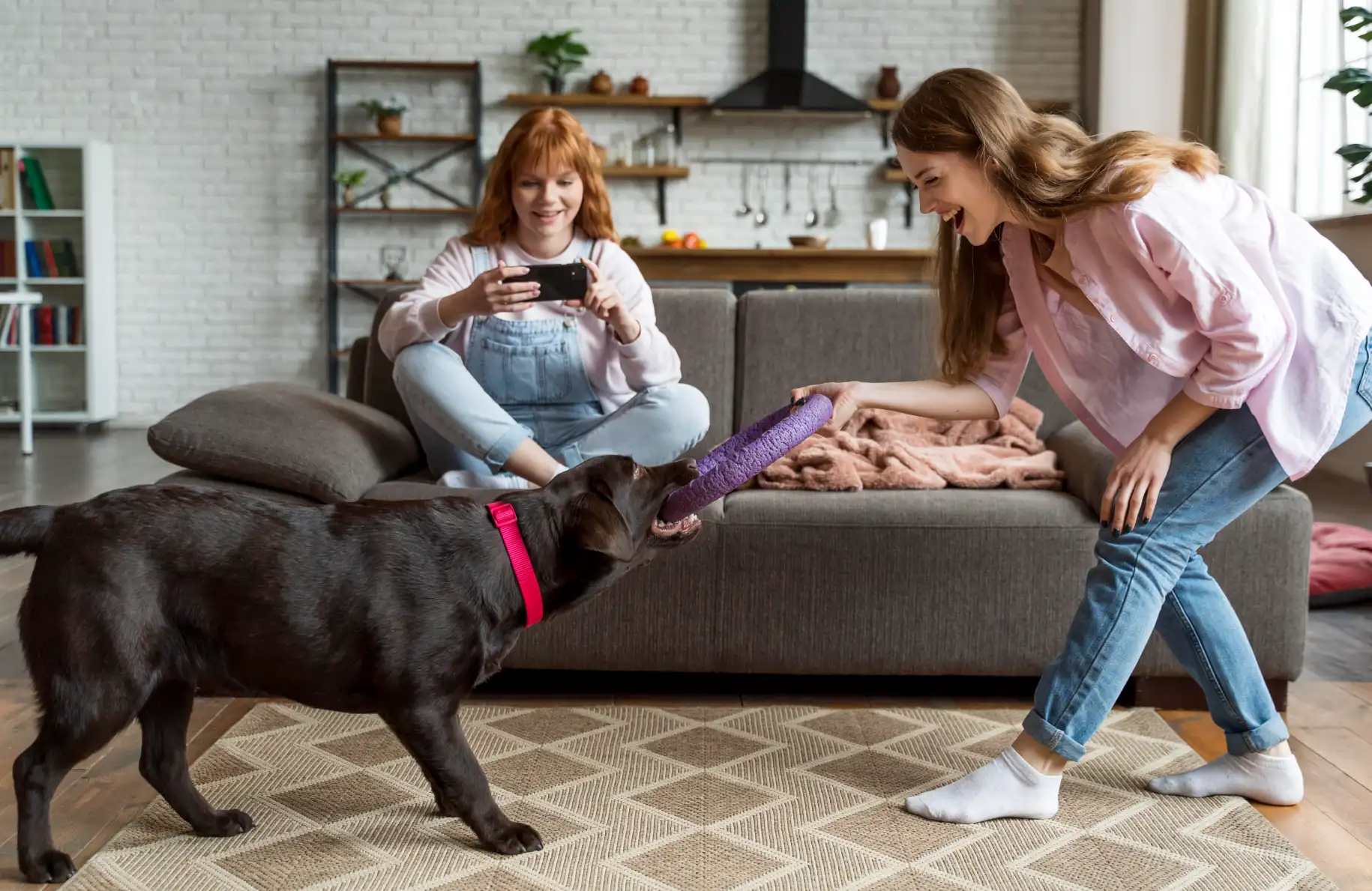
A predictable routine is comforting, and knowing what to expect every day helps your dog feel calmer and more open to learning. Feed at the same times. Walk the same routes. Keep bedtime consistent. Dogs thrive on patterns. Changes create stress. Do 15-minute training sessions daily. Short and fun beats long and frustrating. Work on basic commands. Play training games. Keep their brain active.
Build independence from day one
Train your puppy to use a crate as a haven to relax and recharge, spending time on their own during the day. This builds confidence. Your dog learns they can be alone and feel safe. Start with minutes. Build to hours. Never use the crate as punishment.
Make every vet visit positive
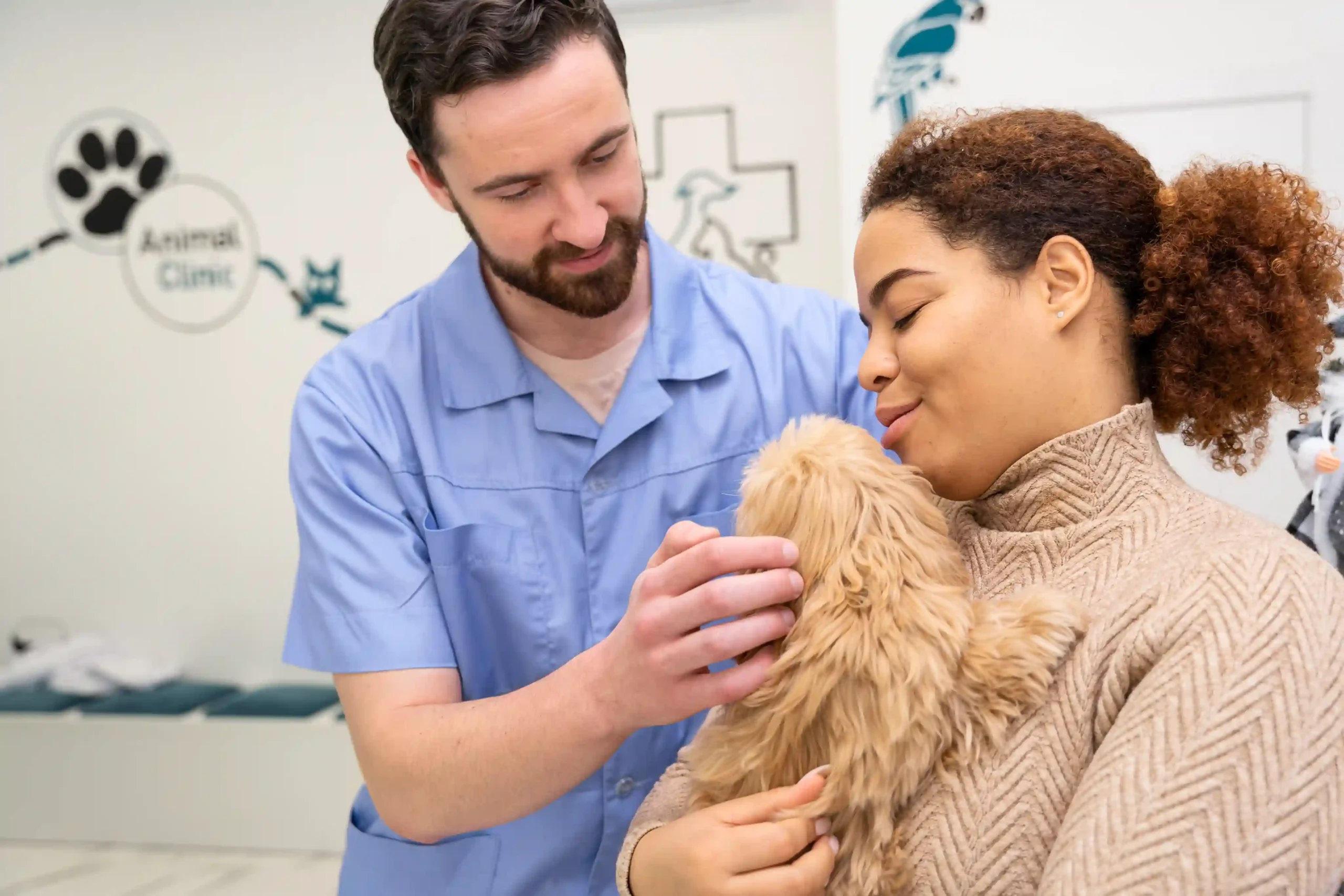
Drop by for brief, happy visits just to say hello, take your time during appointments, and bring plenty of your pup’s favorite treats. Your dog should associate the vet with good things, not fear.
Even adult rescue dogs can benefit from prevention strategies
They need routine more than anyone. They need slow introductions. They need time to trust. Don’t rush. Allow them adjust at their own pace. Give them a predictable schedule. Show them the world is safe now.
Prevention takes effort. But it’s easier than fixing serious anxiety later. Fifteen minutes of training daily prevents months of behavioral work. Consistent routines prevent separation anxiety. Early socialization prevents fearfulness. Put in the work now. Your dog will thank you for the next 10-15 years.