
You’re doing everything right, thoughtfully filled puzzle toys, calming music, carefully planned gradual departures, but your dog’s separation anxiety is actually getting worse.
The very training meant to bring peace is instead amplifying their panic, leaving you feeling frustrated, trapped, and worried that you’re unintentionally making your beloved companion suffer more.
Fortunately, the solution is clear once you know what to look for. Here, you will uncover the specific error that makes separation anxiety training backfire so dramatically.
You will learn to identify if you’re committing this crucial mistake and receive a straightforward, step-by-step plan to fix it immediately, finally paving the way to a calmer, more confident dog.
#1. The Mistake That’s Making Your Dog’s Anxiety Worse
The truth that most dog owners don’t know, you’re probably training your dog when they’re stressed. And that’s making everything worse. The biggest separation anxiety training mistake happens when you work with your dog at the wrong emotional level. Dog behaviorists call this training at “Threshold 2” instead of “Threshold 1.”
What These Thresholds Actually Mean
Your dog’s emotional state like a traffic light system:
Threshold 1 (Green Light)
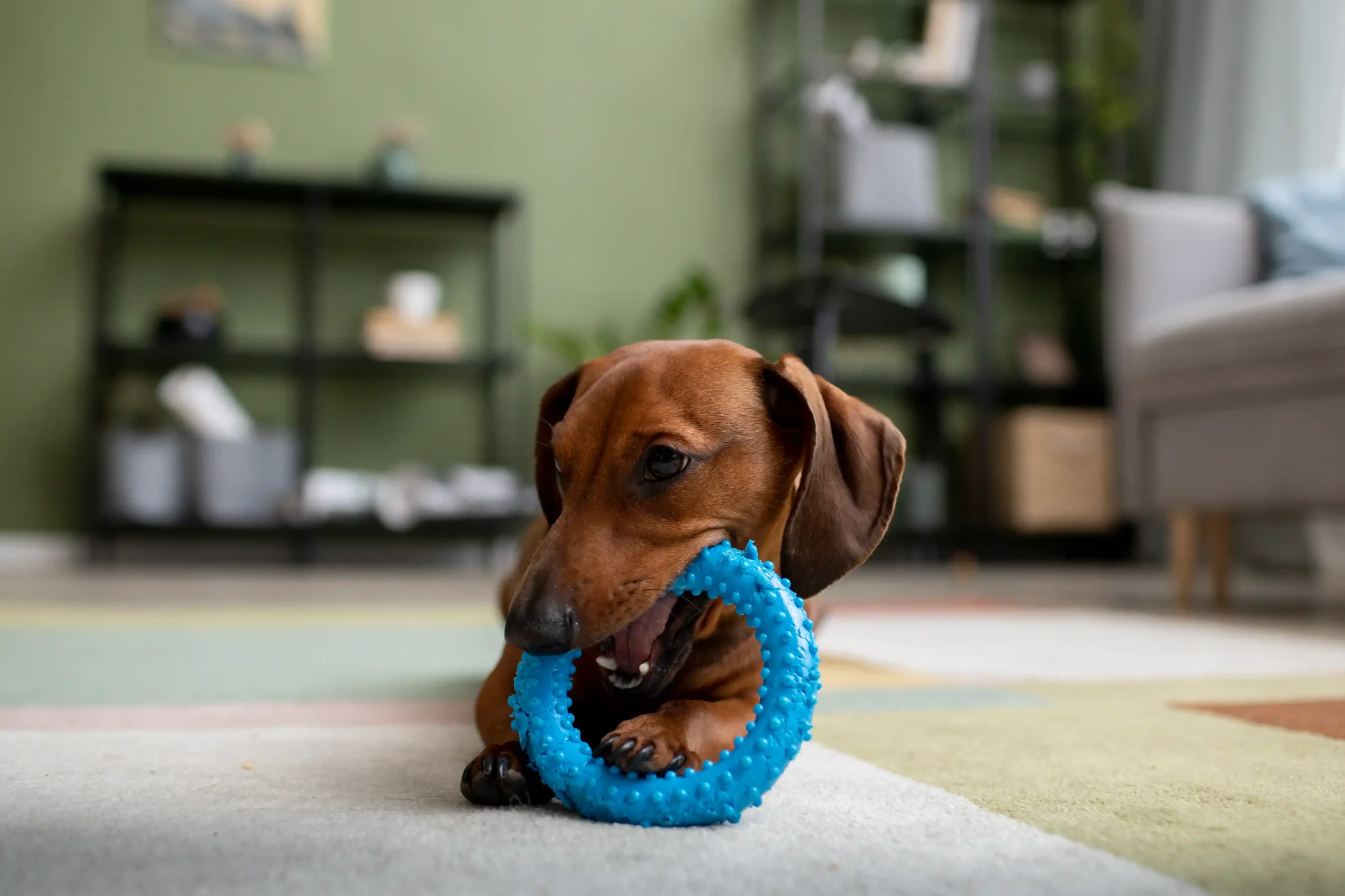
Your dog is completely relaxed. They might lie down, chew a toy, or even nap when you practice leaving. This is where real learning happens.
Threshold 2 (Yellow Light)
Your dog looks okay on the surface, but they’re actually holding it together. They might stand by the door, pace a little, or watch you with worried eyes. They seem fine, but stress hormones are flooding their system.
Threshold 3 (Red Light)
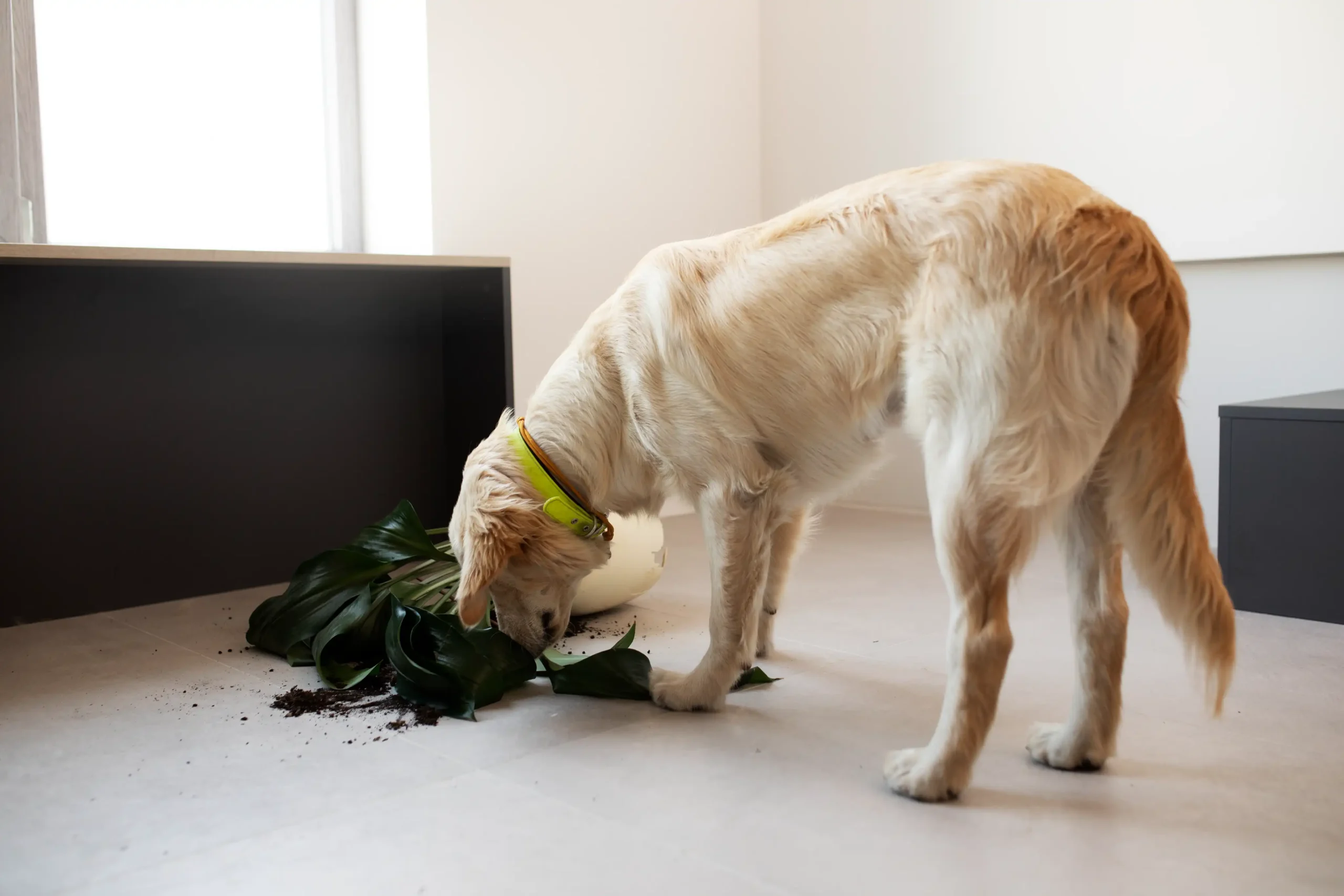
Full panic mode. Barking, destroying things, or trying to escape. Most people train at Threshold 2 because their dog “seems to be doing okay.” But what experts know, training at Threshold 2 is likely to slow progress, and potentially make the anxiety worse.
Why “Holding It Together” Isn’t Good Enough
When your dog is at Threshold 2, they’re using all their energy to cope with stress. They can’t actually learn that being alone is safe. It’s like trying to teach someone to drive when they’re having a panic attack. They might not crash the car, but they’re not really learning either.
Your dog might stand perfectly still when you leave for 10 minutes. You consider, “Great! Progress!” But inside, their heart is racing. They’re flooding with cortisol and adrenaline. Their brain is screaming “danger” the entire time.
How This Creates A Backwards Slide
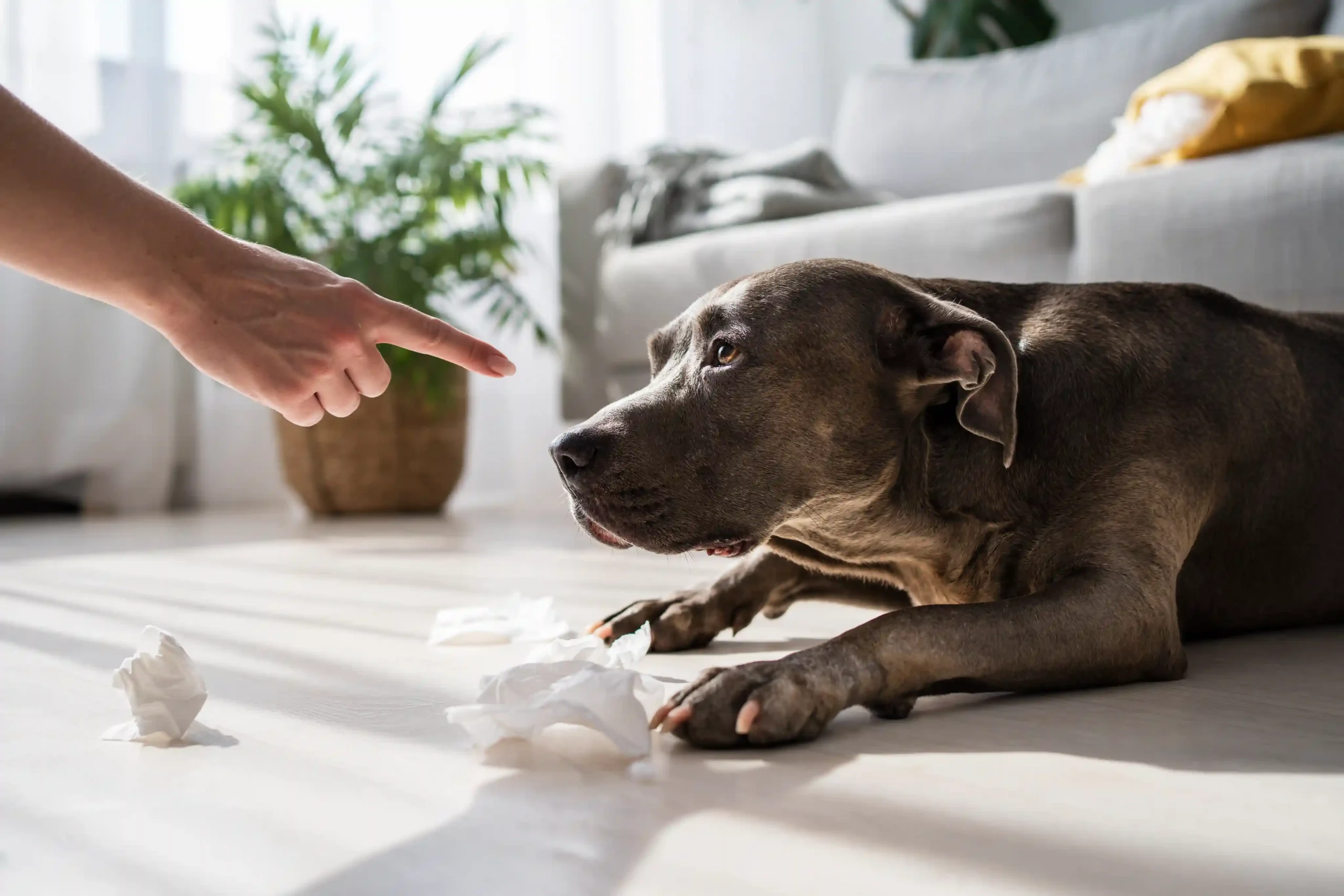
Even one mistake in which your dog is left for longer than they are able to handle can cause regression. In fact, you’re likely to have to start over with your training. Every time your dog experiences that stress, you’re accidentally teaching them that being alone IS something to fear.
You’re proving them right instead of proving them wrong. If you had a fear of elevators, would “holding it together” for 10 floors help you get over that fear? Or would you feel more afraid next time?
The Real Difference Between Thresholds
At Threshold 1, your dog’s body language says “I’m good.” They might:
i. Settle down naturally
ii. Show interest in toys or treats
iii. Have relaxed facial muscles
iv. Breathe normally
At Threshold 2, your dog’s body language says “I’m managing.” They might:
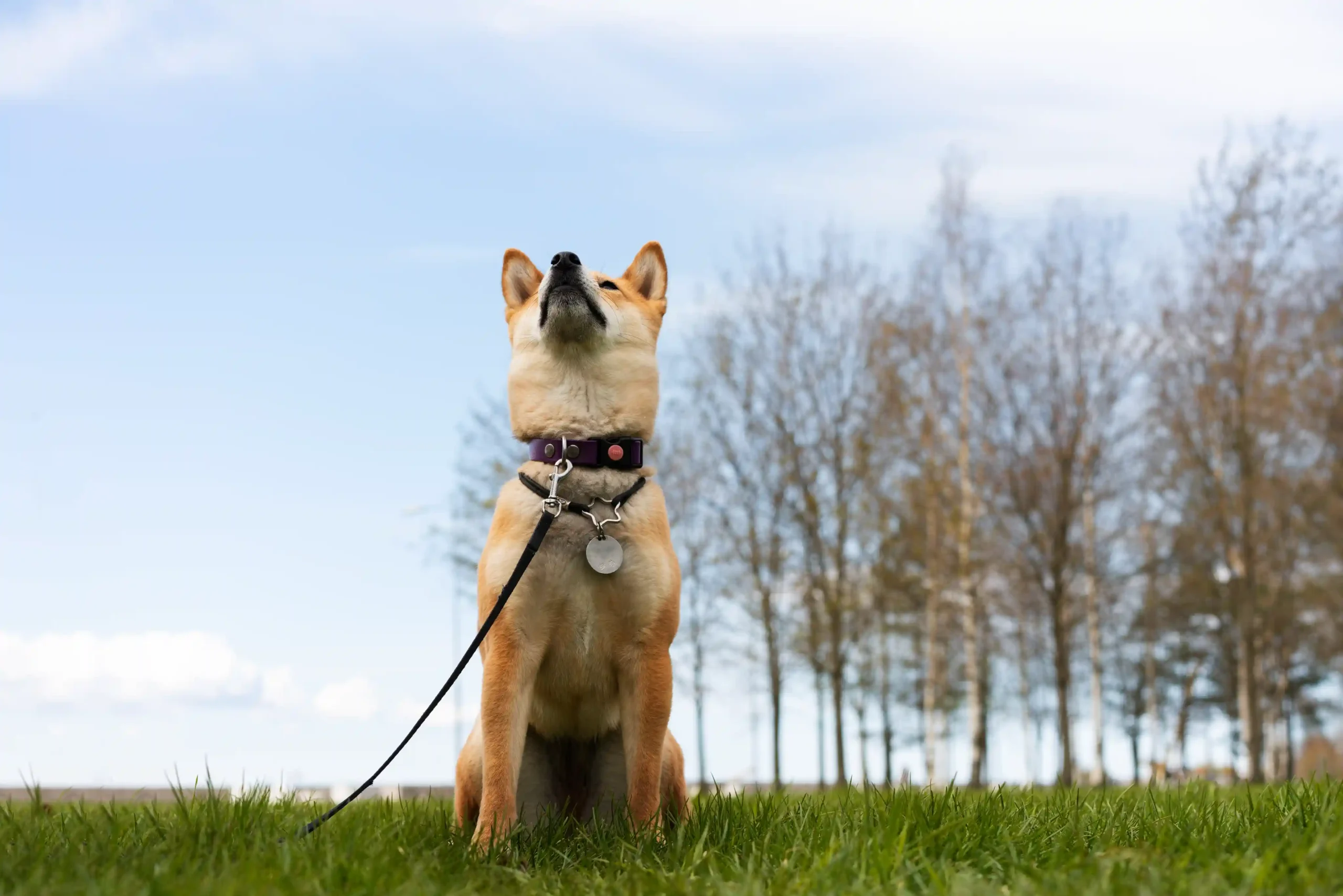
i. Stay alert and watchful
ii. Pant slightly or yawn repeatedly
iii. Stand rather than lie down
iv. Keep ears forward, listening
The difference seems small. But for your dog’s brain, it’s huge. One teaches safety. The other reinforces fear. This dog anxiety threshold mistake explains why your training isn’t working. You’re accidentally making the problem stronger every single session.
#2. How to Tell If You’re Making This Mistake Right Now
Right now, your dog might be showing you these dog separation anxiety signs. But you’re missing them. Most owners can spot Threshold 3 panic easily. The barking, destruction, and frantic pacing are obvious. But Threshold 2 stress is sneaky. Your dog looks “fine” when you’re watching, but they’re actually struggling.
The Hidden Stress Signals You’re Missing
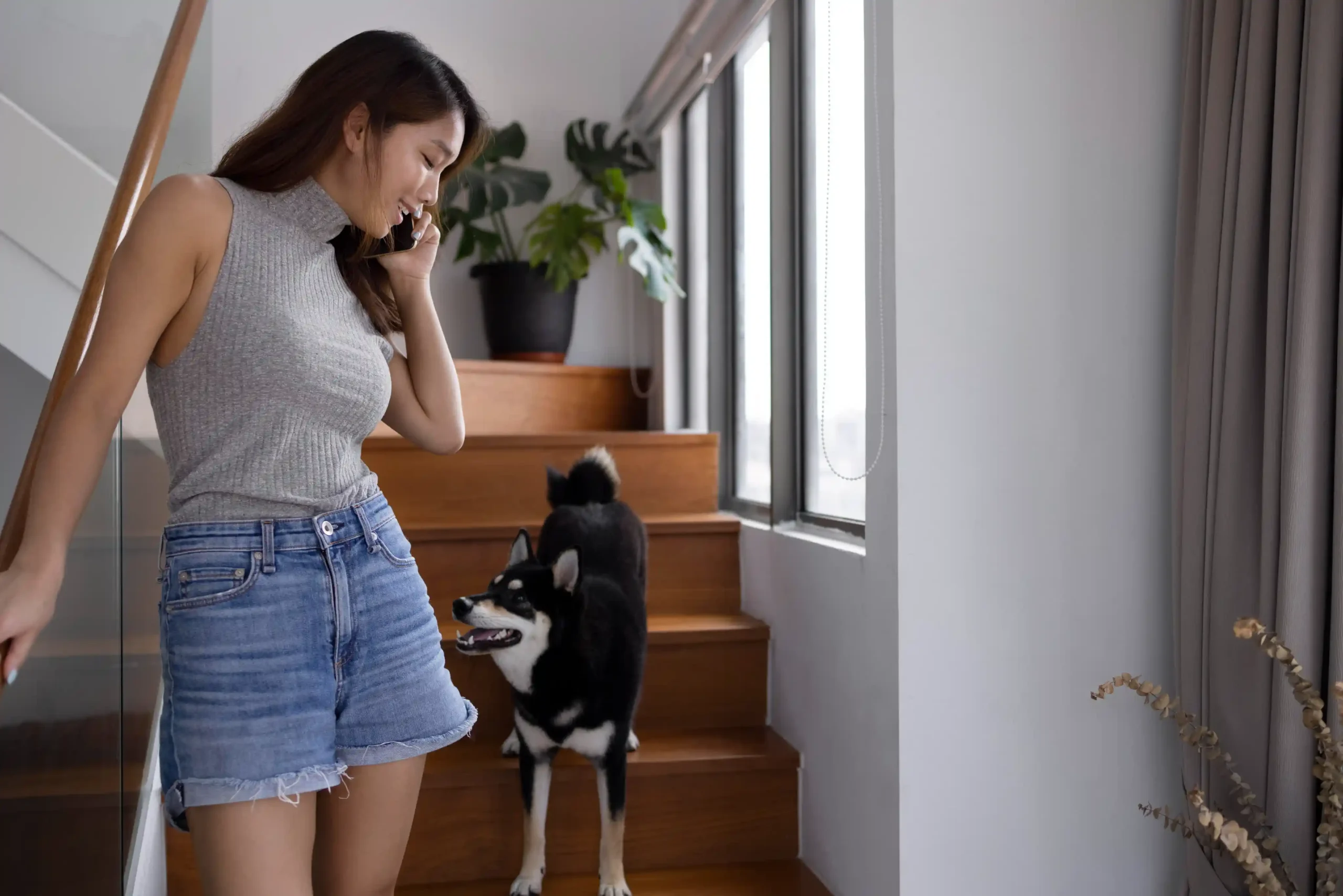
What Threshold 2 actually looks like:
Physical signs
Dilated pupils, panting when it’s not hot, repeated yawning, extra salivating, subtle trembling, or slow pacing around the room.
Behavioral signs
Standing instead of lying down, following you from room to room, or refusing treats they normally love.
Tricky part
These behaviors that they think are benign are actually subtle signs of fear. Your dog isn’t relaxing. They’re coping.
Why You Can’t See the Real Picture
You leave for 5 minutes. You come back to find your dog sitting by the door, tail wagging. But what happened in those 5 minutes? Did he lie down and chew his toy? Or did he stand at the door the entire time, heart racing, waiting for you to return? You can’t know without watching.
Camera Changes Everything

This is why professional trainers insist on live monitoring during stress threshold training. A basic camera like the Wyze cam shows you what’s really happening when you’re gone. You’ll watch your dog and realize: “Oh. He’s been panting this whole time.” Or “She never actually settled down.” Or “He’s pacing in a small circle – I thought that was normal.”The camera doesn’t lie. Your dog’s body language tells the truth.
What Real Relaxation Looks Like (Threshold 1)
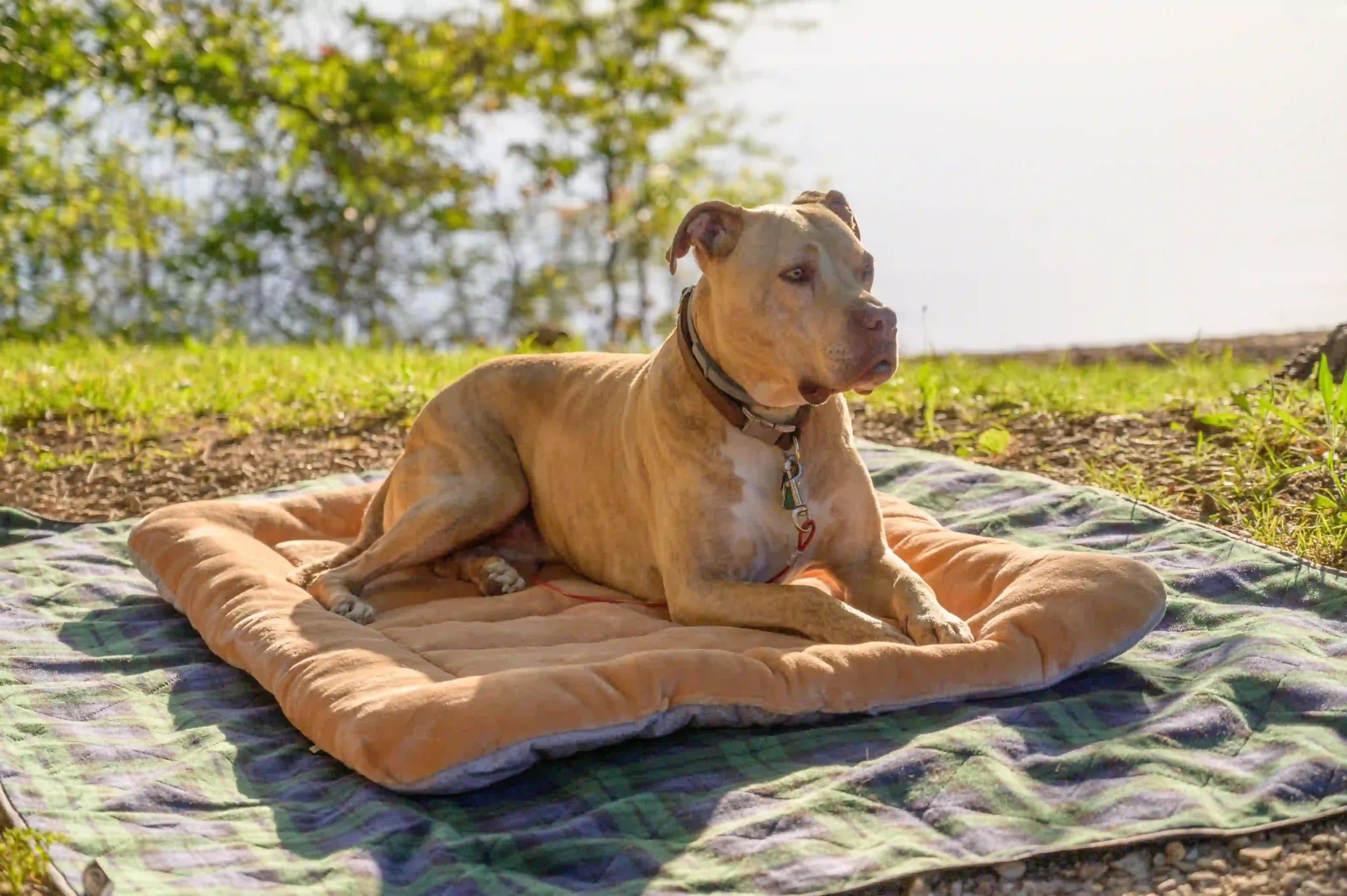
When your dog is truly comfortable:
i. They lie down within the first few minutes
ii. They might play with toys or chew
iii. Their body looks loose, not tense
iv. They don’t fixate on the door or your departure route
What “Holding It Together” Looks Like (Threshold 2)
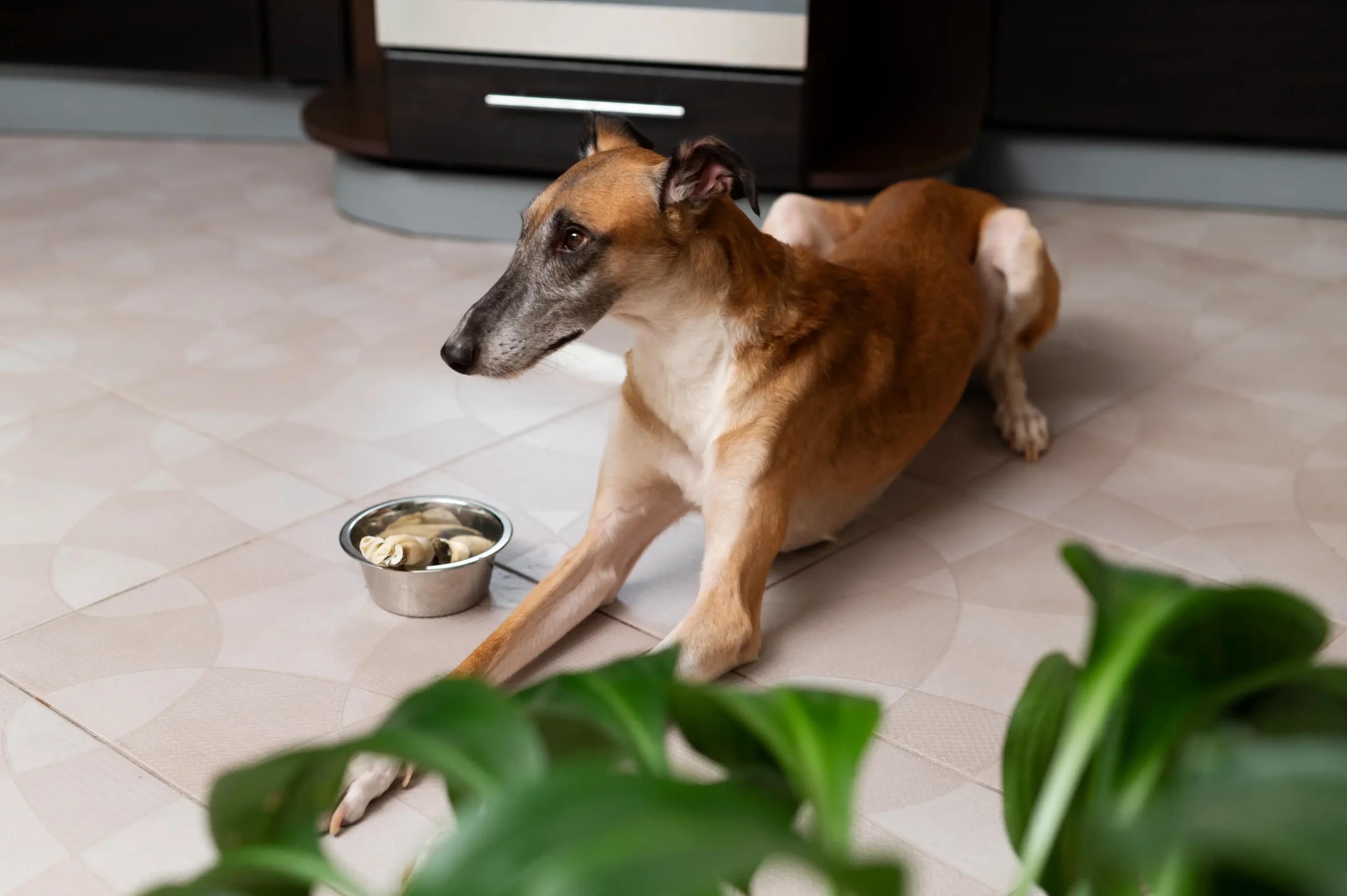
When your dog is stressed but coping:
i. They stay standing or sit upright
ii. They listen intently
iii. Their body looks alert and tense
iv. They might pant, pace, or drool slightly
v. They ignore food or toys completely
The difference is clear once you know what to look for. And once you see it, you can fix it.
#3. Why This Mistake Happens (And Why It’s Not Your Fault)

You’re not the first owner to make this mistake. There’s a good reason why these separation anxiety treatment errors happen so often.
We’re Wired to Push Too Hard
As humans, we want fast results. Your dog handles 5 minutes alone, so you try 10 minutes next. That seems logical, right? But anxiety doesn’t work that way. Your dog needs time to truly believe that being alone is safe. Rushing ahead breaks that trust.
We Misunderstand What Progress Looks Like
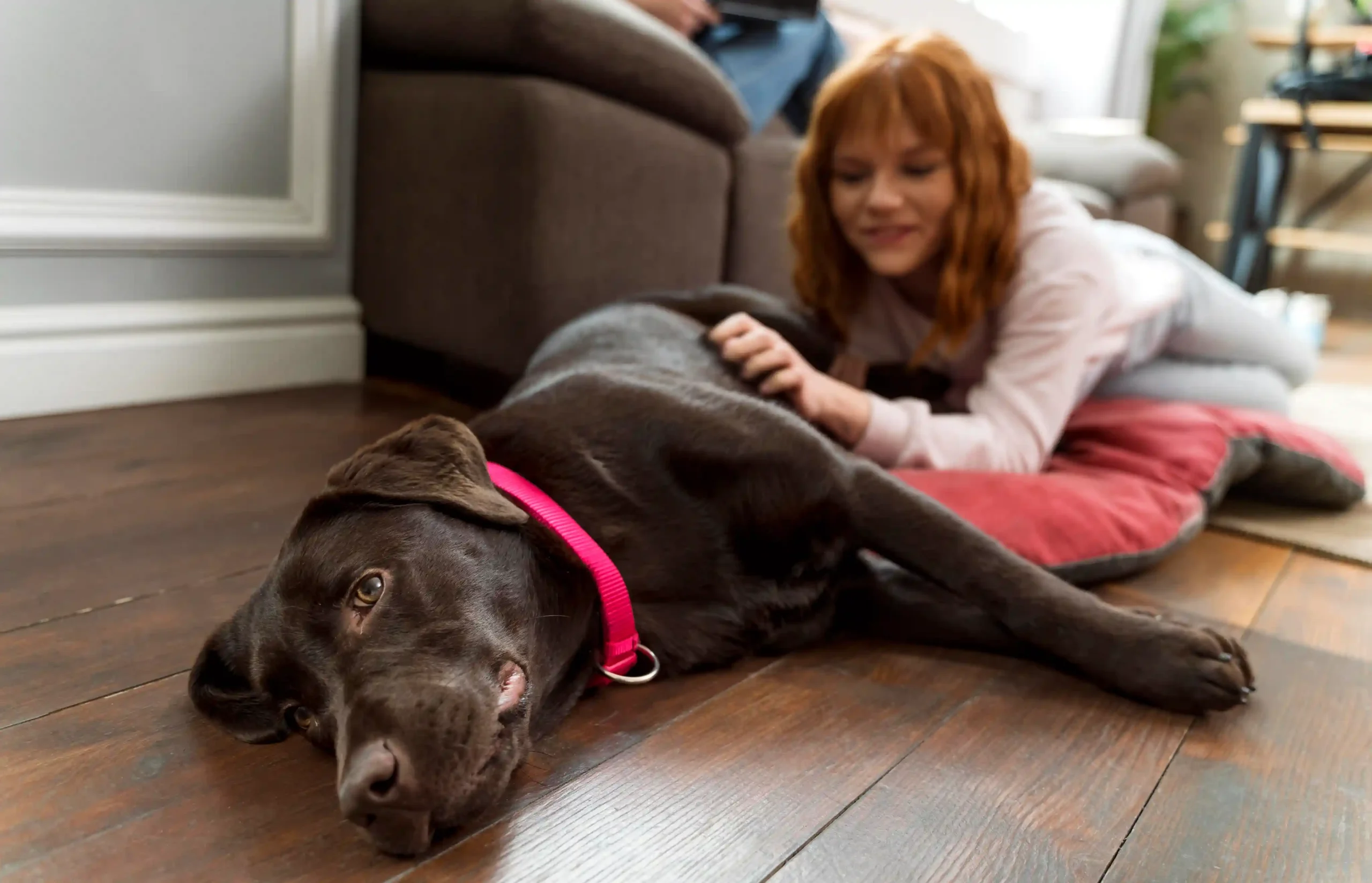
Most people think progress means “my dog didn’t bark” or “nothing got destroyed.” But real progress is internal. It’s your dog’s brain shifting from “this is scary” to “this is boring.” A dog who stands perfectly still for 20 minutes isn’t making progress. A dog who lies down and chews a toy for 3 minutes is.
Bad Advice Is Everywhere
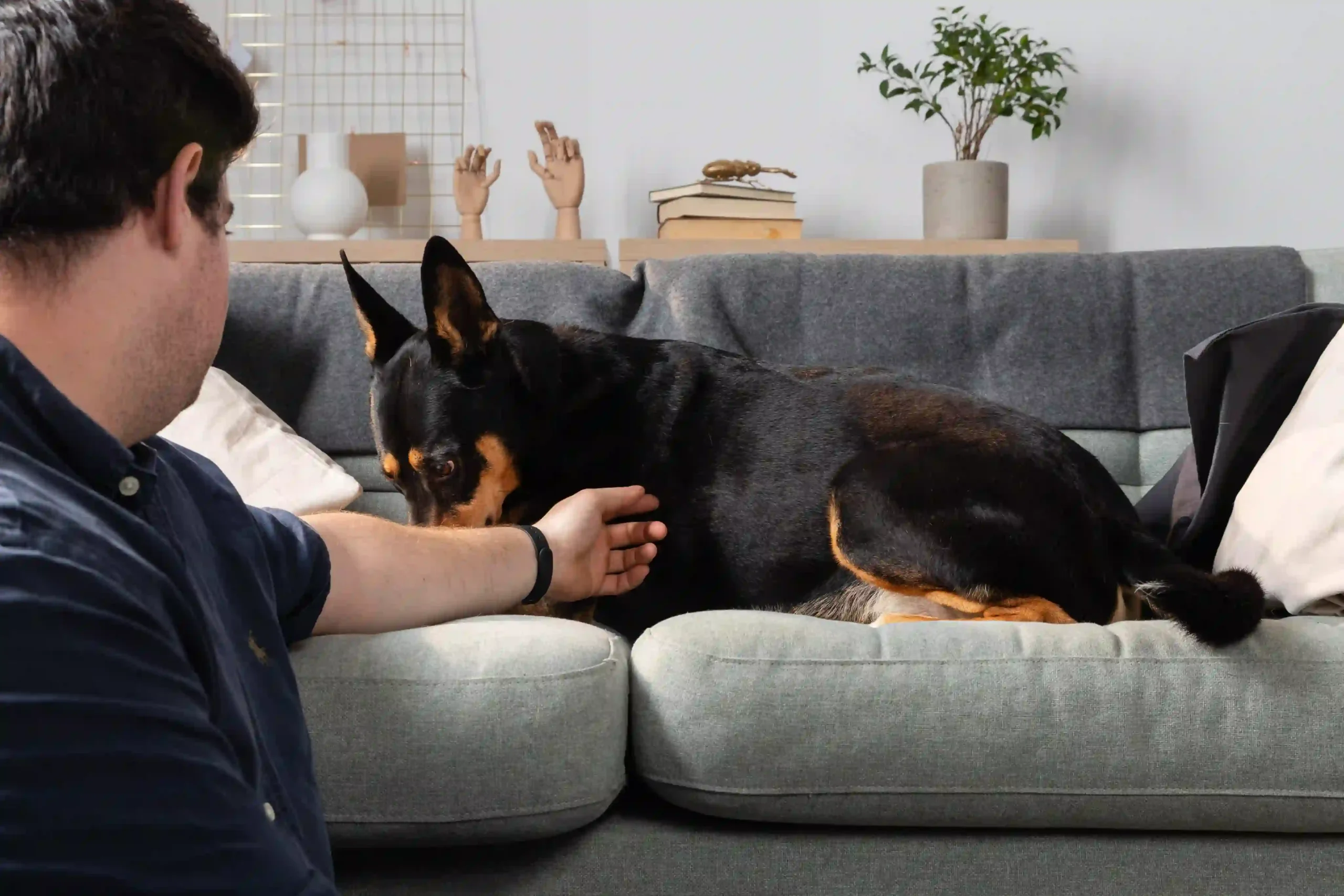
Traditional dog training mistakes tell you to “ignore the whining” and “don’t give in.” This advice treats separation anxiety like a behavior problem instead of an emotional one. Your dog isn’t being stubborn. They’re scared.The internet is full of “tough love” approaches that make anxiety worse. Push through it. Let them cry it out. Don’t reward the anxiety.
Dogs Seem Tougher Than They Are
Your dog survives your 8-hour workday, so they must be fine, right? Wrong. They might be spending those 8 hours in pure panic, just coping until you return. We mistake survival for success.
The Contract You Didn’t Know You Made
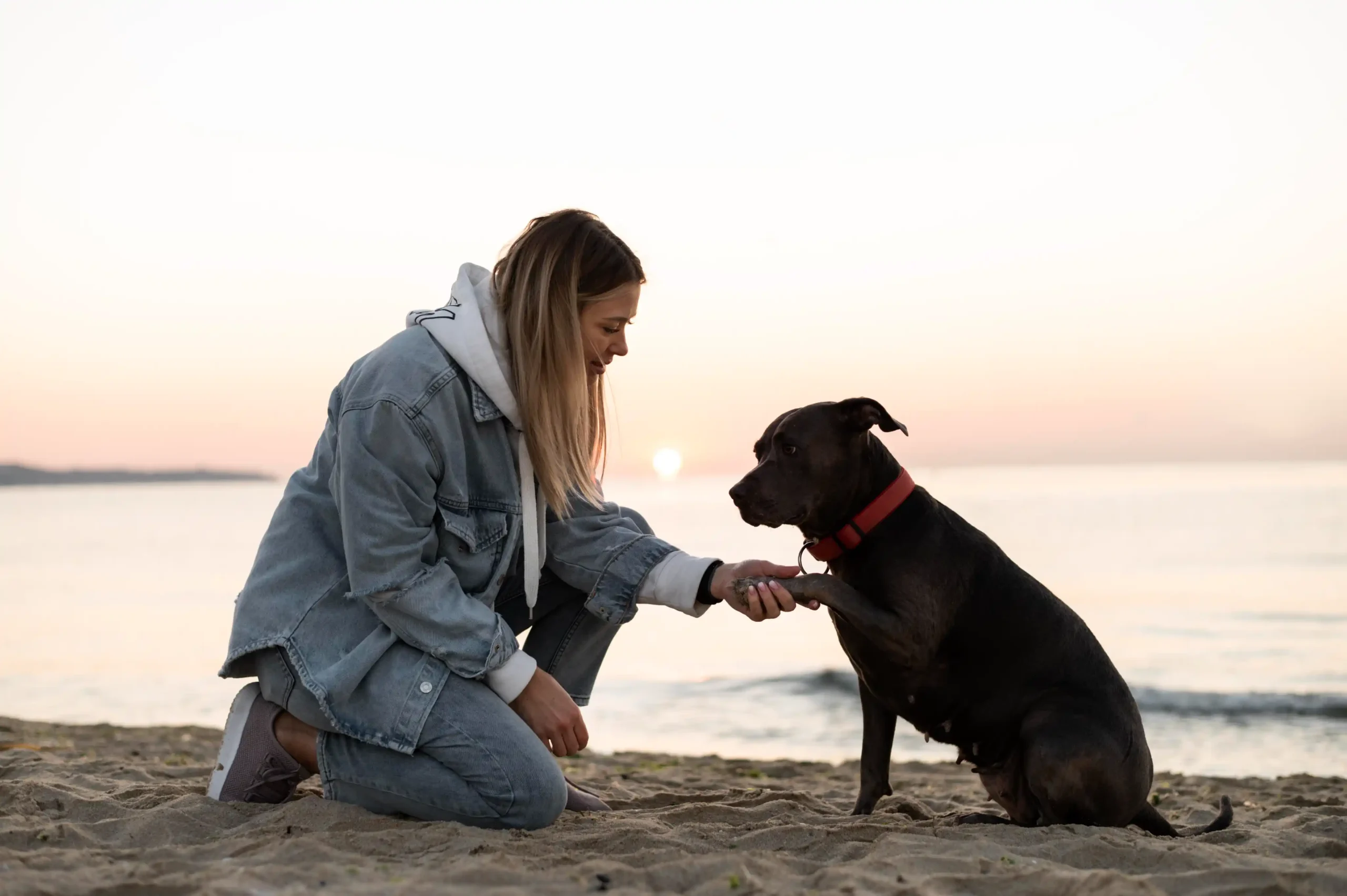
Training separation anxiety is like making a promise to your dog. “I will not leave you alone longer than you can handle.” Every time you break that promise, you’re teaching your dog that their fear is justified. You’re accidentally proving that being alone IS dangerous. But once you understand this, you can start building real trust.
#4. The Right Way to Train at Threshold 1
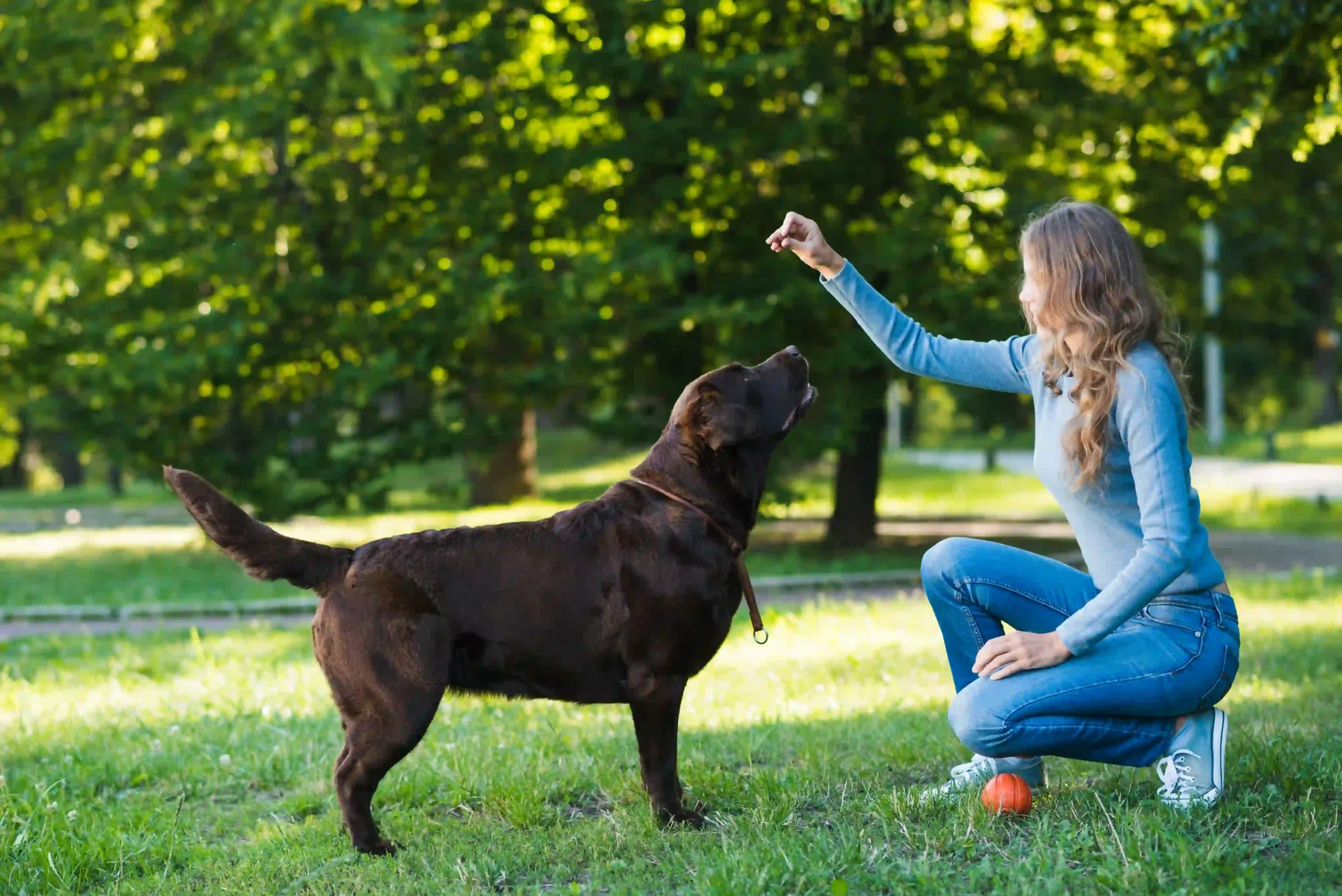
Exactly how to fix this starting today. This separation anxiety training plan works because it meets your dog where they are, not where you want them to be.
Step 1: Find Your Dog’s True Starting Point
Set up your camera. Start with just putting on your shoes. Does your dog get tense? Go smaller. Try picking up your keys. Still stressed? Go even smaller.
Your starting point might be incredibly tiny. Maybe your dog is only comfortable when you stand up from the couch. That’s fine. Start there. Some dogs need to begin with 30-second departures. Others can only handle you walking to the front door. There’s no shame in starting small when you’re doing threshold training dogs properly.
Step 2: Make the Contract
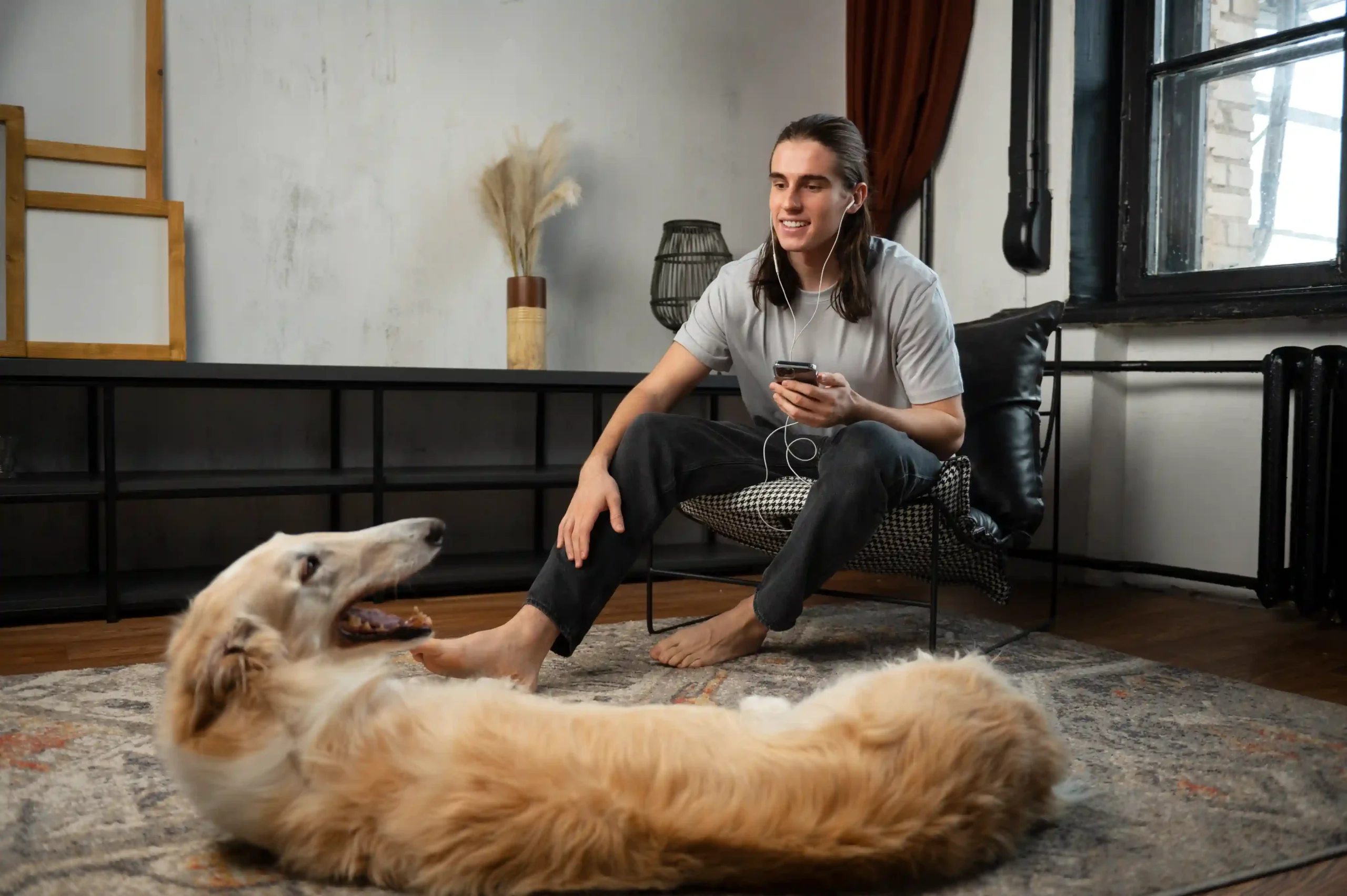
Before each session, remind yourself: “I will not throw more at you than you can handle.” This promise is everything. One mistake can erase weeks of progress. Stick to durations where your dog shows complete relaxation.
Step 3: Progress Like a Scientist
Only increase difficulty when your dog shows true comfort for 3-5 sessions in a row. Then add just 10-15 seconds.If you can do 2 minutes easily, try 2 minutes and 15 seconds. Not 5 minutes. Not 10 minutes.
Step 4: Use Technology as Your Guide
Your camera is your most important tool. Watch live during every session. Look for:
i. Does your dog settle down quickly?
ii. Do they stay relaxed the entire time?
iii. Are they breathing normally?
If the answer to any question is no, you’re going too fast.
What This Looks Like in Real Life?
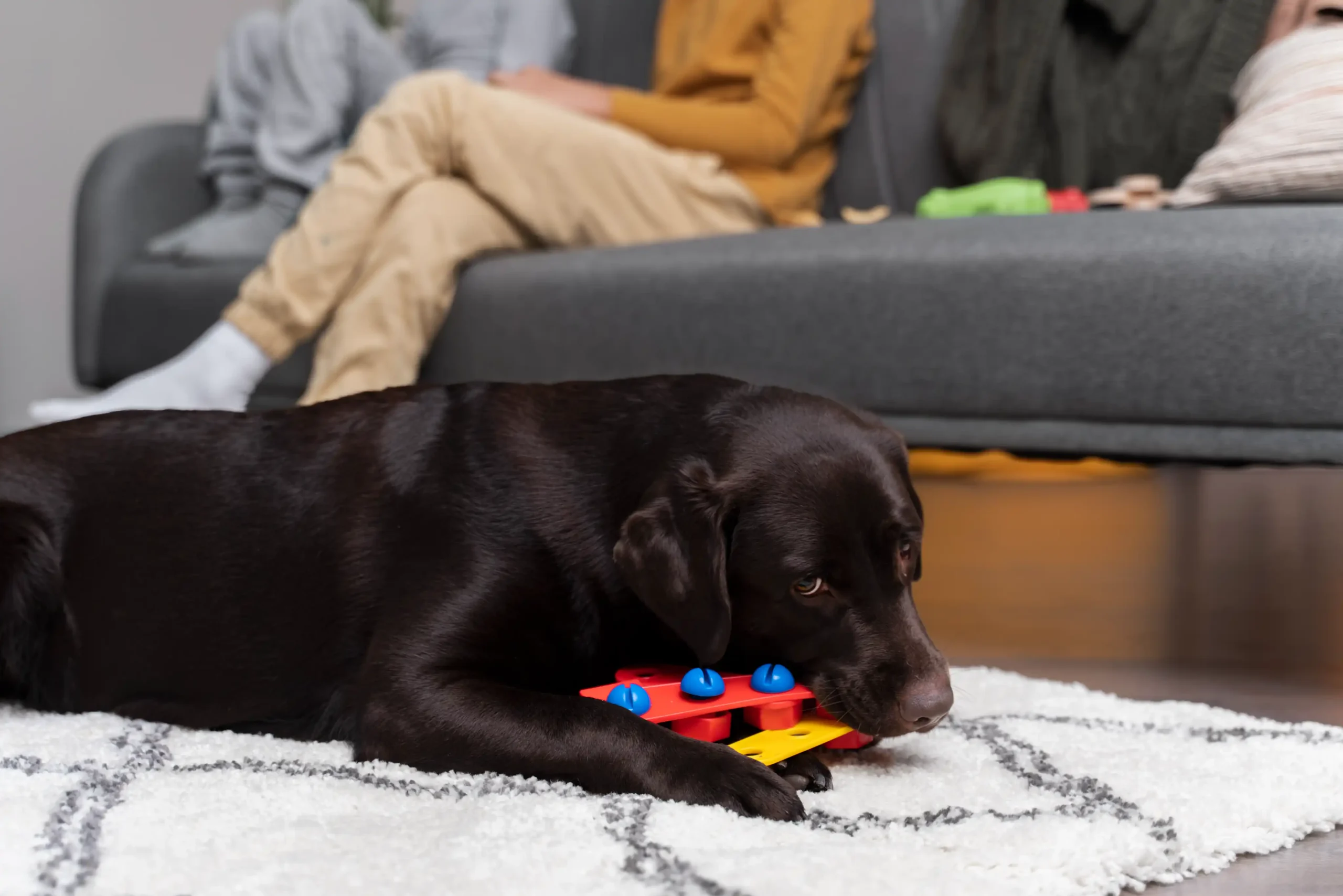
Week 1: 30-second departures, dog settles and chews toy
Week 2: 1-minute departures, still relaxed
Week 3: 2-minute departures, dog takes a nap
Week 4: 5-minute departures, complete comfort
Slow? Yes. Effective? Absolutely.
This method takes patience, but it builds unshakeable confidence. Your dog learns that every single time you leave, you come back before they get scared. That’s how trust gets built.
#5. What to Do If You’ve Already Made This Mistake
Don’t panic. This is fixable. Most dog owners make this mistake, and most dogs can recover with the right separation anxiety reset approach.
Step 1: Stop All Panic-Inducing Absences Immediately
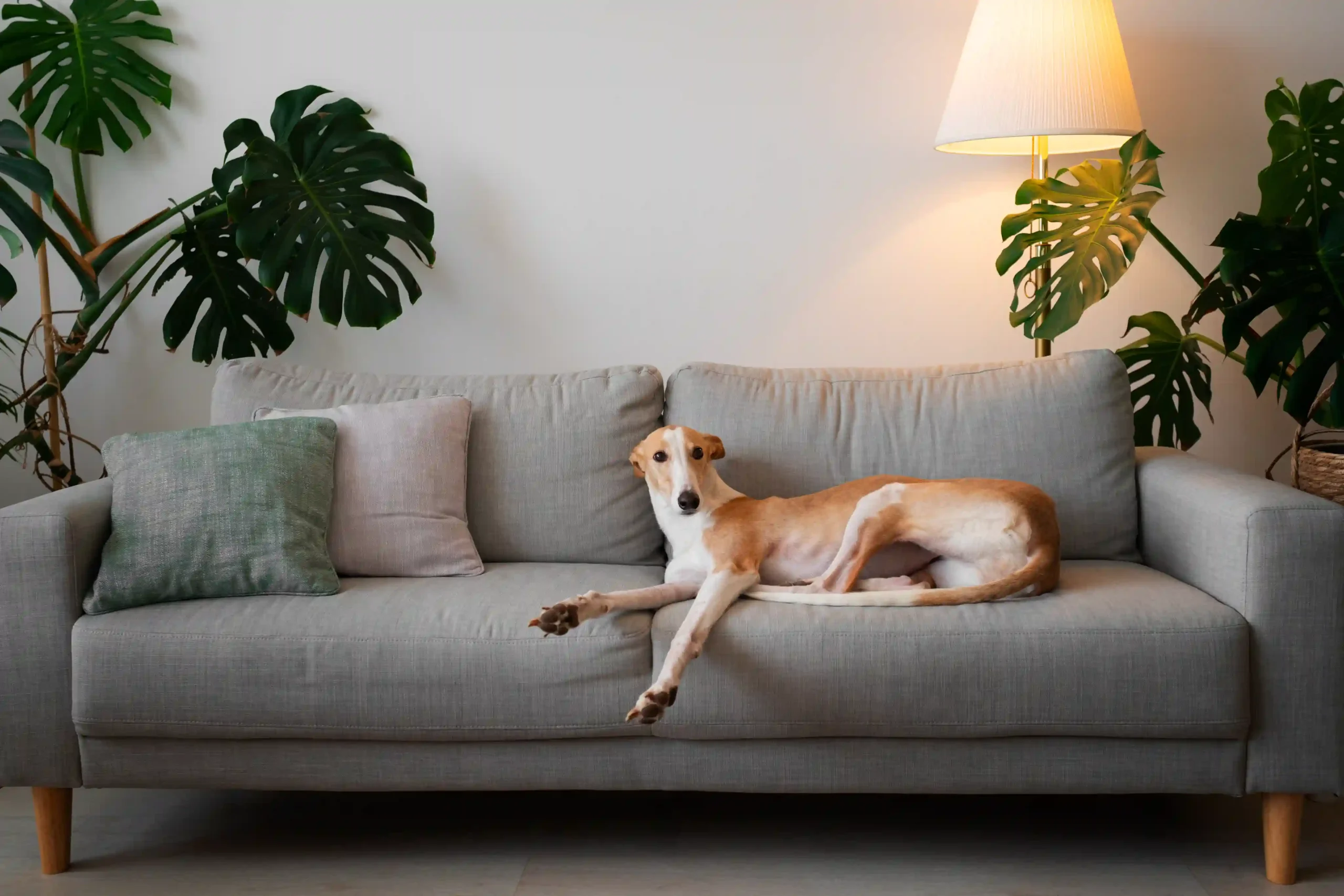
The hard truth: Absences long enough to send your dog into a state of panic have to be temporarily suspended when you rebuild their confidence. This means no more leaving your dog alone for work, errands, or social events until you’ve reset their training. Every time your dog experiences that panic, you’re undoing your progress.
Step 2: Arrange Alternative Care
This part isn’t optional. You need backup plans:
i. Dog daycare for work days
ii. Dog sitter or friend for errands
iii. Take your dog with you when possible
iv. Work from home if you can
This as a temporary investment in your dog’s recovery. Most dogs need 2-6 weeks of suspended absences for a complete reset.
Step 3: Start Over at Square One
Forget what your dog “used to handle.” Their confidence is shaken now. Go back to the very beginning of threshold training. Your dog might have handled 20 minutes before, but now they can only manage 30 seconds. That’s okay. Start with what they can actually handle today, not what they did last month.
Step 4: Rebuild The Trust Contract
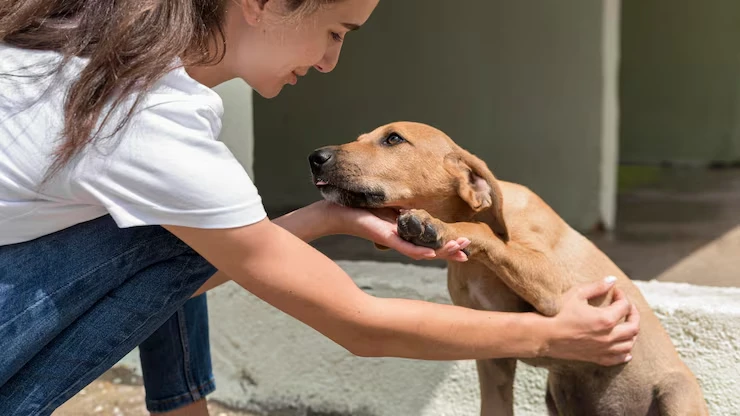
Your dog’s trust is damaged. They’ve learned that you might leave them in panic mode. Now you have to prove that won’t happen anymore. This dog anxiety recovery process requires perfect consistency. No “just this once” exceptions. No “emergency” long departures. Your dog needs to know they can count on you completely.
#6. 5 More Mistakes That Make Separation Anxiety Worse
Beyond the threshold mistake, these 5 anxiety training errors will sabotage your progress. Most owners make at least 2-3 of these without knowing it.
Mistake #1: Letting Your Dog Cry It Out
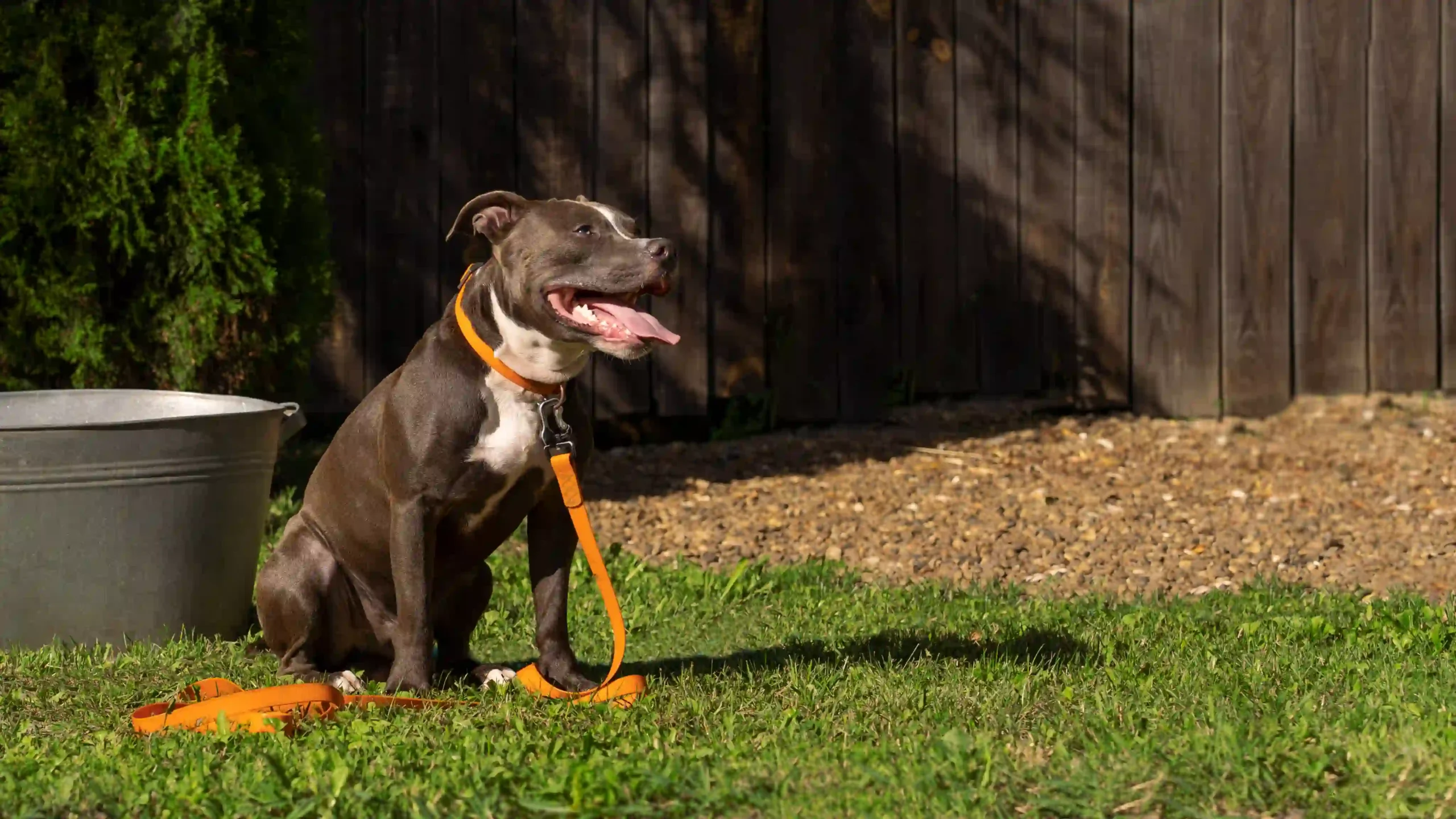
You’ve heard this advice: “If you go back when your dog is barking, you’re rewarding the anxiety.” Letting your dog cry it out will actually make the panic worse. You have an intense fear of spiders. One day, you get locked in a room with a giant spider. You scream in panic. A friend immediately comes and lets you out. Would that make you more afraid of spiders? No.
Now imagine that friend never came. Your panic would get worse every minute. When you finally escaped, you’d be traumatized. The next time you saw a spider, your fear would be stronger than ever.This is exactly what happens when you let your dog “cry it out.” You’re proving their fear is justified.
Mistake #2: Thinking Your Dog Is Being Spiteful
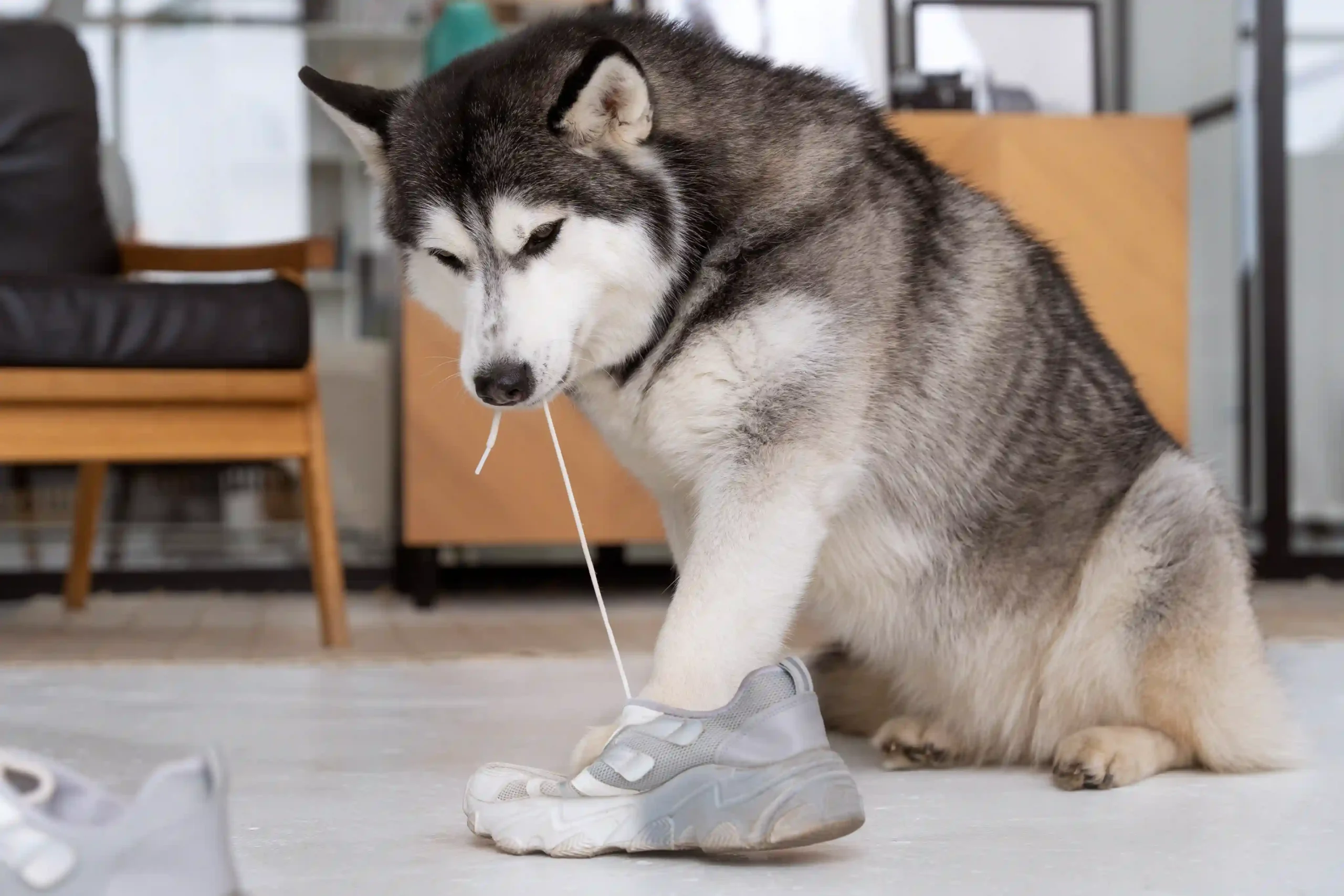
Your dog is perfect when you’re home. The second you leave, they destroy your favorite shoes and pee on your bed. It looks like revenge, right? Dogs with separation anxiety are in a state of complete panic. They’re not assuming “I’ll show my human who’s boss.” They’re assuming “I need to escape this terrifying situation right now.”
When your dog chews the door frame, they’re trying to get to you. When they have accidents, their body is responding to extreme stress. Spite requires complex thinking that dogs don’t have.That “guilty” look when you come home? That’s fear. They’ve learned that certain scenes (chewed furniture, accidents) make humans scary and unpredictable.
Mistake #3: Using Punishment or Shock Collars
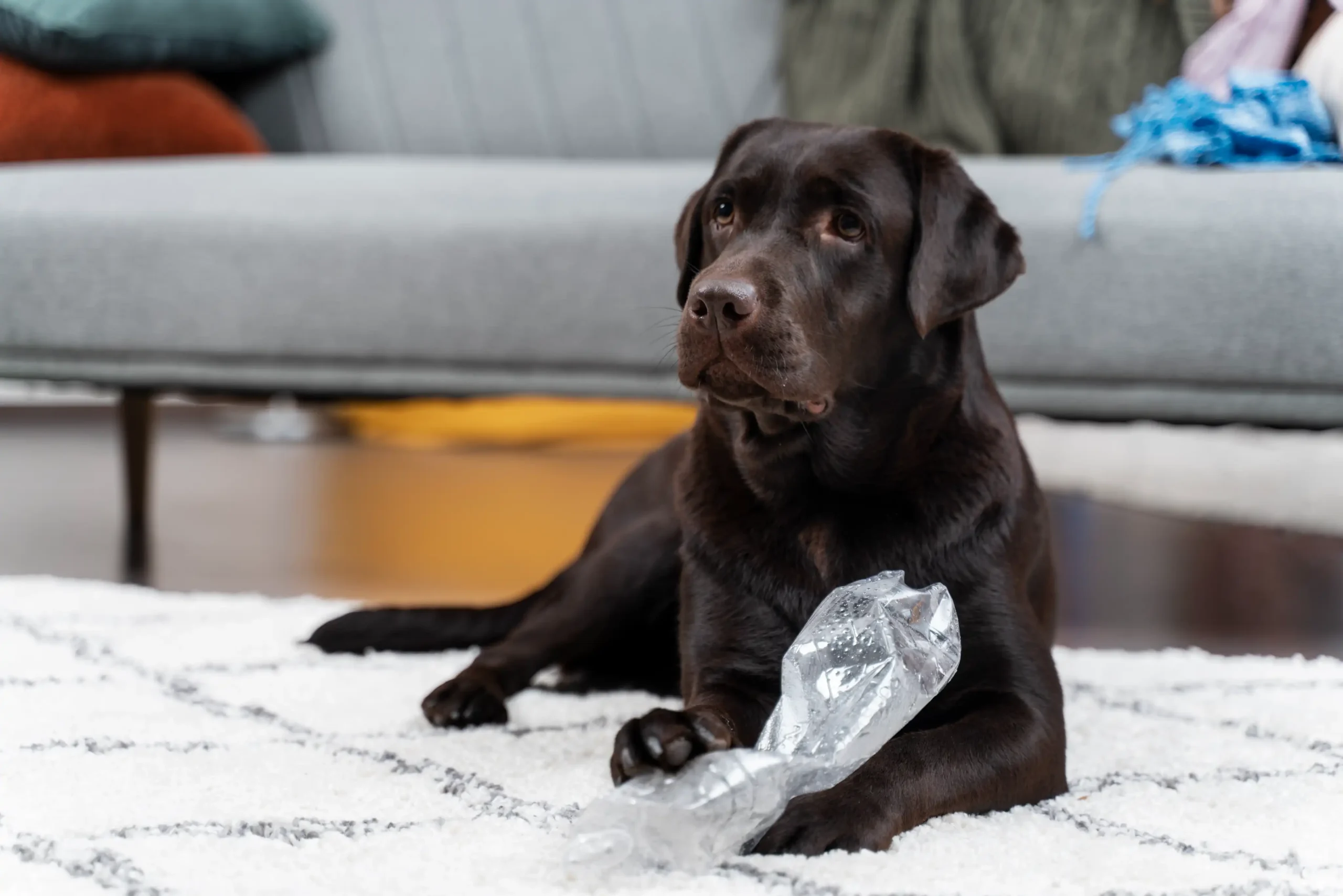
Bark collars and shock devices might stop the noise, but they make the anxiety much worse. Back to the spider example. You’re already terrified in that room with the spider. Now imagine getting shocked with a taser every time you scream. You might stop screaming to avoid the pain, but how would you feel about spiders afterward? Much, much worse. Punishment teaches your dog to suffer in silence. It doesn’t fix the panic. It just hides it when making the fear stronger.
Mistake #4: Not Suspending Real Absences During Training
You practice threshold training for 20 minutes, then leave your dog alone for 8 hours at work. This ruins everything. Every panic episode erases your careful progress. You can’t build confidence with baby steps on Monday, then terrify your dog on Tuesday and expect success.
Mistake #5: Training Without Video Monitoring
Your dog is relaxed because they’re quiet. But quiet doesn’t mean calm. Without a camera, you’re flying blind. Your dog might be standing frozen in terror, or pacing anxiously. You’ll mistake survival for success and keep training at the wrong level. These dog separation anxiety solutions only work when you avoid all these mistakes together. Fix the threshold error, but ignore these 5 problems, and you’ll still struggle.
#7. Your Step-by-Step Action Plan Starting Today

Your roadmap to fix this immediately. This separation anxiety action plan will get you started on the right path within 24 hours.
Today: Stop the Damage
Right now
i. Cancel any plans that require leaving your dog alone
ii. Stop all training sessions until you have your camera set up
iii. Make a list of people who can help with dog care this week
This evening
i. Order a camera online (Wyze cam works great and costs under $30)
ii. Text 3 friends/family members about temporary dog sitting
iii. Research local dog daycare options
Equipment You Need (Under $50 Total)
Essential gear
i. Camera with live viewing
ii. Timer or stopwatch
iii. High-value treats your dog loves
iv. Comfortable spot for your dog near where you’ll practice
You don’t need expensive equipment or special tools.
Week 1: Find Your Starting Point
Day 1-2: Set up your camera and find your dog’s true comfort zone
i. Start with putting on shoes while sitting down
ii. If that causes stress, start smaller
iii. Find the tiniest action your dog can handle calmly
Day 3-7: Practice at that exact level
i. Do 3-5 sessions per day, each lasting only as long as your dog stays relaxed
ii. Watch the camera live during every session
iii. Only move forward when your dog lies down and stays calm
Arrange Alternative Care This Week
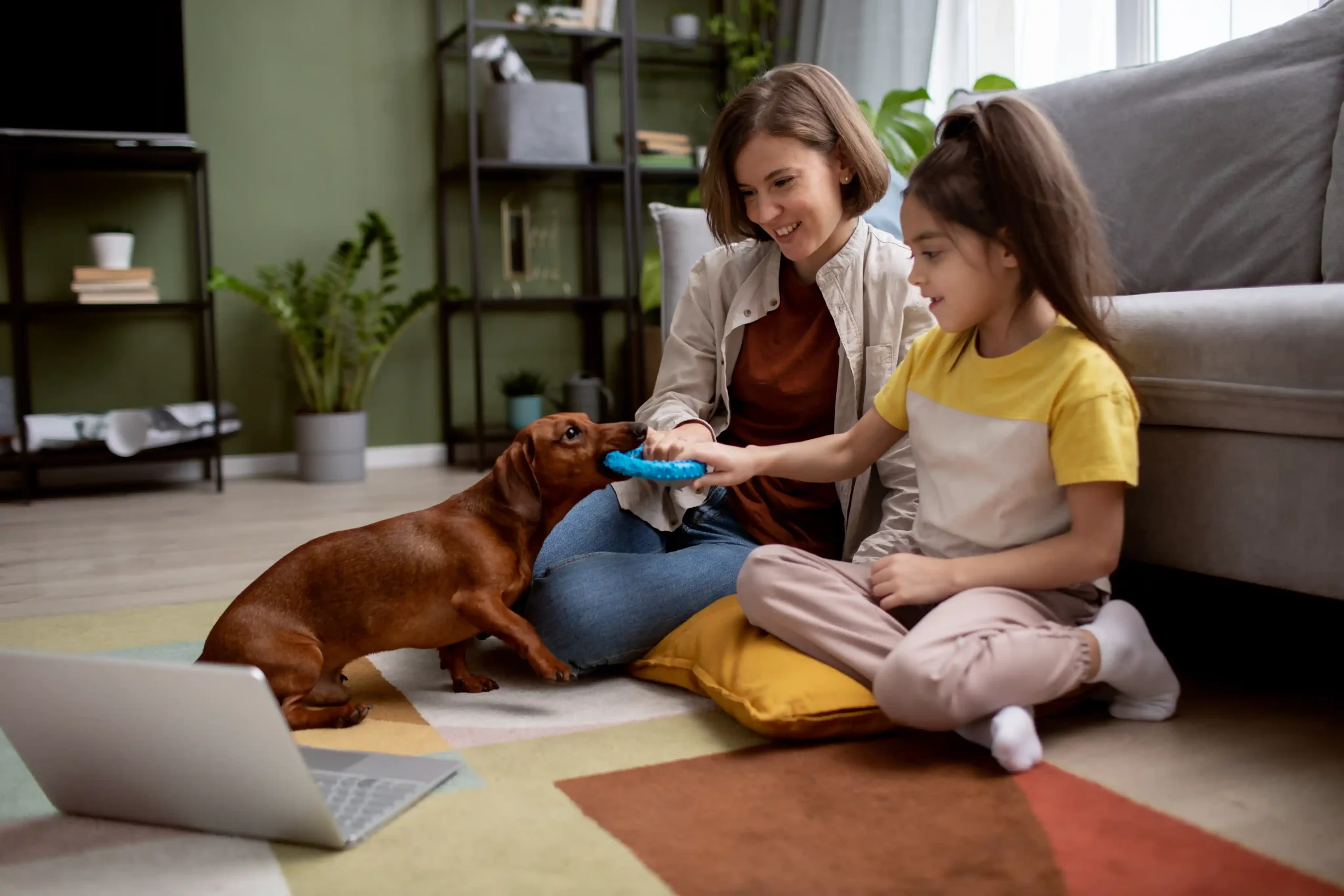
For work, Dog daycare, pet sitter, or work from home options. For errands, Take your dog with you, ask a friend to sit, or use delivery services . For emergencies, Have 2-3 backup people on speed dial. Every panic episode sets you back. Alternative care isn’t optional.
Signs You’re on the Right Track
Good signs in week 1
Your dog lies down within 2-3 minutes of your practice departures. They stay relaxed the entire session. They show interest in toys or treats. Their breathing stays normal
Warning signs to watch for
i. Standing alert the whole time
ii. Panting or pacing
iii. Ignoring food completely
iv. Fixating on the door
When to Get Professional Help?
Consider hiring a certified separation anxiety trainer if you can’t arrange alternative care for more than 2 weeks, your dog can’t handle even 10-second departures, you’re not seeing any progress after 4 weeks of consistent training, or your dog is injuring themselves during panic episodes.
These dog anxiety training steps work for most dogs, but some need extra support. There’s no shame in getting expert help. Start with step one today. Your dog is counting on you to get this right.