Some Cat Breeds suffer their entire lives because of how humans designed them. Flat faces that can’t breath properly.Folded ears that cause constant pain.Legs so short they struggle to jump.These aren’t accidents.Breeders created these problems on purpose, chasing “Cute” looks while ignoring the health consequences.
Veterinarians see the reality behind those Instagram photos.They treat Cats who wheeze through every breath.They prescribe pain medication for genetic conditions that never go away.And now, after years of staying quiet,vets are finally speaking up about which Breeds cause the most suffering.
Why Veterinarians Are Speaking Out Now
Walk into any Veterinary conference today, and you’ll hear a different conversation than ten years ago. Vets are done staying quiet about Cat Breeds that suffer.
Social media changed everything.Celebrities like Taylor Swift and Ed Sheeran post photos of their Scottish Fold Cats to millions of followers Scottish fold Cats:the adorable Breed is banned in Scotland but is huge in the US and Japan.The Cats look adorable.
By 2025, Veterinary professionals have seen an alarming increase in the popularity of pedigree Breeds with extreme body shapes Sickly Cats 2025: Here are 7 Cats that suffer health issues due to selective breeding – including the Scottish Fold. Flat faces. Folded ears. No tails. These features sell Cats for thousands of dollars.
The Pushback is getting serious
International Cat Care partnered with European Veterinary bodies to push brands to ban brachycephalic Cats in advertising Brachycephalic Cats – Orchard House Vets. The goal Stop normalizing Cats that can’t breathe properly.
Countries are taking action too. Germany, Australia, and the Netherlands have explicitly banned breeding Scottish Folds Quick Check:More countries are considering similar laws.
Here’s what makes this urgent: Persians alone account for around 1% of UK Pet Cats—that’s 100,000 Cats Persian Cats under first opinion Veterinary care in the UK: demography, mortality and disorders – PMC. Multiply that by other problematic breeds.That’s a lot of suffering.
New research from 2024-2025 keeps adding evidence. Every study confirms what vets already knew. These breeds have serious, preventable health problems.
Vets have seen enough (Now they’re making sure you see it too)
The question isn’t whether these breeds suffer. The evidence is clear. The question is whether we’ll keep breeding them anyway.
#1 Scottish Fold – The Breed Banned in Multiple Countries
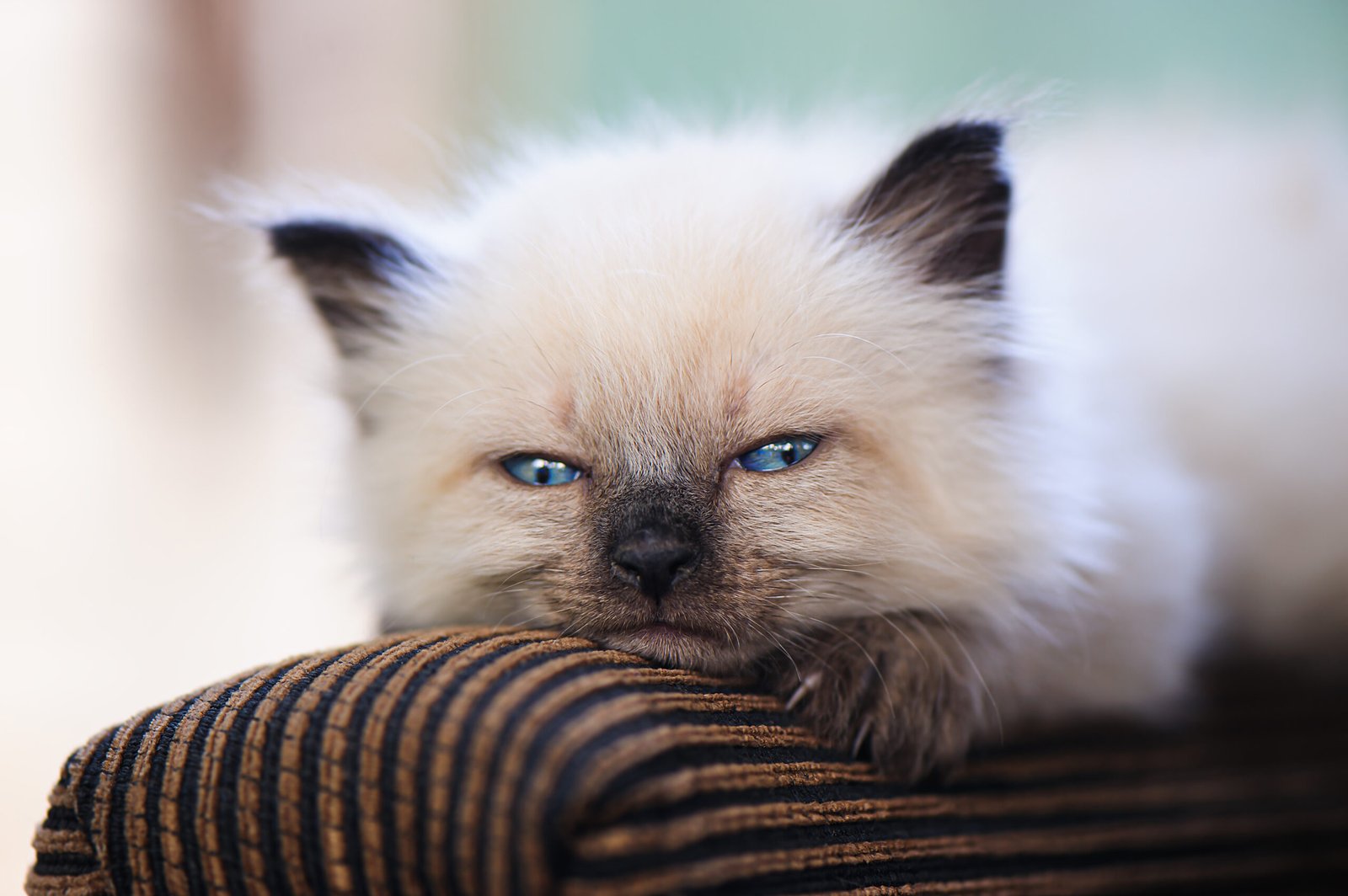
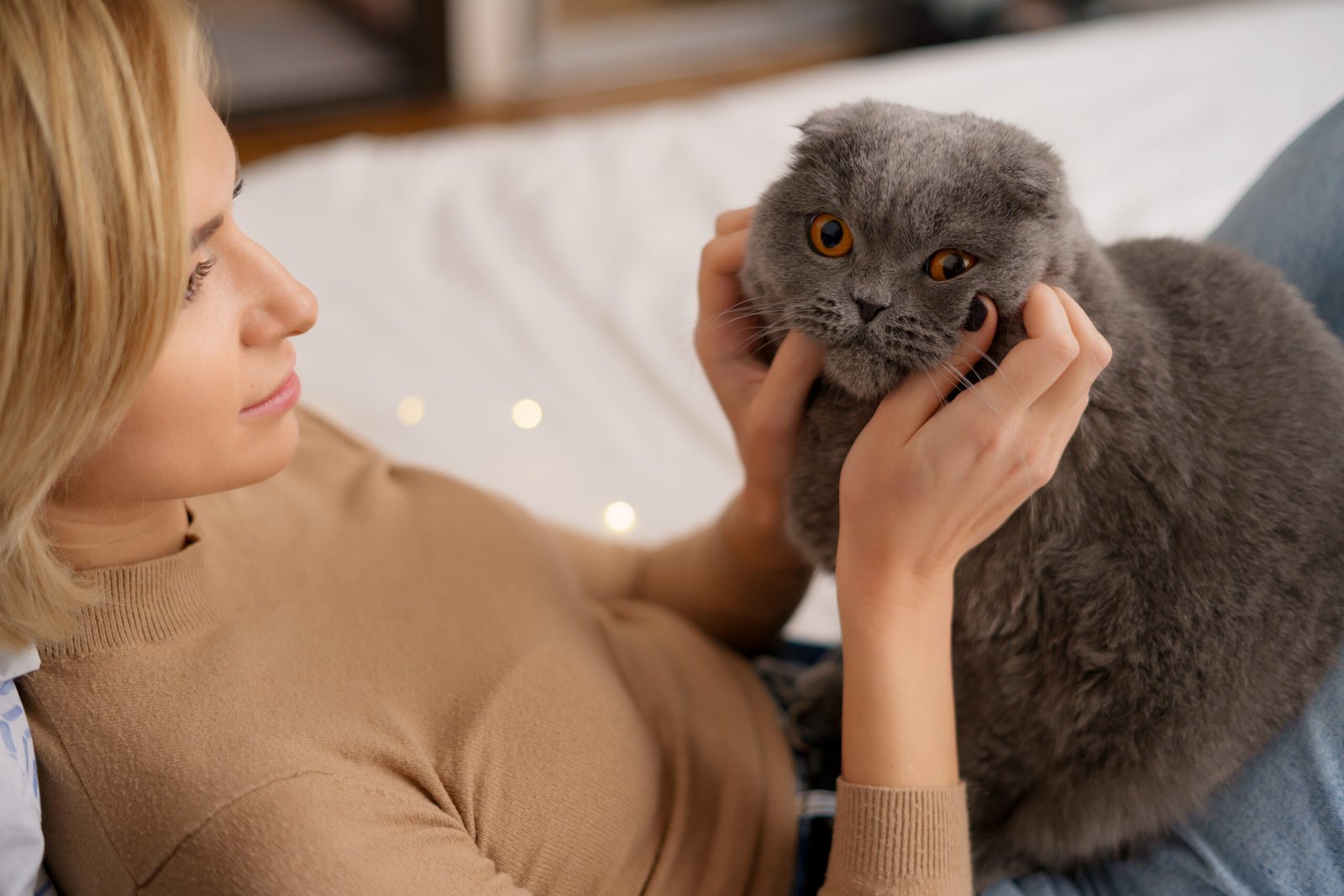
Every single Scottish Fold Cat lives with a painful genetic condition.They’re the visible sign of a mutation that destroys cartilage and bone throughout the Cat’s entire body. All Scottish Folds carry the gene mutation that causes osteochondrodysplasia PetscareThe Environmental Literacy Council.
Here’s what that looks like in real life
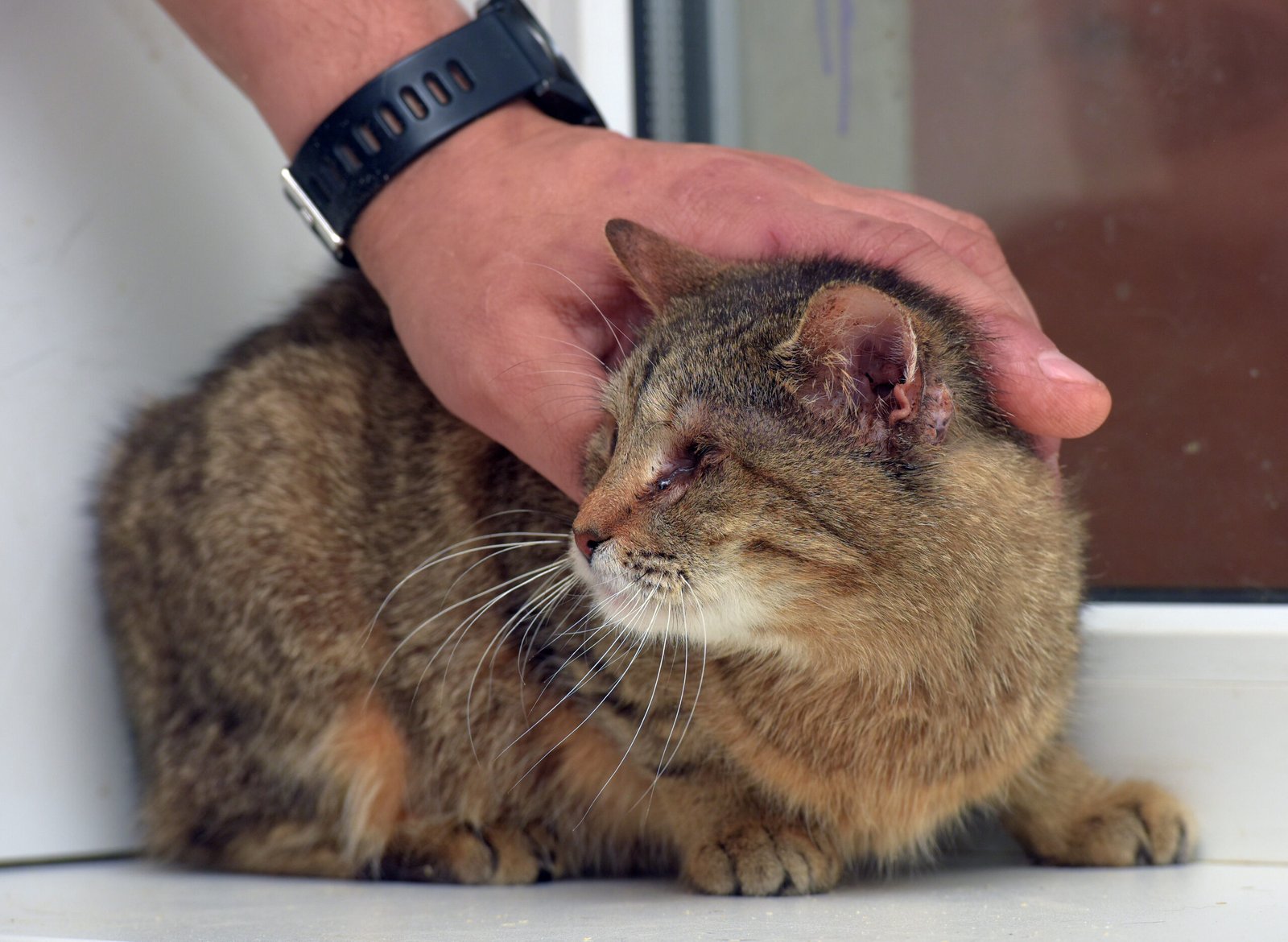
The genetic mutation affects cartilage development, causing the ears to fold forward But cartilage isn’t just in ears. It’s in joints, In the spine.Throughout the skeleton.
All Cats with folded ears will develop the painful effects of osteochondrodysplasia to varying degrees Some show severe deformities. Others look fine on the outside while arthritis attacks their joints.The timeline is brutal. Some Cats develop significant disease from as early as six months of age That’s barely past kittenhood.The condition causes chronic pain, arthritis, and limited mobility Countries Where Scottish Folds Are Banned.
And it doesn’t stop there
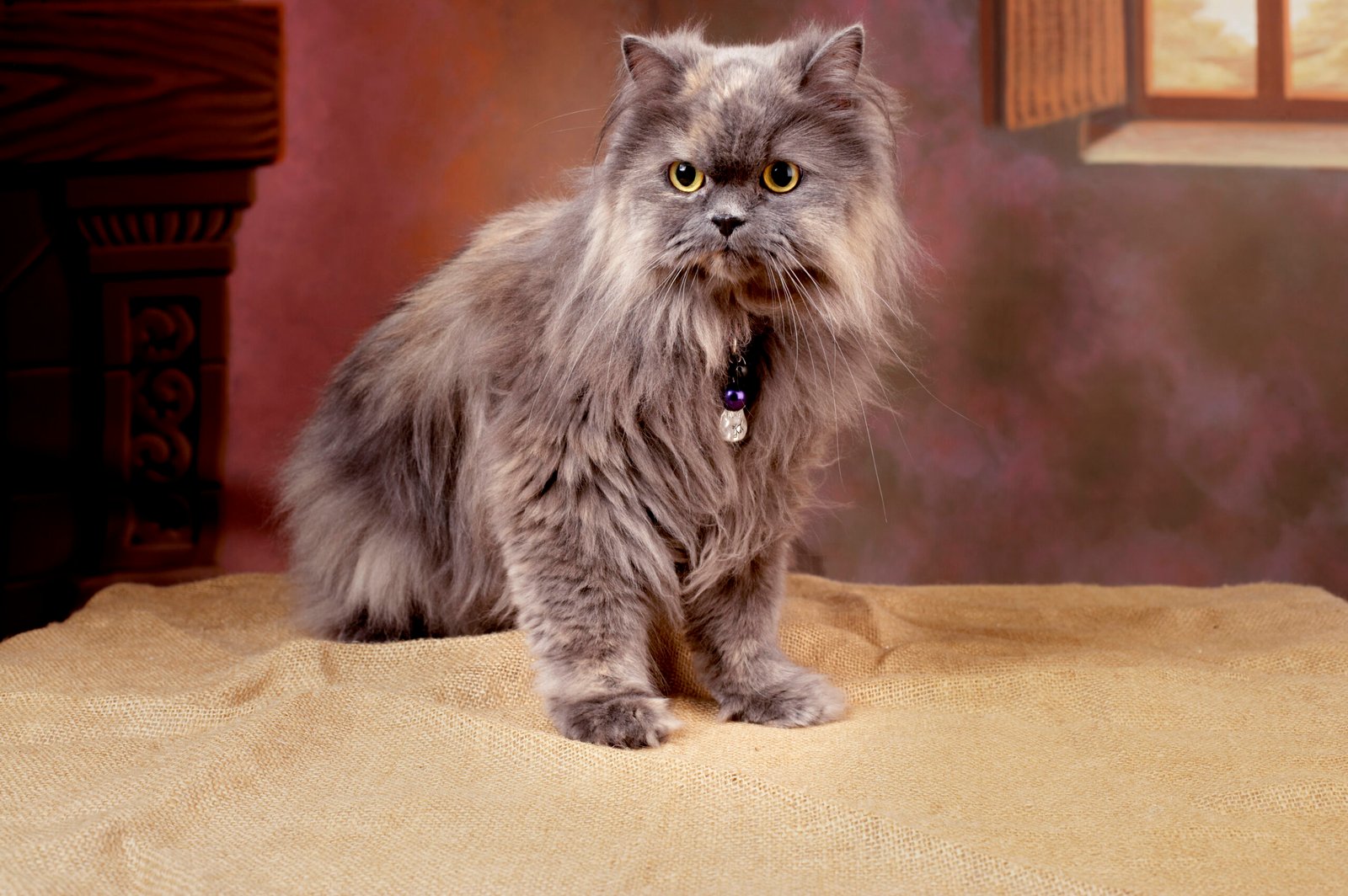
The Netherlands, Austria, and parts of Australia have banned breeding Scottish Folds due to animal welfare concerns.Scotland the Breed’s birthplace doesn’t support breeding them.
The Cat Fancy of Great Britain excluded the Scottish Fold from recognition as a Breed in 1974, citing the crippling deformities as a major cause for concern.The Environmental Literacy Council. That was over 50 years ago.
The British Veterinary Association has called for an end to Breeding Scottish Folds over health concerns.Breeders claim they breed responsibly.They say not all Cats suffer severely. But here’s what they don’t tell you: there’s no way to Breed a “Healthy” Scottish Fold because all Cats with the ear fold carry at least one copy of the defective gene.
Vets have been clear about this

The Owl-like appearance people love is actually a visible marker of a painful genetic disorder.Those round eyes and folded ears sell for $1,000-$3,000.The Cat pays the price in pain.
This isn’t about hating a Breed. It’s about admitting that breeding Cats we know will suffer is wrong. Some things are too cute to be ethical.
#2 Munchkin Cats – Short Legs, Serious Problems
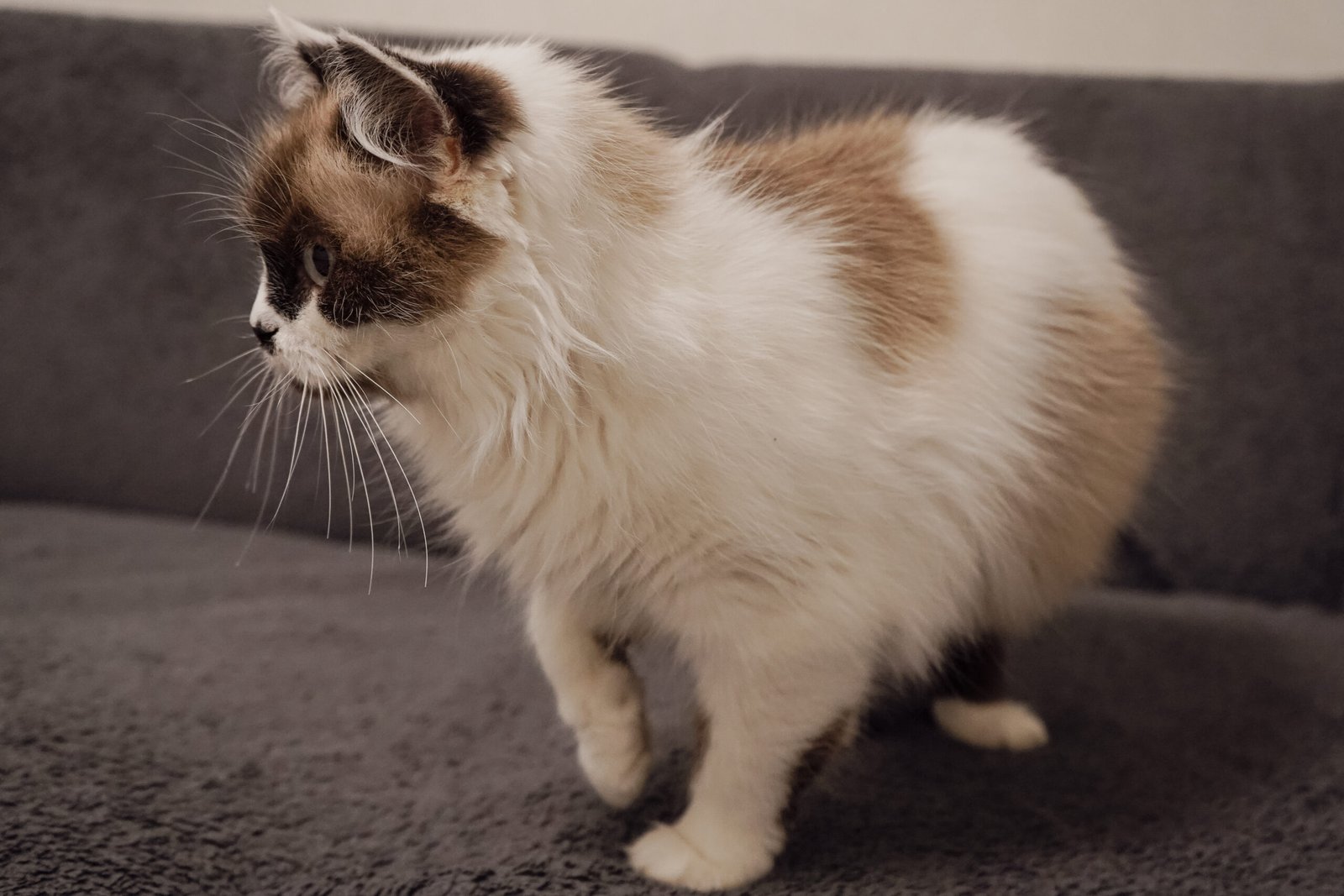
Those stubby legs aren’t just cute. They’re a genetic defect that impacts the entire skeleton.Munchkin Cats are the product of a genetic mutation that causes a form of dwarfism called Achondroplasia or Chondrodysplasia.The same mutation that makes their legs short also messes with cartilage formation throughout their body.
The Problems Pile Up Fast
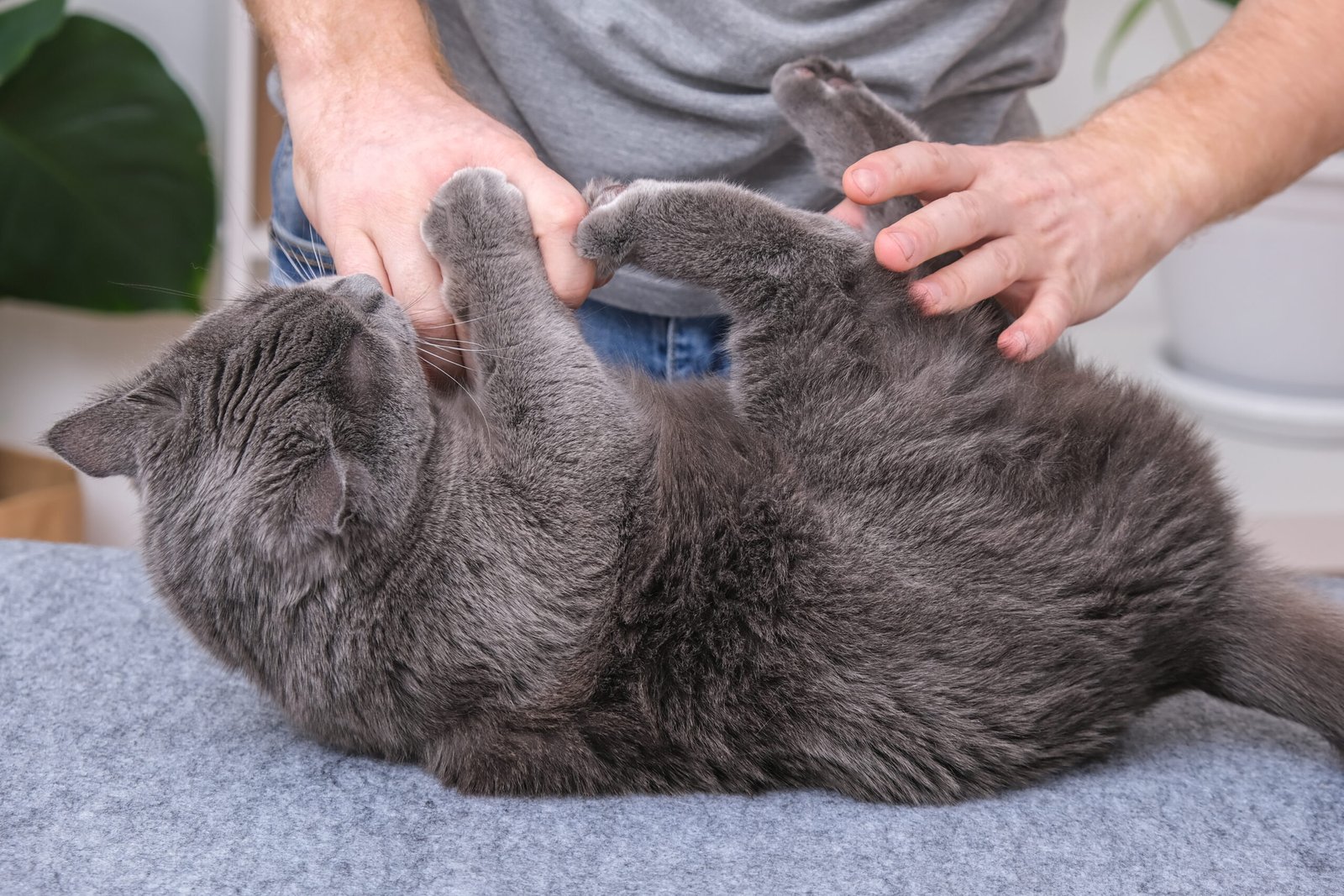
Munchkins are prone to lordosis, an inward curvature of the spine in the lower back Munchkin Cat. Some Cats show no symptoms. Others develop spinal pain, lean to one side, and have reduced movement.
Pectus excavatum is a deformity of the cartilage of the sternum and ribs that leads to a flattened, concave, or narrowed chest.This can cause decreased exercise tolerance, difficulty breathing, coughing, and lethargy. Severe cases are visible within days of birth.
While it’s not currently clear what the impacts of these limb deformations are on long-term health, it may predispose them to osteoarthritis.The Little Carnivore. Vets are watching Munchkins develop joint problems earlier than normal cats.
Major Cat organizations agree this is a problem
Organizations such as the Cat Fanciers’ Association and International Cat Association refuse to formally recognize the Breed Important Health Facts for Munchkin Cat Owners.Concerns over inherited abnormalities and health implications.
The Cat Fancier’s Association does not recognize the Munchkin and considers crosses like the Bambino experimental and discourages the Breed Munchkin Cat Breed Health and Care | PetMD. When major registries won’t touch a Breed, that tells you something.
Vets have been clear about this
You’re not getting a Cat that can’t jump as high. You’re getting a Cat with skeletal abnormalities that may cause pain and limit normal cat behaviors. Cats evolved to run, jump, and climb. Munchkins struggle with all three.
Breeders market them as the “Dachshund of Cats.” But Dogs with similar mutations develop severe spinal problems.We breed those issues into Dogs. Now we’re doing it to Cats.
The short legs look adorable in photos. They sell Cats. But they don’t help the Cat live a better life. They only serve human preferences for novelty.
#3 Persian and Exotic Shorthair – When Cute Faces Can’t Breathe
That smooshed face is actually a skull deformity. And it causes problems everywhere.The brachycephalic head structure brings severe health problems, including ill-functioning tear ducts, breathing difficulties from a soft and long palate that obstructs the upper airway,and dental and jaw defects where teeth grow in unnatural positions.
Here’s the full damage list
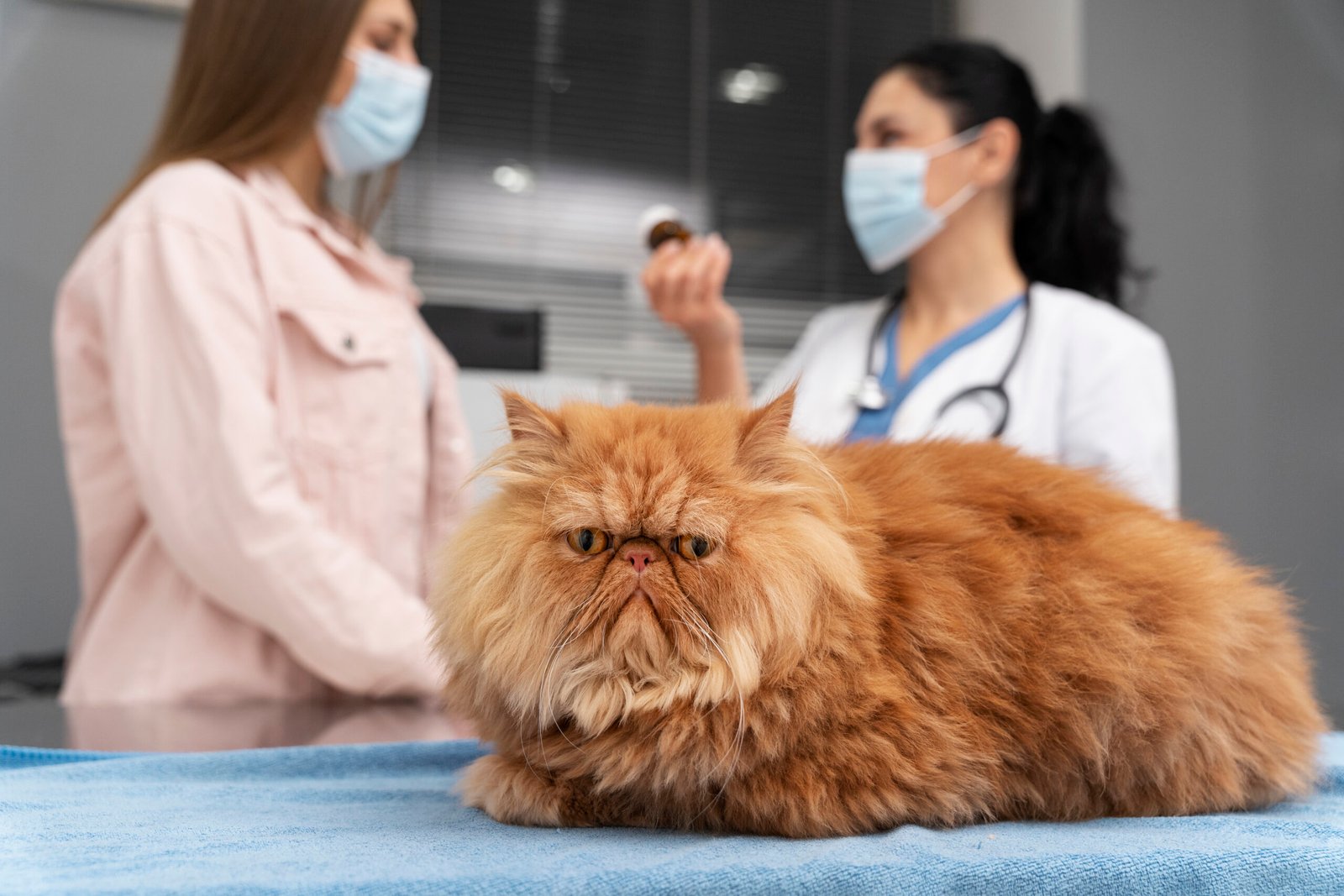
Persians are reportedly predisposed to 29 diseases, many of which are associated with their conformation Persian Cats under first opinion veterinary care in the UK: demography, mortality and disorders – PMC. Twenty-nine. That’s not a breed with a few issues. That’s a breed engineered for suffering.
Moderate-to-severe stenotic nares were found in 86% of Persian and Exotic Shorthair show Cats Facial conformation characteristics in Persian and Exotic Shorthair Cats – PMC. Stenotic nares means their nostrils are pinched nearly shut. Imagine breathing through a coffee stirrer. That’s their normal.
The breathing problems are just the start. Persians usually have small nostrils and a soft palate which is too long, which can lead to severe breathing problems, and their eyes run constantly causing tear-staining on the face and sometimes sores due to the skin being always wet Persian Cats and brachycephaly – International Cat Care.
The Problems get worse

In short-nosed Persian Cats, the teeth do not align properly, so they cannot bite and chew properly Persian Cats and brachycephaly.Dental disease was one of the most common disorders, affecting 11.3% of Persians Persian Cats at high risk of health problems.Their jaw deformities can lead to dental disease and problems with eating, drinking, and grooming.
Eye discharge affected 5.8% of Persians Persian Cats at high risk of health problems. Their large, protruding eyes can’t close properly. This increases the risk of corneal damage and painful eye conditions.
Skin problems too. Haircoat disorder was the most common specific disorder at 12.7% Persian Cats at high risk of health problems. Their long fur mats easily, and the skin folds on their faces trap moisture and bacteria.
Kittens die before they’re born
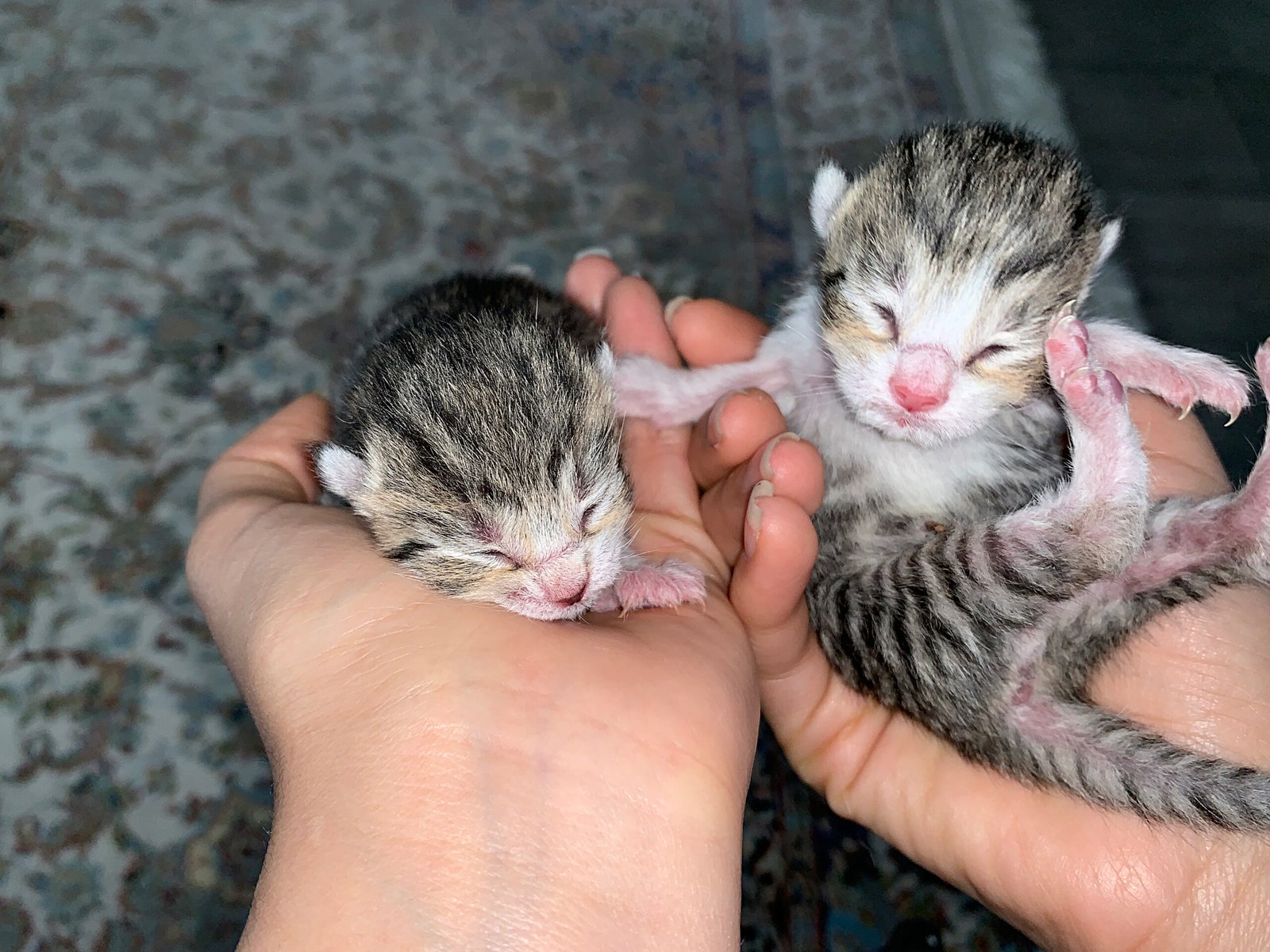
Polycystic kidney disease has been found in up to 49% of Persian Cats Persian Cats and brachycephaly. That’s nearly half the Breed carrying a gene for kidney failure. This is a disease where cysts develop in the kidneys and eventually cause organ failure.
Even birth is dangerous.The stillbirth rate is higher than normal, ranging from 16.1% to 22.1% Persian Cat – Wikipedia. The degree of brachycephaly is also related to small pelvis size in Persian Cats, which contributes to dystocia—difficulty giving birth Brachycephalic Cats – Orchard House Vets.Kittens die before they’re born. Mothers struggle to deliver. This is selective breeding at its worst.
#4 Sphynx – Hairless Doesn’t Mean Healthy
Hair isn’t just decoration. It’s a Vital organ that Sphynx Cats don’t have.There is controversy around breeding Sphynx Cats as hair provides protection, temperature regulation, and communication Sphynx Cat. Remove that, and you create a cat that struggles with basic survival functions.
Here’s what happens when you breed cats without fur
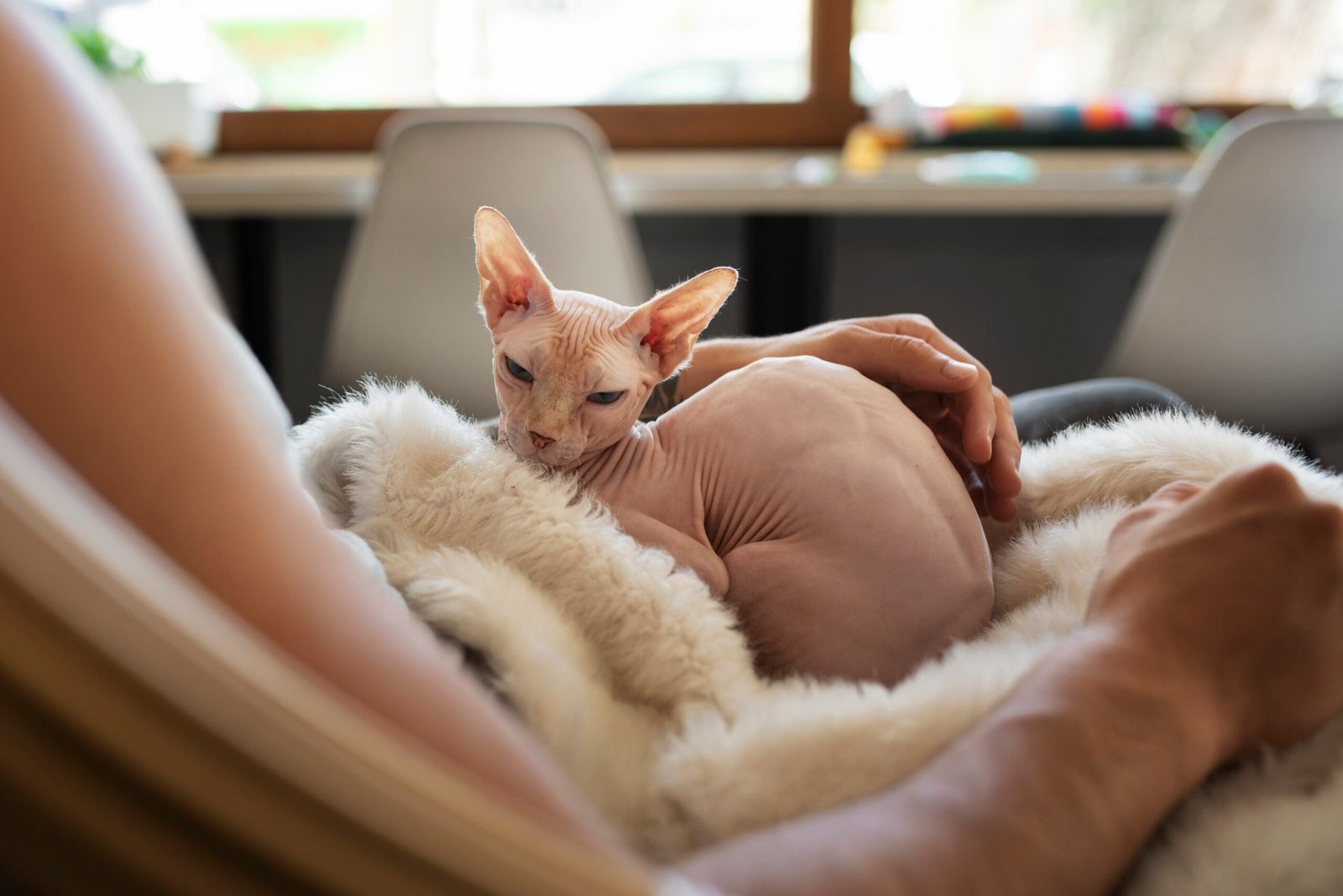
Sphynx Cats aren’t able to regulate their body temperature effectively, leading them to get chilly easily in cold weather Sphynx Cat. They need sweaters, heated beds, and extra blankets just to stay comfortable indoors.
But it’s not just the cold. Their lack of fur makes them unable to cool their bodies appropriately in hot weather Sphynx Cat. Too cold in winter. Too hot in summer.
Ears are a constant battle
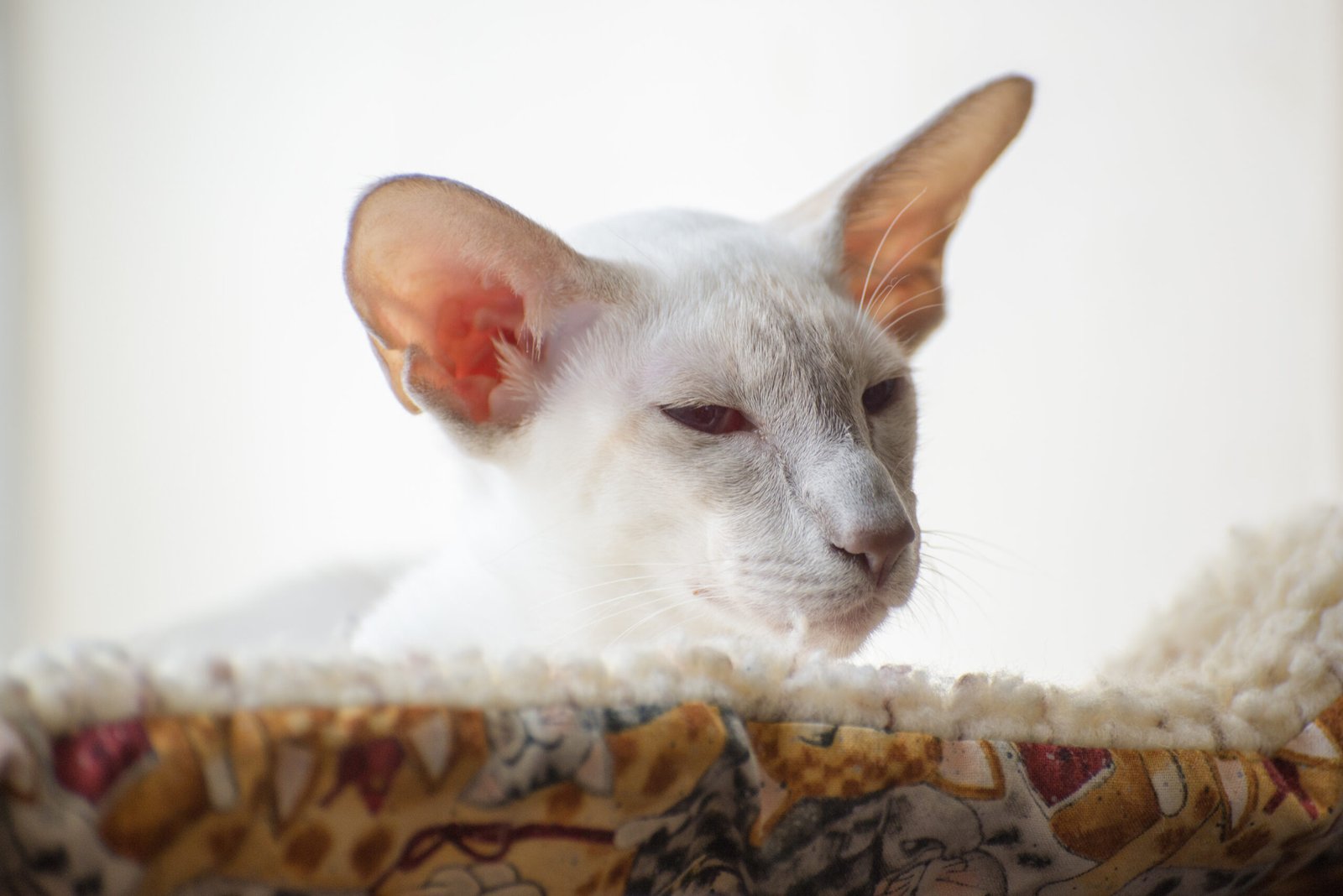
As a result of hairlessness, Sphynx Cats have no hair in their ears to protect them from excessive wax buildup and Ear infections Sphynx Cat.Ear infections are the most common concern for Sphynx Cat owners, with insurance companies receiving over 29,828 claims at an average treatment cost of $324.10 Common Sphynx Health Problems | Spot Pet Insurance.
That’s just Ear infections. The Dental problems cost more. Insurance companies received over 8,202 claims for dental issues, with an average treatment cost of $1,056.64 Common Sphynx Health Problems.
Then there’s the heart disease

Hypertrophic cardiomyopathy is a thickening of the heart muscle, a common concern in Sphynx Cats Common Sphynx Health Problems | Spot Pet Insurance. This is a serious condition affecting the heart muscle. While less frequent than other issues, HCM affects cats around 7 years old, with an average treatment cost of $852.55 Common Sphynx Health Problems | Spot Pet Insurance.
Hereditary myopathy is an inherited condition that causes muscle weakness Sphynx Cat Insurance and Health Advice Every paw. Some Sphynx Cats literally can’t hold their heads up properly.
ts. But those wrinkles trap bacteria. That exposed skin gets infected. That lack of fur leaves them vulnerable to everything normal Cats handle easily.
#5 Cats evolved to have tails. There’s a reason for that
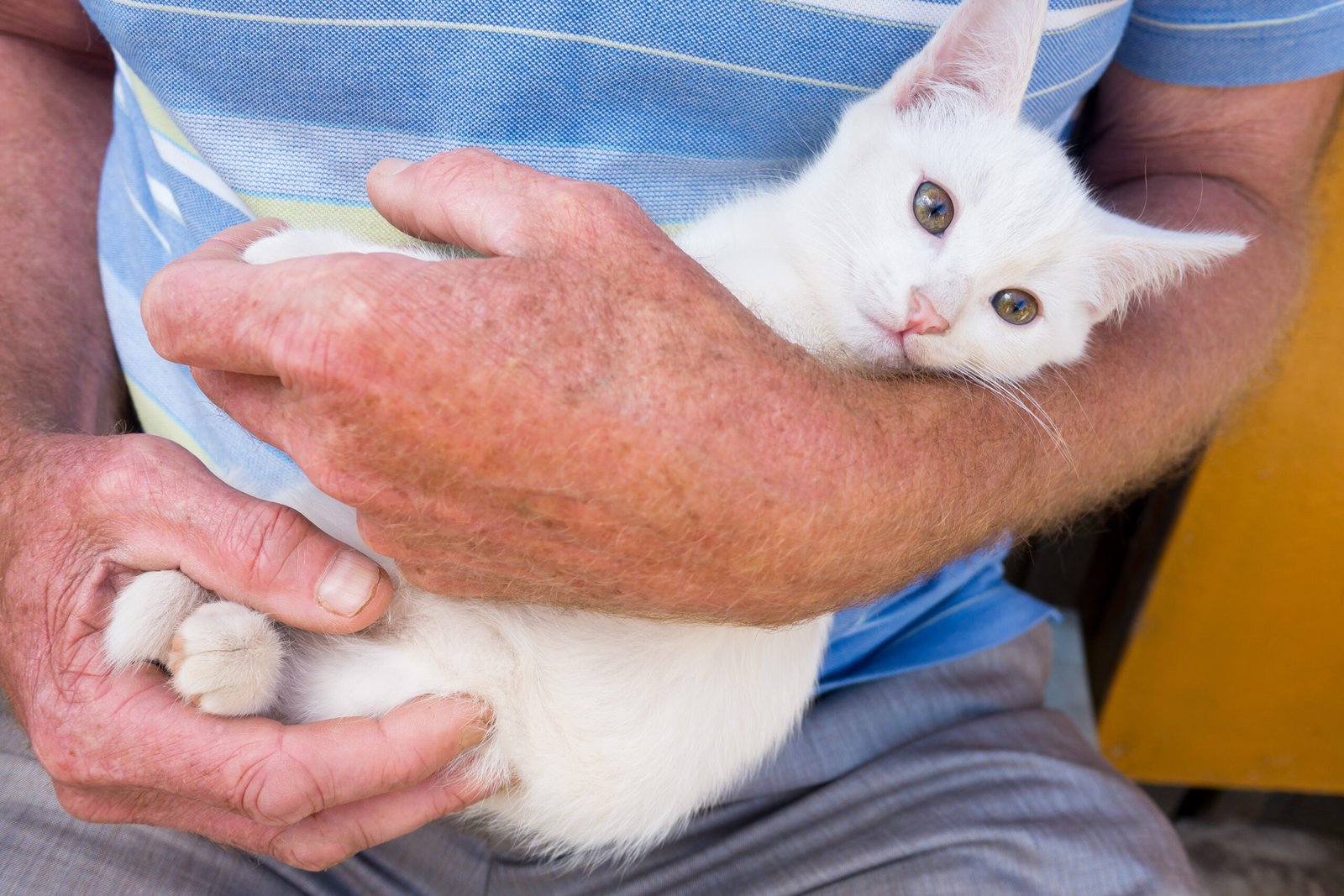
The tail is part of the spine. Remove it, and you’re messing with the entire spinal column and the nerves that control the back half of the Cat’s body.
Manx Syndrome is a collection of problems that can affect tailless cats, involving the function of the hind legs, urinary bladder, and colon Manx Syndrome in Cats. It’s not just about balance. It’s about basic body functions failing.
The Bathroom problems are worse
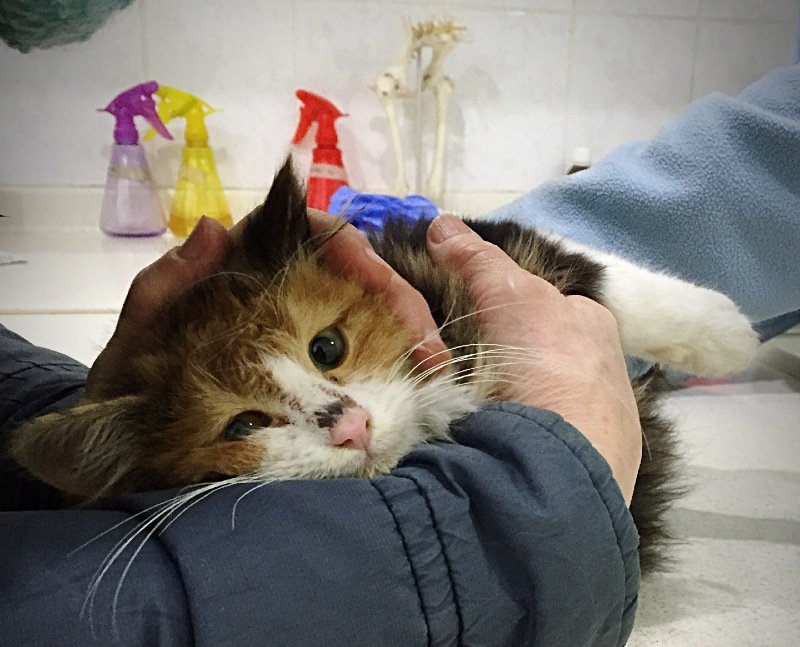
Urinary and fecal incontinence are common and more difficult to manage Manx Syndrome in Cats – Causes, Treatment and Associated Conditions – Vetster. These Cats can’t control when they pee or poop. An incontinent cat is susceptible to skin conditions and infections, and there is no reliable way to prevent or manage these Manx Syndrome in Cats – Causes, Treatment and Associated Conditions – Vetster.
Some Cats experience megacolon, a condition where the colon becomes enlarged and unable to pass stool efficiently Understanding Manx Syndrome in Cats — Richmond Animal League. The Colon stretches from stool buildup. The Cat can’t defecate properly. The Problem gets worse over time.
Cats use their tails
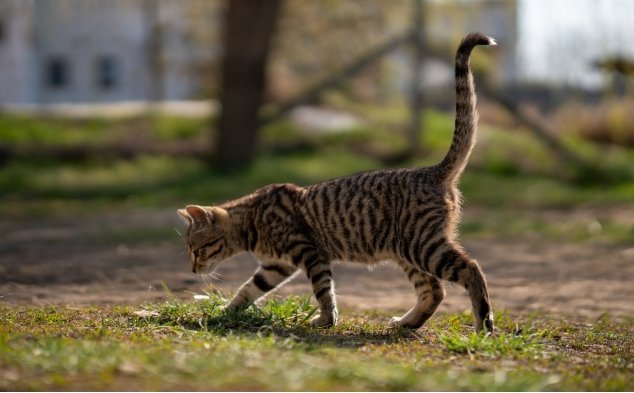
Some organizations feel that breeding Cats without tails, simply for human gratification, is unethical Manx Syndrome in Cats: Our Vet Explains the Causes, Signs & Treatment – Catster. Cats use their tails for balance and communication. There is no benefit to breeding a Cat without one.
Affected individuals are likely to be identified prior to leaving the breeders Manx – Manx Syndrome – UFAW. Breeders know which kittens are affected. They see the wobbling. They see the incontinence. Some still sell them.
Not all Manx Cats develop severe symptoms. But all new Manx kittens should be fully examined by a Vet prior to purchase Manx – Manx Syndrome – UFAW. Even then, you’re gambling. Symptoms can appear within weeks or months after birth.
What You Can Do Instead?
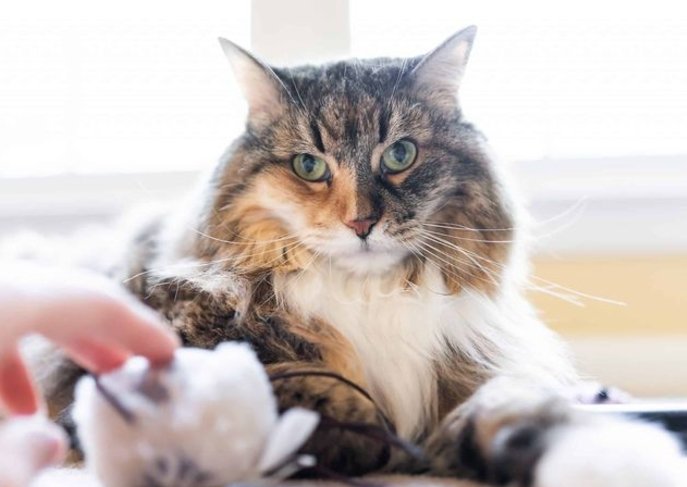
You can love cats and still make ethical choices.Look for “Doll-Faced” or “traditional” Persians instead of the extreme flat-faced type.These Cats have more normal facial structure and fewer breathing problems.
Russian Blues are healthy Cats with thick, beautiful coats who commonly live into their late teens.The healthiest Cat breeds – according to a veterinary surgeon.They’re prone to obesity and urinary issues, but those are manageable with proper diet and care.
FAQs
Q: Which Cat breeds do veterinarians say have the most serious health problems?
The five Breeds with the most severe genetic health issues are Persian Cats , Scottish Folds (painful cartilage defects in ears and joints), Munchkin Cats, Exotic Shorthairs, and Sphynx Cats.
Q: Is it unethical to buy these Cat Breeds?
Many Veterinarians now say yes. Buying these Breeds creates demand that encourages Breeders to continue producing Cats with known health defects. Major Veterinary organizations in the UK, Europe, and Australia have called for breeding bans on some of these Cats.
Q: What Cat breeds are healthy alternatives if I want a specific look or personality?
For long-haired Cats without health issues, consider Maine Coons or Norwegian Forest Cats instead of Persians. If you want an affectionate, calm personality, look at Ragdolls or British Shorthairs.