
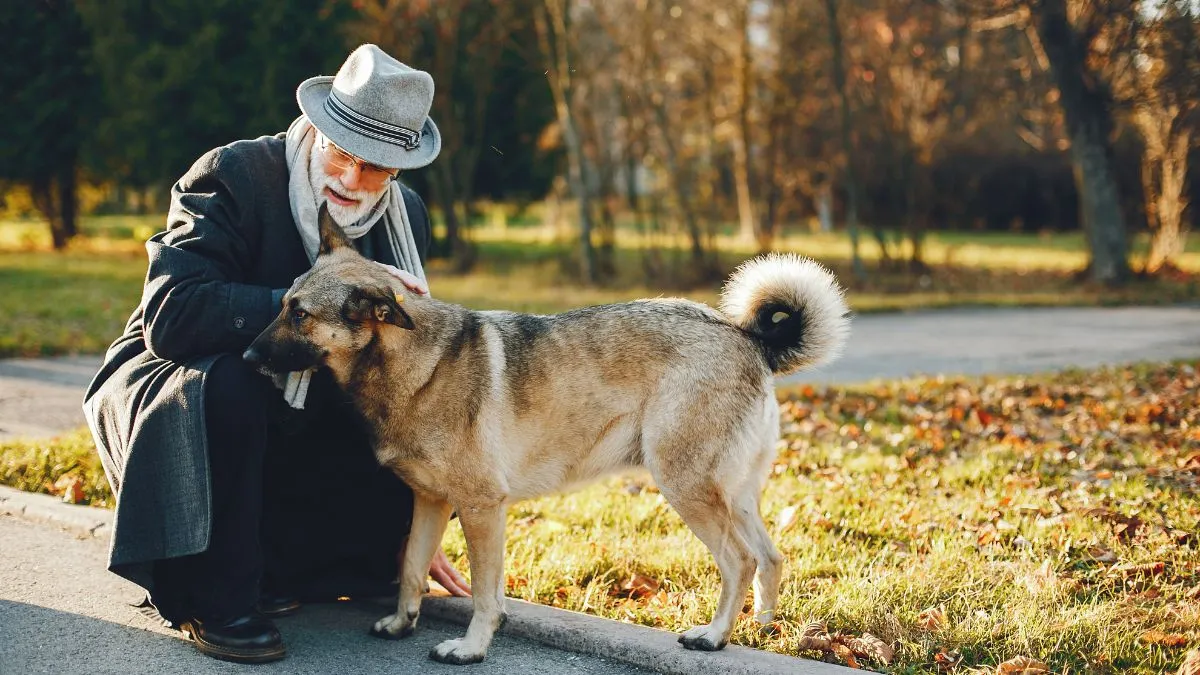
The Puppy Training Method based on punishment are making Dogs more aggressive, not less. Trainers tell you to alpha roll your Puppy, use prong collars, or “show dominance” to fix behavior problems.
But research from the University of Pennsylvania found that 43% of Dogs responded aggressively when owners used confrontational techniques like hitting or kicking. Another 31% fought back during alpha rolls.
Here’s what most trainers won’t admit 80% of Dogs brought to behavioral specialists for aggression were trained at home using punishment based techniques. The corrections that look effective on TV are teaching your Puppy to hide fear until he explodes without warning.
#1. What Makes a Puppy Training Method Dangerous

That’s is your Puppy growls when you take his toy. A trainer tells you to flip him on his back and hold him down.
A University of Pennsylvania study tracked what happened when Dog owners used confrontational training methods. The results were alarming: 43% of Dogs responded aggressively when their owners hit or kicked them for unwanted behavior. Science Daily Science Direct Nearly half. These weren’t “bad Dogs” or “dominant puppies.” They were normal Dogs reacting to being hurt by the people they trusted most.
The popular alpha roll where you force a Dog onto his back and pin him there triggered aggressive responses in 31% of Dogs. Science Daily Science Direct One in three puppies fought back when physically dominated. Other common techniques showed similar patterns: 41% of Dogs reacted aggressively to owners growling at them, 39% when owners forcibly took items from their mouths, and 30% when owners stared them down.
When Quick Fixes Create Lasting Problems

You might see immediate results with harsh corrections. Your Puppy stops the behavior right then. But that’s not learning.w
Many trainers market their approach as “balanced training.” It sounds reasonable. Rewards and corrections working together. But these methods often rely heavily on tools designed to cause discomfort: prong collars that pinch, e-collars that shock, choke chains that tighten. The pain is the point.
The real damage happens over time. Your Puppy learns that showing discomfort growling, backing away gets him punished. So he stops warning you. He goes straight from looking fine to biting. People call it “sudden aggression.” But it wasn’t sudden. You just taught him to hide his fear until he couldn’t anymore.
What Makes a Puppy Training Method Dangerous

Your Puppy growls when you take his toy.A trainer tells you to flip him on his back and hold him down. This single moment could change everything.
A University of Pennsylvania study tracked what happened when Dog owners used confrontational training methods. Researchers surveyed 140 Dog owners at Penn Vet’s behavioral clinic, asking them what techniques they’d tried before seeking professional help. The results were alarming: 43% of Dogs responded aggressively when their owners hit or kicked them for unwanted behavior.These weren’t “Bad Dogs” or “dominant puppies.” They were normal dogs reacting to being hurt by the people they trusted most.
Research shows that 80% of dogs brought to behavioral specialists for aggression problems had been trained at home using punishment-based methods. Puppy Play Or Aggression Best Friends Veterinary Center.The very techniques people use to “fix” aggressive behavior are creating it. Aggression is now the number one reason dog owners seek help from veterinary behaviorists nationwide.
When Quick Fixes Create Lasting Problems

Your Puppy stops the behavior right then. But that’s not learning.That’s fear Many trainers market their approach as “balanced training.” It sounds reasonable.Rewards and corrections working together. But these methods often rely heavily on tools designed to cause discomfort prong collars that pinch, e collars that shock, choke chains that tighten.The pain is the point.
The real damage happens over time.Your puppy learns that showing discomfort growling, backing away gets him punished. So he stops warning you. He goes straight from looking fine to biting. People call it “sudden aggression.” But it wasn’t sudden. You just taught him to hide his fear until he couldn’t anymore.
The Dangerous History Behind These Methods

The roots of confrontational Dog training go back further than most people realize. Colonel Konrad Most was using heavy-handed techniques to train German military dogs as far back as 1906. After World War II, William Koehler brought military methods to civilian training.
His techniques included hanging Dogs and “helicoptering” them spinning a Dog by its leash until it lost consciousness.To stop digging, Koehler suggested filling the hole with water and holding the Dog’s head underwater until nearly drowned.Whole Dog Journal Animal health foundation
These methods should horrify you.Yet their softer descendants scruff shakes, stare-downs, dominance downs are still taught today.Just packaged with gentler names.
Why Punishment Creates Ticking Time Bombs

Here’s what actually happens when you punish a Dog for showing aggression: suppression. Your Dog learns that growling gets him in trouble. So he stops growling. But he’s still scared or frustrated. He just stops telling you about it.
Think about it. A growl is a warning. “Back off, I’m uncomfortable.” When you punish that warning, you don’t fix the discomfort. You just remove the alarm system. Now your Dog goes from looking fine to biting in seconds. No warning signs. Because you taught him that warning signs are dangerous.
This suppression can lead to unpredictable behavior. Your Dog stops showing clear warning signs like growling or snarling, making it easy to think everything’s fine—until that built-up frustration or fear hits a boiling point and your Dog lashes out in a more dangerous way.
Modern Names, Same Problems

Today’s trainers rarely call it “alpha rolling.” They use terms like “corrections” or “leadership exercises.” Dominance theory gets rebranded as “structure” or “boundaries.” But if the method involves physically intimidating your Dog, forcing him into positions, or using pain to stop behavior—it’s the same outdated approach with a marketing makeover.
#2. Why “Balanced Training” Is a Marketing Term, Not a Solution
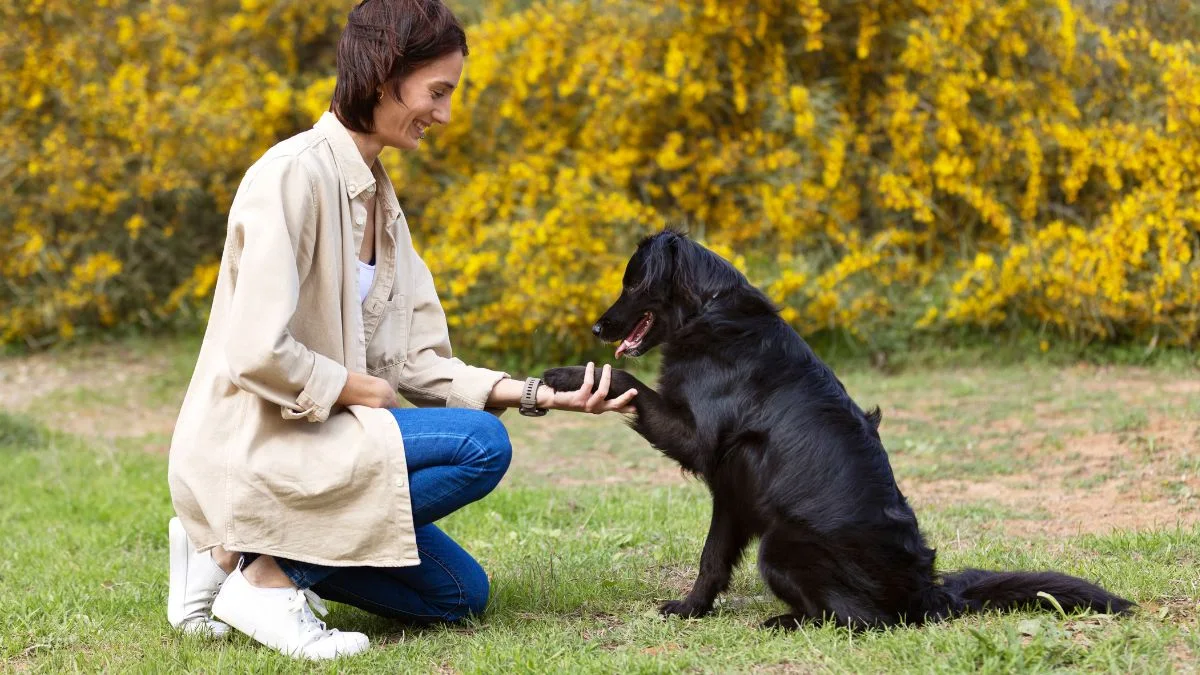
“Balanced” sounds reasonable. Like a middle ground between extremes. But in Dog training, it’s code for something else entirely.
Balanced training uses both rewards and aversive methods. That means along with treats and praise, trainers also use prong collars that pinch the neck, shock collars (called “e-collars” to sound gentler), choke chains, water spray bottles, and shaker cans. Effective Dog training is reward-based not balanced They call it balanced. The research calls it something different.
Carol Millman, owner and trainer at an accredited training facility, puts it simply: “Balanced training is a misnomer. Science says balanced training leads to unbalanced Dogs.” Effective Dog training is reward-based not balanced Studies back her up. Dogs trained with aversive tools show higher cortisol levels, more stress behaviors, and increased rates of aggressive behavior. Effective Dog training is reward-based not balanced
What the Science Actually Shows

The American Veterinary Society of Animal Behavior reviewed the research and concluded that reward-based methods are more effective than aversive training and cause less harm to Dogs. Whole Dog Journal PetMD Not equally effective. More effective. Multiple survey studies found higher obedience in Dogs trained with reward-based methods compared to those trained with punishment.
When researchers observed actual training sessions, Dogs trained with aversive methods displayed clear stress signals: tense bodies, crouching, lip licking, lowered tails, panting, yawning, and yelping. They also measured salivary cortisol—the stress hormone—and found significantly higher levels in Dogs trained with punishment compared to those trained with rewards.
Why “Every Tool in the Toolbox” Is a Red Flag

Some balanced trainers defend their approach by saying they need access to “every tool in the toolbox” because there’s “more than one way to train Dogs.” Effective Dog training is reward-based not balanced This sounds flexible and open-minded.
But science tells us that reward-based training is effective and protects the bond between you and your Dog.There’s no evidence that certain breeds need it. No proof that specific behavior problems require it. No research showing Dogs learn better when pain is part of the equation.
When trainers need scary words like “correction tools” and “aversive stimuli” to sound professional, pay attention. Your Puppy doesn’t need balance. He needs safety, clarity, and trust.
Your Puppy lies still while you pet him. He looks calm. But look closer at his eyes—wide, whites showing. His body is rigid. His tail tucked. That’s not calm. That’s shutdown.
When “Sudden” Aggression Isn’t Sudden at All
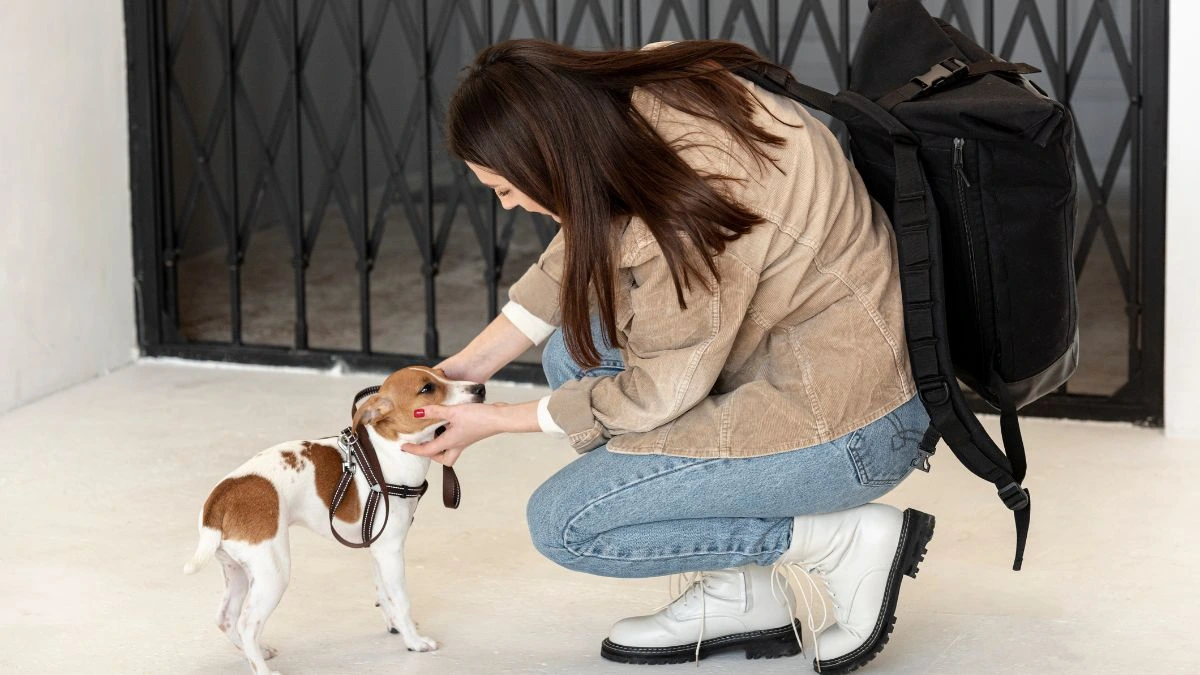
You hear it constantly: “He bit out of nowhere.” But bites rarely come from nowhere. What actually happens is that punishment teaches dogs to suppress their natural warning signals. When a Puppy learns that growling gets him in trouble, he stops growling. But he’s still scared or uncomfortable—he just stops telling you about it.
Now you have a Dog who goes from looking fine to biting in seconds. No growl. No snarl. No raised hackles. People call this unpredictable aggression. But you made it unpredictable when you punished his attempts to communicate.
The Medical Cost No One Talks About

Studies show that 30% to 80% of behavioral problems, including aggression, are symptoms of underlying medical issues. Dog/Human Aggression | Positively.com Pain makes Dogs reactive.Harsh training makes everything worse.
Think about it: your Puppy already feels bad. Maybe his hip hurts. Maybe he has an ear infection. Now someone grabs his collar roughly or forces him down.The pain spikes. His brain connects being touched with more pain. Congratulations—you’ve created fear-based aggression on top of a medical problem.
#3. Learned Helplessness Masquerading as Good Behavior

Some Puppies don’t fight back. They shut down. Stop eating. Stop playing. Stop trying. Trainers might call this “calm” or “balanced.” But research documents this as learned helplessness—Dogs showing lower body postures, less interaction during play, reduced gazing at owners, and avoidance behaviors that Dogs trained with reward-based methods never displayed.
The bond between you and your Dog suffers too. Long-term welfare gets compromised even outside training sessions. Your puppy stops trusting you to keep him safe. He learns that your hands might hurt him. That your voice might mean pain is coming.
These Puppy behavior problems don’t resolve with more punishment. They compound. Stress in Dogs builds like water behind a dam. Eventually, something breaks.
The Training Method That Actually Works

Here’s the good news: there’s a better way. One that doesn’t risk turning your puppy into a ticking time bomb.
Positive reinforcement training has been scientifically proven more effective than aversive methods. Whole Dog Journal Pet MD Not just kinder. Not just safer. Actually more effective at teaching your Dog what you want him to know. The research is clear, the results are consistent, and the method works without damaging your puppy’s brain or breaking your bond.
Start Early, Start Right

Proper socialization between 3 and 12 weeks of age is one of the most effective preventative measures against aggression. Preventing Aggression in Puppies: Empowering Your Furry Friend Through Compassionate Training – DW Dog Training During this critical window, your Puppy’s brain is wired to absorb new experiences. Expose him to different people, sounds, surfaces, and situations—but do it positively. Every new thing should predict good things: treats, play, praise.
This doesn’t mean overwhelming your Puppy. It means controlled, positive exposure. Meeting a friendly Dog? Treats. Hearing a doorbell? Treats. Seeing a person in a hat? Treats. Your puppy learns that new things are safe things.
What Effective Training Actually Looks Like
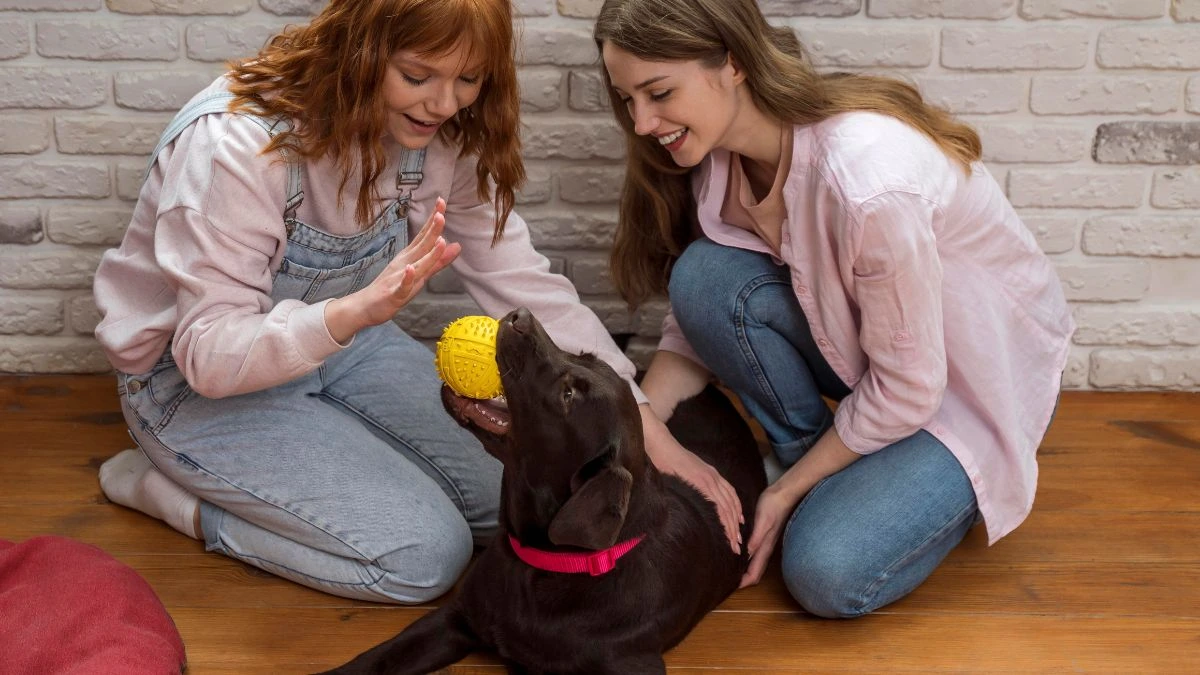
Real training combines multiple elements: behavior modification, adequate exercise, mental stimulation, interruption techniques when needed, and ongoing socialization. Aggressive Puppy: How to Address Aggressive Puppy Behavior – 2025 – MasterClass It’s not just about cookies. It’s about teaching your puppy how to handle life.
- Use rewards strategically. Treats, toys, and praise aren’t bribes. They’re information. “Yes, that behavior is exactly what I want.” Your Puppy sits before going through the door? Reward.He drops the stolen sock when you offer a toy.
- Redirect instead of punish. Your puppy’s chewing your shoe? Don’t yell. Give him his chew toy and praise him when he takes it. He’s jumping on guests? Teach him to sit for attention. Show him what to do, not just what not to do.
- Teach incompatible behaviors. A dog can’t jump and sit at the same time. He can’t bark and sniff the ground simultaneously. Instead of punishing the behavior you don’t want, reinforce the behavior that makes the bad one impossible.
- Address fears before they become aggression. Puppy scared of the vacuum? Start with the vacuum across the room, turned off. Feed treats. Move it closer over days. Turn it on briefly, treats flowing. This is desensitization and counterconditioning. You’re changing how your Puppy feels about the scary thing, not forcing him to tolerate it.
#4. The Success Rate That Matters

Structured training programs using positive reinforcement methods show an 80% success rate in reducing aggressive behaviors. From Field to Family: Managing Aggression in Working Dogs and Pets – DW Dog Training That’s not luck. That’s science working.
The difference? Reward-based methods build confidence instead of fear. Your Puppy learns he can predict good things. He discovers that offering behaviors you like makes great stuff happen. His world becomes safer, clearer, more manageable.
#5. Consistency Without Confrontation

You still need rules. Boundaries matter. But you can enforce them without force. If your Puppy tries to bolt out the door, the consequence isn’t pain—it’s that the door closes and he doesn’t get to go out. He learns that sitting opens doors. Pulling on the leash? You stop moving. Loose leash? You walk forward.
These aren’t corrections. They’re information. And your puppy can process information without shutting down or fighting back.
Positive reinforcement training isn’t permissive. It’s precise. It tells your puppy exactly what works and why. No fear required. No pain needed. Just clear communication and a relationship built on trust instead of intimidation.
#6. Red Flags: How to Spot Trainers Using Harmful Methods
Not all trainers are created equal. Some are still teaching methods that science rejected decades ago.
When researchers asked Dog owners where they learned confrontational training methods, the most frequently listed sources were “self” and “trainers.” If You’re Aggressive, Your Dog Will Be Too, Says Veterinary Study | ScienceDaily That’s right—professional trainers were recommending the same techniques that triggered aggressive responses in up to 43% of Dogs. The credentials on the wall don’t always mean the methods are safe.
Language That Should Make You Walk Away

Listen carefully to how trainers talk. Certain phrases reveal outdated, dominance-based training approaches:
- “You need to be the alpha”
- “Show them who’s boss”
- “Establish yourself as pack leader”
- “Don’t let your Dog dominate you”
- “Assert your dominance”
These trainers are still promoting dominance theory—a concept based on flawed wolf studies that even the original researchers have debunked. Positively Pocket Bully If a trainer’s philosophy centers on dominance hierarchies and pack mentality, they’re operating on outdated science.
Tools That Signal Problems

Watch what equipment trainers emphasize. Red flags include:
Prong collars (metal collars with inward-facing spikes) Shock collars (often rebranded as “e-collars” or “stim collars”) Choke chains (collars that tighten when pulled)
If a trainer leads with tools instead of relationship-building, be cautious. Even more concerning: trainers who claim these tools “don’t hurt” while explaining they work through “corrections.” The logic doesn’t hold. If it’s not unpleasant, it’s not correcting anything.
Claims That Should Concern You

“Some Dogs just need a firmer hand.” “Certain breeds require stronger corrections.” “Positive-only training doesn’t work for aggressive Dogs.”
There’s no evidence that Dogs of certain breeds respond better to punishment-based training methods. Additionally, aversive methods are not more successful in treating behavior problems like aggression compared to reward-based approaches.
FAQs:
1. What training methods are most associated with increased aggression in Puppies?
Aversive or punishment based training methods (including dominance theory, alpha rolling, leash corrections, and electronic collars) have been scientifically linked to increased aggression in dogs.
2. How can I recognize if my training approach is causing aggression?
Your Puppy growling or snapping when given commands, increased fear responses like cowering or freezing during training sessions, redirected aggression toward people or other animals after corrections
3. Why do some trainers still promote punishment-based methods despite evidence they cause aggression?
Some trainers continue using outdated methods due to tradition, lack of education about modern behavioral science, and because punishment often produces immediate behavior suppression.