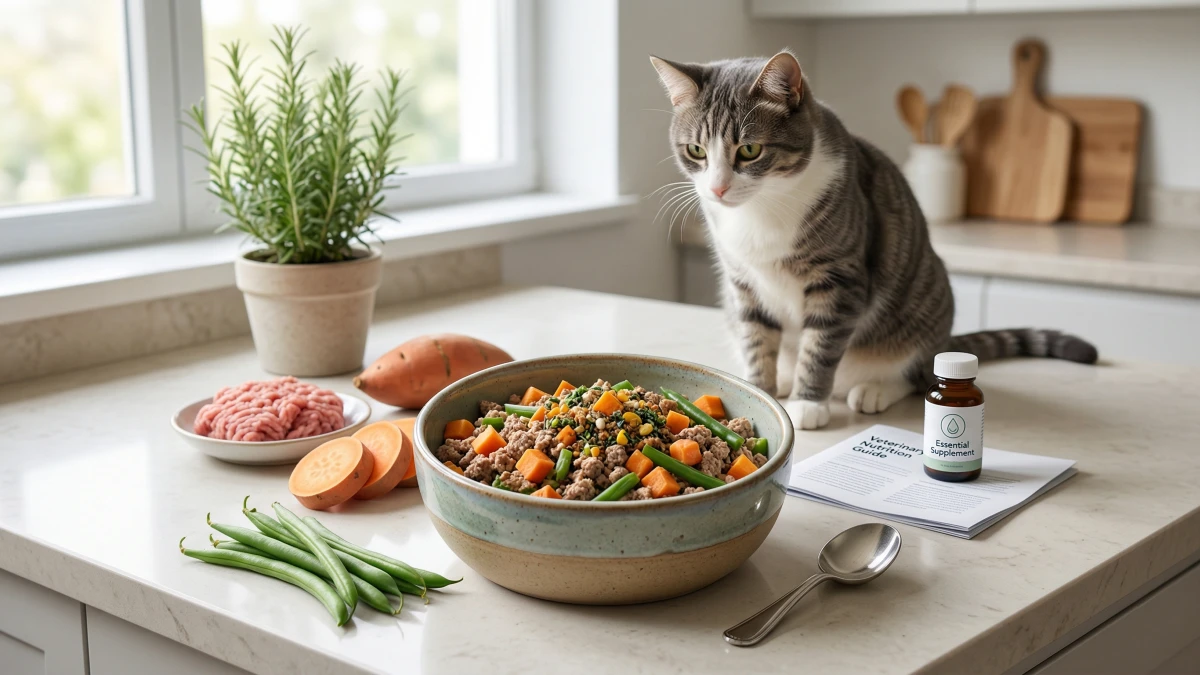

It’s a strange sign of the times when your pet’s monthly wellness regimen rivals your own self-care budget. This quiet pressure to provide a picture-perfect life for our animals is the undeniable hallmark of modern pet parenting standards.
Scrolling through social media, we’re met with a relentless stream of curated contentment like custom-made toys, gourmet meal prep, and pristine homes that create an impossible benchmark. This invisible pet parenting pressure fuels a cycle of guilt, convincing us that love is measured in dollars spent.
We will dismantle the myth of the “perfect pet parent” and refocus on the core elements that genuinely contribute to a healthy, happy animal. You will learn to distinguish between essential care and marketed excess, freeing you to provide what matters most.
#1. The Real Cost of “Perfect” Pet Parenting

Your neighbor’s golden retriever wears a $300 fitness tracker. Your coworker’s cat eats organic meals that cost more than your lunch. And, you’re starting to wonder if you’re failing as a pet parent because your dog drinks regular tap water instead of alkaline spring water.
The story that might make you feel better about your “basic” approach to pet care. According to Rover’s 2024 data, 61% of pet owners report increased expenses in the past year. But the thing is that, most of this increase isn’t going toward essential health care.
We’re buying into trends that promise to make us better pet parents but mostly just make our wallets lighter.
Take pet wearables, for example. These devices track everything from your dog’s sleep patterns to how many steps they take. The global pet wearable market was valued at $2.70 billion in 2023 and is projected to have a compound annual growth rate of 14.3% between 2024 and 2030. That’s a lot of money for technology that tells you what you already know, if your pet is active or lazy.

Pet food represents another major driver of pet spending trends. Average costs have jumped 63% according to recent surveys, but not because ingredients got more expensive. It’s because we’re convinced our pets need grain-free, organic, limited-ingredient, small-batch, artisanal meals. At the same time, your vet probably recommends the same brand they’ve suggested for years , one that costs half as much.
The pet wellness and supplements market shows how expensive pet care has become normalized. This industry grows by 5.9% annually, pushing everything from doggy probiotics to cat anxiety supplements. Most of these products have little scientific backing, but they make us feel like we’re doing something extra special for our pets.

Social media fuels much of this spending pressure. It show dogs getting weekly spa treatments and cats with custom furniture that costs more than most people’s sofas. Influencers share morning routines for their pets that involve more products than a skincare regimen.
But what these perfect pet parent posts don’t show : the credit card bills. The financial stress. The guilt when you can’t afford the latest trend that promises to show your pet how much you care.
Your pet doesn’t know how much their food costs. They don’t care if their bed came from a luxury brand or the clearance rack. What they want is consistent meals, fresh water, exercise, and your attention.
The pet industry has gotten really good at making you feel like a bad pet parent if you’re not constantly upgrading and spending more. But expensive doesn’t always mean better and sometimes it just means you’re paying for marketing instead of actual benefits for your pet.
#2. Why Social Media Makes Pet Parenting Feel Impossible?

In social media, you’ll see a French Bulldog getting a professional massage. Scroll and watch someone prepare their cat’s color-coordinated breakfast with supplements arranged by pH level. In Facebook, you find your old college friend posting about their dog’s $500 custom nutrition plan.
Suddenly, giving your pet regular kibble and a belly rub feels inadequate.
The Highlight Reel Problem
Social media pet trends have created a highlight reel that makes normal pet care look like neglect. These platforms showcase the most extreme examples of pet pampering, making ordinary pet ownership feel like you’re somehow failing your furry family member.
The comparison trap hits pet parents harder than ever because 92% of pet owners increasingly consider themselves as parents to their animals. When you view your dog or cat as your child, seeing other “pet parents” provide elaborate care routines triggers the same guilt human parents feel when comparing themselves online.
When Viral Becomes “Normal”
Instagram influencers demonstrate viral pet wellness routines that include morning meditation sessions, afternoon aromatherapy, and evening stretching exercises. These posts rack up millions of views, creating the illusion that this level of attention is standard rather than extreme.
Designer pet accessories have exploded across platforms, with luxury carriers, custom-made beds, and coordinated outfits becoming everyday expectations rather than special occasion splurges. Brands capitalize on pet parenting pressure by positioning their products as necessities for “responsible” pet ownership.
The Humanization Trap
The humanization trend reaches new heights when custom nutrition plans go mainstream through social media promotion. Companies use emotional marketing to suggest that anything less than personalized meal planning means you don’t truly love your pet. These campaigns target the deep bond between pets and their humans, making standardized food seem inadequate.
Marketing teams understand exactly which emotions to trigger. They know pet parents will spend almost anything to prove their love and ensure their animal’s happiness. Social platforms amplify these messages, surrounding you with content suggesting your current care approach isn’t enough.

The Reality Behind The Posts
What those perfectly curated posts won’t tell you, most of these elaborate routines stress pets out more than they help. Animals thrive on consistency and simplicity, not constant new products and procedures.
The pets in those viral videos aren’t necessarily healthier or happier than yours. They’re just being used to sell products and generate content. Your dog doesn’t need a morning skincare routine. Your cat doesn’t require designer water fountains to feel loved.
Real pet care happens off-camera – during quiet moments, regular walks, and simple interactions that don’t photograph well but mean everything to your animal companion.
#3. What Your Pet Actually Needs (vs. What Instagram Says)?

Instagram says your dog needs a $200 orthopedic memory foam bed with temperature control. Your dog says the sunny spot on your old couch works perfectly fine.
TikTok influencers insist pets require daily supplements, specialized diets, and wellness routines. But veterinarians will tell you something different, most pets live long, healthy lives with surprisingly basic care.
Talk about what realistic pet parenting actually looks like and why it’s enough.
The Foundation: Four Non-Negotiable Basics

Your pet’s basic pet care needs aren’t complicated or expensive. They need consistent food that meets their nutritional requirements, fresh water available all day, regular exercise appropriate for their species and age, and routine veterinary care.
No fancy fountains, no grain-free artisanal meals, no fitness trackers required. Quality pet food doesn’t mean the most expensive brand on the shelf. It means food that’s complete, balanced, and appropriate for your pet’s life stage. Your vet can recommend options that work for your budget. Many pets thrive on affordable, well-known brands that have been around for decades.

Exercise looks different for every animal, but it doesn’t require expensive equipment or memberships. Dogs need walks, playtime, and mental engagement. Cats need opportunities to hunt, climb, and hide. A cardboard box often provides more entertainment than a $50 puzzle feeder.
Mental Health Through Simple Connection

Your pet’s mental well-being comes from you, not from products. Mental stimulation happens during training sessions in your living room, hide-and-seek games with treats, or teaching your cat to high-five.
The bond between you and your pet reduces stress for both of you. In fact, 65% of pet owners report that their pets help reduce stress and anxiety. This connection doesn’t cost money, it just requires time and attention.

Consistent routines matter more than expensive accessories. Feeding at the same times, regular walks, and predictable bedtimes help pets feel secure. Structure provides comfort in ways that luxury items never can.
What Actually Prevents Problems
Basic care prevents 80% of common health issues in pets. This means regular vet checkups, keeping up with vaccinations, maintaining dental health, and watching for changes in behavior or appetite.
An emergency vet fund serves your pet better than daily supplements with questionable benefits. Most supplements marketed to pet owners haven’t been proven necessary for healthy animals eating balanced diets.
The Free Stuff That Matters Most
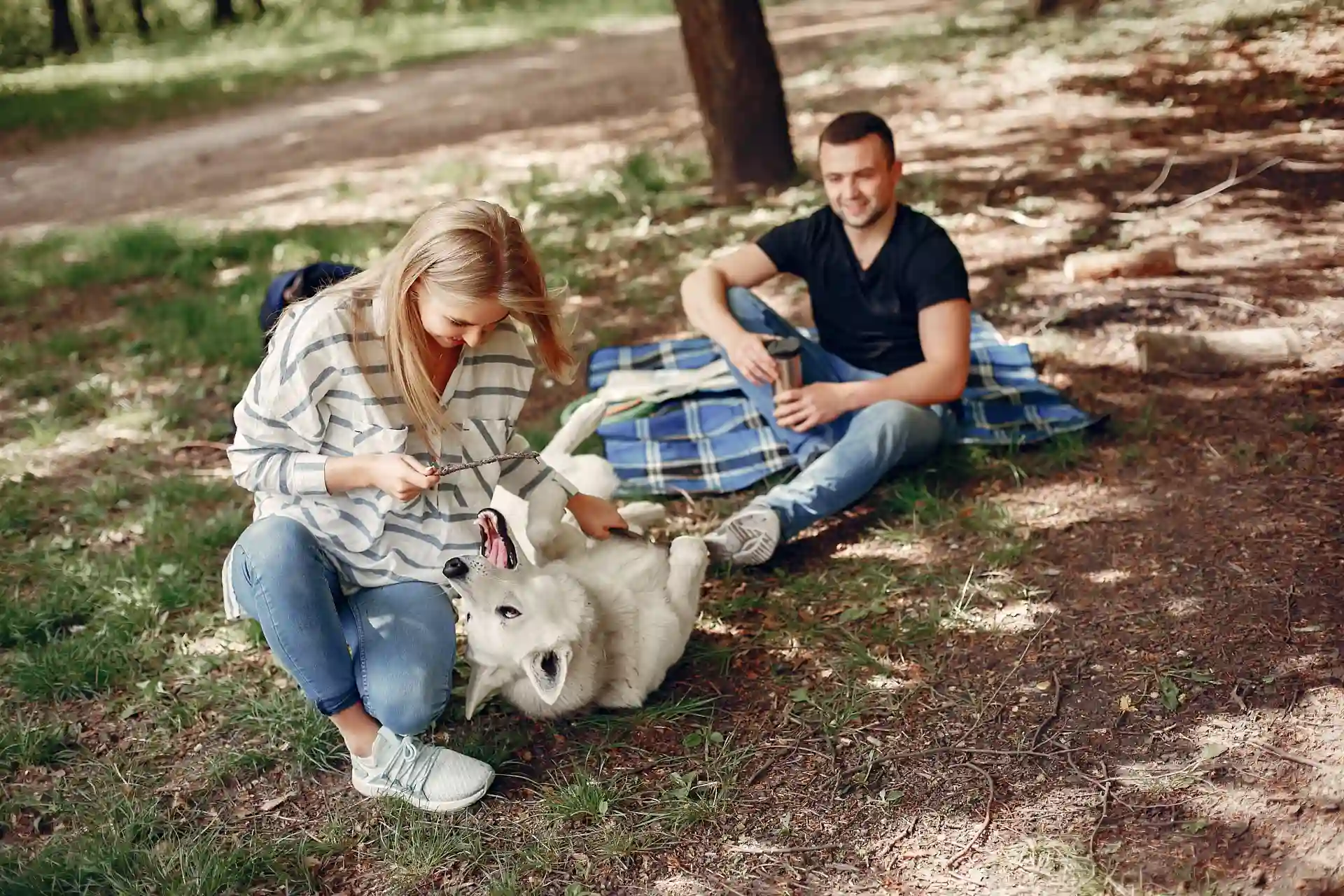
Love and attention don’t show up in Instagram posts because they’re not photogenic. But they’re what your pet values most. Petting sessions, talking to your pet, including them in family activities, and simply being present, these interactions build the relationship that makes pet ownership meaningful.
Training using positive reinforcement strengthens your bond while teaching important skills. You don’t need expensive classes for basic commands. Online videos, library books, and practice sessions in your backyard work just fine.
Reality Check: What Instagram Won’t Tell You?

Those picture-perfect pet setups often stress animals out. Constantly changing toys, new routines, and elaborate care rituals can make pets anxious rather than happy. Most animals prefer familiar surroundings, predictable schedules, and calm energy from their humans.
Your pet doesn’t need you to prove your love through purchases. They need you to show up consistently, meet their basic needs, and provide a stable, loving environment.
The best pet parents aren’t the ones with the fanciest gear, they’re the ones who understand their individual animal’s personality, needs, and preferences. And that knowledge doesn’t cost anything except time and attention
#4. The Guilt-Free Guide to Ignoring Pet Parenting Pressure

You don’t need permission to ignore expensive pet trends, but you’re allowed to say no to products that don’t benefit your pet.
Learning to filter out pet owner guilt takes practice, but it starts with one simple question: “Is this actually for my pet, or is this to make me feel better?”
The 24-Hour Rule For Smart Spending
Before buying any non-essential pet product, wait 24 hours. This simple pause breaks the emotional purchasing cycle that marketing teams count on.
During that waiting period, ask yourself three questions: Does my pet have a specific problem this product solves? Have I researched whether this actually works? Can I afford this without stress?
If you can’t answer yes to all three, skip the purchase. Your pet won’t notice, but your bank account will thank you.
Research Like Your Budget Depends On It
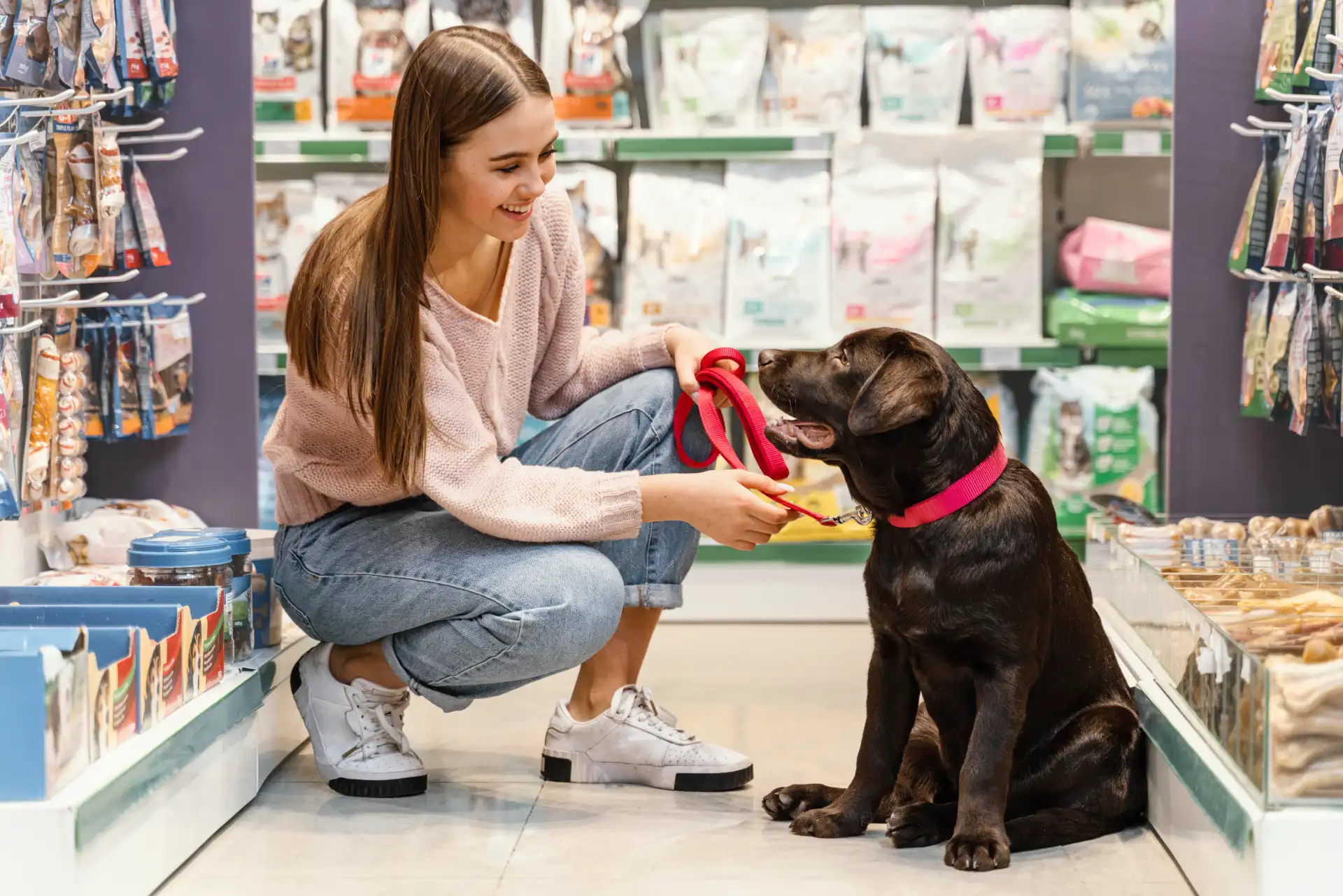
Building pet parenting confidence means learning to spot marketing hype versus real benefits. Look for products with actual veterinary recommendations, not just celebrity pet endorsements.
Check if the product has been studied or if vets actually recommend it. Many trendy items have zero scientific backing but plenty of social media buzz. Real research takes five minutes and can save you hundreds of dollars.
Read reviews from regular pet owners, not influencers who got products for free. Look for comments about whether the product actually improved the pet’s health or behavior, not just how cute it looks in photos.
Creating Your Personal Pet Care Budget

Set spending boundaries before you need them. Decide how much you can realistically spend on your pet each month without creating financial stress for yourself.
Break this into categories: food, routine vet care, emergency fund, and extras. The “extras” category is where trends and impulse purchases live. When it’s gone, it’s gone.
Remember that your pet benefits more from your financial stability than from expensive products. A stressed owner creates a stressed pet, regardless of how much money you spend on accessories.
Focus On Your Individual Pet

Generic advice doesn’t work for every animal. Your elderly cat doesn’t need the same exercise routine as a young Lab. Your anxious rescue dog might hate busy dog parks that work great for social pets.
Watch your pet’s actual reactions to new things instead of assuming they need what other pets have. Trust your observations over social media recommendations. You live with your pet daily, you know their personality better than any influencer.
Building Confidence In Your Decisions

Pet parenting confidence comes from understanding that good enough really is good enough. Your pet doesn’t need perfection, they need consistency and care.
Stop comparing your pet’s lifestyle to others. Every pet-owner relationship is different, and what works for someone else might be wrong for your situation. Pet owner guilt often comes from external pressure, not from your pet’s actual needs. Your dog doesn’t feel deprived because they don’t have a designer bed. Your cat isn’t judging your choice in litter brand.
The Permission You’ve Been Looking For

You have permission to:
i. Buy the cheaper food if it meets nutritional requirements
ii. Skip trends that don’t fit your budget
iii. Say no to pet playdates if your pet prefers quiet time
iv. Choose generic products over brand names
v. Trust your instincts about what your pet needs
The best pet parents aren’t the ones spending the most money. They’re the ones paying attention to their individual pet and making decisions based on real needs, not social pressure.Your pet loves you for who you are, not what you buy them.
#5. Budget-Friendly Ways to Be a Great Pet Parent
Great pet parenting doesn’t require a credit card with a high limit. It requires creativity, consistency, and knowing where your money makes the biggest difference.
DIY Enrichment That Actually Works

Your pet needs mental stimulation, but they don’t need expensive puzzle feeders. For dogs, freeze peanut butter inside a Kong or old yogurt container. Hide treats around the house for hom emade scavenger hunts. Rotate toys weekly so old ones feel new again.
Cats love cardboard boxes more than elaborate furniture. Cut holes in different sizes, stack boxes to create tunnels, or crumple paper balls for chase games. These homemade puzzle toys provide the same mental engagement as store-bought versions.
Free Exercise And Community Resources
Dog parks offer free socialization that rivals expensive doggy daycare programs. Your pet gets exercise, social interaction, and new experiences without monthly fees.
YouTube provides unlimited free training videos from professional trainers. Library books on pet behavior cost nothing and often contain better information than expensive private sessions.
Many communities offer affordable pet care through local programs. Animal shelters provide low-cost vaccination clinics and basic veterinary services. Pet stores host free training classes and health screenings.
Smart Spending vs. Money Wasters
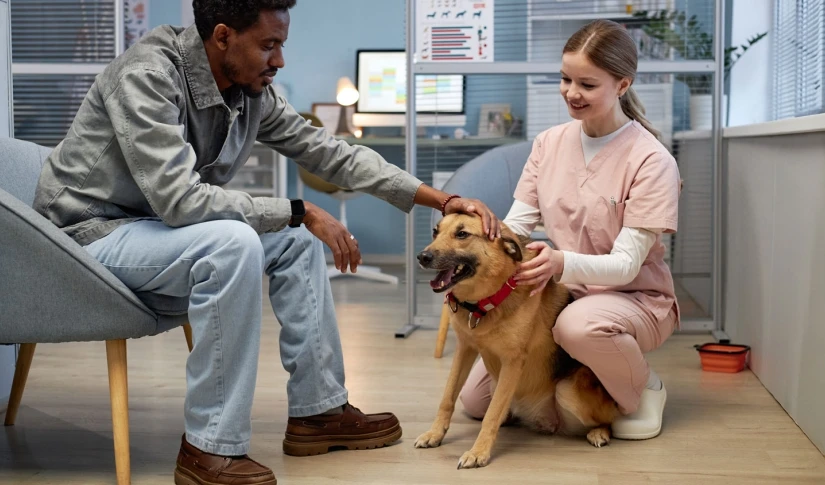
Spend money on preventive veterinary care, quality food that meets nutritional standards, and safety equipment like proper leashes. These investments prevent expensive problems later.
Skip premium brands unless your pet has specific health requirements. Generic pet food often comes from the same manufacturers as expensive brands, just with different packaging. Read ingredient labels, not marketing claims.
Basic grooming at home saves hundreds annually. Most pets need only occasional nail trims, regular brushing, and baths when dirty. Professional grooming works for special occasions, not weekly maintenance.
Building Affordable Vet Relationships
Establish relationships with local veterinarians before emergencies happen. Many vets offer payment plans or wellness packages that spread costs throughout the year.
Ask about generic medication options, which cost 50-80% less than brand names. Discuss preventive care schedules that fit your budget , some procedures can be spaced out without compromising health.
Consider pet insurance for young, healthy animals, but research policies carefully. Some plans save money long-term, when others cost more than paying out-of-pocket.
The Truth About Affordable Pet Care

Budget-friendly pet parenting often leads to stronger bonds because you spend time instead of money. Playing with homemade toys, training during walks, and grooming at home all increase interaction with your pet.
Your pet doesn’t know whether their food cost $30 or $80 per bag. The best affordable pet care combines smart spending on essentials with creative solutions for everything else.
#6. Red Flags: When to Actually Spend Money on Your Pet
Not all pet spending is unnecessary. When you can ignore most trendy products, certain situations require opening your wallet without hesitation.
Medical Emergencies Can’t Wait

When your pet shows signs of serious illness or injury, this isn’t the time to shop for deals. Difficulty breathing, severe vomiting, inability to urinate, seizures, or trauma from accidents demand immediate veterinary attention regardless of cost.
Emergency veterinary care represents essential pet expenses that protect your pet’s life and prevent minor issues from becoming major ones. Set aside money specifically for these situations, they’re investments in your pet’s health, not optional spending.
Health Conditions Require Quality Food

If your pet develops diabetes, kidney disease, food allergies, or other health conditions, specialized diets become necessary rather than trendy. These therapeutic foods cost more than regular pet food, but they’re medications disguised as meals.
Work with your veterinarian to determine if your pet truly needs prescription food or if a high-quality over-the-counter option meets their requirements. Some health conditions require specific nutrients that generic foods can’t provide.
Behavioral Issues Need Professional Help
Aggressive behavior, severe anxiety, destructive habits, or house-training problems beyond basic puppy stages require professional intervention. These aren’t personality quirks, they’re issues that can escalate into safety concerns or surrender situations.
Professional trainers and veterinary behaviorists cost money upfront but prevent expensive damage to your home and potentially dangerous situations. When to spend on pets includes addressing behavioral problems before they become unmanageable.
Safety Equipment Isn’t Optional

Proper carriers, secure leashes, car harnesses, and appropriate fencing protect your pet from injuries that cost far more than the equipment itself. A $50 carrier prevents a $5,000 emergency surgery if your pet gets injured during transport.
Quality doesn’t always mean expensive, but safety equipment should meet actual safety standards rather than just look cute. Research crash-test ratings for car restraints and durability reviews for leashes and collars.
Preventive Care Pays for Itself
Regular veterinary checkups, vaccinations, dental cleanings, and parasite prevention cost less than treating the diseases they prevent. Annual wellness exams catch problems early when treatment is less expensive and more effective.
Dental disease, heartworm, and other preventable conditions can cost thousands to treat. Spending $200-400 annually on preventive care often saves thousands in emergency treatment costs.
The Bottom Line
Essential pet expenses focus on health, safety, and preventing bigger problems. Everything else falls into the “nice to have” category that you can skip without guilt.
Trust your instincts, if something feels like a genuine need rather than a want, it probably deserves your money.