

Last Tuesday at 2 AM, I rushed my golden retriever Max to the emergency vet. By sunrise, I spent $3,000 bill and some hard-earned wisdom about pet ownership costs.
Max had eaten something he shouldn’t have, we still don’t know what and was vomiting repeatedly. What started as a “let’s see if he feels better in the morning” situation quickly became a race against time. The emergency vet bill included diagnostics, IV fluids, medications, overnight monitoring, and follow-up care that I never saw coming.
You’ll learn the actual costs of pet emergencies, how to prepare financially without going broke, and practical steps to avoid the financial stress that can make an already terrible situation even worse. Because when your pet needs help, money decisions shouldn’t add to your panic.
1. Why Emergency Vet Bills Hit So Hard?

Why emergency of Dog bills feel so brutal compared to your regular vet visits, you’re not alone. The difference isn’t just in your head – there are real reasons why after-hours vet costs can shock even prepared pet owners.
Around-the-Clock Operations Cost More

Emergency Dog care requires 24/7 staffing with highly trained professionals. Unlike your regular vet who closes at 6 PM, emergency clinics need veterinarians, technicians, and support staff ready at 3 AM on Christmas morning. These veterinarians often have advanced training in emergency medicine and critical care, with many holding special certifications.
The equipment tells the same story. Emergency hospitals invest in advanced diagnostic tools that most regular vets don’t have – think ultrasounds, MRIs, CT scans, oxygen cages, and specialized surgical equipment.
No Safety Net for Costs

Here’s Something that might surprise you: veterinary hospitals get zero government subsidies or insurance reimbursements. Human hospitals receive public funding and work with insurance companies that negotiate rates.Every piece of equipment, every staff member, every utility bill gets paid entirely through the fees they charge Dog owners.
When Time Equals Money

Emergency Situations eliminate your ability to shop around or negotiate. When your Dog is choking or your Dog can’t urinate, you’re not calling three clinics to compare prices. You’re rushing to the nearest emergency facility, and they know it.
Emergency costs range from hundreds to thousands depending on severity, but you often won’t know which end of that spectrum you’re facing until you’re already committed to treatment.
Emergency vets need decisions fast, and that pressure can lead to agreeing to treatments without fully understanding the financial impact.
2. The Numbers You Need to Know Before It Happens
Here’s what I wish someone had told me about emergency costs before I was standing in that Dog lobby at 2 AM, credit card in hand.
The Real Cost Range

Average vet emergency costs aren’t as “average” as you might think. Emergency visits can range anywhere from $250 to $8,000, which is basically useless information when you’re trying to budget.
For basic emergencies where your pet gets treated and goes home the same day, expect $300 to $800.
Mid-level emergencies typically run $1,000 to $3,000. These involve more extensive diagnostics, overnight stays, or surgical procedures. Common emergencies cost $2,000-$5,000+ when they require specialized care, multiple days of treatment, or complex surgeries.
The scary stuff – major trauma, cancer treatment, or life-threatening conditions – can easily hit $5,000 to $15,000 or more.
Location Makes a Huge Difference

Where you live dramatically affects these numbers. Emergency care in Manhattan costs significantly more than the same treatment in rural Kansas. Metropolitan areas typically charge 20-40% more than smaller cities, and that gap is growing.
Your Pet’s Risk Profile Matters

Breed-specific risks affect potential costs more than most people realize. German Shepherds face higher chances of hip problems and bloat. Bulldogs struggle with breathing emergencies. Golden Retrievers are prone to cancer. Maine Coon Dogs develop heart conditions.
Age is another major factor. Puppies get into trouble through curiosity – eating things, falling, getting stuck. Senior pets face more health-related emergencies as organs start failing and chronic conditions develop.
The Statistics That Should Wake You Up

One in three pets requires emergency treatment annually. Think about that. If you have a pet, there’s a 33% chance you’ll face an emergency vet bill this year.
Even more sobering: 16% of pet owners lost pets because they couldn’t afford veterinary care. Around 30% of pet parents say they can’t afford emergency care for their pets right now.
3. Pet Insurance – When It Helps and When It Doesn’t
After my $3,000 wake-up call, I seriously looked at pet insurance. Here’s what I learned about when it’s worth it and when you’re better off self-insuring.
The Real Numbers for 2025

Pet insurance costs 2025 averages around $62 per month for dogs and $32 per month for cats with accident and illness coverage. That’s $744 annually for dogs, $384 for cats. Accident-only plans cost less – around $17-20 monthly for dogs, $10-15 for cats – but they won’t help with illnesses like cancer or diabetes.
Those monthly premiums might seem reasonable until you do the math. Over a dog’s 12-year lifespan, you’ll pay nearly $9,000 in premiums. For many healthy pets, that’s more than their lifetime vet bills.
How Coverage Actually Works
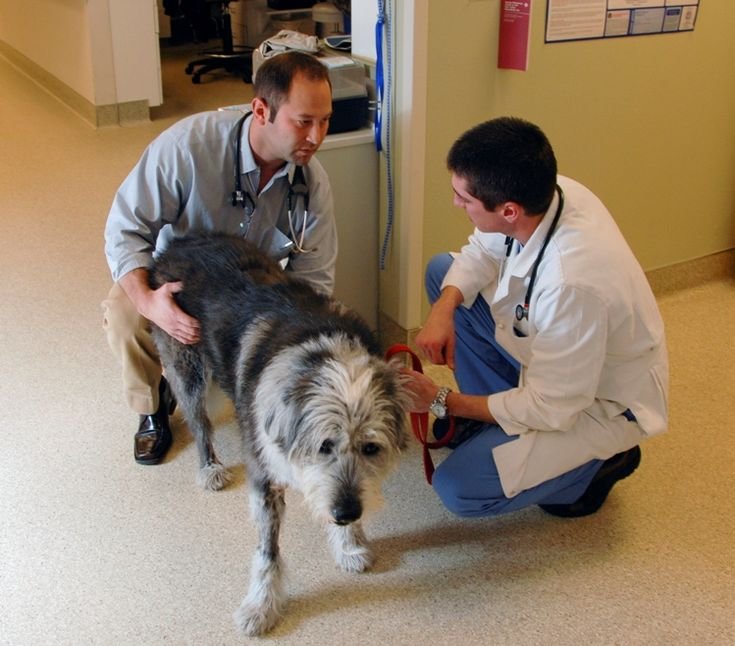
Most policies cover 70-90% of eligible expenses after you meet your deductible, which typically ranges from $100 to $500. Here’s what that looks like in practice:
Your dog needs $3,000 emergency surgery. With a $250 deductible and 80% coverage, insurance pays $2,200. You pay $800 out of pocket.
The Fine Print That Matters

Pre-existing conditions get zero coverage. If your pet has any health issue before you sign up, that condition and anything related to it won’t be covered. This is huge because many pets have minor issues that could later become major problems.
Waiting periods mean you can’t buy insurance today and use it tomorrow. Most companies require 14-30 days before coverage starts, and some conditions like hip dysplasia have 6-12 month waiting periods.
Age restrictions kick in too. Many insurers won’t cover pets over 10-14 years old, or they’ll exclude certain conditions in senior pets.
When Insurance Pays for Itself

Pet insurance benefits really shine with expensive, unexpected conditions. Cancer treatment, major surgeries, or chronic diseases that require ongoing care can easily cost $10,000-$15,000. One case study showed a pet owner who spent thousands on treatment and received 90% back within two weeks, allowing them to pursue aggressive treatment without financial stress.
Certain breeds prone to expensive conditions – like German Shepherds with hip problems or Golden Retrievers with cancer – often benefit from insurance mathematically.
When You’re Better Off Self-Insuring

If your pet is older or has existing health issues, insurance premiums might cost more than potential benefits. Many routine issues that seem like emergencies – ear infections, minor injuries, digestive upset often cost less than your annual premiums.
Some pet owners do better putting that monthly premium into a high-yield savings account. Over 10 years, $62 monthly at 4% interest grows to about $9,100.
4. Building Your Pet Emergency Fund (the Smart Way)
Even with insurance, you need backup funds. Here’s how to build a pet emergency fund that actually works when crisis hits.
How Much You Really Need

Experts recommend $2,000-$5,000 for a pet emergency fund, but that range feels pretty useless when you’re starting from zero. Here’s a more practical approach: start with $1,500-$3,000 for most pet owners, then adjust based on your specific situation.
If you have a young, healthy mixed breed, $2,000 covers most scenarios. . Add $1,000-$2,000 per additional animal.
Don’t let these numbers paralyze you. Even $500 in your pet emergency fund beats having nothing when your cat stops eating at midnight.
The Weekly Strategy That Works

Automatic transfers of $20-30 weekly. That’s roughly $100-130 monthly, which gets you to $1,500 in about a year without feeling the pinch.
Smaller amounts feel less painful, and you’re less likely to “borrow” from the transfer when other expenses pop up. Set it up to transfer every Friday after payday, when your account balance is highest.
Separate vs Combined Emergency Funds

It depends on your discipline and fund size.
Separate works better if you’re prone to spending your emergency fund on non emergencies. When
Combined makes sense if you’re disciplined about spending and want to maximize your emergency fund size. A larger combined fund earns more interest and provides more flexibility.
Making It Stick

Use budgeting apps like Mint or YNAB to track your pet fund progress. Seeing the balance grow motivates you to keep contributing.
Set milestone rewards for yourself. When you hit $500, $1,000, and your final target, celebrate with something small. You’re building financial security for your pet that deserves recognition.
5. What to Do When the Bill Comes

When you’re standing at the vet counter at 3 AM with a $2,500 estimate, your brain isn’t working at full capacity. Here’s your game plan for handling the financial side when emotions are running high.
Know Your Payment Options Upfront

Most emergency vets expect payment before your pet goes home. That’s not negotiable – it’s how they stay in business. But you have more options than just handing over your credit card.
Ask about payment plans immediately. Many clinics offer in-house financing, especially for larger bills. Some will let you pay 50% upfront and spread the rest over 3-6 months with no interest.
CareCredit and Medical Financing

CareCredit works like a credit card specifically for medical expenses, including veterinary bills. Many emergency vets accept it, and you can often get approved within minutes online or by phone.
CareCredit offers promotional periods with no interest (usually 6-24 months), but if you don’t pay it off in time, they charge interest retroactively from day one. The rates can be brutal – often 26-30% APY.
Negotiating When You’re Stuck

Emergency vets have less flexibility than regular vets, but they’re still businesses that want to get paid. If you’re facing a massive bill:
Ask about essential vs. optional treatments. Sometimes diagnostic tests can wait, or there are less expensive treatment options.
When Charity Might Help

Local pet charities sometimes help with emergency bills, especially if you’re facing euthanasia due to cost. Organizations like Red Rover, The Pet Fund, and Brown Dog Foundation provide emergency financial assistance.
Many areas have low-cost veterinary clinics that might handle non-critical emergencies for less money.
Making Hard Decisions

Sometimes you’ll face treatments beyond your financial reach. This is heartbreaking but reality for many pet owners.
Ask your vet about “spectrum of care” – different treatment levels at different price points. Sometimes a $1,000 treatment gets you 80% of the benefit of a $4,000 treatment.
Don’t let guilt drive financial decisions that will hurt your family long term. A good vet will help you find options within your budget rather than pressure you into debt.
6. Prevention Strategies That Actually Save Money
Avoiding emergencies when possible. Here’s how to prevent pet emergencies that won’t break your budget but will save you thousands down the road.
Regular Check-ups Are Emergency Prevention

Annual wellness visits aren’t just bureaucratic pet requirements – they’re your cheapest insurance policy. Your vet can catch early signs of heart disease, diabetes, kidney problems, and cancers before they become $5,000 emergency situations.
A $150 wellness visit that catches diabetes early saves you thousands in emergency treatment later. Blood work might seem expensive, but it’s nothing compared to an emergency diabetic crisis.
Senior pets need check-ups every six months.
Weight Management Prevents Everything
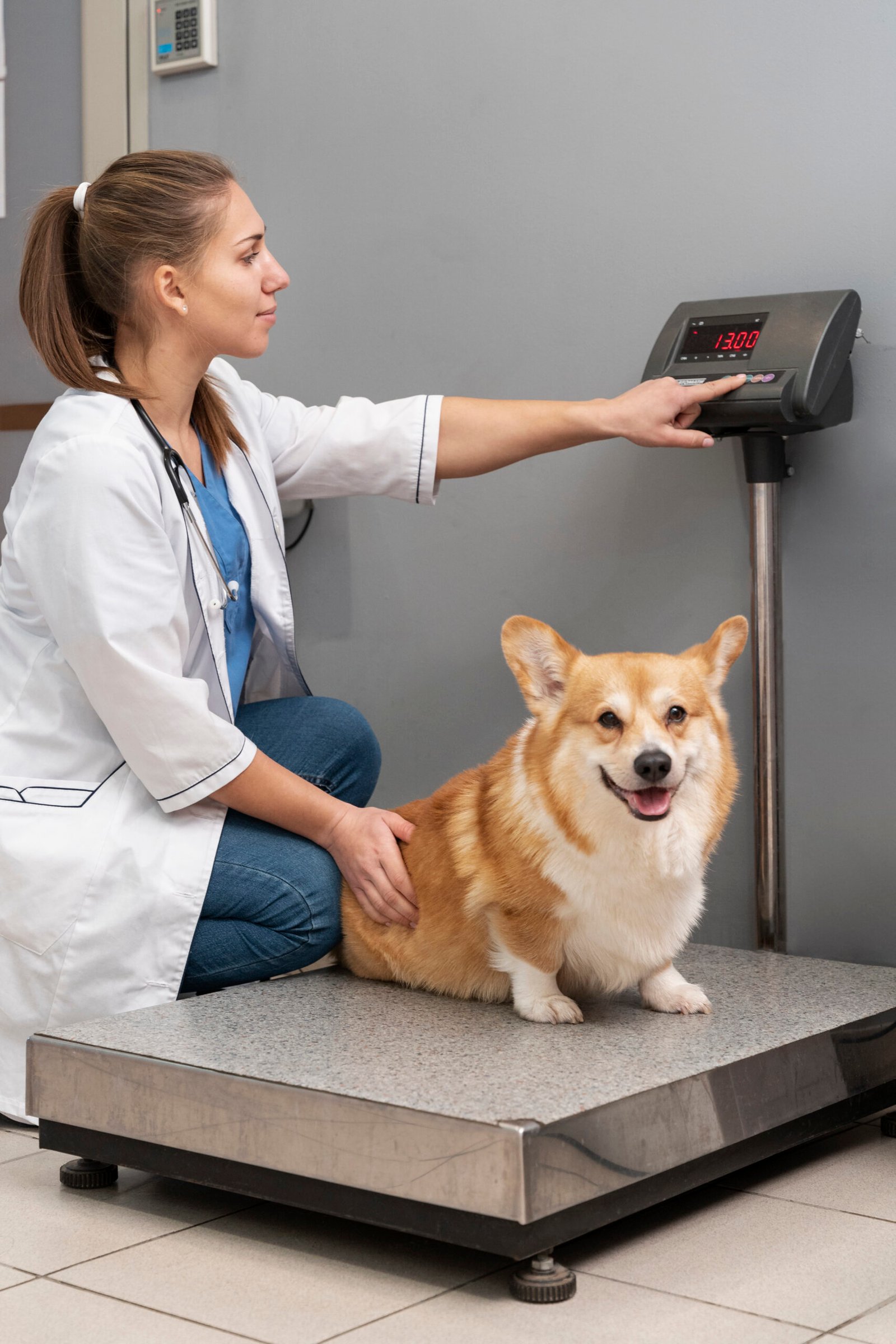
Keeping pets at healthy weight prevents multiple conditions that lead to emergency visits. Overweight pets face higher risks of diabetes, heart disease, joint problems, and breathing issues.
An overweight dog is significantly more likely to tear a cruciate ligament – a $3,000-$5,000 surgery. Obese cats develop diabetes, which requires lifelong insulin and monitoring.
Better food and portion control. Maybe $20-30 more monthly for quality food, versus thousands for treating obesity-related emergencies.
Pet-Proof Like Your Wallet Depends on It

Foreign object ingestion accounts for thousands of emergency visits annually. Dogs eating socks, cats swallowing string, puppies chewing electrical cords – all preventable with basic pet-proofing.
Secure trash cans, keep human medications locked up, and remove small objects pets might swallow.
Know When to Call Your Regular Vet

Not every scary situation needs emergency care. Calling your regular vet first can save hundreds in unnecessary emergency fees.
Vomiting once isn’t usually an emergency. Vomiting repeatedly with lethargy is. Limping after playing might wait until morning. Limping with swelling needs immediate attention.
Many vets offer after-hours phone consultations. A $50 phone call can tell you whether your pet needs emergency care or can wait for regular business hours.
Dental Care Prevents Heart Problems
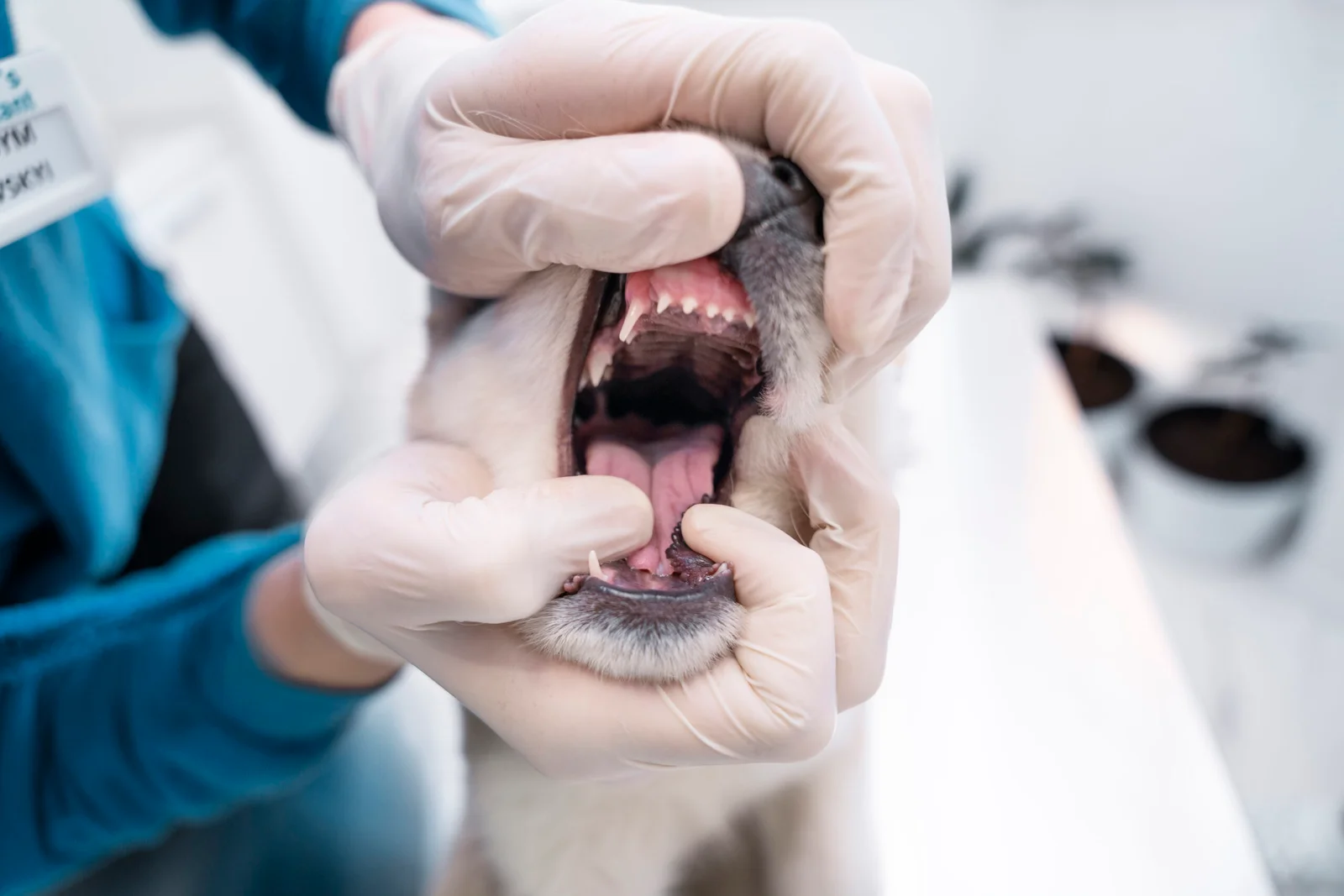
Pet dental disease doesn’t just cause bad breath – bacteria from infected gums can damage heart valves, leading to heart failure and emergency treatment.
Annual dental cleanings cost $300-700 but prevent heart disease that can cost $2,000-$5,000 to treat.
FAQs
1. How much should I save for a pet emergency fund?
Experts recommend saving $2,000-$5,000 for pet emergencies. Start with $1,500-$3,000 for most pet owners, then adjust based on your pet’s age, breed, and health risks. .
2. How can I reduce the chances of expensive pet emergencies?
Keep your pet at a healthy weight to prevent diabetes, heart disease, and joint problems that lead to costly surgeries. Schedule annual wellness visits ($150) to catch problems early before they become $5,000 emergencies.