
My cat’s secret life was a total mystery to me. I thought I knew his daily routine, but curiosity got the best of me. I put a camera on his collar to finally see his world. The footage I got back didn’t show fun adventures. Instead, it revealed long, lonely hours spent waiting by the door.
I saw the quiet boredom I never knew was there. Watching that video, my heart sank. This is what I learned about feline loneliness and the hidden truth of what our pets do when we’re not home.
1. What Your Cat’s Camera Behavior Really Means (And What It Doesn’t)
Watching your cat on camera can be equal parts entertaining and anxiety-inducing. You see them meow at the door or pace the hallway, and a worrying thought creeps in: does my cat have separation anxiety? Before you jump to conclusions, it’s crucial to understand that not all camera behavior is a sign of distress.
Normal Behavior vs Cause for Concern
A certain amount of vocalization when you leave is normal; it’s your cat’s way of saying, “Hey, where are you going?” Similarly, a period of pacing or restlessness is often just boredom. Cats sleep an average of 15 hours a day, so seeing them nap for most of your absence is completely normal and healthy.
True feline separation anxiety is a more severe and consistent condition. As veterinary behaviorists note, it’s defined by a cluster of behaviors that indicate extreme panic and stress. The key is to look for patterns of destruction or behavior that is harmful to the cat itself.
What It Doesn’t Mean?
- Some meowing at the door: A brief vocal protest is typical.
- Pacing for a short time: This is often just boredom or settling into a new routine.
- Sleeping a lot: This is what cats are supposed to do!
What It Really Means (Signs of True Anxiety)
- Destructive behavior: Consistent, frantic scratching at doors or windows to escape.
- Inappropriate elimination: Urinating or defecating outside the litter box, often on your bed or belongings.
- Not eating: Refusing food until you return home.
- Excessive salivation or self-grooming: Signs of intense stress that can lead to physical harm.
Using a cat camera ethically means observing these behaviors without immediately assuming the worst. The goal of pet monitoring is to reduce your stress, not create it. If you notice the more severe signs consistently, it’s time to consult your veterinarian or a certified animal behaviorist. Otherwise, rest easy knowing that a sleeping cat is typically a happy, content cat.
2. Positive Uses For Your Pet Camera
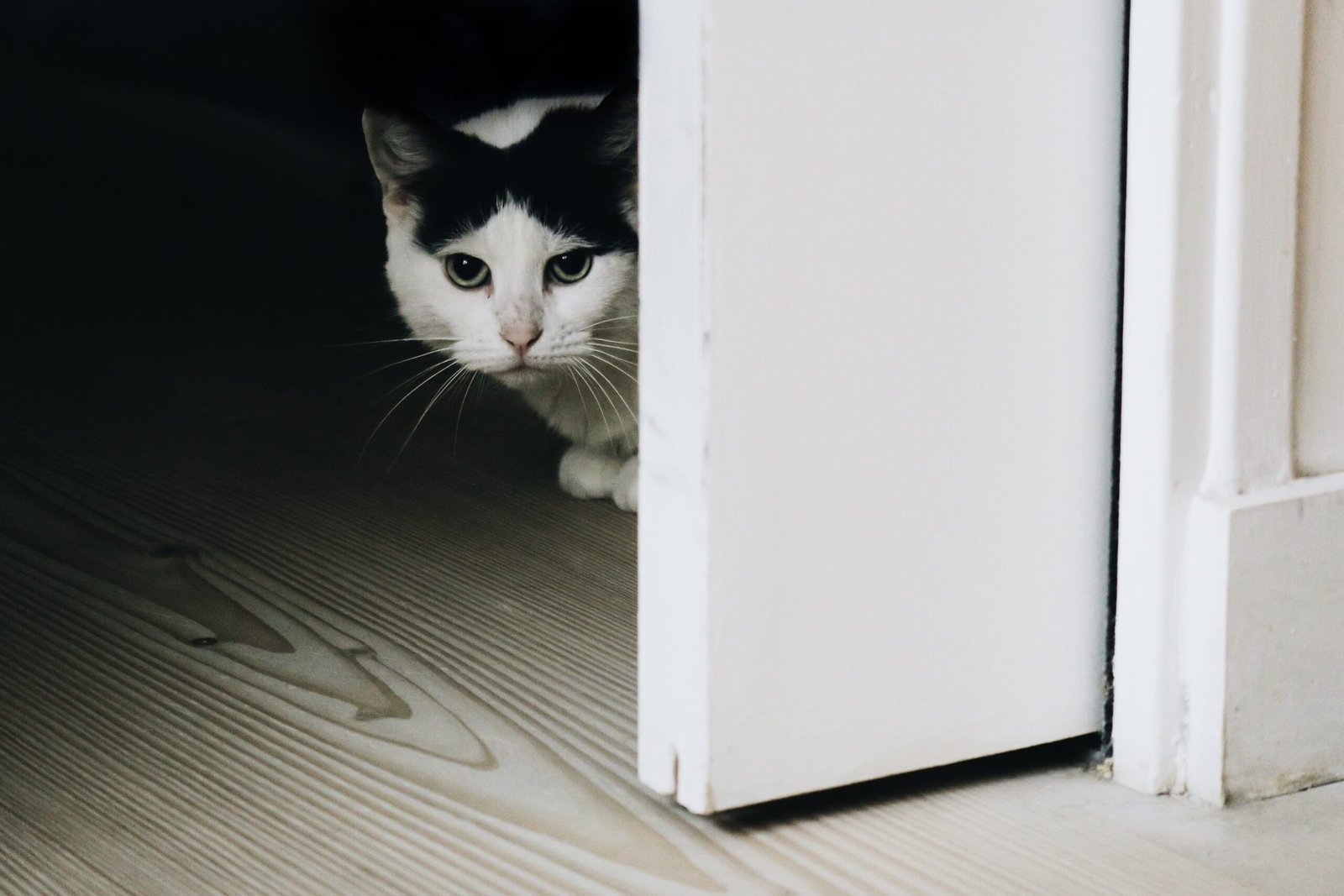
That pang of guilt when you check your pet camera is a familiar feeling for many owners. You see your dog sleeping alone or your cat staring at the door, and the worry sets in. But what if you could reframes that guilt into empowerment? Your pet camera isn’t a tool for anxiety; it’s a powerful diagnostic device to actively improve your pet’s well-being.
The key is to shift from passive watching to active problem-solving. Instead of a source of constant worry, use it to gather data that makes you a better pet parent.
Identify Hidden Triggers
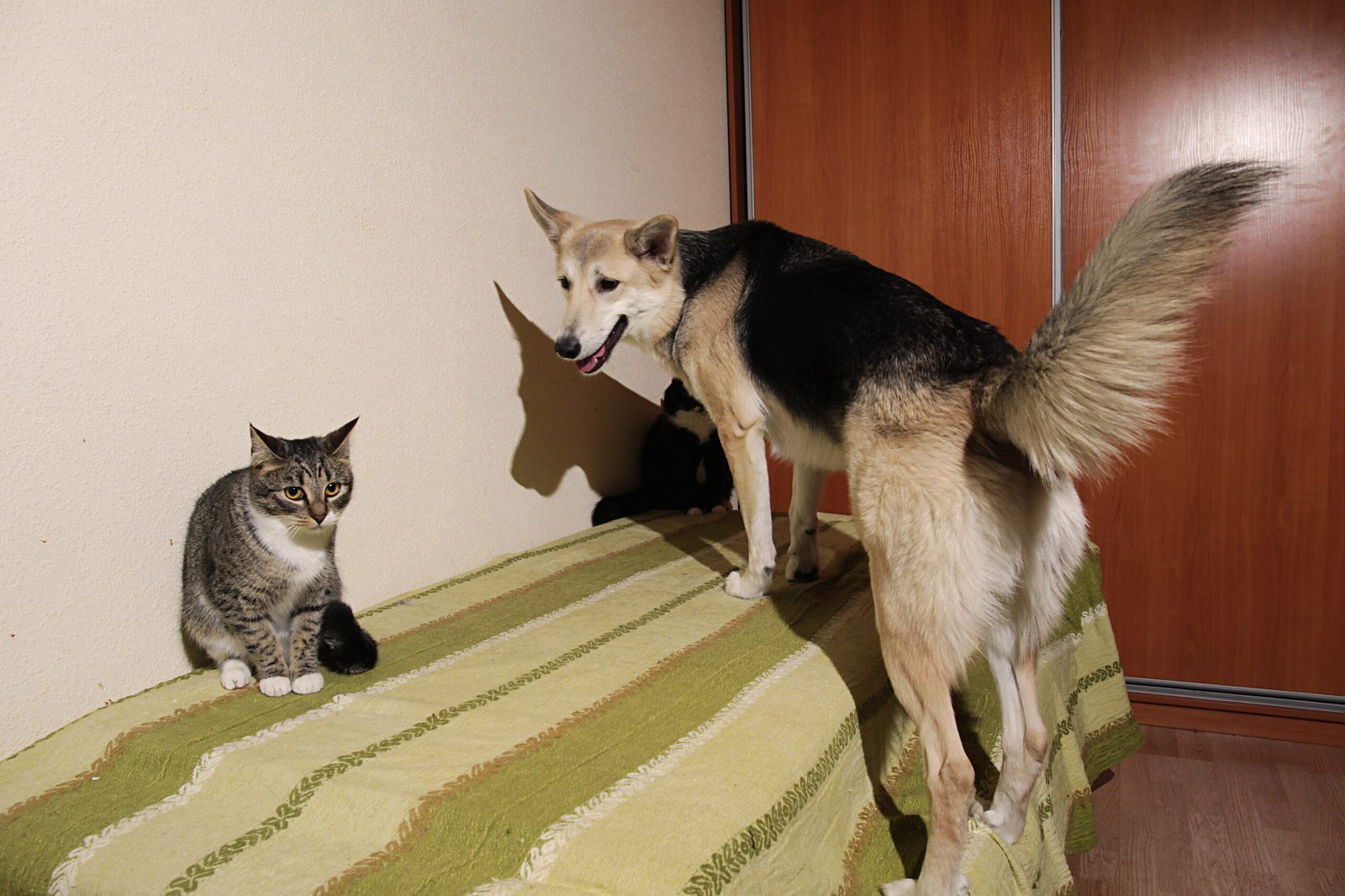
You know your pet is anxious, but you’re not sure why. Your camera is the perfect tool to play detective. Review the footage to pinpoint the exact moment their stress begins. Is it the roar of the garbage truck at 2 PM? The neighbor’s dog barking? Once you identify the trigger, you can take proactive steps.
- Example: I noticed my cat would bolt under the bed every day at 1:15 PM. After reviewing the camera, I saw it was the loud mail truck. I simply moved her cat tree to a quieter room, and on camera, I saw her stress levels drop as she napped peacefully instead.
Test Drive New Toys and Enrichment
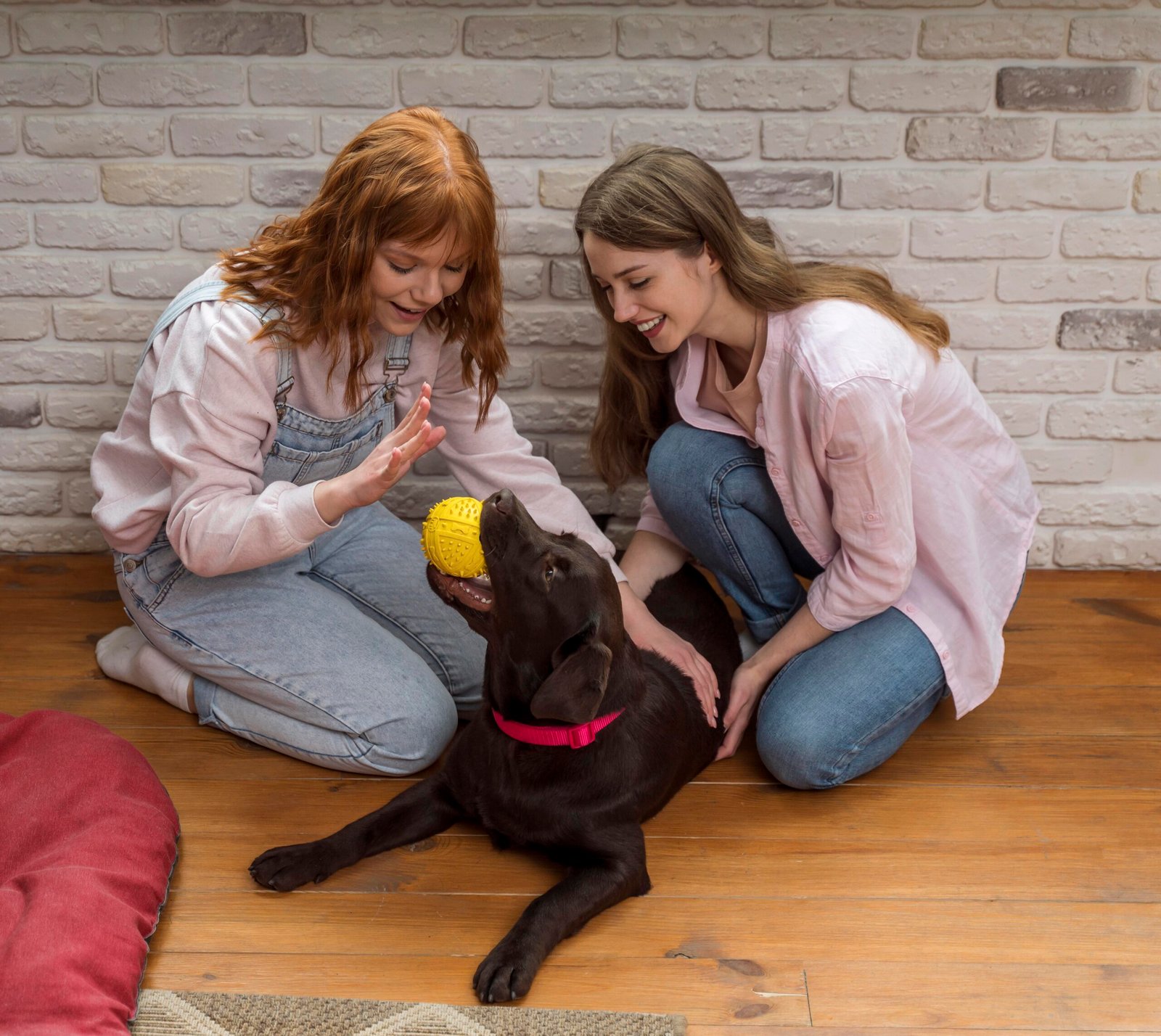
Set up new enrichment ideas and watch how your pet interacts with them. Do they engage with the new puzzle for an hour, or do they ignore it after two minutes? This feedback allows you to curate a collection of toys that truly keep them stimulated and happy, reducing boredom and destructive behaviors.
Use Your Voice for Good, Not for Scolding
The two-way audio feature is a powerful tool—when used correctly. Never use it to yell or scold a pet who can’t understand why a disembodied voice is angry. Instead, use it for calm, positive reinforcement.
3. Actionable Steps to Ease Your Cat’s Boredom and Stress
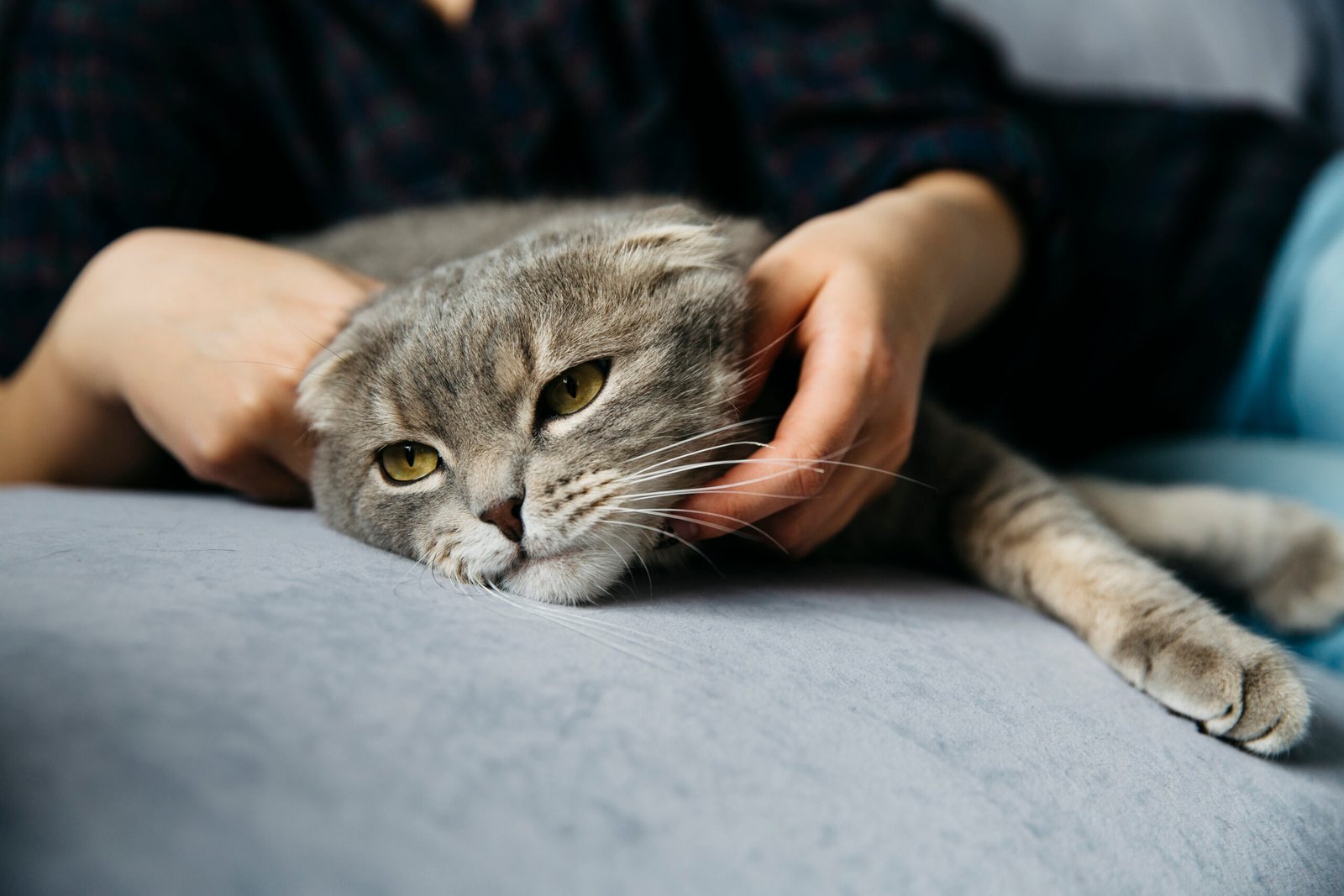
Does your cat meow incessantly when you leave, scratch the furniture, or seem lethargic? These can all be signs of boredom and stress. Cats are intelligent, curious creatures, and a lack of mental and physical stimulation can significantly impact their well-being.
The good news is that with a few strategic changes, you can transform your home into a haven of enrichment that eases their anxiety and keeps them happily engaged, even when you’re not there.
Master Environmental Enrichment
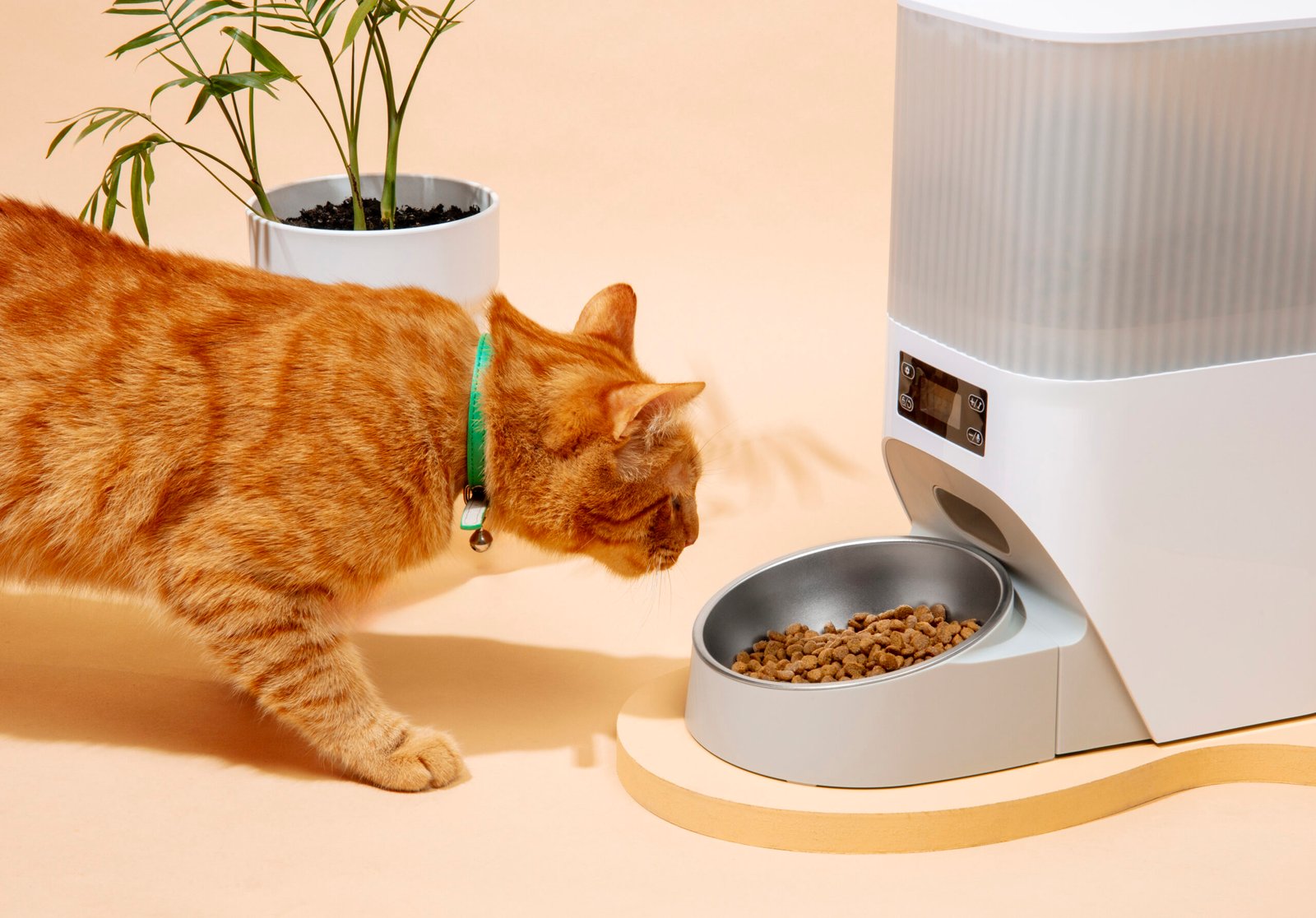
The goal of enrichment is to mimic the challenges and excitement of the wild. A bored cat is often a stressed cat, so providing outlets for their natural behaviors is crucial.
- Puzzle Feeders: Instead of a boring food bowl, use puzzle feeders. These toys make your cat work for their food, engaging their brain and slowing down eating. Highly-rated products like the Pet Safe Egg are excellent, but you can start with a simple DIY option: take a muffin tin, place kibble in a few of the cups, and cover them with tennis balls.
- Window Perches: A window is essentially live television for a cat. Installing a secure perch allows them to safely bird-watch, sunbathe, and observe the outside world, providing hours of mental stimulation.
Establish a Predictable Routine
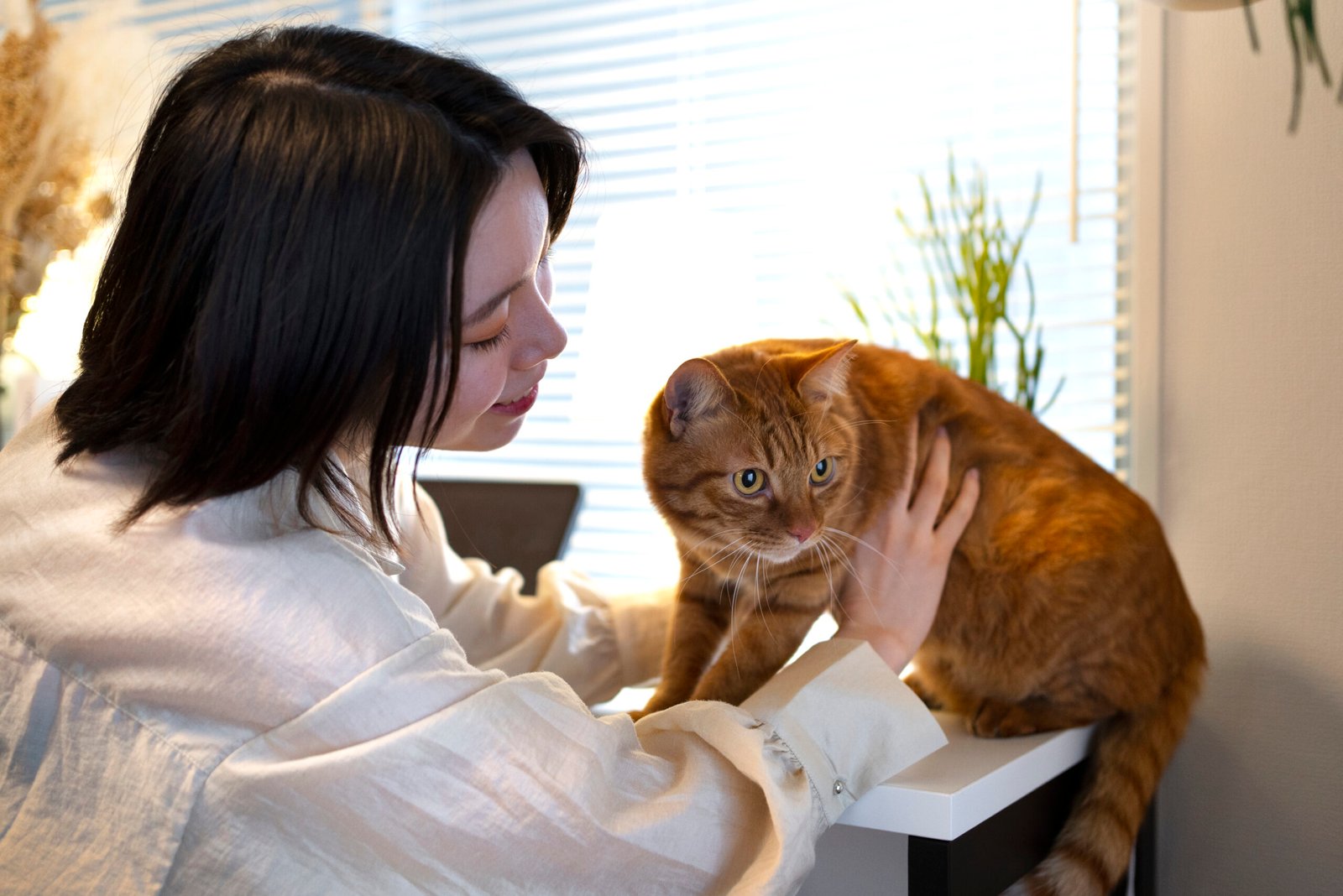
Cats are creatures of habit and thrive on predictability. A chaotic schedule can be a major source of cat stress. Create a consistent routine, especially for when you leave the house. This might involve feeding them at the same times, a specific play session before you go, and a calm, predictable departure. This routine signals to your cat what to expect, reducing their anxiety about your comings and goings.
Provide Safe Spaces
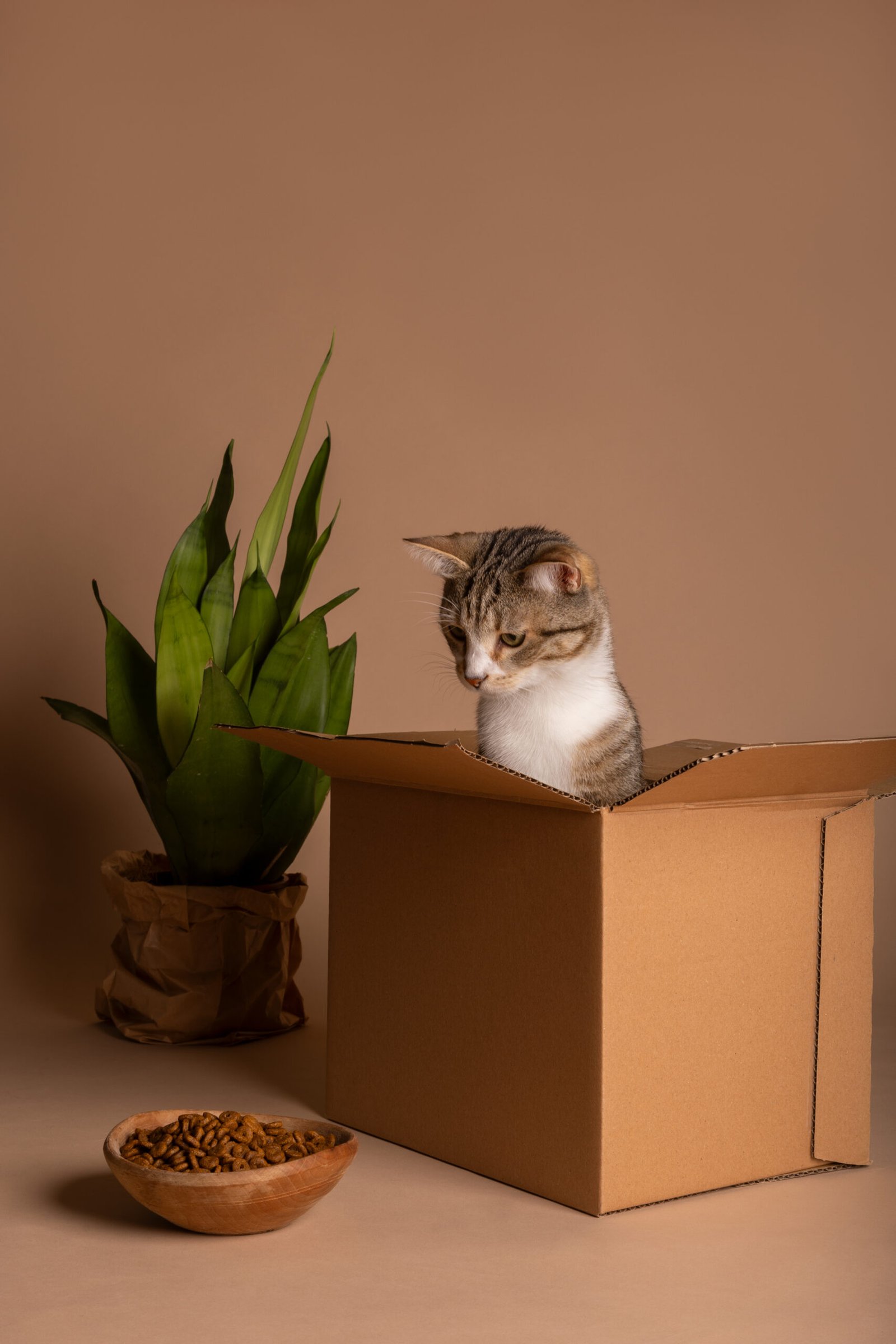
- Hiding Boxes: Never underestimate the power of a simple cardboard box. It’s an instant fortress of solitude. For extra fun, place a blanket inside or crumple a piece of paper in it for them to bat around.
- High-Up Spots: Cats feel secure when they can survey their domain from above. Provide cat trees, shelves, or clear off the top of a bookcase to give them a vertical escape. This is especially important in multi-pet households.
Prioritize Pre-Departure Play
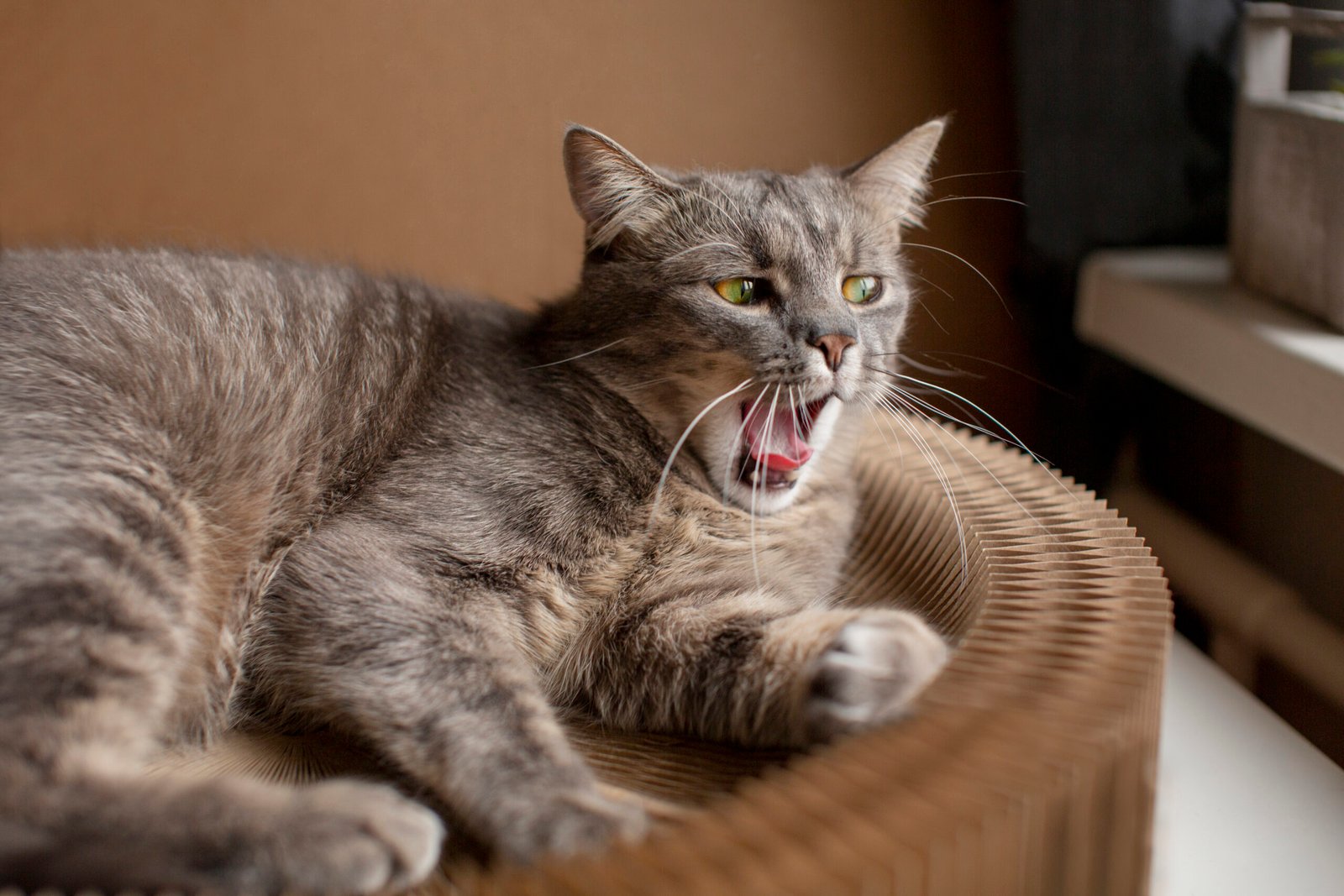
A tired cat is a happy cat. One of the most effective strategies is to engage in a 10-15 minute play session before you leave. Use a wand toy to simulate prey-like movements, encouraging your cat to run, jump, and pounce.
This vigorous play session allows them to expend pent-up energy and fulfill their natural hunting instinct. By implementing these steps enriching their environment, establishing a routine, providing safe havens, and ensuring active play you directly address the root causes of cat stress.
FAQs
1. Why did putting a camera on your cat make you feel terrible?
Many owners feel guilt or distress after seeing footage of their cat spending long, lonely hours staring out a window or door, seemingly bored, lonely, or waiting for them to return.
2. What can I do to improve my cat’s life after seeing this footage?
You can significantly improve your cat’s environment by providing enrichment such as interactive toys, puzzle feeders, window perches for bird watching.