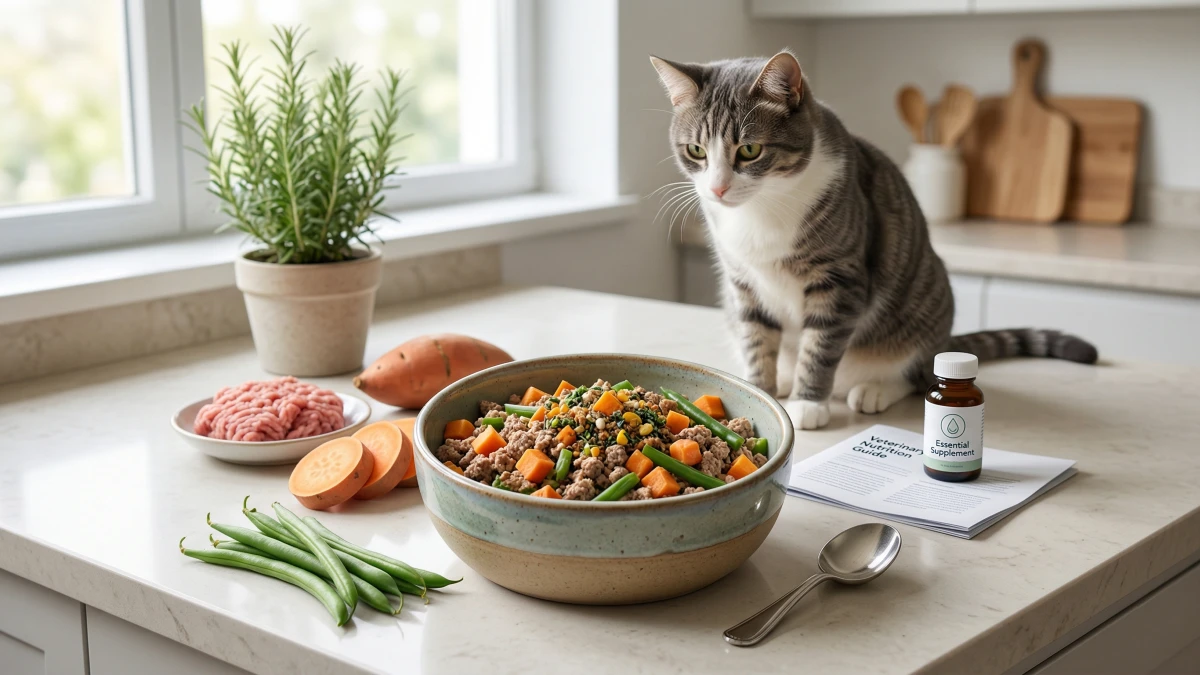

It’s 2 AM, and you’re lying awake, wondering if leaving your dog alone for 8 hours makes you a terrible pet parent. Recent surveys reveal that 44% of pet owners stress about leaving their pets alone during work hours. Even more striking, 61% of pet parents cite separation anxiety as their primary concern in 2025, showing just how widespread this guilt has become.
Pet parent guilt isn’t just an inconvenience, it’s affecting our mental health. We lie awake questioning every decision, from food choices to exercise routines to work schedules.
The pet parents losing sleep over their care giving abilities are usually the ones providing excellent care. Bad pet parents don’t worry about being bad pet parents.
#1. Why Every Pet Parent Feels Like They’re Failing?
You’re not imagining it. That nagging voice in your head questioning every pet care decision? You’re in good company.
Numbers Tell The Real Story
A recent American Heart Association survey found that 69% of pet parents take better care of their pets than they do of themselves. More than two-thirds of us will skip our own meals to make sure our dogs get premium food. We’ll lose sleep worrying about a cat’s slight behavior change. This isn’t a coincidence. It’s pet parent guilt in action.
Social Media Makes Everything Worse

Social media, you’ll see perfectly groomed golden retrievers on beach vacations, watch dogs performing elaborate tricks when yours still hasn’t mastered “stay.” These highlight reels create impossible standards that make normal pet parenting look inadequate.
Real pet parents don’t post about rushing home during lunch breaks or choosing generic dog food because the premium brand costs too much. They share the picture-perfect moments, not the daily struggles.
Work Creates Impossible Choices
Research shows that work demands directly interfere with pet parenting roles, causing depression and anxiety in pet owners. You leave for an 8-hour shift and, your dog stares at the door all day. You skip the evening walk because you’re exhausted. You feel guilty about both choices.
The 9-to-5 world wasn’t designed for pet parents. Yet somehow we’re supposed to provide constant companionship when maintaining careers, social lives, and personal health.
The “Perfect Pet Parent” Myth Hurts Everyone

Good pet parents never make mistakes, always have unlimited time and money, and somehow read their pet’s mind about every need.
Real good pet parents mess up regularly. They buy the wrong food, miss subtle health signs, and sometimes lose their patience during training. They work long hours and occasionally choose takeout over a dog park visit.
Common Guilt Triggers Hit Us All
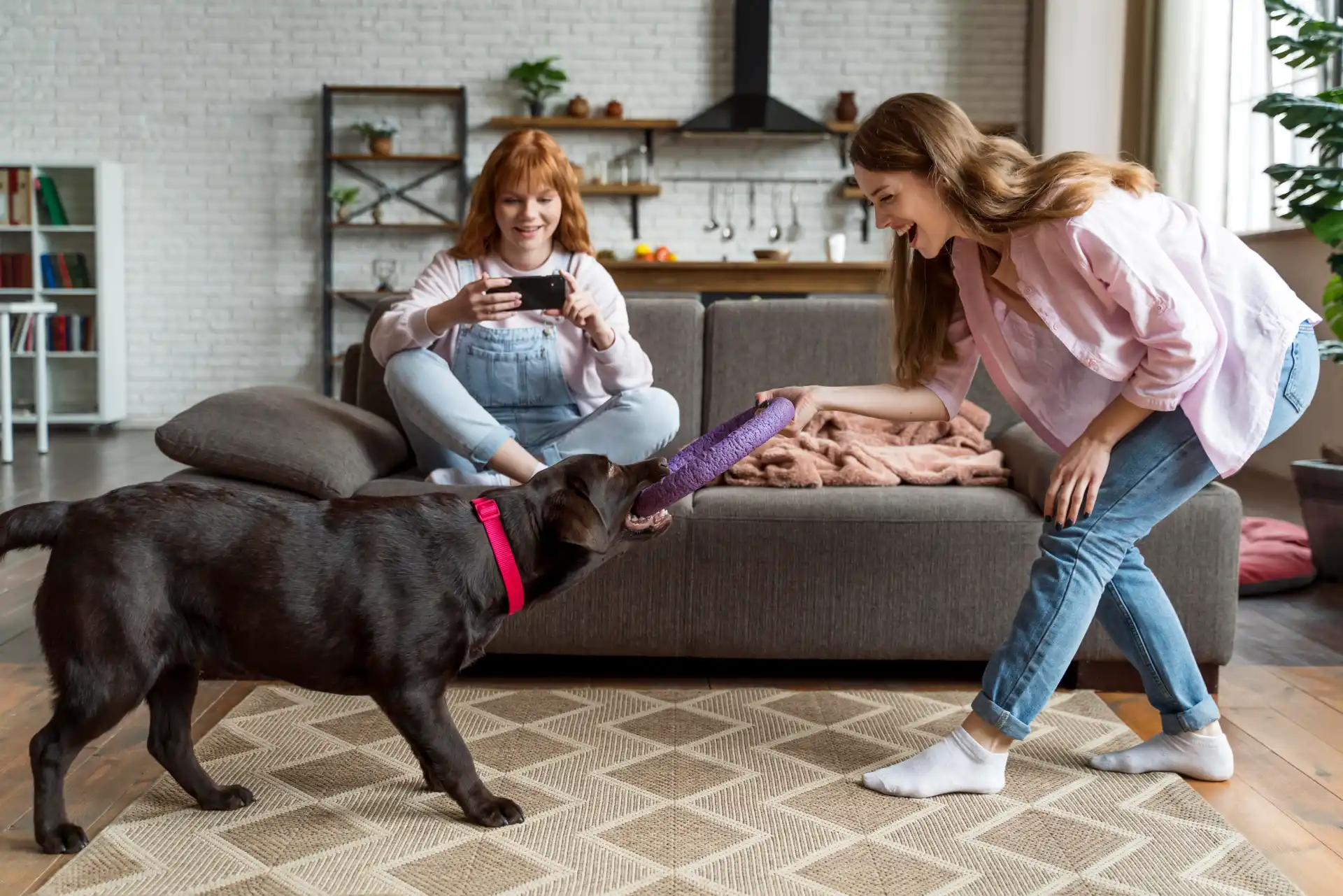
Working late means less playtime. Going on vacation requires pet boarding. Emergency vet bills strain budgets. Each situation becomes evidence that we’re failing our pets.
The truth behind those statistics: The fact that 95% of pet parents rely on their pets for stress relief shows something beautiful. This relationship goes both ways. Your pet isn’t just depending on you, you are building a mutual support system, and caring pet parents rarely deserve the harsh judgment they give themselves.
#2. The Real Signs of a Bad Pet Parent (You’re Probably Not One)

Forgetting to refill the water bowl one morning doesn’t make you a bad pet parent. Running out of treats doesn’t either. Real neglect looks completely different from the occasional slip-ups that keep you awake at night.
True Neglect Involves Ignoring Basic Survival Needs
Bad pet parents consistently fail to provide food, water, shelter, and medical care. They don’t just miss one vet appointment, they avoid veterinary care entirely, even when their pet shows obvious signs of illness or injury.
The difference matters. Good pet parents have occasional lapses. Bad ones show a pattern of indifference.
Weight Problems Reveal Ongoing Neglect

When pets become severely overweight, they face serious health consequences like heart disease, joint problems, and shortened life expectancy. This doesn’t happen from one extra treat or missing a few walks. It develops over months of overfeeding and lack of exercise.
Veterinarians at Sibley Animal Hospital note that pet obesity often signals deeper care issues. Owners who ignore weight gain typically ignore other health problems. They’re not monitoring their pet’s overall condition or following professional guidance.
Caring pet parents notice weight changes and take action. They ask their vet for help. They research better food options. They might struggle with the solution, but they recognize the problem.
Serious Health Problems Get Ignored Completely

Bad pet parents see obvious warning signs and do nothing. Their pets show symptoms like persistent vomiting, diarrhea, appetite loss, dramatic behavior changes, sudden weight loss, or constant lethargy, and they don’t seek help.
Good pet parents might miss subtle early signs. It is normal and forgivable. But they respond when problems become clear. They take action even when it’s inconvenient or expensive.
Preventive Care Gets Skipped Entirely
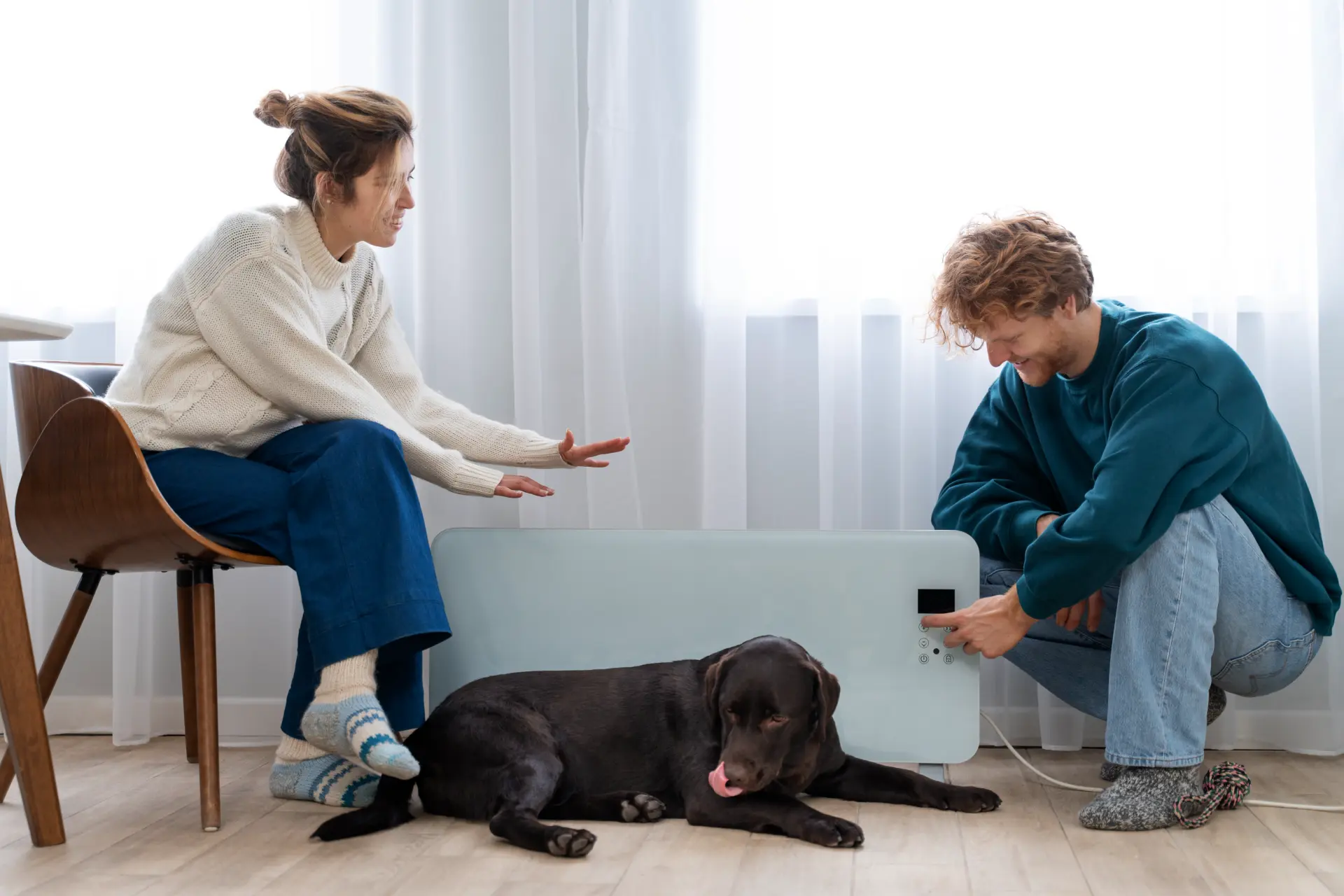
Truly neglectful owners avoid routine veterinary visits, skip vaccinations, and ignore dental care. Their pets suffer from preventable diseases and painful conditions that worsen over time.
This goes beyond financial constraints. Many communities offer low-cost veterinary services. Bad pet parents don’t research these options or prioritize their pet’s health needs.
Social Isolation Becomes The Norm
Pets need interaction with people and other animals to develop properly. Bad pet parents keep their pets isolated, creating fearful, aggressive, or deeply anxious animals that struggle in normal situations. Good pet parents might worry their dog isn’t socialized enough. Bad ones don’t consider socialization at all.
Mental Stimulation Gets Forgotten
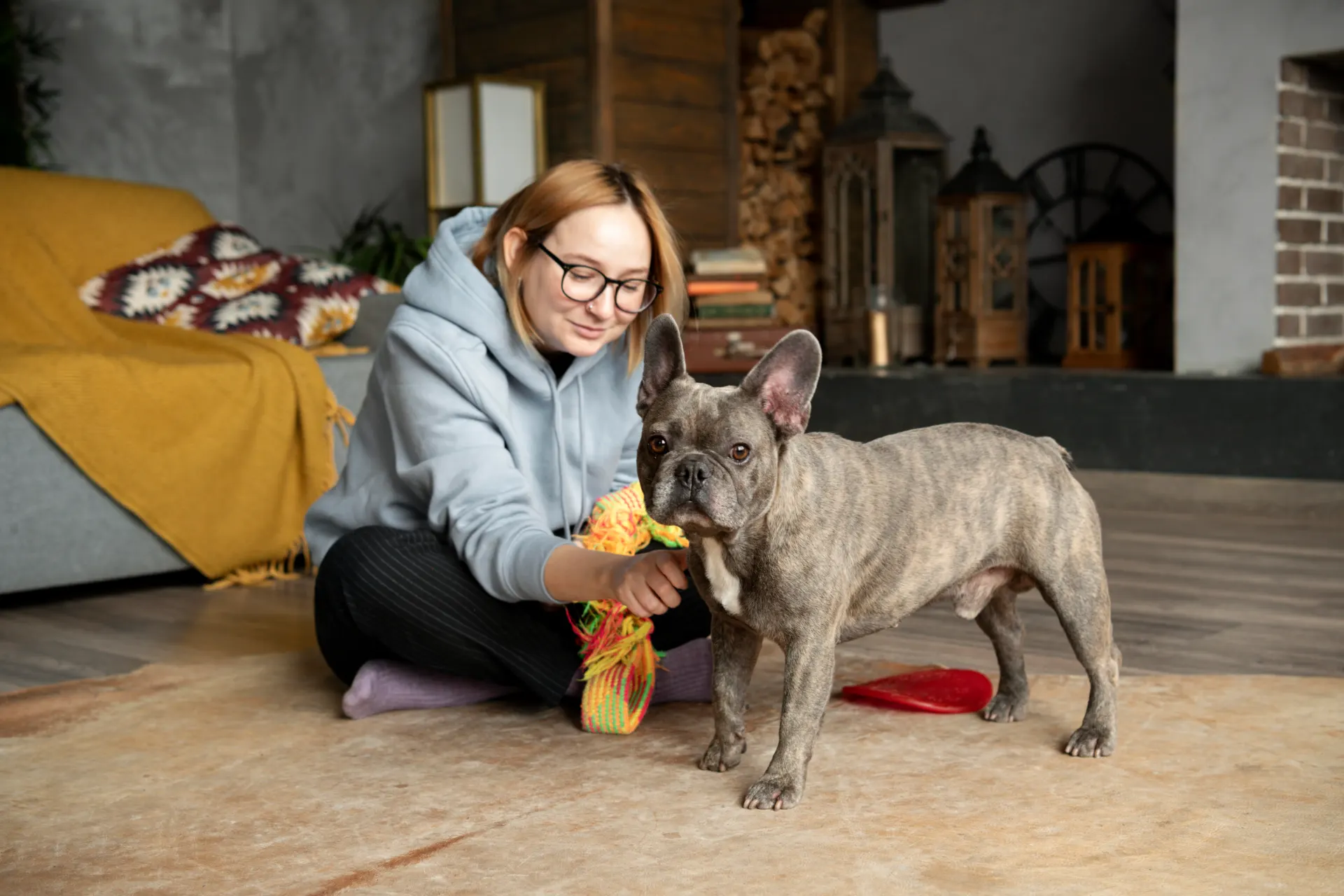
Pets need engagement beyond basic survival. Bad pet parents provide no toys, no training, no interaction beyond feeding. Their pets develop destructive behaviors from boredom and frustration.
According to Dr. Sarah Mitchell from Pendleton Veterinary Clinic, explains that caring owners ask questions, follow treatment plans, and notice changes in their pets. They might feel overwhelmed, but they’re engaged and responsive.
Neglectful owners make excuses, ignore recommendations, and seem indifferent to their pet’s discomfort. The contrast is obvious to any veterinary professional.
Reality Check You Need
If you’re reading this article, you’re probably not a bad pet parent. Bad pet parents don’t lose sleep over their caregiving abilities. They don’t research pet care or seek advice online.Your guilt proves your care. That care makes all the difference.
#3. 7 Clear Signs You’re Actually a Great Pet Parent
The seven concrete signs that prove you’re already nailing this pet parent thing.
1. You Worry About Your Pet’s Wellbeing
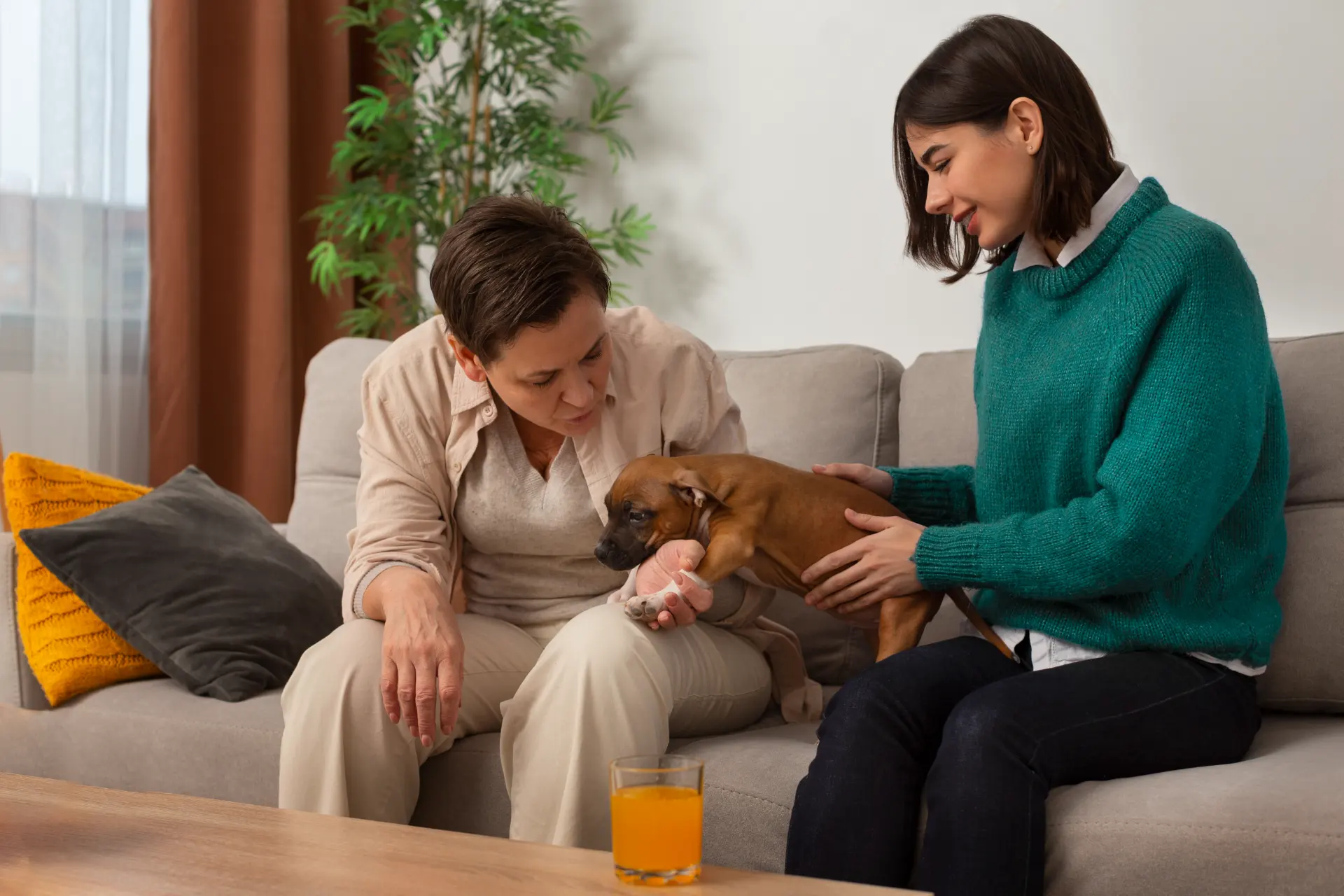
The fact that you clicked on this article puts you in the “good pet parent” category automatically. Bad pet parents don’t lose sleep over their caregiving skills.
Your anxiety proves your love. Indifferent owners don’t question themselves or look for ways to improve. Your worry shows emotional investment that benefits your pet every single day.
2. Maintain Regular Vet Visits And Preventive Care
Good pet parent signs include keeping up with vaccinations, annual checkups, and dental cleanings. You might stress about the cost or feel guilty about delaying non-urgent appointments, but you prioritize your pet’s health needs.
Veterinarians notice the difference immediately. Dr. Jennifer Walsh from Coast Animal Hospital says caring owners bring notes about behavior changes, and actually follow treatment recommendations. They’re partners in their pet’s healthcare.
3. Your Pet Handles Social Situations Well

When your dog greet visitors without aggression or terror or your cat tolerate handling during vet visits, these types of behaviors don’t happen by accident , they reflect consistent positive experiences you’ve provided.
Well-socialized pets show confidence around new people, comfort in different environments, and appropriate responses to various situations. This takes ongoing effort that many pet parents undervalue in themselves.
4. You Notice Behavioral Changes Quickly
Great pet parents pick up on subtle shifts before they become major problems. You notice when your usually social cat starts hiding, when your dog’s appetite changes, or when energy levels drop.
This awareness develops through daily interaction and genuine attention to your pet’s normal patterns. It’s a skill that comes from caring, not from perfection.
5. Provide Mental Stimulation And Exercise
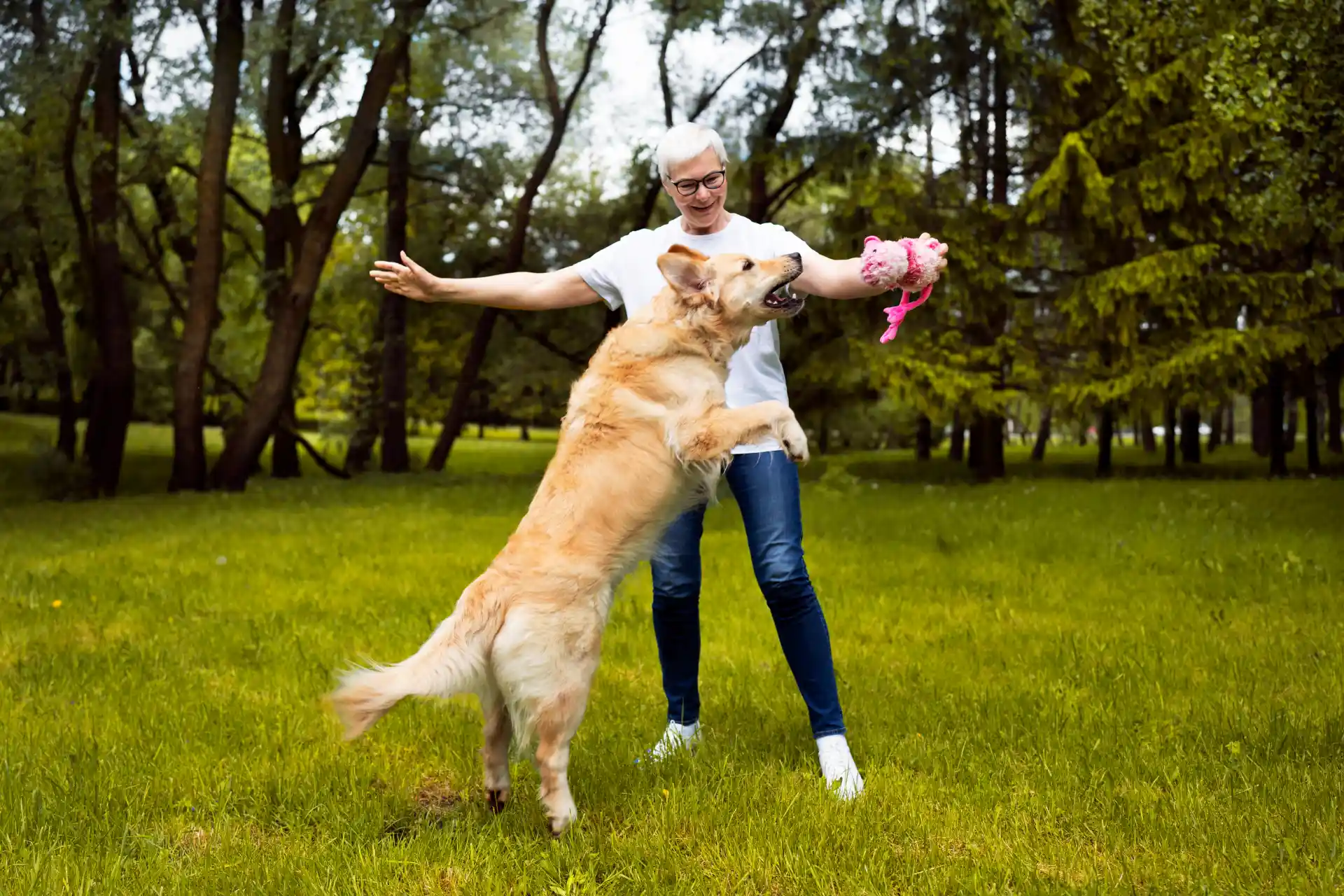
Your pet gets regular physical activity appropriate for their age and breed. You offer puzzle toys, training sessions, or interactive play that challenges their mind.
Quality matters more than quantity here. Fifteen minutes of focused playtime beats hours of distracted coexistence. Your pet benefits from engagement, not just your physical presence.
6. You Research And Ask Questions
Good pet parents seek information when problems arise. You reseearch about symptoms, call the vet with concerns, and ask other pet parents for advice.
This curiosity-driven approach separates caring owners from neglectful ones. Bad pet parents assume everything is fine without investigating further.
7. Your Pet Shows Clear Affection And Trust
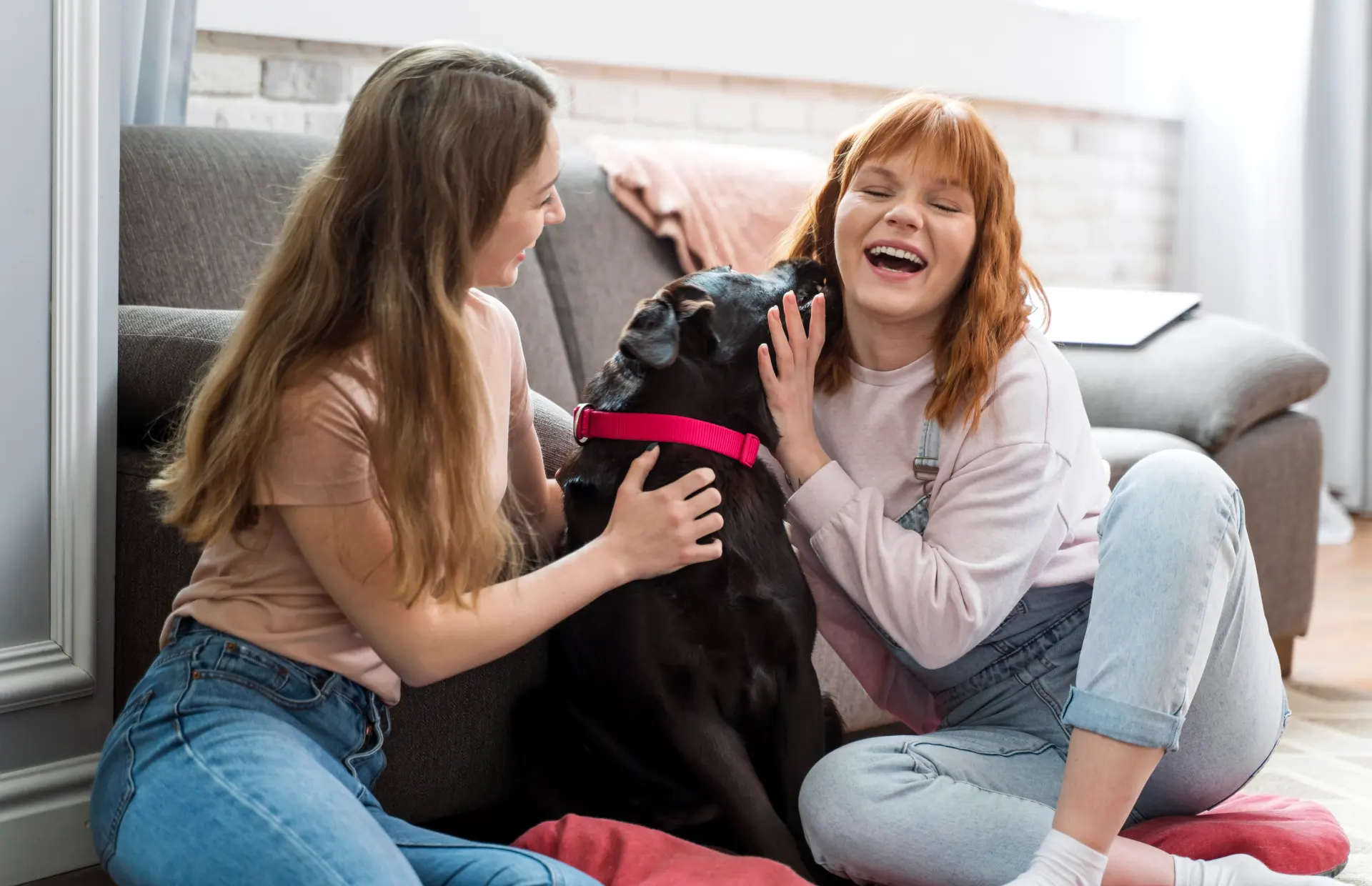
Happy pets display obvious behavioral indicators, they seek your attention, relax in your presence, and show excitement when you return home. They don’t cower, hide, or show signs of fear around you.
Trust builds over time through consistent, positive interactions. If your pet chooses to spend time with you when they have other options, you’re doing something right.
1. What veterinarians really notice
Dr. Maria Santos explains that excellent pet parents often feel the most guilty. They ask detailed questions, follow up on treatments, and worry about every decision, truly problematic owners rarely show concern about their caregiving abilities.
2. The quality time truth: Great pet parents don’t need to spend every waking moment with their pets. They provide consistent care, respond to needs promptly, and create positive experiences during the time they do share. Your pet doesn’t need a perfect parent. They need a caring, responsive one. And based on these signs, that’s exactly what you are.
#4. Common Pet Care Mistakes That Don’t Make You a Bad Parent

Everyone makes mistakes with their pets. The difference between good and bad pet parents isn’t perfection, it’s the willingness to learn and improve when problems surface.
Overfeeding Happens To Almost Everyone
Your dog gives you those pleading eyes, and you cave with extra treats. Your cat acts like they’re starving an hour after dinner. These moments don’t define your pet parenting skills.
According to recent veterinary guidance, overfeeding, lack of exercise, and negative reinforcement training rank among the most common pet care mistakes in 2025. The key word “common” meaning even dedicated pet parents fall into these patterns.
Bad pet parents ignore weight gain for months. Good ones notice the problem and adjust feeding schedules, measure portions more carefully, or consult their vet for guidance.
Missing Subtle Health Signs Initially Is Normal
You might not catch the earliest signs of dental problems, arthritis, or vision changes. These symptoms often develop gradually and can be easy to overlook during daily routines.
First-time pet parents especially struggle with distinguishing normal aging from health concerns. Is your older dog sleeping more because they’re sick or just getting older? These questions stump experienced pet owners too.
The difference lies in response time. When you do notice changes, you take action. Bad pet parents ignore obvious problems even after they become severe.
Inconsistent Training Approaches Confuse Pets But Don’t Harm Them Permanently
You allow your dog on the couch sometimes but not others. Perhaps your cat gets mixed messages about counter surfing. These inconsistencies create confusion, not trauma.
Professional dog trainers see this constantly. The solution involves establishing clear, consistent rules going forward not beating yourself up about past mixed messages.
Food Label Confusion Affects Most Pet Owners

Marketing terms like “premium,” “natural,” and “grain-free” don’t always mean what you understand. Many caring pet parents buy expensive food thinking it’s automatically better, or choose based on clever packaging rather than nutritional content.
This mistake comes from good intentions combined with confusing industry marketing. Learning to read ingredient lists and understanding your pet’s actual nutritional needs takes time and research.
Delayed Socialization Can Be Corrected At Any Age
You adopted an adult pet with limited social experience, or you didn’t expose your puppy to enough situations early on. When early socialization works best, it’s never too late to help pets become more comfortable in various situations.
The Learning Curve Is Real And Normal
Every pet parent makes mistakes during their first year of pet ownership. You learn through experience, research, and sometimes trial and error.
Professional Help Is Always Available

Certified trainers, and animal behaviorists exist specifically to help pet parents navigate these challenges. Seeking professional guidance when you’re struggling shows good judgment, not failure.
Correctable vs Neglect
Pet care mistakes become fixable learning experiences when you recognize problems and take steps to improve. Neglect involves ignoring obvious issues without making any effort to change or seek help. Your mistakes don’t define your pet parenting abilities. Your response to those mistakes does.
#5. How to Stop the Pet Parent Guilt Spiral
Pet parent guilt hits differently at 2 AM when you’re replaying every decision from the day. How to break that cycle and focus on what actually matters for your pet’s happiness.
Guilt Doesn’t Equal Good Parenting
The most anxious pet parents often provide the best care. Truly neglectful owners rarely question their choices or lose sleep over pet care decisions. Your guilt proves emotional investment, not inadequacy.
Bad pet parents don’t worry about being bad pet parents. They don’t research articles, ask veterinarians detailed questions, or second-guess their choices.
Focus On Your Pet’s Actual Wellbeing Indicators Instead Of Your Feelings

Your pet eating normally? Playing regularly? Seeking your attention? Comfortable with handling? These behaviors reveal their true condition better than your internal anxiety does.
Happy pets show obvious signs like bright eyes, healthy appetite, social engagement, and relaxed body language around you. Trust these indicators over your worried thoughts about whether you’re doing enough.
Set Realistic Expectations Based On your Actual Life
You’re not a professional pet trainer, veterinary technician, or full-time pet care provider. You’re a person with work, relationships, and responsibilities who also happens to love an animal.
Good enough pet care looks different for everyone. A working professional who provides consistent basic care beats a helicopter pet parent who creates anxiety through over-management.
Relationship Benefits You Both
Recently American Heart Association research shows that 95% of pet parents rely on their pets for stress relief. This isn’t one sided caregiving, it’s mutual support that improves both your lives.
Your pet doesn’t just tolerate your care; they actively contribute to your wellbeing. Stop viewing yourself as solely responsible for their happiness when they’re actively improving yours.
Build Connections With Other Pet Parent

Join local dog parks, online pet communities, or neighborhood pet groups. You’ll discover that everyone struggles with similar concerns and makes comparable mistakes.
Other pet parents normalize the experience and provide practical solutions you hadn’t considered. They also offer perspective when your guilt spiral gets intense.
Practical Guilt Management Techniques Work
When anxiety strikes, ask yourself: “Is my pet showing signs of distress right now?” Usually the answer is no. Focus on present reality rather than imagined problems.
Keep a simple weekly checklist it include fed regularly, clean water available, basic exercise provided, social interaction included. If you’re hitting these basics consistently, you’re succeeding.
Seek Professional Help When Guilt Interferes With Daily Functioning
If pet parent anxiety prevents you from working, sleeping, or enjoying time with your pet, talk to a counselor who understands pet relationships.
Community Resources Exist Everywhere
Local veterinary offices, pet stores, and animal shelters often host support groups or educational events. Many communities have pet parent meetups and online forums for advice and encouragement. Your pet chose to bond with you. Trust their judgment about your caregiving abilities.
#6. Your Pet Parent Reality Check: A Simple Assessment

Stop wondering and start measuring. This quick assessment helps you objectively evaluate your pet care using concrete standards rather than anxiety-driven assumptions.
The Basic Care Checklist – Answer Yes or No
i. My pet has fresh water available daily
ii. I feed my pet appropriate portions of quality food
iii. My pet receives regular veterinary checkups (annual minimum)
iv. I provide daily exercise or activity appropriate for my pet’s age
v. My pet is comfortable being handled by me and familiar people
vi. I notice and respond to changes in my pet’s behavior or health
vii. My pet shows affection and seeks my attention
viii. I maintain basic grooming (brushing, nail trims, dental care)
xi. My pet has a safe, comfortable sleeping area
x. I provide mental stimulation through toys, training, or interaction
Scoring Your Results
1. 8-10 Yes answers
You’re showing clear good pet parent signs. Your guilt likely stems from perfectionist tendencies, not actual problems. Focus on maintaining current standards rather than constantly second-guessing yourself.
2. 5-7 Yes answers
You’re providing adequate care with room for improvement in specific areas. This is normal and fixable. Identify which “no” answers concern you most and tackle one improvement at a time.
3. 0-4 Yes answers
Consider reaching out to veterinary professionals or pet care resources for guidance. This doesn’t make you a bad pet parent – it makes you someone who recognizes the need for help.
Red Flags Vs. Normal Concerns – Know The Difference

1. Red flags require immediate attention
i. Your pet shows fear or aggression toward you consistently
ii. Obvious health problems go untreated for weeks
iii. Your pet lacks access to basic needs (food, water, shelter)
iv. You avoid veterinary care due to indifference, not financial constraints
v. Your pet shows signs of severe behavioral distress
2. Normal concerns that don’t indicate bad parenting
i. Worrying about your pet when you’re at work
ii. Feeling guilty about occasional lapses in routine
iii. Questioning whether you’re providing enough mental stimulation
iv. Stress about veterinary bills or care decisions
v. Comparing your pet care to others on social media
3. When to be genuinely worried
If your assessment reveals consistent patterns of neglect in multiple basic care areas, or if your pet shows ongoing signs of fear, aggression, or health problems that you’re not addressing.
4. When you’re probably overthinking
If most of your concerns involve whether you’re doing “enough” rather than whether you’re meeting basic needs. Good pet parents typically worry more than necessary about their performance.
Professional Resources For Improvement
1. Veterinary guidance
Most veterinary offices offer wellness consultations to review your pet’s overall care and suggest improvements.
2. Training resources
Pet trainers help with behavioral concerns and socialization issues. Many offer group classes that cost less than private sessions.
3. Financial assistance
Look into local low-cost veterinary clinics, pet food banks, and assistance programs if money limits your pet care options.
4. Online resources
Reputable websites like the American Veterinary Medical Association provide evidence-based pet care information.
Action Steps Based On Your Results
1. High scores
Focus on one area where you answered “no” and research specific improvements. Join pet parent communities for ongoing support and learning.
2. Medium scores
Prioritize the most important gaps first (health and safety issues before comfort upgrades). Create a simple improvement plan with realistic timelines.
3. Low scores
Contact local veterinary offices or animal welfare organizations for guidance. Many professionals want to help pet parents succeed rather than judge their current situation.
One thing you remember this assessment measures care standards, not love. Your emotional connection with your pet matters, but meeting their basic needs matters more for their actual wellbeing.