As a dedicated ‘pet parent’, you know your dog is family. You celebrate their birthdays, they have a special spot on the couch, and you would do anything for them. But have you ever looked at them while they’re sleeping and had a quiet, nagging thought: ‘Do you really love me?’
You are not alone in this. The core conflict is that humans and dogs have different “love languages”. We are vocal creatures. We tell people we love them with words, we hug, and we kiss. Dogs show their love in ways that can be much harder to interpret.
They don’t use words. They use their entire body, from their eyes to their tail, to show affection. And as new research shows, humans are often “really bad” at reading these signs correctly, relying on what we think is happening instead of what our dog’s behavior is actually telling us.
Key Pet Statistics
(2024-2025)
71%
33%
51%
87%
$136.8B
1. They Gaze Softly Into Your Eyes
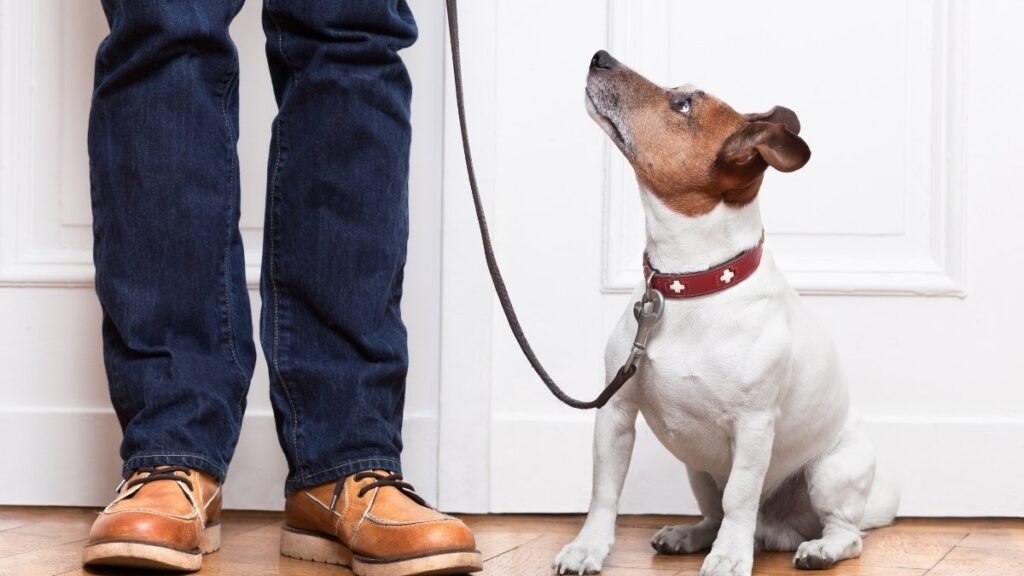
The first and most powerful sign is the “soft gaze.” This is not the hard, tense, unblinking stare of a dog who wants your food. This is when your dog is relaxed, their face is loose and soft , and they simply look into your eyes with a gentle expression. It can happen when you’re cuddling on the couch or just resting in the same room.
This is the most powerful proof of the dog-human bond we have. Scientists have discovered that this mutual gaze “hijacks” the human oxytocin bonding pathway. Oxytocin, known as the “love hormone,” is the same powerful chemical that bonds a mother to her new infant.
The best way to respond is to return the affection, but gently. Never force eye contact or stare down your dog, as a hard, confrontational stare can be seen as a threat. But when your dog offers you that soft, loving gaze, return it. Smile, speak in a soft, warm voice, and maintain that gentle contact.
- You’re On the Same Wavelength (Literally): The science of this gaze gets even more amazing. The hormone release is just the start. A groundbreaking 2024 study on “interbrain coupling” found that when humans and dogs share a mutual gaze, their brainwaves literally synchronize.
- What if My Dog Doesn’t Stare? Don’t worry if your dog isn’t a big “starer.” This behavior has breed-specific nuances. Research suggests that ancient breeds more genetically similar to wolves (like Huskies or Akitas) make less spontaneous eye contact with humans.
- Context is Everything: Remember to read the whole dog. A “soft gaze” from a relaxed dog is affection. A “hard stare” from a stiff-bodied dog is a sign of stress, fear, or a demand for something.
2. They Lean Their Full Weight Against You
You know this move. Your dog walks over, stands or sits right next to your legs, and then presses their entire body weight against you. They are not just near you; they are on you. This is a common behavior in large and giant breeds, but dogs of all sizes do it. This is the dog equivalent of “huddling” and, as some canine behaviorists call it, a “dog hug”.
This behavior is a clear sign of deep trust and a request for comfort. Certified behavior consultants explain that this is a primary way dogs forge emotional bonds, much like the way humans hold hands to feel safe and connected.
When your dog offers you this “hug,” acknowledge it. The worst thing you can do is push them away or ignore them. Return the steady, comforting pressure with your hand. Pet them slowly and calmly, reinforcing the physical connection. This simple action validates their trust and tells them, “I feel safe with you, too.”
- Affection vs. Anxiety: This lean is almost always a sign of affection, but you must watch the context. If your dog leans on you excessively, cannot be in a room without touching you, and panics when you move, it may be a sign of insecurity or separation anxiety.
- A Critical Medical Warning: It is vital to know the difference between a behavioral lean (affection) and a medical lean (a health crisis). If your dog suddenly starts leaning to one side, falling over, has a head tilt, or seems disoriented, this is not affection.
3. They Follow You Everywhere (Even the Bathroom)
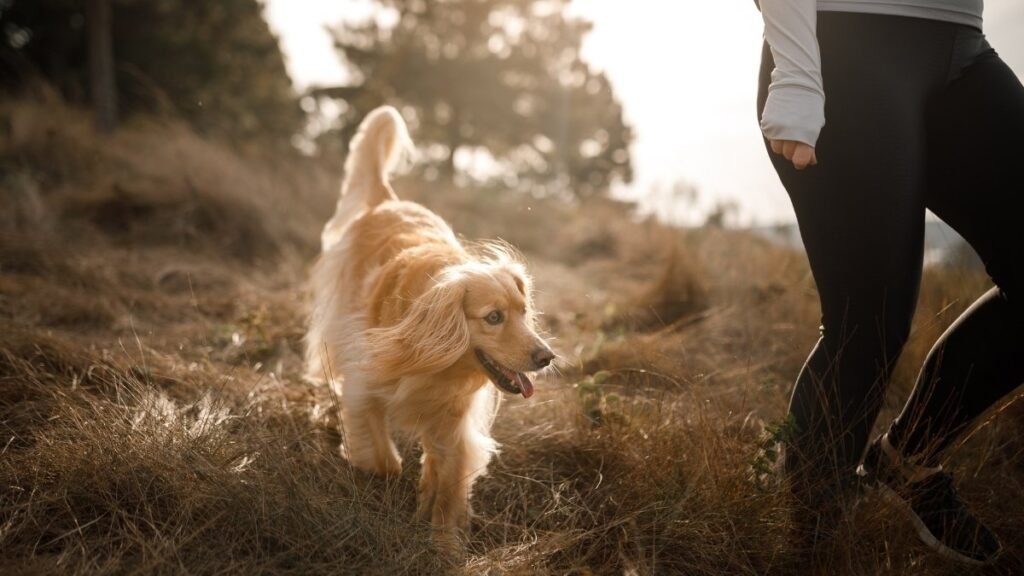
You get up from the couch to get a glass of water, and a little shadow is right at your heels. You walk to the kitchen, they follow. You head to the bathroom… and they try to follow you in there, too. Your dog acts like a little shadow, wanting to be part of every single thing you do, no matter how boring.
This behavior is rooted deep in their DNA. Dogs are pack animals, descended from wolves. For wolves in the wild, sticking together as a pack is essential for survival, guidance, and security.
After thousands of years of domestication, your dog has adopted your human family as their pack, and they see you as their “pack leader”. Following you is a powerful, natural instinct that says, “You are my person, you keep me safe, and I feel most secure when I am with you.”
For most dogs, this is a harmless and positive sign of a strong bond. You can acknowledge them with a quick, reassuring pet or a kind word. You can also use this as a great training opportunity. Reward your dog with praise or a small treat when they follow you and remain calm, like sitting quietly while you cook. This reinforces the idea that being near you is a good, calm, and positive place to be.
- “Velcro Dog” vs. Separation Anxiety: There is a critical difference between a “Velcro Dog” and a dog with separation anxiety. A Velcro Dog simply prefers to be with you and is happiest at your side. A dog with true separation anxiety panics when they are away from you.
- The Boredom Factor: Sometimes, your dog follows you for a simpler reason: they are bored. You are the most interesting thing in the house, and your movement means something might happen. If this is the case, it might be a sign that your dog needs more mental stimulation, like a puzzle toy or a good training session.
4. They Expose Their Belly for Rubs
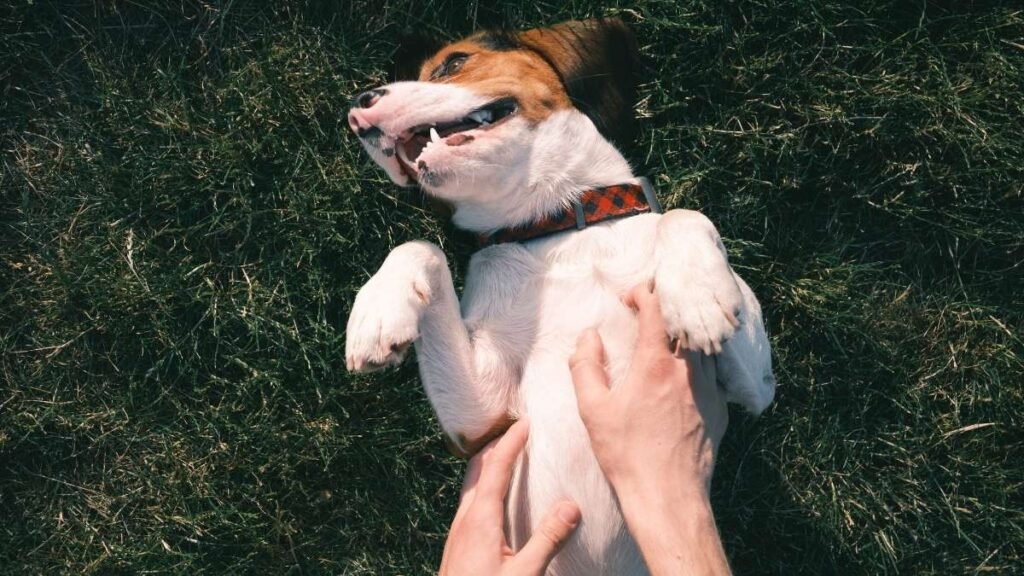
This is the classic, adorable “I love you” sign. Your dog flops over, exposes their entire tummy, and wiggles, clearly inviting you to come over and give them a good belly rub. Their body is loose and relaxed, their mouth is open in a “smile,” and their tail might be wagging gently.
The science behind this is all about trust. The belly is the most vulnerable part of a dog’s body, protecting all of its vital organs. In the wild, exposing this area is a potential death sentence. When your dog voluntarily rolls over and shows you their belly, it is the ultimate sign of trust.
They are telling you, “I trust you completely. I am 100% comfortable with you and I know you will not hurt me.” This behavior stems from ancient pack dynamics and is a modern version of a social bonding ritual.
This is a sign that often needs you to read the context first. If your dog’s body is loose, wiggly, and relaxed, they are asking for affection. Go for it!. Pet their chest and the sides of their belly with a flat, open palm. But be careful. Not every belly-up position is an invitation for a rub.
- The #1 Most Misread Signal: This is perhaps the most critical distinction in all of dog body language. A dog rolling over can mean “I trust you” OR “I am terrified, please don’t hurt me”. The second meaning is one of submission or appeasement.
- The Consequence of Misreading: Petting a submissive, scared dog can be dangerous. This dog is “pleading with you to go away”. When you reach down and rub the belly of a dog who is showing these “please stop” signals, you are invading their space and ignoring their warning. This is “quite likely to result in a significant bite”.
- Other Reasons: Sometimes, this is not about trust or fear. On a hot day, a dog may roll over on a cool-tiled floor to expose their belly. The fur is thinner there, and it’s a great way for them to cool down.
5. They Bring You Their Favorite Toy
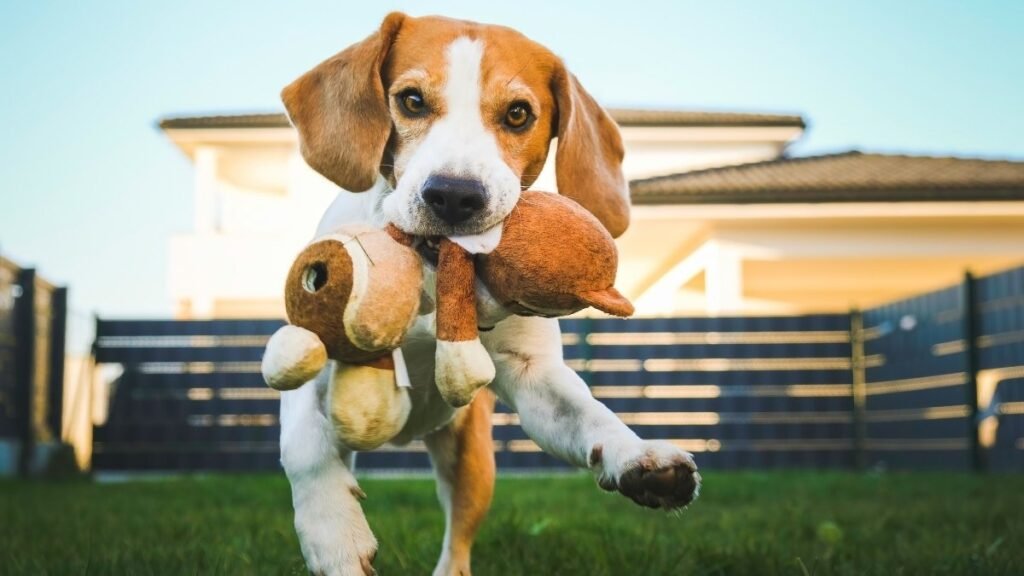
You just walked in the door from work. Your dog greets you with a flurry of wiggles, and they have their slobbery-est, most-loved toy shoved in their mouth. Or, they walk up to you while you’re on the couch and push their favorite squeaky ball into your hand. They are bringing you their single most prized possession.
This is a true sign of affection. Experts often interpret this as your dog “giving you a gift”. They are sharing what they love most with the one they love most. It is also a way for them to channel their intense excitement at seeing you. But most importantly, it is a clear invitation to play. They are saying, “I trust you with my favorite thing. Now, please play with me!”
You should always acknowledge this gift. It’s a sign of a strong bond. Even if you don’t have time for a full game of fetch, show enthusiasm. Give them praise (“What a good toy! Thank you!”) and a few pets. This validates their gesture of friendship. If you can play for just a minute or two, you will strongly reinforce that sharing with you is a fun and rewarding experience.
- The “No Take, Only Throw” Game: A common frustration for owners is when their dog brings them a toy, but then won’t let them take it. This is not a mixed signal. It is simply a different game. The dog may want you to play “keep-away” or “tug,” not “fetch.”
- A Sign of Stress (Comfort Object): This behavior can also be a “self-soothing” mechanism. You may notice your dog grabs their favorite toy when they feel stressed, such as when visitors come to the house or during a thunderstorm. In this case, the toy is a “comfort object.” Recognizing this helps you understand when your dog needs support and reassurance, not a game of fetch.
6. They Greet You With Full-Body Wiggles
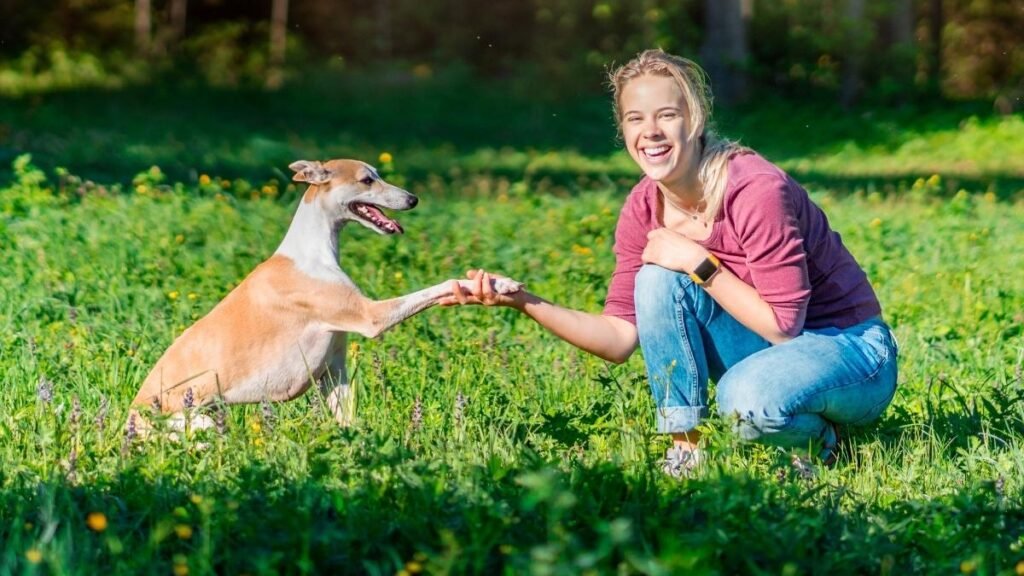
When you walk in the door, your dog’s greeting is a full-body experience. It is not just their tail. Their entire backend, their hips, and even their shoulders are involved in the “wiggly butt” motion. Their body may form a loose “C-shape,” and they might even wag their tail in a full circle.
This is one of the clearest signs of love. A wagging tail, by itself, does not always mean “happy”. A tail held high and wagged stiffly can be a sign of high alert, arousal, or dominance. But the full-body, circular wag is “the most unambiguous” sign of joy, according to canine behaviorists. This is your dog showing pure, unadulterated happiness and excitement to see their favorite person.
- The Science of the Wag: New research has shown that the direction of the wag can tell you a lot about your dog’s feelings. Studies on asymmetrical tail wagging found that dogs tend to wag their tails more to the right side of their body when they see someone they are familiar and happy with (like their owner).
- Look at the Whole Dog: The key takeaway from behaviorists is to “look at the whole dog, not just the tail!”. A wagging tail on a loose, wiggly body is a very friendly dog. A wagging tail on a stiff, tense, frozen body is not a friendly dog, and you should give them space.
Expert Dog Insights
Click a face to see the expert quote!
Click one of the dog faces above to read an expert insight…
7. They “Check In” With You on Walks
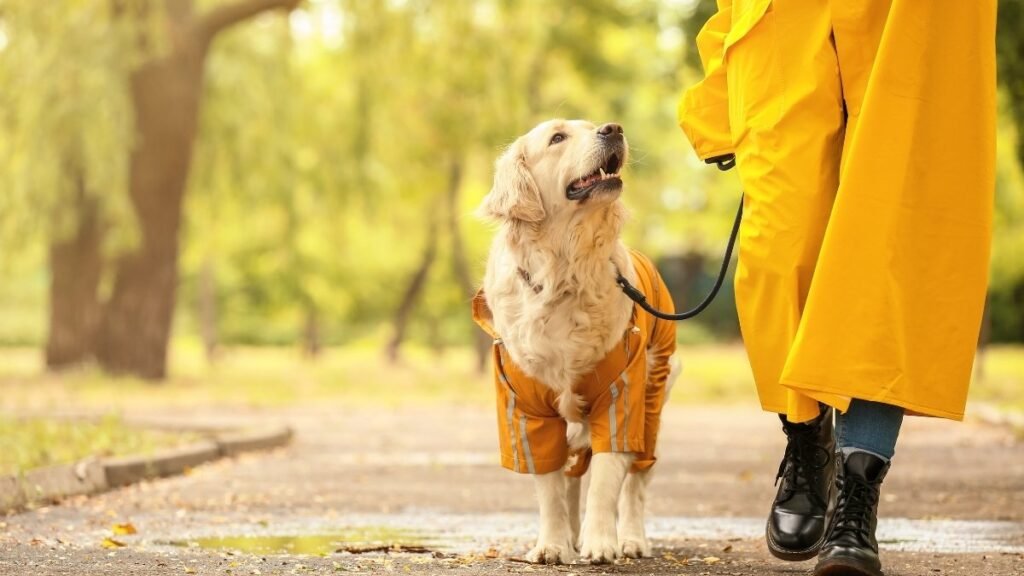
You are on a walk. Your dog is in heaven, sniffing every tree and post. The world is full of amazing smells. But every 30 seconds or so, they stop, turn their head, and look back at you. They are “checking in”. They are just making sure you are still there before they continue their adventure.
This small gesture is a direct sign of a “secure attachment,” a concept taken from human psychology. In this relationship, your dog views you as their “secure base.” This means they feel confident and safe enough to go out and explore the world, because they know you are there to protect them.
This is a behavior you absolutely must reinforce. When your dog checks in with you, reward them immediately. You don’t always need a treat. A happy, warm “Yes! Good job!” or a big smile is enough. This teaches your dog that paying attention to you is the most rewarding and positive thing they can do, which will make all your training easier.
- This is the Goal: This “check-in” behavior is the hallmark of a confident, well-adjusted dog. It is the opposite of an anxious “Velcro Dog”. An insecurely attached dog will cling to your side and be too afraid to explore. A securely attached dog has the confidence to explore and the connection to check in with you.
- You Can Teach This: If your dog doesn’t do this, you can easily train it. Start inside, with your dog on a leash. Any time they make even the slightest glance in your direction, mark it with a “Yes!” and give them a treat. Then, practice in your yard. This builds a powerful and positive habit of focus.
8. They Lick You (Giving “Kisses”)
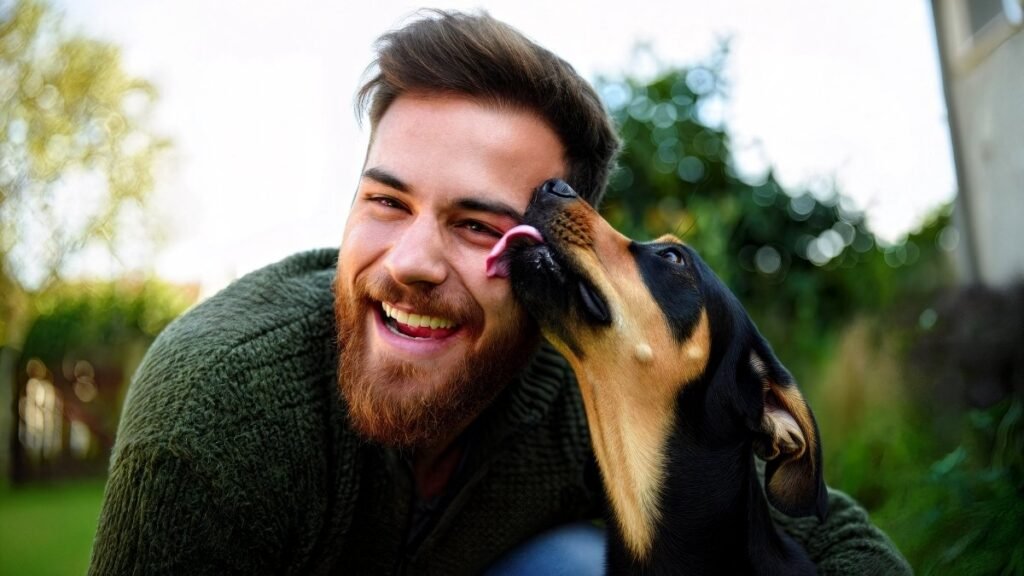
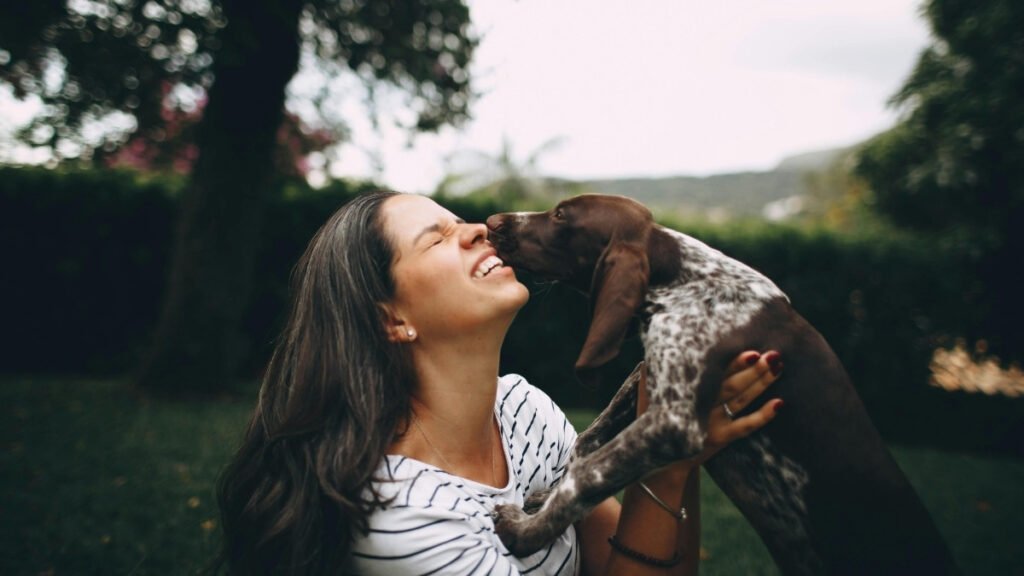
You’re just sitting on the couch, and your dog comes over to give you a few licks on your hand, arm, or even your face. These are the classic “doggy kisses,” and they are a very common way dogs interact with their favorite people.
Licking is a natural, instinctive behavior for dogs. The act of licking actually releases endorphins in your dog’s brain, which makes them feel calmer, more relaxed, and happier. While we can never be 100% sure what is in their mind , scientists believe licking is a key social-bonding tool.
If you enjoy the “kisses,” feel free to accept them as a sign of your bond. However, many people do not love a slobbery face. If you want to redirect the behavior, do not scold them. Simply move your face away and offer your hand instead.
- You Also Taste Good: Let’s be honest. Sometimes, they lick you simply because you taste interesting. Your skin is naturally salty, especially after exercise. You might have lotion on your hands, or the crumbs from lunch on your face. Part of this “kiss” is exploration and part is just your dog being a good “cleanup crew.”
- Licking as a Warning: A lick can also be a very polite warning. A dog who is feeling uncomfortable might give a person’s hand a quick “lip lick” or a single, hesitant lick. This is a very subtle “calming signal” that means “please stop what you are doing.”
9. They Sleep Near You (or On You)
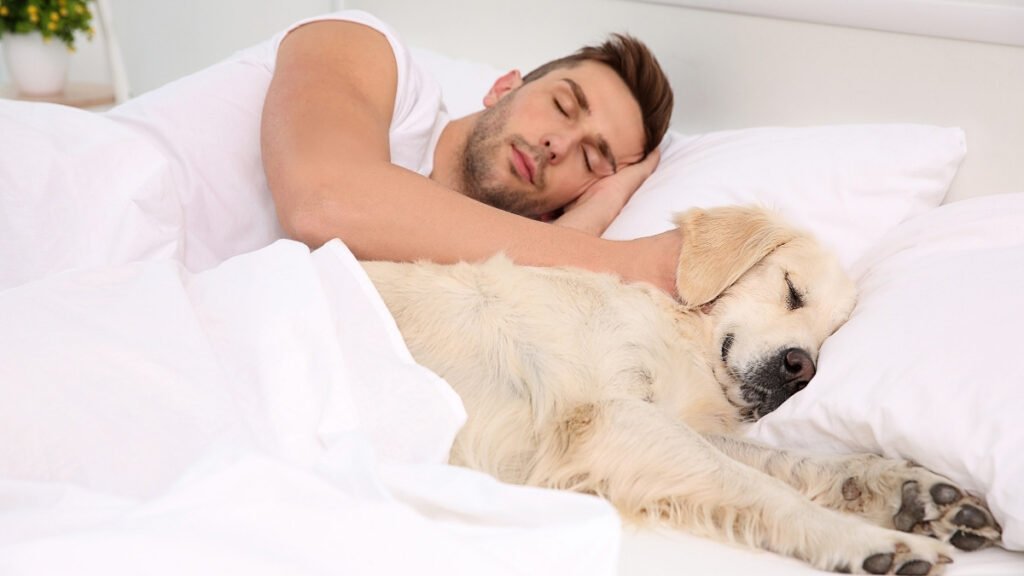
At the end of the day, your dog makes a choice. They could sleep anywhere, but they choose to sleep in your room, on a dog bed right next to you, or even on the bed with you. They seek you out when it is time to rest. This behavior is not just about finding a comfortable bed; it is about who they are sleeping with.
This is a powerful, primal pack instinct. In the wild, canines and wolves sleep together in dens. They huddle together for warmth and, more importantly, for protection from predators. By choosing to sleep in your room, your dog is definitively marking you as a trusted member of their pack. They feel secure enough with you to be in their most vulnerable state: sleep.
If you are comfortable with your dog in your room or on your bed, enjoy the connection. If you would rather have your bed to yourself, you can still honor this instinct. Create an extra-cozy, high-value dog bed in your room. You can use positive reinforcement to make them love their new spot. Reward them with treats and praise whenever they choose to use their own bed.
- The Protective Position: Have you ever noticed that your dog sleeps with their back pressed against you? You might think this is a snub, but it is the exact opposite. This is a sign of both trust and protection.
- A Sign of Loyalty: A dog sleeping near you is a sign of deep trust and a strong bond. They are instinctively aware that if something threatens you in the night, they will be ableto alert you quickly. It is a quiet, constant act of loyalty and protection.
10. They Yawn When You Yawn
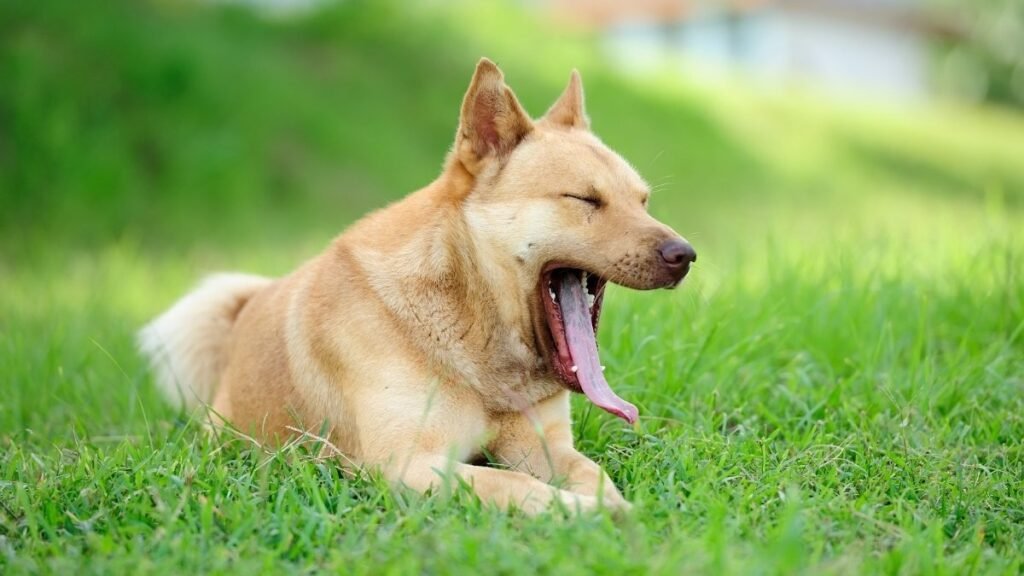
You are relaxing, and you let out a big, tired yawn. A moment later, you look down, and your dog lets out a big yawn, too. This is called “contagious yawning,” and it is a fascinating phenomenon that also happens in humans and other primates.
The science here is interesting and still being debated. For years, scientists believed this was a clear sign of empathy. A 2013 study found that dogs were more likely to “catch” a yawn from their owner than from a stranger, suggesting that the emotional bond was a key factor.
The best way to respond is to look at the type of yawn. A yawn is not always just a yawn. If you and your dog are snuggled on the couch and you both have a “lazy yawn,” it is most likely a sign of relaxation or a true contagious yawn.
But if the yawn is tense, and your dog turns their head away, it is a “stress yawn”. This means they are feeling anxious or uncomfortable, and you should give them space or remove them from the stressful situation.
- Honest Science: The “empathy yawn” is a wonderful theory, but the science is still conflicting. It is more honest to say we don’t know the exact reason for contagious yawning.
- The More Important Yawn: The far more common and important yawn for an owner to understand is the “stress yawn”. Dogs yawn to calm themselves down when they feel anxious or overwhelmed.
11. They Have a Soft, Relaxed Face Around You
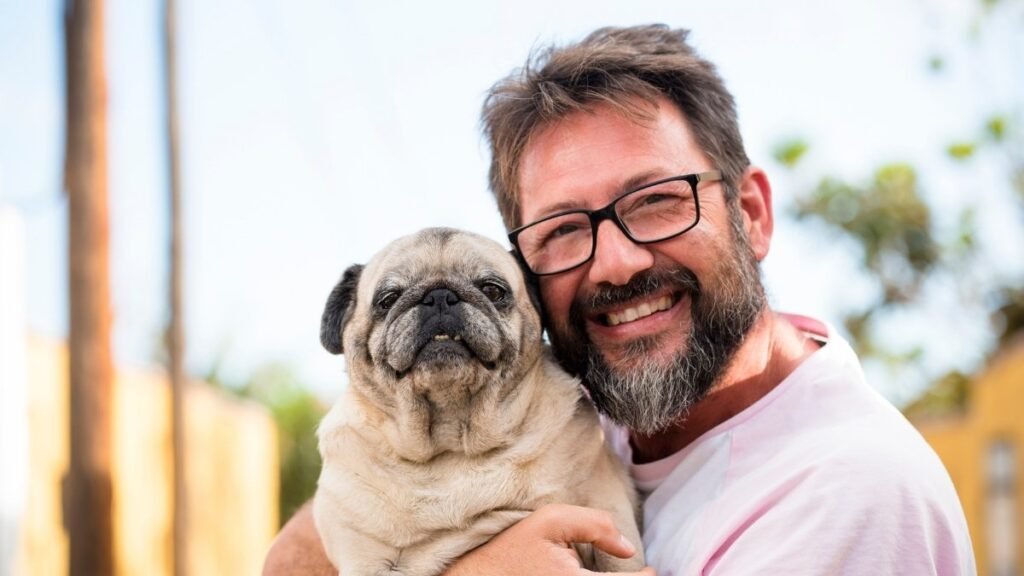
When your dog is near you, just hanging out, take a look at their face. A happy, content dog will have a completely relaxed face. Their eyes will be soft and “squinty,” not wide, hard, or showing the whites. Their mouth might hang open a little, and their ears will be in a neutral, relaxed position (not pricked forward or pinned back). There is no tension in their brow.
A dog’s facial expression is a direct window into their emotional state. Unlike a “hard, staring eye” or a tight, closed mouth , which signals tension and stress, this soft face shows that they are completely at ease. This is the look of a happy, content dog who feels 100% safe and secure in your presence. This, by itself, is a sign of a deep, loving bond.
You can respond by mirroring them. Stay calm and relaxed yourself. You can even offer a “calming signal” back to them in their own language. Yawning (a calm one!) , blinking slowly, or turning your head slightly to the side are all ways that dogs communicate “I am relaxed and I am not a threat.”
- The “Submissive Grin”: Some dogs “smile” by pulling their lips back and showing their front teeth. To an uninformed person, this can look terrifying, like a snarl. It is the complete opposite.
- The Opposite: “Whale Eye”: The opposite of a relaxed face is “whale eye” or “half-moon eye”. This is when a dog is stressed and turns their head slightly, but keeps their eyes on you, showing the whites of their eyes in a half-moon shape.
12. They Let You Touch Their Head
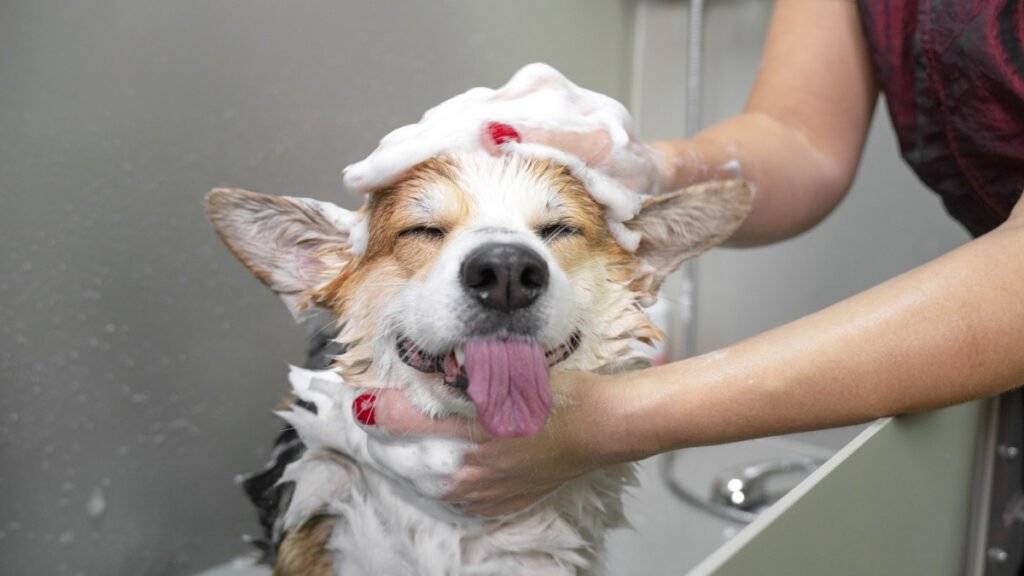
Your dog willingly lowers their head or moves into your hand to let you pet the top of their head, scratch behind their ears, or rub their face. They do not shy away, duck, or pull back. They lean into the touch.
This is a much bigger deal than most people think. Most dogs tolerate being petted on the head, but they do not enjoy it, especially from strangers. In the dog world, a hand coming down from above is a threatening and dominant gesture.
This is why so many dogs will duck or shy away. When your own dog not only lets you do this but actively seeks it out , it is a massive sign of trust and a deep bond. They have learned to override their natural instinct because they trust you completely.
Be respectful of this hard-won trust. The best way to pet any dog (even your own) is to approach from the side or under the chin, not by reaching over the top of their head. Let them initiate the contact. If they do enjoy head pets, focus on the spots they love the most, like the base of the neck, the chest, and that special spot behind the ears, which they cannot reach themselves.
- Tolerance vs. Enjoyment: The key is to understand that most dogs dislike head pats. The fact that your dog does like them from you is what makes this sign so special and meaningful.
- The Invitation: A dog who wants this kind of touch will make it obvious. They will actively ask for it. They will do things like “nudging a head into your hand or lap” or “pawing your hand, trying to move it closer”. This is a clear “yes” in dog language.
13. They Rub Their Face on You
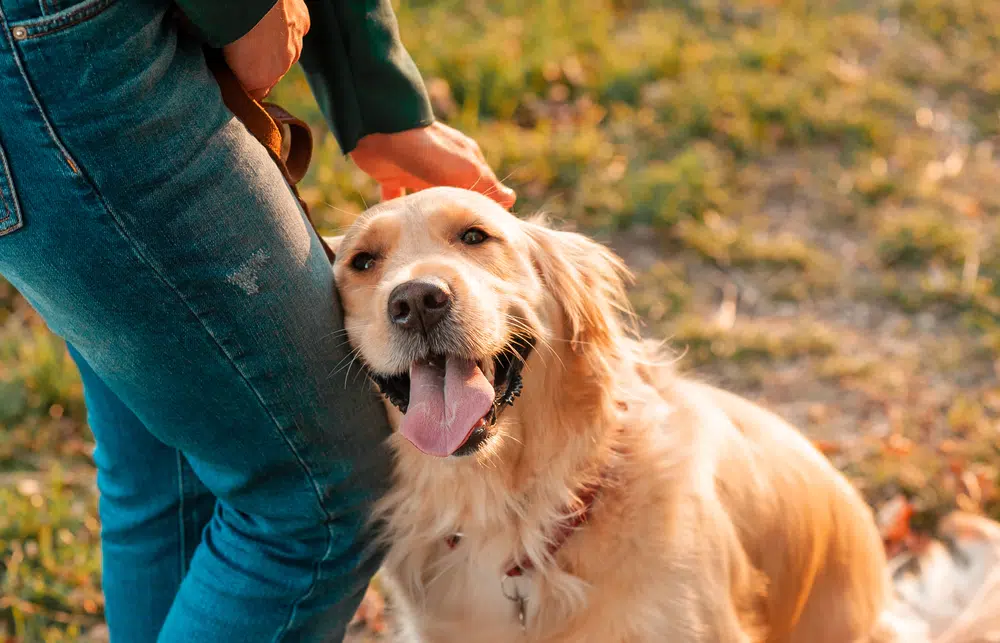
Your dog comes up to you and rubs the side of their face and muzzle all over your legs, your hand, or even your face. This is different from a simple “head-butt” nuzzle; it is a clear, intentional rubbing motion, similar to what you see cats do.
This is an affectionate marking behavior. Dogs have scent glands in their faces. When your dog rubs their face on you, they are depositing their unique scent. In a very loving way, they are “claiming” you as partof their family. It is an act of “ownership” that says, “You are mine, you are safe, and you are part of my pack.”
Accept this lovely compliment. This is a natural, harmless, and loving gesture that shows they are bonded to you. Lean into it and return the affection with a gentle pet. This reinforces your bond and accepts their “claim” that you belong to each other.
- Affection vs. Medical: While this is almost always a sign of affection, excessive face rubbing can be a sign of a medical problem. If this behavior is new and compulsive, and you notice your dog is also rubbing their face on the furniture, the carpet, and their paws, it could be a sign of an “itchy face”.
- Scent as Comfort: This same scent-marking behavior is the reason your dog may sleep on your pile of dirty laundry when you are not home. Your scent provides them with comfort and security. It is all part of the same “scent language” that defines their world.
Primary Scientific Studies
Click an icon to reveal key findings!
Oxytocin Loop Studies (2024)
Gnanadesikan et al. (2024) found dog-child interaction raises oxytocin in children and lowers cortisol (stress) in dogs.
Source: #6
Oxytocin & Gazing
Mutual gazing between a dog and its owner releases oxytocin in both species, mirroring the parent-infant bond.
Source: #33
Interbrain Coupling (2025)
New research shows “neural synchrony” (aligned brain waves) when humans and dogs interact, proving the bond is mutual at a neurological level.
Source: #20
Dog vs. Wolf Cognition
Wolves, even human-raised, do not engage in the mutual gazing/oxytocin loop, proving this is a unique evolved trait in dogs.
Source: #33
Contradictory Studies (Nuance)
Some studies do not find an oxytocin increase, suggesting the quality of the bond (bonded pair vs. familiar) is the critical factor.
Source: #31
Your Bond is Real (And Science Proves It)
Your dog’s love language is spoken through their whole body. From a gentle, soft gaze to a “check-in” on a walk, these signs are their way of saying “I love you” every single day. Understanding these signals moves you from being just an owner to being a true “pet parent”—someone who is fluent in their dog’s native tongue.
The bond you feel is not just a feeling; it is a biological fact. Science has proven the “oxytocin loop” , showing that when you and your dog lock eyes, your brains are flooded with the same “love hormone” that bonds a mother and her child.
And new research from 2024 is even more amazing. It shows that when you and your dog interact, your brains literally sync up. This “interbrain coupling” is the first time such neural synchrony has been proven to happen across species. The connection you feel is real.
The signs your dog loves you are clear. Now that you can read their signs, it’s time to show your love back in their language. Understanding them is the key to a stronger dog-human bond.
Learn how to speak their language. Read our next article: The 5 Ways to Say ‘I Love You’ in Fluent Canine.